
Tokyo Tours & Private Japan Itineraries
Tokyo Tour Packages for First-Time Visitors, Families & Longer Japan Trips
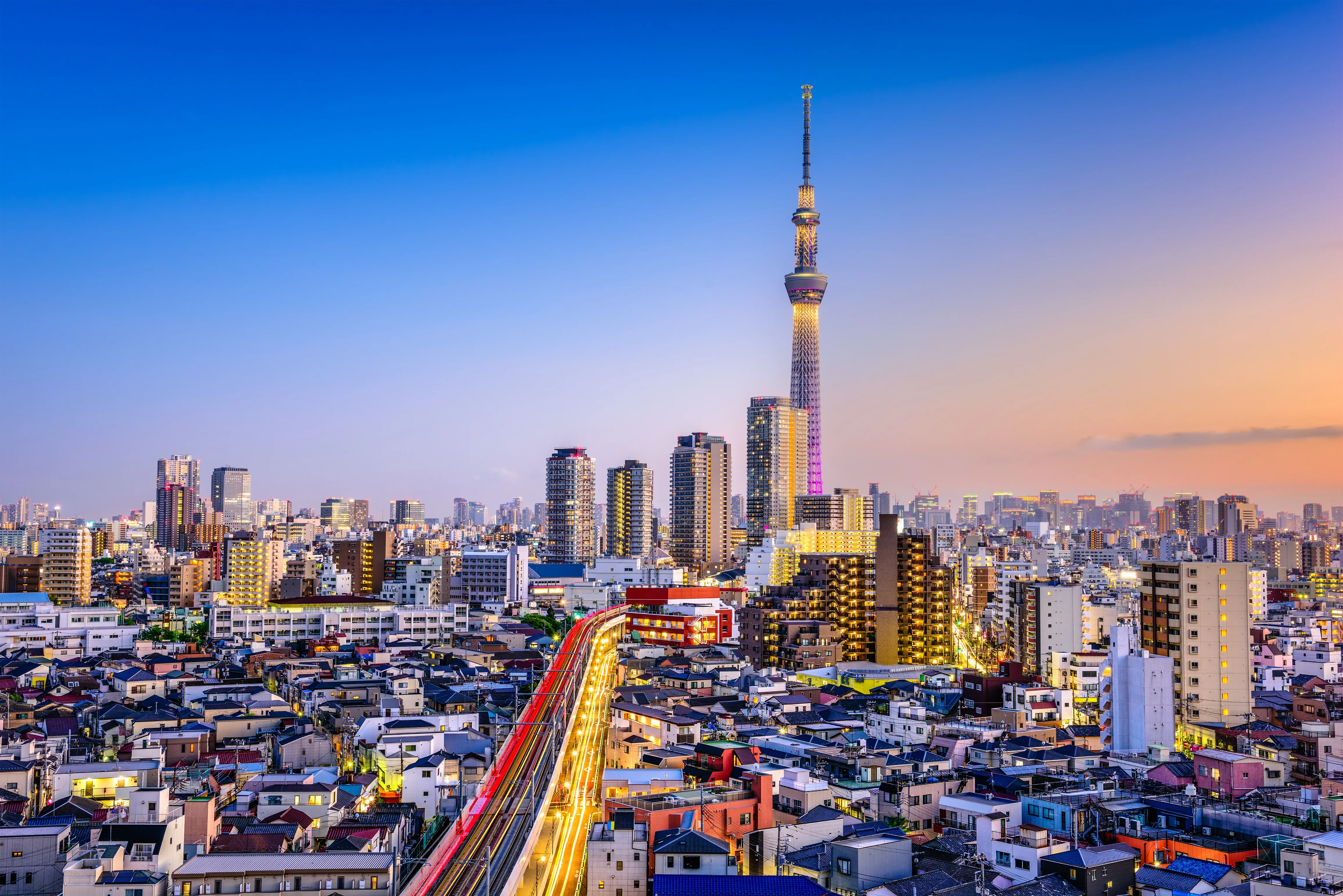
Tokyo is often the first stop on a Japan holiday, but it should not feel like a waiting room before Kyoto. A well-planned Tokyo tour can move from temple lanes and old shopping streets to contemporary architecture, food districts, gardens and neighbourhoods that feel completely different from one another, all within the same city.
Our Tokyo itineraries can be planned as a short city break or as the opening section of a longer journey through Mt. Fuji, Hakone, Kyoto, Nara, Osaka and Hiroshima. The aim is not to fit every famous attraction into two days. It is to group areas sensibly, reduce unnecessary cross-city travel and leave enough time to enjoy the city between the landmarks.
Travellers with limited time can consider our 5 Days Tokyo & Mt. Fuji Tour, while those planning a broader first visit may prefer an eight, ten or twelve-day Japan route starting in Tokyo.
How Many Days Do You Really Need in Tokyo?
Two full days is a useful minimum for first-time visitors. That gives enough time for one traditional-focused day, one modern city day and some flexibility for food, shopping or a museum. Three full days is more comfortable and allows you to explore without treating every neighbourhood as a quick photo stop.
Four or five nights can make sense for travellers with specialist interests such as contemporary art, architecture, fashion, anime, food, gardens or day trips. A longer Tokyo stay also works well for families who prefer fewer hotel changes.
What matters most is not the number of attractions. Tokyo is enormous, and crossing the city repeatedly can consume more time than travellers expect. We therefore build days around geographic clusters rather than a list copied from a guidebook.
Asakusa: A Natural First Introduction to Old Tokyo
Asakusa is a strong place to begin because it gives first-time visitors an immediate sense of older Tokyo. Senso-ji, Nakamise and the surrounding lanes can be explored on foot without needing a complicated plan.
The area is busiest during the middle of the day, so an earlier visit can feel more comfortable. Depending on your interests, Asakusa can be paired with Ueno, Kappabashi, the Sumida riverside or another nearby district rather than crossing the city immediately.
This is the kind of practical grouping that improves a Tokyo itinerary. You see more by moving less.
Shibuya and Harajuku: Modern Tokyo Without Trying to See Everything
Shibuya is one of Tokyo's best-known modern districts, but the value goes beyond the famous crossing. The surrounding streets offer shopping, cafés, architecture and a useful look at contemporary city life.
Harajuku and Meiji Shrine can fit naturally into the same broader area. Families, teenagers and travellers interested in fashion may want more time here, while others may prefer a shorter visit before moving to another neighbourhood.
The itinerary should reflect the traveller, not the reputation of the attraction.
Shinjuku: Best Used as a Neighbourhood, Not Just a Night View
Shinjuku can work well in the late afternoon and evening, especially if you want a city viewpoint, shopping, dining or nightlife. It is also a major transport hub, which makes hotel location especially important.
Staying near a useful station can save meaningful time over several days. A hotel that appears centrally located on a map may still involve long walks through a large station complex, so we look at access as well as postal address.
Ginza, Marunouchi and the Imperial Palace Area
Travellers interested in design, architecture, department stores or a more polished urban atmosphere may enjoy Ginza and Marunouchi. These areas can be combined with the Imperial Palace surroundings or Tokyo Station depending on the day.
They are particularly useful for travellers who want a more relaxed afternoon after a busy morning elsewhere. There is no need to treat Tokyo as a sequence of high-energy districts.
Tokyo Food Experiences: Build Them Into the Route
Food should not be left as an afterthought. Tokyo can offer everything from casual noodle shops and izakaya to specialist sushi, department-store food halls and fine dining. The best choice depends on budget, dietary needs and how adventurous you want to be.
Rather than travelling across the city for every meal, we prefer to use food as part of the neighbourhood plan. A market visit can fit into a morning; an izakaya evening can follow sightseeing nearby; a special restaurant can anchor a lighter day.
Popular restaurants may require advance reservations, while smaller casual places may not accept bookings at all. Dietary restrictions should be discussed early because communication and menu flexibility vary widely.
Tokyo with Children
Tokyo can be excellent for families, but the itinerary needs more breaks than an adult-only trip. Large stations, long walks and crowded transport can make a technically short journey feel much longer with young children.
We therefore reduce unnecessary neighbourhood changes, keep timed attractions limited and leave space for meals and rest. Families can also choose from our Japan family tours when they want the full holiday paced around different age groups.
Room size is another practical issue. Family accommodation in Tokyo should be checked carefully for bedding configuration, usable floor space and proximity to transport rather than booked on star rating alone.
Tokyo for Older Travellers
Tokyo is manageable for older travellers when the day is designed around walking distance and station complexity. A private guide, selected taxi journeys or a slower two-neighbourhood day can be more comfortable than constantly changing trains.
We also pay attention to hotel access, lifts, breakfast arrangements and the amount of standing involved in each sightseeing day. The city does not need to be rushed to be rewarding.
Tokyo to Mt. Fuji: Day Trip or Overnight?
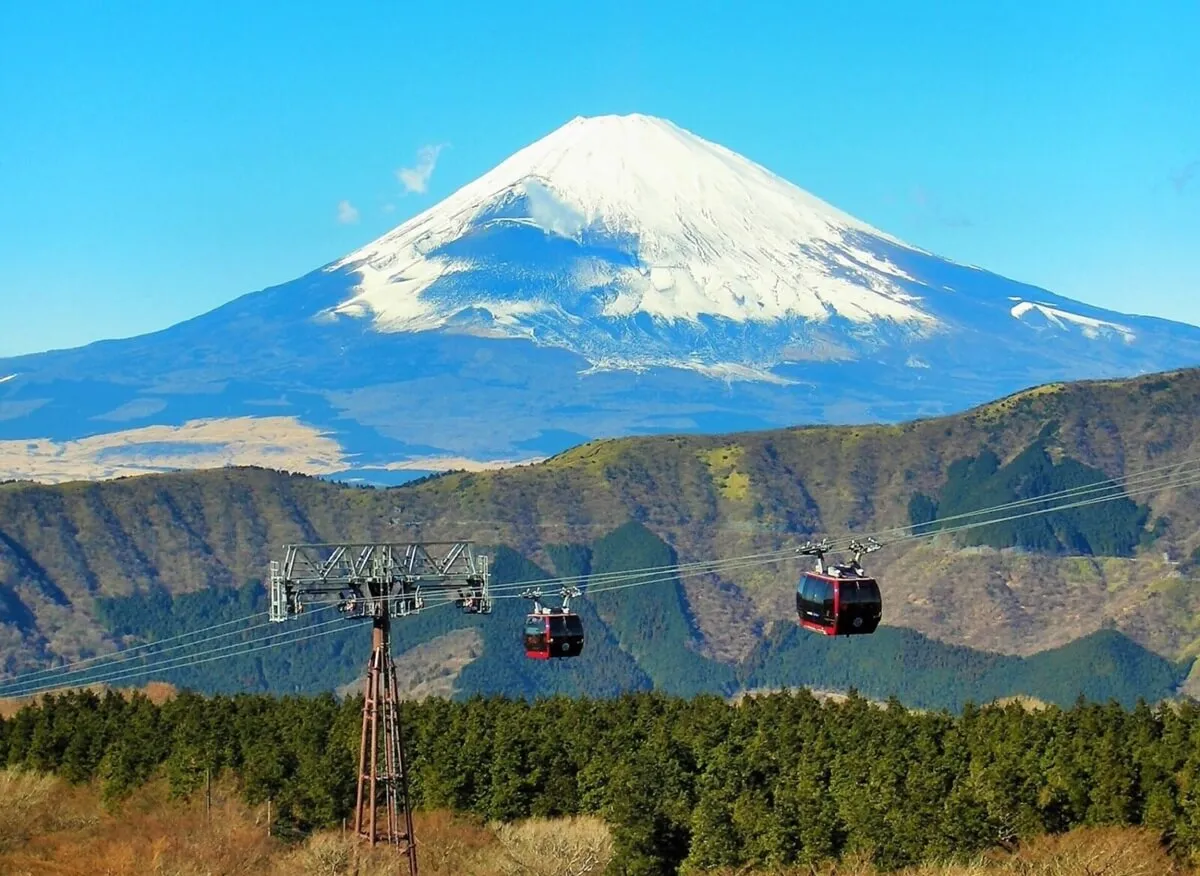
Mt. Fuji is one of the most requested additions to a Tokyo itinerary. A day trip can work when time is limited, but an overnight in the Fuji or Hakone region creates a different experience and reduces the pressure to return to Tokyo the same evening.
Weather matters. Clear views of Mt. Fuji are never guaranteed, so the plan should not be built around a promise of visibility. Depending on conditions and route, sightseeing may include lake scenery, viewpoints, volcanic landscapes or other regional attractions.
For travellers who want more time outside the capital, see our Hakone tours and Mt. Fuji itineraries.
Tokyo to Kyoto: When to Leave the Capital
On a seven to ten-day first Japan trip, three nights in Tokyo is often a sensible starting point before continuing to Kyoto. Two nights can feel rushed after an international arrival, especially when jet lag is involved.
The Tokyo-to-Kyoto transfer is efficient by rail, but we still treat it as a travel day. Arrive in Kyoto, check in and use the remaining time for a light neighbourhood walk rather than trying to complete a full temple itinerary.
Our 8 Days Tokyo, Kyoto & Osaka Tour is a good choice for travellers who want a simple city-focused route without adding Hakone.
Where Should You Stay in Tokyo?
There is no single best neighbourhood for everyone. Shinjuku can be convenient for transport and evening activity. Shibuya suits travellers who want contemporary Tokyo close at hand. Ginza and Marunouchi can feel more polished and convenient for Tokyo Station. Asakusa offers a different atmosphere and can suit travellers who prefer a more traditional setting.
The best hotel is the one that works with your daily route, budget and mobility needs. We would rather recommend a well-located hotel in the right district than a more luxurious hotel that creates long daily transfers.
When Is a Good Time to Visit Tokyo?
Tokyo is a year-round destination, but the experience changes by season. Spring can bring blossom interest and high demand. Autumn often offers comfortable sightseeing weather and seasonal colour. Summer can be hot and humid, while winter is generally cooler and can suit travellers who prefer fewer warm-weather conditions.
Seasonal timing should be treated realistically. Cherry blossom and autumn colour vary from year to year, so exact peak conditions should never be guaranteed months in advance.
If seasonal scenery is a major reason for travelling, browse our Japan cherry blossom tours or Japan autumn foliage tours.
Private Guide or Independent Tokyo Sightseeing?
Both can work. Independent sightseeing is easy for travellers who enjoy public transport and planning. A private guide is useful when you want cultural context, efficient neighbourhood sequencing, food help or support navigating the city.
Many travellers prefer a mixture: guided sightseeing on the first day, then an independent day once they understand the transport system and the scale of the city.
Common Tokyo Planning Mistakes
- Too many neighbourhoods: Tokyo is larger than it looks on an itinerary.
- Ignoring jet lag: Arrival day should be lighter than a normal sightseeing day.
- Choosing hotels only by price: Station access can affect every day of the trip.
- Booking too many timed attractions: Leave room for delays, meals and spontaneous stops.
- Guaranteeing Mt. Fuji views: Visibility depends on weather.
- Treating Tokyo only as a gateway: Give the city enough time before moving on.
How Tokyo Fits Into a Longer Japan Tour
Tokyo combines naturally with Hakone and Mt. Fuji for short trips. With one week, Kyoto can be added. Eight to ten days gives enough room for Kyoto, Nara and Osaka. Twelve days or more can include Hiroshima, Kanazawa or the Japanese Alps without making every day a transfer.
The best route depends on what you value. First-time visitors may prioritise Tokyo and Kyoto. Families may prefer fewer bases. Repeat travellers might spend less time in Tokyo and continue toward Hokkaido, the Alps or western Japan.
Why Plan Tokyo with Tusk Travel?
We build Tokyo into the wider Japan journey rather than treating each city as a separate booking. That means the hotel location, sightseeing order, train departure, luggage plan and next destination can all work together.
Your trip can include private guiding, selected transfers, rail travel, food experiences and flexible free time. We can also adjust the pace around families, older travellers, honeymooners, seasonal travel or specialist interests.
The result is a Tokyo itinerary that feels personal and practical, with enough structure to make the city easy to navigate and enough freedom to enjoy it naturally.
Popular Tokyo Tour Packages & Itineraries
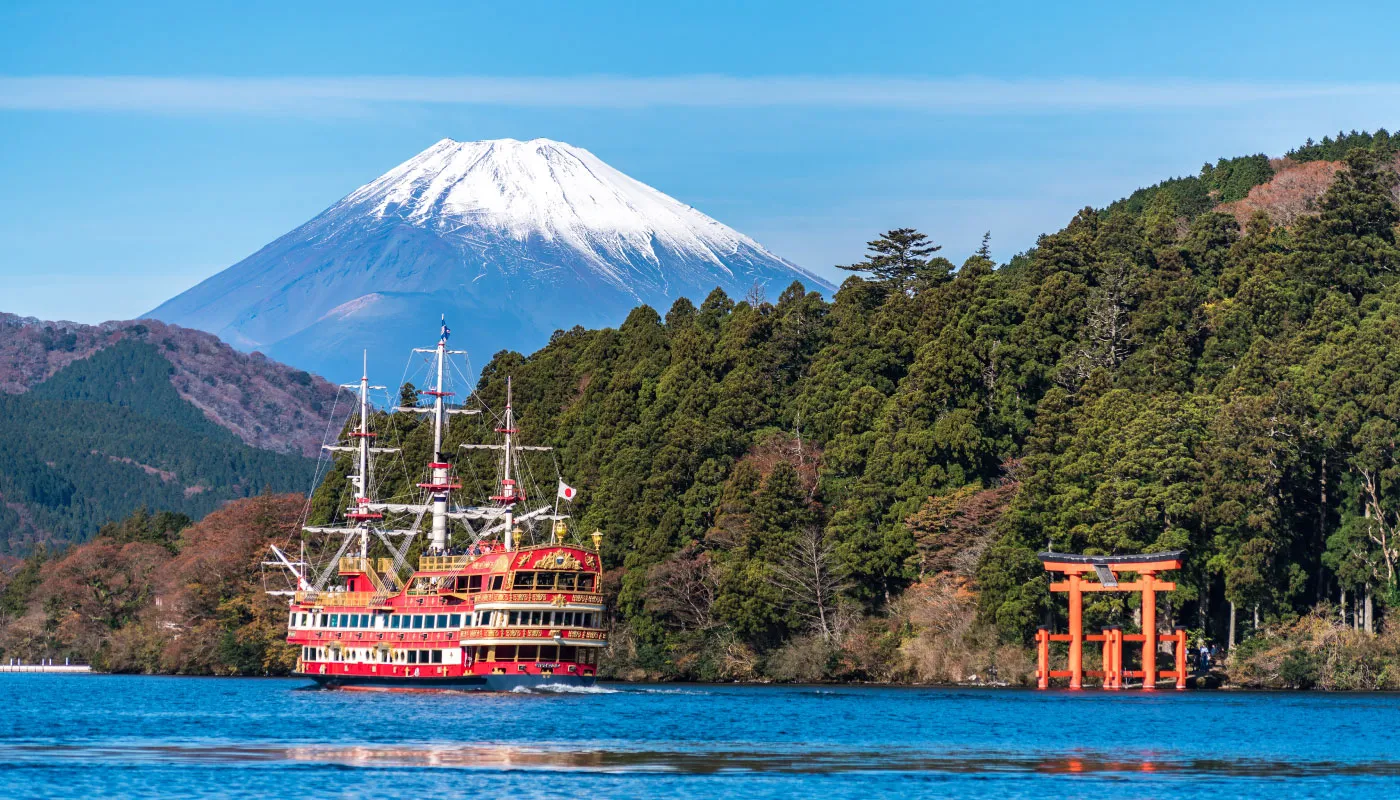
7 Days Japan: Tokyo, Mt. Fuji, Kyoto & Osaka
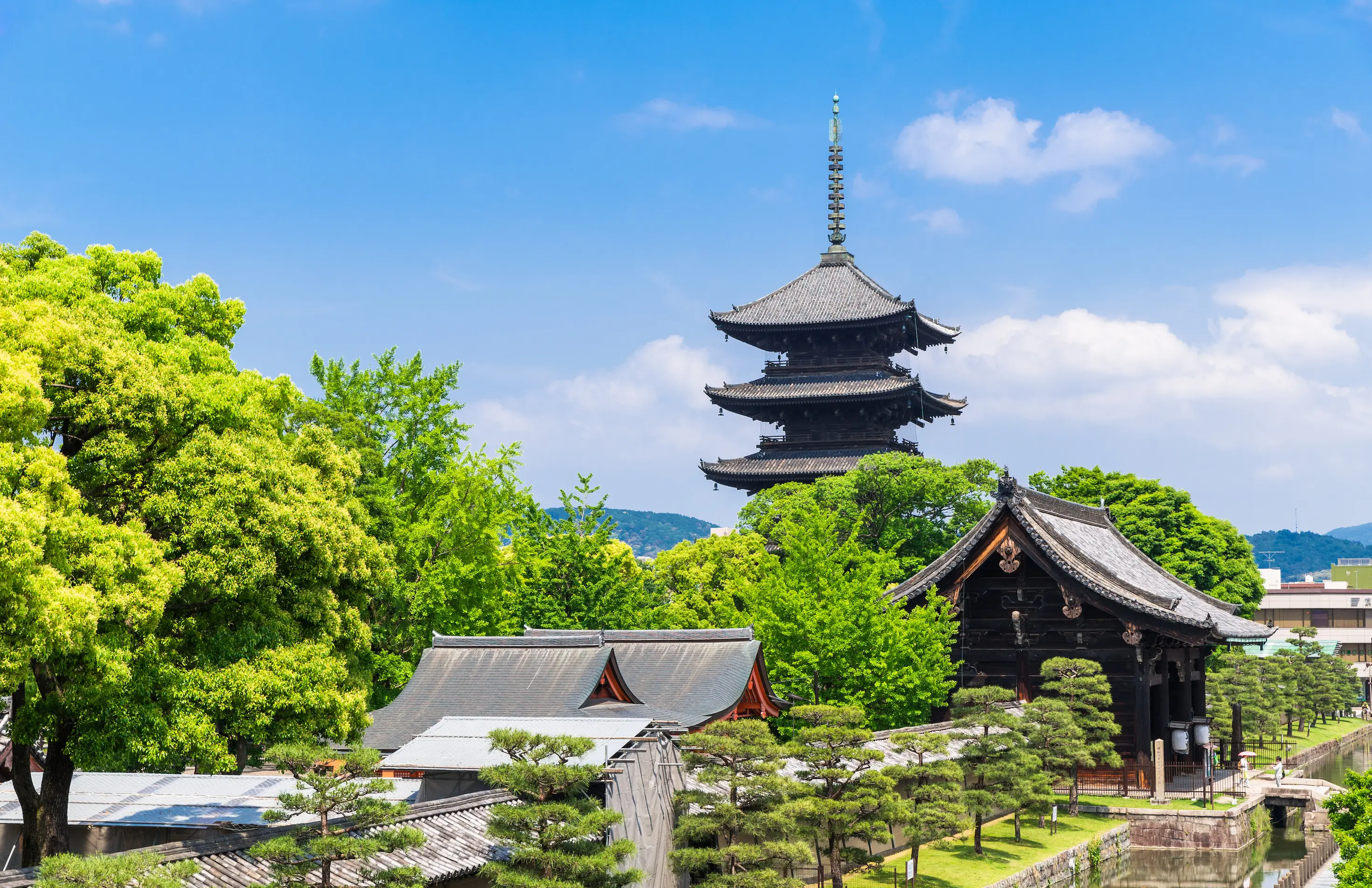
8 Days Classic Japan: Tokyo, Hakone, Kyoto, Nara & Osaka
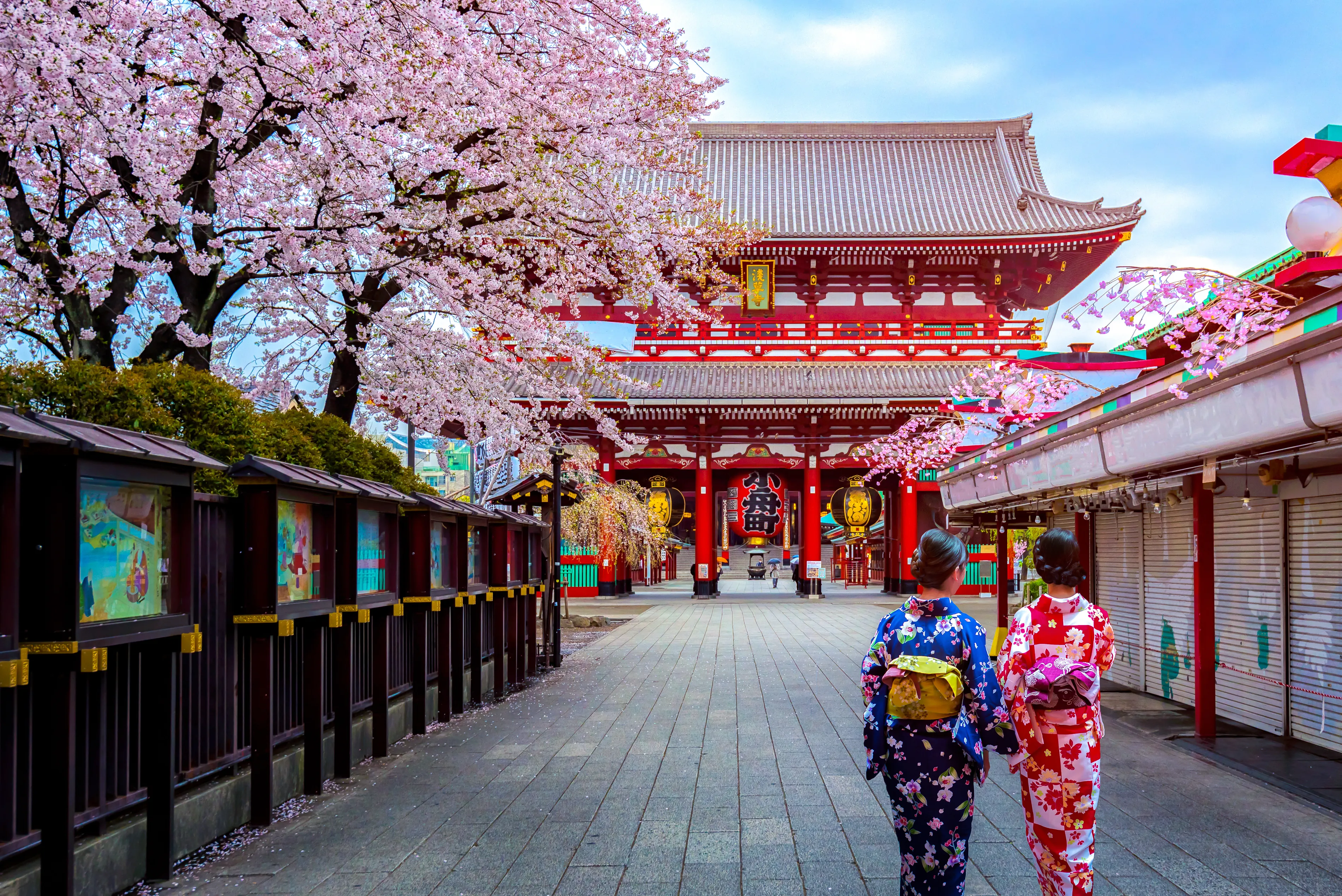
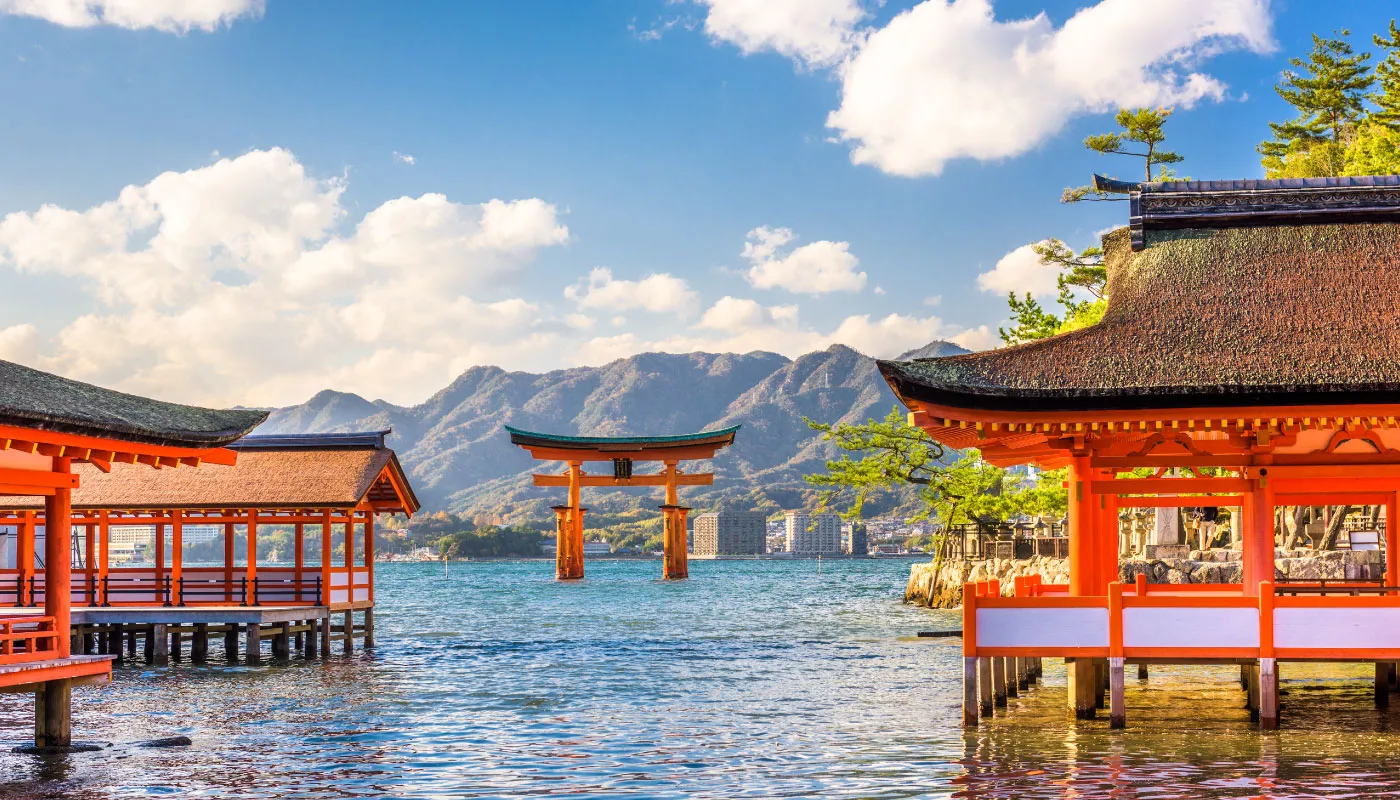
9 Days Tokyo, Kyoto, Osaka & Hiroshima Tour
10 Days Japan Golden Route with Hiroshima
10 Days Tokyo, Kyoto, Hiroshima & Osaka Tour
10 Days Japan Family Tour: Tokyo, Mt. Fuji, Kyoto & Osaka
10 Days Japan Honeymoon: Tokyo, Hakone, Kyoto & Osaka

10 Days Japan Cherry Blossom Tour


11 Days Japan Culture & Heritage Tour
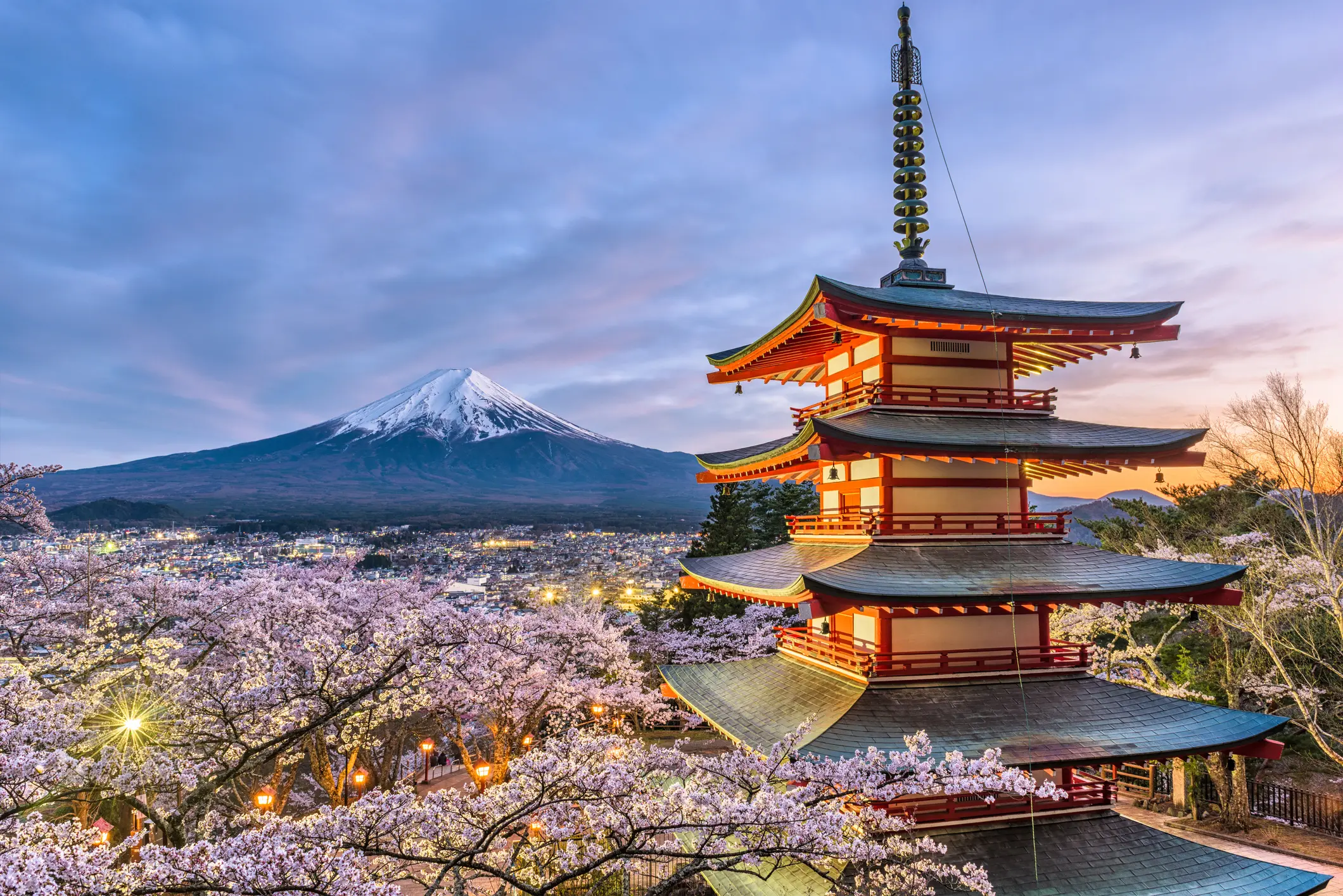
12 Days Best of Japan: Tokyo, Hakone, Kyoto & Hiroshima
Tokyo Tours: Frequently Asked Questions
Two full sightseeing days is a useful minimum for a first visit. Three full days is more comfortable if you want time for food, shopping, museums or specialist neighbourhoods without rushing.
Yes. Mt. Fuji can be visited as a day trip or combined with an overnight in Hakone or the Fuji region. Clear mountain views depend on weather and cannot be guaranteed.
Yes. Tokyo has many family-friendly experiences, but the itinerary should allow for station walking, meal breaks, rest time and the ages of the children. Fewer neighbourhood changes usually make the day easier.
It depends on your itinerary. Shinjuku and Shibuya suit travellers who want active neighbourhoods, Ginza and Marunouchi can be convenient for a more polished central stay, while Asakusa offers a more traditional atmosphere.
Yes, but the route should stay simple. Around seven to eight days can work for Tokyo, Kyoto and Osaka if you avoid adding too many one-night stops. More time gives each city a better pace.
Not necessarily. Independent sightseeing is practical, but a private guide can be useful on the first day for cultural context, neighbourhood planning, food guidance and easier navigation.
Yes. We can customise the number of Tokyo nights, hotel category, private guiding, transfers, rail sectors, Mt. Fuji or Hakone extensions and the onward route through Kyoto, Osaka, Hiroshima or other parts of Japan.