

Wildlife Tours in India
Wildlife Tours in India – Tiger Safaris, National Parks & Jungle Experiences
A wildlife tour in India can be very different from one national park to another. In Rajasthan, you can combine a tiger safari in Ranthambore with Delhi, Agra and Jaipur. In Central India, Pench, Kanha and Bandhavgarh can be linked into a dedicated tiger safari circuit. Further east, Kaziranga offers a completely different landscape of grasslands and wetlands, while Gujarat is known for the Asiatic lion habitat around Gir.
The best India wildlife itinerary depends on what you actually want from the trip. Some travellers want two or three serious tiger reserves with repeated jeep safaris. Others prefer a single national park added to a cultural holiday, birdwatching in Bharatpur, a mangrove journey through the Sundarbans, or a South India wildlife stay around Kabini. There is no single route that suits every wildlife traveller.
Tusk Travel plans private and customizable India wildlife safari tours around park opening periods, safari permit availability, realistic driving times and the number of forest drives you want to include. Wildlife sightings remain natural and can never be guaranteed, so we prefer to build itineraries around good safari opportunities rather than promises of seeing a particular animal.
Which Wildlife Safari in India Is Right for You?
Choosing a national park only because it is famous is not always the best way to plan a safari. Each region offers different wildlife, landscapes, access points and combinations with the rest of your India trip.
- Ranthambore National Park: A practical choice for first-time visitors because it combines easily with Delhi, Agra and Jaipur. Its lakes, dry forest and historic landscape also make it visually distinctive for photography.
- Bandhavgarh National Park: A strong choice for travellers building a dedicated Central India tiger itinerary. It works particularly well when combined with Kanha or Khajuraho.
- Kanha National Park: Best suited to travellers who want a more immersive forest stay, with sal woodland, meadows and enough time for several safari drives.
- Pench National Park: Convenient for a Central India circuit starting or ending in Nagpur and especially useful as part of a Pench, Kanha and Bandhavgarh journey.
- Jim Corbett National Park: A good option when your wider journey includes Delhi, Rishikesh or Uttarakhand. Different tourism zones can create very different safari experiences.
- Kaziranga National Park: Best known for the great Indian one-horned rhinoceros and a strong choice for travellers exploring Assam or Northeast India.
- Gir: The key Indian wildlife destination for travellers interested in seeing the Asiatic lion in its natural habitat.
- Tadoba: A useful tiger safari option for travellers entering through Nagpur and those who prefer a shorter dedicated wildlife break.
- Kabini: A good South India wildlife addition when travelling through Karnataka, Mysore or Coorg.
- Sundarbans: A completely different wildlife journey based around tidal waterways and mangrove landscapes rather than conventional open-jeep tiger safaris.
Best Tiger Safari Circuits in India
If seeing India's forests and searching for tigers is the main purpose of your holiday, a multi-park itinerary usually makes more sense than flying across the country to unrelated reserves.
One of the most practical routes is the Central India Tiger Trail:
Nagpur → Pench → Kanha → Bandhavgarh → Jabalpur
This circuit works well because the reserves can be connected by road without returning to the same city after every park. A journey of around 8 to 10 days also gives enough time for repeated safaris rather than spending most of the holiday moving between hotels.
Travellers who want wildlife together with India's classic monuments may prefer:
Delhi → Agra → Ranthambore → Jaipur
This is one of the easiest ways to add a tiger safari to a first trip to India without turning the entire holiday into a wildlife expedition.
How Many Safari Drives Should You Book?
One safari can be exciting, but it gives you only a small window into a large natural ecosystem. For travellers who are genuinely interested in wildlife, we normally prefer at least two or three drives in an important reserve where time permits.
Wildlife behaviour changes throughout the day. A morning safari may feel completely different from an afternoon drive, and two visits to the same forest zone can produce very different experiences.
If tiger photography is a major priority, staying two or three nights in the same park is generally more sensible than visiting four reserves with only one safari in each.
Can a Tiger Sighting Be Guaranteed?
No responsible wildlife operator should guarantee a tiger sighting. National parks are natural habitats, not enclosed attractions, and animal movement depends on territory, weather, water, prey, vegetation and many other conditions.
A good safari is therefore about more than one species. Naturalists may identify alarm calls, pugmarks, deer behaviour, birdlife, vegetation and other clues that help visitors understand how the forest works.
Multiple safari drives can improve the overall opportunity to observe wildlife, but they still do not create a guarantee.
Safari Permits, Zones & Advance Booking
This is one of the most important things international travellers should understand before booking an India wildlife holiday. Entry to popular national parks is controlled through a limited number of safari permits.
Depending on the park, your booking may be connected to a particular date, tourism zone, entry gate, vehicle or traveller identification details. Rules are determined by the relevant forest authorities and can change.
For popular parks such as Ranthambore, Bandhavgarh, Kanha and Corbett, it is better to plan early if safari drives are an essential part of your trip. Waiting until the hotels are booked and then trying to arrange permits can reduce the available choices.
Best Time for Wildlife Tours in India
There is no universal safari season for every wildlife destination in India. Park opening dates and weather vary by state and reserve.
- October to February: Often preferred for cooler weather, making longer jeep safaris more comfortable. Winter can also be rewarding for birdwatching.
- March to June: Conditions become hotter and drier in many tiger reserves. Vegetation may thin and wildlife may concentrate around remaining water sources, but daytime temperatures can be demanding.
- Monsoon months: Many core tiger-reserve tourism zones close or operate under restrictions during the rainy season. Exact opening and closing dates should always be checked for the specific park before confirming the itinerary.
Northeast parks such as Kaziranga have different seasonal conditions from Central India, particularly because heavy monsoon rainfall and flooding affect access. The current Kaziranga destination page, for example, lists its main safari season separately from the monsoon closure period.
Morning Safari or Afternoon Safari?
Both can be worthwhile, and there is no rule that one is always better. Morning safaris usually begin in cooler temperatures and can offer atmospheric light, while afternoon drives give a second opportunity to observe changing animal movement before the park closes.
For a serious wildlife itinerary, we prefer a combination of morning and afternoon drives rather than selecting only one time of day throughout the trip.
Wildlife Tours for First-Time Safari Travellers
If you have never taken a wildlife safari before, you do not need to begin with a three-week expedition. A short 2 or 3-night park stay is enough to understand whether you enjoy early starts, open vehicles and long periods of patient wildlife watching.
Ranthambore is particularly convenient for a first India trip because it can sit naturally between Agra and Jaipur. Corbett works well with Delhi and Uttarakhand, while Kabini can be incorporated into a South India journey.
Travellers whose main purpose is wildlife should consider a longer Central India itinerary with Pench, Kanha and Bandhavgarh instead.
Combine Wildlife with India's Cultural Highlights
A wildlife tour does not have to be separate from the rest of India. Some of the country's most practical itineraries combine national parks with major cultural destinations.
- Golden Triangle + Ranthambore: Delhi, Agra, tiger safari and Jaipur.
- Bandhavgarh + Khajuraho: Forest safaris combined with the UNESCO-listed temple complex.
- Kaziranga + Northeast India: Wildlife with Assam and neighbouring cultural destinations.
- Kabini + Karnataka: Safari time alongside Mysore, Coorg or a wider South India route.
- India + Nepal Wildlife: Ranthambore can be combined with Chitwan when the wider journey includes both countries.
Wildlife Photography Tours in India
Wildlife photographers usually benefit more from additional safari drives than from adding another city or national park to the itinerary. Repeated visits allow you to experience different light, zones and animal behaviour.
If photography is your priority, tell us before the route is finalized. We can plan more nights near the important reserves and avoid unnecessary transfers on days when you could otherwise be inside the forest.
Camera and equipment rules can differ between parks, so any special equipment requirements should be checked before travel.
What to Wear & Carry on an India Jungle Safari
- Comfortable clothing in neutral or muted colours.
- A light jacket or warm layer for early winter safaris.
- A hat, sunscreen and water during hotter months.
- Binoculars for birds and wildlife at a distance.
- A camera with spare battery and memory card if required.
- Your identification documents required for safari entry.
- A scarf or light face covering for dusty summer drives.
Avoid loud clothing, unnecessary noise and flash photography around wildlife. Always follow instructions from the driver, naturalist and forest staff.
Responsible Wildlife Travel
The quality of a wildlife trip should not be judged only by how close a vehicle gets to an animal. Responsible safari behaviour means respecting park rules, maintaining appropriate distance, keeping noise low and never pressuring a driver or guide to chase wildlife.
Visitors should also remember that national parks are conservation landscapes first and tourism destinations second. Routes, zones and access may therefore change when forest authorities consider it necessary.
Why Plan an India Wildlife Tour with Tusk Travel?
Wildlife itineraries require more coordination than a standard city tour because hotel availability alone is not enough. Safari permits, park dates, transfer times and the location of your lodge all need to work together.
Tusk Travel can plan a private wildlife journey around your available days and international flight schedule, whether you want a short Ranthambore extension, a dedicated Central India tiger circuit, Kaziranga in Assam, Gir in Gujarat or a longer wildlife and cultural itinerary.
The itinerary can be adjusted around the number of safari drives you want, hotel preference, domestic travel connections and the overall pace of the journey. Final safari availability is always subject to forest authority permits and operating rules.
Best Wildlife Tour Packages in India

10 Days Golden Triangle & Ranthambore Tiger Safari

14 Days India Wildlife Safari


11 Days North East Wildlife Tour


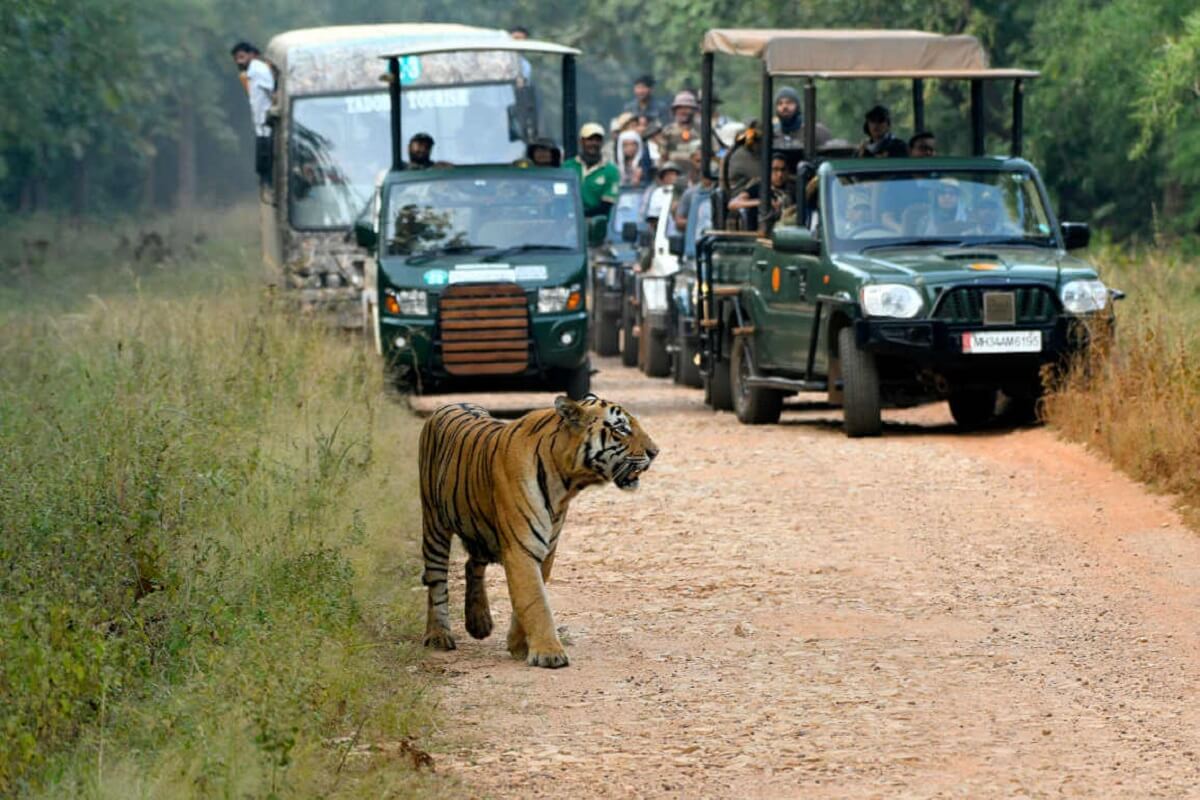


14 Days Birdwatching & Tiger Safari
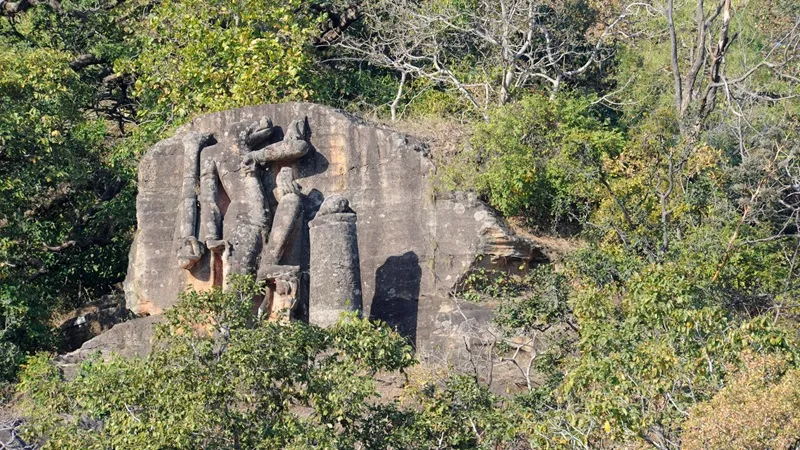
13 Days Temples & Tigers Tour

13 Days Rajasthan with Tiger Safari

14 Days India & Nepal Wildlife Tour

21 Days Tigers & Temples Tour


Wildlife Destinations & Safari Travel Guides
Planning a wildlife holiday involves more than choosing a national park. Explore our practical guides to the best wildlife national parks in India, compare the best places to see tigers, understand the best time for wildlife safaris, and learn about safari zones, park access, wildlife photography and regional wildlife experiences before finalizing your India safari itinerary.
India Wildlife & Safari Planning Guides
National Park Safari & Travel Guides
FAQs About Wildlife Tours in India
Ranthambore, Bandhavgarh, Kanha, Pench, Tadoba and Jim Corbett are all important tiger safari destinations, but there is no single park that is best for every traveller.
Ranthambore is convenient for a Golden Triangle trip, while Pench, Kanha and Bandhavgarh work especially well together as a dedicated Central India tiger circuit. Your choice should depend on your route, travel dates, safari availability and how many days you can spend in the forest.
For many Central and North Indian wildlife reserves, the main tourism season runs through the cooler and dry months between roughly autumn and early summer. October to February is generally more comfortable, while March to June can be considerably hotter.
Opening dates vary by national park, and many core zones close during the monsoon. Kaziranga, Gir and other reserves also follow their own seasonal schedules, so always check the specific park rather than relying on one national "best time" rule.
For a traveller who is genuinely interested in wildlife, two or three safari drives in an important park usually provide a better experience than a single drive.
Morning and afternoon safaris can feel very different because light, temperature and animal movement change throughout the day. Wildlife photographers may prefer even more drives rather than adding several extra parks to the itinerary.
No. Tigers and other animals move freely inside natural habitats, so no responsible tour operator can guarantee a particular wildlife sighting.
We can plan multiple safari opportunities and choose a practical wildlife route, but sightings ultimately depend on natural animal movement and conditions inside the park.
Book as early as practical if Ranthambore, Kanha, Bandhavgarh, Pench or Corbett is an essential part of your itinerary. Safari permits are limited and popular dates can fill before nearby hotels do.
The booking procedure and release schedule differ by park and can change, so we do not recommend relying on one fixed number of days for every reserve. Once you know your travel dates, the safari availability should be checked before the itinerary is finalized.
A short national-park break can work in 2 to 3 nights. For a serious Central India wildlife journey covering Pench, Kanha and Bandhavgarh, around 8 to 10 days is much more comfortable.
If you want to combine wildlife with Delhi, Agra, Jaipur, Varanasi or another region of India, 10 to 14 days or more gives a better balance between safaris, transfers and cultural sightseeing.
Yes. Ranthambore is one of the easiest wildlife reserves to combine with the Golden Triangle because it can be included between Agra and Jaipur or as part of a longer Delhi, Agra, Ranthambore and Jaipur route.
This combination works especially well for a first visit to India because you can experience major cultural highlights and still include two or more jungle safaris without adding a separate wildlife-only trip.