
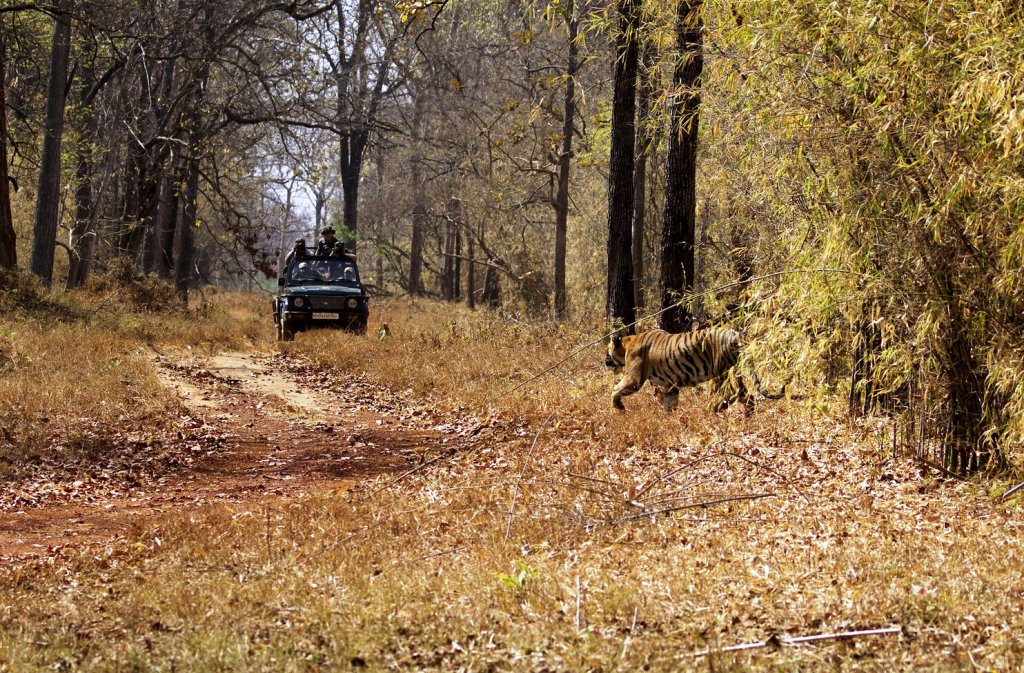
Maharashtra is far more than Mumbai, beaches and hill stations. The state also protects some of Central and Western India’s most important forests, where travellers can look for Bengal tigers, leopards, sloth bears, gaur, wild dogs, deer and an impressive variety of birds.
There are six national parks in Maharashtra: Tadoba, Pench, Gugamal, Navegaon, Chandoli and Sanjay Gandhi National Park. They range from the dry tiger forests of Vidarbha to the green Western Ghats and, unusually, a protected forest lying within Mumbai itself.
However, not every park offers the same experience. Tadoba and Pench are better suited to travellers planning dedicated wildlife safaris, while Sanjay Gandhi National Park works well for a shorter nature escape from Mumbai. Chandoli, meanwhile, attracts travellers who prefer quieter forests and the landscapes of the Western Ghats.
This guide compares all six national parks in Maharashtra, what they are known for, when to visit and which park may suit your trip best.
List of the 6 National Parks in Maharashtra
| National Park | Location | Best Known For | Best Time |
|---|---|---|---|
| Tadoba National Park | Chandrapur | Tigers and jeep safaris | October to June |
| Pench National Park | Nagpur region | Tigers, leopards and forest safaris | October to June |
| Gugamal National Park | Amravati | Melghat landscape and wildlife | October to June |
| Navegaon National Park | Gondia | Birdlife, lake and forest | November to March |
| Chandoli National Park | Western Maharashtra | Western Ghats and Sahyadri landscape | October to February |
| Sanjay Gandhi National Park | Mumbai | Leopards, nature trails and Kanheri Caves | October to February |
Planning note: Safari zones, weekly closure days, entry rules and permit charges can change. Check the latest Maharashtra Forest Department or official reserve booking information before finalising your journey.
1. Tadoba National Park and Tadoba-Andhari Tiger Reserve
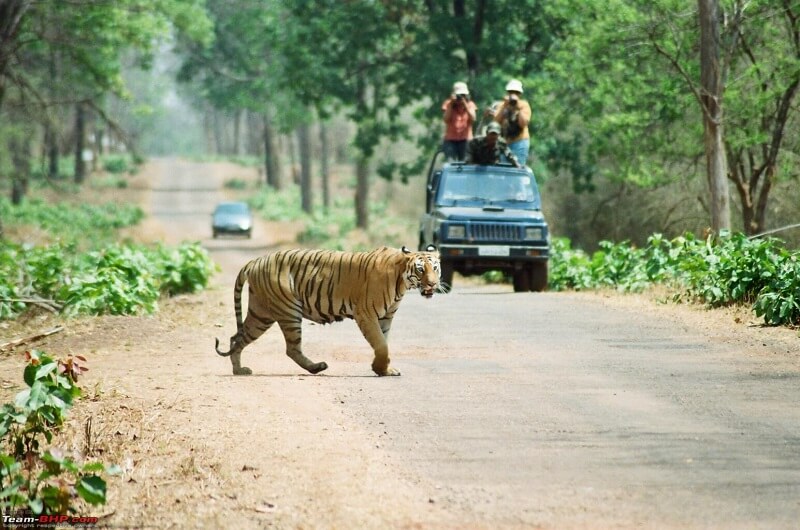
If seeing wildlife is the main reason for your trip, Tadoba-Andhari Tiger Reserve is one of the strongest choices in Maharashtra.
Situated in Chandrapur district, the reserve combines Tadoba National Park with Andhari Wildlife Sanctuary and surrounding protected forest. The landscape is dominated by dry deciduous woodland, bamboo, open patches and water bodies such as Tadoba Lake.
Bengal tigers receive most of the attention, although a safari can also reveal leopards, sloth bears, dholes or Indian wild dogs, gaur, sambar, spotted deer, nilgai and numerous bird species.
The National Tiger Conservation Authority currently lists Tadoba-Andhari among Maharashtra’s six tiger reserves. :chatgpt-content-reference{index=”1″}
Why visit Tadoba?
- One of Maharashtra’s best-known tiger safari destinations
- Good opportunities to see several Central Indian mammals
- Multiple tourism gates and safari zones
- Conveniently combined with Nagpur
- Suitable for dedicated wildlife photographers as well as first-time safari travellers
Best time: November to February offers more comfortable temperatures. March to May becomes much hotter, although the drier forest can sometimes make wildlife around water sources easier to observe.
Recommended stay: Allow at least two or three nights if wildlife is important to you. One safari rarely gives a complete impression of a forest.
For more detailed planning, read our Tadoba-Andhari Tiger Reserve travel guide.
You can also explore our India wildlife safari tours if you want to combine Tadoba with other national parks.
2. Pench National Park
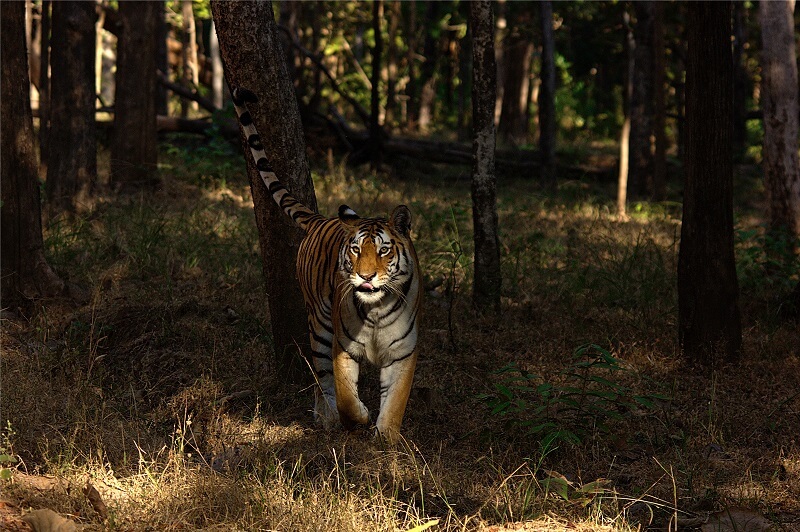
Pench National Park lies in the forest landscape around the Maharashtra-Madhya Pradesh border and takes its name from the Pench River.
The Maharashtra national park covers around 257 square kilometres and forms part of the wider Pench Tiger Reserve landscape. :chatgpt-content-reference{index=”2″}
Its dry deciduous woodland supports tigers, leopards, dholes, sloth bears, gaur, sambar and spotted deer. Birdwatchers can also spend considerable time around its woodland and water habitats.
For travellers, Pench has another advantage: Nagpur provides a practical gateway, and the park can form part of a longer Central India wildlife circuit rather than being treated as an isolated safari destination.
Why visit Pench?
- Tiger and leopard habitat
- Beautiful teak forest and open landscapes
- Convenient access through Nagpur
- Works well with Kanha and Bandhavgarh
- Good option for a two or three-night wildlife break
Best time: October to February is pleasant for general travel. March to May is hotter but attracts serious wildlife visitors because vegetation becomes drier.
Tusk Travel planning tip: Do not choose a Pench hotel before checking which safari gate you have booked. Staying near the wrong gate can create unnecessary early-morning driving.
See our Pench National Park tours and safari itineraries for route ideas from Nagpur.
3. Gugamal National Park
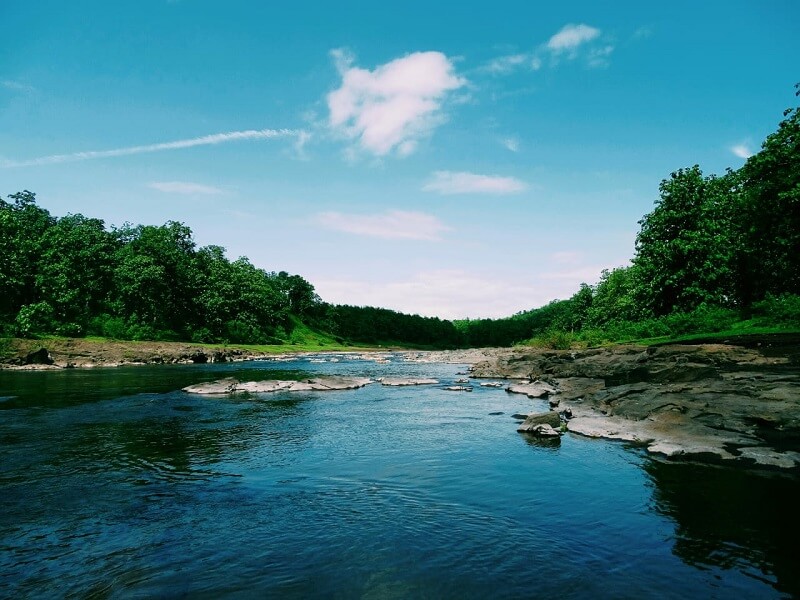
Located in Amravati district, Gugamal National Park forms part of the wider Melghat landscape in the Satpura ranges.
The Wildlife Institute of India records Gugamal National Park at approximately 361 square kilometres. :chatgpt-content-reference{index=”3″}
The landscape feels quite different from an urban nature park or a heavily visited safari destination. Forested hills, valleys and seasonal streams dominate the scenery, while the wider Melghat Tiger Reserve supports tigers, leopards, sloth bears, gaur, deer and many smaller species.
Melghat is also officially one of Maharashtra’s six tiger reserves. :chatgpt-content-reference{index=”4″}
Why visit Gugamal?
- Part of the larger Melghat tiger landscape
- Less commercial atmosphere than some famous safari destinations
- Satpura scenery and forested hills
- Suitable for travellers interested in wilderness rather than only tiger sightings
Best time: The cooler months from approximately October to February are comfortable for most visitors. Wildlife travel can continue later into the dry season depending on access and reserve regulations.
4. Navegaon National Park
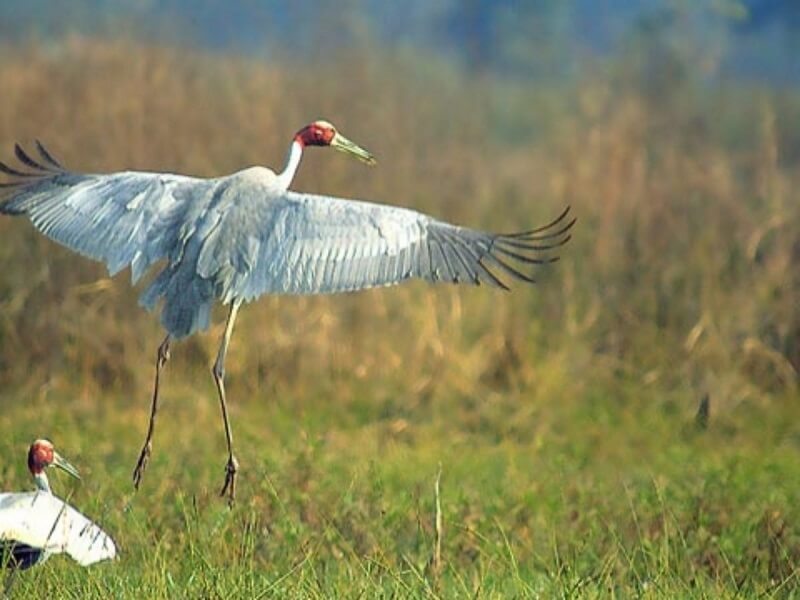
Navegaon National Park lies in eastern Maharashtra around Gondia and forms part of an important forest region connected with the Navegaon-Nagzira landscape.
The national park covers roughly 134 square kilometres. :chatgpt-content-reference{index=”5″}
Navegaon is particularly appealing to travellers who enjoy a mix of forest, lake scenery and birdwatching. Mammals in the wider landscape include spotted deer, sambar, wild boar, gaur, leopards and other forest species.
The surrounding Navegaon-Nagzira Tiger Reserve is now one of Maharashtra’s six officially listed tiger reserves. :chatgpt-content-reference{index=”6″}
Why visit Navegaon?
- Forest and wetland scenery
- Strong birdwatching appeal
- Part of the larger Navegaon-Nagzira wildlife landscape
- Quieter alternative to the state’s most famous tiger reserves
Best time: November to February is generally the most comfortable period for nature walks, birdwatching and forest exploration.
5. Chandoli National Park
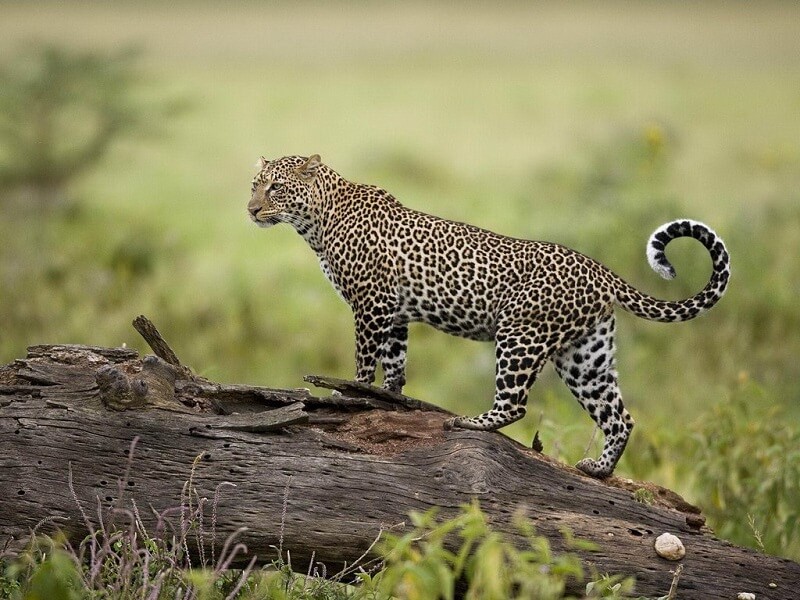
Chandoli National Park belongs to a completely different ecological region from Tadoba and Pench. It lies in the Western Ghats and forms part of the Sahyadri Tiger Reserve landscape.
The park contains forested hills, valleys, reservoirs and dense vegetation characteristic of this part of western Maharashtra.
Wildlife in the wider region includes gaur, sambar, wild boar, leopards and a variety of smaller mammals and birds. Tigers occur within the broader Sahyadri conservation landscape, although travellers should not approach Chandoli expecting the same style of tiger tourism associated with Tadoba.
The Wildlife Institute of India’s protected-area gazette records Chandoli as a national park, while the Ministry of Environment also identifies Chandoli National Park as part of the Western Ghats’ Sahyadri protected landscape. :chatgpt-content-reference{index=”7″}
Why visit Chandoli?
- Western Ghats scenery
- Quieter natural environment
- Part of Sahyadri Tiger Reserve
- Good choice for travellers interested in forests and biodiversity rather than only big-cat sightings
Best time: October to February is generally comfortable. The monsoon transforms the Western Ghats into an intensely green landscape, although heavy rain can affect access and activities.
6. Sanjay Gandhi National Park, Mumbai
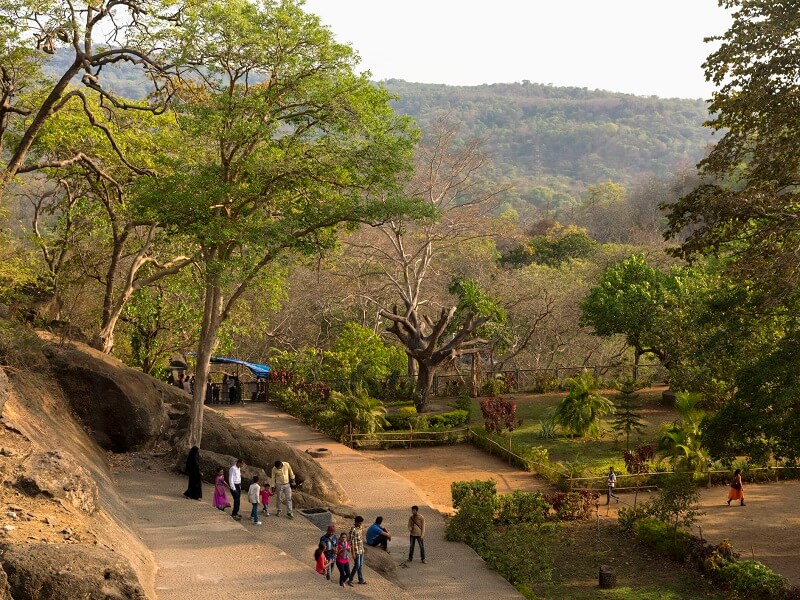
Few major cities have a protected forest as significant as Sanjay Gandhi National Park.
Located in the Mumbai metropolitan area, the park provides a striking contrast to the city’s dense urban development. Forest, lakes, trails and archaeological remains make it much more than a conventional city park.
Leopards are among its best-known wild inhabitants, although sightings are never guaranteed. Visitors may also encounter deer, macaques and a broad variety of birds, reptiles and butterflies.
One of the park’s major cultural attractions is the Kanheri Caves, a large complex of ancient Buddhist rock-cut monuments situated within the forest.
Why visit Sanjay Gandhi National Park?
- Easy nature excursion from Mumbai
- Known leopard habitat
- Kanheri Caves inside the park
- Walking and nature experiences
- Suitable when you do not have time for a multi-day wildlife safari
Best time: October to February brings pleasant conditions for outdoor exploration. The post-monsoon months can be especially green.
If Mumbai is part of your journey, you may also find our guide to the best places to visit in Mumbai useful.
Which Is the Best National Park in Maharashtra?
There is no single best park because the right choice depends on what you want to experience.
- Best for a dedicated tiger safari: Tadoba-Andhari
- Best for combining with a Central India wildlife circuit: Pench
- Best for wilderness in the Satpuras: Gugamal and Melghat
- Best for birds and a quieter forest experience: Navegaon
- Best for the Western Ghats: Chandoli
- Best national park near central Mumbai: Sanjay Gandhi National Park
For a first wildlife trip to Maharashtra, Tadoba is generally the strongest choice when tiger safaris are the priority. Pench becomes especially practical for travellers using Nagpur and continuing into Madhya Pradesh.
Tiger Reserves in Maharashtra
National parks and tiger reserves are not the same classification, which is why travellers often become confused when counting Maharashtra’s protected areas.
The National Tiger Conservation Authority currently lists six tiger reserves in Maharashtra:
- Tadoba-Andhari Tiger Reserve
- Pench Tiger Reserve, Maharashtra
- Melghat Tiger Reserve
- Navegaon-Nagzira Tiger Reserve
- Bor Tiger Reserve
- Sahyadri Tiger Reserve
These reserves can include national parks, wildlife sanctuaries, buffer forests and other protected areas within a larger conservation landscape. :chatgpt-content-reference{index=”8″}
Best Time to Visit Maharashtra’s National Parks
October to February: Best for Comfortable Weather
This is usually the easiest period for general wildlife travel. Mornings can be cool, daytime temperatures are more comfortable and the forests may still retain greenery after the monsoon.
March to May: Better for Serious Wildlife Safaris
Temperatures rise significantly in central and eastern Maharashtra. However, forests become drier and animals frequently move around water sources. This can make the period attractive to wildlife photographers and travellers whose main goal is observing animals.
Monsoon: Beautiful but Access Can Be Restricted
The monsoon turns Maharashtra’s forests and Western Ghats beautifully green, but many core safari areas restrict or suspend tourism because of rain and road conditions. Some buffer or nature-tourism activities may operate differently.
Always check the current rules for the individual park rather than assuming every national park follows the same annual schedule.
National Parks Near Mumbai and Pune
Travellers often search for national parks near Maharashtra’s two largest cities, but the options are quite different.
National Park Near Mumbai
Sanjay Gandhi National Park is the obvious choice because it lies within the Mumbai metropolitan area itself. It can be visited without planning a separate multi-day safari holiday.
National Parks Near Pune
Pune does not have a national park within the city. Chandoli National Park is one of the more relevant national parks in western Maharashtra, but it requires a dedicated road journey rather than functioning as a quick city attraction.
For shorter nature escapes from Pune, travellers often choose protected areas, hill regions and trekking destinations rather than a formal national park. See our guide to the best trekking places near Pune for additional ideas.
How to Plan a Wildlife Trip in Maharashtra
Wildlife trips require slightly more planning than ordinary sightseeing tours because safari permits are connected to specific reserves, dates, zones and entry gates.
Before booking your hotels, decide which park you want to visit and check your safari availability. This is particularly important for Tadoba and Pench, where accommodation far from your allocated gate can make early-morning safaris inconvenient.
For travellers arriving through Nagpur, a wildlife-focused route can include Pench or Tadoba, while longer India journeys can connect Maharashtra with additional reserves in Madhya Pradesh.
If wildlife is only one part of a wider holiday, explore our Maharashtra tour packages or browse our private India wildlife tours.
Important Safari Tips
- Book important safari permits well ahead during popular travel periods.
- Check the gate before choosing your hotel.
- Do not expect guaranteed tiger sightings. These are wild animals in natural habitats.
- Morning safaris can be cold in winter, so carry an extra layer.
- Summer safaris can be extremely hot, especially in Tadoba and Pench.
- Keep noise low and follow your naturalist’s instructions.
- Never encourage drivers or guides to chase or crowd wildlife.
- Carry binoculars because many memorable sightings involve birds and smaller wildlife, not only tigers.
Frequently Asked Questions About National Parks in Maharashtra
How many national parks are there in Maharashtra?
Maharashtra has six national parks: Tadoba, Pench, Gugamal, Navegaon, Chandoli and Sanjay Gandhi National Park. Government records also identify six national parks within the state’s protected-area network. :chatgpt-content-reference{index=”9″}
Which is the most famous national park in Maharashtra?
Tadoba is one of Maharashtra’s best-known wildlife destinations, especially among travellers planning tiger safaris. Pench is another important option and can easily be combined with other wildlife reserves in Central India.
Which national park in Maharashtra is best for seeing tigers?
Tadoba-Andhari is generally the most popular choice for travellers whose main objective is a tiger safari. However, sightings are never guaranteed. Pench and the wider Melghat landscape also support tiger populations.
Which national park is in Mumbai?
Sanjay Gandhi National Park lies within the Mumbai metropolitan area. It is known for its forest, wildlife, walking opportunities and the historic Kanheri Caves.
Is there a national park in Pune?
No national park is located within Pune city. Travellers looking for protected nature around Pune generally visit nearby hill areas, sanctuaries and trekking destinations. Chandoli National Park is farther south in western Maharashtra.
What is the best time for a wildlife safari in Maharashtra?
November to February offers comfortable weather, while March to May is hotter and can be attractive for serious wildlife viewing. Safari access varies between reserves, particularly during the monsoon.
What is the difference between a national park and a tiger reserve?
A national park is a legally protected area under India’s wildlife protection framework. A tiger reserve is a larger conservation landscape designated for tiger protection and can include national parks, wildlife sanctuaries, core areas and buffer forests.
How many tiger reserves are there in Maharashtra?
Maharashtra currently has six tiger reserves: Tadoba-Andhari, Pench, Melghat, Navegaon-Nagzira, Bor and Sahyadri. :chatgpt-content-reference{index=”10″}
Final Thoughts
Maharashtra’s national parks offer much more variety than many travellers expect. Tadoba and Pench are excellent choices for traditional wildlife safaris, Gugamal introduces the forests of Melghat, Navegaon combines woodland with birdlife, Chandoli protects part of the Western Ghats, and Sanjay Gandhi National Park brings nature remarkably close to Mumbai.
If wildlife is an important part of your India trip, give yourself enough time for more than one safari and choose the reserve according to the experience you want rather than simply selecting the nearest park.
Tusk Travel can also arrange a private Maharashtra or Central India journey combining wildlife safaris with cities, heritage sites and other national parks. Explore our Maharashtra tours or India wildlife safari packages to plan a customised route.
Popular in Wildlife:
- Bird Sanctuaries in India
- Rajasthan Wildlife Park
- How to plan Jim Corbett visit
- Sariska Tiger Reserve, Alwar
- Luxury Wildlife Resorts Around India
- Tourist Attractions in Kabini
- Where to see tigers in India
- Hotels & Resorts In Jim Corbett
- Luxury Hotels in Ranthambore
- Temples & Tigers Tour North India
- 3 Days Kanha Tiger Safari
- Sundarban wildlife from Kolkata
- Thekkady Wildlife Tour Packages
- Valmiki Tiger Reserve Bihar
- Namdapha National Park
- Bandipur Wildlife Tour Packages
- Golden Triangle With Ranthambore
- Delhi to Ranthambore Wildlife
- Bandhavgarh National Park Tour
- Sundarbans Tour Packages
- India Nepal Wildlife Tour
- Jim Corbett Wildlife Tour from Delhi
- Nagarhole Wildlife Tour Packages
- Mudumalai Tiger Reserve, Open for Tourist
Best Places to visit in Maharashtra
