
 7 Nights / 8 Days

India · Festivals · Culture & Traditions
Festival Tours in India
India Festival Tour Packages
Explore private festival tours across India, with flexible itineraries tailored around your travel dates and interests.
7 Nights / 8 Days
 9 Nights / 10 Days
Festival Tours
10 Days – Braj Holi Festival Tour in India
Delhi · Vrindavan · Mathura · Agra · Fatehpur Sikri · Delhi
 7 Nights / 8 Days
Festival Tours
8 Days Durga Puja Kolkata & Bengal Cultural Tour
Kolkata · Kumartuli · Durga Puja Circuits · Bishnupur · Kolkata
 7 Nights / 8 Days
Festival Tours
Golden Triangle with Pushkar Fair – 8 Days Tour
Delhi · Agra · Jaipur · Pushkar · Delhi
 16 Nights / 17 Days
Festival Tours
17 Days Royal Rajasthan & Holi Celebration Tour
Delhi · Mandawa · Bikaner · Jaisalmer · Jodhpur · Udaipur · Pushkar · Jaipur · Agra · Delhi
 7 Nights / 8 Days
Festival Tours
8 Days Kerala Onam Festival & Backwaters Tour
Kochi · Thrissur · Kumarakom · Alleppey · Kochi
 7 Nights / 8 Days
Festival Tours
8 Days Ladakh & Hemis Festival Tour
Leh · Hemis · Nubra Valley · Turtuk · Pangong Lake · Leh
 7 Nights / 8 Days
Festival Tours
8 Days Pushkar Camel Fair & Golden Triangle Tour
Delhi · Agra · Jaipur · Pushkar · Delhi
 7 Nights / 8 Days
 3 Nights / 4 Days
Festival Tours
4 Days – Khajuraho Dance Festival Tour Package 2025
Jhansi · Khajuraho · Orchha · Jhansi
 4 Nights / 5 Days
4 Nights / 5 Days
4 Nights / 5 Days
Festival Tours
5 Days Khajuraho Dance Festival & Orchha Heritage Tour
Jhansi · Orchha · Khajuraho · Jhansi
5 Nights / 6 Days
 5 Nights / 6 Days
Festival Tours
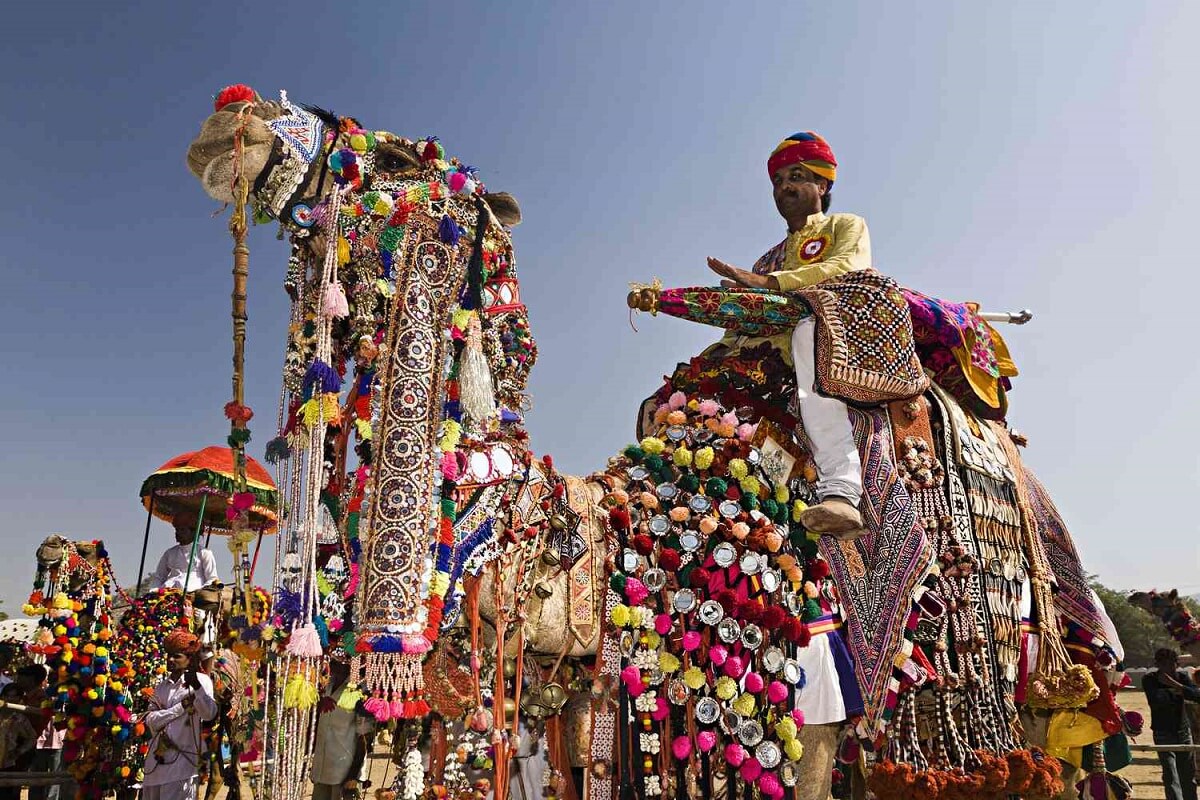
6 Days Pushkar Camel Fair Photography Tour
Jaipur · Pushkar · Camel Fair Grounds · Pushkar Lake
 6 Nights / 7 Days
 6 Nights / 7 Days
Festival Tours
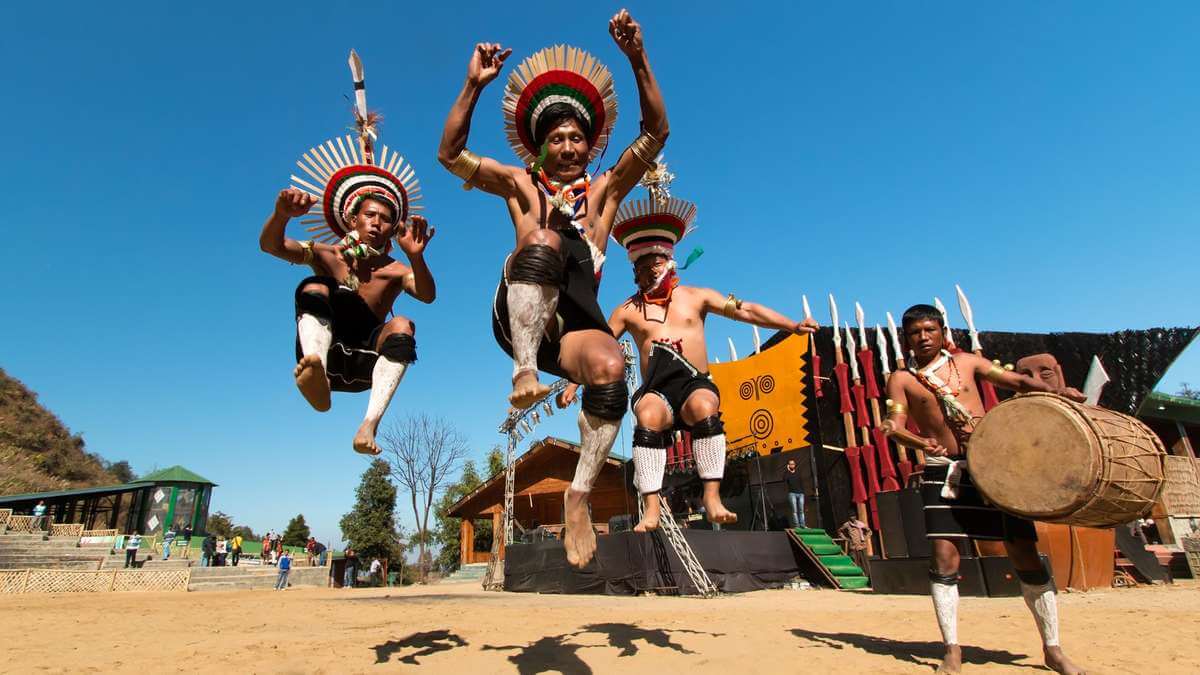
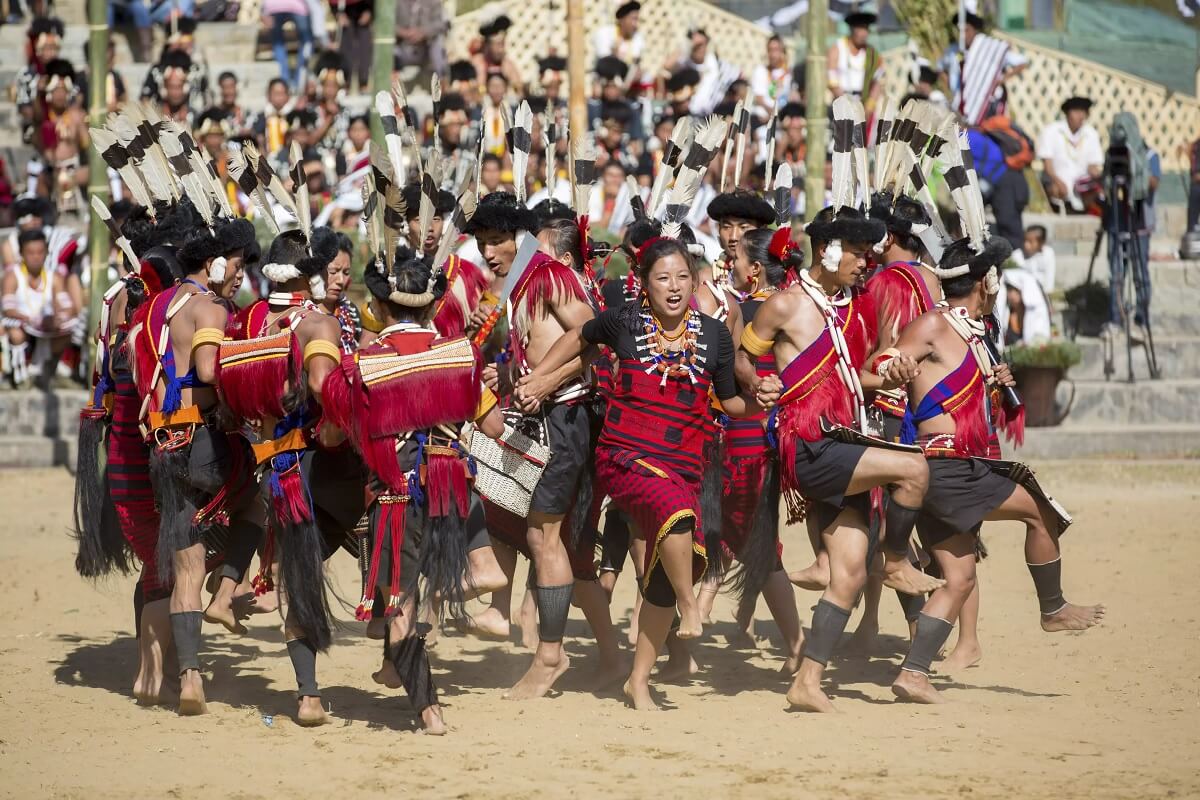
7 Days Hornbill Festival & Nagaland Cultural Tour
Dimapur · Kohima · Kisama · Khonoma · Kigwema · Kohima · Dimapur
 6 Nights / 7 Days
Festival Tours
7 Days Pongal Festival & Tamil Nadu Cultural Tour
Chennai · Kanchipuram · Mahabalipuram · Pondicherry · Chennai
 7 Nights / 8 Days
Festival Tours
8 Days Hornbill Festival & Nagaland Cultural Tour
Dimapur · Kohima · Kisama · Khonoma · Dimapur
 3 Nights / 4 Days
9 Nights / 10 Days
3 Nights / 4 Days
9 Nights / 10 Days
Festival Tours
10 Days Braj Holi Festival & Golden Triangle Tour
Delhi · Agra · Mathura · Vrindavan · Jaipur · Delhi
9 Nights / 10 Days
Festival Tours
10 Days Jaisalmer Desert Festival & Rajasthan Tour
Delhi · Jodhpur · Jaisalmer · Jaipur · Delhi
 9 Nights / 10 Days
Festival Tours
10 Days Kerala Family Holiday with Hills & Backwaters
Kochi · Munnar · Thekkady · Alleppey · Marari · Kochi
 2 Nights / 3 Days
 8 Nights / 9 Days
Festival Tours
9 Days Gujarat Navratri Festival Tour
Ahmedabad · Vadodara · Champaner · Pavagadh · Ahmedabad
No tours found
Try changing or removing one of the filters.
India Festival & Cultural Travel Guide
India Festival Tour Packages – Experience Celebrations, Fairs & Living Traditions
Experience India at its most colourful and expressive with our Festival Tours in India. These journeys are planned around major religious celebrations, cultural festivals, traditional fairs and regional events, giving international travellers an opportunity to see Indian traditions as they are lived rather than only visiting monuments.
Depending on your travel dates, a festival tour can include the colours of Holi, the lights and rituals of Diwali, the desert atmosphere of the Pushkar Fair, the spiritual gatherings of Kumbh Mela, or regional celebrations in Rajasthan, Kerala, West Bengal, Ladakh, Nagaland and other parts of India.
Tusk Travel creates private and customizable India festival tour packages for international visitors, photographers, couples, families and cultural travellers. Festival dates often influence hotel availability, transport, crowd levels and sightseeing, so the itinerary is planned around the event rather than simply adding a festival stop to a normal India tour.
Which Festivals Can You Experience on a Tour of India?
India has major festivals throughout the year, but the best event for your trip depends on your travel dates, interests and preferred region. Religious festivals, harvest celebrations, tribal gatherings, livestock fairs and cultural festivals all offer very different experiences.
- Holi: One of India's best-known spring celebrations, particularly popular with travellers visiting Mathura, Vrindavan, Barsana and other parts of North India. Festival programmes should be planned carefully because individual towns celebrate on different days and in different ways.
- Diwali: The Festival of Lights is celebrated across India with lamps, prayers, family gatherings and festive markets. Cities such as Varanasi, Jaipur and Delhi can be incorporated into a broader cultural itinerary.
- Pushkar Fair: A major Rajasthan fair combining pilgrimage, rural traditions, livestock activity, markets and cultural programmes in Pushkar.
- Kumbh Mela: A major Hindu pilgrimage gathering held according to a specific religious cycle. It requires especially careful advance planning because transport, accommodation and crowd management are very different from a normal sightseeing tour.
- Durga Puja: Kolkata becomes a major centre of celebration, with elaborate temporary shrines, neighbourhood displays, processions and evening activity.
- Onam: Kerala's major seasonal celebration combines traditional meals, floral decorations, cultural performances and local festivities.
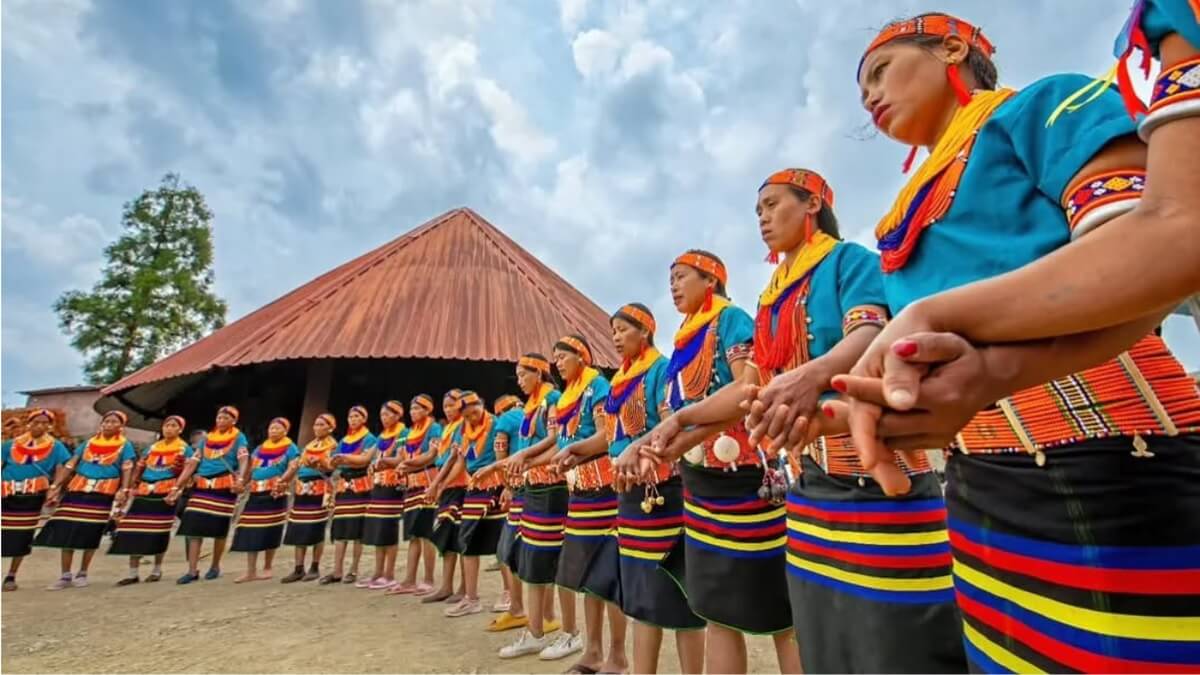
- Hornbill Festival: Held in Nagaland, this cultural festival introduces travellers to the traditions, music, dance, crafts and food of different Naga communities.
- Jaisalmer Desert Festival: A Rajasthan cultural event associated with folk performances, desert traditions and the landscape around Jaisalmer.
Best Festival Tours in India for First-Time Visitors
For a first visit to India, we generally recommend combining a major festival with a well-established cultural route. This gives you both the celebration itself and enough time to experience India's historic cities, monuments and local life.
- Holi with the Golden Triangle: Delhi → Agra → Jaipur → Mathura / Vrindavan
- Pushkar Fair & Rajasthan: Delhi → Jaipur → Pushkar → Jodhpur → Udaipur
- Diwali Cultural Journey: Delhi → Jaipur → Agra → Varanasi
- Durga Puja in Kolkata: Kolkata with an optional West Bengal cultural extension
- Hornbill Festival & North-East India: Guwahati → Kohima → Nagaland cultural circuit
- Onam & Kerala: Kochi → Kumarakom → Thekkady → Kerala cultural experiences
Holi Festival Tours in India
Holi is one of the most popular Indian festivals for international travellers, but the experience varies considerably by destination. Mathura, Vrindavan and Barsana are closely associated with the Braj Holi traditions, while hotels and organised venues in cities such as Jaipur can offer a more controlled celebration.
A good Holi Festival Tour should allow enough time for the main celebration as well as local events held in the days before it. Travellers should also expect crowds, coloured powder, water and temporary traffic restrictions.
Pushkar Fair & Rajasthan Festival Tours
Rajasthan is one of the best regions for travellers interested in Indian fairs and traditional cultural events. The Pushkar Fair can be combined naturally with Jaipur, Jodhpur, Udaipur, Jaisalmer and the Golden Triangle.
Other Rajasthan events, including desert festivals and regional fairs, can also be included depending on your travel dates. Festival periods are particularly popular in Rajasthan, so hotel choices should be confirmed well in advance.
Religious Festivals & Spiritual Gatherings
Some festival tours focus less on entertainment and more on pilgrimage and religious observation. Kumbh Mela, Diwali in sacred cities, Janmashtami, Rath Yatra and other religious events can involve large crowds, processions, temple visits and temporary changes to local traffic.
These journeys should be planned with realistic access expectations. During major religious gatherings, vehicles may not be permitted close to the main event area and travellers may need to walk considerably more than on a standard sightseeing day.
Cultural Festivals Beyond North India
Festival travel in India is not limited to Holi and Rajasthan. Regional festivals can be excellent choices for travellers who want a more specialised cultural journey.
- Kerala: Onam and regional temple celebrations can be combined with Kochi, backwaters and South India touring.
- West Bengal: Durga Puja offers one of India's most distinctive urban cultural experiences.
- Nagaland: The Hornbill Festival can be combined with Kohima and a wider North-East India journey.
- Ladakh: Monastery festivals such as Hemis can be combined with Leh, Buddhist monasteries and Himalayan landscapes.
- Gujarat: Rann Utsav and Navratri offer very different cultural experiences, from desert landscapes to traditional dance celebrations.
- Rajasthan: Pushkar Fair and the Jaisalmer Desert Festival can be combined with forts, desert stays and heritage cities.
When Is the Best Time for Festival Tours in India?
There is no single festival season because important celebrations take place throughout the year. However, October to March is particularly attractive for international travellers because many major fairs and festivals occur during the cooler travel season.
- January to March: Winter cultural festivals, desert events and Holi season.
- April to June: Selected religious and regional festivals, with hotter conditions across much of North India.
- July to September: Monsoon-season celebrations including regional harvest and religious festivals.
- October to December: One of the strongest periods for festival travel, including Dussehra, Diwali, Pushkar Fair and several regional cultural events.
Many festival dates follow religious or traditional calendars and can change each year. The exact celebration dates should therefore be checked before booking flights and finalising the itinerary.
How Many Days Should You Plan for an India Festival Tour?
For most international travellers, we recommend allowing 7 to 12 days rather than travelling to India only for a single festival day. This gives enough time to adjust after arrival, experience the festival properly and visit the surrounding destinations.
- 3–5 Days: Best for a short festival-focused extension such as Pushkar, Hornbill Festival or a Rajasthan event.
- 7–9 Days: Suitable for Holi combined with Delhi, Agra and Jaipur.
- 10–14 Days: Better for Rajasthan festival circuits, Diwali with Varanasi, or combining a festival with a broader first-time India trip.
What Is Different About Travelling During an Indian Festival?
Festival travel can be one of the most memorable ways to experience India, but it also requires more flexibility than a normal private tour. Streets may close, crowds can increase suddenly, hotel rates may rise, and sightseeing hours can change around major celebrations.
- Expect larger crowds around important temples, ghats and event grounds.
- Allow more time for road transfers during processions and festival evenings.
- Book key hotels early, especially in smaller festival destinations.
- Keep valuable items secure in very crowded public areas.
- Wear comfortable footwear because vehicles may not reach event entrances.
- Follow your local guide's advice about crowd movement and meeting points.
Photography During Festivals in India
Indian festivals offer exceptional opportunities for cultural and travel photography, but visitors should remember that many events are religious rather than performances created for tourists.
Ask before photographing people at close range, avoid blocking processions or ceremonies, and respect restrictions inside temples and other sacred areas. During Holi, cameras and phones should also be protected from coloured powder and water.
What Should You Wear During a Festival Tour?
Comfortable clothing and walking shoes are important because festival days can involve more standing and walking than a normal sightseeing day. Modest clothing is recommended for temples, religious gatherings and traditional communities.
For Holi, use simple clothing that you do not mind getting stained. For evening celebrations or winter festivals in North India, carry warmer layers. Your packing list should ultimately be based on the specific region, season and festival.
Why Book a Festival Tour with Tusk Travel?
Tusk Travel plans private festival tours in India around the actual event rather than treating the celebration as an ordinary sightseeing stop. We coordinate the festival destination with your wider India itinerary, available travel days and preferred level of comfort.
Depending on the route, we can arrange private transport, suitable hotels, local guides, airport and railway transfers, and additional cultural sightseeing before or after the festival. Because crowd conditions and local access can change, the programme remains flexible where necessary.
Browse the festival tour packages below or ask us to design a private itinerary around Holi, Diwali, Pushkar Fair, Hornbill Festival, Rajasthan festivals or another celebration that matches your travel dates.
Planning an India Festival Trip
FAQs About Festival Tours in India
Holi, Diwali and Pushkar Fair are among the easiest major festivals to combine with a first-time India itinerary. Holi can work well with Delhi, Agra, Mathura, Vrindavan and Jaipur, while Pushkar can be included in a Rajasthan journey.
The best choice depends on your travel month and whether you are more interested in religious traditions, photography, local culture, fairs or large public celebrations.
For major events, booking several months in advance is recommended, especially when the festival takes place in a smaller destination with limited good-quality accommodation.
Pushkar Fair, Holi in the Braj region, Kumbh Mela and other high-demand events can place significant pressure on hotels, transport and guides. International flights should ideally be booked only after the festival date and route have been confirmed.
Yes. Many Indian religious festivals follow lunar or traditional calendars, so their Gregorian calendar dates can change from year to year.
Some cultural festivals also publish their official programme separately. We recommend confirming the exact dates and the destination-specific celebration schedule before booking international flights.
International travellers attend Indian festivals every year, but large celebrations can involve dense crowds, temporary road closures and very busy public spaces.
We recommend attending with a planned meeting point and local support, carrying only essential valuables and following the guide's advice about crowded areas. During Holi, protect your eyes, phone and camera, and choose carefully where you participate in colour celebrations.
Wear comfortable clothing and good walking shoes. Modest clothing that covers the shoulders and knees is recommended when the celebration involves temples, pilgrimage sites or religious ceremonies.
For Holi, wear simple clothes that you do not mind staining. For winter festivals in North India, bring warmer layers. Your final packing list should be based on the region and season.
Photography is possible at many public festival events, but always respect local people and religious practices. Ask permission before taking close portraits and follow restrictions inside temples, monasteries and other sacred areas.
Avoid blocking processions or ceremonies for photographs. During Holi, use suitable protection for cameras and phones because coloured powder and water can easily damage equipment.
Yes. The itinerary can be built around the festival you want to experience and then connected with other destinations according to your available days.
For example, Holi can be combined with the Golden Triangle, Pushkar Fair with Rajasthan, Hornbill Festival with Nagaland and North-East India, or Diwali with cities such as Jaipur and Varanasi. The route, hotels and transport are planned around the actual festival schedule rather than using a fixed package.