Is August a Good Time?
Yes, but not everywhere for the same reasons. Ladakh is a strong choice for mountain scenery; Kashmir suits people who prefer gentler summer touring; and Kerala rewards travellers who enjoy rain, good hotels, local food and unhurried days. August is also important for the Valley of Flowers trek and for the Nashik–Trimbakeshwar Kumbh Mela in 2027. Those are distinctive seasonal experiences rather than standard sightseeing holidays.
Across much of India, August remains part of the southwest monsoon. Rain can delay mountain transfers, obscure viewpoints, affect boat trips and close some trails or safari zones. A private driver is useful when plans need to change, but no operator can guarantee safe passage on a temporarily closed road. We would rather build in a sensible buffer than promise to cover too many places in a week.
Where to Go
Ladakh
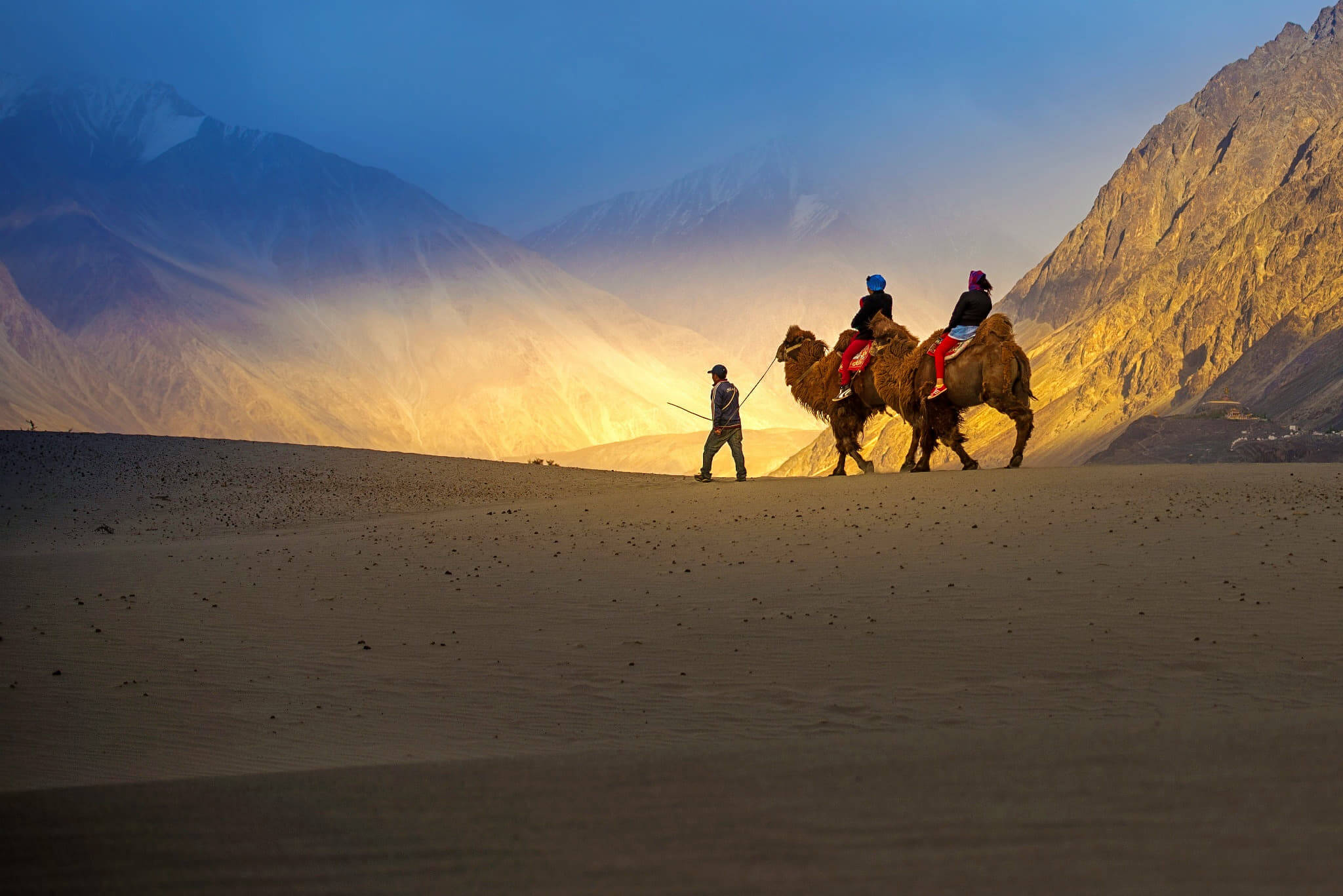
Leh, the Indus Valley monasteries, Nubra Valley and Pangong Lake make one of the strongest Ladakh tour choices in August. Ladakh lies largely in a Himalayan rain shadow, so it usually receives less monsoon rainfall than the foothills. That does not rule out cloudbursts, landslides or temporary pass closures. The biggest planning issue is altitude: visitors arriving in Leh must spend at least 48 hours acclimatizing before travelling to higher areas such as Khardung La or Pangong. We suggest seven to nine days for a first trip, with two gentle days in Leh, a measured route through Nubra and Pangong, and extra time if you want Tso Moriri or remote villages. See our 8-day Ladakh itinerary for a route to discuss and adapt.
Kashmir
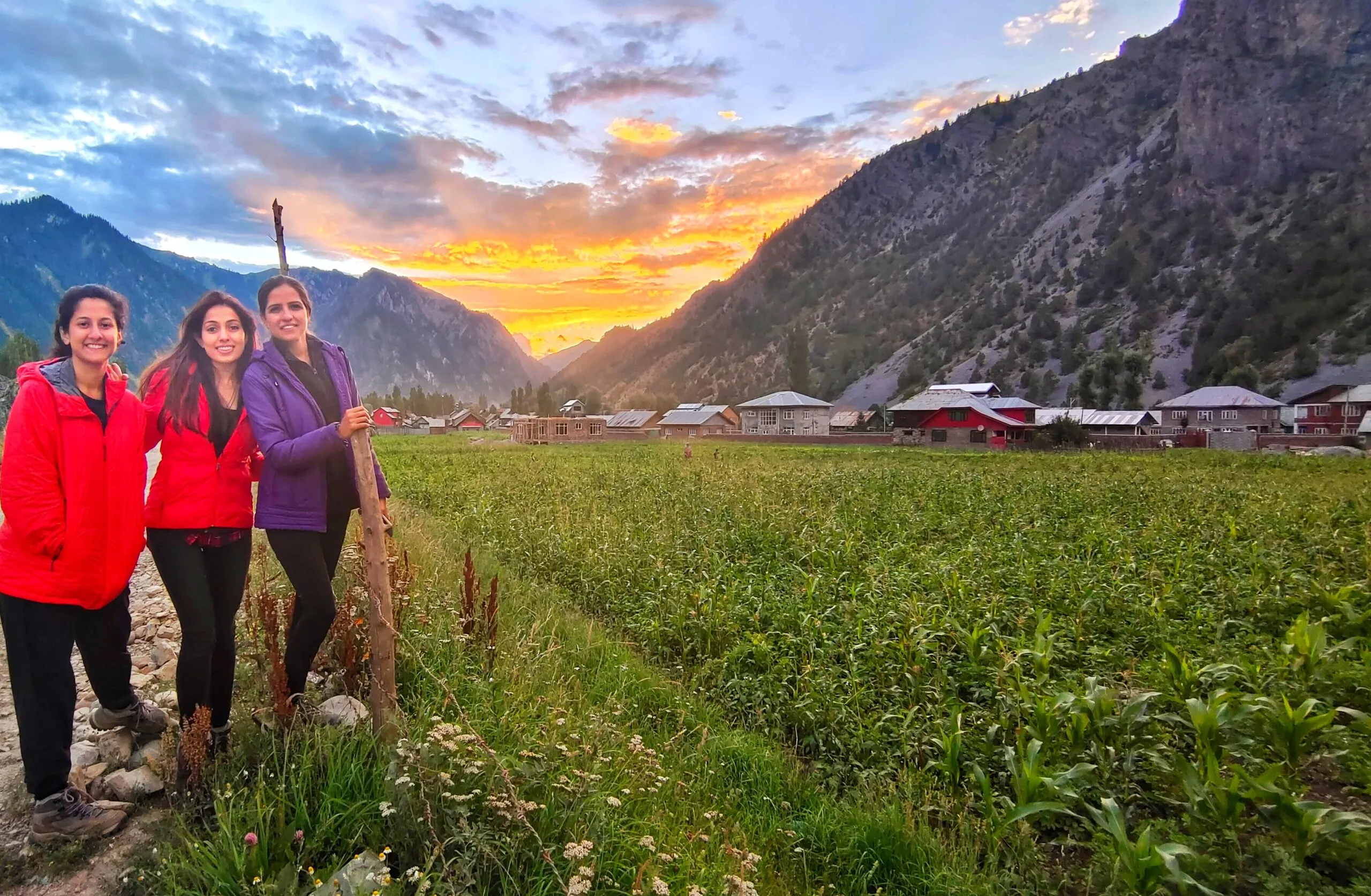
For travellers who want mountain scenery without immediately heading to Ladakh's highest passes, Kashmir is often a more comfortable summer option. A six- to eight-day trip can include Srinagar, a houseboat or lakeside hotel, Pahalgam and Gulmarg, with suitable stops along the way. Gardens, markets, local food and village landscapes provide alternatives when weather limits a mountain excursion. August can still bring showers, busy holiday areas and changes to gondola or road operations. Those planning to continue from Srinagar to Leh should normally allow an overnight stop around Kargil and a longer overall journey. Our 10-day Kashmir and Ladakh tour is a useful starting point, but the final itinerary must account for road and altitude conditions.
Valley of Flowers
August is within the main flowering period for Uttarakhand's Valley of Flowers, but this is a trekking holiday, not an easy sightseeing excursion. After reaching the Govindghat area by road, travellers continue on foot towards Ghangaria and then walk into the national park. Wet stones, steep sections, rain and reduced visibility are normal challenges at this time of year. Hemkund Sahib is a separate, higher and more demanding trek, so it should remain optional. Allow about seven to eight days for the full journey from the plains, depending on your starting point, and leave room for delays. Before confirming our Valley of Flowers and Hemkund Sahib itinerary, we would discuss walking fitness, park access and the actual 2027 weather outlook.
Kerala
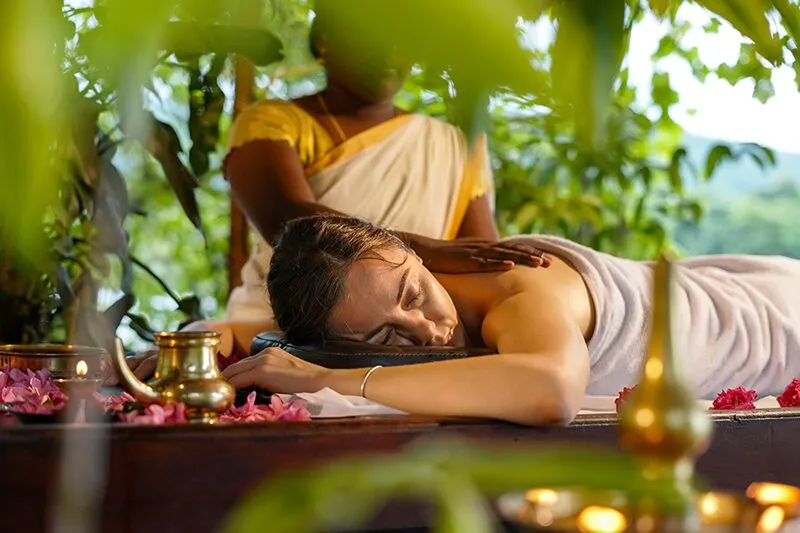
Kerala in August is particularly appealing for travellers who do not mind getting wet. Kochi's heritage quarters, tea country around Munnar, spice-growing areas near Thekkady and an attractive backwater property can form a relaxed six- to eight-day holiday. Rather than changing hotels daily, we recommend staying two nights where possible and choosing accommodation that remains enjoyable during a rainy afternoon. Houseboats and other boats may operate, but their schedules depend on local weather and water conditions; coastal swimming and water sports are not reliable. A leisurely Kerala holiday can work very well for couples and families. A packed beach itinerary is a different matter. Compare our seven-day Kerala route and ask us to adjust the pace for monsoon travel.
Coorg and Kabini
Coffee estates, forest views and peaceful hotels make parts of Karnataka attractive in August, particularly for people who prefer staying in one or two good properties. Coorg receives substantial monsoon rainfall, so outdoor walks, waterfalls and plantation visits must be fitted around conditions. A resort near Kabini can be a pleasant nature retreat, but do not assume regular wildlife safaris or elephant sightings are guaranteed. The park operator's monsoon rules, vehicle availability and current access must be checked. Our Bangalore, Coorg and Kabini trip can be adapted into a slower nature-and-resort break, with less emphasis on covering every outdoor activity.
Spiti and Sikkim
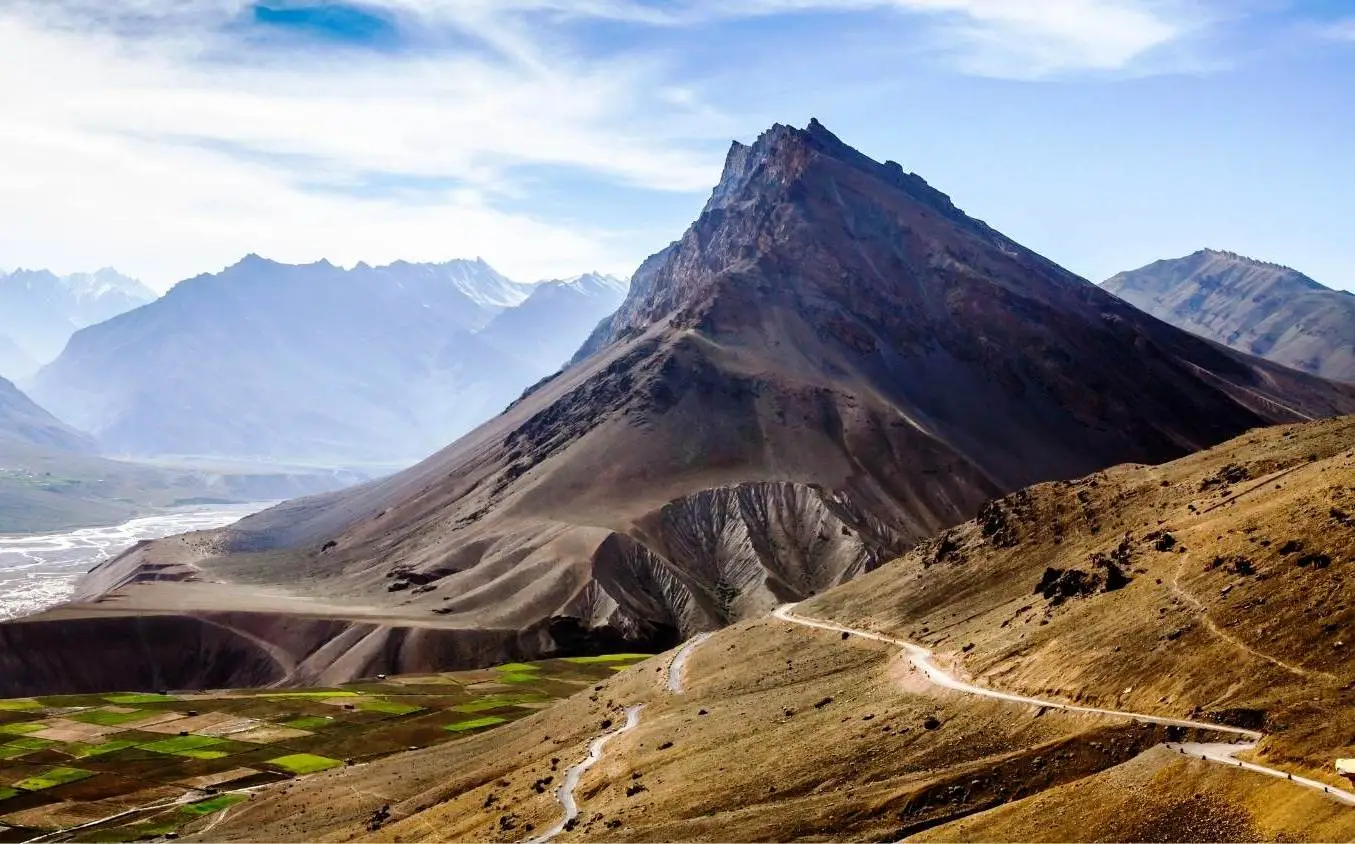
Spiti Valley is relatively dry within the high-Himalayan rain shadow, but reaching it is not always straightforward. Approaches through Kinnaur or Manali may be hit by heavy rain, loose rock and road damage. It is best suited to flexible travellers who have enough time for gradual altitude gain and possible route changes. By contrast, Sikkim tours and Darjeeling are generally wetter in August. Their tea gardens, monasteries and town stays can be enjoyable, but remote North Sikkim trips to Lachung or Yumthang are particularly dependent on permits and road conditions. For a first visit, a simpler Gangtok or Darjeeling-based stay is often more dependable than a fast multi-valley itinerary. Clear mountain views cannot be promised in the monsoon.
Nashik Kumbh Mela
August 2027 has an exceptional spiritual-travel opportunity. The Nashik–Trimbakeshwar Simhastha Kumbh Mela has major Amrit Snan bathing dates announced for 2 August and 31 August 2027. This is a pilgrimage involving very large crowds, restrictions around sacred bathing areas and special traffic arrangements, not a conventional relaxed city tour. We would approach it as a dedicated visit with carefully chosen accommodation, local movement guidance and realistic expectations about access. Travellers interested in the gathering can consider adding it to a wider Maharashtra journey, but should verify the final event programme and official access instructions before making non-refundable arrangements. Those seeking quiet temple sightseeing may prefer Nashik on another date.
Choose Your Route
The right route depends more on the type of holiday than on the number of destinations. Here are four practical starting points for August India tour packages; all timings are indicative and should be checked against the final travel dates.
- 7–8 days, Ladakh: Arrive in Leh; rest and acclimatize; visit local monasteries; then continue to Nubra Valley and Pangong Lake with reasonable driving days. Best for mountain scenery and travellers comfortable with altitude.
- 6–8 days, Kashmir: Srinagar, Pahalgam and Gulmarg, with time for the city, gardens, lakes and optional valley excursions. Best for a gentler family or couple's summer journey.
- 7–8 days, Kerala: Kochi, Munnar and a backwater or nature stay, with fewer hotel changes and flexible outings. Best for couples, families and anyone happy to enjoy the monsoon.
- 7–8 days, Valley of Flowers: Road transfer to the trekking base, Ghangaria, Valley of Flowers and optional Hemkund Sahib, with a buffer for weather. Best for fit walkers, not casual sightseeing.
With 10 to 12 days, a Srinagar–Kargil–Leh journey or a slower Ladakh circuit becomes more comfortable. We would not combine Ladakh, Kerala, Kashmir and Uttarakhand in one short tour merely because all appear on a list of August destinations. Long transfers, altitude and the monsoon make that an inefficient way to spend your holiday.
August Weather
India has no single August climate. The differences are large, even between neighbouring mountain areas. These are seasonal patterns rather than a forecast for your exact dates in 2027:
- Ladakh: Relatively dry high-altitude conditions, strong sun, cool evenings and occasional severe mountain weather. Pack insulating layers and sun protection.
- Kashmir: Mild to warm days in the valley, cooler evenings and possible rain. Higher excursions can feel considerably colder.
- Uttarakhand, Himachal and Sikkim: Monsoon rainfall, possible landslides and changes to road or trekking access; altitude still affects temperature.
- Kerala, Goa and the Western Ghats: Green, humid and wet, sometimes with heavy rain. Seas can be rough, and some outdoor activities may stop.
- Delhi, Agra and Rajasthan: Mostly warm or hot with humidity and showers. Monuments can be visited, but long outdoor days are not always comfortable.
Bring quick-drying clothing, good-grip walking shoes, light waterproof protection and a cover for your day bag. Add warm layers for Ladakh and high-altitude treks. Carry any prescribed medicine, and check health requirements for the regions you plan to visit. Monsoon holidays work best with fewer daily commitments and at least one practical alternative for weather-sensitive activities.
August Festivals
Independence Day is on 15 August 2027. Celebrations are held around the country, but public events and security arrangements can affect traffic or access, particularly in Delhi. Raksha Bandhan is listed for 17 August and Janmashtami for 25 August 2027 in widely used festival calendars. Travellers heading to Mathura and Vrindavan for Janmashtami should plan for substantial crowds and possible restrictions near temples. Exact local observances and event timings should be confirmed before booking a festival-focused trip.
The most unusual August event is the Nashik–Trimbakeshwar Kumbh Mela, with announced major bathing dates on 2 and 31 August. By contrast, Onam is expected in September 2027, not August, so do not book an August Kerala trip on the assumption that the main Onam celebrations will take place during your stay. Local boat races and other regional events may have separate schedules.
Before You Book
- Allow time in Leh: Do not schedule Nubra Valley, Pangong or high passes within the first 48 hours after arriving in Leh. Follow current medical and district guidance.
- Check monsoon access: Valley of Flowers, Spiti, North Sikkim and Western Ghats roads may be affected by rainfall. Build in a spare day where needed.
- Expect changing activities: Tiger safaris, water sports, boat rides and some trekking routes may have seasonal or weather-related restrictions. Confirm each activity before paying for it.
- Plan pilgrimage separately: For Kumbh Mela or Janmashtami, hotel location and movement restrictions can matter more than the sightseeing list.
- Protect onward connections: Avoid a long mountain road transfer on the same day as an international flight, particularly during the monsoon.
- Request a clear quotation: Ask which domestic flights, permits, drivers, guides, hotels, meals, entry fees and contingency expenses are included.
Private, Your Way
The advantage of a private tour in August is being able to match the route to your group, not forcing everyone into a fixed sightseeing schedule. We can adjust hotel categories, start and finish cities, driver arrangements, guided visits and the amount of leisure time. If you are travelling with children or older family members, we would favour shorter transfers and comfortable stays over constant hotel changes. If you are trekking or visiting high-altitude areas, safety, physical demands and weather limits come before the number of stops. Share your travel dates, party size, preferred regions and interests to receive a realistic proposal from Tusk Travel.
August Travel FAQs
Is August 2027 a good month for a first trip to India?
It can be, but the answer depends on the places you most want to see. August is excellent for considering the landscapes of Ladakh and enjoyable for a slower Kashmir or Kerala holiday. It is less predictable for a classic Golden Triangle journey because Delhi, Agra and Jaipur can be hot, humid and wet. The monuments are still visitable subject to normal opening schedules, but sightseeing may need to start early and pause during heavy showers. For first-time travellers with only one week, we recommend choosing one compact region rather than joining several distant destinations. If the Taj Mahal and Rajasthan's famous forts are your priority and you can choose your travel month, the cooler, drier season is generally more comfortable.
Where in India has the least rain in August?
Ladakh is one of the better options because much of it sits behind the main Himalayan monsoon barrier. Around Leh, Nubra Valley and the high desert, August is often relatively dry compared with Himachal Pradesh, Uttarakhand or coastal Kerala. Spiti is also within a rain-shadow region, but getting there may require driving through much wetter approach valleys. Neither destination is guaranteed rain-free, and flash floods, thunderstorms, blocked roads or poor visibility can still happen. Kashmir is another summer option, although it receives rain and does not have the same dry-desert climate. We would choose the destination based on your comfort with altitude and road journeys, not rainfall alone.
How many days do we need for a safe and comfortable Ladakh trip in August?
Seven to eight days is a sensible minimum for the classic Leh, Nubra Valley and Pangong Lake circuit if you fly into Leh. The district administration requires at least 48 hours of acclimatization before moving to higher-altitude areas. We recommend resting on arrival and keeping the second day very light rather than scheduling a full day of distant sightseeing. Visits to Nubra and Pangong then need dedicated travel and overnight time. Nine or ten days gives more flexibility for weather and a less hurried pace; Tso Moriri or remote regions should only be added when the travel time and altitude plan remain sensible. Medical issues at altitude need professional advice, and no private vehicle can eliminate altitude-related risks.
Can we travel from Srinagar to Leh by road in August 2027?
The Srinagar–Kargil–Leh route is commonly used during the summer travel season, and August is generally within its usual operating window. However, no one can guarantee the condition of the highway or passes for particular dates in 2027. We would usually divide the journey with an overnight in or near Kargil, leaving room for stops and unexpected delays. The road journey gradually gains altitude, but it does not remove the need to watch for altitude-related symptoms or follow local guidance. If the trip must finish with an international connection, allow a margin rather than trying to reach the airport directly after a long mountain transfer. A private road tour should be planned around safety and actual road advisories.
Is the Valley of Flowers trek safe and worthwhile in August?
August is a rewarding time to see the valley's alpine flowers, and Uttarakhand Tourism describes July to September as its period of greatest floral abundance. It is also the monsoon, so the trek comes with real rain-related risks. Paths may be slippery, river crossings and road approaches may be disrupted, and clouds can limit mountain views. Reaching the flowers requires travel to the trailhead, a trek to Ghangaria and further walking inside the park. Hemkund Sahib is an additional, more strenuous climb, not an automatic inclusion for everyone. We suggest a guided plan with appropriate rain gear, enough days, current access information and a willingness to turn back if conditions are unsafe. Age alone does not determine suitability; fitness and mobility matter.
Is Kerala worth visiting in August for a honeymoon or family holiday?
Yes, if you enjoy greenery, comfortable hotels, local food and time to relax indoors when it rains. Munnar's tea landscape, Kochi's heritage neighbourhoods and a well-chosen backwater property can create a memorable trip without trying to fit in too many places. We generally prefer fewer transfers during August, especially for families with young children or travellers who dislike winding wet mountain roads. A houseboat may operate, but conditions, safety advisories and the operator's schedule need checking. Beach swimming, sea excursions and consistently sunny days should not be assumed. If a sunshine-and-beach holiday is your main aim, choose another season. A private plan lets you build outings around the weather instead of following a rigid timetable.
Should we book Sikkim, Darjeeling or Spiti Valley in August?
These trips need different expectations. Spiti is often comparatively dry, but roads approaching it through Kinnaur or Manali can suffer landslides, delays and damaged stretches during the monsoon. Sikkim and Darjeeling are generally much wetter; they can be beautiful for tea gardens, markets and monasteries, but mountain panoramas and remote excursions may disappear behind cloud or become inaccessible. North Sikkim routes such as Lachung and Yumthang require particular caution about road and permit status. For a relaxed August break, a single comfortable base with optional outings is often preferable to changing hotels every night. Travellers whose main aim is clear views of Kanchenjunga should consider a more favourable season.
Can we see tigers or enjoy beach and boat activities in August?
August is not the best month for a conventional multi-park tiger safari. Many reserves close their main safari zones during the monsoon, although the precise rules differ by park and some designated areas may operate. Do not rely on a package description alone; check that the relevant gates, safari zones and permits are available for your exact dates. Goa and Kerala are also in the southwest monsoon. Rough seas and weather alerts can restrict swimming, cruises and water sports, even if hotels and sightseeing attractions remain open. Inland backwater experiences may operate subject to separate safety rules. If guaranteed safaris or beach activities are essential to your holiday, a different month will usually offer a better chance of enjoying them.
What should we know about Nashik Kumbh Mela in August 2027?
Two major bathing dates have been announced for the Nashik–Trimbakeshwar Simhastha Kumbh Mela: 2 August and 31 August 2027. It is an extraordinary religious gathering, but attending calls for different planning from a normal Maharashtra sightseeing tour. Expect very large crowds, regulated movement, limited access to particular bathing points, long walks and high demand for nearby rooms. Access arrangements and final official instructions must be checked closer to the event. Anyone with limited mobility, small children or health considerations should assess the physical and logistical demands carefully. We would plan a dedicated visit with local support and avoid promising close-up access to ceremonies or a specific sacred bathing location.
What festivals fall in August 2027, and will they affect our trip?
Independence Day falls on Sunday, 15 August 2027, and some major city areas may have heightened security, events and road controls. Commonly published calendars place Raksha Bandhan on 17 August and Janmashtami on 25 August; local temple celebrations and procession times still need confirmation. Mathura and Vrindavan can be especially crowded around Janmashtami, which may affect hotel availability and access to popular temples. The Nashik–Trimbakeshwar Kumbh Mela also has important announced bathing days on 2 and 31 August. If you are planning Kerala specifically for Onam, note that its main 2027 date is shown in September. Festival travel is best arranged around verified local schedules, not simply a national calendar date.
When should we book, and what is included in a private August tour?
For Ladakh and Kashmir, it helps to plan early because August is a popular summer travel period for certain routes. A Kumbh Mela visit may need even earlier attention to accommodation and access planning, while trekking permits or local road conditions sometimes cannot be finalized until closer to departure. We can tailor a proposal around your hotels, private vehicle and driver, airport transfers, sightseeing pace and local guides. The exact inclusions should be itemized: domestic flights, attraction tickets, permits, boats, local taxis, safari fees, trek guides, meals and change-related expenses may be separate. International flights, visas and travel insurance should not be assumed to be included. Tell us the number of travellers, your dates, budget and top priorities so we can recommend a practical route rather than a one-size-fits-all August package.


 6 Nights / 7 Days