Is July a Good Time?
Yes, for the right destination. July is a popular time to visit Ladakh, where the rain-shadow landscape is generally drier than India's monsoon plains. Kashmir offers summer gardens, lakes and green valleys, although rain and busy holiday areas are still possible. In Uttarakhand, the Valley of Flowers comes into bloom, but reaching it involves a proper trek on wet mountain trails. Kerala suits people who want a relaxed stay and are happy to work around showers rather than expecting beach weather.
The trade-offs matter. Rain can be heavy in Himachal Pradesh, Uttarakhand, Sikkim, Goa and the Western Ghats. Roads may close at short notice because of landslides or flooding, and mist can hide mountain views. Delhi, Agra and Jaipur are open for sightseeing, but they can be hot, humid and wet. A private vehicle helps with comfort and flexibility; it cannot make a closed mountain road safe or guarantee that outdoor activities will operate.
Where to Go
Ladakh
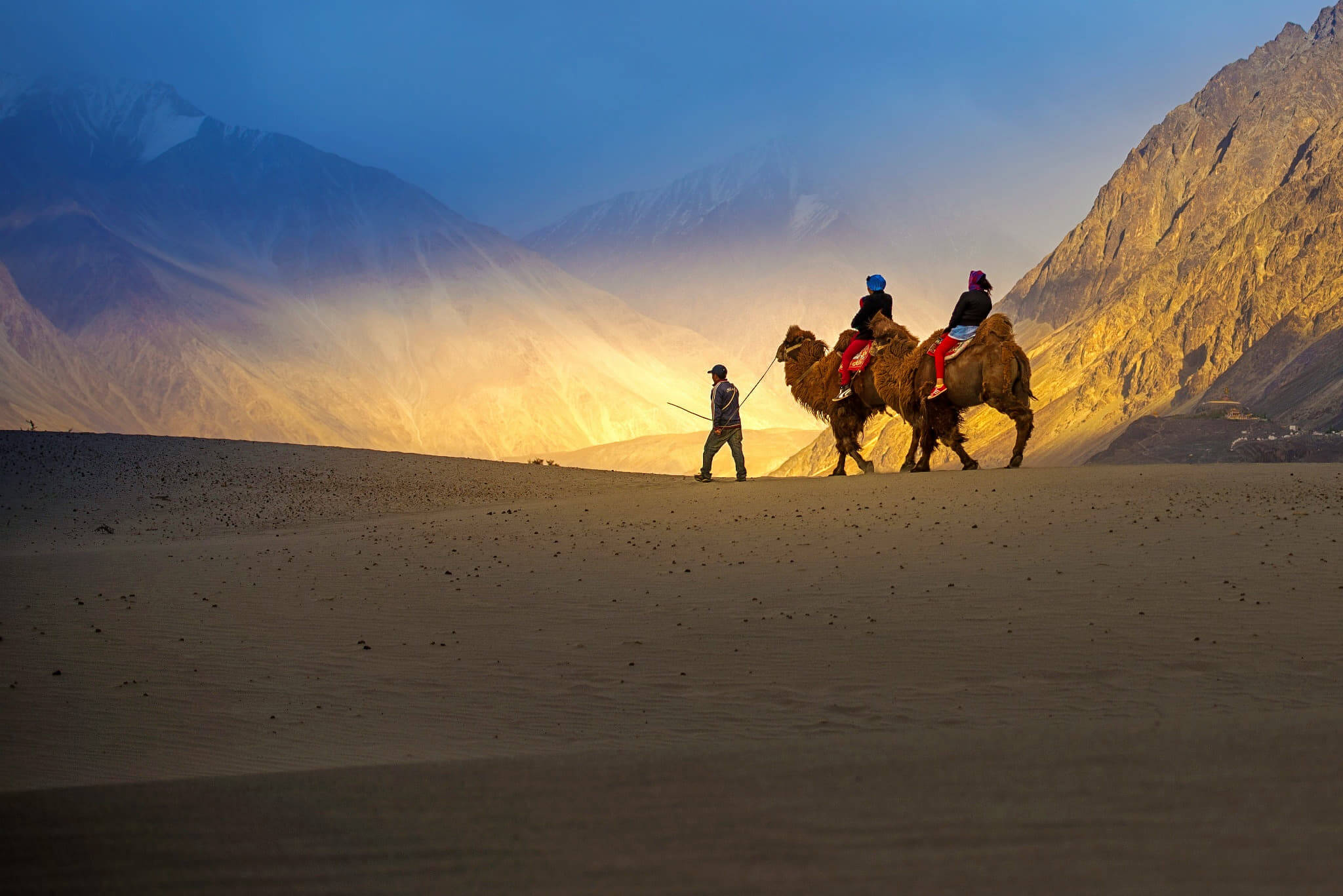
Ladakh tours are among the strongest choices for July. Leh, the Indus Valley monasteries, Nubra Valley and Pangong Lake offer high-altitude scenery unlike the rest of India. July usually provides a better window for road journeys than winter, although storms, roadworks and local restrictions can still affect passes. Do not plan to rush from a flight into Leh straight to Khardung La or Pangong. The Leh district administration requires at least 48 hours of acclimatization before excursions to higher-altitude areas. We recommend seven to nine days for a first visit, with the first two days kept gentle and longer trips for remote lakes or Zanskar. July is popular, so preferred hotels and domestic flights can fill early.
Kashmir
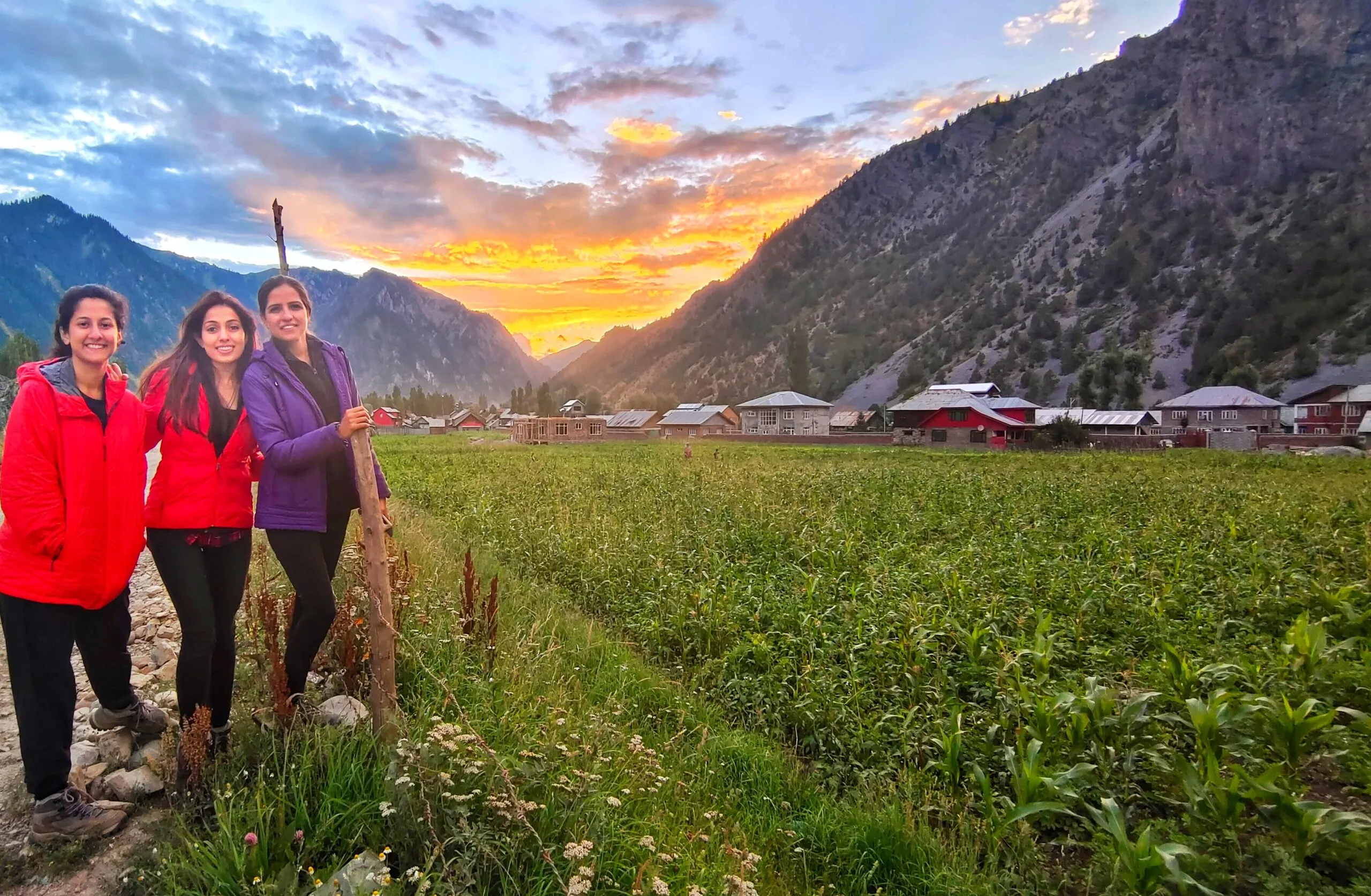
Srinagar, Pahalgam and Gulmarg make a scenic six- to eight-day summer holiday, with gardens, lakes, village life and mountain views. Kashmir is usually less demanding than Ladakh for travellers who prefer comfortable hotels and a gentler pace. July can still bring showers, crowded resort areas and changes to gondola or road access. The annual Amarnath pilgrimage may also affect roads and accommodation around particular routes; the 2027 dates and traffic arrangements need to be checked when released. If you want to continue by road towards Kargil and Leh, allow a dedicated Kashmir itinerary with realistic overnight stops instead of squeezing the whole journey into a short break.
Spiti Valley
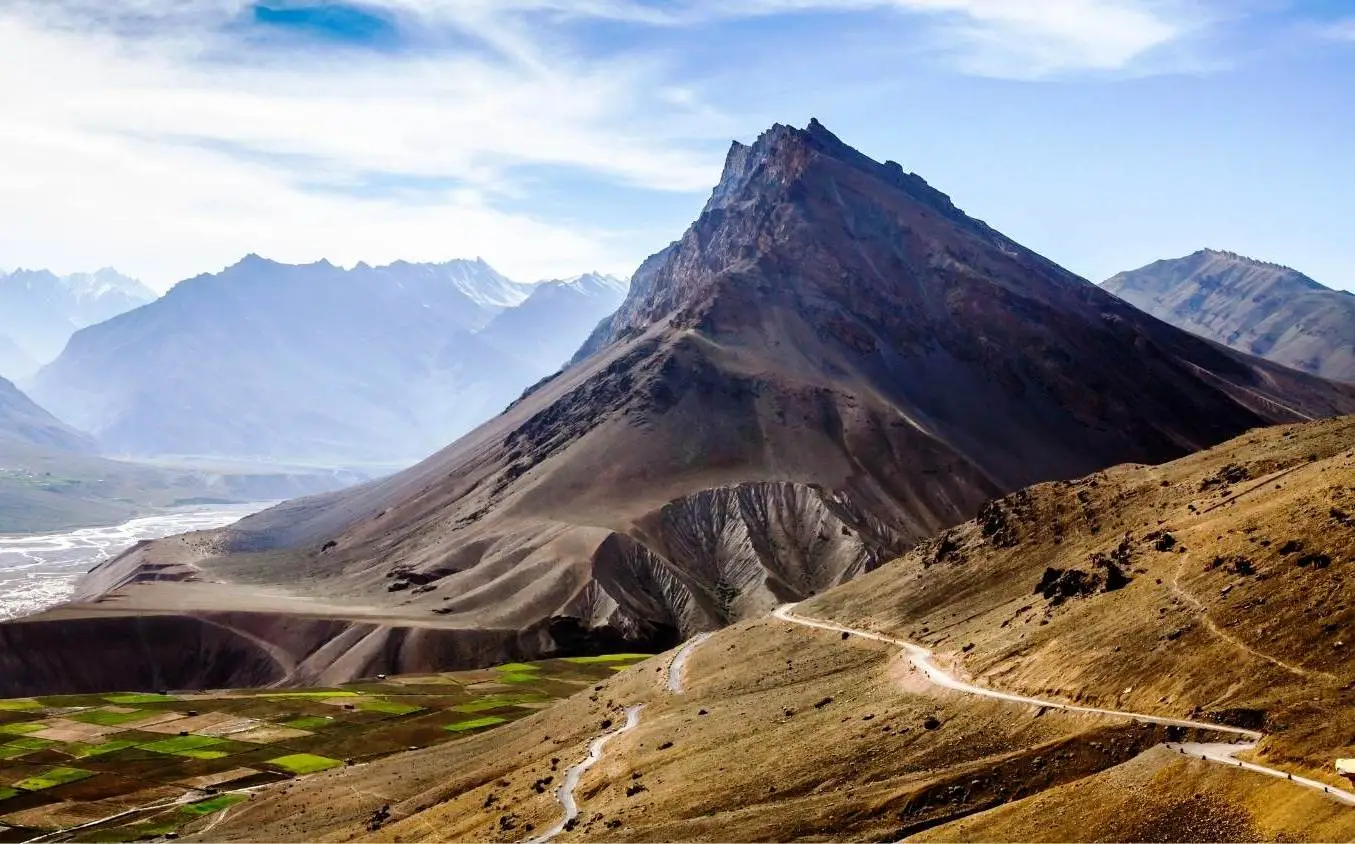
July can be rewarding in Spiti's high, relatively dry valley, with Key Monastery, Kaza and villages such as Langza and Komic. But the journey into Spiti is the challenge. Even when the valley is dry, approaches through Kinnaur or from Manali can be affected by heavy rain, landslides, swollen streams and road damage. A short Manali-to-Spiti dash is not the right choice for every traveller. We would normally allow eight to ten days or longer, with spare time and gradual altitude gain. Consider Spiti Valley trips if you enjoy mountain roads and simple local stays, not if uninterrupted highway travel is essential.
Valley of Flowers
The Valley of Flowers in Uttarakhand is one of July's special experiences, particularly from mid-month onward as the alpine bloom develops. It is not a drive-up sightseeing stop. The trip includes a long road journey to the Govindghat area, a walk towards Ghangaria and a separate trek into the national park. Paths can be muddy or slippery, and monsoon rain may affect access. Hemkund Sahib is a further, more strenuous high-altitude excursion and should be optional, based on fitness and local conditions. Plan roughly seven to eight days including travel from Dehradun or Rishikesh, and check the park's 2027 opening schedule. Our Valley of Flowers itinerary gives you a useful route starting point.
Kerala
Kerala in July works best when rain is part of the experience. Munnar's tea hills, heritage stays in Kochi, spice country around Thekkady and a comfortable backwater hotel can make a satisfying five- to eight-day trip. We recommend fewer hotel changes and rooms with good indoor facilities. A backwater cruise may operate, but boat schedules must be checked against weather and water conditions; rough seas can also rule out coastal activities. Avoid selling July as a guaranteed sunny beach holiday. If you want a slow, green holiday rather than a packed sightseeing schedule, explore Kerala tour options or the five-day Munnar, Thekkady and Alleppey route.
Sikkim and Meghalaya
The eastern and northeastern hills can look beautiful in July, but their rainfall makes them less dependable for a fixed sightseeing checklist. Around Gangtok, clouds can hide the peaks; roads towards Lachung, Yumthang and North Sikkim may be restricted after heavy rain. Meghalaya's waterfalls can be spectacular, but flooded paths, poor visibility and local safety closures limit some outdoor experiences. A compact Gangtok or Shillong-based holiday can still suit travellers who enjoy misty scenery and do not mind spending time indoors. We would not promise remote North Sikkim access or long treks months ahead. If seeing clear Himalayan panoramas matters more than experiencing the monsoon, choose another season.
Puri and Odisha
For travellers with a particular interest in Indian religious festivals, Puri is worth considering around the 2027 Jagannath Ratha Jatra. The main chariot procession has been scheduled for 5 July 2027 in reported Odisha government preparations, but all final local arrangements should be reconfirmed before booking. Expect very large crowds, traffic restrictions, rain and limited easy access. This is better treated as a planned festival visit than a relaxed beach holiday. International travellers should also understand that entry rules for individual temples may differ from access to public festival areas. A private festival itinerary needs suitable accommodation and a realistic plan for moving around Puri.
Choose Your Route
These are practical starting points, not fixed group departures. The best route depends on how many days you have, whether you are comfortable at altitude and how much uncertainty you can accept during the monsoon.
- 5–6 days, slow monsoon holiday: Kochi, Munnar and Alleppey or Kumarakom. Best for couples and travellers who value comfortable stays more than daily excursions. Keep backwater activities flexible.
- 7–8 days, first-time Ladakh: Leh and nearby monasteries, Nubra Valley and Pangong Lake, with two gentle days in Leh before higher-altitude travel. This is the better choice for dry mountain scenery.
- 7–8 days, Valley of Flowers: Rishikesh or Dehradun, the Govindghat area, Ghangaria and the Valley of Flowers. Add Hemkund Sahib only if fitness, acclimatization and weather allow.
- 8–10 days, Kashmir and Ladakh: Srinagar, Kargil, Leh, monasteries and Nubra, with Pangong included only if the days and altitude progression work. See our 10-day Kashmir–Ladakh tour.
- 10–12 days, Himalayan road journey: Kashmir, Kargil, Leh and selected Ladakh valleys, with an optional Manali-side exit if the actual road conditions support it. Choose this only if you can handle long drives and possible changes.
A useful planning rule is to choose one main region for a week-long July holiday. Ladakh plus Kerala, or Kashmir plus multiple Uttarakhand trekking valleys, may look tempting on a map but adds flights, transfers and unnecessary risk of disruption. For travellers with 12 to 14 days, combining regions can work when there is enough buffer between them.
July Weather
The southwest monsoon normally advances over most of India by early July, though the actual 2027 onset and rainfall will vary. Ladakh is generally drier because of its position in the high-altitude rain shadow, not because bad weather is impossible. In Kashmir, summer temperatures are usually more comfortable than in Delhi, while Kerala, Goa, Meghalaya and many Himalayan approaches can receive prolonged or intense rain.
- Ladakh: Often sunny by day with cool or cold evenings, strong ultraviolet light and rapidly changing mountain weather. Bring layers even in midsummer.
- Kashmir: Green summer valleys with occasional rain and cooler nights in mountain areas. Busy spots may have holiday traffic.
- Himachal and Uttarakhand: Temperatures depend strongly on altitude, but heavy rain, landslides and reduced road access are the main concerns.
- Kerala and the Western Ghats: Humid, lush and often very wet. Build the trip around flexible outings rather than continuous outdoor activity.
- Delhi, Agra and Rajasthan: Typically hot or humid with monsoon showers. Monuments remain visitable, but outdoor sightseeing can be tiring.
For July, pack a light waterproof layer, shoes with good grip, a rain cover for your day bag and quick-drying clothes. Add warm layers, sun protection and a reusable water bottle for Ladakh. Travellers taking high-altitude treks should use the trek operator's equipment list rather than a standard city-tour packing checklist.
July Events
Jagannath Ratha Jatra in Puri is a major July 2027 attraction for people interested in living religious traditions. Local preparations reported the main procession for 5 July, with subsequent ceremonies later in the month. Festival crowds and transport controls can change how a visit works, so arrangements should be confirmed with the local authorities before finalizing your itinerary.
Ladakh also holds monastery festivals during summer, but dates differ between monasteries and may follow traditional calendars. Do not assume Hemis Festival or a particular monastery dance will occur during your chosen week without checking the 2027 programme. The Amarnath Yatra can influence Kashmir road traffic and accommodation in July; its official dates and arrangements should be checked closer to travel.
Before You Book
- Altitude: If you fly into Leh, keep at least 48 hours for acclimatization before high passes or lakes. Discuss medical concerns with a healthcare professional before travelling.
- Monsoon roads: Allow extra time in Uttarakhand, Himachal, Sikkim and the Western Ghats. Avoid scheduling a long mountain drive immediately before an international flight.
- Treks: Check current Valley of Flowers and Hemkund Sahib access, fitness requirements, permits and weather. The trip should not depend on completing a hazardous trek in poor conditions.
- Wildlife: Do not assume that the popular core zones of tiger reserves are open in July. Monsoon closures are common, while some particular zones may operate under separate rules.
- Water activities: Check boat, cruise and beach conditions locally. A sightseeing cruise is not guaranteed during a weather warning.
- Price and inclusions: Ask what is included for domestic flights, local guides, permits, special vehicles, monument tickets, excursions and change-related costs.
Private, Your Way
A July tour should leave room for your interests and the weather. We can adapt the start and finish cities, hotel standard, driving pace and balance of culture, nature or relaxation. Private travel is helpful when you want to start early, shorten a sightseeing day or change a non-essential excursion. For high-altitude or monsoon trips, we also discuss what cannot be guaranteed: pass openings, road access, permits and activities subject to safety restrictions. Tell us your dates, travellers' ages, preferred comfort level and must-see places, and we can suggest a route that makes sense rather than simply adding more stops.
July Travel FAQs
Is July 2027 a good month to visit India for the first time?
July can be a good first visit if you are most interested in Ladakh, Kashmir or a slower Kerala holiday. It is less straightforward if your dream journey is a classic Delhi–Agra–Jaipur circuit with long outdoor sightseeing days. The Taj Mahal and Rajasthan's forts remain open subject to their usual schedules, but heat, humidity and monsoon showers can make touring tiring. We would first ask what you most want to experience, then decide whether July is suitable. For a high-Himalayan first trip, Ladakh offers remarkable landscapes but requires altitude planning. Kashmir is generally gentler, while Kerala works best if you welcome the rain. If a dry, comfortable Golden Triangle tour is your priority, a different season is usually preferable.
Which part of India is best to visit in July without heavy rain?
Ladakh is often the strongest answer because its high-altitude desert receives much less monsoon rainfall than most of India. Leh, the Indus Valley, Nubra and Pangong are popular July destinations, though mountain weather, road interruptions and cold nights remain possible. Parts of Spiti also lie in a relatively dry region, but reaching Spiti can involve monsoon-affected roads in Himachal Pradesh. Kashmir is often pleasant in summer, but it is not rain-free. If you want a reliable beach holiday, Kerala and Goa are not the obvious July choices. No destination is guaranteed dry; for safety and comfort, it is better to choose a suitable region and leave some flexibility than to rely on a long-range daily weather prediction.
How many days should we allow for Leh, Nubra Valley and Pangong Lake in July?
Seven to eight days is a more sensible starting point than four or five, particularly if you arrive by air. Leh district guidance calls for at least 48 hours of acclimatization before higher-altitude journeys such as Khardung La and Pangong Lake. We would use the arrival day for rest and the following day for light, nearby activities rather than a packed sightseeing programme. Nubra and Pangong then need their own travel days, with time for monasteries and scenic stops. More days are useful if you want a relaxed pace, Tso Moriri or additional villages. Pangong and other remote places have limited services compared with Leh, and conditions can change quickly. Travellers with relevant health concerns should get individual medical advice before booking.
Can we drive from Srinagar to Leh or Manali to Leh in July 2027?
Both routes are often used in the summer travel season, but their condition for specific dates in July 2027 cannot be guaranteed now. The Srinagar–Leh journey is usually divided with an overnight stop near Kargil, rather than attempting the entire transfer in a single long day. The Manali–Leh route is another dramatic road journey, but it crosses remote, high-altitude terrain and can be disrupted by bad weather or road damage. Even when highways are officially open, local traffic rules and temporary closures may apply. A sensible itinerary has an alternative or extra time where possible. If your available holiday is short, flying to Leh and building in acclimatization may be easier than trying to drive in and out by different passes.
Is the Valley of Flowers trek suitable for families or older travellers in July?
It depends on fitness and trekking experience, not simply age. Visiting the Valley of Flowers involves travel into Uttarakhand's mountains, a substantial walk to Ghangaria, and another day on foot inside the national park. Paths can be uneven, wet and slippery, with rain or changes in access possible at short notice. Ghangaria's accommodation and facilities are more basic than those of a conventional hotel holiday. Hemkund Sahib is a separate, more demanding excursion at higher altitude and should not automatically be added for everyone. Families with active older children and fit adults may enjoy the trek with proper support, but travellers with mobility difficulties or limited hiking experience may prefer a different July route. Allow a rest or buffer day rather than rushing the return.
Should we choose Kerala or Ladakh for a July honeymoon or family trip?
They are almost opposite experiences. Choose Ladakh if you want high mountains, monasteries, lakes and scenic drives, and everyone is comfortable with altitude and several long journeys. Choose Kerala if your ideal holiday involves a good hotel, tea gardens, regional food, backwaters and time to relax while rain comes and goes. Monsoon Kerala is not a dependable beach-and-sun holiday, but it can be appealing for couples who enjoy greenery and quiet indoor time. For families with young children or older relatives, the quality and location of the hotel, number of transfers and health considerations matter more than how many destinations appear on the itinerary. We would compare comfort and weather tolerance before recommending either option.
Can we visit Sikkim, Meghalaya or Himachal Pradesh during July?
Yes, but these regions need a more cautious plan than Ladakh. Heavy rainfall in Sikkim, Meghalaya and parts of Himachal can trigger landslides, poor visibility and local transport restrictions. A stay based in Gangtok, Shillong or a well-connected Himachal town can be enjoyable if you appreciate green landscapes, food and culture and are willing to alter day trips. Remote North Sikkim excursions, difficult waterfalls trails and ambitious mountain-road circuits are less dependable. We would avoid promising that every viewpoint, pass or trek will be accessible in July. A route with fewer overnight changes, a reputable local driver and an alternative indoor activity is often more useful than a long list of attractions. If clear mountain views are essential, consider travelling in another month.
Are tiger safaris and beach activities available in July?
Do not book a July holiday assuming that the usual core tiger-safari zones will be operating. Many national parks suspend their main monsoon safaris during this period, although individual parks and designated zones can follow different rules. Any wildlife itinerary must start with the official 2027 opening calendar and available permits. Beach travel also needs a realistic expectation: Goa and Kerala can be beautiful and green, but rough seas, strong currents and weather alerts may make swimming, sea trips or water sports unsafe or unavailable. Backwater and inland boat operations have their own restrictions. If wildlife safaris or guaranteed sea activities are your main reason for travelling, we would normally suggest a more suitable season rather than selling you an unreliable July programme.
What festivals can we experience in India in July 2027?
The most notable event to consider is Puri's Jagannath Ratha Jatra. Preparations reported by Odisha officials in October 2026 schedule the main procession for Monday, 5 July 2027. The crowds are enormous, so hotel location, movement restrictions and realistic access matter as much as the date. Subsequent festivities continue later in the month. Ladakh's monastery festivals can also be memorable, but their dates vary and should be checked against confirmed 2027 local calendars. If travelling through Kashmir, the Amarnath Yatra may influence road traffic and hotel demand, depending on its officially announced schedule. We do not recommend fixing non-refundable travel around any religious event until the local programme and logistics have been confirmed.
How far ahead should we book, and what is included in a private July tour?
For July Ladakh and Kashmir holidays, early planning helps secure preferred hotels, houseboats and domestic flights during the busy summer period. Trek support and festival hotels may also need advance arrangements. However, final permissions, opening notices and weather-dependent activities sometimes can only be checked closer to departure. A Tusk Travel quotation can be prepared around your chosen accommodation, private vehicle and driver, airport transfers, local guides and selected excursions; the exact inclusions must be listed in the proposal. Flights, permits, special local transport, park or monument tickets, trekking equipment, meals and contingency costs should never be assumed unless stated. International flights, visas and travel insurance are not automatically included. Sharing your dates, party size and travel priorities lets us prepare a realistic route, transparent quotation and sensible alternatives where seasonal conditions require them.


 6 Nights / 7 Days