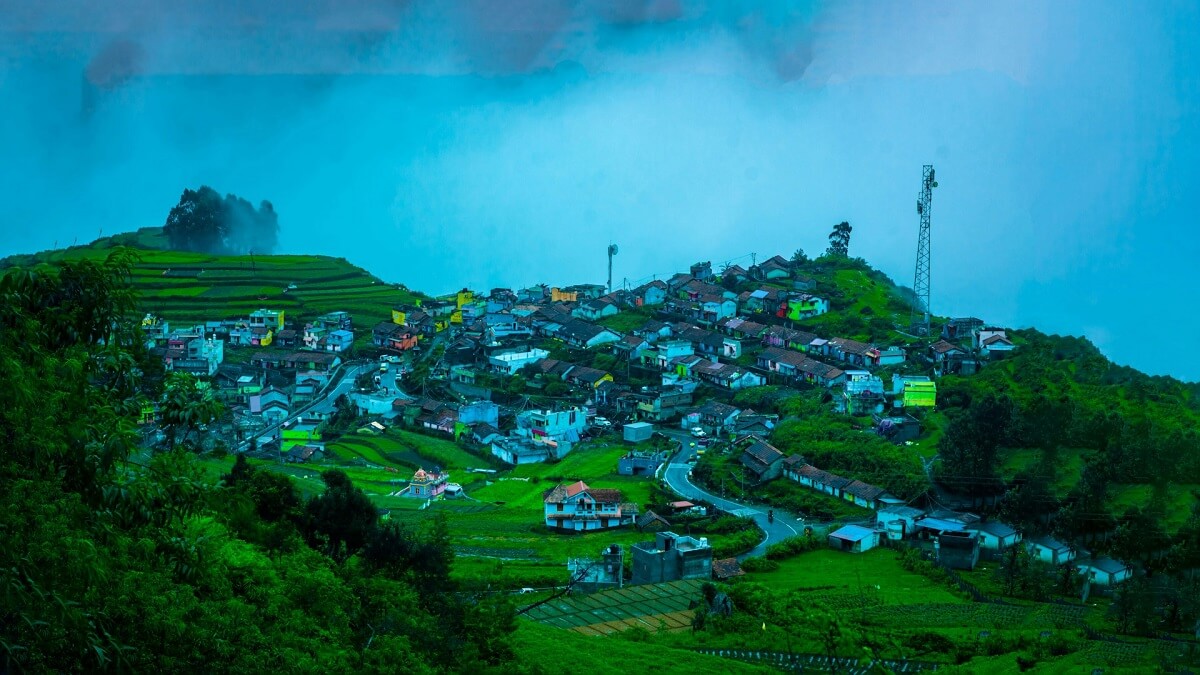
June offers two very different ways to see India. The high mountains of Ladakh, Kashmir and parts of Himachal Pradesh are popular for summer journeys, while the southwest monsoon begins transforming Kerala and India's western coast. The right choice depends on whether you want mountain views and outdoor excursions, or a slower holiday built around rain-washed scenery and comfortable stays. June is not an equally good month for every destination.
Is June a Good Time?
Yes, especially if your priority is Himalayan scenery or a deliberate monsoon experience. Srinagar and Pahalgam are attractive for lakes and valleys; Leh opens the door to Ladakh's monasteries and stark landscapes; and Spiti can suit travellers who are comfortable with high-altitude road journeys. In Himachal, June is a busy holiday month around Shimla and Manali, although the weather can change quickly and mountain roads need sensible planning.
Elsewhere, June can be more difficult. Delhi, Agra, Jaipur and much of the northern plain may remain intensely hot before the monsoon arrives. Kerala, coastal Karnataka and Goa become wetter as the rainy season develops. Rain makes these regions green, but it can also interrupt boat trips, beach plans and long drives. The Indian monsoon does not switch on everywhere on the same day, so the first and last weeks of June can feel quite different even within one state.
Where to Go
Ladakh
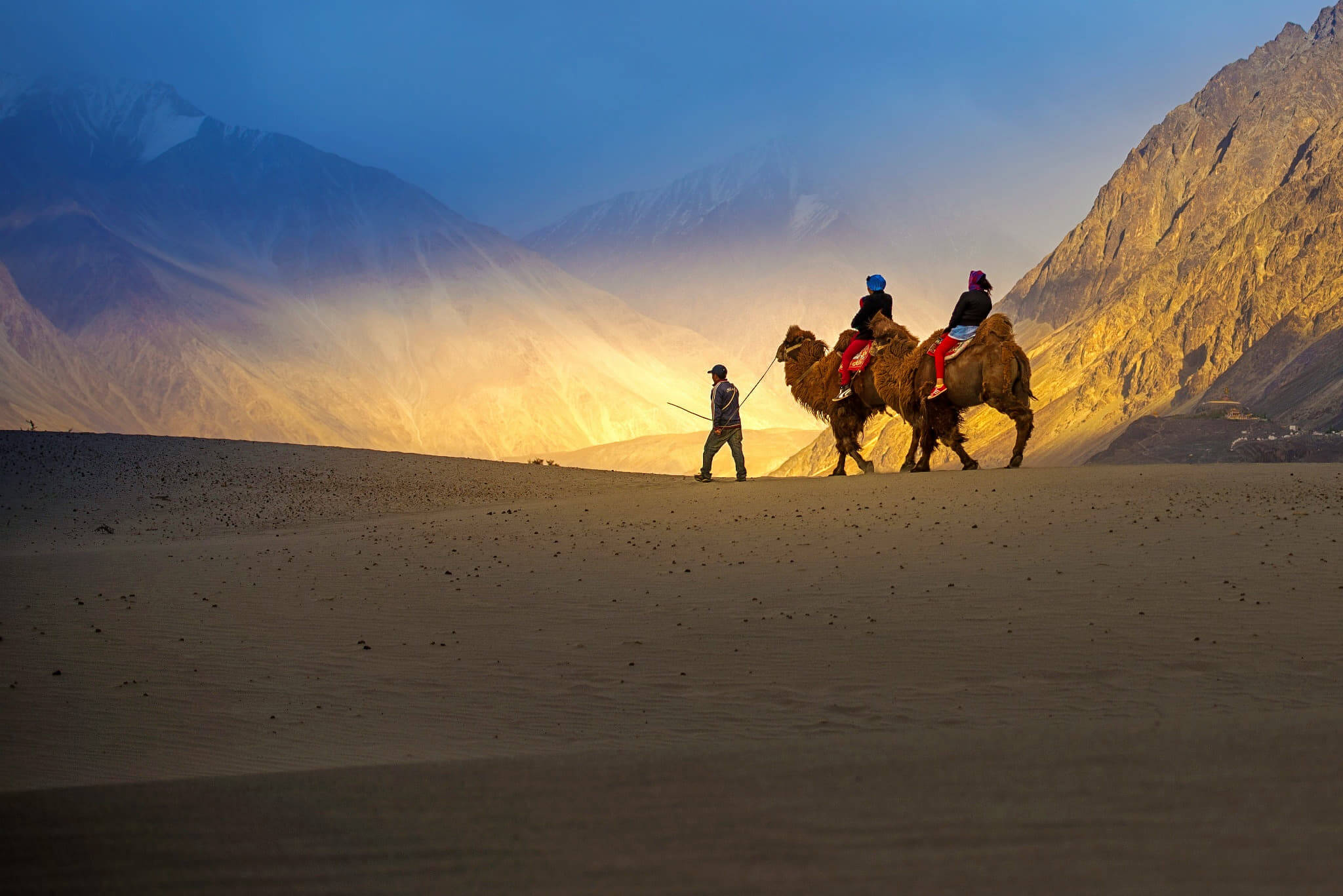
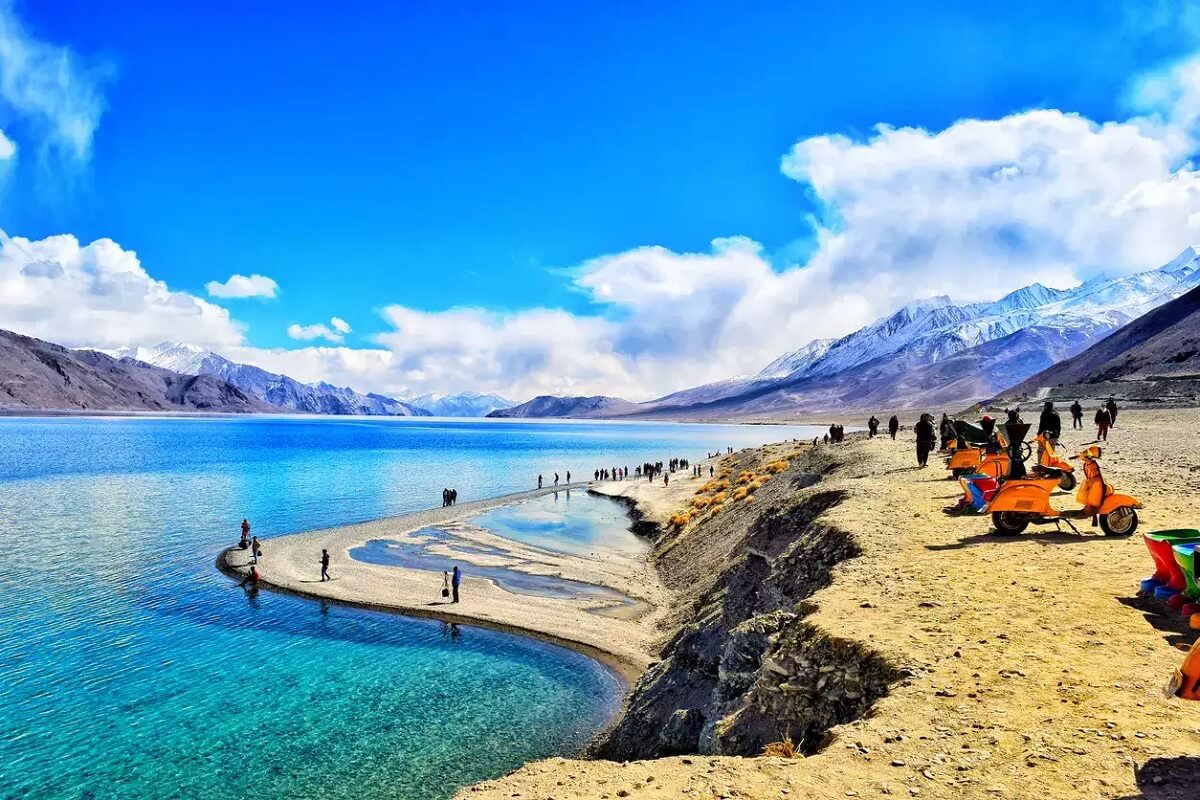
June is a popular month for Ladakh because routes towards Leh, Nubra Valley and Pangong Lake increasingly become accessible after winter, subject to road clearance and local restrictions. The appeal is not only high passes: spend time at Thiksey and Hemis monasteries, walk through Leh's old neighbourhoods and visit villages in the Indus Valley. For a first trip, allow seven to nine days, including at least 48 hours in Leh to acclimatize before going higher. Days can be sunny, but nights and exposed passes remain cold. Road access from Manali and Srinagar must be checked for your actual travel dates. Explore our Ladakh tour options for routes that allow adequate time at altitude.
Kashmir
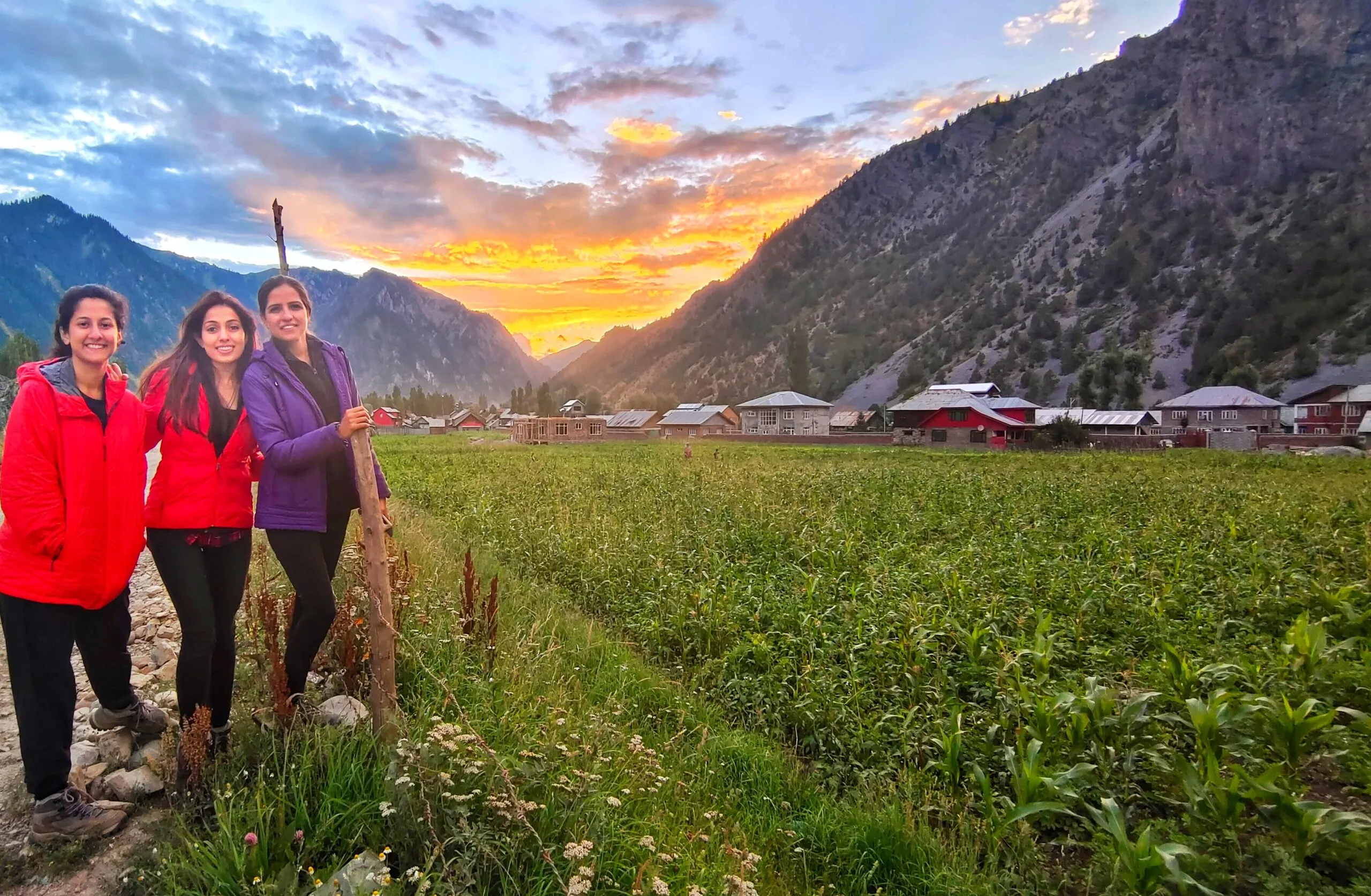
Kashmir is one of the easier June choices for travellers who want a scenic mountain holiday without Ladakh's altitude demands. Srinagar offers gardens, local neighbourhoods, Dal Lake and houseboat stays, while Pahalgam is better for riverside scenery and walks. Gulmarg and Sonamarg can add mountain views and higher-altitude excursions. We would allow six to eight days to enjoy more than quick day trips. Popular gondola tickets, well-located houseboats and valley hotels may require early booking during domestic summer holidays. Roads, local vehicle rules and mountain activities can still change because of weather. See our Kashmir tours for private itineraries with comfortable overnight stops.
Spiti Valley
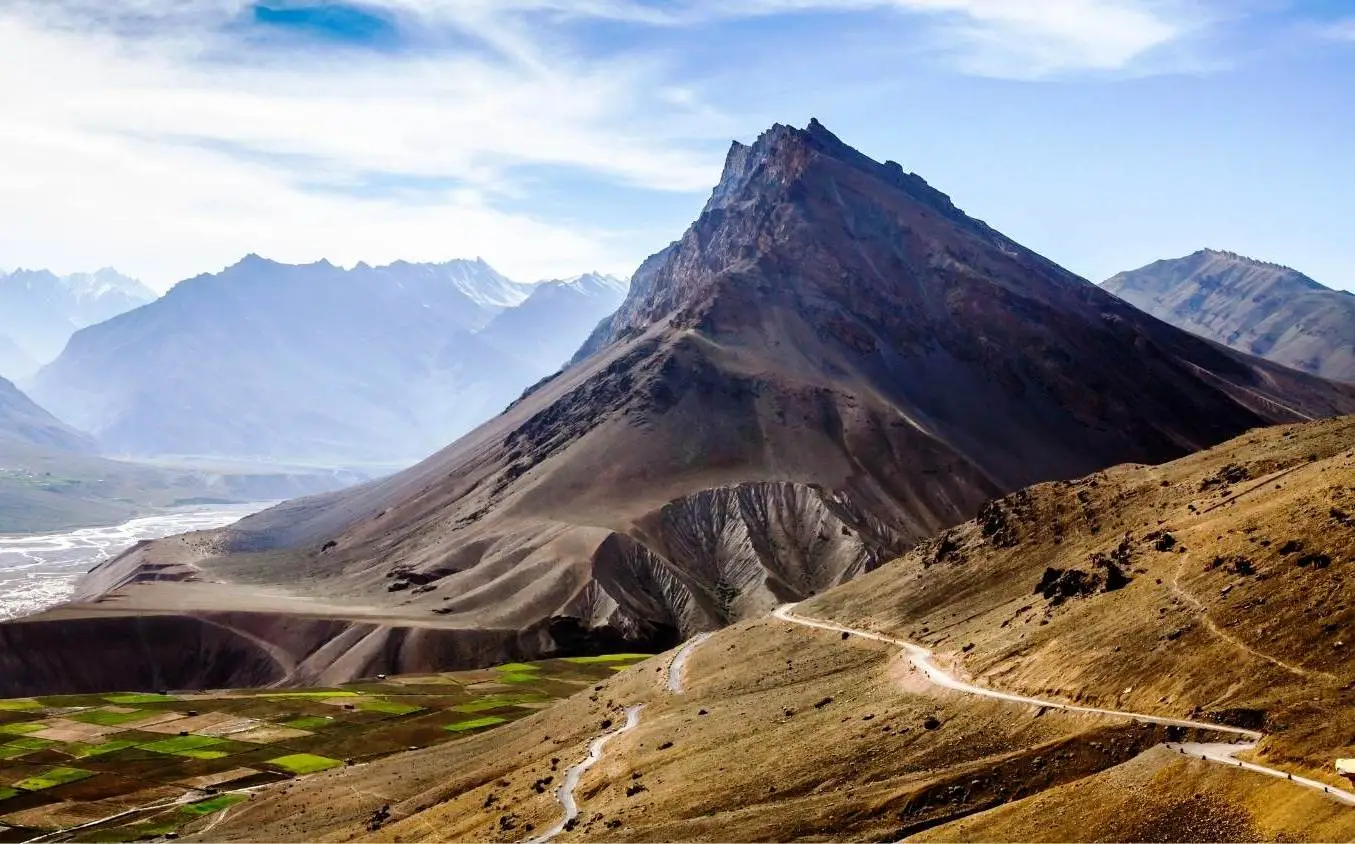
For travellers who enjoy monasteries, remote villages and dramatic dry mountain landscapes, Spiti is worth considering in June. Kaza, Key Monastery, Dhankar and the villages of Langza, Hikkim and Komic can form a memorable journey. However, this is not a quick add-on to a Manali holiday. The approach from Shimla through Kinnaur usually offers a useful alternative when the Kunzum Pass and Manali-side road are still inaccessible. Even in June, an open pass cannot be guaranteed in advance. A carefully planned trip generally needs eight to ten days or more, with flexible driving time, appropriate altitude progression and modest expectations of remote facilities. Read about our Spiti Valley tours before choosing a route.
Himachal Pradesh
Himachal works well for people who prefer mountain towns, cafes, temples and shorter cultural walks over challenging high-altitude travel. Shimla's heritage streets, Manali's valley views and Dharamshala's Tibetan cultural connections are varied enough to justify a dedicated trip. But the distances are longer than they appear on a map, and the busiest summer roads can be slow. A seven-day itinerary covering all three places involves substantial transfers; eight or nine days feels less rushed. From late June, rain and landslide risk can increase in some valleys. Compare the options on our Himachal Pradesh tours page, then select the places that matter most to you.
Uttarakhand
Mussoorie, Nainital and the Kumaon hills suit a slower June holiday with viewpoints, local markets and time outdoors. Rishikesh offers yoga, ashrams and Ganges-side experiences, but it sits much lower and can still feel hot and humid. The Char Dham pilgrimage also operates seasonally in this period, with separate registration, crowd-management and mountain travel requirements. Do not assume pilgrimage roads, rafting and high-altitude excursions will all be available on the same schedule. In the later part of June, rain can affect hill access and river activities. For a gentler journey, choose one hill area rather than linking several distant valleys. Browse our Uttarakhand tour packages for possible starting points.
Kerala in the Rain
June marks the usual onset of the southwest monsoon in Kerala. The rain brings a different atmosphere to Munnar's tea estates, the backwaters and the Western Ghats. This can appeal to couples and repeat visitors who are happy to enjoy a quiet resort, photography, local food or a slow wellness stay. It is not the month to promise constant sunshine or uninterrupted beach activities. Houseboat operations, forest experiences and road conditions should be checked locally, particularly during spells of heavy rain. Choose a well-located hotel and allow room to move a sightseeing visit rather than changing accommodation every night. Our Kerala itineraries provide ideas that can be adapted for rainy-season travel.
Sikkim and Darjeeling
Gangtok, Pelling and Darjeeling have monasteries, tea gardens and memorable local culture, but June is a rain-sensitive time for the eastern Himalayas. Mountain panoramas can be hidden by cloud, and roads to North Sikkim, higher passes or remote valleys may face landslides and restrictions. It would be misleading to promise clear Kanchenjunga views or guaranteed access to Lachung and Yumthang. If your interest is cultural sightseeing and a relaxed hotel stay, a more flexible route may still work; if mountain views and remote drives are essential, consider a drier season. See our Sikkim tours and confirm local conditions before selecting northern extensions.
Wildlife and the Plains
Dedicated wildlife travellers may still consider some Central Indian tiger reserves in early or mid-June, when permitted safaris can be hot and dusty. However, monsoon closure dates vary by reserve, gate and tourism zone; several core safari operations normally stop around the end of June or early July. Kaziranga is not a reliable June safari recommendation because seasonal rain and flooding typically interrupt its tourist operations. Check the actual 2027 permit calendar before booking any park lodge. Delhi, Agra and Jaipur can be visited with early sightseeing and air-conditioned transport, but the heat makes June less comfortable for a long heritage circuit than the winter months. Our wildlife tours should be considered only after the safari dates are confirmed.
Choose Your Route
These are sensible starting points for June India tour packages, not fixed departures. Travel days, altitude, rainfall and flight schedules matter more than fitting the maximum number of places into one holiday.
- 5–6 days: Kashmir introduction. Stay around Srinagar, Gulmarg and Pahalgam, choosing one or two nearby valley excursions. Our 5-day Kashmir itinerary shows a compact option, although an extra night gives you more breathing room.
- 7–9 days: Classic Ladakh. Fly to Leh, keep the first two days light for acclimatization, visit monasteries and add Nubra Valley and Pangong Lake when permitted and suitable. Avoid a long high-pass journey straight after landing. The 8-day Leh Ladakh tour is a useful route reference.
- 8–10 days: Spiti from Shimla. Travel gradually through the Shimla–Kinnaur corridor towards Kaza, then return by a verified open route. The Manali–Kaza connection is an optional possibility, not a guaranteed June shortcut. Compare the 9-day Spiti itinerary for the Shimla-side approach.
- 7–9 days: Himachal hills. Choose Shimla and Manali, or Dharamshala and the surrounding area. Adding every famous hill station often means spending more time in the vehicle than exploring. The seven-day Shimla, Manali and Dharamshala route is possible, but extra nights are better for a slower pace.
- 9–12 days: Kashmir and Ladakh. Combine Srinagar, Kargil and Leh with appropriate overnight stops. Include Nubra or Pangong only if the total number of days and acclimatization plan allow it. Do not compress the entire route into a short week.
- 5–7 days: Kerala monsoon break. Focus on Munnar and one backwater or resort stay. Build the itinerary around flexible experiences, not a list of outdoor excursions that require dry weather.
- 6–8 days: Uttarakhand hills. Pair Mussoorie with nearby areas or choose the Nainital–Kumaon region. These are alternatives rather than a single fast-moving route across the state.
June Weather
The India Meteorological Department places the normal monsoon onset over Kerala around 1 June, followed by a gradual advance across the country. These are typical seasonal patterns, not a forecast for June 2027. Actual rainfall, temperatures and mountain access will depend on the dates and the year's weather.
- Leh and Ladakh: Often sunny and comparatively dry, with cool or cold nights, strong ultraviolet sunlight and rapidly changing conditions at higher passes.
- Srinagar and Kashmir valleys: Generally warmer summer days with cooler mornings and evenings than the northern plains; higher excursions remain weather-dependent.
- Spiti and high Himachal: High-altitude areas can be cool and relatively dry, but melting snow, river crossings and pass conditions affect road access.
- Shimla, Manali and Uttarakhand hills: Pleasant periods are possible, but the arrival of rain increases cloud, slippery-road and landslide concerns in some locations.
- Delhi, Agra, Jaipur and Central India: Often very hot, especially before the rains. Heat and humidity may remain uncomfortable even when showers begin.
- Kerala, Goa and coastal Karnataka: Increasing monsoon rainfall, cloud and rougher coastal conditions. Dry beach holidays are not dependable.
- Sikkim, Darjeeling and Meghalaya: Frequent rain and clouds can disrupt mountain views, excursions and remote roads.
Pack for the actual regions on your itinerary. Ladakh needs warm layers, sun protection and footwear suitable for cold, uneven ground. Kashmir and Himachal call for a light jacket and rain protection. A Kerala monsoon trip needs quick-drying clothes, grippy shoes and a light waterproof layer. For the plains, choose breathable clothing, hydration and realistic sightseeing hours. Avoid using one general India weather forecast for a multi-region holiday.
June Events
International Day of Yoga is observed on 21 June, and Rishikesh is a natural place to consider if yoga is an important part of your trip. Local classes and public programmes vary by organiser; availability and registration should be confirmed. The 2027 calendars tentatively place Muharram/Ashura around 15–16 June, but the observed date depends on the lunar calendar and official announcements. Some religious gatherings may change local traffic arrangements or business hours.
Ladakh's Buddhist monastery festivals follow their own calendars. The well-known Hemis Festival does not have a reliably confirmed June 2027 date in the sources reviewed; some provisional calendars place it in July. We would not promise a festival visit without confirmation from the monastery or local authorities. If attending a particular event matters more than your other sightseeing, the event date should guide the itinerary before flights are booked.
Before You Book
- Decide what kind of June holiday you want. Ladakh, Kashmir and the rainy hills of Kerala are different experiences. Choose dry mountain scenery or monsoon atmosphere rather than assuming the weather will be similar.
- Allow time for altitude. All tourists arriving in Leh should spend at least 48 hours acclimatizing before travelling to higher-altitude areas. Seek medical advice if altitude may affect you; a private vehicle does not prevent altitude sickness.
- Check mountain-road access. Kunzum Pass, the Manali–Leh highway and other high routes can open at different times each year. A planned road crossing is never guaranteed months ahead.
- Keep wet-weather alternatives. Kerala, Sikkim and some Himachal valleys need flexible plans. Do not schedule every outdoor activity back to back or put a crucial flight immediately after a remote road transfer.
- Book important summer stays early. June overlaps with school holidays in India. Houseboats, mountain-view hotels, family rooms and popular Ladakh accommodations may become busy.
- Verify park and activity operations. Confirm safari zones and closing dates, mountain gondola tickets, local transport rules, rafting permissions and boat operations before paying for non-refundable arrangements.
- Ask for precise inclusions. Local mountain vehicles, protected-area permits, domestic flights, guides, entry tickets and special excursions may be priced separately. The final quotation should list each clearly.
Private, Your Way
Our June tours can start in Delhi, Srinagar, Leh, Chandigarh, Kochi or another suitable arrival point. We help match the route to your travel dates, number of guests, preferred hotel category and comfort with long drives. A first-time traveller may prefer Kashmir with one relaxed valley stay, while an experienced mountain traveller may choose Spiti or Ladakh with extra days for acclimatization and changing road conditions. Tell us what you want to see and how much time you have. We can prepare a private day-by-day proposal that explains the transfers, overnight stops, included services and weather-dependent elements before you decide.
June Travel FAQs
Is June 2027 a good month for a first trip to India?
June can be very rewarding for a first visit if you are particularly interested in the Himalayas. Kashmir offers lakes, gardens and scenic valleys, while Ladakh adds monasteries and high-altitude landscapes for travellers happy with a slower start. If your main dream is the Taj Mahal, Jaipur's forts, Old Delhi and a long Rajasthan tour, June is not the most comfortable month because the plains can remain extremely hot. Those sights are still possible with early visits and air-conditioned transfers, but October to March generally offers easier conditions. An alternative is to spend only a short time in Delhi or Agra and devote most of June to the mountains. The best first journey is the one matched to the climate, not simply the most famous route.
Which places in India have the best weather in June?
Leh, parts of Ladakh, Srinagar and higher Himalayan areas tend to be more comfortable for outdoor sightseeing than the northern plains in June. However, pleasant daytime weather is only part of the picture. Ladakh has high altitude, cold nights and strong sunlight; Spiti has remote roads and variable pass access; and Kashmir's popular valleys can be crowded during school holidays. Himachal and Uttarakhand have many attractive hill towns, but rain may increase towards the second half of the month. If your priority is a dry holiday with mountain landscapes, compare Ladakh and Kashmir first. If you enjoy rain and green scenery, a slow Kerala stay may suit you, though the weather experience is completely different.
Can we visit Leh, Nubra Valley and Pangong Lake in June?
Often yes, subject to weather, road restrictions, permits and individual health. The essential step is to avoid travelling to higher-altitude areas immediately after arriving in Leh. The district administration advises a minimum of 48 hours for acclimatization before excursions to places such as Khardung La and Pangong. Plan light local time in Leh, then move gradually towards Nubra and, if practical, Pangong. A trip of seven to nine days provides a more sensible framework than trying to cover everything in four or five days. Some remote accommodation is basic, and high roads can still be cold or temporarily closed. We check the route and nationality-specific permit requirements when your exact dates are known. Anyone concerned about altitude should seek medical advice before travelling.
Is the Manali–Leh road or the route to Spiti open in June 2027?
No one can responsibly confirm those June 2027 road openings this far in advance. The Manali–Leh highway and the Kunzum Pass approach to Spiti normally depend on snow clearance, maintenance and current local orders. Even after opening, storms, damaged road sections or water crossings may interrupt journeys. If the road trip itself is your priority, allow spare time and avoid tight onward flights. For Spiti, the approach via Shimla and Kinnaur may be more practical when the Manali side is unavailable, although it also requires local checks. Flying to Leh is often simpler for travellers with limited days who are not committed to a complete overland journey. The itinerary should name a workable alternative instead of assuming every pass will be open.
Should we choose Kashmir or Ladakh for a June family holiday?
For many families, Kashmir is the easier option. Srinagar, Pahalgam and Gulmarg offer accessible sightseeing, scenic drives, gardens and lake experiences without requiring everyone to sleep at Ladakh's higher elevations. Ladakh is a stronger fit for families with older children or adults who specifically want monasteries, dramatic mountain deserts and longer drives, and who can follow a careful acclimatization schedule. That does not automatically rule out Ladakh with children, but altitude exposure deserves individual medical advice and thoughtful planning. The ages of the travellers, tolerance for long road days and preferred hotel comfort all matter. If you want a relaxed, multi-generational holiday, we would usually start by comparing a six- to eight-day Kashmir itinerary with a slower Himachal option.
Is Kerala worth visiting when the monsoon starts in June?
Yes, if you enjoy a quieter pace and do not need guaranteed sunshine. June can be atmospheric in Munnar, where clouds move through the tea hills, and a well-chosen backwater or wellness property can be a pleasant base. However, heavy rain can interrupt local sightseeing, roads and boating schedules. Beach swimming and water sports may be unsuitable when the sea is rough, and a houseboat journey should never be promised without checking weather and operator conditions. We would recommend fewer hotel changes, good indoor facilities and flexible excursions. Travellers hoping for classic sunny beach days may be happier in another season. The purpose of the trip should determine whether monsoon Kerala feels appealing or inconvenient.
Can we visit Sikkim, Darjeeling or Meghalaya during June?
They are possible destinations, but rainfall becomes a serious planning factor. Darjeeling and Gangtok still offer tea culture, monasteries, cafes and local sightseeing; however, clouds may conceal the mountain views people travel to see. Remote routes in North Sikkim can be affected by permits, road closures and landslides. Meghalaya's waterfalls and green valleys can be striking in the monsoon, but heavy rain may restrict walks, river activities or access to particular locations. We would keep the route compact, avoid scheduling risky remote excursions as essential highlights, and leave flexibility if the weather changes. If uninterrupted scenery and long outdoor days are the priority, a drier month is generally a better choice for the eastern Himalayas.
Are tiger safaris available in India in June 2027?
Some safaris may operate during June, but the dates must be checked for the individual national park, gate and tourism zone. Central Indian reserves can be very hot at the start of the month, and certain safari areas close for the monsoon towards the end of June or in early July. Closure policies differ and can change, so a statement such as "all tiger parks are open in June" would be misleading. A wildlife-led trip should begin with the official 2027 safari calendar and permit availability, followed by lodge selection and transfers. Rather than linking several distant reserves into a hurried week, it is usually better to spend enough time in one park or, if practical, two. Wildlife sightings can never be guaranteed.
Which festivals and holidays should we know about in June 2027?
International Day of Yoga falls on Monday, 21 June 2027. If you would like to join a class or public session in Rishikesh, the particular programme and registration arrangements should be confirmed before booking. Muharram/Ashura is tentatively placed around 15–16 June in published calendars, but religious observance and the public holiday date may depend on moon sighting and official notices. In Ladakh, monastery festival calendars differ by location and tradition. Do not assume that Hemis Festival will take place in June 2027 without checking the monastery's confirmed dates. If attending a specific celebration is essential, we would build your itinerary around verified local arrangements and allow for crowds or traffic changes.
How early should we book, and what does a private June tour include?
Earlier booking is helpful for popular Kashmir houseboats, family rooms, peak-season Ladakh hotels, selected hill resorts and domestic flights. Yet some items, particularly mountain-road access and remote permits, cannot be finalized until closer to travel. A private quotation may include hotels, a suitable vehicle and driver, airport transfers, local guides and specific excursions, depending on the route you choose. Flights, permits, local high-altitude transport, monument tickets, meals, gondola rides and adventure activities must be listed individually rather than assumed. International airfare, visas, travel insurance and emergency costs are not automatically included. Share your dates, group size, arrival city and hotel preferences, and we can prepare an itinerary with realistic transfers, clearly stated inclusions and backup options where the weather warrants them.

 6 Nights / 7 Days