Is September a Good Time?
Yes, if you choose the region carefully. For travellers interested in monasteries, mountain passes and stark landscapes, September is one of the more appealing months for Ladakh, before winter conditions become severe. Kashmir has comfortable valley sightseeing, though the mountains can already feel cold after sunset. Kerala is a good match for food, culture, Ayurveda and slow backwater stays, especially around Onam, provided you are comfortable with rain.
The southwest monsoon withdraws gradually, usually starting in northwestern India during September and taking longer farther south. It does not end everywhere on 1 September. Hills in Himachal, Uttarakhand, Sikkim and Darjeeling may still experience landslides or low cloud. Rajasthan and the Golden Triangle are possible, particularly later in the month, but daytime humidity and showers can persist. September is therefore best treated as a transition month, not the beginning of guaranteed winter sightseeing weather.
Where to Go
Ladakh
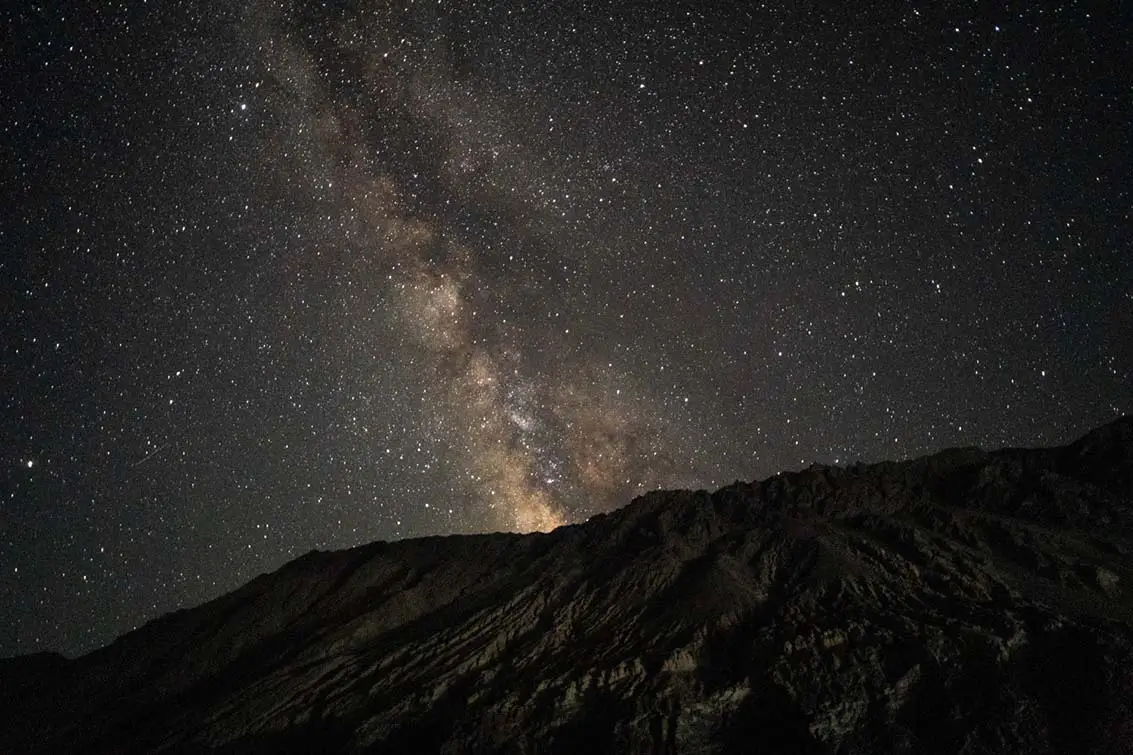
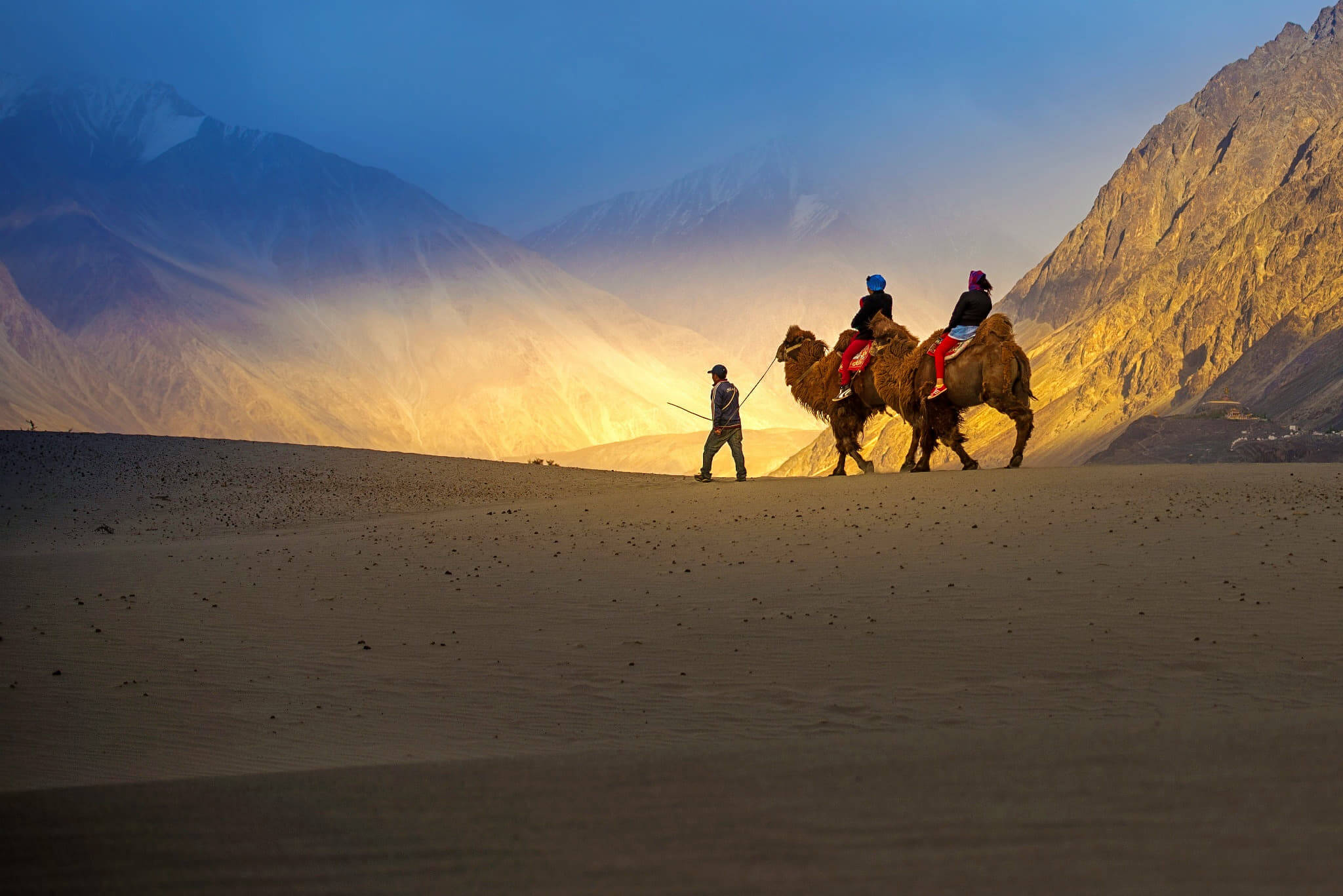
September often brings sharp mountain views and relatively dry days around Leh, the Indus Valley, Nubra and Pangong Lake. Nights become noticeably colder, especially at higher-altitude accommodation, and occasional snow or bad weather can affect mountain passes. A good first Ladakh tour needs seven to nine days rather than an exhausting dash between lakes. Travellers flying into Leh should allow at least 48 hours to acclimatize before heading to Khardung La, Nubra or Pangong, following Leh district's official advice. Start with gentle local outings, then visit the wider region once you are adjusting well. Compare our eight-day Ladakh itinerary, but request a September-specific check of high-pass routes, heating standards, permits and overnight options.
Kashmir
September suits travellers looking for a gentler Himalayan holiday with lakes, gardens, village landscapes and mountain views. Srinagar, Pahalgam and Gulmarg can fill six to eight days without changing hotels every night. A shikara ride on Dal Lake, walks around the old city and a comfortable valley resort make good alternatives when clouds interrupt a gondola ride or distant viewpoint. Expect cooler evenings, variable weather and some busy local travel periods. Kashmir is also a possible starting point for a road journey into Ladakh via Sonamarg and Kargil, provided the highway is open. That extension is a very different experience from a relaxed valley tour. See our Kashmir tour options if you would prefer comfortable sightseeing over long drives and high altitude.
Kerala
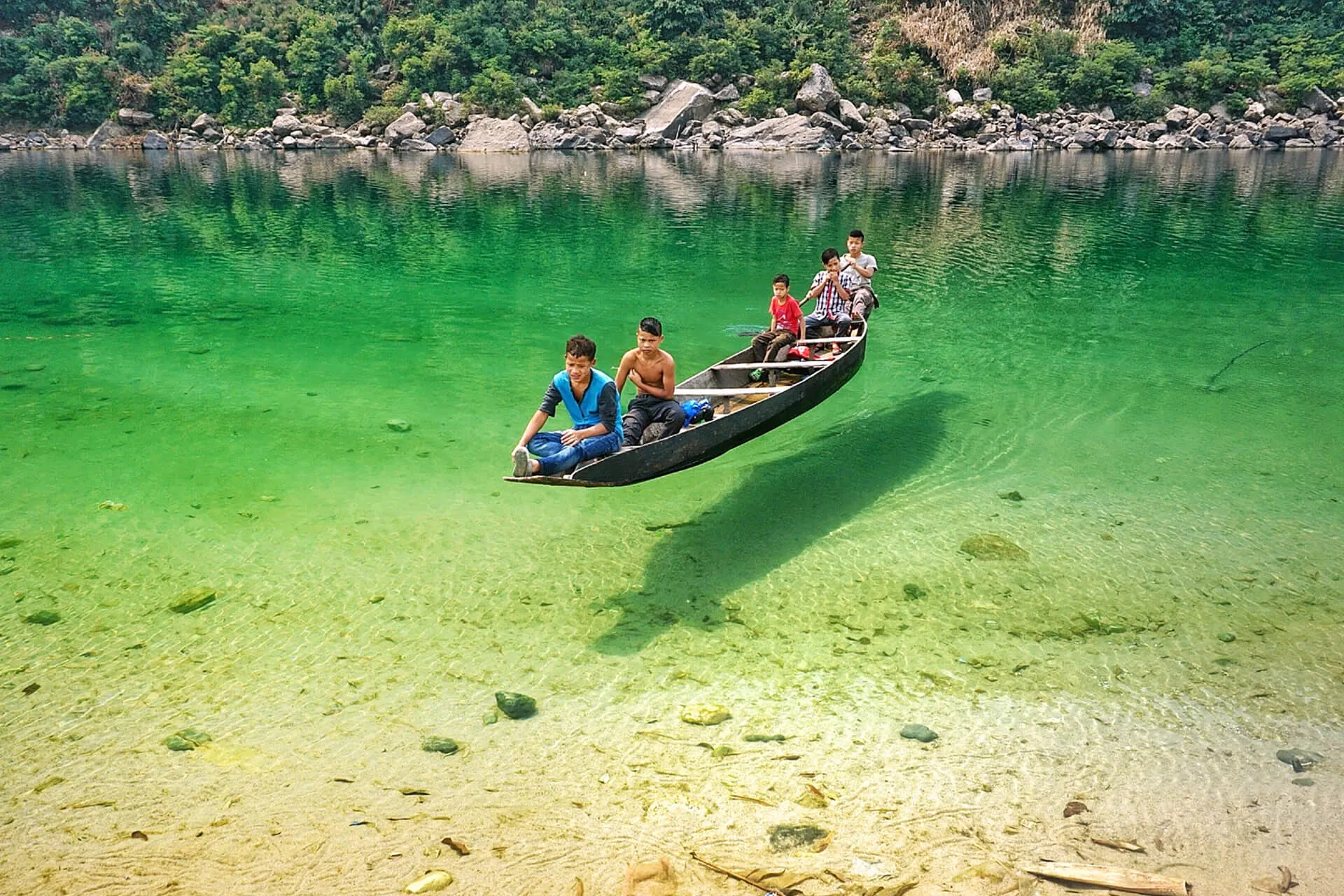
September is attractive for a slower Kerala holiday, particularly if you enjoy local food, green landscapes and cultural experiences. Kochi, Kumarakom and Alleppey work well for a backwater-focused trip; Munnar adds tea estates but also winding hill roads that can be affected by rain. Onam falls in September 2027, bringing floral displays, festive meals and performances in places where public celebrations are arranged. Not every hotel or village has the same programme, so ask what is actually available during your stay. Allow at least six or seven days if you want to combine hills and backwaters at a comfortable pace. Our seven-day Kerala itinerary can be adapted to favour more time in Kochi and the backwaters if weather is unsettled.
Mumbai and Maharashtra
For a festival-focused journey, Mumbai is especially interesting at the start of September. Ganesh Chaturthi is listed for 4 September 2027, with major immersion observances around 14 September. Community decorations, temple visits and neighbourhood celebrations can be memorable, but crowds, temporary road controls and restricted access are part of the experience. We would arrange cultural visits around local advice rather than promise access to a specific procession. Beyond Mumbai, Pune has its own celebrations, while places such as Lonavala and the Western Ghats remain green and may receive heavy rain. Plan separate time for city sightseeing and festival visits; do not combine a procession evening with a tight airport departure. This is a strong option for travellers seeking culture rather than consistently sunny outdoor touring.
Himachal and Uttarakhand
Dharamshala, Shimla and selected lower Himalayan towns can make a rewarding late-monsoon trip if you allow some flexibility. Tea estates, monasteries, markets, temples and relaxed hotel stays give you something to enjoy even if distant peaks are hidden. However, September is not automatically safe or dry in the hills. Road damage, landslides, local closures and heavy rain can still affect driving, particularly in the first half of the month. Uttarakhand's Rishikesh can suit a spiritual or wellness stay, but rafting and riverside activities depend on official conditions. We suggest fewer hotel changes, sensible driving days and an alternative for any weather-dependent outing. Travellers who mainly want uninterrupted mountain panoramas may prefer a later season.
Darjeeling and Sikkim
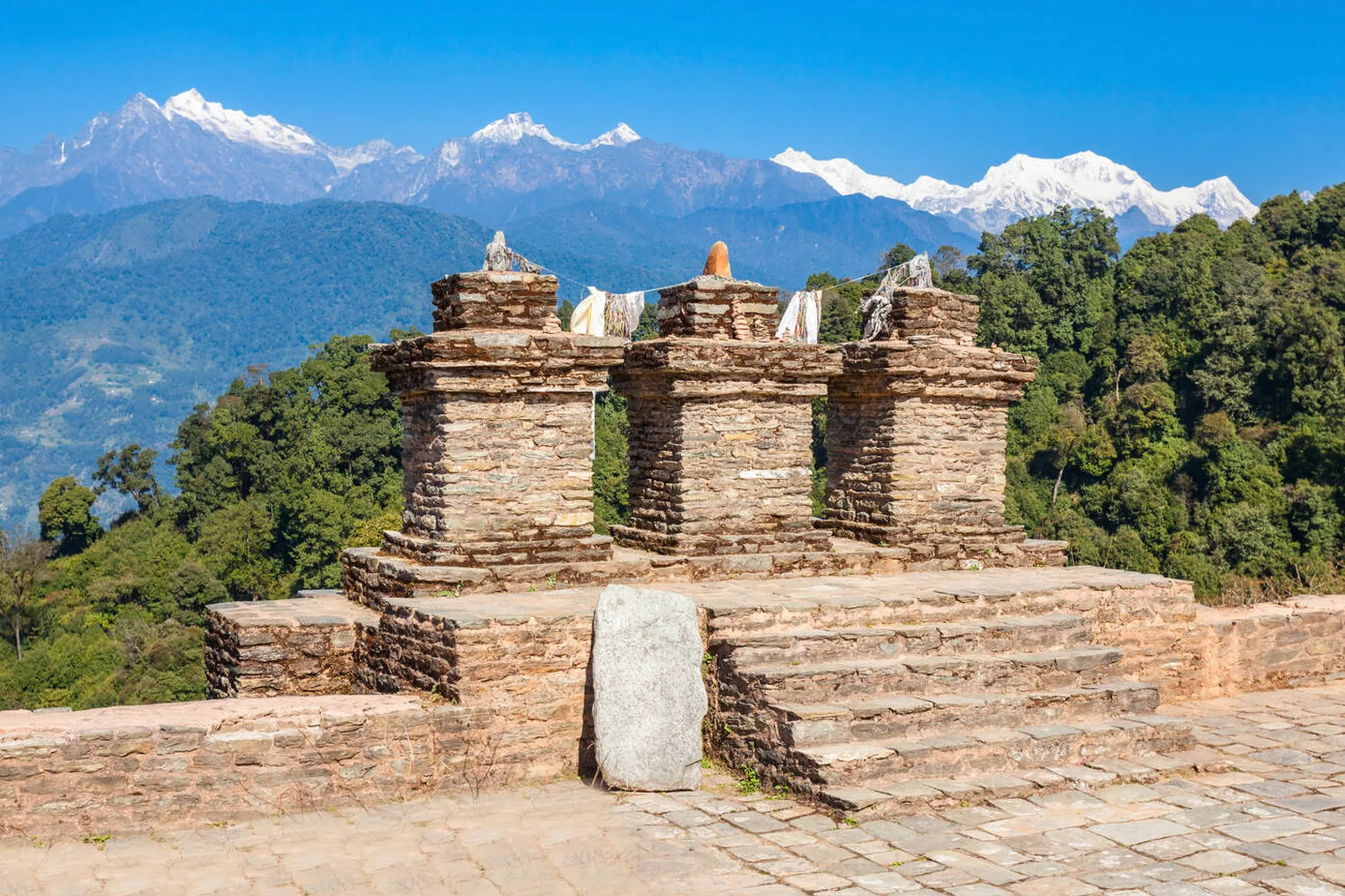
Tea gardens, monasteries and hill-town culture can be enjoyable in September, although mist and showers may hide the Himalayan skyline. Darjeeling and Gangtok are better approached as cultural and scenic bases than as guaranteed sunrise-view destinations during the late monsoon. North Sikkim excursions can be particularly sensitive to road and permit restrictions, so never assume that Lachung, Yumthang or remote border areas will be accessible. A seven- or eight-day journey works best with time in each town and optional outings decided closer to travel. If weather conditions permit, our Darjeeling and Gangtok itinerary offers a starting route; we would keep Tsomgo Lake and other high-road excursions subject to local approval and safe access.
Rajasthan and Agra
September can be a reasonable time for heritage sightseeing if your dates are fixed and you are comfortable with warm, sometimes humid conditions. Jaipur's palaces, Agra's Mughal monuments and Udaipur's lakeside hotels are rewarding even when the skies are cloudy, and travel can be quieter than the winter high season. This is not yet the consistently cool season, though: plan longer fort walks early in the day, reserve air-conditioned transport and allow for occasional heavy showers. A Golden Triangle tour is a good introduction to India, but anyone who can travel in November to February will generally have more comfortable daytime conditions. Do not add a guaranteed tiger safari to a September route unless the relevant park has confirmed an operating zone.
Choose Your Route
Use the length of the trip to narrow your choice. These are practical starting points, not fixed group departure schedules. We can extend a route or reduce sightseeing to suit your travel style.
- 7–8 days in Ladakh: Arrive in Leh, take two gentle acclimatization days, then visit the Indus Valley, Nubra and Pangong if conditions permit. Best for mountain scenery and travellers comfortable with altitude.
- 6–8 days in Kashmir: Srinagar, Pahalgam and Gulmarg, with time for lakes, gardens, food and relaxed valley outings. Best for couples and families who prefer shorter drives.
- 6–8 days in Kerala: Kochi, Kumarakom or Alleppey, with an optional Munnar extension. Best for food, culture, Onam experiences and an easy-going holiday with room for rain.
- 9–11 days in Kashmir and Ladakh: Srinagar, Kargil, Leh, Nubra and Pangong with carefully paced high-altitude travel. Best for people who enjoy longer road journeys. Review the 10-day Kashmir–Ladakh route before deciding if you need an extra day.
- 6–7 days on the Golden Triangle: Delhi, Agra and Jaipur, with early outdoor sightseeing and flexible indoor alternatives if it rains. Best for first-time visitors travelling on fixed September dates.
September Weather
Conditions differ widely by altitude and region. The descriptions below are typical seasonal patterns, not a forecast for your dates in September 2027.
- Ladakh: Often comparatively dry with strong sunlight, crisp days and cold nights. Carry a warm jacket, layers, sunscreen and suitable footwear.
- Kashmir: Pleasant valley days are possible, with cooler nights and occasional showers. Mountain excursions can be much colder.
- Kerala and the Western Ghats: Still humid and often rainy, with lush vegetation. Backwater and hill travel may be affected by local rain alerts.
- Himachal, Uttarakhand, Darjeeling and Sikkim: Rain, mist and road disruptions remain possible. Keep a flexible day in the plan when the route requires mountain transfers.
- Delhi, Agra and Rajasthan: Warm or hot afternoons, some humidity and scattered showers. Early starts make monuments more comfortable.
- Goa and other west-coast beaches: Monsoon conditions can persist; do not expect every water sport, boat trip or swimming area to operate normally.
September Festivals
September 2027 has two especially useful cultural opportunities. Published calendars list Ganesh Chaturthi on 4 September, with the main immersion date around 14 September. Mumbai and Pune can be crowded, and public movement arrangements may change during large processions. In Kerala, calendars commonly list Thiruvonam on 12 September 2027. Festival meals, performances and local celebrations vary by hotel and district, while some calendars or local observances may differ. Confirm the final regional programme before committing to special-event services.
Sharad Navratri begins on 30 September 2027 in commonly published calendars, leading into the early-October festival period. If temples, public celebrations or special meals are the main reason for travelling, tell us before the itinerary is finalized. The best festival experience often depends more on where you stay and how you move around the city than on adding more sightseeing stops.
Before You Book
- Protect mountain transfers: Leave room for road closures on the Srinagar–Leh route and in Himachal, Uttarakhand or Sikkim. Avoid connecting directly from a long mountain drive to an international flight.
- Acclimatize in Leh: Allow at least 48 hours before higher-altitude excursions. Check permits, medical guidance and accommodation at altitude.
- Check festival logistics: Ganesh Chaturthi and Onam can affect accommodation demand, sightseeing access and local transport. Book suitable stays near the experience you want.
- Verify safari availability: Most core safari zones of major Central Indian tiger reserves are normally closed during September's monsoon. Confirm park, gate, zone and date before choosing a wildlife package.
- Ask about inclusions: Domestic flights, site tickets, local union taxis, protected-area permits, activities, guides and travel insurance are not automatically included in every quotation.
- Pack for two climates: A September trip combining Ladakh and Delhi or Kerala may need both cold-weather layers and light, quick-drying clothing.
Private, Your Way
Tusk Travel can help arrange a private September India itinerary around your arrival city, interests, number of days and budget. We can recommend suitable hotel locations, local guides, private transfers, domestic flights and a pace that leaves space for weather changes. For a festival trip, we will discuss likely crowds and practical access. For the mountains, we will prioritize acclimatization and road safety. Your written quotation should state exactly what is included and what remains optional, so you can compare the trip on more than a headline price.
September Travel FAQs
Is September 2027 a good month for a first-time trip to India?
It can be, particularly if your dates are fixed or you want to experience a cultural festival. For a first-time visitor, the Golden Triangle gives an understandable introduction through Delhi, Agra and Jaipur, with major monuments and good transport connections. You should nevertheless expect heat, humidity and occasional rain rather than the mild winter weather often shown in travel advertising. If mountain scenery interests you more than city sightseeing, Kashmir may be a more comfortable September choice, while Ladakh requires a separate altitude-focused plan. A Kerala holiday is also appealing for visitors happy with green landscapes and intermittent showers. If you can choose any month and prefer cooler, drier conditions across North India, October through March is generally a more dependable period.
Where can we travel in India in September with less monsoon rain?
Ladakh is among the better-known options because its high-altitude valleys lie largely in a rain-shadow region. Leh, Nubra and Pangong commonly see less southwest monsoon rainfall than Kerala, Uttarakhand, Himachal Pradesh or Sikkim. However, less rain does not mean risk-free travel: sudden storms, snow at high passes and local road closures can occur. Kashmir often has comfortable September sightseeing, although showers are still possible. Northwest Rajasthan may become drier as the month advances, but it can remain hot and humid. Anyone choosing a destination primarily to avoid rainfall should also consider altitude, driving time and the kind of holiday they enjoy. No region can be promised dry weather for precise dates this far ahead.
How should we plan a Ladakh tour in September if we fly into Leh?
We recommend at least seven to eight days for Leh, the Indus Valley, Nubra and Pangong. The official Leh district advisory requires at least 48 hours of acclimatization after arriving in Leh before travelling towards higher places such as Khardung La or Pangong. That means a quiet arrival day and a light second day rather than an immediate drive over a high pass. From there, a sensible route gives overnight time for Nubra and Pangong, plus time to return to Leh before flying out. Nights at Pangong and other high-altitude stays can be cold in September, so ask about heating and basic amenities. Travellers with health concerns should obtain personal medical advice, and anyone developing altitude-related symptoms should not continue ascending.
Is ten days enough to visit Kashmir and Ladakh together in September?
Ten days can cover a compact Srinagar–Kargil–Leh journey with some Kashmir sightseeing and selected Ladakh highlights, but it is a fairly active trip. There are long driving days, changing elevations and several overnight stops. We would usually include a night in Kargil instead of attempting Srinagar to Leh in a single day, followed by sufficient rest in Leh before higher-altitude excursions. The Srinagar–Leh highway and onward passes must be confirmed as accessible for your travel dates. If you want slower sightseeing in Gulmarg or Pahalgam, more monastery time or extra flexibility for disrupted roads, eleven to twelve days will be more comfortable. Travellers who dislike long mountain drives may be better served by choosing Kashmir alone.
Is Kerala worth visiting in September for Onam and the backwaters?
Yes, particularly for travellers interested in Kerala's food, traditions, small towns and greener landscapes. Onam brings flower arrangements, festive meals and cultural programmes, and published calendars place Thiruvonam around 12 September 2027. However, not every celebration is open to visitors, and programmes differ between destinations and hotels. We would look for genuine experiences rather than treating private household ceremonies as tourist attractions. Kerala can still be wet in September, so choose hotels that are enjoyable during a rainy afternoon and avoid packing too many transfers into one week. Backwater cruises are often possible but depend on the operator and local water conditions. If sunshine and swimming are your priorities, a later, drier period is usually preferable.
Can we visit Mumbai during Ganesh Chaturthi in September 2027?
Yes, with advance planning and realistic expectations about crowds. Ganesh Chaturthi is listed for 4 September 2027, and immersion celebrations culminate around 14 September, though neighbourhood programmes and timings differ. Mumbai's public installations and festivities can be fascinating, but major areas may have long queues, traffic restrictions and crowded pedestrian routes. We would arrange visits with local advice and avoid promising privileged access to a specific installation or procession. Your hotel location matters because even a short trip across the city may take much longer during celebrations. Families with small children or travellers with mobility needs should choose shorter, less crowded visits. Leave additional time for airport journeys and be prepared to adjust the sightseeing order.
Can we comfortably visit Delhi, Agra and Jaipur in September?
Yes, but the weather will be different from a winter Golden Triangle holiday. September can bring warm or hot afternoons, humidity and rain, especially earlier in the month. The best approach is to see large outdoor sights such as Amber Fort or Fatehpur Sikri earlier in the day, then move to museums, palaces or a longer lunch break during the hottest hours. The Taj Mahal is closed for regular sightseeing on Fridays, so this must be considered when deciding which night to spend in Agra. Private transport makes it easier to adjust the pace if there is a heavy shower. If you wish to add Ranthambore, do not assume its principal safari zones will be open during September; check the actual zone and permit rules first.
Should we choose Sikkim, Darjeeling, Himachal or Uttarakhand in September?
These hill regions can look beautiful after prolonged rain, but they are less dependable for a tightly scheduled itinerary. In Sikkim and Darjeeling, mist may hide Kanchenjunga, and trips to Tsomgo Lake or North Sikkim depend on weather, road condition and permits. Himachal and Uttarakhand may still experience significant rainfall and landslides, particularly on mountain roads. A sensible September plan stays longer in fewer places, focuses on monasteries, tea gardens, cultural stops or a comfortable nature hotel, and keeps distant excursions optional. If the main purpose is a clear Himalayan panorama, an autumn trip later in October or November may be more appropriate. The decision should depend on how flexible your dates are and how comfortable you are with mountain driving.
Are tiger safaris, Goa beaches and houseboat cruises operating in September?
These activities have different seasonal rules. Many main safari zones at reserves such as Kanha, Bandhavgarh and Ranthambore are normally closed during the monsoon, with reopening often scheduled around October. Some designated buffer areas or other parks may have different arrangements, so ask for the exact gate and operating date rather than assuming a generic wildlife package is available. Goa remains in its monsoon period in September, and rough seas or local safety orders can limit swimming, cruises and water sports. Kerala's inland houseboats may operate, but individual departures depend on local water conditions and operator rules. If tiger safaris or reliable beach activities are central to the holiday, a later month is usually more suitable.
How early should we book, and what does a private September India tour include?
For Ladakh, Kashmir, Onam-focused Kerala holidays and Ganesh Chaturthi visits, planning several months ahead gives you more choice of hotels and travel arrangements. Exact requirements depend on the destination and travel dates, and some permits or road decisions cannot be confirmed far in advance. Our tailor-made quotation can specify your hotel category, private driver and vehicle, transfers, sightseeing, local guides, domestic flights and planned experiences. It is important to check the line-by-line inclusions: attraction entries, protected-area permits, regional union vehicles, houseboat meals, festival tickets, safari fees and insurance may be additional. International airfare and visas should not be assumed to be included. Share your dates, group size, preferred pace and budget so the itinerary reflects your needs rather than an unsuitable fixed schedule.


 6 Nights / 7 Days