
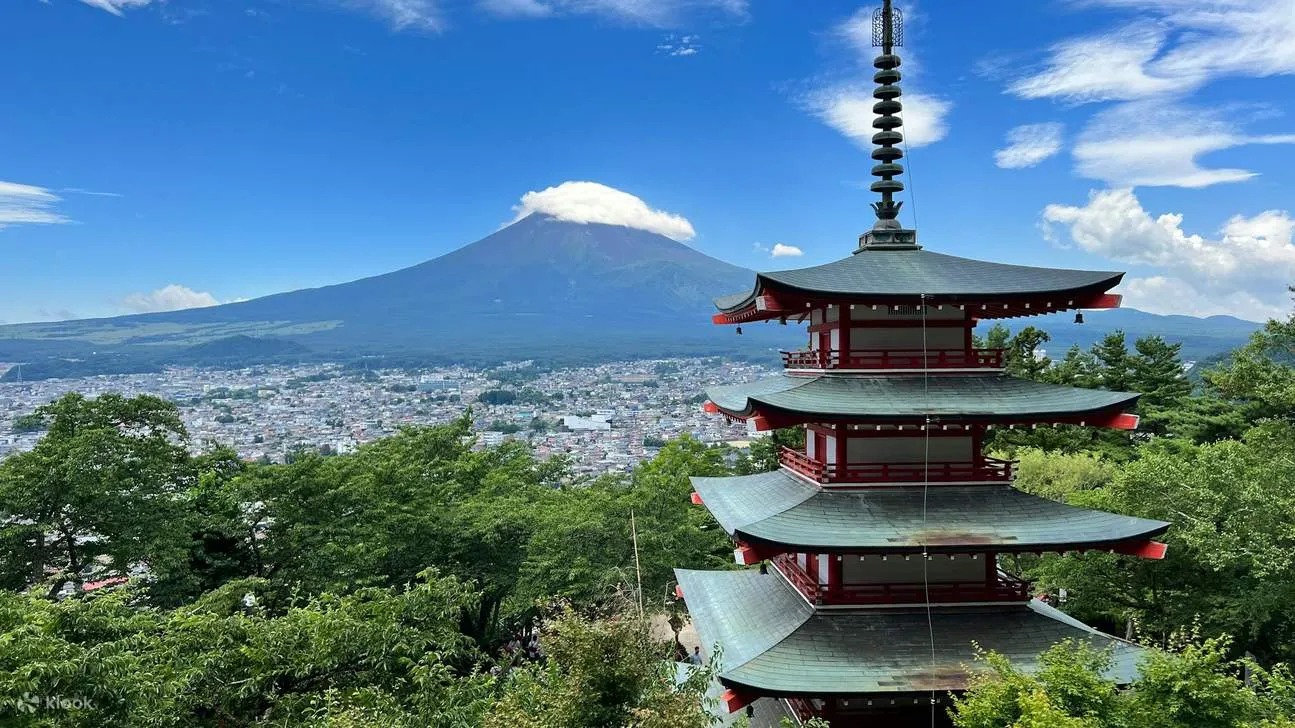
Mt. Fuji Tours & Private Japan Itineraries
Mt. Fuji Tour Packages from Tokyo with Hakone & Longer Japan Routes
Mt. Fuji is one of the most requested additions to a first Japan trip, but a good Mt. Fuji tour should never be built around the promise of one perfect mountain view. Weather can change quickly, visibility is not guaranteed, and the surrounding region offers enough lakes, viewpoints, villages and landscapes to make the journey worthwhile even when the summit is partly hidden.
Most travellers combine Mt. Fuji with Tokyo and Hakone. Longer itineraries can continue toward Kyoto and Osaka, creating a natural transition from modern city life to mountain scenery and then into Japan's cultural heartland.
Travellers with limited time can consider our 5 Days Tokyo & Mt. Fuji Tour with Hakone, while those wanting a broader first visit may prefer a seven, ten or fourteen-day Japan route that includes Fuji without making it the sole focus of the trip.
Day Trip or Overnight: Which Mt. Fuji Tour Is Better?
A day trip from Tokyo can work for travellers with limited time. It keeps the itinerary simple and avoids another hotel change. An overnight in the Fuji or Hakone region creates a slower pace and can fit naturally into a Tokyo-to-Kyoto route.
We usually recommend choosing based on the overall itinerary rather than assuming an overnight is automatically better. If you only have five or six days in Japan, the extra hotel move may not be worth it. With ten days or more, it often becomes easier to include.
Mt. Fuji Visibility Is Never Guaranteed
Clear mountain views depend on weather and local conditions. Even on a generally fine day, cloud can hide the summit for part or all of the visit.
We therefore avoid promising guaranteed views or building the entire day around a single photo stop. A stronger itinerary includes several scenic opportunities and other regional experiences so the day remains worthwhile.
Fuji Five Lakes: Best for Open Scenery
The Fuji Five Lakes area is a strong choice for travellers who want open landscapes, lakeside views and a more direct sense of Mt. Fuji's scale. Lake Kawaguchi is one of the most popular areas and can form the base for a day or overnight stay.
The exact programme should depend on weather, season and how much time you have. Rather than moving rapidly between several lakes, we prefer choosing a smaller number of worthwhile stops.
Hakone and Mt. Fuji: Similar Region, Different Experience
Hakone is often combined with Mt. Fuji because the two fit naturally into the same broader route. Hakone offers mountain scenery, volcanic landscapes, lake views, museums and hot-spring culture.
Travellers who want a more varied overnight experience may find Hakone especially useful, while those focused on direct Fuji scenery may prefer the lake region.
See our Hakone tours for itineraries that make the hot-spring region a more central part of the trip.
Mt. Fuji from Tokyo
Tokyo is the most common starting point for a Fuji visit. For a day trip, an early departure is usually helpful, giving the itinerary more flexibility before afternoon weather changes or traffic builds.
For an overnight journey, luggage planning becomes important. Travellers continuing to Kyoto may not need to carry every suitcase into the Fuji region. Selected luggage forwarding can be useful when available and confirmed in advance.
Mt. Fuji on the Way to Kyoto
A Fuji or Hakone overnight can work as a bridge between Tokyo and Kyoto. This reduces backtracking and gives the itinerary a natural change of pace after several days in the capital.
The exact transfer plan depends on where you stay, luggage arrangements and the onward rail route. We avoid oversimplifying the journey because some scenic stays require local connections before joining the main intercity rail network.
A route such as our 7 Days Tokyo, Mt. Fuji, Kyoto & Osaka Tour shows how Fuji can fit naturally into a compact first-time itinerary.
Mt. Fuji with Children
Families can enjoy the Fuji region when the day avoids too many transfers and long waits. Lakeside scenery, short walks and selected attractions can work better than an ambitious sightseeing circuit.
Families planning a broader holiday can browse our Japan family tours.
Mt. Fuji for Older Travellers
Older travellers may prefer a private vehicle for selected sightseeing in the region because it reduces repeated changes and makes it easier to adjust the day around walking tolerance and weather.
Accommodation should also be chosen carefully. Some traditional stays can involve floor-level seating, steps or bathing arrangements that may not suit every traveller.
Should You Stay in a Ryokan?
A ryokan can add a memorable cultural layer to a Fuji or Hakone overnight, especially for travellers who want a different experience from city hotels. Meals, bedding style and bathing arrangements vary by property, so the stay should match your comfort preferences.
We do not automatically recommend a ryokan to every traveller. Some families or older guests may prefer a conventional hotel with western-style rooms.
Spring Around Mt. Fuji
Spring can bring blossom interest to parts of the region, but exact timing varies by elevation and weather. Mt. Fuji areas may not match Tokyo or Kyoto on the same dates.
Travellers planning specifically for seasonal scenery can explore our Japan cherry blossom tours. We avoid guaranteeing a precise peak far in advance.
Autumn Around Mt. Fuji
Autumn can bring seasonal colour to lakesides and mountain areas, creating a different atmosphere from spring or summer. Timing varies each year and can differ across elevations.
If autumn scenery is a major reason for travelling, browse our Japan autumn foliage tours.
Winter Mt. Fuji Views
Winter can offer crisp air and potentially clearer mountain conditions on some days, though cold temperatures and local weather still need to be considered. Travellers should prepare for seasonal conditions rather than assuming every winter day will be perfectly clear.
Summer Around Mt. Fuji
Summer can be warm and humid at lower elevations, with different conditions in mountain areas. The season may suit travellers who want outdoor activities, but the itinerary should still allow for heat, rain and variable visibility.
Climbing Mt. Fuji is a separate travel objective from sightseeing around the mountain and requires specific seasonal planning. It should not be treated as a casual add-on to a normal day tour.
Common Mt. Fuji Planning Mistakes
- Expecting guaranteed views: Mountain visibility depends on weather.
- Trying to visit too many viewpoints: A few well-chosen stops create a better day.
- Ignoring luggage: Overnight Fuji routes can be much easier with smart suitcase planning.
- Treating Hakone and Fuji as identical: They offer different styles of experience.
- Forgetting transfer time: Scenic areas often require local transport before the next major rail sector.
- Adding a climb casually: Climbing Mt. Fuji needs separate seasonal preparation.
How Many Days Work Well for Tokyo and Mt. Fuji?
Four to five days can work for Tokyo plus a Fuji day trip. Five to six days is more comfortable if you want an overnight. Around seven days allows Tokyo, Fuji and Kyoto, while ten days or more gives enough room for Hakone, Kyoto, Nara and Osaka.
Why Plan a Mt. Fuji Tour with Tusk Travel?
We build the Fuji visit around your whole Japan route rather than treating it as an isolated excursion. That means Tokyo departure, luggage, overnight location, weather flexibility and the onward journey can all work together.
Your trip can include private sightseeing, selected transfers, rail travel and free time. We can also adapt the programme for families, older travellers, honeymooners or seasonal travel.
Most importantly, we design the day so it remains worthwhile even if Mt. Fuji decides to stay behind the clouds.
Popular Mt. Fuji Tour Packages & Itineraries
7 Days Japan: Tokyo, Mt. Fuji, Kyoto & Osaka
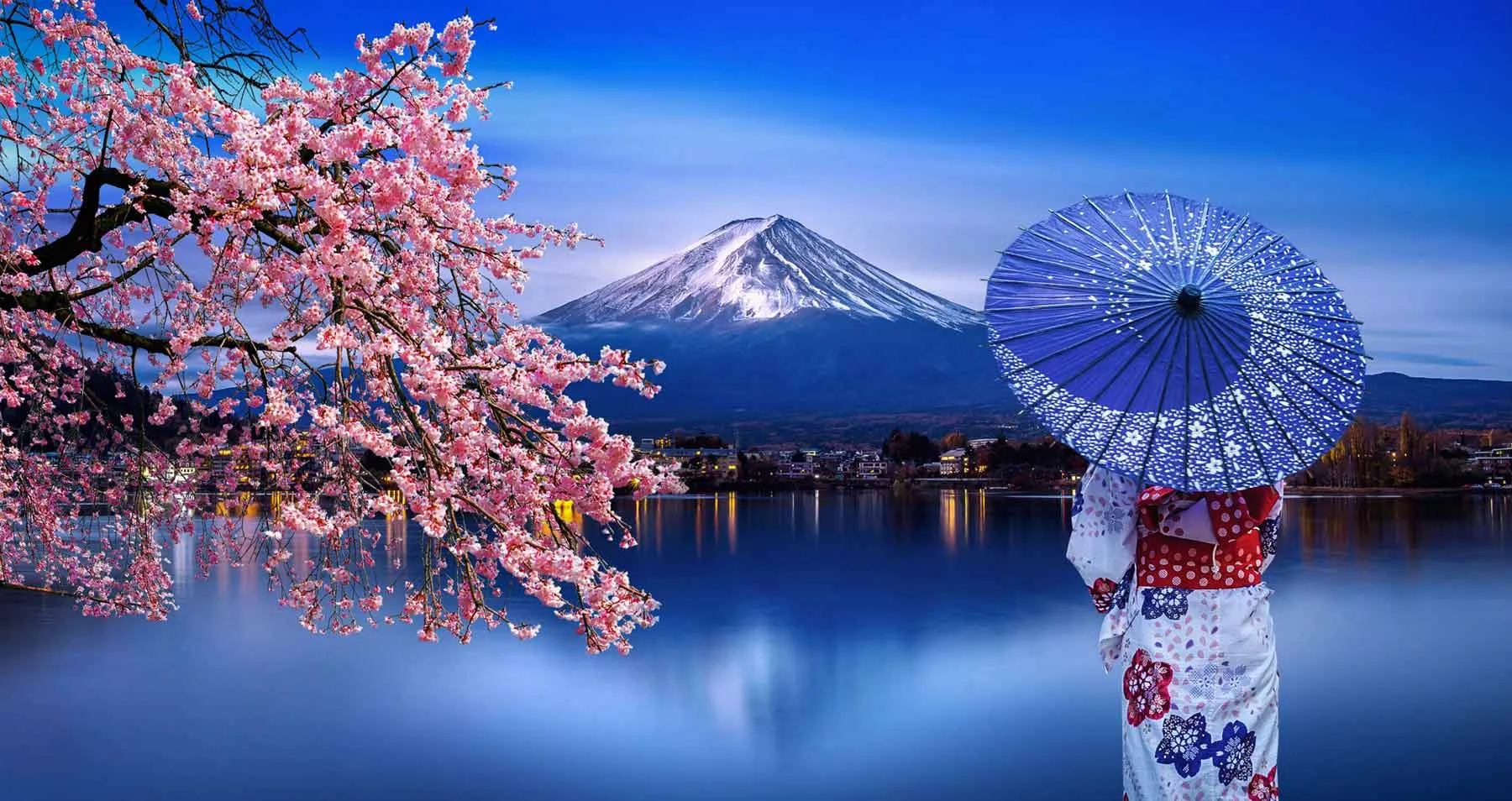
8 Days Classic Japan: Tokyo, Hakone, Kyoto, Nara & Osaka
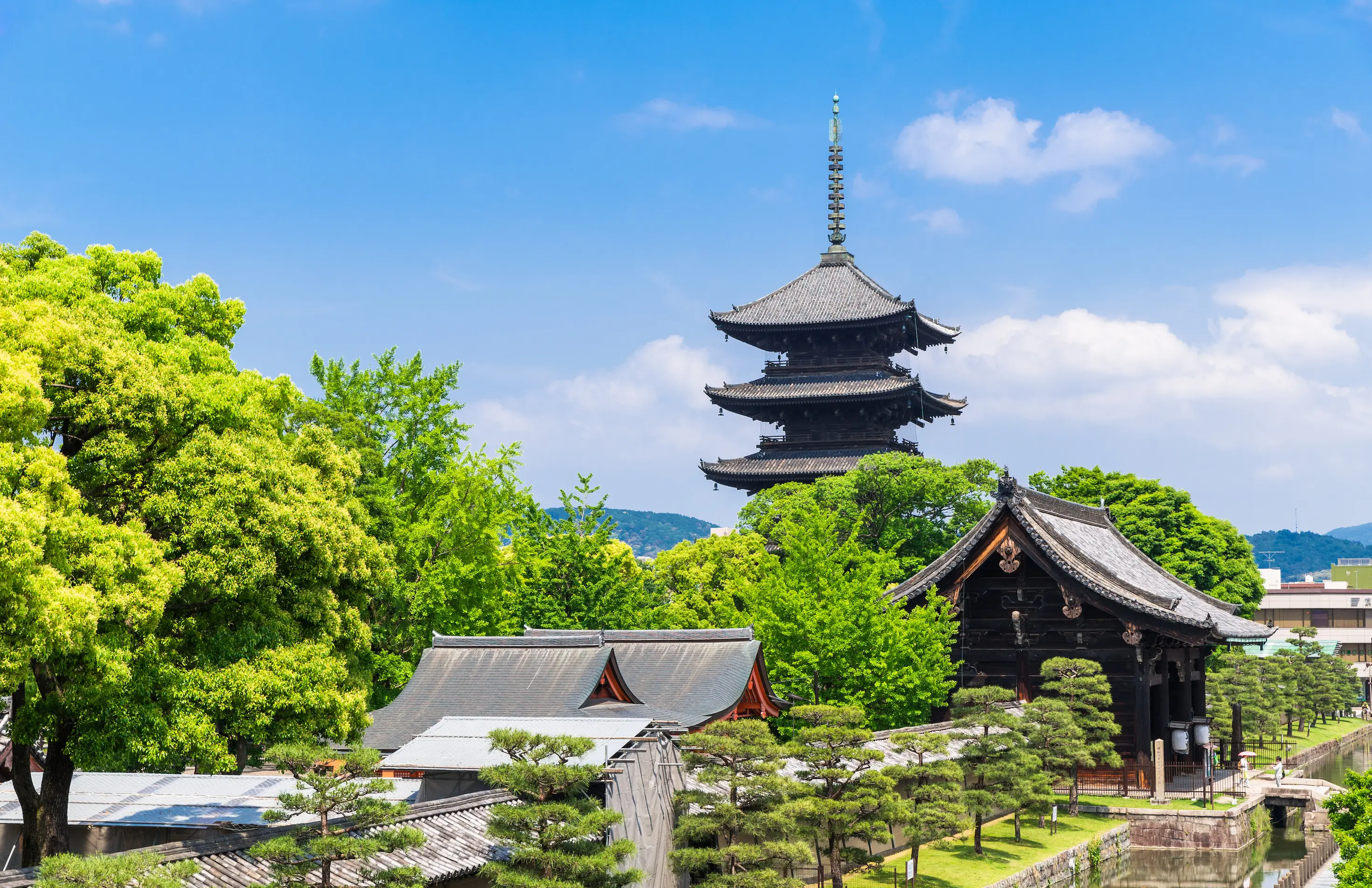
10 Days Japan Golden Route with Hiroshima
10 Days Japan Family Tour: Tokyo, Mt. Fuji, Kyoto & Osaka
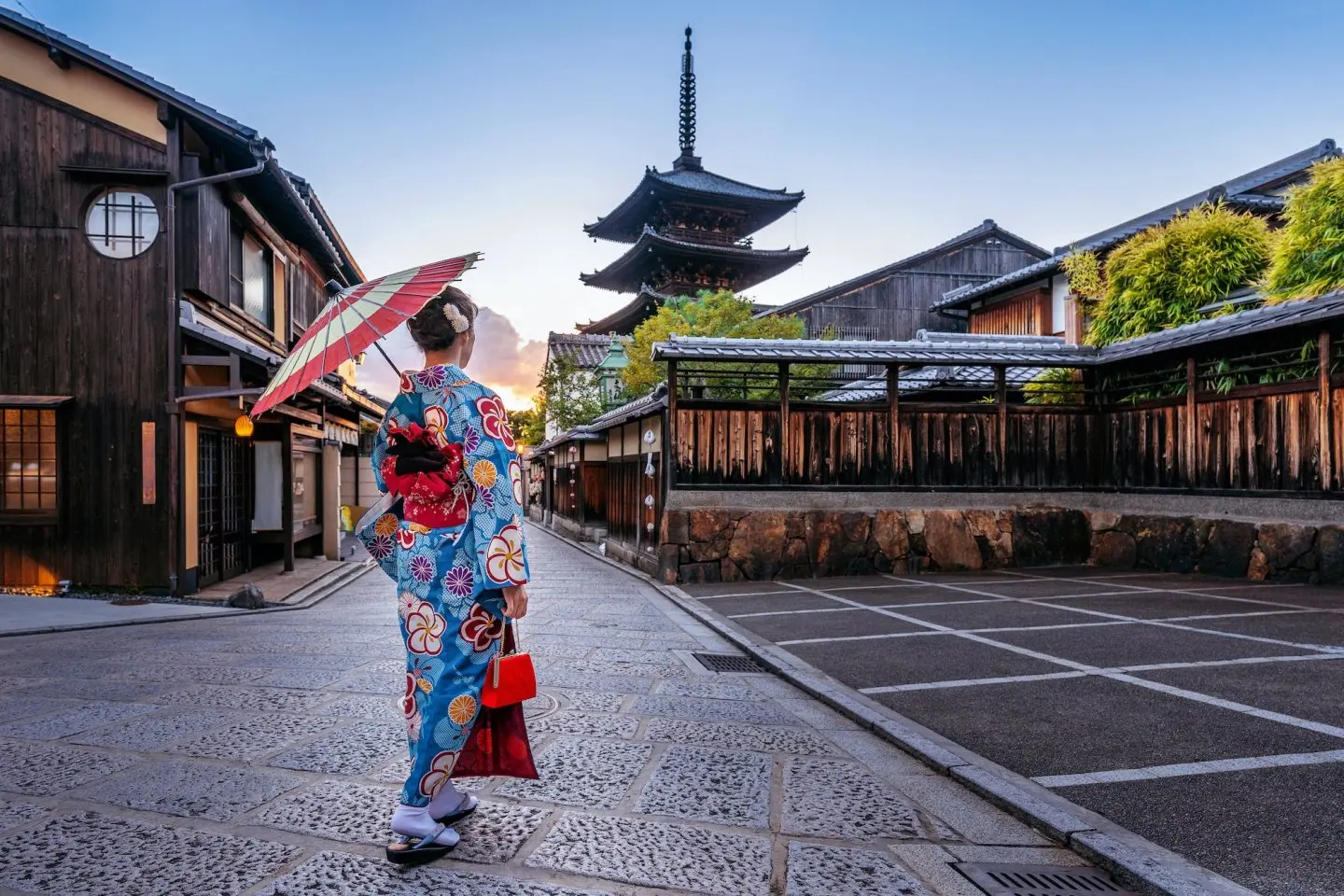
10 Days Japan Honeymoon: Tokyo, Hakone, Kyoto & Osaka

10 Days Japan Cherry Blossom Tour: Tokyo, Mt. Fuji, Kyoto & Osaka

11 Days Japan Adventure: Mt. Fuji, Japanese Alps, Takayama & Kyoto
14 Days Japan Family: Tokyo, Mt. Fuji, Kyoto, Hiroshima & Osaka
Mt. Fuji Tours: Frequently Asked Questions
Yes. A day trip is practical when time is limited. An overnight can create a slower experience and may fit better if you are continuing toward Hakone or Kyoto.
No. Visibility depends on weather and local conditions. A good itinerary includes several scenic opportunities and other regional experiences so the day is still worthwhile if cloud covers the mountain.
No. They are often combined, but Hakone is known for hot-spring culture, volcanic scenery and Lake Ashi, while the Fuji Five Lakes area offers a different style of direct mountain and lakeside scenery.
An overnight is useful if you want a slower pace, lake scenery, a ryokan-style stay or a natural stop between Tokyo and Kyoto. For a very short Japan trip, a day trip may be more efficient.
Yes. The route can be adjusted around walking ability, luggage, children and transfer comfort. Private sightseeing can reduce repeated transport changes in the region.
Yes. A Fuji or Hakone overnight can work well as a scenic transition between Tokyo and Kyoto, although the exact route should be planned around luggage and local transport connections.
Yes. We can customise Tokyo nights, Fuji or Hakone sightseeing, overnight stays, private transfers, luggage planning and the onward route to Kyoto, Osaka or other parts of Japan.