


Well Organized Trip
We appreciated our travel design er (Ovijit) was able to customize our trip to add in additional stops and tailor our hotels to what we were looking for.


Cherry blossom travel needs a different kind of itinerary. The route should be strong even if flowering is early, late or interrupted by weather. This 10-day Japan cherry blossom tour starts with three nights in Tokyo, continues toward Mt. Fuji and Hakone, then gives Kyoto three nights before finishing through Nara and Osaka.
The key is flexibility. Rather than promising that one specific park will be at peak bloom on a fixed day, the sightseeing can be adjusted locally toward the strongest conditions. The route still works as a classic Japan holiday even if the flowers do not follow the expected calendar.
Sakura timing varies by year, region, elevation and weather. Forecasts become more useful closer to travel, but even then wind and rain can shorten the best viewing period. A useful itinerary therefore needs multiple chances for seasonal sightseeing rather than one fixed “perfect blossom day.”
Tokyo and Kyoto each receive more than one full day, which gives the route room to shift park, garden and riverside visits according to actual conditions. Hakone also adds a change in elevation and scenery, while Nara and Osaka provide additional spring settings.
For more spring-focused options, see our Japan cherry blossom tours. This itinerary can be customized around hotel category, private guiding, rail preferences, blossom forecasts, photography interests and additional nights.
This route is best for first-time Japan visitors who want a spring holiday built around cherry blossom season but still want a complete Tokyo, Fuji, Kyoto, Nara and Osaka experience if nature does not follow the exact forecast.
Arrive in Tokyo and transfer to your hotel. Keep the first evening light so you can recover from the flight and start the trip with enough energy for the days ahead.
If blossoms are already open near your hotel, take a short local walk, but do not plan a major viewing stop around your arrival time. Flowering conditions can shift from year to year.
Tokyo is your base for three nights, giving the itinerary enough flexibility to adjust the order of sightseeing according to bloom conditions and weather.
Overnight stay in Tokyo.

Spend the day exploring Tokyo with a spring focus. Depending on actual bloom conditions, the route can include one or two well-known blossom areas alongside classic city sightseeing.
The best plan is not to force every famous sakura spot into one day. Choose locations that are blooming well and combine them with nearby neighbourhoods, temples, gardens or food stops.
Travellers who want more city options can also explore our Tokyo tours and adapt the day around the strongest seasonal conditions.
Overnight stay in Tokyo.

Use the second full Tokyo day for a slower spring experience. Rather than repeating yesterday’s route, choose a different side of the city with parks, riverside walks, gardens or neighbourhoods where seasonal colour is strongest.
This day also gives you a buffer in case weather affected blossom viewing on the previous day. Having two full Tokyo days is useful during sakura season because conditions can change quickly.
Keep part of the afternoon open for food, shopping or an indoor attraction if rain interrupts outdoor plans.
Overnight stay in Tokyo.

Leave Tokyo for the Mt. Fuji and Hakone region. Spring here can feel different from central Tokyo, and flowering timing may vary with elevation and local temperatures.
Depending on weather and operating conditions, the day may include Lake Ashi, a Fuji-viewing area, Owakudani or another scenic stop. Clear views of Mt. Fuji are never guaranteed.
Stay overnight in Hakone or the surrounding region. You can also review our Mt. Fuji tours for alternative scenic routing.
Overnight stay in Hakone or the Mt. Fuji region.

After breakfast, continue to Kyoto. Keep the first afternoon flexible because spring crowds and transport conditions can affect timing.
If energy and daylight allow, take an introductory walk through Gion, Yasaka Shrine or Higashiyama. If blossoms are strong nearby, this can become your first Kyoto sakura experience.
Kyoto receives three nights, which gives the itinerary enough room to adjust sightseeing rather than depending on one single blossom day.
Overnight stay in Kyoto.
Spend a full day combining Kyoto’s cultural highlights with seasonal blossom viewing. A practical route can include Higashiyama, Kiyomizu-dera and one or two nearby spring-viewing areas depending on actual conditions.
During peak blossom periods, some parts of Kyoto can become very busy. Starting early, grouping nearby sights and avoiding unnecessary cross-city travel can make a significant difference.
Leave room for tea, local food or quieter lanes rather than trying to visit every famous blossom location in one day.
Overnight stay in Kyoto.

Use the second full Kyoto day for Arashiyama and western Kyoto, or redirect the day toward whichever area has the strongest bloom conditions during your stay.
The bamboo grove, riverside and temple gardens offer a different atmosphere from eastern Kyoto, and spring scenery can be especially rewarding when conditions line up.
This flexible day is important because blossom timing is never exact. A good seasonal itinerary should be able to change locally rather than follow a rigid list written months in advance.
Overnight stay in Kyoto.

Check out of Kyoto and travel to Nara. Visit Nara Park, Todai-ji and the surrounding heritage area, with seasonal colour added where conditions are favourable.
Continue directly to Osaka rather than returning to Kyoto. This keeps the route efficient during a busy travel season.
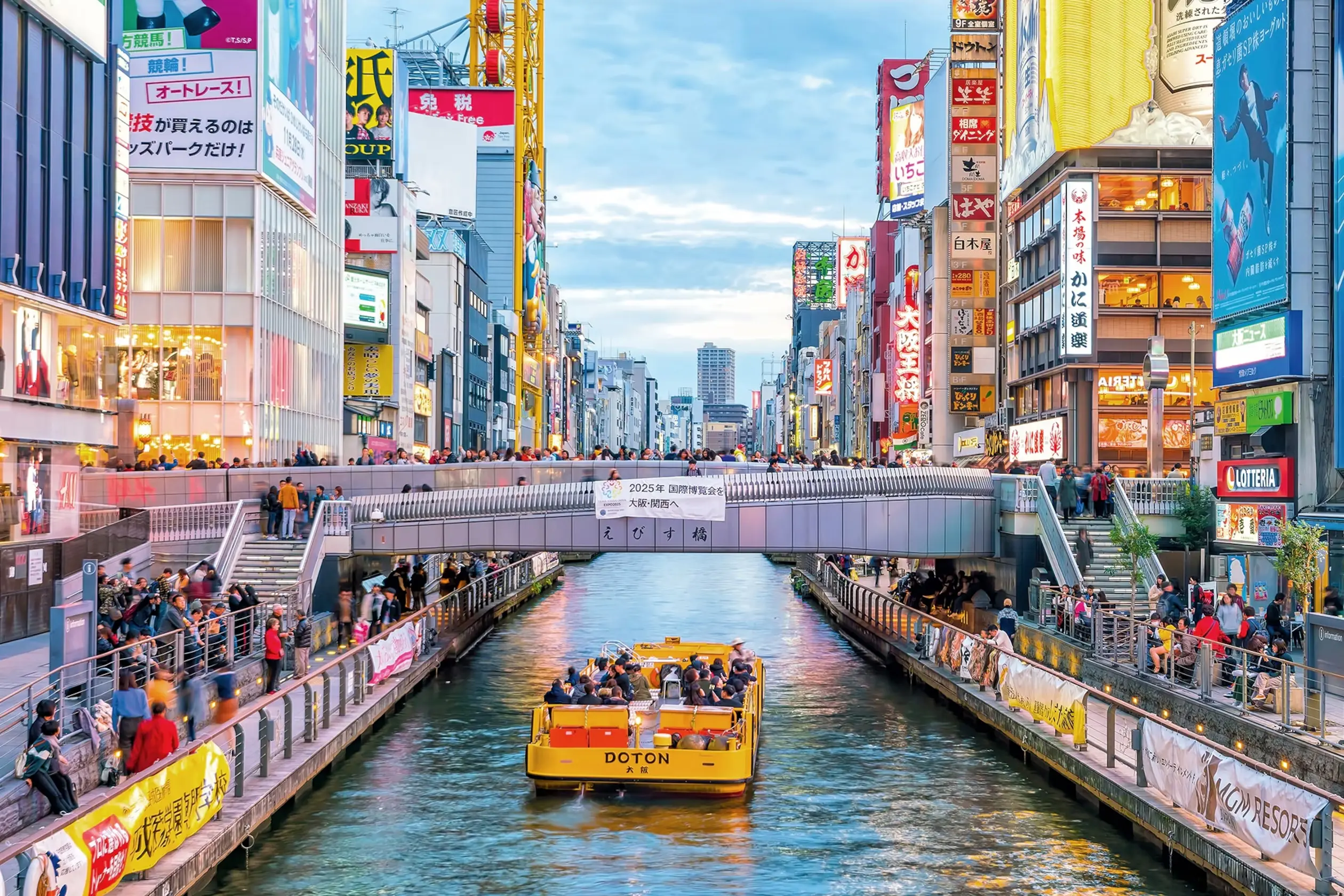
If you arrive with time and energy, enjoy an evening around Dotonbori or another central food district.
Overnight stay in Osaka.

Spend the final full day in Osaka. Depending on seasonal conditions, combine one blossom-viewing area with city highlights such as Osaka Castle, Namba or a food-focused neighbourhood.
Osaka works well as the final stop because the sightseeing can be as structured or relaxed as you want. After a busy spring journey, many travellers appreciate a looser final day.
If blossoms are past peak by this point, focus instead on food, shopping and city atmosphere rather than chasing weaker seasonal conditions.
Overnight stay in Osaka.

After breakfast, check out and transfer to the airport or rail station for your onward journey.
Keep the final morning simple, especially during the busy spring travel period, and leave enough time for airport transfers and check-in.
Your 10-day cherry blossom journey ends after linking Tokyo, Mt. Fuji and Hakone, Kyoto, Nara and Osaka with enough flexibility to respond to the actual season rather than relying on fixed bloom promises.
Tour ends in Osaka.
Share your travel dates, preferred hotels and interests. Our travel experts will customize this itinerary to match your trip duration, travel style and budget.
Get quick assistance with itinerary changes, hotels, transport, sightseeing and tour extensions.
Chat on WhatsAppReal moments and recent experiences shared by travellers who planned their holidays with Tusk Travel.
We appreciated our travel design er (Ovijit) was able to customize our trip to add in additional stops and tailor our hotels to what we were looking for.
The most beautiful trip I have ever had. With Tusk Travel I felt very happy and safe.
Tusk arranged a custom trip for us that included luxurious resort stay, elephant watching with ethical guides, hiking in the Knuckles mountain range.
My family and I loved the experience of getting to know India and the Maldives, which we will cherish in our memories and with a desire to return. And we are grateful to you and Tusk Travel for providing us with this experience.
Hello, I wanted to thank all the staff of the company for their work in organizing the tour and the good treatment they had with us.
Share your trip details. We’ll send a personalized itinerary and quote within 24 hours.