
Osaka Tours & Private Japan Itineraries
Osaka Tour Packages for City Life, Nara, Kyoto & Western Japan
Osaka is often compared with Tokyo, but it works better when treated as its own city rather than a smaller version of the capital. A well-planned Osaka tour combines street food, neighbourhood energy, castle history and easy access to other parts of Kansai without trying to make every day feel like a major sightseeing marathon.
Osaka pairs naturally with Kyoto and Nara, while longer routes can continue west to Hiroshima and Miyajima. It can also serve as the final city on a wider Japan journey that begins in Tokyo.
For travellers focusing on Kansai, our 5 Days Osaka, Kyoto & Nara Tour is a practical short route. Travellers with more time can use Osaka as part of an eight, ten or twelve-day itinerary covering several regions.
How Many Days Should You Spend in Osaka?
Two nights is often enough for a first visit if Osaka is combined with Kyoto and Nara. Three nights gives more room for neighbourhood exploration, food experiences and a slower final day before departure.
Travellers interested in nightlife, shopping or food may want longer, while those using Osaka mainly as a gateway to Kansai can keep the stay shorter and give more nights to Kyoto.
The right balance depends on what you want from the city. Osaka is at its best when you leave time for wandering and eating, not only ticking off landmarks.
Dotonbori and Namba: Best Experienced After Dark
Dotonbori is one of Osaka's most recognisable districts and works particularly well in the evening. Neon signs, canal views, restaurants and casual street food create a lively atmosphere that feels very different from Kyoto.
Namba, Shinsaibashi and nearby streets can be combined naturally on the same evening. There is little value in visiting Dotonbori early in the morning simply to complete a checklist.
For many travellers, this part of Osaka is more memorable as an unhurried evening walk than as a formal sightseeing stop.
Osaka Castle: History Without Spending the Whole Day There
Osaka Castle gives useful historical context and can fit well into a half-day city programme. The surrounding park and city views are part of the experience, especially during pleasant weather.
It does not need to consume the full day. Travellers can combine the castle area with a museum, local neighbourhood, market or later evening in Namba depending on interests.
Shinsekai and Local Osaka Atmosphere
Shinsekai offers a more local and retro side of Osaka. It can be interesting for travellers who want something beyond the main shopping districts. The area can be explored casually, with food and street atmosphere doing much of the work.
Not every traveller will want the same neighbourhood mix. Some may prefer Umeda, others Namba, others a food-focused route. Osaka works best when the itinerary reflects those preferences.
Food Should Be a Core Part of an Osaka Tour
Osaka is strongly associated with casual eating and street-level food culture. Takoyaki, okonomiyaki and kushikatsu are commonly sought out, but the city offers much more than a short list of famous dishes.
A good food experience can include markets, neighbourhood restaurants, izakaya or a guided evening walk. We prefer to integrate food into the sightseeing route rather than send travellers across the city for every meal.
Dietary requirements should be discussed in advance because small restaurants may have limited flexibility or English-language information.
Osaka with Children
Osaka can be one of the easiest large Japanese cities for families because the atmosphere is casual and there are plenty of food and entertainment options. The itinerary should still account for station walking, meal times and the ages of the children.
Families often enjoy a mix of city sightseeing, Nara, food experiences and free time more than a tightly scheduled cultural programme. For longer journeys, see our Japan family tours.
Osaka for Older Travellers
Older travellers can enjoy Osaka comfortably when the day avoids unnecessary station changes and long walks between unrelated districts. A hotel near a useful transport hub can significantly improve the stay.
Selected taxi transfers may also make sense at the beginning or end of a long day. We prefer comfort and efficient routing over using public transport for every short sector.
Osaka and Kyoto: Why Both Cities Work Together
Kyoto and Osaka are close geographically but very different in character. Kyoto is stronger for temples, gardens and old streets. Osaka is better for food, nightlife and a more relaxed urban energy.
On a short trip, travellers can base themselves in one city and visit the other. On a longer itinerary, staying in both usually gives each city a clearer identity and reduces late-night returns.
Our 6 Days Kyoto, Nara & Osaka Tour is a useful example of how the three destinations can be balanced.
Nara from Osaka
Nara is an easy addition from Osaka and can be planned as a day trip or as a transfer-day stop between Osaka and Kyoto. Nara Park, Todai-ji and the wider heritage area can form a strong half-day or full-day visit depending on pace.
Travellers who want more detail can browse our Nara tours.
Osaka to Hiroshima and Miyajima
Osaka is a practical starting point for western Japan. Hiroshima can be reached efficiently by rail, making it a natural next step for travellers who want modern history and the island scenery of Miyajima.
We generally prefer an overnight in Hiroshima rather than a rushed same-day return to Osaka, especially when Miyajima is part of the plan.
Travellers interested in this route can consider our 6 Days Osaka, Hiroshima & Miyajima Tour.
Osaka as the Final Stop of a Japan Tour
Osaka works particularly well as the final city on a Japan itinerary because it offers easy dining, shopping and a more relaxed finish after cultural touring. It can also be practical for departures through Kansai International Airport.
Ending in Osaka avoids returning to Tokyo simply for the flight when the international routing allows a different departure point. Flight schedules and fares should of course be checked before the itinerary is finalised.
Where Should You Stay in Osaka?
Namba is useful for nightlife, food and a lively evening atmosphere. Umeda can be convenient for transport and a more businesslike central location. Other areas may suit travellers who want quieter streets or easier access to a particular rail line.
The hotel should be chosen around your onward route as well as the city itself. A good location can reduce station transfers, late-night transport and luggage handling.
Osaka in Cherry Blossom Season
Spring can bring blossom interest to parks, riversides and castle grounds, but exact timing varies from year to year. Osaka can also serve as a useful base within a broader spring route through Kyoto and other Kansai destinations.
Travellers planning specifically for spring can browse our Japan cherry blossom tours. We avoid guaranteeing peak bloom on a fixed date.
Osaka in Autumn
Autumn often brings more comfortable sightseeing conditions and seasonal colour in the wider Kansai region. Osaka itself may be less about foliage than Kyoto, but it works well as part of an autumn route through western Japan.
See our Japan autumn foliage tours if seasonal scenery is a major part of your trip.
Common Osaka Planning Mistakes
- Treating Osaka like Tokyo: The appeal is different, especially around food and evening atmosphere.
- Visiting Dotonbori too early: It is usually more rewarding after dark.
- Overloading the day: Leave time for food and neighbourhood walking.
- Ignoring hotel location: Transport convenience matters for Kyoto, Nara and airport connections.
- Forcing Hiroshima into one rushed day: An overnight often creates a better experience.
- Skipping Osaka completely: It offers a useful contrast to Kyoto and Tokyo.
How Osaka Fits Into a Longer Japan Journey
Osaka can be the final stop of a classic Tokyo-Kyoto-Nara route, the base for a Kansai-focused holiday, or the starting point for western Japan. Five to six days can cover Osaka, Kyoto and Nara. Eight to ten days can add Tokyo or Hiroshima. Twelve days or more allows a broader route without rushing.
The right balance depends on whether you value food, culture, family travel, rail journeys or seasonal experiences. Osaka should be used for what it does best rather than treated as extra nights added after Kyoto.
Why Plan Osaka with Tusk Travel?
We design Osaka around the wider Japan route, including hotel location, Kyoto and Nara connections, Hiroshima extensions, rail travel, private guiding and airport logistics.
Your trip can include guided sightseeing, selected transfers, food experiences and free time. We can also adjust the pace around families, older travellers, honeymooners or travellers who want more evening activity.
The aim is a practical Osaka stay that adds a different flavour to the journey rather than repeating what you have already experienced elsewhere in Japan.
Popular Osaka Tour Packages & Itineraries
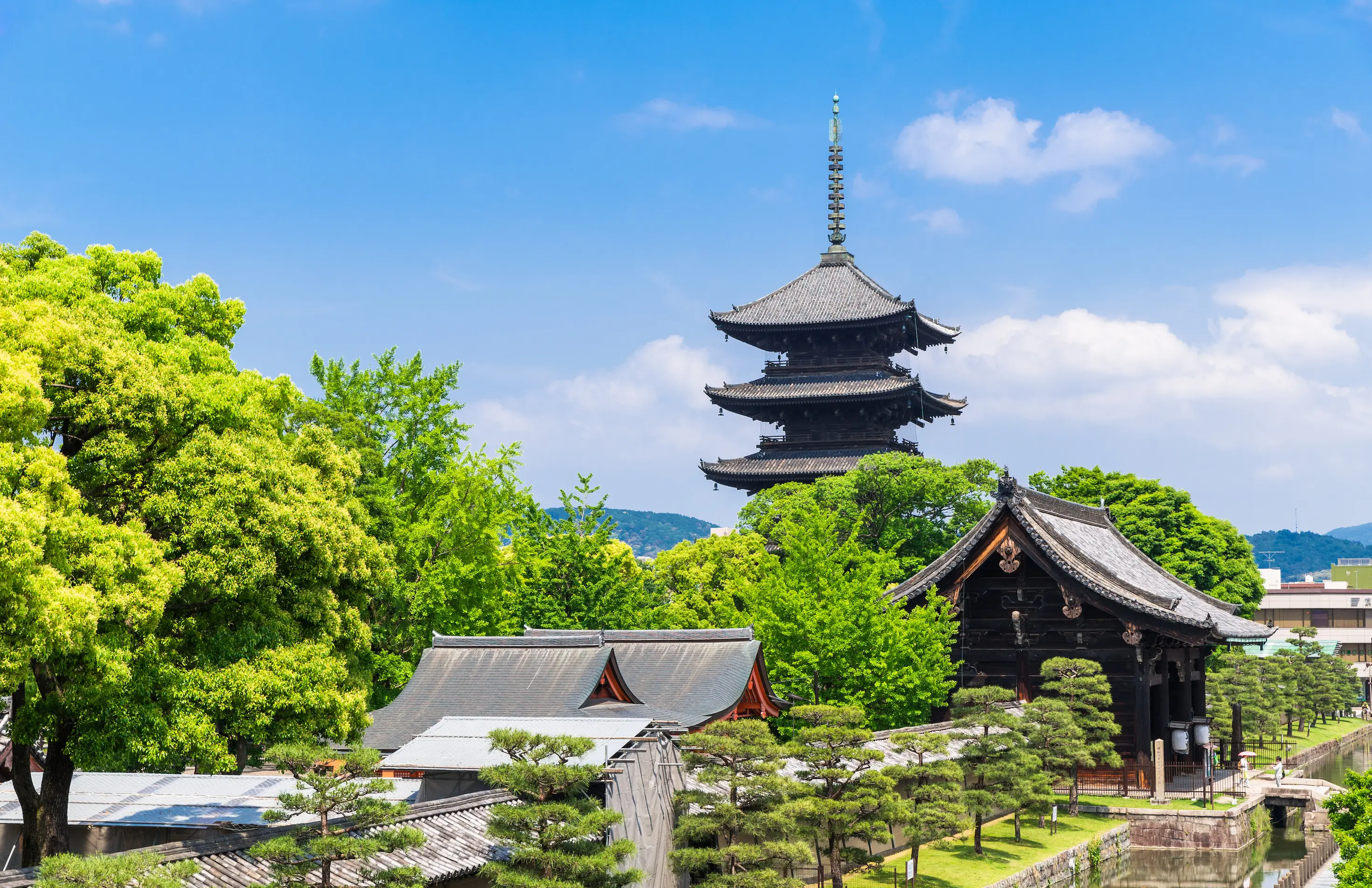
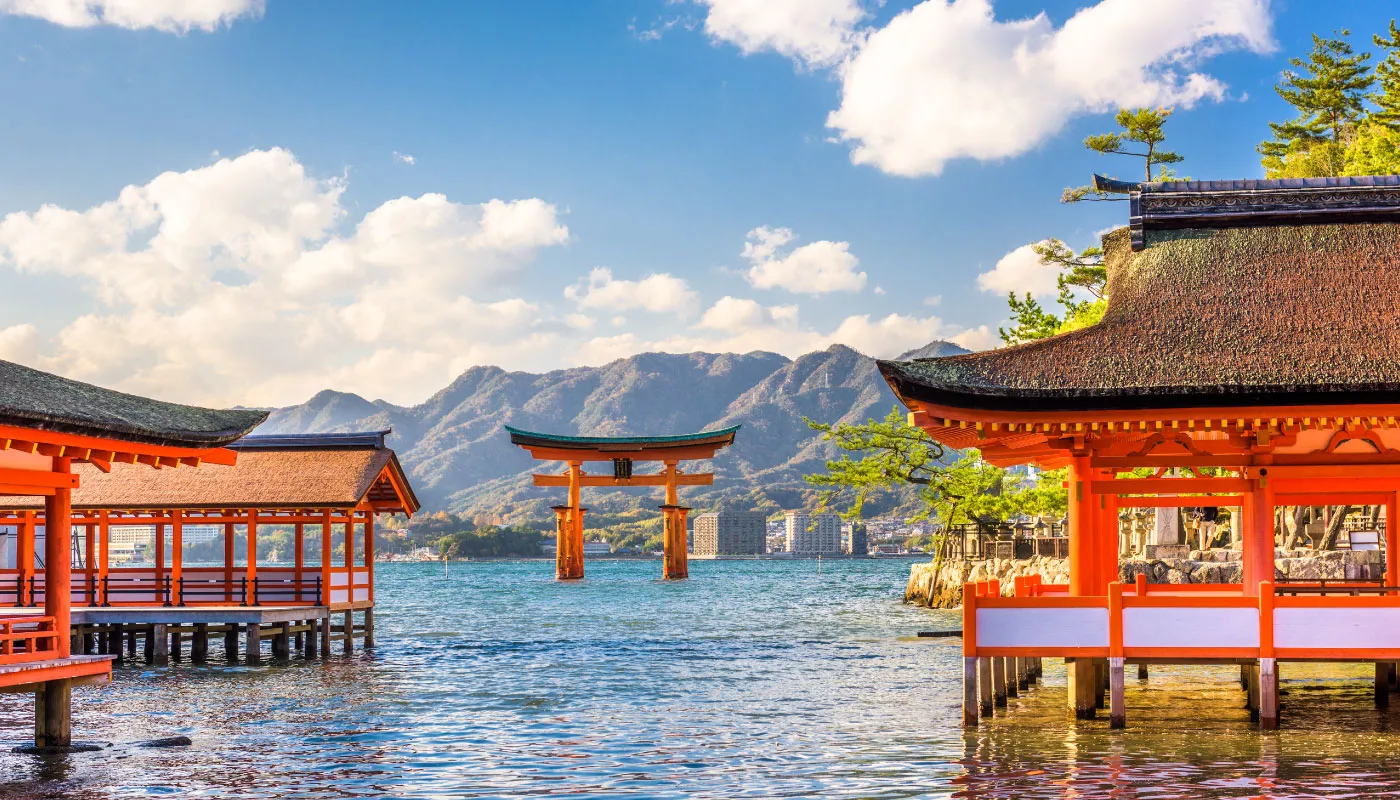
6 Days Osaka, Hiroshima & Miyajima Tour
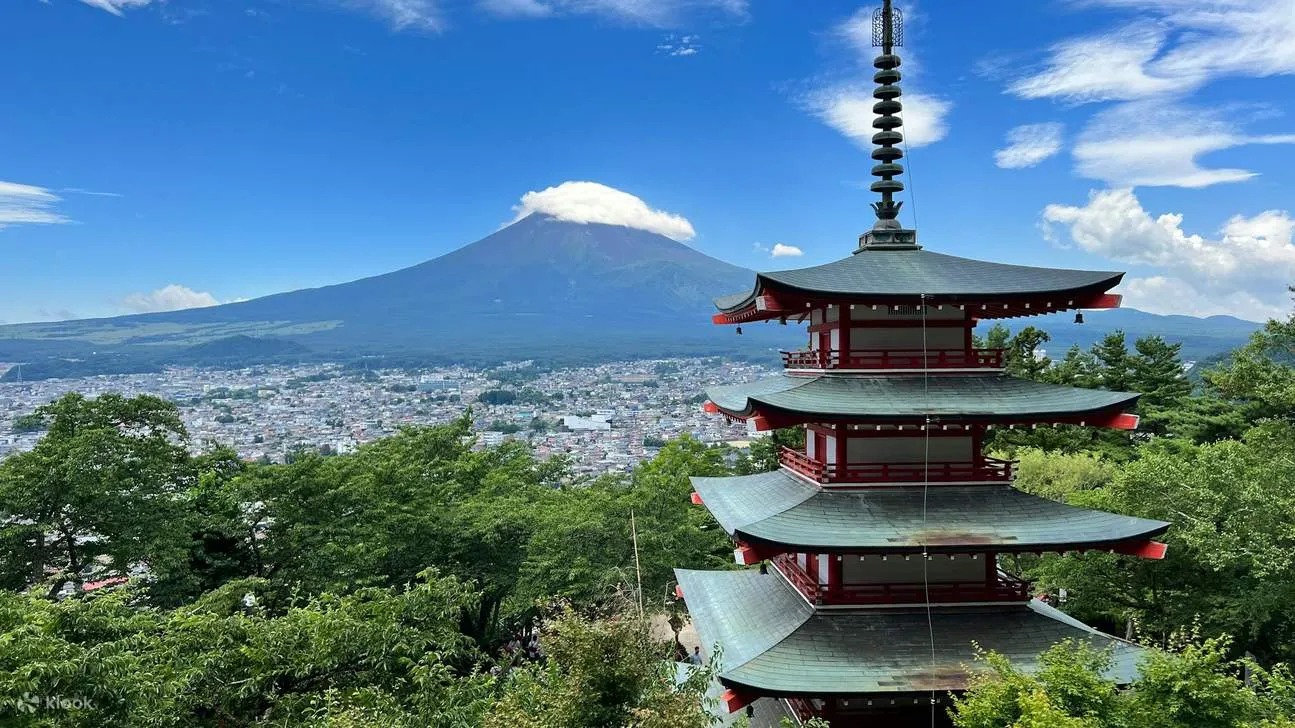
7 Days Japan: Tokyo, Mt. Fuji, Kyoto & Osaka
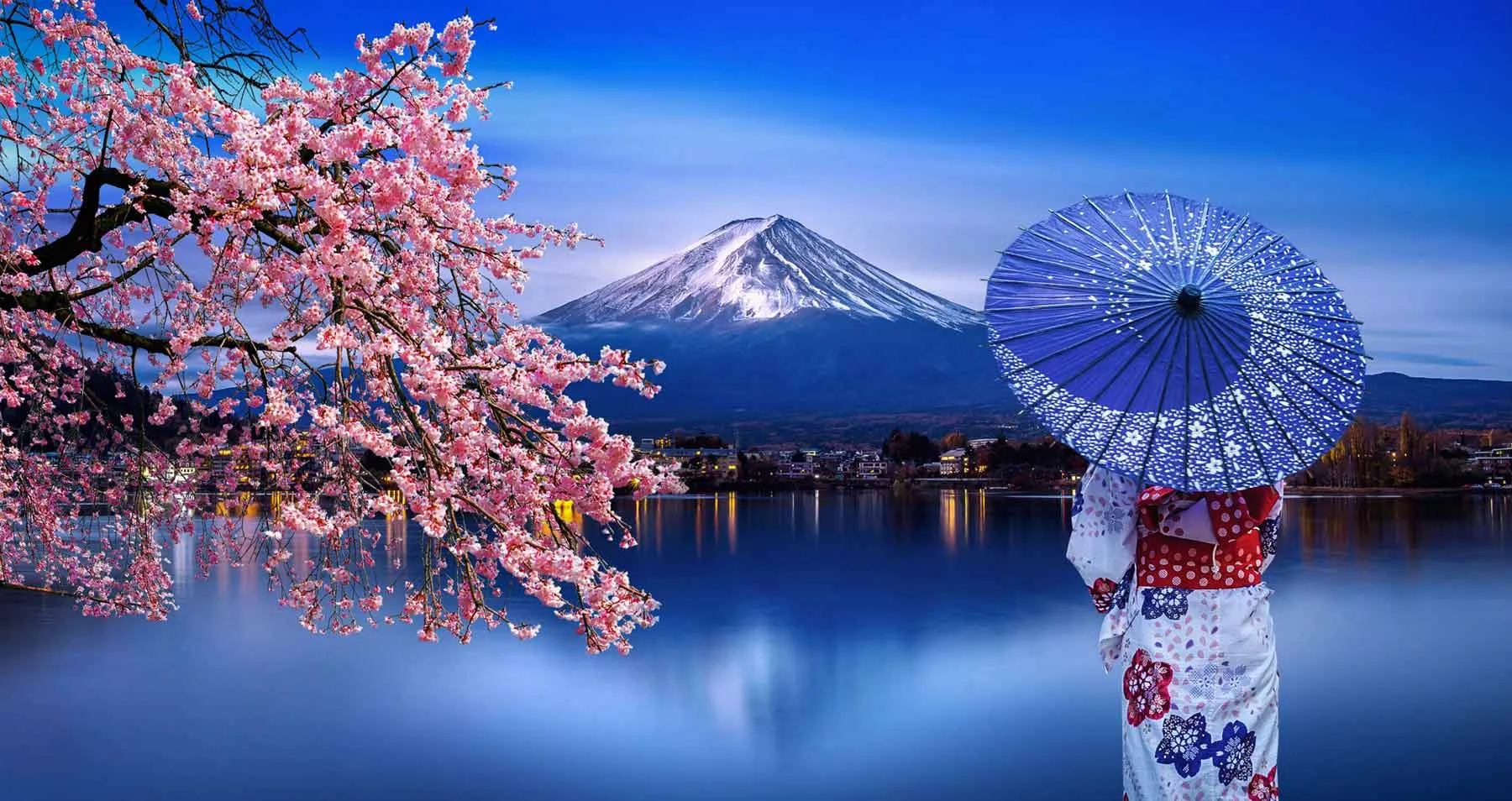
8 Days Classic Japan: Tokyo, Hakone, Kyoto, Nara & Osaka
8 Days Western Japan: Osaka, Nara, Kyoto & Hiroshima
9 Days Tokyo, Kyoto, Osaka & Hiroshima Tour
10 Days Japan Golden Route with Hiroshima
10 Days Tokyo, Kyoto, Hiroshima & Osaka Tour
10 Days Japan Family Tour: Tokyo, Mt. Fuji, Kyoto & Osaka

11 Days Japan Culture & Heritage Tour

12 Days Japan by Train: Tokyo, Kanazawa, Kyoto, Hiroshima & Osaka
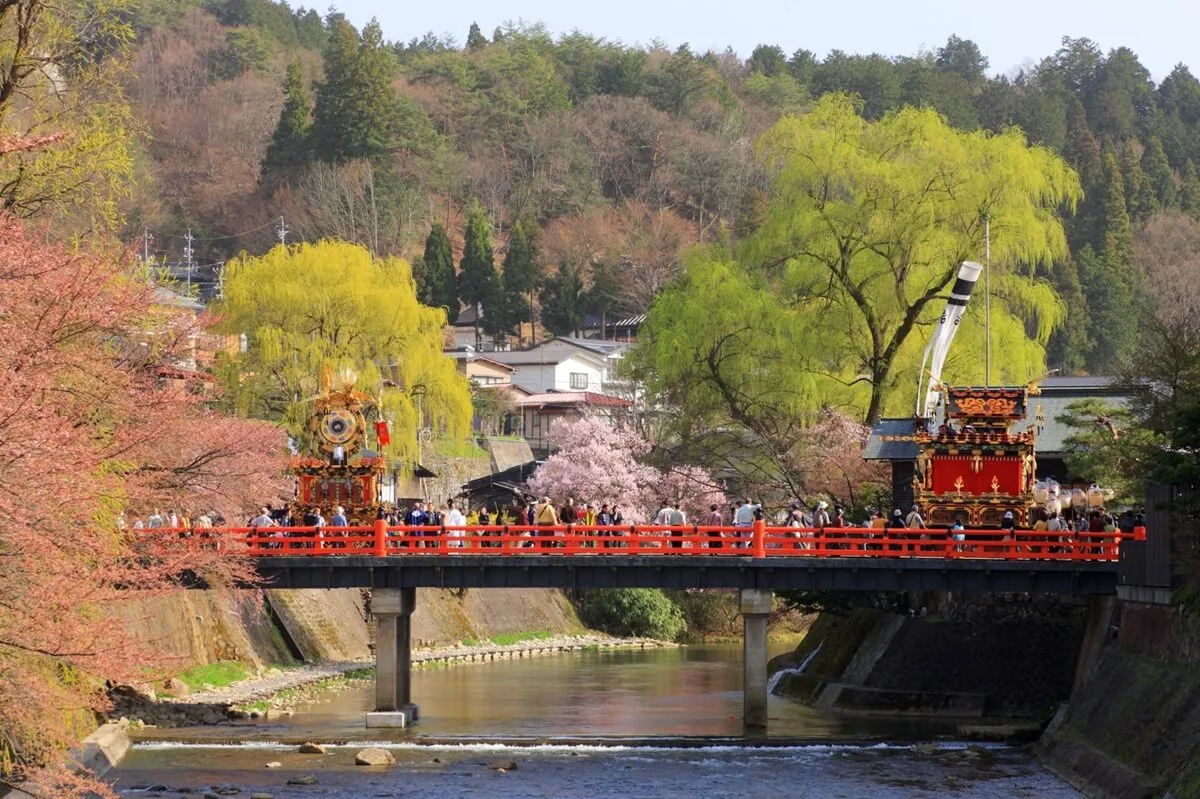
12 Days Japan Alps, Kyoto & Hiroshima Tour
14 Days Japan Family: Tokyo, Mt. Fuji, Kyoto, Hiroshima & Osaka
Osaka Tours: Frequently Asked Questions
Two nights is often enough for a first visit when Osaka is combined with Kyoto and Nara. Three nights is better if you want more time for food, shopping, neighbourhoods and a slower final day.
Yes. Osaka offers a very different experience from Kyoto, especially for food, nightlife and urban atmosphere. The two cities complement each other well on the same itinerary.
Yes. Nara is easy to include from Osaka and can be planned as a day trip or as a transfer-day stop between Osaka and Kyoto.
Namba is useful for food, nightlife and evening activity, while Umeda can be convenient for transport. The best area depends on your sightseeing plans, onward route and preferred atmosphere.
Yes, but an overnight is often better than a rushed same-day return, especially if Miyajima is also included. Osaka works well as the starting point for a western Japan extension.
Yes. Osaka can be very family-friendly when the itinerary balances city sightseeing, food, free time and nearby excursions such as Nara.
Yes. We can customise Osaka nights, hotel location, food experiences, private guiding, Kyoto and Nara connections, Hiroshima extensions, rail travel and departure arrangements.