


Well Organized Trip
We appreciated our travel design er (Ovijit) was able to customize our trip to add in additional stops and tailor our hotels to what we were looking for.


Japan is one of the easiest countries to build around rail, but a good train itinerary is not about spending the maximum number of hours on trains. This 12-day Japan by train itinerary uses rail where it makes the route easier, beginning in Tokyo, continuing to Kanazawa and Kyoto, then travelling west to Hiroshima and finishing in Osaka.
The route includes sensible multi-night stays so you are not repacking every morning. Nara is handled as a day trip from Kyoto, Miyajima as an excursion from Hiroshima, and the main intercity sectors follow a logical east-to-west progression.
Not always. A nationwide Japan Rail Pass can be useful for some routes and travel dates, but it should not be purchased automatically. Point-to-point tickets or regional passes may be better value depending on the exact sectors, class of travel and current pass pricing.
Pass prices, eligibility rules, seat-reservation conditions and included services can change. The right approach is to compare the actual itinerary shortly before booking rather than writing the tour around a pass first and forcing extra journeys just to justify it.
For more rail-focused ideas, see our Japan rail pass tours. The itinerary can be customized around ordinary or premium seating, luggage forwarding, private station transfers, regional passes and additional nights.
The journey moves mostly westward from Tokyo to Kanazawa, Kyoto, Hiroshima and Osaka. It avoids returning to Tokyo and uses day trips where an extra hotel change would add little value, making it a practical first-time rail itinerary as well as a sightseeing route.
Arrive in Tokyo and transfer to your hotel. Keep the first evening simple so you can recover from the flight before the rail journey begins in earnest.
If you arrive early, make a short local walk or have dinner near the hotel. There is no advantage in using a rail pass or long-distance ticket on a day when you are not actually travelling far.
Tokyo is your base for three nights, which gives you time to settle in before moving through central and western Japan.
Overnight stay in Tokyo.
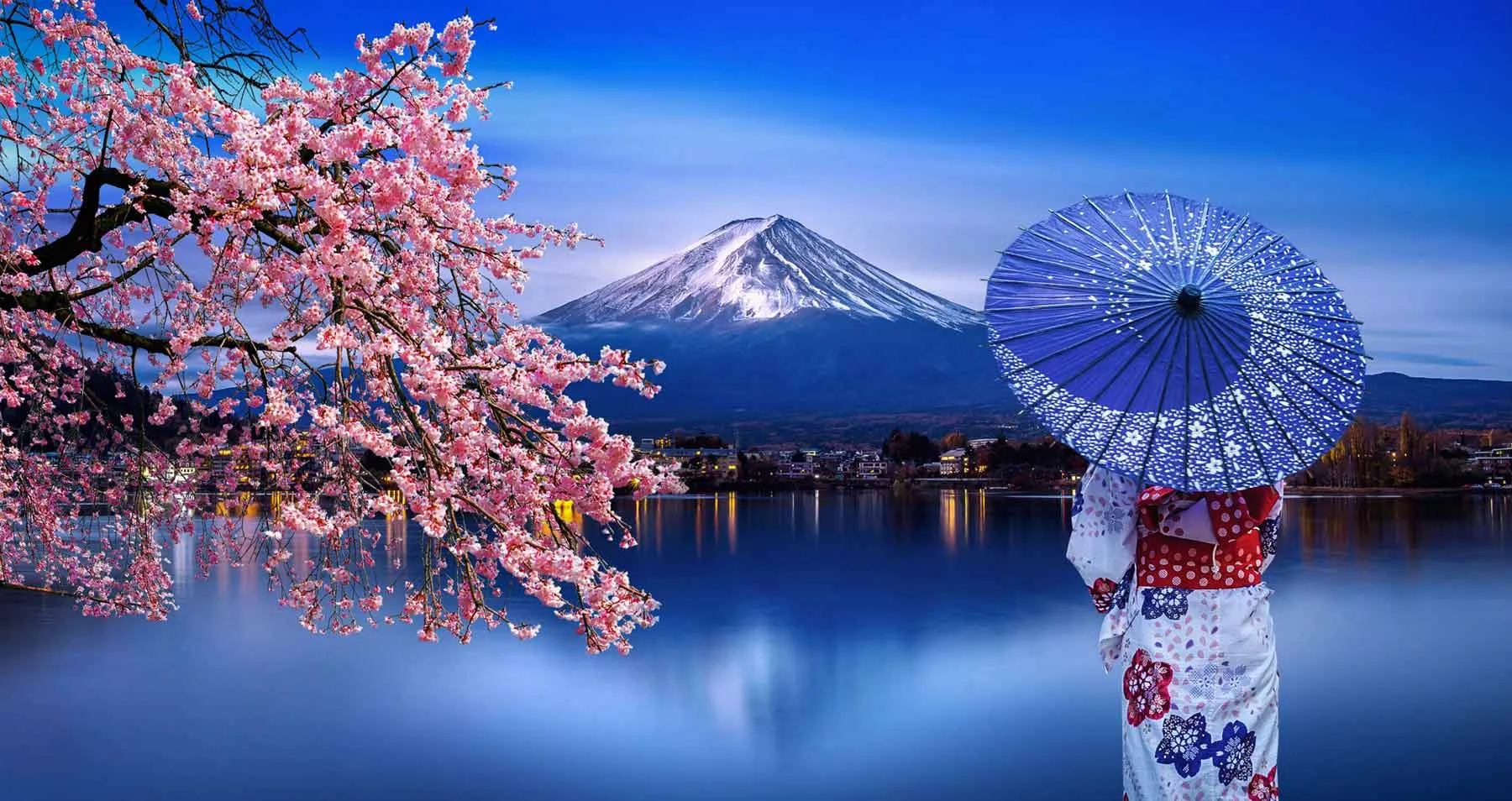
Spend a full day in Tokyo and resist the temptation to cross the city repeatedly just because the transport system is efficient. Group nearby areas so the day feels like sightseeing rather than commuting.
A practical first-time plan can combine Asakusa and Senso-ji with a modern district such as Shibuya or Shinjuku, leaving enough time for lunch, shopping or a museum.
For more city options, see our Tokyo tours. The exact route can be adjusted around food, art, architecture or family interests.
Overnight stay in Tokyo.
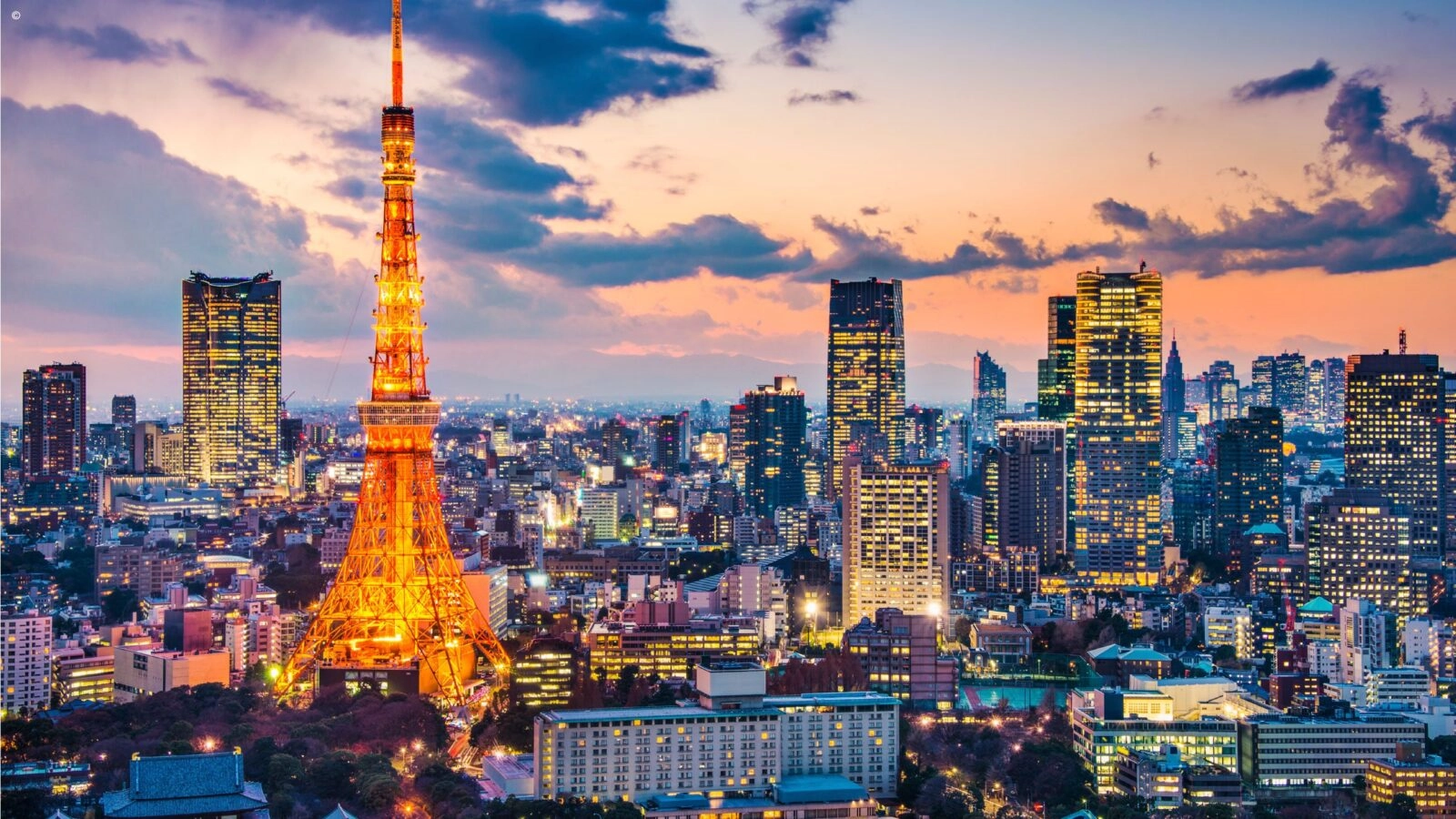
Use the second full day in Tokyo for a different side of the city. Gardens, museums, Meiji Shrine, Harajuku, Ginza or a food-focused neighbourhood can all work well depending on your interests.
This day also gives you time to organise luggage before the longer rail sectors begin. Travelling with one manageable suitcase or using luggage forwarding selectively can make station changes much easier.
Luggage delivery times, service areas and hotel acceptance vary, so confirm arrangements for your actual travel dates instead of assuming same-day delivery.
Overnight stay in Tokyo.
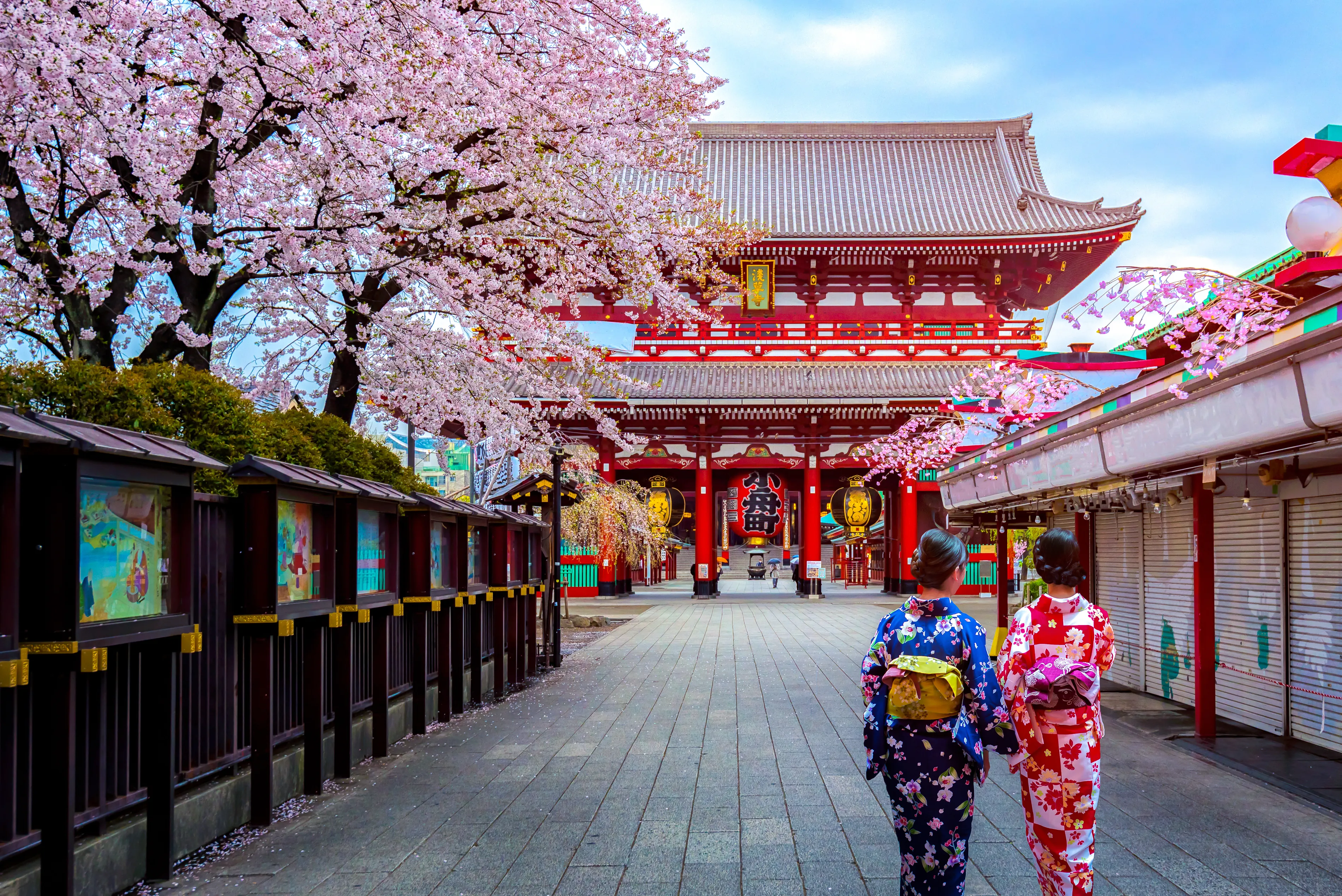
Leave Tokyo for Kanazawa. This is where the rail itinerary starts to show its advantage: you can move between major regions without a domestic flight or a long road transfer.
After arrival, check in and take a relaxed walk through a historic district or nearby market area rather than packing a full sightseeing programme into the afternoon.
Kanazawa receives two nights, so there is enough time tomorrow for the city’s gardens, samurai heritage and craft traditions.
Overnight stay in Kanazawa.
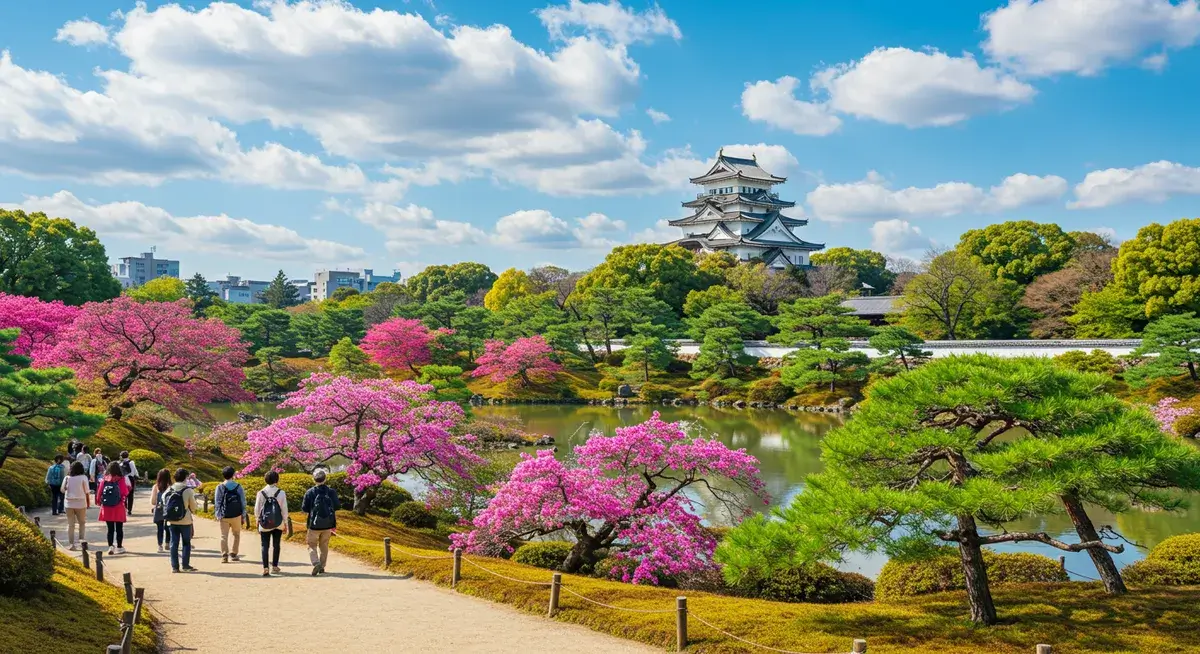
Spend the day in Kanazawa with no hotel change. Kenrokuen, the castle area and either Higashi Chaya or Nagamachi make a strong cultural route.
A slower two-night stay is useful on rail trips because not every day should involve a station, luggage and a new check-in.
If traditional crafts interest you, consider adding a workshop or specialist visit rather than another landmark.
Overnight stay in Kanazawa.
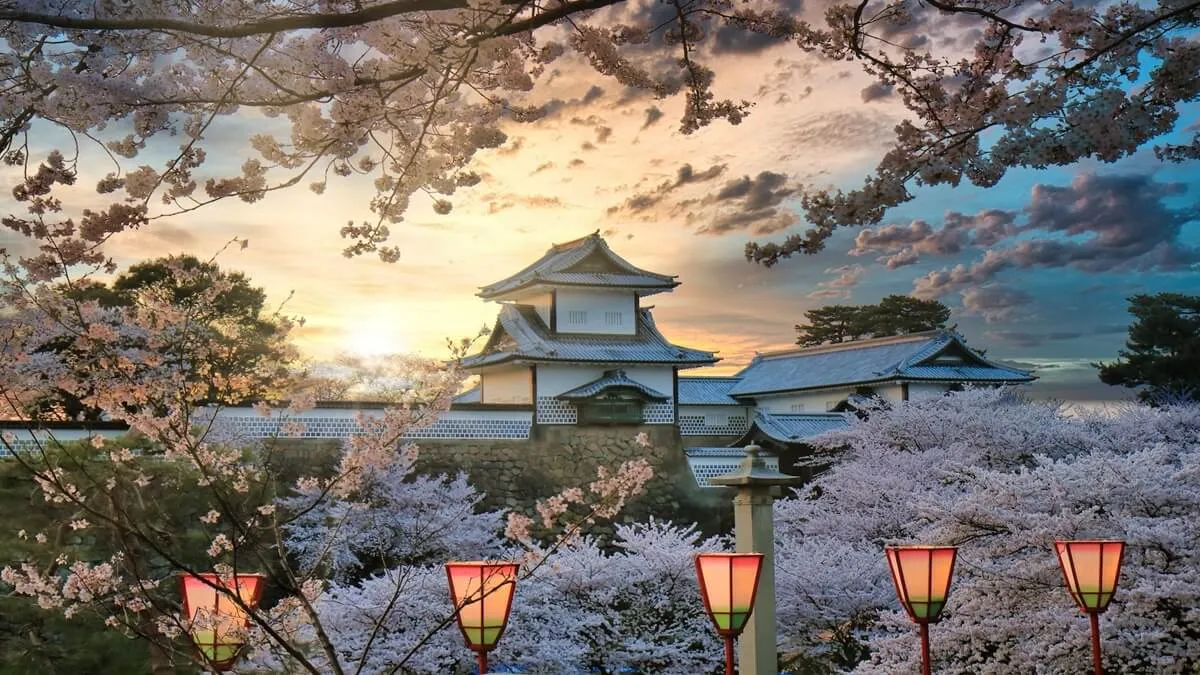
Travel from Kanazawa to Kyoto. Rail routings and transfer patterns can change, so the exact train combination should be checked for your travel date rather than hard-coded months in advance.
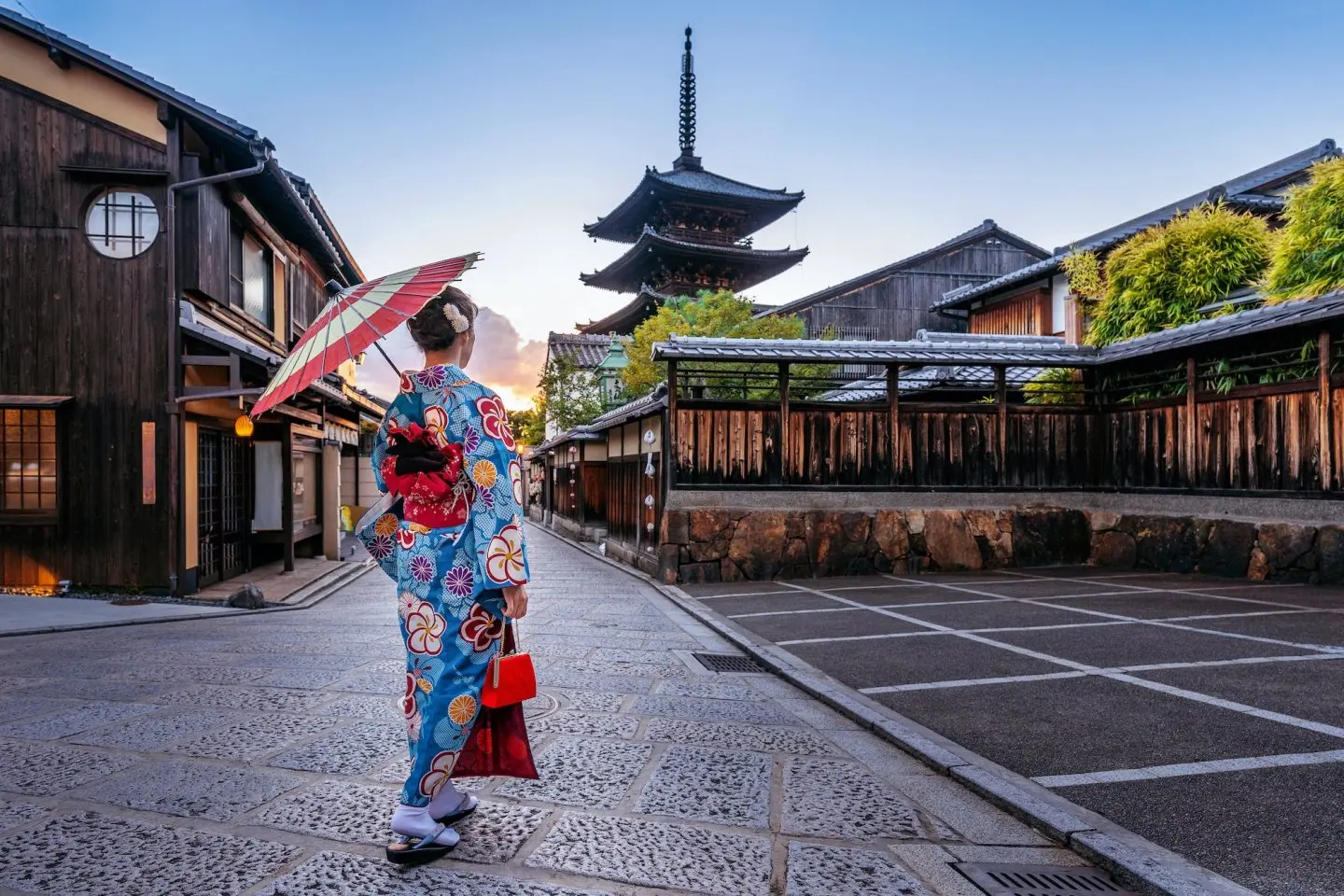
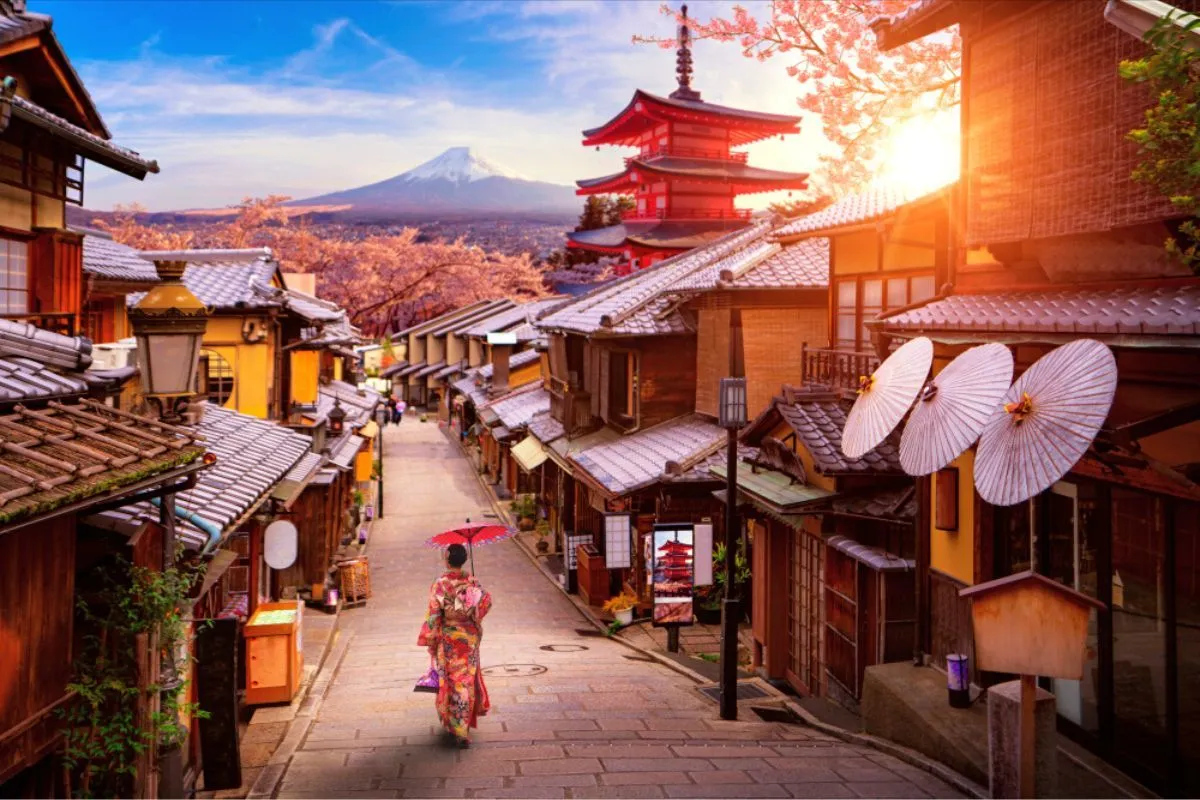
After checking in, keep the afternoon light with Gion, Yasaka Shrine or a walk through Higashiyama if time allows.
Kyoto is your base for three nights, which reduces hotel changes and gives you two full sightseeing days.
Overnight stay in Kyoto.
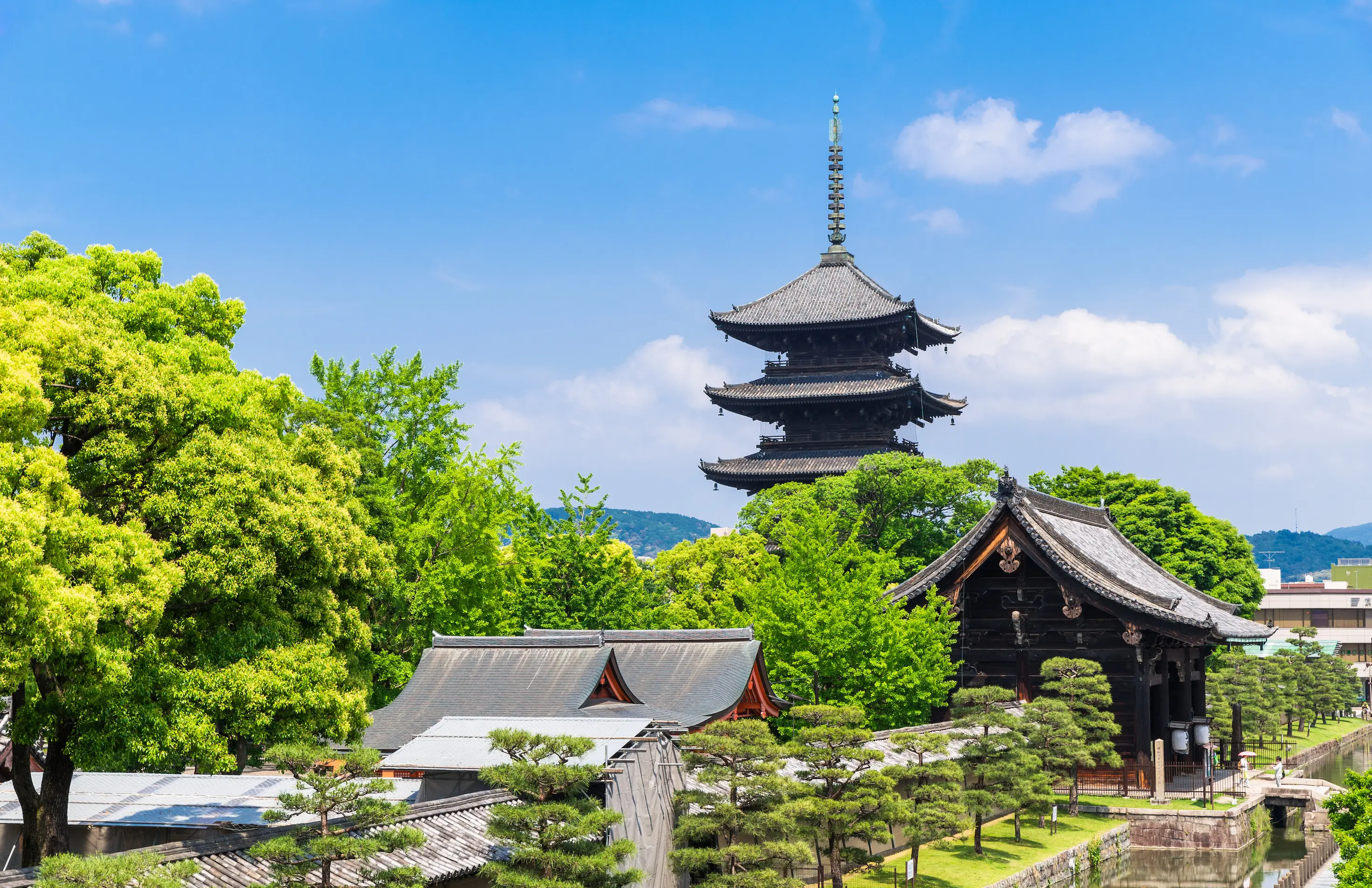
Spend a full day around Kyoto’s cultural core. Fushimi Inari, Kiyomizu-dera and Higashiyama can form the backbone of the day, with one additional temple or garden if your pace allows.
Kyoto’s local buses, trains and walking routes matter as much as the long-distance rail sectors. Group nearby sights so you do not spend the day switching transport unnecessarily.
Leave room for tea, a local lunch or a quiet street rather than trying to use every minute.
Overnight stay in Kyoto.
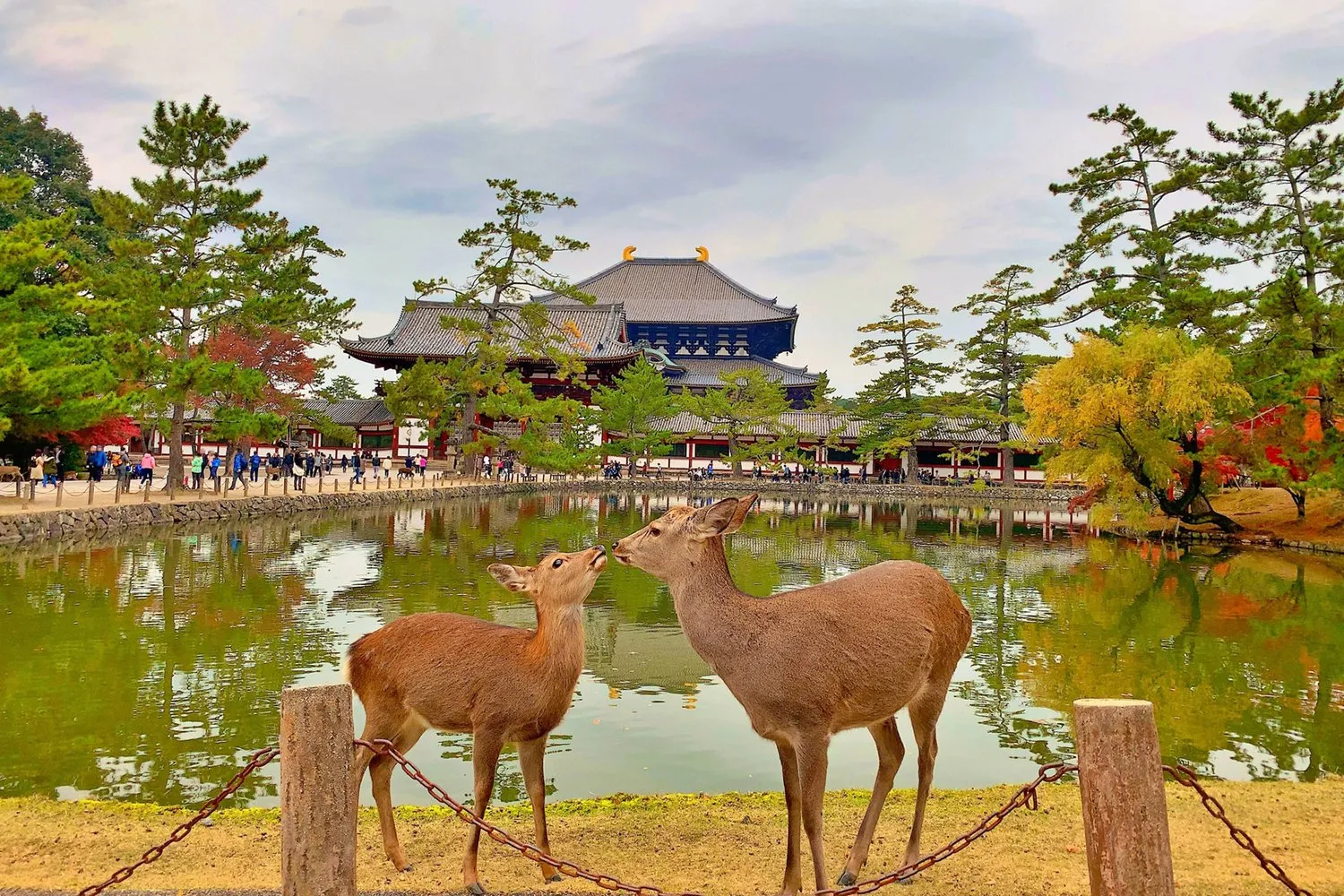
Take a day trip to Nara for Nara Park, Todai-ji and the surrounding heritage area, then return to Kyoto for the night.
On this itinerary, Nara works well as a return excursion because keeping the same Kyoto hotel avoids moving luggage for a single night.
The journey also provides a useful example of why a rail itinerary should be designed around convenience, not simply around maximising the number of train rides.
Overnight stay in Kyoto.
Leave Kyoto for Hiroshima and check in for two nights.
Spend the afternoon around Peace Memorial Park and the surrounding historical sites at an unhurried pace. Keeping Miyajima for tomorrow prevents the day from becoming too compressed.
This section shows why rail is especially useful on a multi-city Japan itinerary: the route continues west without returning through Tokyo.
Overnight stay in Hiroshima.
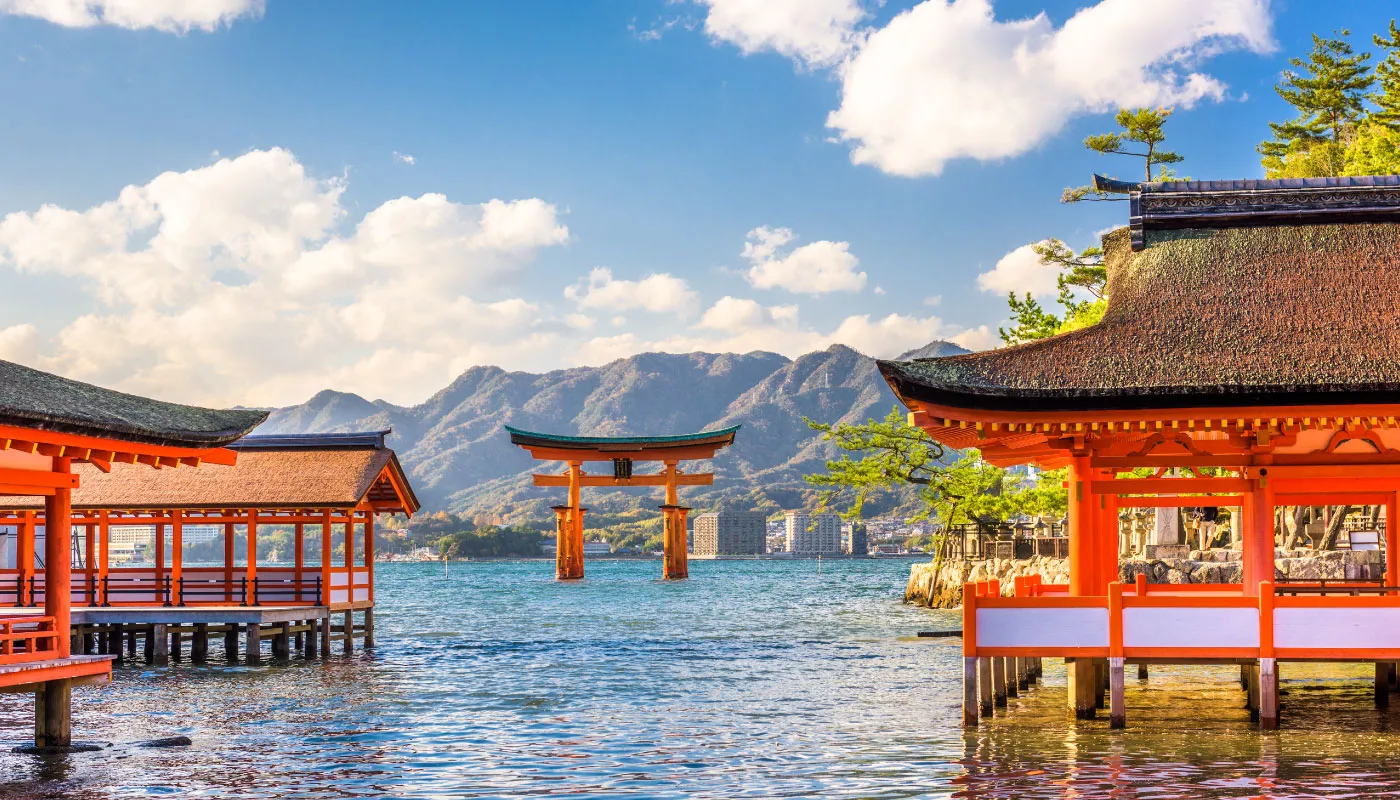
Spend the day visiting Miyajima. Allow time for the Itsukushima Shrine area, waterfront and island atmosphere rather than treating the excursion as a quick photograph.
Ferry schedules, tides and local operating conditions can affect the exact order of the visit, so the day should remain flexible.
Return to Hiroshima for a second night, which means you do not have to manage luggage during the island excursion.
Overnight stay in Hiroshima.

Travel east to Osaka for the final night. The journey is straightforward and leaves part of the day for the city.
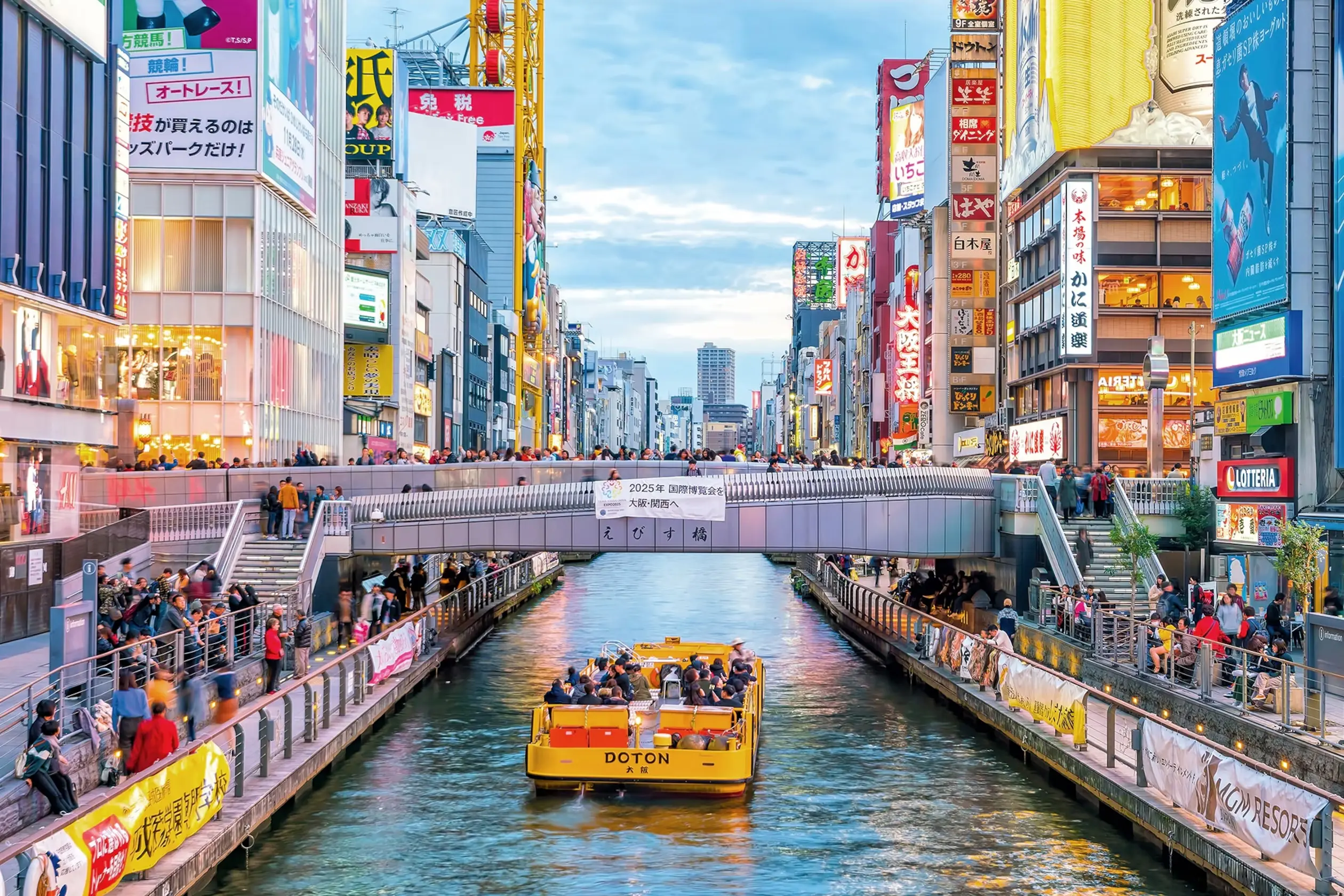
Choose a few highlights such as Osaka Castle, Namba or Dotonbori rather than attempting an exhaustive sightseeing schedule after the rail journey.
Finish with a relaxed dinner and enjoy the contrast between Hiroshima’s reflective atmosphere and Osaka’s lively food culture.
Overnight stay in Osaka.
After breakfast, check out and transfer to the airport or rail station for your onward journey.
If you are flying from the Kansai region, plan the airport connection around your actual departure time and leave a comfortable margin for check-in.
Your 12-day rail journey ends after connecting Tokyo, Kanazawa, Kyoto, Nara, Hiroshima, Miyajima and Osaka without using domestic flights for the main intercity route.
Tour ends in Osaka.
Share your travel dates, preferred hotels and interests. Our travel experts will customize this itinerary to match your trip duration, travel style and budget.
Get quick assistance with itinerary changes, hotels, transport, sightseeing and tour extensions.
Chat on WhatsAppReal moments and recent experiences shared by travellers who planned their holidays with Tusk Travel.
We appreciated our travel design er (Ovijit) was able to customize our trip to add in additional stops and tailor our hotels to what we were looking for.
The most beautiful trip I have ever had. With Tusk Travel I felt very happy and safe.
Tusk arranged a custom trip for us that included luxurious resort stay, elephant watching with ethical guides, hiking in the Knuckles mountain range.
My family and I loved the experience of getting to know India and the Maldives, which we will cherish in our memories and with a desire to return. And we are grateful to you and Tusk Travel for providing us with this experience.
Hello, I wanted to thank all the staff of the company for their work in organizing the tour and the good treatment they had with us.
Share your trip details. We’ll send a personalized itinerary and quote within 24 hours.