
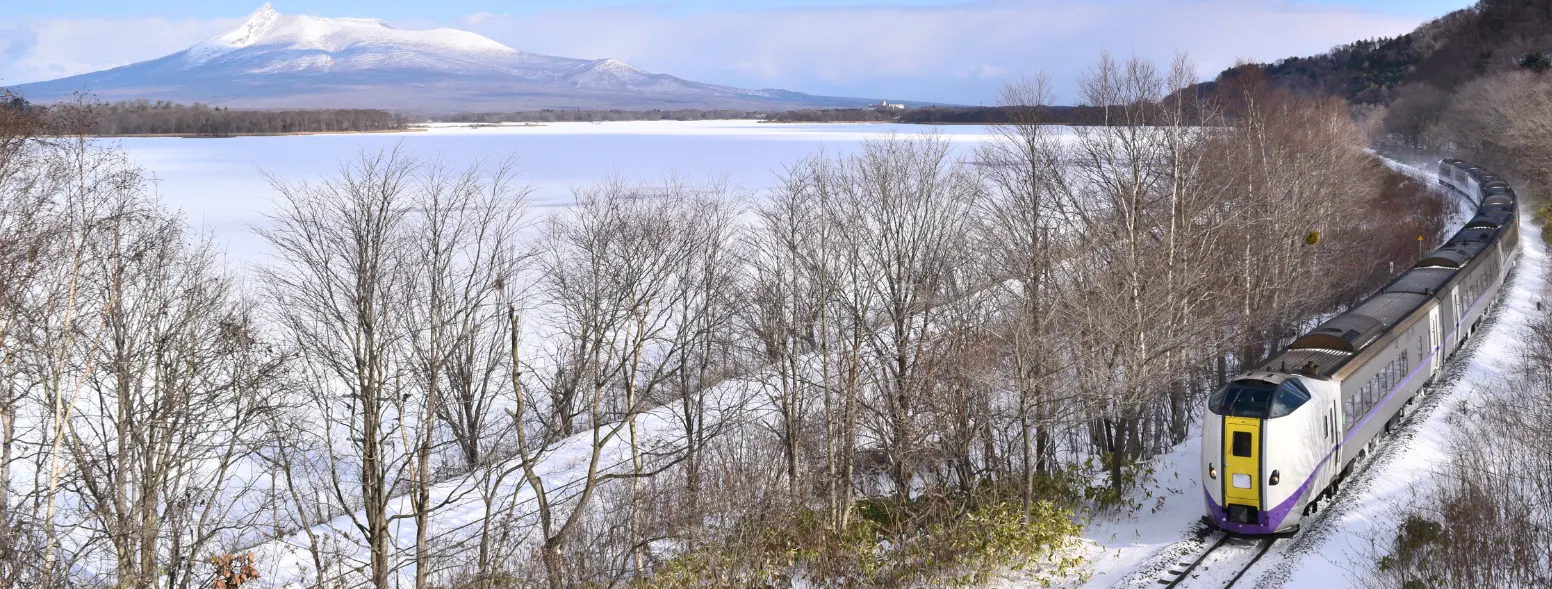
Japan Rail Pass Tours
Japan Rail Tours with Practical Routes, Fewer Transfers and Better Luggage Planning
Japan is one of the easiest countries in Asia to explore by rail, but a good Japan rail tour is not simply a list of cities connected by trains. The route still needs sensible hotel stays, realistic transfer days, luggage planning and enough time in each destination to make the journey feel like a holiday rather than a transport exercise.
A strong first-time route might connect Tokyo, Kanazawa, Kyoto, Hiroshima and Osaka. Rail is especially useful between major cities, while private guiding, local transport or selected transfers can be added where they improve the day.
Our 12 Days Japan by Train: Tokyo, Kanazawa, Kyoto, Hiroshima & Osaka is the clearest example of this style. It uses rail as the backbone of the trip without assuming that one national pass is automatically the best-value ticket.
The Japan Rail Pass Is a Tool, Not the Itinerary
Travellers often begin planning with the question, "Should I buy a Japan Rail Pass?" We prefer to begin with a different question: "What route do you actually want to travel?" Once the itinerary is fixed, the ticket strategy can be compared properly.
Depending on the cities, travel dates and number of long-distance journeys, point-to-point tickets or regional passes may offer better value than a nationwide pass. Pass prices and conditions can change, so the comparison should be made using current information rather than an old rule of thumb.
This approach also stops the pass from encouraging unnecessary day trips simply because a traveller wants to "use it more." The best-value trip is the one that spends time in the right places, not the one that logs the most rail kilometres.
Tokyo to Kyoto: Fast Rail Works Best When the Day Stays Simple
Tokyo and Kyoto are natural anchors for a first Japan journey. The rail connection between them can make a same-day transfer straightforward, but the transfer day should still be treated as a travel day rather than a full sightseeing marathon.
We usually recommend checking out after breakfast, travelling during a comfortable part of the day, then using the first Kyoto afternoon for a light walk through Gion, Yasaka Shrine or another nearby area. The major temple programme can begin the next morning.
This is particularly helpful for travellers carrying larger luggage or travelling as a family. A technically fast train does not remove the time needed for hotel check-out, station navigation, platform access and hotel check-in.
Kanazawa: A Useful Rail Stop Between Major Cities
Kanazawa adds gardens, samurai districts, craft traditions and a smaller-city rhythm to a rail itinerary. It works especially well for travellers who want more cultural variety than a simple Tokyo-Kyoto-Osaka sequence.
We recommend staying at least two nights when possible. A one-night stop often creates more luggage movement than sightseeing. Two nights give you a proper full day for Kenrokuen, the castle area, historic districts and a craft or food experience.
Rail routings to and from Kanazawa should be checked for the actual travel date because services, connections and transfer patterns can change. We avoid writing a rigid train number into an itinerary months in advance unless the booking is ready to be confirmed.
Kyoto, Nara and Osaka: Rail Does Not Mean Changing Hotels Every Night
The Kansai region is one of the easiest places to overcomplicate a rail trip. Kyoto, Nara and Osaka are well connected, but that does not mean you need a different hotel in each city.
Nara is often better as a day trip or transfer-day visit. Kyoto can remain the cultural base, while Osaka can be used for the final nights when food, shopping, nightlife or Kansai departure logistics matter.
This is an important part of good rail planning: use the network to reduce hotel changes, not to create more of them.
Hiroshima and Miyajima: Give the Journey More Than One Rushed Day
Hiroshima is easy to reach by rail from Kyoto or Osaka, which is exactly why many itineraries treat it as a very long day trip. We usually prefer an overnight, and often two nights, when Miyajima is also important.
One afternoon can focus on Peace Memorial Park and the city's modern history. The following day can be reserved for Miyajima, where ferry timing, tides and local conditions may affect the order of sightseeing.
This creates a much better travel rhythm than arriving, visiting the museum, racing to the ferry, then returning late to another city.
Should You Reserve Seats?
Seat reservation needs depend on the train, ticket type, travel period and your preferences. Travellers with large luggage, families who want to sit together and people travelling during busy domestic periods may benefit from more advance planning.
We recommend checking the reservation rules for the specific services used in your itinerary. Do not assume that every train works the same way simply because it is part of the national rail network.
Luggage Can Matter More Than the Ticket
Travelling by train is easy with a small case. It can feel very different with two large suitcases, shopping bags and a child. Good luggage planning can therefore improve a rail holiday more than changing the ticket type.
Selected luggage forwarding can be useful when moving through Hakone, the Japanese Alps or other routes where you do not need your full suitcase every night. Hotel acceptance and delivery timing should always be confirmed first.
Keep medicine, valuables, travel documents and the next day's essentials with you. Forwarding should reduce inconvenience, not create a new dependency.
When Private Transfers Still Make Sense
A rail-focused itinerary does not need to use trains for every kilometre. Private airport transfers can make arrival and departure easier, especially after a long international flight or when several people are travelling together.
A private vehicle can also be useful for rural sightseeing, luggage-heavy days or areas where public transport would require several connections. The strongest Japan rail itinerary mixes transport intelligently rather than trying to prove that the entire trip can be done by train.
Japan by Train for Families
Rail can work very well for families because it avoids long road journeys between major cities. The key is to reduce friction: stay near useful stations, reserve seats when appropriate, keep transfer days lighter and avoid changing hotels too frequently.
Large stations can involve long walks, escalators, lifts and crowded corridors. Families with younger children should allow more time than a timetable suggests and avoid extremely tight connections.
Japan by Train for Older Travellers
Rail can also be comfortable for older travellers when the itinerary is designed around mobility rather than distance alone. The important questions include how far the hotel is from the station, whether luggage assistance is needed and how many changes are required on each travel day.
A direct train plus a short taxi can be better than a cheaper route involving several transfers. We prefer to optimise the whole day, not just the cost of the rail ticket.
Regional Passes Can Be More Logical Than a National Pass
Some travellers spend most of their trip in one region. In that case, a regional rail product may match the itinerary better than a nationwide pass. The exact choice depends on the route, eligible trains and current conditions.
We therefore compare the journeys that are actually planned. A Hokkaido-focused trip, western Japan journey or Kansai-heavy itinerary should not automatically use the same rail product as a Tokyo-Kyoto-Hiroshima route.
What a Good Rail Itinerary Should Avoid
- One-night city collecting: Fast trains do not make constant hotel changes enjoyable.
- Pass-driven detours: Do not add a city only because the journey is covered.
- Tight connections: Leave margin for platforms, lifts, station size and luggage.
- Old pricing assumptions: Compare current pass and ticket costs before buying.
- Too much luggage: Plan suitcase movement before the first long-distance train day.
How Many Days Work Well for Japan by Train?
Seven to eight days can work for Tokyo, Kyoto and Osaka. Around ten days makes it easier to add Hiroshima or Hakone. Twelve days is a strong length for a broader route through Tokyo, Kanazawa, Kyoto, Nara, Hiroshima and Osaka.
Fourteen days or more gives room for the Japanese Alps, Hokkaido or longer stays without turning the holiday into a daily transfer. Extra days should create depth and flexibility, not simply add more pins to the map.
Why Plan a Private Japan Rail Tour with Tusk Travel?
We can use rail for the sectors where it is efficient, add private guiding where cultural context matters, and use transfers or local transport where they make the journey easier. The result is still a private, customised holiday even though the intercity backbone uses Japan's rail network.
We can also compare ticket strategies once the route is final, advise where luggage forwarding may help, and adjust the itinerary around families, older travellers, seasonal travel, food interests or a preferred hotel category.
The aim is not to sell a rail pass. The aim is to design a better Japan journey and then choose the rail tickets that suit it.
Popular Japan Rail Tour Packages & Itineraries

12 Days Japan by Train: Tokyo, Kanazawa, Kyoto, Hiroshima & Osaka
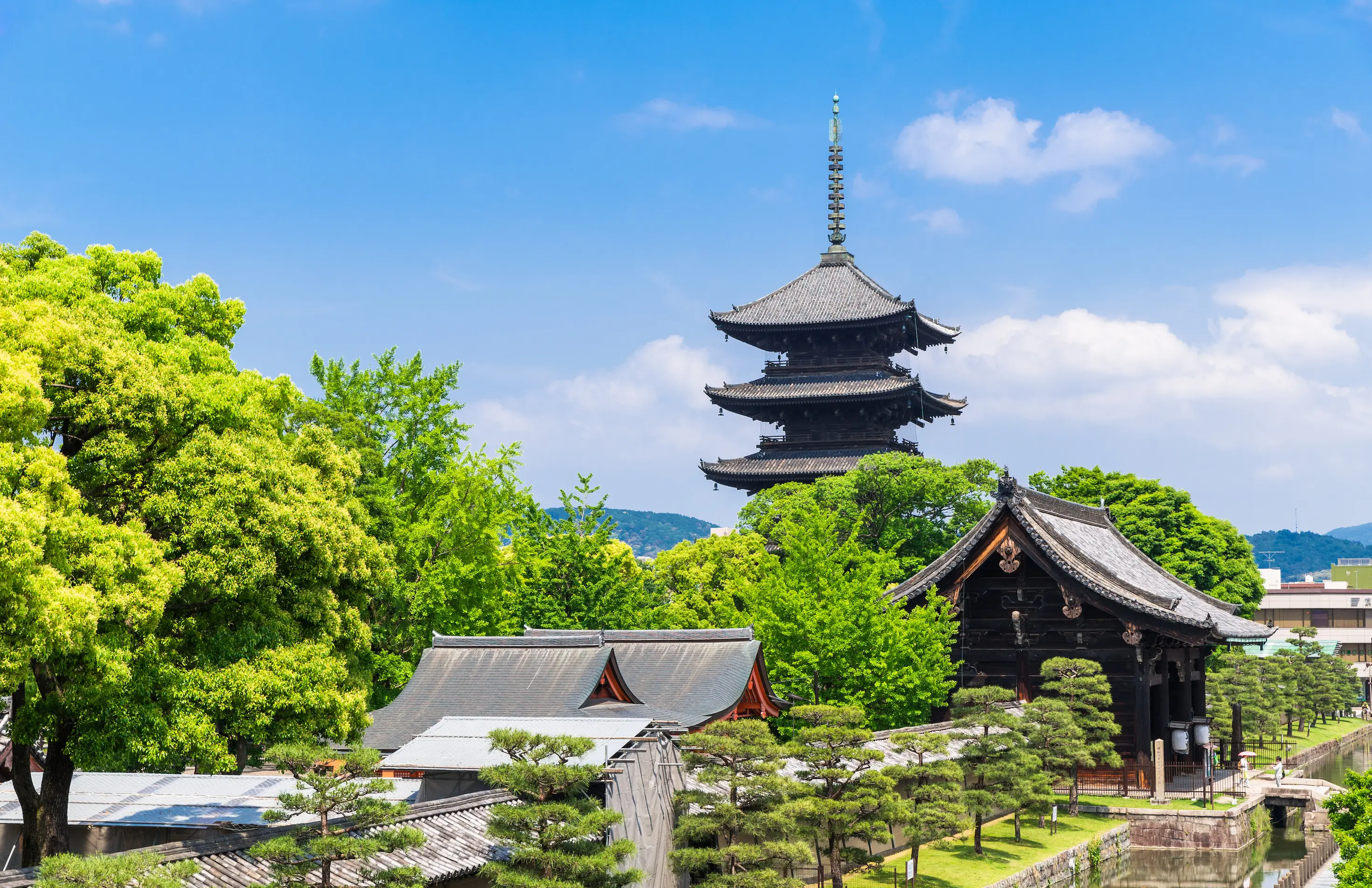
8 Days Western Japan: Osaka, Nara, Kyoto & Hiroshima
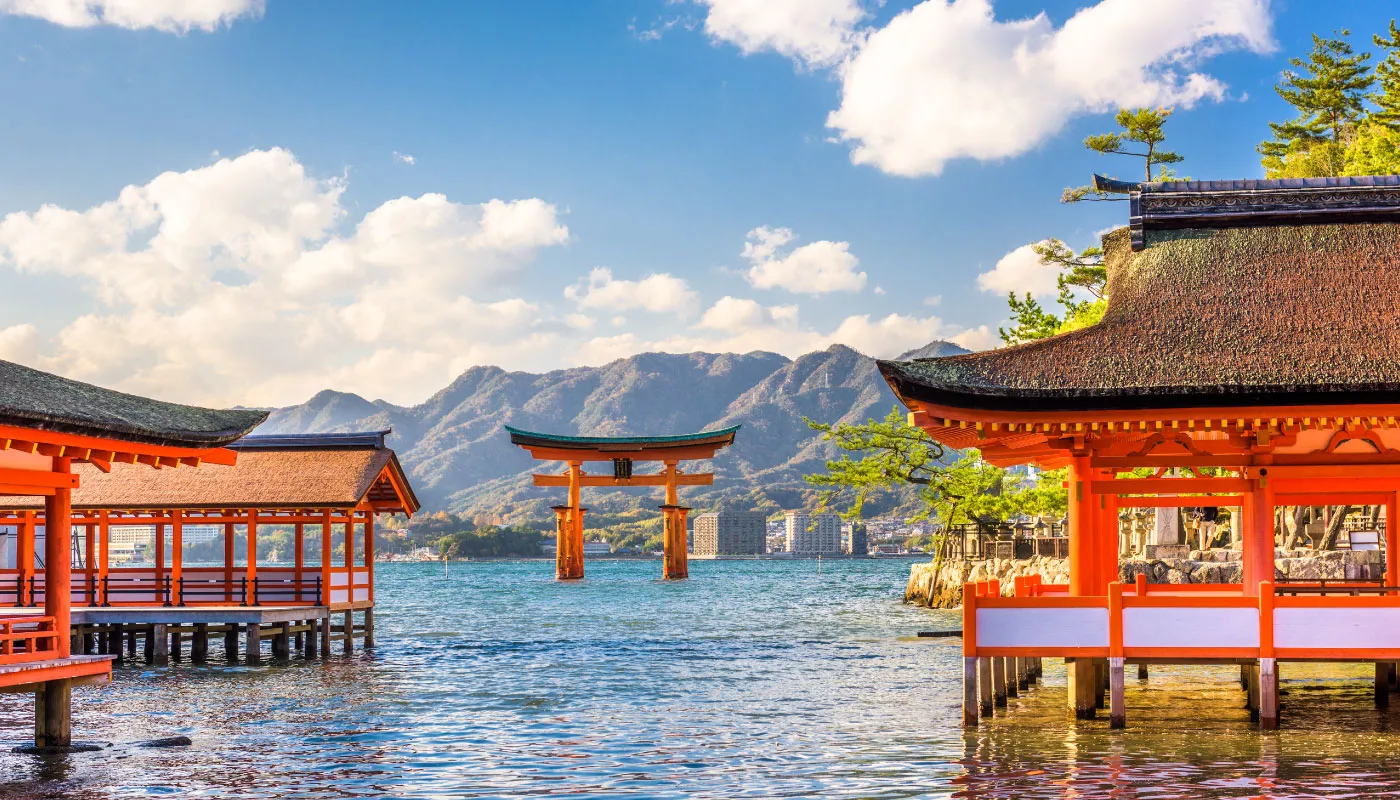
9 Days Tokyo, Kyoto, Osaka & Hiroshima Tour
10 Days Japan Golden Route with Hiroshima
10 Days Tokyo, Kyoto, Hiroshima & Osaka Tour
12 Days Best of Japan: Tokyo, Hakone, Kyoto, Nara, Osaka & Hiroshima
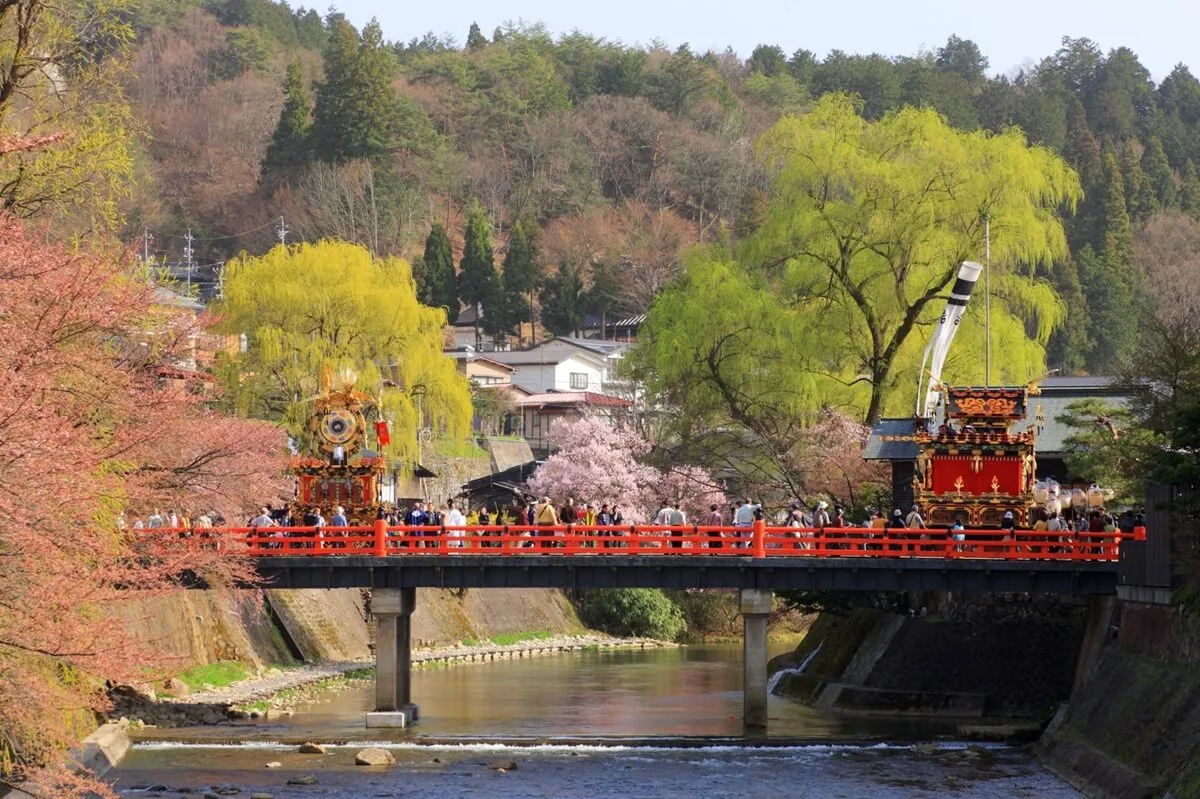
12 Days Japan Alps, Kyoto & Hiroshima Tour
Japan Rail Pass Tours: Frequently Asked Questions
No. Depending on the route and current prices, point-to-point tickets or regional passes may offer better value. We recommend finalising the itinerary first, then comparing the relevant ticket options using current information.
Seven to eight days can cover Tokyo, Kyoto and Osaka at a reasonable pace. Ten to twelve days gives more room for Hiroshima, Kanazawa or Hakone, while two weeks allows a deeper route without constant hotel changes.
It depends on the service, travel period, ticket type and your needs. Families who want to sit together, travellers with larger luggage and people travelling during busy periods may benefit from advance reservations.
Often yes, and it can make rail travel much easier. Hotel acceptance, delivery timing and the specific route should be confirmed in advance. Keep valuables, medicine and next-day essentials with you.
Yes. The itinerary can remain fully customised while using rail between cities. Private guides, selected transfers, hotel choices and sightseeing can still be tailored to your interests and preferred pace.
Yes, when the route is planned around practical station access, lighter transfer days, luggage needs and comfortable connection times. Direct journeys and well-located hotels can make a major difference.
Yes. Once your route and travel dates are clear, we can compare the practical ticket strategies for the planned journeys and help you choose between point-to-point tickets, eligible regional options or a broader pass where appropriate.