
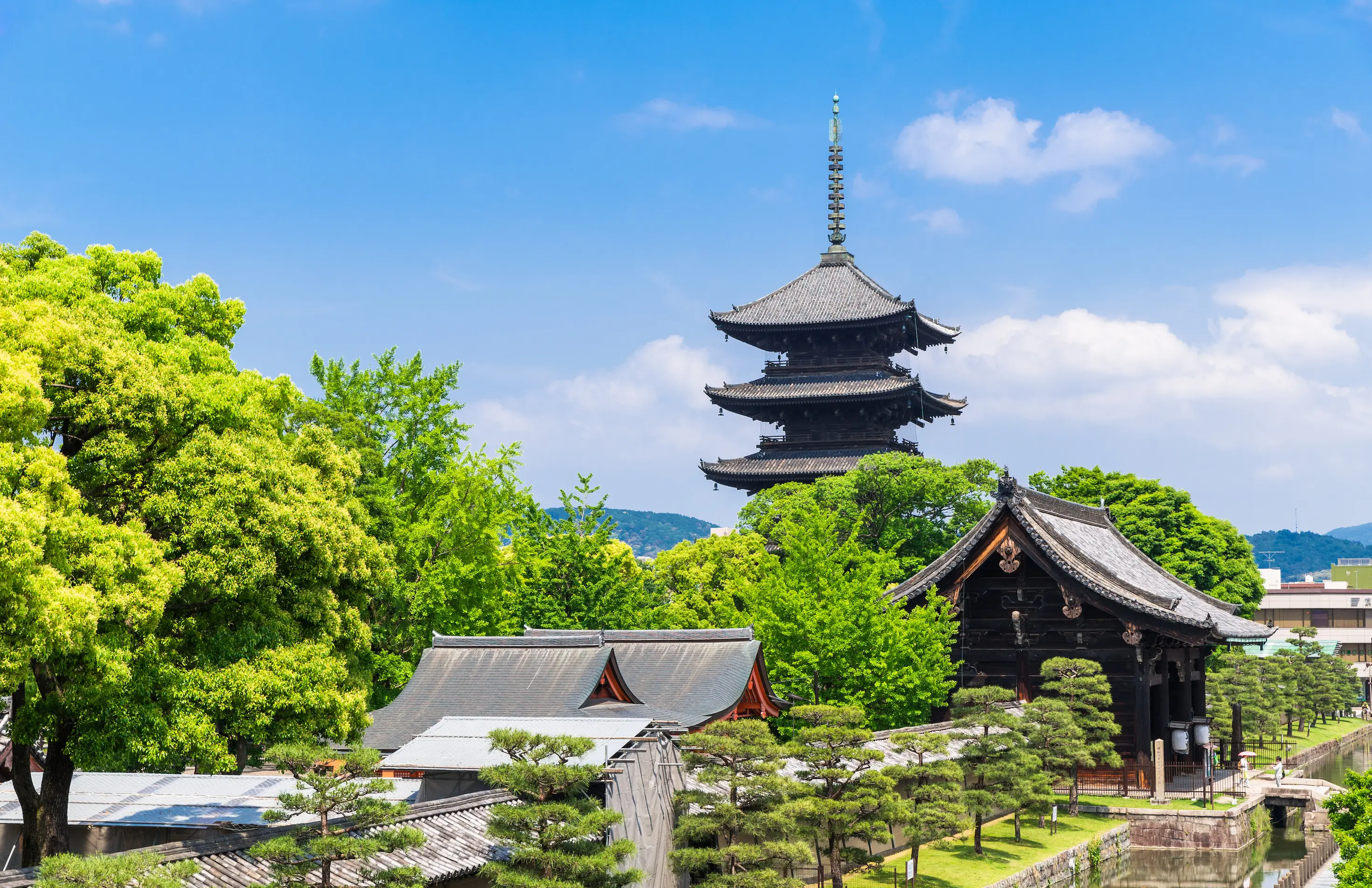
Kyoto Tours & Private Japan Itineraries
Kyoto Tour Packages for Temples, Culture, Nara & Longer Japan Journeys
Kyoto is one of the places where a rushed itinerary becomes obvious very quickly. The city may look compact on a map, but temples, gardens, old streets and transport links are spread across several districts. A good Kyoto tour therefore needs more than a list of famous sights. It needs a sensible order, enough walking time and space to enjoy the quieter moments between the landmarks.
Most first-time travellers combine Kyoto with Nara and Osaka, while longer routes may continue to Hiroshima, Kanazawa or the Japanese Alps. Kyoto also pairs naturally with Tokyo on a classic first Japan journey.
Travellers with limited time can consider our 6 Days Kyoto, Nara & Osaka Tour, while broader first-time itineraries can use Kyoto as the cultural centre of an eight, ten or twelve-day Japan route.
How Many Days Should You Spend in Kyoto?
Two full days is the minimum we would normally recommend for a first visit. That gives enough time for one eastern Kyoto day and one Arashiyama or western Kyoto day, with evenings left for Gion, Pontocho or a relaxed dinner.
Three full days is better for travellers who want slower mornings, cultural activities, gardens or a Nara day trip without sacrificing Kyoto itself. Four nights can be especially useful for families, photographers or older travellers who prefer fewer hotel changes.
The main mistake is trying to compress Kyoto into one day because the city appears smaller than Tokyo. It deserves its own rhythm.
Fushimi Inari: Go for the Experience, Not Just the Photograph
Fushimi Inari is one of Kyoto's best-known sights, but the experience changes depending on when you visit and how far you walk. Early morning can be more comfortable, while later hours can feel much busier around the lower shrine area.
Not every traveller needs to climb the entire route. A shorter visit through the lower torii sections can work well for families or older travellers, while more active visitors may choose to continue farther up the trail.
We usually pair Fushimi Inari with eastern or southern Kyoto rather than forcing it into an unrelated part of the city.
Kiyomizu-dera and Higashiyama: One of Kyoto's Best Walking Areas
Kiyomizu-dera works naturally with Higashiyama because the streets, shops, temple approaches and old neighbourhood atmosphere are part of the visit. This is one of the areas where walking between sights matters as much as the sights themselves.
Travellers who rush directly from temple gate to temple gate often miss the character of Kyoto. We prefer to leave room for tea, small shops, local snacks and short pauses rather than filling the route with too many separate attractions.
Gion: Best in the Late Afternoon or Evening
Gion works well after a cultural sightseeing day because the atmosphere changes toward evening. Traditional streets, restaurants and nearby Yasaka Shrine can create a pleasant end to the day without requiring another major transfer.
Visitors should treat the area respectfully as a living neighbourhood, not a stage set. Private property, photography rules and local guidance should be followed carefully.
Arashiyama: More Than the Bamboo Grove
Arashiyama is often reduced to one photograph of the bamboo grove, but the wider district is far more rewarding. The riverside, gardens, temples and quieter lanes can easily fill half a day or more.
We usually recommend allowing enough time to walk rather than adding several unrelated stops elsewhere in Kyoto immediately afterward. If you are staying three nights or more, Arashiyama makes a strong second full day.
Temples Without Temple Fatigue
Kyoto has an extraordinary number of temples and shrines, but seeing more does not always mean experiencing more. After several major sites, details can begin to blur together, especially for first-time visitors.
A better day may include two or three major temples, one garden, a traditional street and a cultural or food experience. This creates variety and gives each stop more meaning.
We therefore avoid designing a day that starts with one temple and ends with the seventh simply because all of them are famous.
Tea, Crafts and Cultural Experiences
Kyoto is one of the best places in Japan to add a hands-on cultural activity. Depending on your interests, this might include a tea experience, craft workshop, food experience or other locally hosted activity.
These experiences work best when they replace a sightseeing stop rather than being added on top of an already full day. A slower morning followed by a cultural activity can be more memorable than another rushed temple visit.
Kyoto with Children
Families can enjoy Kyoto, but the itinerary should mix temples with outdoor space, food stops and lighter activities. Children may enjoy Fushimi Inari, Arashiyama, Nara Park or a hands-on cultural experience more than a long sequence of formal temple visits.
Walking distances can add up quickly, especially on sloped streets and temple approaches. We therefore keep the day geographically focused and leave more room for breaks than an adult-only itinerary might need.
Families planning a wider journey can also explore our Japan family tours.
Kyoto for Older Travellers
Kyoto can be very rewarding for older travellers, but some temple routes involve steps, slopes and long approaches. The best plan is not necessarily the one with the highest number of attractions.
We can reduce walking, use selected taxi transfers, choose hotels near useful transport links and prioritise sites that fit the traveller's mobility. A more comfortable pace often makes the cultural experience stronger.
Nara from Kyoto: Day Trip or Transfer-Day Stop?
Nara is one of the easiest additions to Kyoto. For travellers staying several nights in Kyoto, a day trip works well. For routes continuing to Osaka, Nara can also be used as a transfer-day stop to reduce backtracking.
Nara Park, Todai-ji and the surrounding heritage area can form a strong half-day to full-day programme depending on pace. The right choice depends on luggage, hotel location and what you want to see.
Kyoto to Osaka: Close on the Map, Different in Character
Osaka and Kyoto are geographically close but feel very different. Kyoto is better for temples, gardens and traditional streets. Osaka brings food, city energy, shopping and a more casual urban atmosphere.
That contrast is exactly why the two cities work well together. You do not need to choose one over the other. On a short trip, two nights in Kyoto and two nights in Osaka can be practical. On a longer cultural journey, Kyoto often deserves the extra night.
Kyoto to Hiroshima
Hiroshima is a natural western extension after Kyoto. The rail journey is efficient, but we still recommend giving Hiroshima enough time rather than treating it as a rushed day trip.
If Miyajima is included, two nights in Hiroshima often creates a better balance. One afternoon can focus on Peace Memorial Park, while the following day can be used for the island.
Travellers interested in this route can browse our Hiroshima tours.
Kyoto and Kanazawa: A Strong Cultural Combination
Kanazawa can add gardens, samurai districts and traditional crafts to a Kyoto-focused journey. The two cities overlap culturally, but they do not feel repetitive when the itinerary is designed properly.
Kyoto offers the larger concentration of temples and historic districts. Kanazawa adds a smaller-city rhythm, specialist craft traditions and another style of heritage experience.
For travellers who want more than the standard Tokyo-Kyoto-Osaka route, see our Kanazawa tours.
Cherry Blossom Season in Kyoto
Kyoto is one of Japan's most requested spring destinations, and demand can be high during blossom season. Exact bloom timing changes from year to year, so a good itinerary should include several scenic opportunities rather than relying on one date or one location.
Travellers planning specifically for spring can explore our Japan cherry blossom tours. We avoid guaranteeing peak bloom because weather can shift the season.
Autumn Foliage in Kyoto
Autumn can transform temple gardens, mountain edges and historic districts. It is also a popular period, so hotel availability and crowd levels should be considered early.
As with blossom season, exact colour timing varies. Multiple foliage opportunities across Kyoto and the wider route are more reliable than building the entire holiday around one predicted peak date.
See our Japan autumn foliage tours for seasonal itinerary ideas.
Where Should You Stay in Kyoto?
Hotel location matters because Kyoto sightseeing is spread across different parts of the city. Staying near Kyoto Station can simplify rail arrivals and departures. Gion and Higashiyama can feel more atmospheric, while central Kyoto may offer a useful balance between transport, dining and evening walking.
The best choice depends on your route, budget and mobility. We look at how the hotel fits the daily sightseeing plan, not only at star rating.
Common Kyoto Planning Mistakes
- Trying to see every famous temple: Quality matters more than quantity.
- Underestimating walking: Temple approaches and old districts can involve long distances.
- Using one day for Kyoto: The city deserves at least two full sightseeing days when possible.
- Ignoring geography: Group nearby areas instead of crossing the city repeatedly.
- Overloading cultural activities: Let workshops or tea experiences replace sightseeing, not simply add to it.
- Guaranteed seasonal claims: Blossom and foliage timing varies each year.
How Kyoto Fits Into a Longer Japan Journey
Kyoto is usually the cultural centre of a first Japan trip. With six days, it can be combined with Nara and Osaka. Seven to eight days can add Tokyo. Around ten days makes Hiroshima or Hakone more practical. Twelve days or more allows Kanazawa, the Japanese Alps or a slower pace.
The right route depends on whether you value heritage, scenery, food, families, rail travel or seasonal experiences. Kyoto should be given enough time to feel distinct from the other cities rather than treated as another two-night stop.
Why Plan Kyoto with Tusk Travel?
We design Kyoto as part of the whole Japan journey, connecting hotel location, walking pace, transport, Nara or Osaka extensions, cultural experiences and the onward route.
Your trip can include private guiding, selected transfers, rail travel and free time. We can also adapt the pace around families, older travellers, honeymooners, seasonal travel or specialist cultural interests.
The goal is a Kyoto itinerary that feels thoughtful and personal, not a checklist of temples.
Popular Kyoto Tour Packages & Itineraries
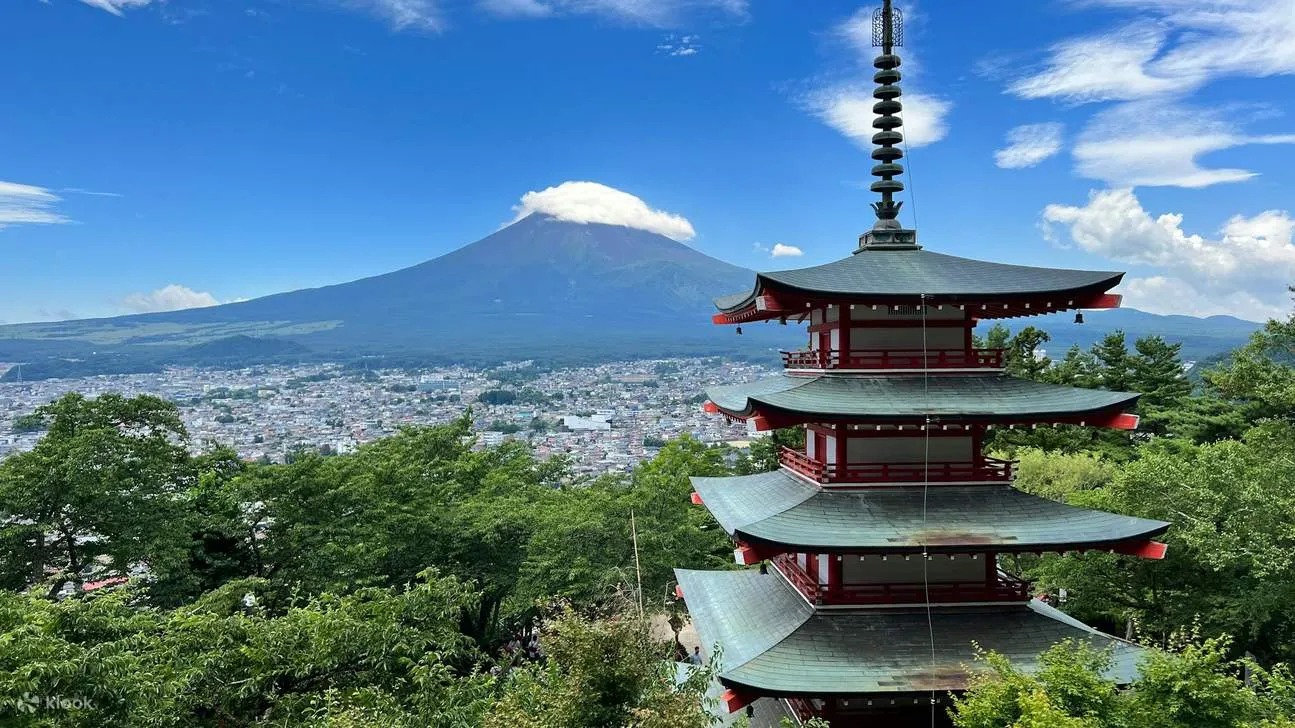
7 Days Japan: Tokyo, Mt. Fuji, Kyoto & Osaka
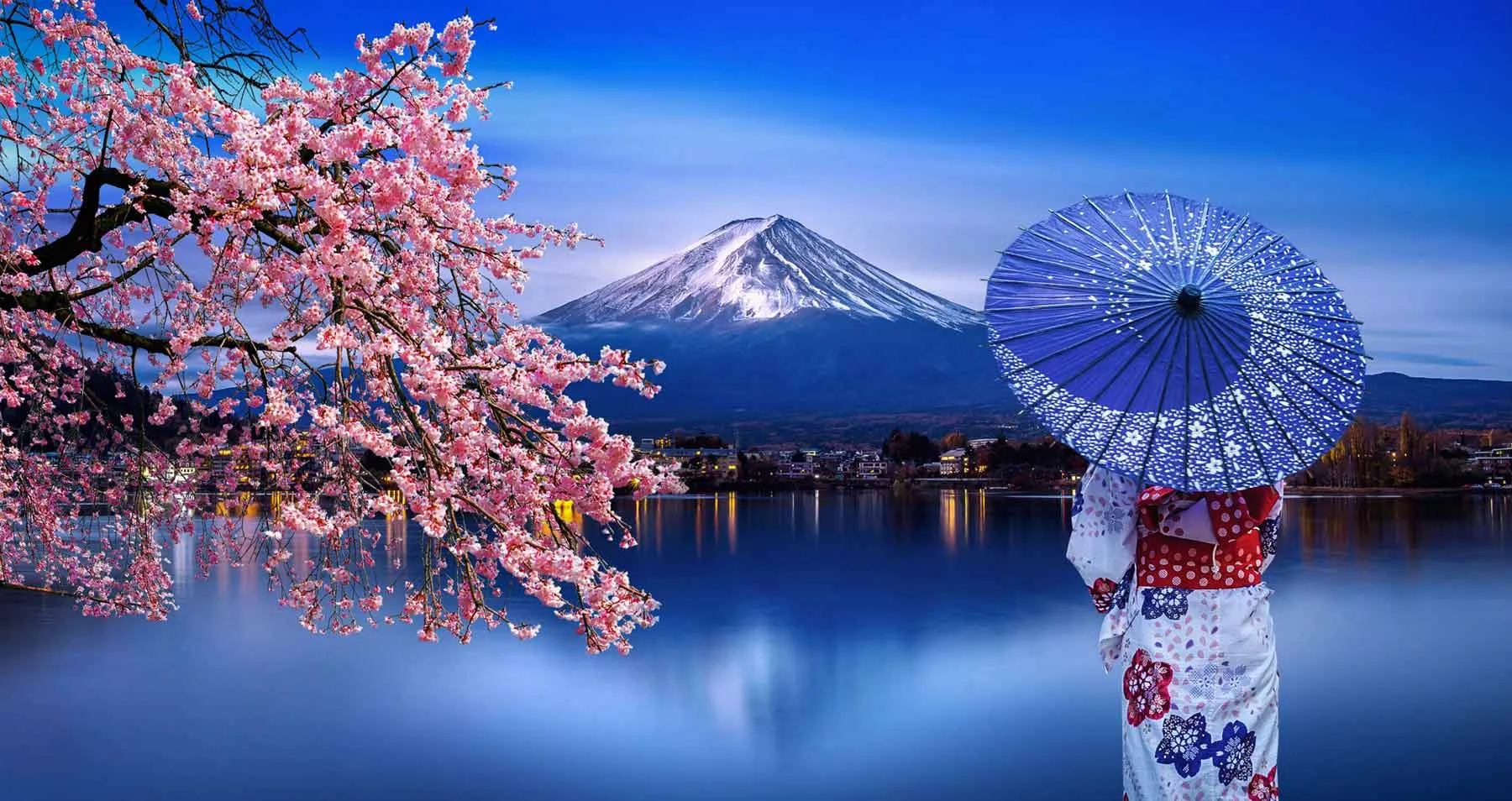
8 Days Classic Japan: Tokyo, Hakone, Kyoto, Nara & Osaka
8 Days Western Japan: Osaka, Nara, Kyoto & Hiroshima
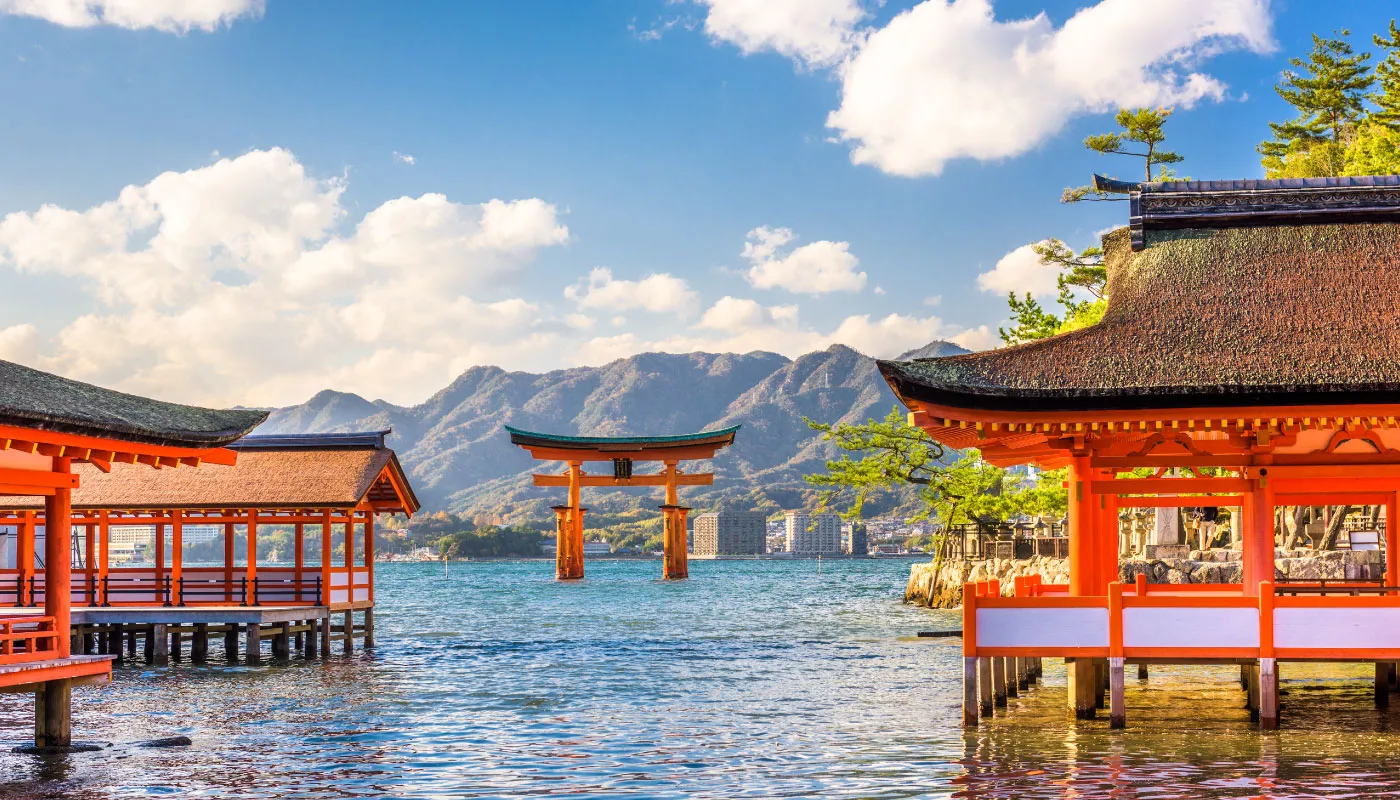
9 Days Tokyo, Kyoto, Osaka & Hiroshima Tour
10 Days Japan Golden Route with Hiroshima
10 Days Tokyo, Kyoto, Hiroshima & Osaka Tour

11 Days Japan Culture & Heritage Tour
12 Days Best of Japan: Tokyo, Hakone, Kyoto, Nara, Osaka & Hiroshima

12 Days Japan by Train: Tokyo, Kanazawa, Kyoto, Hiroshima & Osaka
12 Days Japan Alps, Kyoto & Hiroshima Tour
14 Days Grand Japan: Tokyo, Alps, Kyoto & Hiroshima
Kyoto Tours: Frequently Asked Questions
Two full sightseeing days is a useful minimum for a first visit. Three full days is better if you want Arashiyama, cultural activities or a Nara day trip without rushing Kyoto itself.
Yes. Nara works very well as a day trip from Kyoto. If your route continues to Osaka, it can also be planned as a transfer-day stop to reduce backtracking.
Yes, but the itinerary should mix cultural sights with outdoor space, food stops and lighter activities. Fushimi Inari, Arashiyama and Nara often work well for families when the walking pace is realistic.
Kyoto Station is convenient for rail arrivals and departures, Gion and Higashiyama offer more atmosphere, and central Kyoto can provide a useful balance of transport, dining and sightseeing access.
Both are popular. Spring is known for blossom interest, while autumn brings seasonal colour to gardens and temple areas. Exact peak conditions vary each year, so neither should be guaranteed for a specific date far in advance.
Kyoto is stronger for temples, gardens and traditional neighbourhoods, while Osaka is better for food, nightlife and a more energetic urban atmosphere. Many itineraries include both because they complement each other well.
Yes. We can customise Kyoto nights, hotel category, private guiding, cultural activities, Nara and Osaka extensions, rail travel and the onward route to Hiroshima, Kanazawa or other parts of Japan.