


Well Organized Trip
We appreciated our travel design er (Ovijit) was able to customize our trip to add in additional stops and tailor our hotels to what we were looking for.


This is not a tour built around ticking off Japan’s biggest cities. The 11-day Japan Culture & Heritage itinerary follows a more reflective route, beginning in Tokyo before moving into Nikko, the mountain landscapes of Hakone, and the temple districts of Kyoto.
From Kyoto, continue to Nara and then Koyasan for a deeper Buddhist and spiritual dimension before finishing in Osaka. The route is best suited to travellers who value temples, historic districts, gardens and slower cultural experiences more than shopping or nightlife.
Nikko and Koyasan are included because they change the rhythm of the trip. Nikko brings forested shrine complexes and mountain atmosphere early in the route, while Koyasan creates a quieter, more spiritual final section before Osaka.
Kyoto receives three nights, giving enough time for both eastern Kyoto and Arashiyama. Nara is treated as an overnight stop rather than a rushed day trip, which suits the cultural focus of this itinerary.
Travellers interested specifically in temples, traditional districts and heritage-focused journeys can also explore our Japan cultural heritage tours.
This itinerary works especially well for culturally curious travellers, couples, mature travellers, photographers and repeat visitors who want more heritage depth than a standard Tokyo-Kyoto-Osaka trip.
Arrive in Tokyo and transfer to your hotel. The first day is intentionally light, giving you time to recover from the flight and settle into Japan without forcing sightseeing into a tired evening.
If you still have energy, choose one nearby area for dinner or a short walk. This journey is built around culture and heritage, so the pace is slower than a city-hopping itinerary.
Tokyo serves as the starting point, but the route soon moves into temple towns, mountain landscapes and historic districts.
Overnight stay in Tokyo.
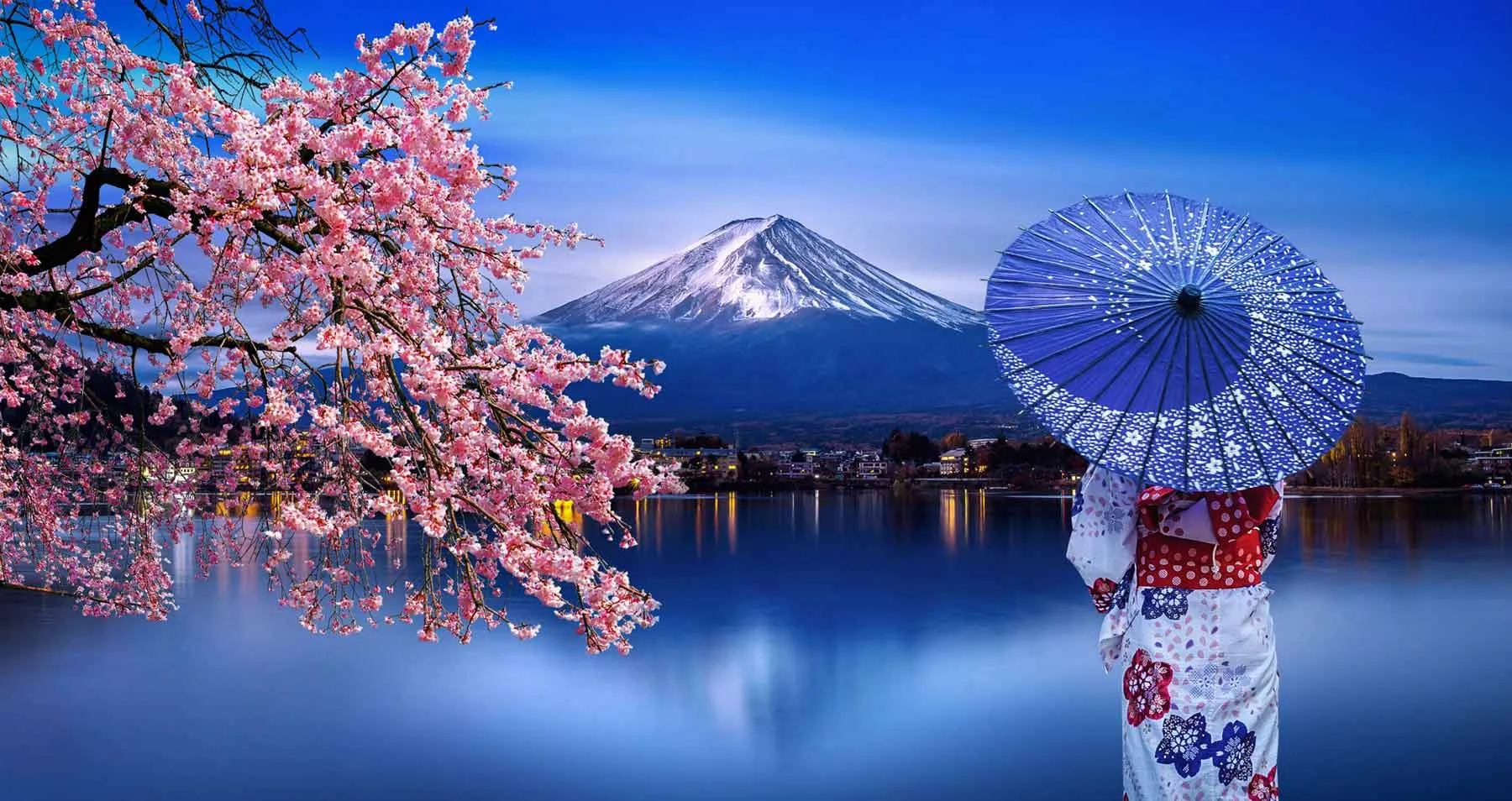
Begin with Tokyo’s historical side rather than trying to cover the whole city. Asakusa and Senso-ji are a natural starting point, followed by a contrasting area such as Meiji Shrine and the surrounding neighbourhoods.
The point of the day is to understand how old and new Japan coexist, not simply to collect famous landmarks. Leave room for local food, a garden, or a quieter walk between major stops.
Travellers who want to add a second Tokyo day can extend the programme through our Tokyo tours.
Overnight stay in Tokyo.
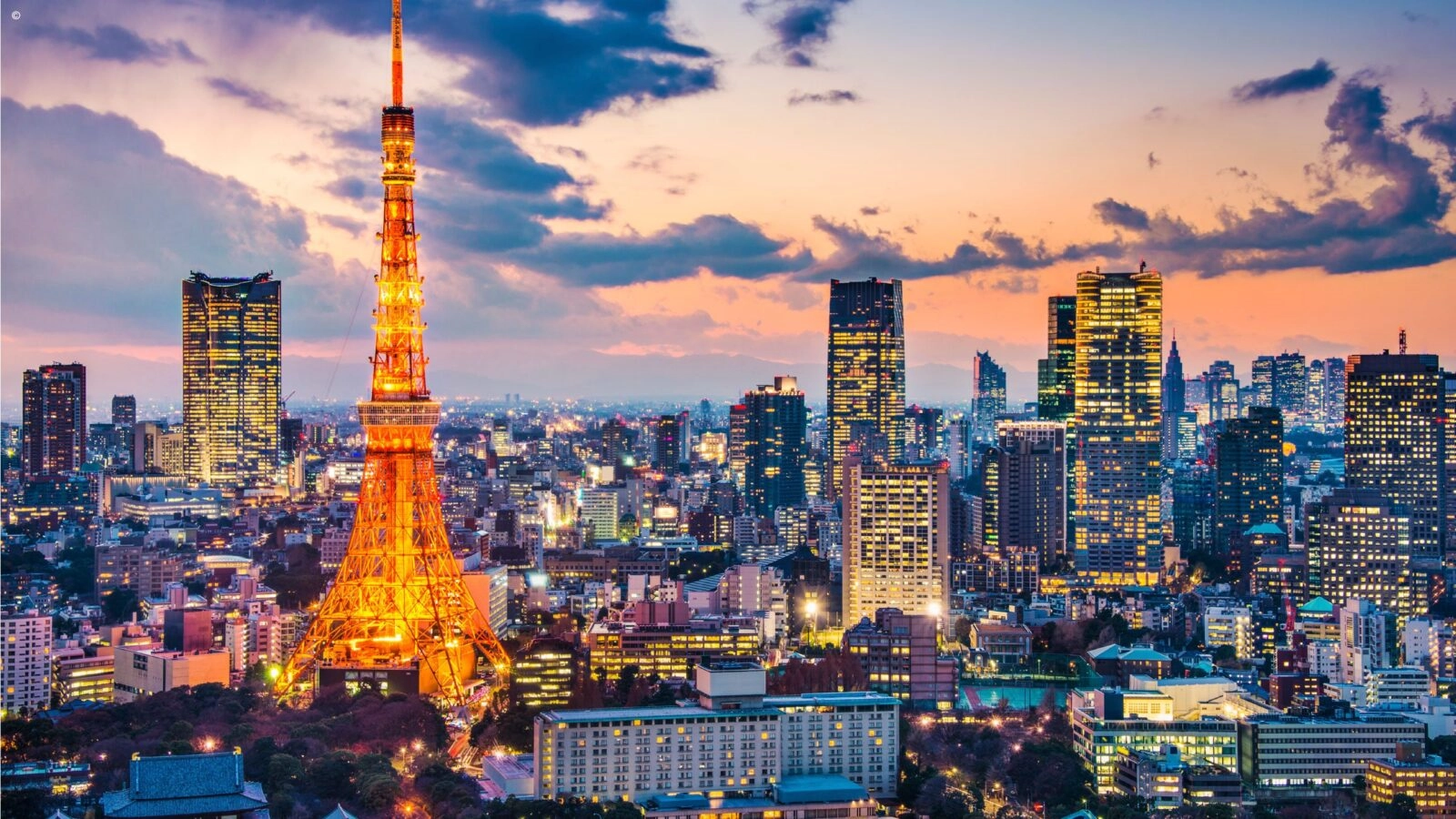
Leave Tokyo for Nikko, a mountain town known for ornate shrines, temple complexes and forested surroundings. The change in atmosphere is immediate after the capital.
Spend the afternoon around the Toshogu Shrine area and nearby heritage sites, allowing enough time to walk through the cedar-lined setting rather than treating Nikko as a quick day trip.
An overnight stay makes the visit calmer and gives this cultural route more depth than returning to Tokyo the same evening.
Overnight stay in Nikko.

Continue from Nikko toward Hakone. This is one of the longer transfer days, so keep the sightseeing light after arrival.
Depending on timing and local conditions, you may have time for Lake Ashi, a short walk, an art museum or simply a relaxed evening at your accommodation.
Hakone adds a mountain and onsen element to the itinerary, creating a pause between the temple-focused opening days and the cultural cities that follow.
Overnight stay in Hakone.
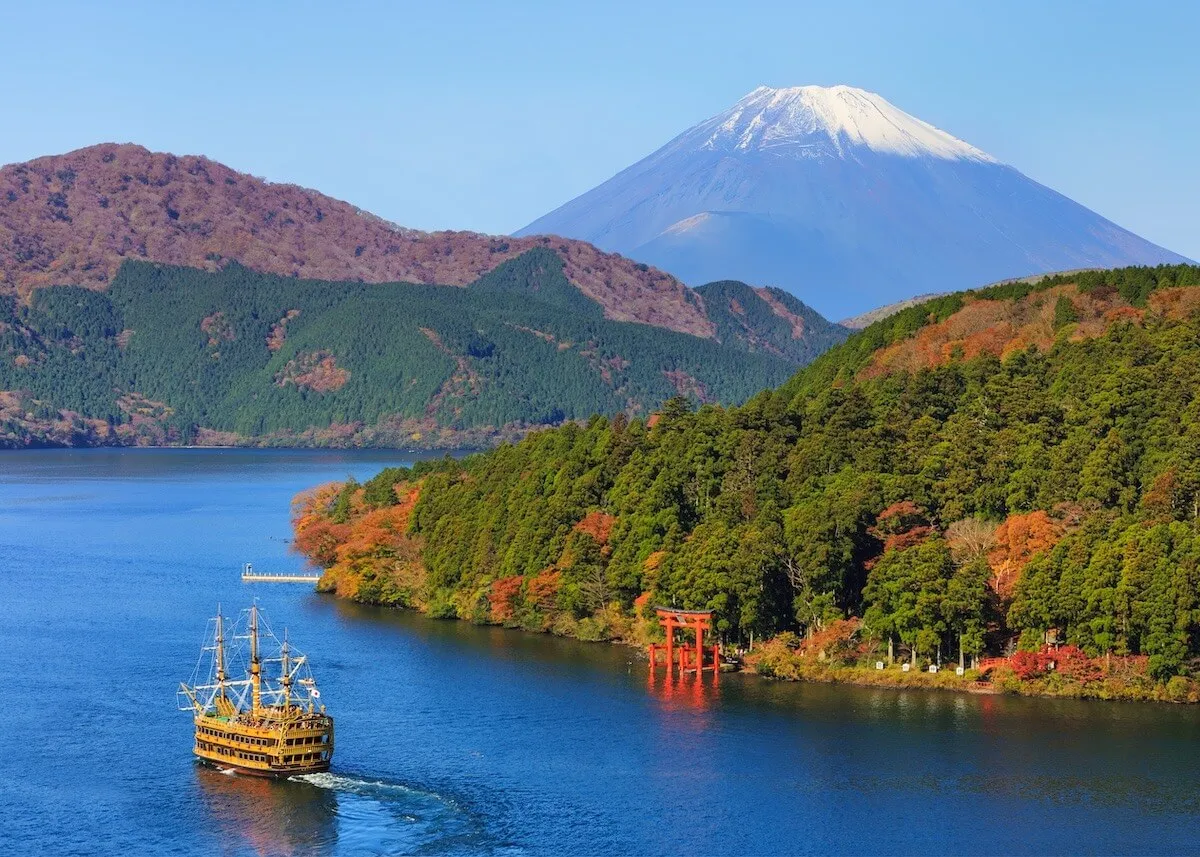
After breakfast, continue to Kyoto. If skies are clear, parts of the Hakone region may offer views toward Mt. Fuji, but visibility is never guaranteed.
On arrival in Kyoto, check in and keep the first evening simple with a walk through Gion, Yasaka Shrine or nearby traditional streets.
Kyoto receives three nights in this itinerary because its temples, gardens and neighbourhoods deserve more than a rushed one-day visit.
Overnight stay in Kyoto.
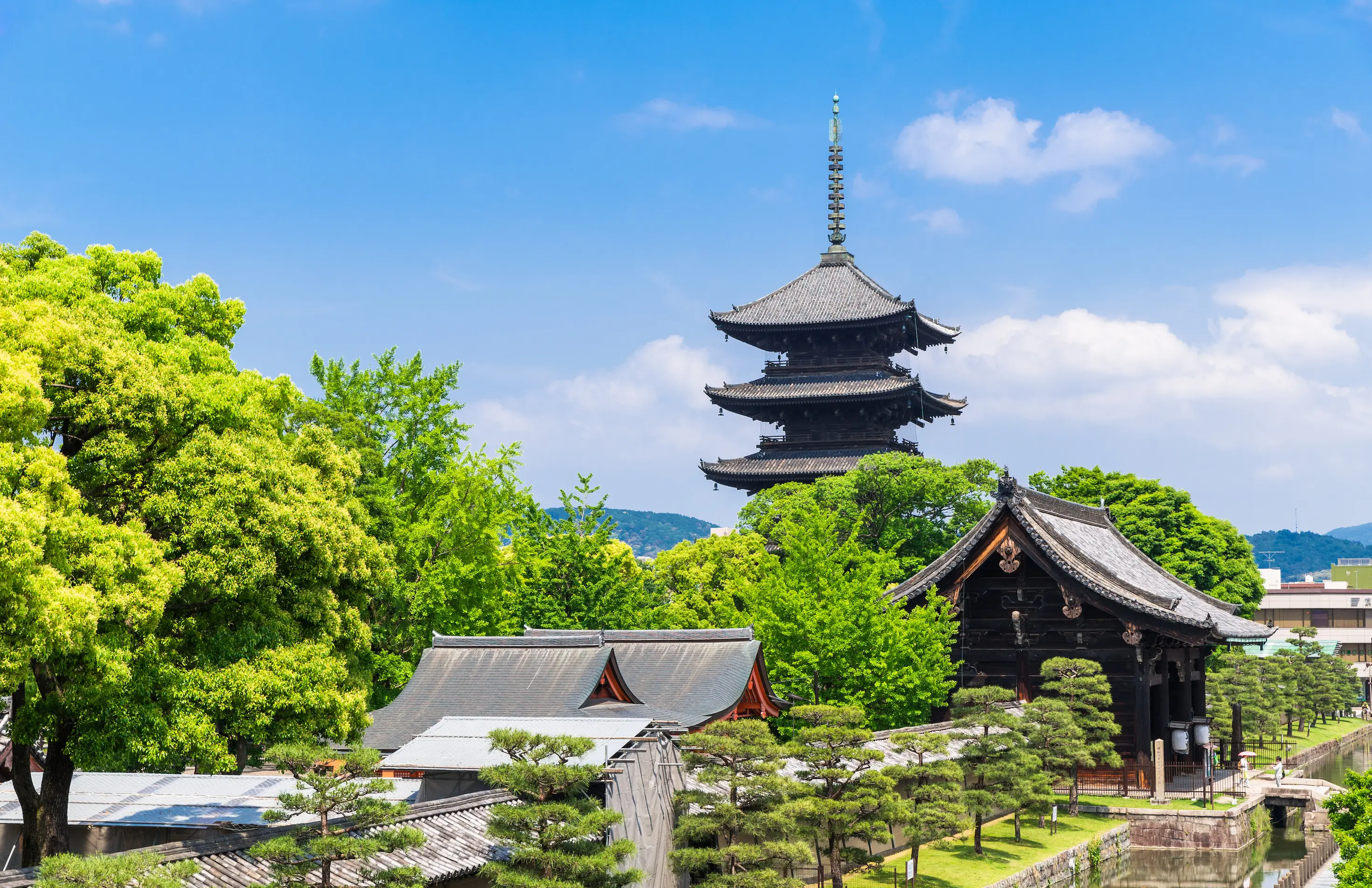
Dedicate the day to Kyoto’s eastern cultural districts. A well-paced route may include Kiyomizu-dera, Higashiyama, Yasaka Shrine and one additional temple or garden.
Rather than rushing between distant landmarks, spend more time walking the old streets and observing the details that make Kyoto memorable: small shrines, wooden houses, gardens and neighbourhood life.
If you are interested in tea, crafts or a guided cultural experience, this is one of the best days to include it.
Overnight stay in Kyoto.
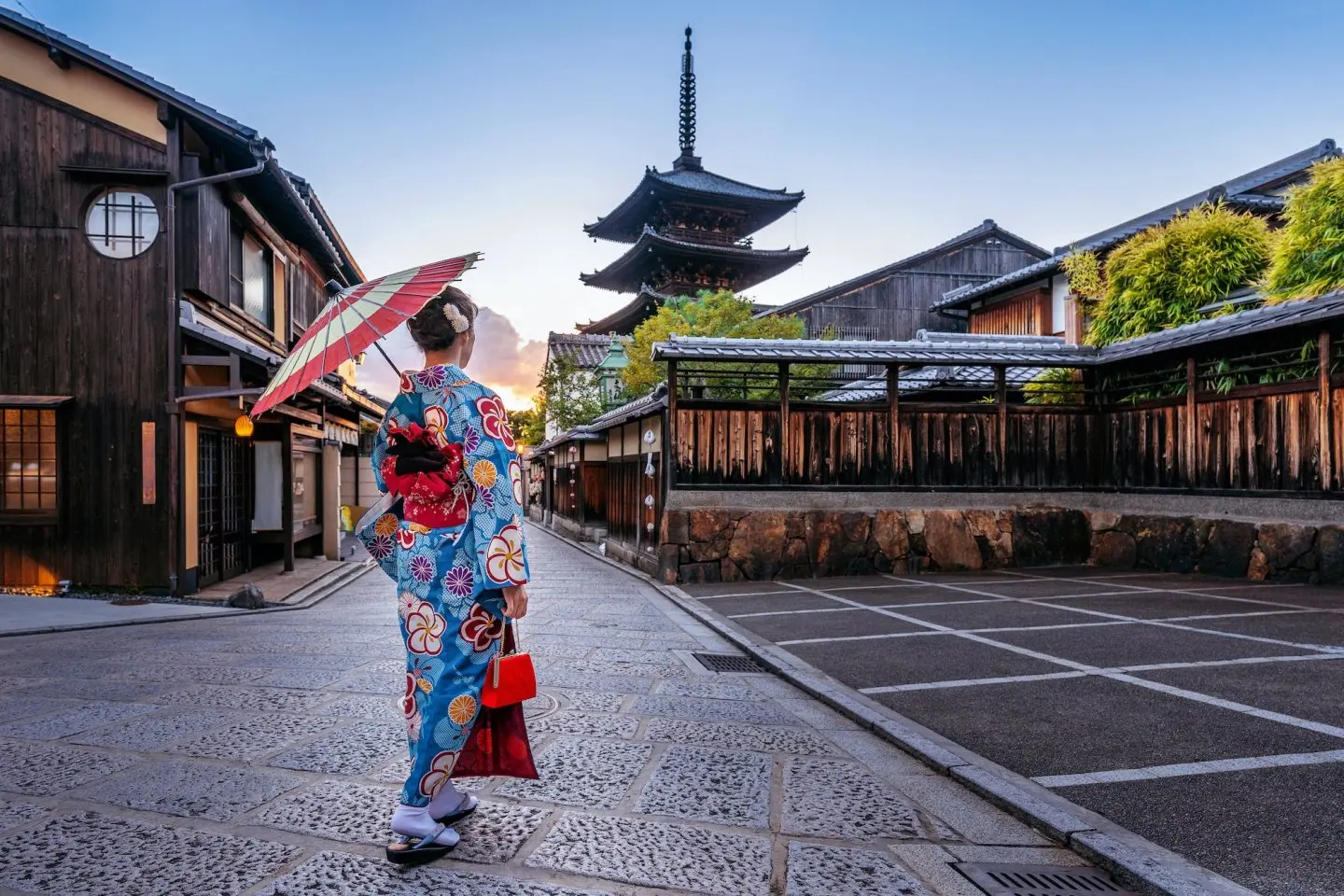
Use the second full day in Kyoto for Arashiyama and western Kyoto. Visit the bamboo grove, Tenryu-ji and the riverside area, then choose one additional temple, garden or quieter neighbourhood.
This day has a different mood from eastern Kyoto, with more emphasis on landscape, gardens and Zen-influenced spaces.
Keeping a second full day in the city helps avoid the common mistake of turning Kyoto into a long sequence of rushed temple stops.
Overnight stay in Kyoto.
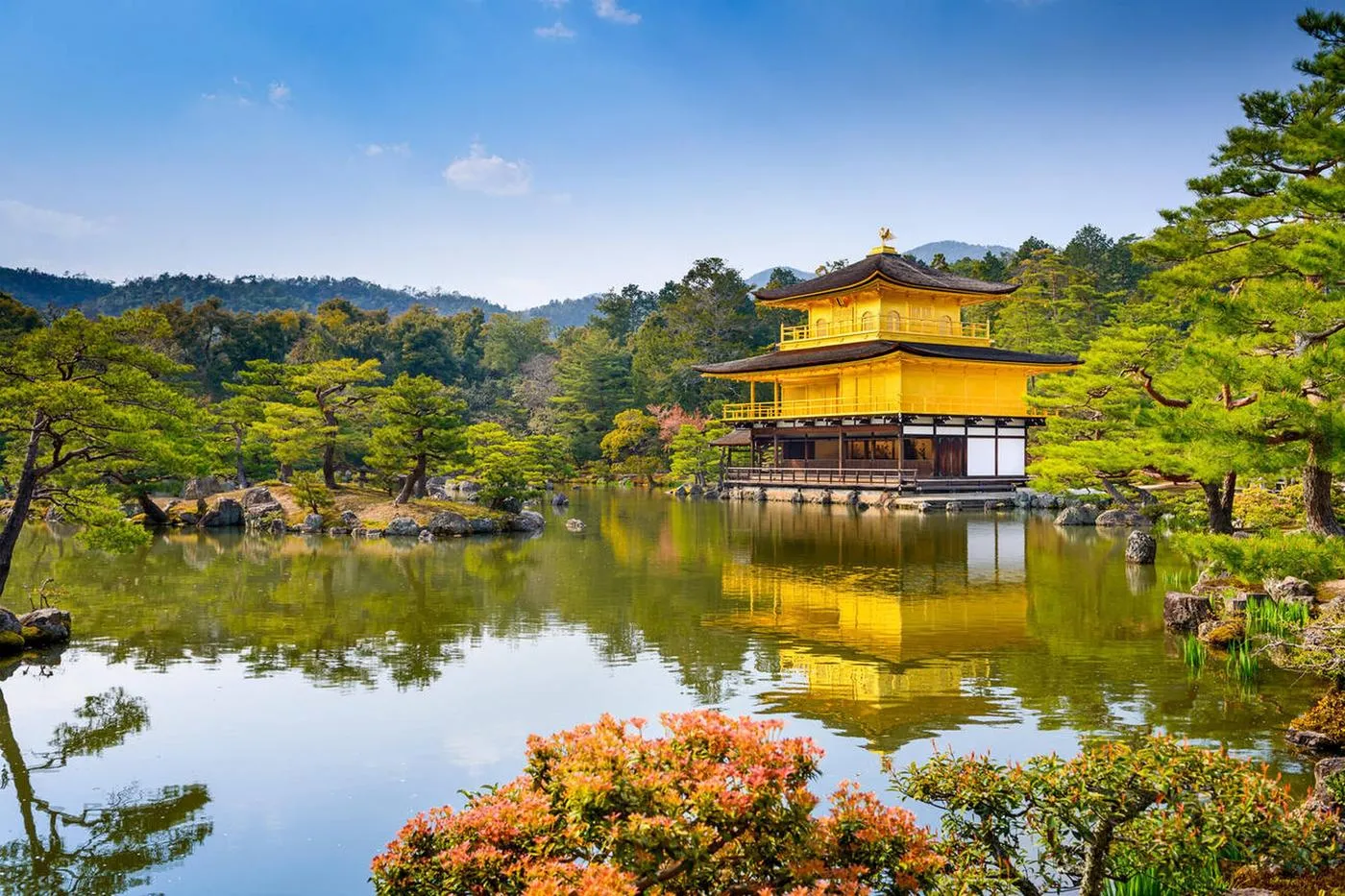
Travel to Nara and spend the day exploring one of Japan’s most important early cultural capitals.
Todai-ji, Nara Park and the surrounding temple area form the core of the visit, but the day is more rewarding if you leave time to walk rather than moving quickly from one landmark to another.
Stay overnight in Nara to experience the city after many day visitors have left.
Overnight stay in Nara.
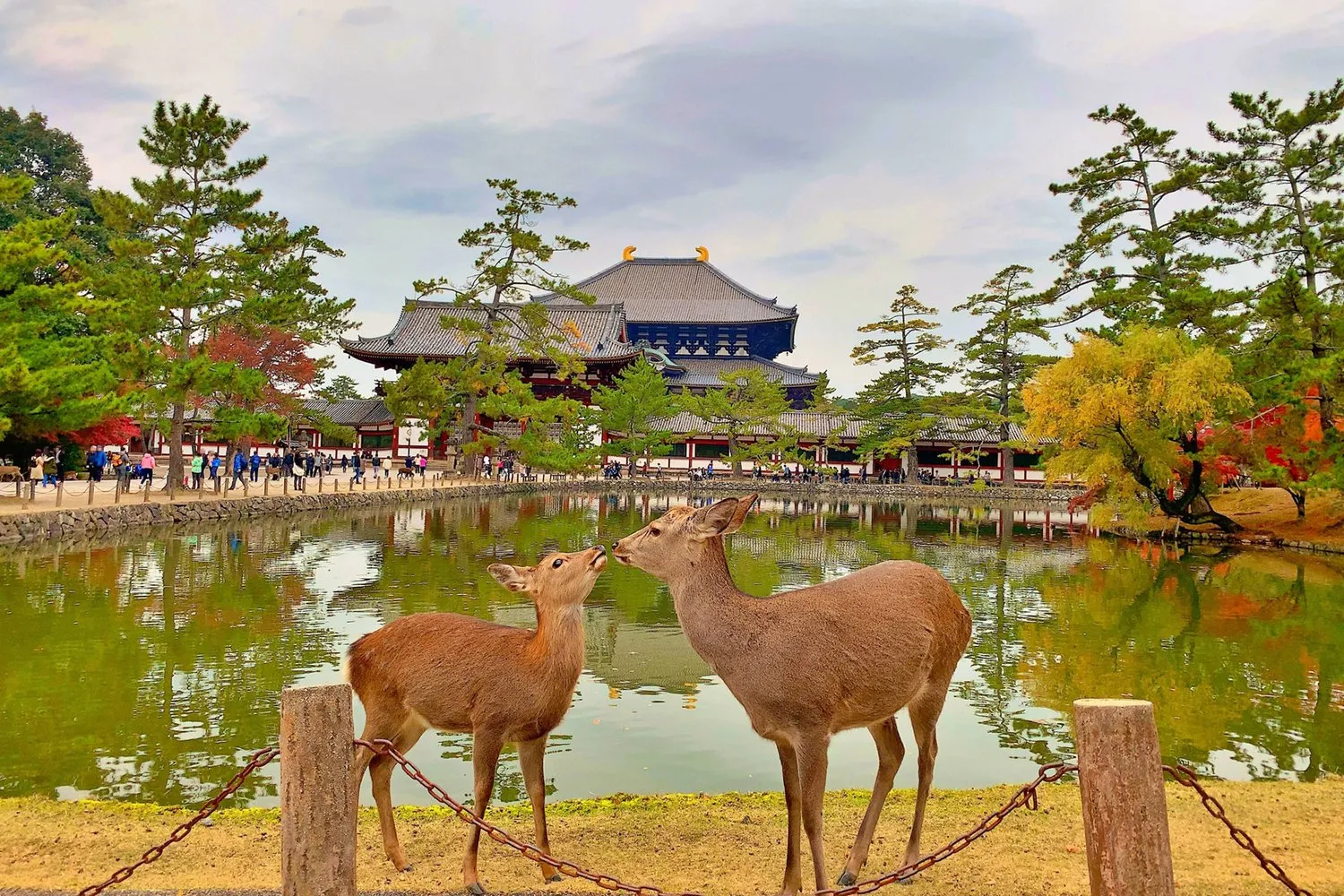
Continue to Koyasan, one of Japan’s most important Buddhist centres. The journey itself is part of the experience, moving away from the cities into a forested mountain setting.
Spend the afternoon exploring the temple town, Okunoin area and surrounding paths. If your travel arrangements allow, consider a temple lodging stay for a more immersive experience.
Temple lodging standards, meal styles and religious activities vary by property, so the exact experience should be confirmed for the chosen accommodation.
Overnight stay in Koyasan.
Leave Koyasan and continue to Osaka. The contrast is sharp: after a quiet mountain temple stay, the route finishes in one of Japan’s liveliest urban centres.
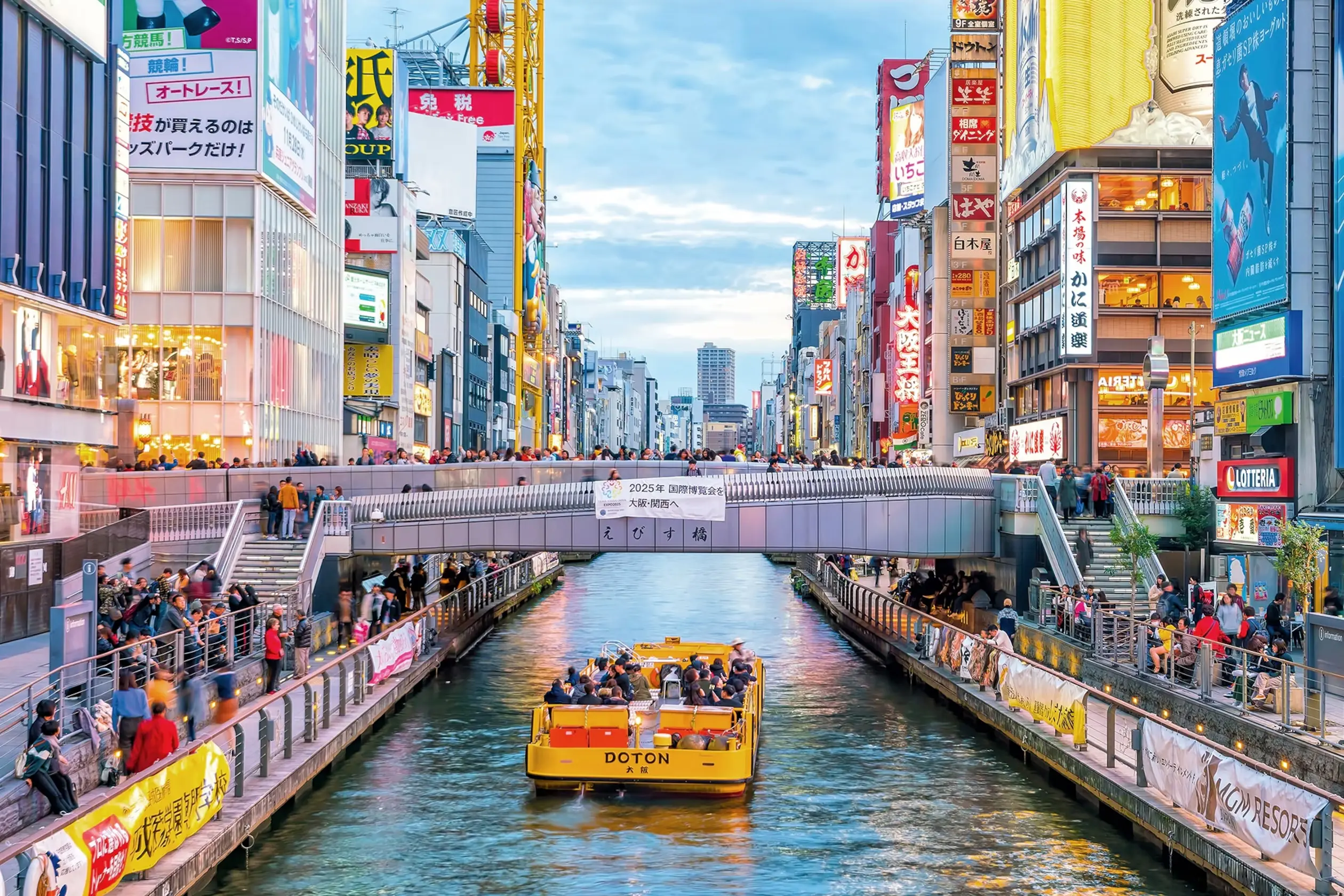
Use the afternoon and evening for Osaka Castle, Namba, Dotonbori or another neighbourhood depending on your arrival time and interests.
Food is part of the Osaka experience, so leave room for a relaxed dinner rather than trying to fill every hour with sightseeing.
Overnight stay in Osaka.
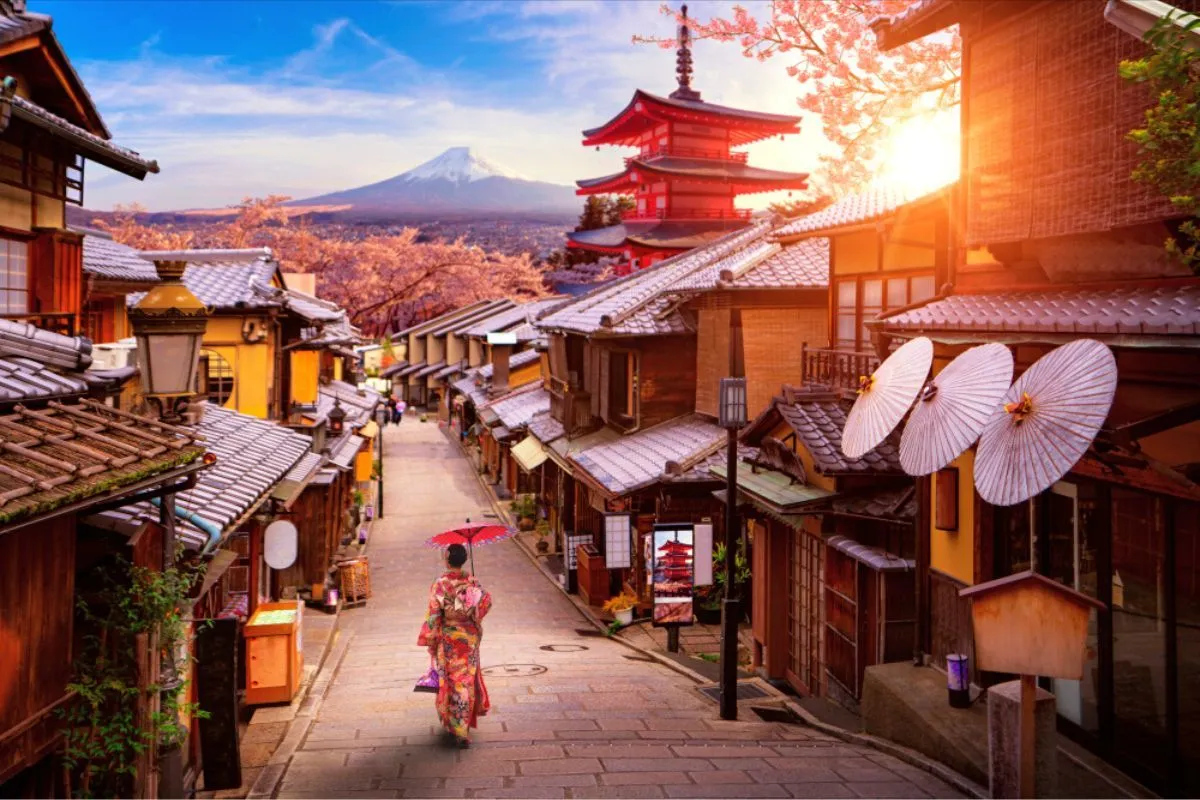
After breakfast, check out and transfer to the airport or rail station for your onward journey.
If your departure is later in the day, keep the final morning flexible with a short local walk, shopping stop or relaxed meal near your hotel.
The journey ends after moving from Tokyo and Nikko through Hakone, Kyoto, Nara and Koyasan before finishing in Osaka, giving the trip a clear cultural progression rather than a simple city checklist.
Tour ends in Osaka.
Share your travel dates, preferred hotels and interests. Our travel experts will customize this itinerary to match your trip duration, travel style and budget.
Get quick assistance with itinerary changes, hotels, transport, sightseeing and tour extensions.
Chat on WhatsAppReal moments and recent experiences shared by travellers who planned their holidays with Tusk Travel.
We appreciated our travel design er (Ovijit) was able to customize our trip to add in additional stops and tailor our hotels to what we were looking for.
The most beautiful trip I have ever had. With Tusk Travel I felt very happy and safe.
Tusk arranged a custom trip for us that included luxurious resort stay, elephant watching with ethical guides, hiking in the Knuckles mountain range.
My family and I loved the experience of getting to know India and the Maldives, which we will cherish in our memories and with a desire to return. And we are grateful to you and Tusk Travel for providing us with this experience.
Hello, I wanted to thank all the staff of the company for their work in organizing the tour and the good treatment they had with us.
Share your trip details. We’ll send a personalized itinerary and quote within 24 hours.