
Japan Cultural Heritage Tours
See Japan's Heritage as Part of a Real Journey, Not a Checklist
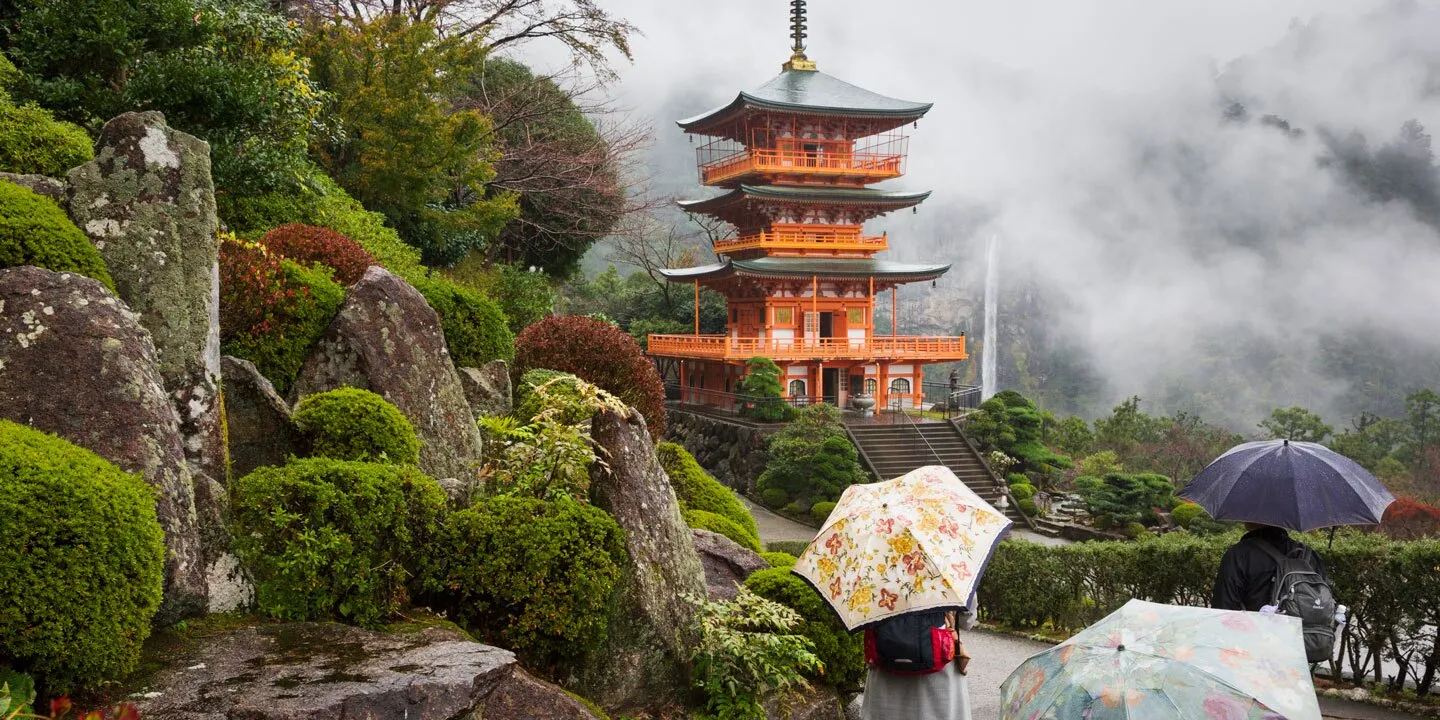
A strong Japan cultural heritage tour should do more than move from one famous temple to the next. Japan's culture becomes more meaningful when architecture, gardens, historic neighbourhoods, food, crafts, religious traditions and ordinary daily life are experienced together. That is why our routes combine major cultural centres such as Kyoto and Nara with smaller-scale places such as Takayama and Kanazawa.
The aim is not to fill every day with shrines and museums. A well-balanced cultural itinerary might include a temple district in the morning, a market or local lunch at midday, a craft or tea experience in the afternoon, and time to walk through an older neighbourhood without a guidebook in hand. These quieter moments often help travellers understand Japan more clearly than trying to see ten landmarks in one day.
Our 11 Days Japan Culture & Heritage Tour is the best starting point for this theme. It links Tokyo, Nikko, Hakone, Kyoto, Nara, Koyasan and Osaka in a route built around cultural depth rather than speed. Longer journeys can add Takayama, Kanazawa, Hiroshima and Miyajima.
What Does a Cultural Heritage Tour of Japan Include?
Cultural travel in Japan can include Buddhist temples, Shinto shrines, historic castles, traditional gardens, preserved merchant and samurai districts, tea culture, local crafts, markets, old post towns and regional food traditions. The important part is how these experiences are connected.
A temple has more value when you understand how it fits into the neighbourhood around it. A craft workshop becomes more meaningful when you have already seen how the material appears in local architecture or daily life. A traditional inn can be memorable when the stay is treated as part of the journey rather than simply a more expensive hotel night.
Kyoto: The Cultural Anchor of a First Japan Trip
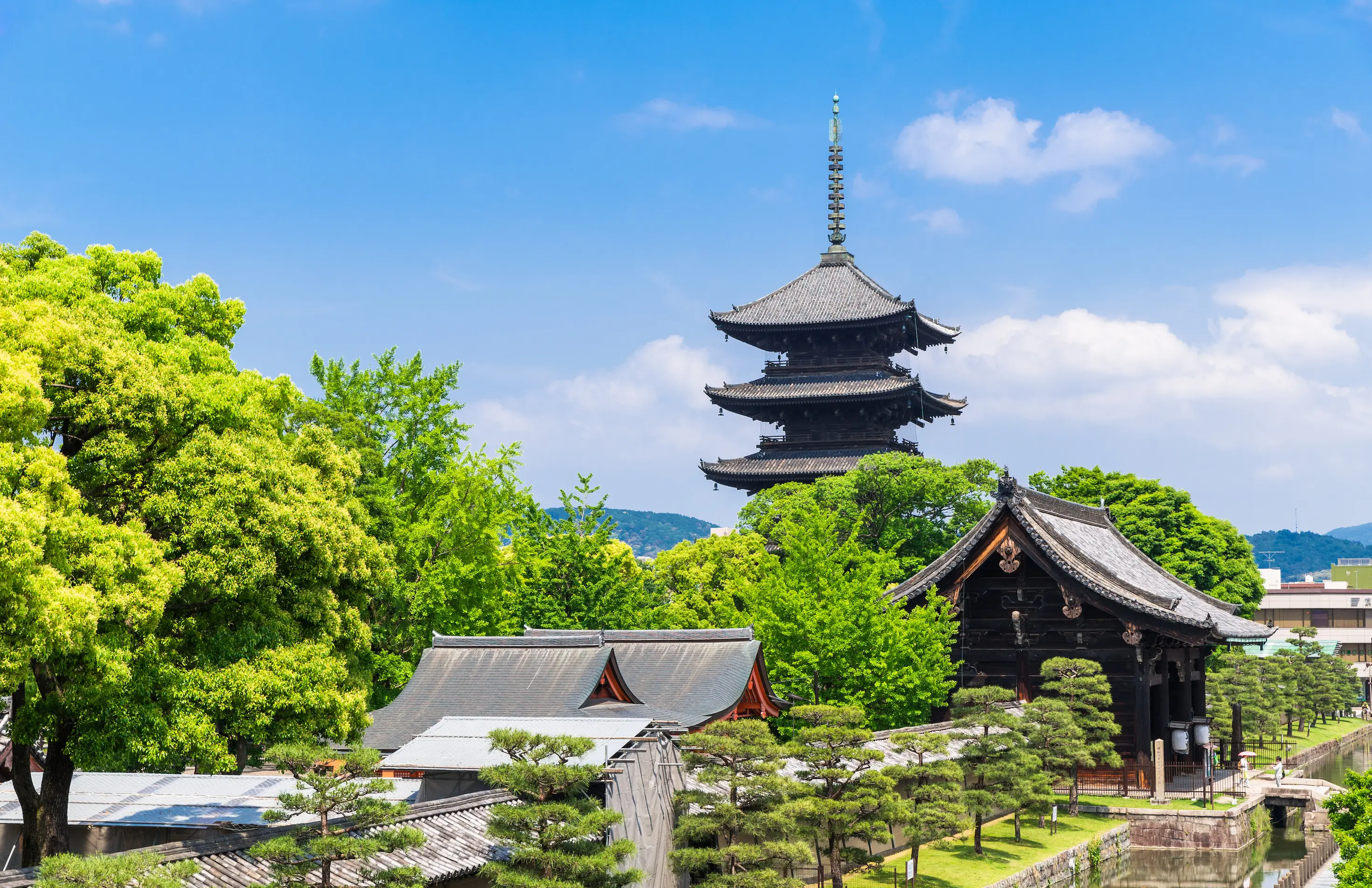
Kyoto is the natural centre of many first-time cultural itineraries because temples, shrines, gardens, traditional streets and craft traditions are concentrated across several distinct districts. But the city is large enough that trying to cover everything in one day usually produces a poor experience.
We recommend at least two full sightseeing days when Kyoto is a priority. One day can focus on eastern Kyoto and Higashiyama, while another can take in Arashiyama, selected gardens, cultural activities or quieter neighbourhoods. Three nights is often more useful than two because it gives time for an evening walk and a slower morning.
Travellers who prefer a short Kansai-focused route can begin with the 6 Days Kyoto, Nara & Osaka Tour. For a broader first trip, the 7 Days Tokyo & Kyoto Tour with Nara keeps the route simple with two main bases.
Nara: Ancient Heritage Without Another Hotel Change
Nara is one of the easiest cultural additions to Kyoto or Osaka. Temple complexes, parkland and historic religious sites give the city a different atmosphere from Kyoto, while the compact sightseeing area makes it practical as a day trip or transfer-day stop.
For many travellers, Nara works best without an overnight stay. This keeps luggage handling simple and avoids creating another hotel change just to add one cultural destination. The route can then continue naturally toward Osaka.
Kanazawa: Samurai Districts, Gardens and Traditional Crafts
Kanazawa is especially valuable for travellers who want cultural depth beyond Kyoto. The city combines one of Japan's most celebrated landscape gardens with historic samurai and teahouse districts, while traditional crafts remain part of the local identity.
Kanazawa works well between the Japanese Alps and Kyoto, or as part of a rail-based itinerary. Our 12 Days Japan by Train Tour uses Kanazawa as a meaningful cultural stop rather than a quick overnight.
Takayama and the Japanese Alps: Heritage at a Smaller Scale
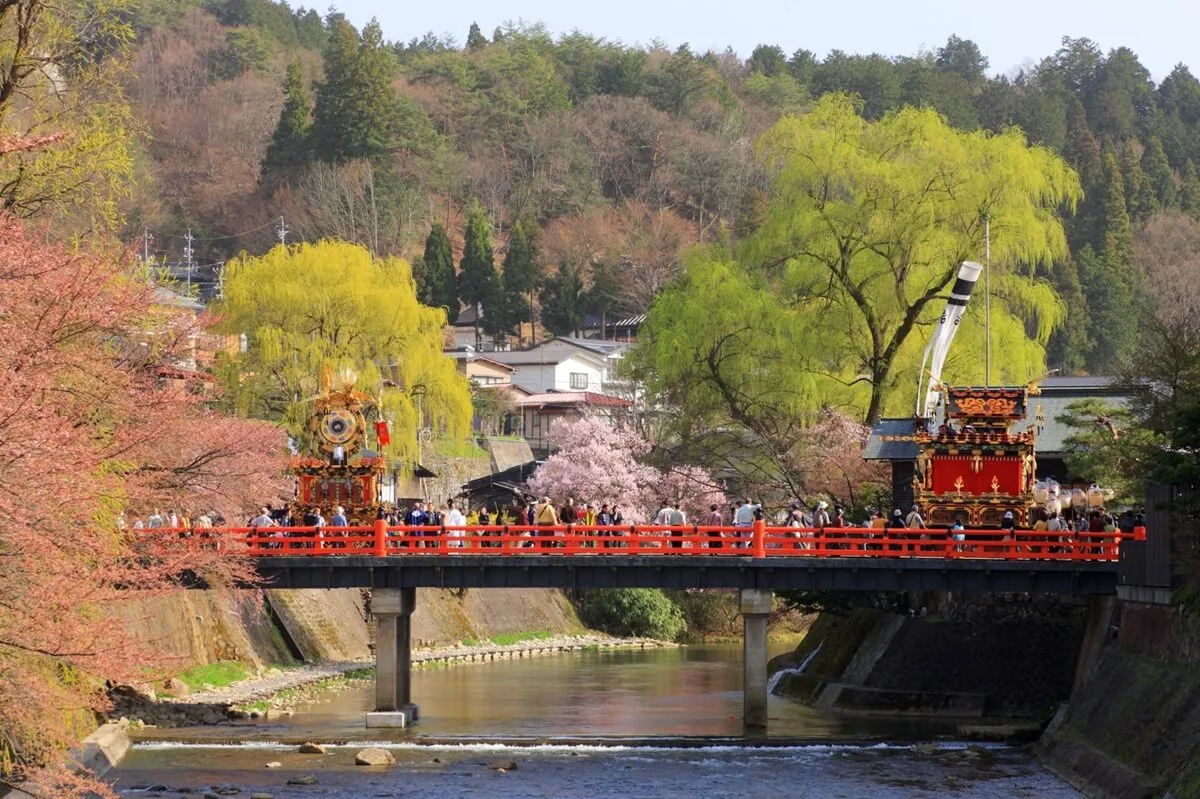
Takayama offers something different from Kyoto. Its preserved old town is compact, walkable and closely connected to regional food, morning markets and the mountain culture of central Japan. It is a good choice for travellers who want a quieter historic atmosphere after the larger cities.
The 9 Days Japan Alps Tour links Takayama with Shirakawa-go and Kanazawa. For more time, the 14 Days Grand Japan Tour gives the mountain section a larger role before continuing toward Kyoto and Hiroshima.
Shirakawa-go: Best Used as Part of a Logical Route
Shirakawa-go is most useful when it sits naturally between Takayama and Kanazawa. The traditional farmhouses and mountain setting are distinctive, but the village does not need to become a separate destination page or a one-night stop for every traveller.
Visiting while moving between the Alps and Kanazawa avoids backtracking and makes the stop feel connected to the wider cultural story of rural central Japan.
Hiroshima and Miyajima: Culture, Memory and Sacred Landscape
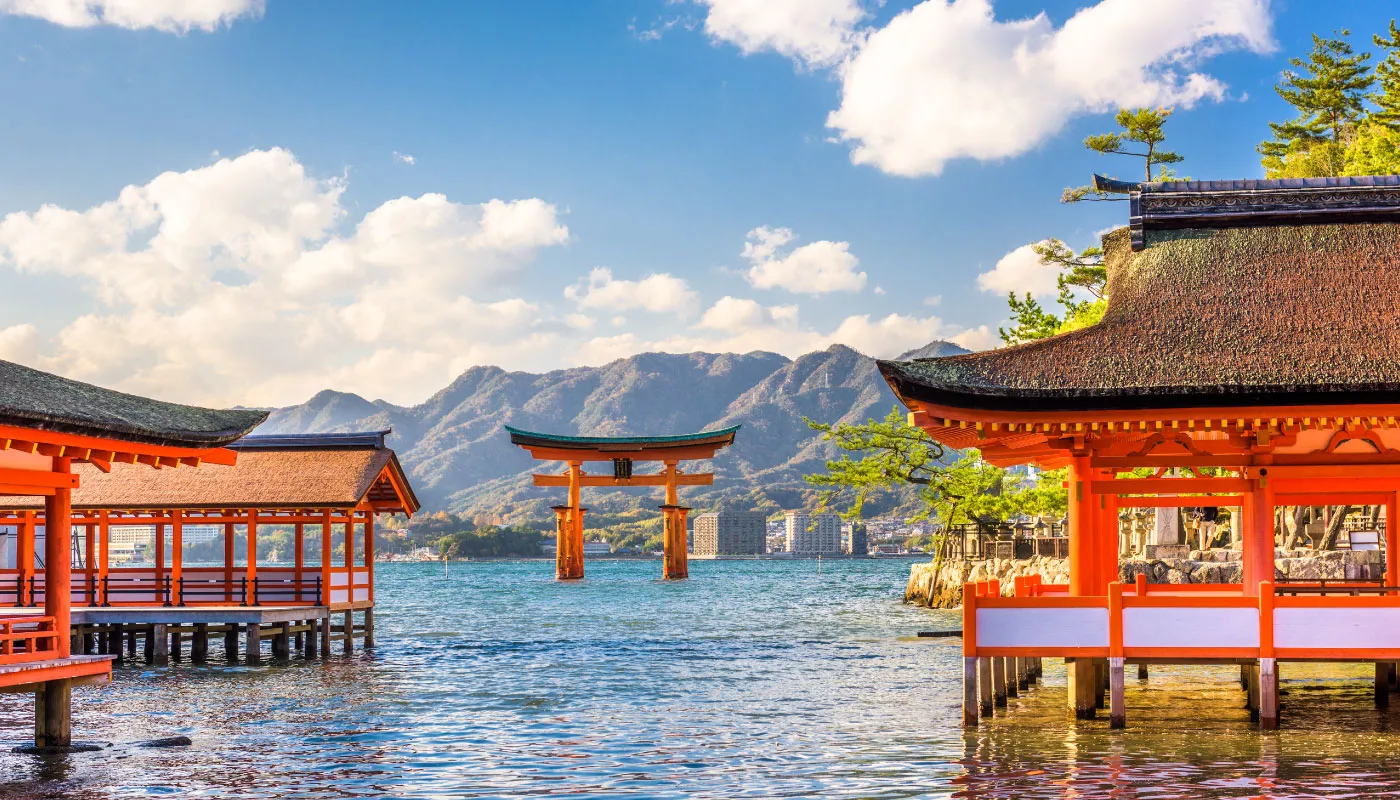
A cultural heritage itinerary becomes more complete when it includes modern history as well as older temples and castles. Hiroshima provides that contrast. Peace Memorial Park requires time and context, while nearby Miyajima adds a very different atmosphere through its shrine setting, waterfront and island landscape.
We prefer to separate Hiroshima and Miyajima when the itinerary allows. The 9 Days Tokyo, Kyoto, Osaka & Hiroshima Tour is a strong shorter option, while the 12 Days Japan Alps, Kyoto & Hiroshima Tour combines older cultural centres with modern history.
Koyasan and Temple-Stay Experiences
Travellers interested in Buddhism and spiritual culture may want to include Koyasan. A temple lodging can provide a very different experience from a city hotel, but accommodation standards, meal style, bathing arrangements and participation in religious activities can vary by property.
We therefore treat a temple stay as an experience that should match the traveller, not as something every cultural itinerary must include. The 11-day culture and heritage route uses Koyasan for travellers who want this deeper spiritual dimension.
Tea, Crafts and Food Are Part of Cultural Travel
Culture is not limited to monuments. A tea experience, craft workshop, market visit or carefully chosen meal can make a cultural itinerary more human. These experiences are particularly valuable after several temple-heavy days because they change the rhythm of the trip.
In Kyoto, Kanazawa and other traditional centres, we can substitute one sightseeing stop for a hands-on cultural experience. This is often more memorable than simply adding another famous landmark to the schedule.
Historic Gardens: See Them Slowly
Japanese gardens reward time and attention. The value is not only in the design itself but in how stone, water, planting, borrowed scenery and seasonal change work together. A rushed fifteen-minute stop rarely does justice to an important garden.
If gardens are a major interest, tell us before the route is built. Kyoto and Kanazawa can then receive more time, and the daily itinerary can include fewer competing attractions.
How Much Walking Is Involved?
Cultural tours of Japan can be physically active even when they are not described as adventure travel. Temple districts, railway stations, gardens, old towns and castle grounds often involve long periods on foot, stairs and uneven surfaces.
Travellers who prefer a gentler pace should say so early. We can reduce the number of sites, use private transfers selectively, choose better-located hotels and create more breaks. A slower cultural itinerary is not a lesser itinerary. It usually leads to a better understanding of the places visited.
Best Time for a Japan Cultural Heritage Tour
Cultural routes work throughout much of the year because temples, historic districts, museums and traditional neighbourhoods are not dependent on one season. The experience changes with weather and crowd levels.
- Spring: Popular for mild weather and cherry blossoms. If sakura is central to the trip, explore our Japan cherry blossom tours.
- Summer: Longer daylight can be useful, but heat and humidity can make walking-heavy cultural days tiring.
- Autumn: Excellent for gardens, temple districts and walking. Our Japan autumn foliage tours combine cultural sites with seasonal colour.
- Winter: Quieter conditions in some cultural cities can be rewarding, although daylight is shorter and mountain areas need seasonal planning.
How Many Days Do You Need for a Cultural Tour of Japan?
Six or seven days can work for Kyoto, Nara and Osaka, or Tokyo plus Kyoto. Around ten or eleven days is better if you want Tokyo, Kyoto, Nara and one deeper cultural extension. Twelve to fourteen days creates room for Takayama, Kanazawa, Hiroshima or Koyasan without changing hotels every night.
The number of days should reflect how deeply you want to experience the destinations, not simply how many cities you want to list. Three meaningful nights in Kyoto are usually more useful than one night each in three additional towns.
Etiquette: What Travellers Should Know
Cultural travel is more enjoyable when basic etiquette is understood. Speak quietly in religious spaces, follow photography restrictions, remove shoes when requested, avoid blocking paths for photographs and respect areas that are closed to visitors.
At shrines and temples, you do not need to imitate every ritual if you are unsure what it means. Observing respectfully is perfectly appropriate. Guides can explain local customs when a deeper understanding would improve the visit.
Private Guide or Independent Sightseeing?
A private guide adds the most value in places where context changes what you see. Kyoto, Nara, Kanazawa and Hiroshima are good examples. Architecture, religious history and local customs can be difficult to understand from signs alone.
That does not mean every day needs a guide. Independent afternoons, food evenings and neighbourhood walks are equally important. A well-designed private Japan tour uses guiding selectively rather than making the traveller follow someone from breakfast to dinner.
Why Choose a Private Japan Cultural Heritage Tour?
Cultural interests are personal. One traveller may care about Buddhist history, another about gardens, architecture, ceramics, samurai culture, food or traditional inns. A fixed group route rarely gives all of these interests the right amount of time.
Tusk Travel can start with one of the itineraries below and reshape it around your interests, travel month, preferred pace, hotel category and transport style. We can add private guiding where it matters, leave free time where it does not, and avoid overloading the trip with heritage sites simply because they are famous.
The result should feel like a journey through Japan's living culture rather than a catalogue of old buildings.
Popular Japan Cultural Heritage Tour Packages

11 Days Japan Culture & Heritage Tour
8 Days Western Japan: Osaka, Nara, Kyoto & Hiroshima
9 Days Tokyo, Kyoto, Osaka & Hiroshima Tour
10 Days Japan Golden Route with Hiroshima
10 Days Tokyo, Kyoto, Hiroshima & Osaka Tour

12 Days Japan by Train: Tokyo, Kanazawa, Kyoto, Hiroshima & Osaka
12 Days Japan Alps, Kyoto & Hiroshima Tour
14 Days Grand Japan: Tokyo, Alps, Kyoto & Hiroshima
Japan Cultural Heritage Tours: Frequently Asked Questions
Kyoto and Nara are the strongest first-time cultural destinations, while Kanazawa, Takayama, Shirakawa-go, Hiroshima and Koyasan can add gardens, old towns, crafts, modern history and spiritual experiences to a longer route.
Six to seven days can work for Kyoto, Nara and Osaka or a simple Tokyo-Kyoto combination. Around ten to fourteen days is better if you want to add Takayama, Kanazawa, Hiroshima or Koyasan without rushing.
Kyoto is the strongest cultural base for many first-time visitors, but adding Nara, Kanazawa, Takayama or Hiroshima gives the trip more variety. These places show different periods, regional traditions and types of heritage.
Yes. Tea, crafts, food experiences and workshops can be included where suitable. We often recommend replacing one sightseeing stop with a meaningful hands-on activity instead of making the day longer.
Not always. Temple lodging can be memorable, but room style, meals, bathing arrangements and religious schedules may be different from a normal hotel. We recommend it for travellers who genuinely want the experience rather than adding it automatically to every cultural tour.
They can. Temple districts, gardens, stations and old towns often involve substantial walking and some stairs. The itinerary can be slowed down with fewer stops, better-located hotels and selected private transfers if mobility or endurance is a concern.
Yes. We can shape the route around interests such as temples, gardens, Buddhism, samurai history, architecture, crafts, food, traditional inns or modern history, then adjust the pace, guiding and transport to suit the traveller.