
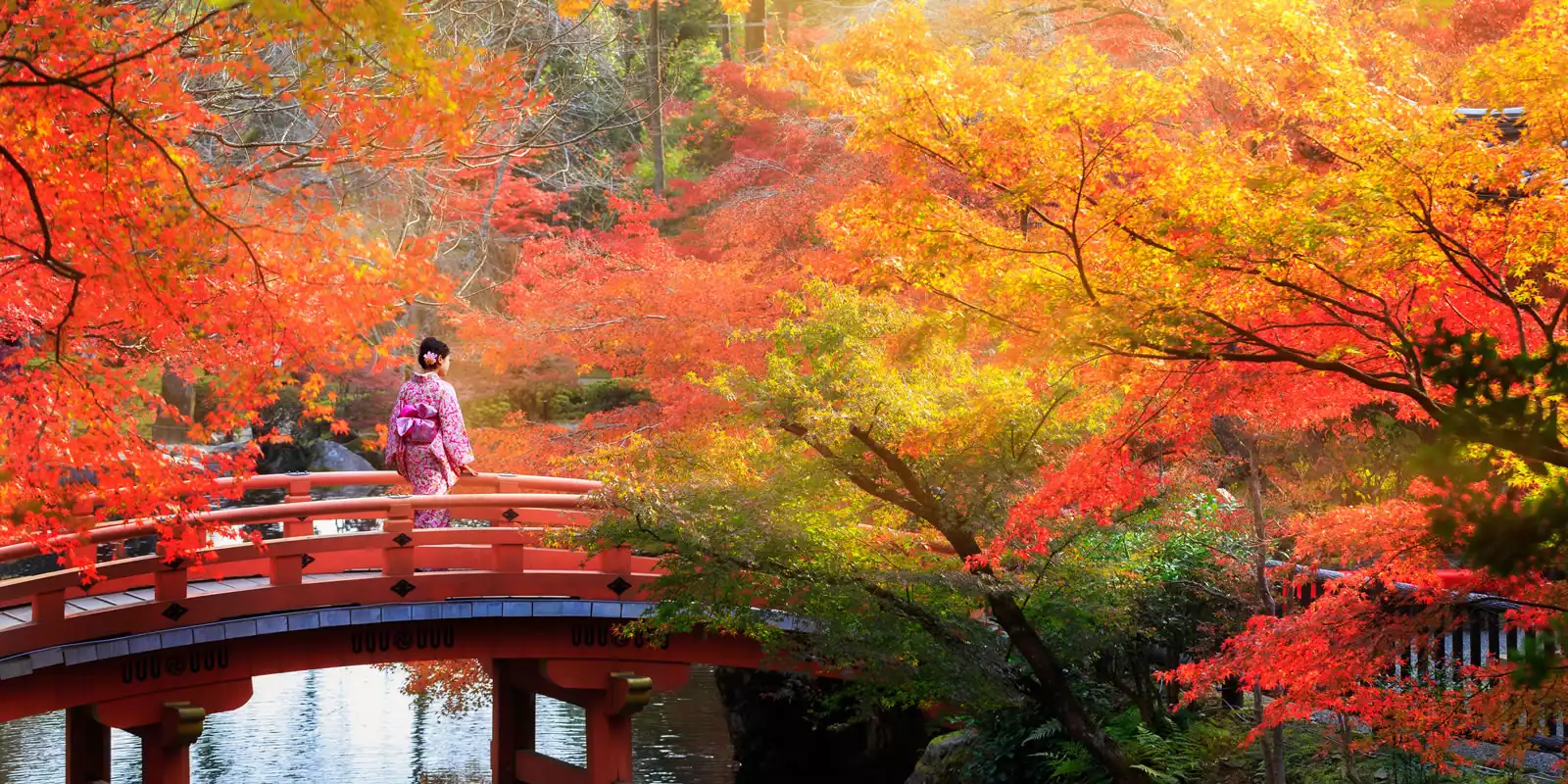
Japan Autumn Foliage Tours
Plan a Japan Autumn Tour Around the Foliage, Not Just the Calendar
Japan's autumn leaves, known as koyo, do not peak everywhere at the same time. The colour season generally begins earlier in colder northern regions and higher elevations, then moves gradually toward lower and warmer cities. That is why a successful Japan autumn foliage tour should be planned around geography, elevation and travel dates rather than one fixed nationwide "best week."
A well-designed autumn route can combine early-season mountain colour with later-season gardens, temples and city parks. Travellers visiting in October may find stronger conditions in Hokkaido or the Japanese Alps, while many classic city locations around Tokyo and Kyoto are often better later in the season. Weather can shift the timing each year, so flexibility is part of the planning.
Our dedicated 10 Days Japan Autumn Foliage Tour is a strong starting point for travellers who want Tokyo, Nikko, Hakone, Kyoto, Nara and Osaka in one seasonal journey. It can be adjusted according to the forecast, your travel month and whether you prefer mountain scenery, temple gardens, photography, cultural sightseeing or a mix of all four.
What Makes Autumn in Japan Different from Cherry Blossom Season?
Spring and autumn are both highly seasonal, but autumn usually gives planners a broader geographical window. The foliage starts earlier in the north and at higher elevations, then progresses south and into lower city areas. This means travellers can often improve their chances by choosing a route that follows the colour rather than staying in one region for the entire trip.
Autumn also combines very naturally with walking, food and cultural travel. Days are often comfortable for sightseeing, evenings can be cool, and gardens, mountain roads, old towns and temple districts all take on a different character as the leaves turn red, orange and yellow.
When Is the Best Time to See Autumn Leaves in Japan?
There is no single national peak date. In a typical year, autumn colour begins in colder northern and high-altitude areas first, then moves south and downward through the season. Broadly, the foliage period can stretch from late September in some mountain areas to early December in warmer cities.
For planning purposes, think of Japan's autumn season in stages:
- Late September to October: Better suited to Hokkaido, higher mountain areas and some alpine routes.
- October to early November: Useful for parts of the Japanese Alps, higher-elevation destinations and selected northern regions.
- November: One of the strongest months for a broad Japan itinerary, with many central regions, Nikko, Tokyo side trips, Kyoto and western Japan becoming increasingly colourful.
- Late November to early December: Often important for lower-elevation city gardens and warmer areas, including parts of Kyoto, Osaka and Tokyo.
These are planning ranges, not guarantees. Temperatures and weather patterns affect each year's colour progression, so we recommend using the latest forecast close to departure and keeping some day-trip flexibility where possible.
Best Places for Autumn Foliage in Japan
The best destination depends on your dates. A beautiful autumn trip does not require visiting every famous foliage spot. It is usually better to combine a few strong regions that work naturally on the same route.
- Nikko: Nikko is one of the most useful autumn additions from Tokyo because elevation creates a long seasonal progression. Mountain areas can turn earlier than lower temple zones, giving the region more than one possible viewing period.
- Mt. Fuji and Hakone: The lakes and mountain setting around Mt. Fuji can be particularly photogenic in autumn. Clear mountain views are weather-dependent, so the foliage should be treated as part of the experience rather than relying on a guaranteed Fuji view.
- Kyoto: Kyoto is one of Japan's classic autumn destinations because maple colour works beautifully with temples, gardens, wooden streets and hillside scenery. Late-season travel can be particularly rewarding, although popular sites can become busy.
- Japanese Alps: Travellers visiting earlier in autumn should look seriously at mountain regions around Takayama, Matsumoto and the alpine corridors. Our 9 Days Japan Alps Tour can be adapted into a foliage-focused route.
- Kanazawa: Gardens and historic districts make Kanazawa a valuable bridge between the Alps and Kyoto, especially for travellers who want autumn scenery without making the trip entirely about hiking.
- Hokkaido: Northern Japan turns earlier than Tokyo and Kyoto. If your dates are in early to mid-autumn, explore our Hokkaido tours rather than forcing a later-season Honshu itinerary.
Tokyo in Autumn: Use the City as a Flexible Base
Tokyo is useful in an autumn itinerary because it gives you flexibility. City parks and gardens may colour later than nearby mountain regions, but day trips can be adjusted according to conditions. Nikko, Hakone and Fuji-area excursions can all be considered from a Tokyo-based route.
If Tokyo itself is your priority, allow at least two full days so you are not using every day for excursions. Autumn is a comfortable season for walking through neighbourhoods such as Asakusa, Meiji Jingu, Shinjuku and the city's gardens, but peak timing still varies from year to year.
Nikko: One of the Best Autumn Side Trips from Tokyo
Nikko deserves special attention because its varied elevation can create different foliage conditions within the same region. Higher areas may turn earlier, while the temple zone and lower sections can follow later.
That makes Nikko particularly useful for travellers with flexible autumn dates. It also works well with a cultural itinerary because shrine and temple architecture gives the foliage context rather than making the day only about scenic viewpoints.
Mt. Fuji and Hakone in Autumn
The Fuji and Hakone region offers a different type of autumn experience. Instead of temple gardens, the emphasis is on lakes, mountain slopes, woodland scenery and open views. Stay overnight in Hakone if you want a slower mountain break between Tokyo and Kyoto.
The 6 Days Tokyo, Hakone & Mt. Fuji Tour works well for travellers with limited time, while longer itineraries can combine this region with Kyoto and the Alps. Remember that Mt. Fuji visibility is controlled by weather, so no autumn itinerary should promise a clear mountain view.
Kyoto Autumn Foliage: Temples, Gardens and Evening Atmosphere
Kyoto is one of the strongest reasons to travel to Japan in late autumn. Maple trees, temple gardens and hillside districts create a very different experience from spring. Kiyomizu-dera, Arashiyama, eastern Kyoto and many smaller temple gardens can all become part of a foliage-focused stay.
The challenge is crowding. Rather than visiting only the most famous places at the busiest times, we recommend mixing one or two major sights with smaller gardens, early starts and neighbourhood walking. A three-night Kyoto stay gives far more flexibility than arriving for one rushed day.
Travellers who want a broader cultural journey can combine autumn foliage with our Japan cultural heritage tours, using Kyoto, Nara, Kanazawa and Hiroshima as slower cultural sections between scenic regions.
Japanese Alps in Autumn: Best for Earlier Travel Dates
If your trip begins before the classic late-November Kyoto period, the Japanese Alps can make more sense. Elevation means colour often develops earlier than in the lower cities, and the route through Matsumoto, Takayama, Shirakawa-go and Kanazawa provides both scenery and cultural depth.
Our 12 Days Japan Alps, Kyoto & Hiroshima Tour is especially useful for travellers who want to follow the season from mountain landscapes toward later-colouring cultural cities. For a longer version, consider the 14 Days Grand Japan Tour.
Autumn in Hokkaido
Hokkaido should not be treated as a late-November substitute for Kyoto. Its autumn season generally arrives earlier because of the northern climate, with higher and colder areas changing before many of Honshu's cities.
Travellers visiting earlier in the season can combine Sapporo with Otaru, Furano, Biei or other countryside regions. The 7 Days Hokkaido Tour is a practical starting point, although the exact seasonal stops should be adjusted to your dates.
How Long Should a Japan Autumn Foliage Tour Be?
For Tokyo, Nikko, Fuji and Kyoto, around eight to ten days can work well. If you want the Japanese Alps too, twelve days gives the route more breathing room. A two-week trip is better if you want to include Takayama, Kanazawa, Kyoto and Hiroshima without reducing every place to one night.
More days also improve your chances when the weather changes. A rigid five-city schedule leaves little room to move a foliage excursion from one day to another, while a longer trip with two or three-night bases gives the itinerary flexibility.
Autumn Photography: Plan for Light, Not Just Colour
Autumn travel is popular with photographers, but strong photographs depend on more than peak leaves. Morning light, reflections, temple architecture, mist, mountain backgrounds and quieter side streets can matter as much as the exact colour percentage.
If photography is important, avoid filling every day with long transfers. Stay two nights in the most important regions, start selected days early, and keep a little unplanned time so you can return to a location when the light or weather improves.
What to Pack for Japan in Autumn
- Layered clothing: Tokyo and Kyoto can feel mild during the day while mountain regions are much cooler.
- Comfortable walking shoes: Autumn itineraries often involve long temple, garden and neighbourhood days on foot.
- Light rain protection: Weather can change, especially in mountain areas.
- A warmer layer for higher elevations: Do not pack only for the city forecast if your route includes the Alps or northern Japan.
- Day bag: Useful for carrying layers, water and camera equipment during longer walking days.
Crowds and Hotel Planning During Autumn
Popular autumn destinations can become busy, particularly Kyoto and famous foliage locations during strong colour periods. Hotel demand can also increase around weekends and seasonal events.
We recommend booking the main route early, especially if Kyoto is important to you, while keeping selected sightseeing days flexible. The best itinerary is one where the hotels and long-distance transfers are secure but individual foliage stops can still be adjusted if the season develops earlier or later than expected.
Why Book a Private Autumn Tour in Japan?
Autumn is one of the seasons where private planning adds real value. Foliage timing cannot be fixed months in advance, and different travellers care about different things. Some want temple gardens, others want mountain colour, photography, short hikes or quieter rural towns.
Tusk Travel can start with one of the itineraries below and adjust it around your dates, pace and priorities. The route can combine private guiding with independent days, use rail where it makes sense, add private transfers for harder-to-reach areas, and keep weather-sensitive sightseeing flexible. The objective is not to chase every famous red maple tree. It is to build a comfortable Japan journey where the autumn scenery fits naturally into the places you already want to experience.
Popular Japan Autumn Foliage Tour Packages

10 Days Japan Autumn Foliage Tour: Tokyo, Nikko, Kyoto & Osaka
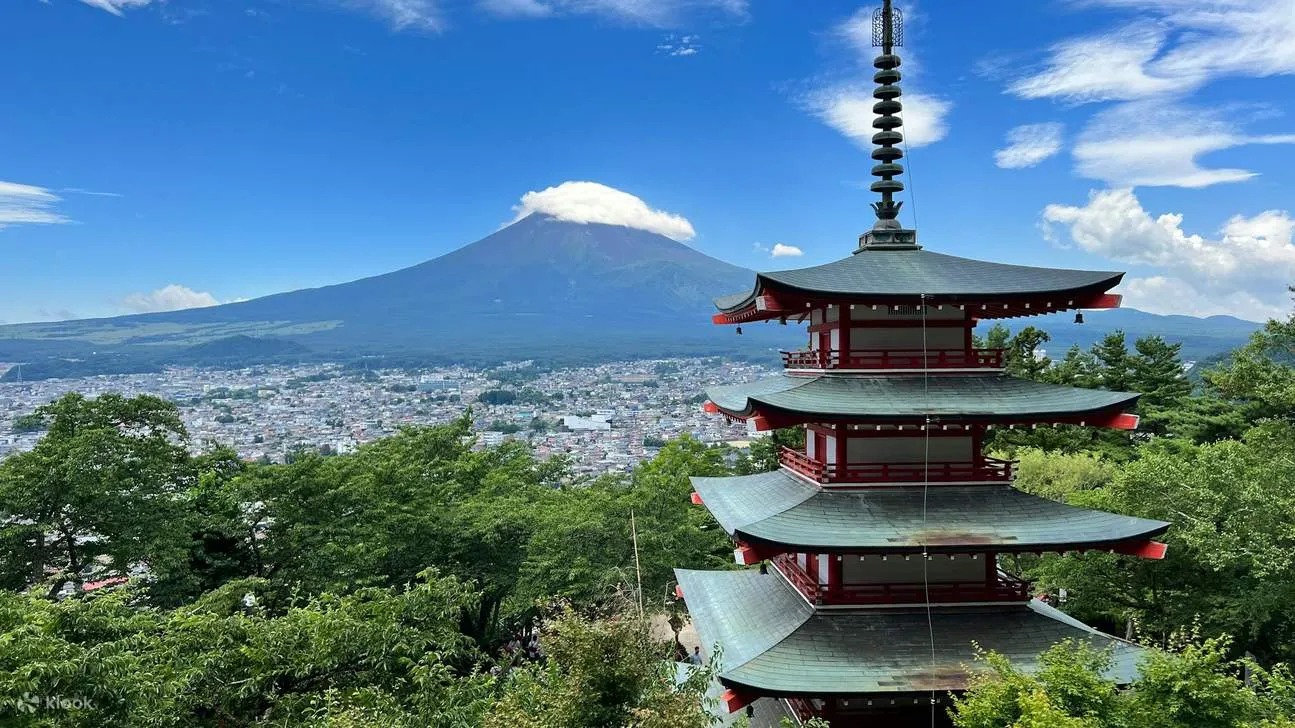

9 Days Japan Alps: Tokyo, Takayama, Shirakawa-go & Kanazawa
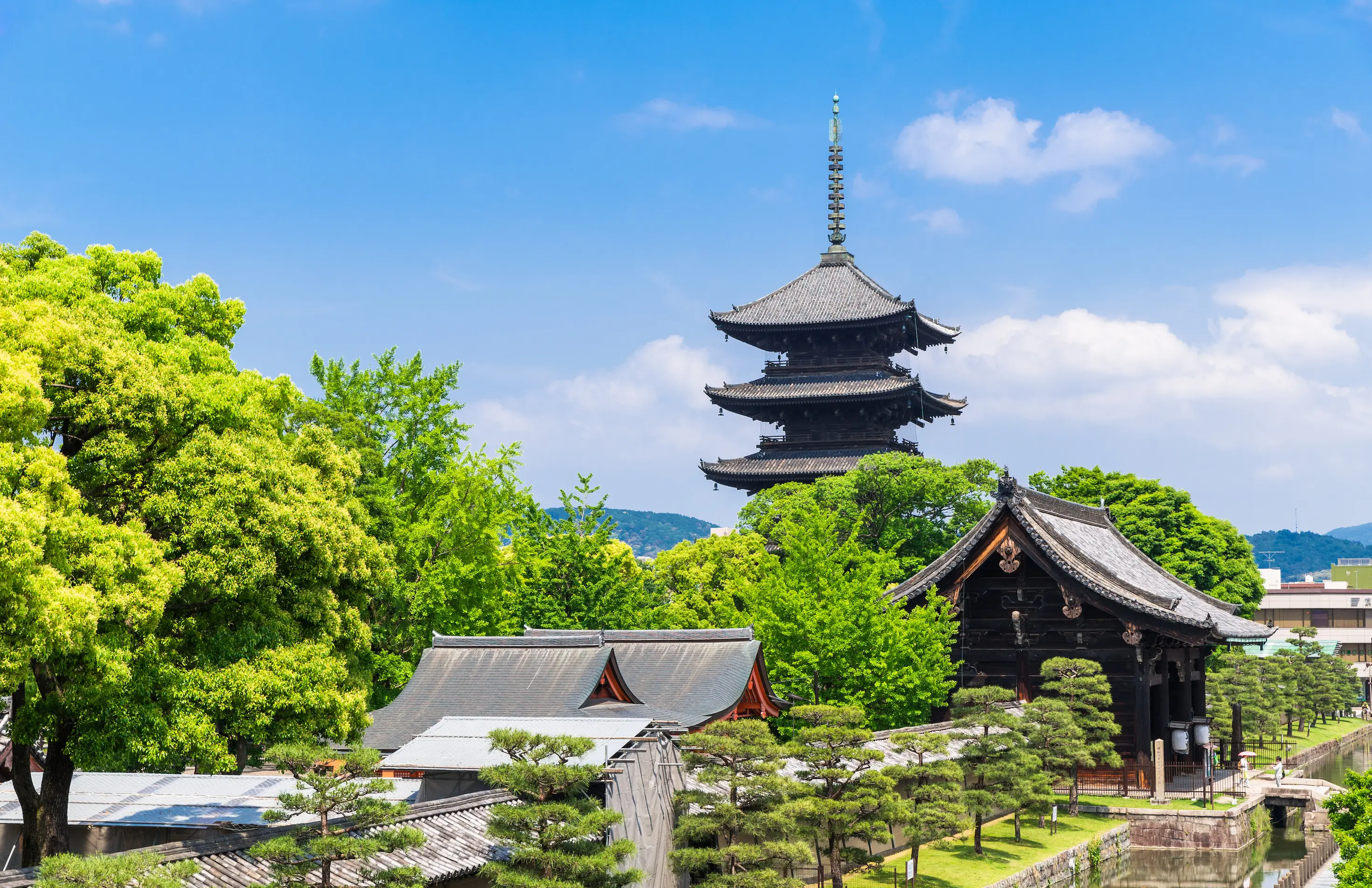
10 Days Japan Golden Route with Hiroshima

11 Days Japan Culture & Heritage Tour

11 Days Japan Adventure: Mt. Fuji, Japanese Alps, Takayama & Kyoto
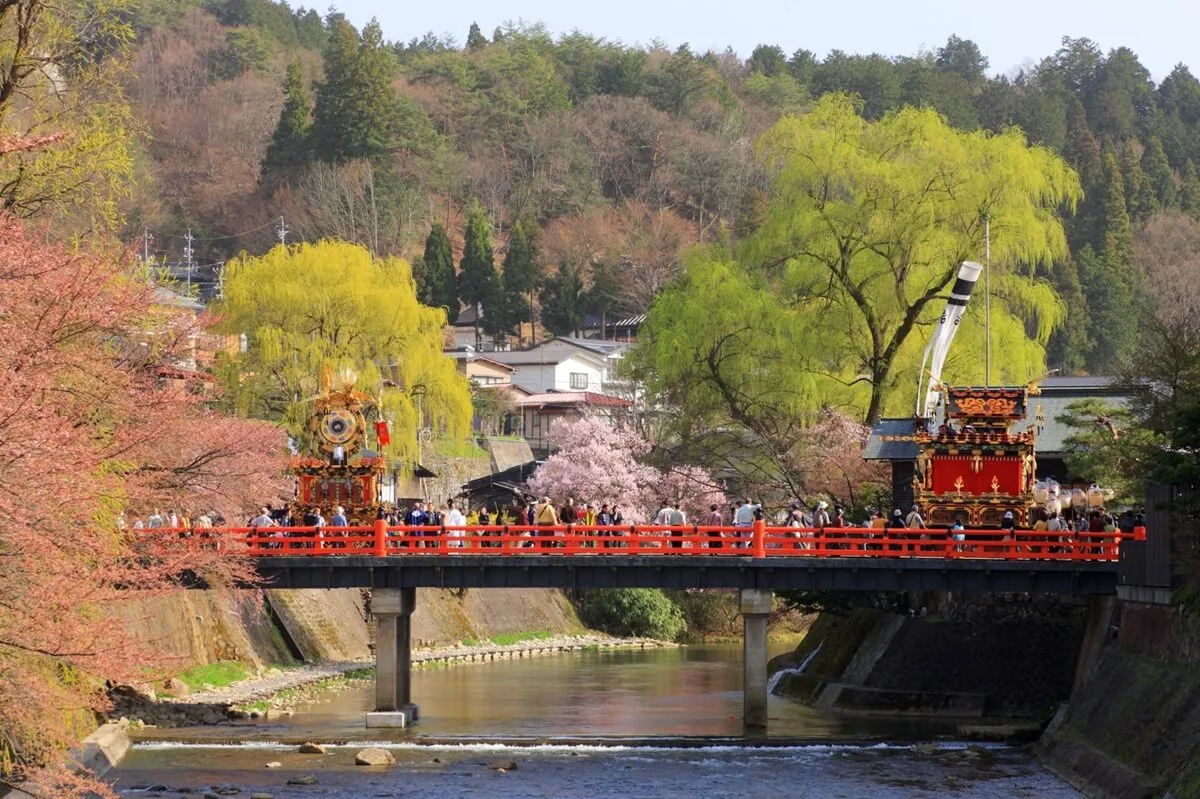
12 Days Japan Alps, Kyoto & Hiroshima Tour
14 Days Grand Japan: Tokyo, Alps, Kyoto & Hiroshima
Japan Autumn Foliage Tours: Frequently Asked Questions
November is one of the most useful months for a broad autumn itinerary across central Japan, but there is no single best month for the whole country. Hokkaido and higher mountain regions change earlier, while Tokyo, Kyoto and warmer cities often colour later. Your route should match your exact dates.
Strong choices include Nikko, Mt. Fuji and Hakone, Kyoto, the Japanese Alps, Kanazawa and Hokkaido. The best combination depends on when you travel because elevation and latitude affect the timing of the leaves.
Yes. Kyoto is one of Japan's best-known autumn destinations because temple gardens, maple trees, hillside districts and traditional streets work especially well together. It can also be busy, so allow several nights and mix major sights with quieter locations.
No. Peak colour depends on temperatures, elevation and weather, so the timing shifts from year to year. We can plan around historical patterns and current forecasts, but no tour should guarantee exact peak foliage.
Eight to ten days works well for Tokyo, Nikko, Fuji and Kyoto. Around twelve to fourteen days is better if you want to include the Japanese Alps, Takayama, Kanazawa or Hiroshima while keeping enough flexibility for weather and foliage conditions.
Pack layers, comfortable walking shoes and light rain protection. Mountain and northern regions can be much cooler than Tokyo, Kyoto or Osaka, especially in the morning and evening, so your clothing should match the coldest part of the route.
Yes. We can use your travel dates, preferred destinations and activity level to build the route, then keep selected day trips and foliage stops flexible where practical. The main hotels and long-distance transfers can be planned in advance while smaller seasonal decisions are adjusted closer to travel.