
Hokkaido Tours & Private Japan Itineraries
Hokkaido Tour Packages for Sapporo, Otaru, Furano, Biei & Hot Springs
Hokkaido feels very different from Japan's classic Tokyo and Kyoto route. The island offers broader landscapes, cooler seasonal conditions, mountain scenery, hot-spring towns and cities that are easier to combine with nature. A well-planned Hokkaido tour can move from Sapporo to Otaru, Furano, Biei and Noboribetsu without turning every day into a long transfer.
Hokkaido can be planned as a dedicated northern Japan trip or added to a longer itinerary that already includes Tokyo, Kyoto and Hiroshima. The best route depends heavily on the season because summer landscapes, autumn colour and winter snow create very different travel experiences.
Travellers wanting a focused northern itinerary can consider our 8 Days Hokkaido: Sapporo, Otaru, Furano, Biei & Noboribetsu, while those combining several regions can use our longer Japan itinerary that continues to Hokkaido after the main cultural route.
How Many Days Do You Need in Hokkaido?
Seven to eight days is a strong length for a first Hokkaido trip focused on Sapporo, Otaru, Furano, Biei and a hot-spring area. It gives enough time for a mix of city, countryside and scenic travel without changing hotels every night.
Five days can work for Sapporo plus one or two nearby areas, while nine or ten days gives more flexibility for winter conditions, longer scenic drives or a slower pace.
The island is larger than many first-time visitors expect, so distance should be considered before adding extra stops.
Sapporo: The Natural Base for a First Hokkaido Tour
Sapporo is the most practical city base for many Hokkaido itineraries. It offers restaurants, markets, museums, urban parks and convenient connections to other parts of the island.
Two or three nights can work well, especially if one day is reserved for city sightseeing and another for Otaru or a nearby excursion. Travellers wanting more city-specific planning can browse our Sapporo tours.
Otaru: Easy to Add Without Changing Hotels
Otaru is one of the easiest additions from Sapporo. The canal area, historic warehouses, small shops and seafood make it a useful contrast to the larger city.
Most first-time travellers do not need to stay overnight unless they want a slower evening atmosphere. A day trip usually keeps the wider Hokkaido route simpler.
Furano: Best When the Season Matches Your Priorities
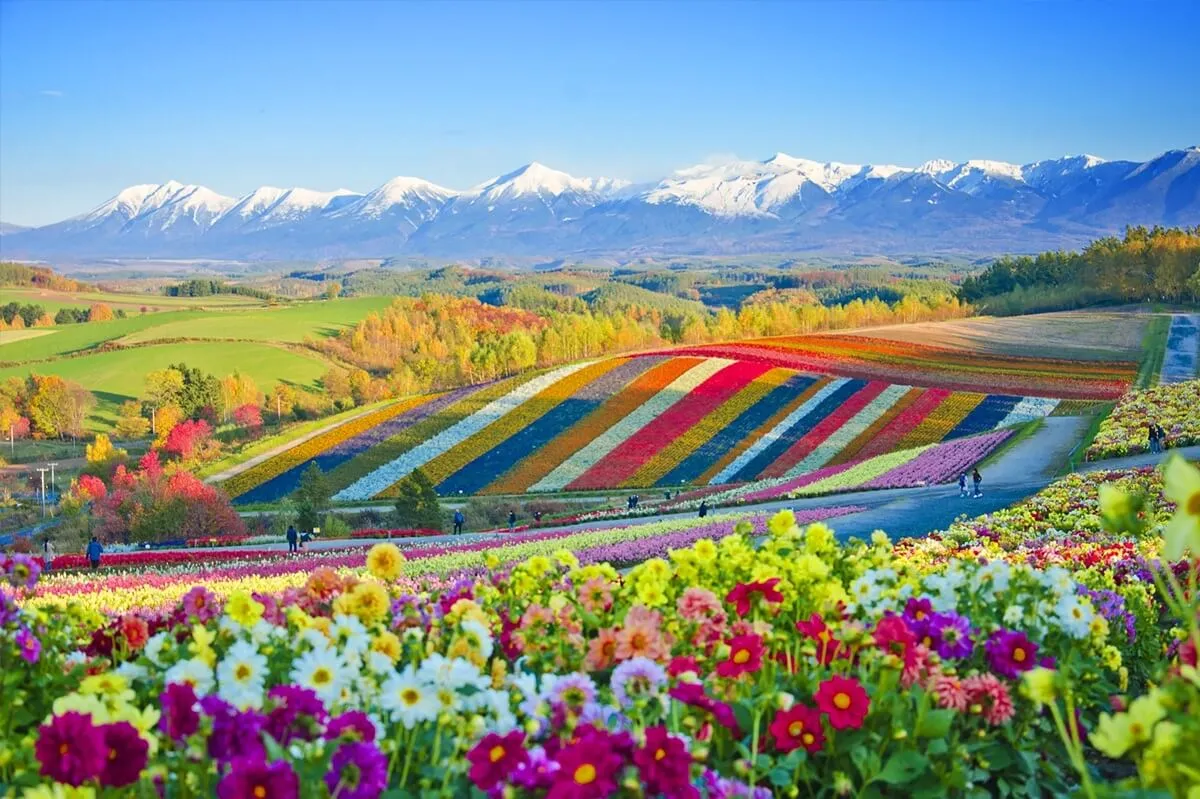
Furano is strongly associated with summer landscapes and flower fields, but conditions vary by month and year. Travellers should not expect the same scenery throughout the season.
Outside the main flower period, the wider countryside can still be attractive, but the itinerary should be built around what is actually seasonal rather than around old promotional photographs.
Biei: Scenic Roads, Open Landscapes and Photography
Biei is known for rolling fields, scenic roads and broad rural views. It combines naturally with Furano, but the day can become too long if too many photo stops are added.
We prefer a smaller number of worthwhile viewpoints with enough time to enjoy them rather than racing between every named stop.
Noboribetsu: Hot Springs and a Slower Finish
Noboribetsu can add hot-spring culture and volcanic scenery to a Hokkaido itinerary. It works especially well near the end of the trip when travellers want a quieter overnight after several days of sightseeing.
Accommodation style matters. Some guests enjoy a traditional hot-spring stay, while others prefer a western-style hotel with more familiar room arrangements.
Summer in Hokkaido
Summer is one of the most popular times for Hokkaido because the island can offer cooler conditions than many parts of central Japan. Furano and Biei are particularly popular for seasonal landscapes.
Hotel demand can be high during popular periods, so a summer itinerary benefits from earlier planning. Flower timing and field conditions vary, so exact scenes should not be guaranteed.
Autumn in Hokkaido
Autumn can bring strong seasonal colour, especially in mountain and countryside areas. Hokkaido may change earlier than Tokyo or Kyoto, which can make it useful for travellers planning a longer autumn journey across Japan.
Exact foliage timing varies by elevation and year. Travellers focused on seasonal colour can also browse our Japan autumn foliage tours.
Winter in Hokkaido
Winter changes the travel style completely. Snow, cold temperatures and shorter daylight hours mean the itinerary needs more margin than a summer route.
Our 9 Days Hokkaido Winter: Sapporo, Otaru, Furano & Noboribetsu is designed around a slower seasonal pace rather than simply copying the summer programme.
Road, rail and local operating conditions can change during severe weather, so flexibility is especially important in winter.
Spring in Hokkaido
Spring generally arrives later in Hokkaido than in many parts of central Japan. Travellers planning around blossom interest should understand that timing can differ considerably from Tokyo or Kyoto.
If blossom is the main reason for travelling, compare the broader route carefully rather than assuming the same seasonal window works everywhere.
Hokkaido with Children
Hokkaido can work very well for families because the itinerary can mix cities, countryside, food and outdoor experiences. The key is to avoid long travel days on several consecutive days.
Families may also benefit from staying two or three nights in the same base rather than moving every night. For longer family journeys, see our Japan family tours.
Hokkaido for Older Travellers
Older travellers often appreciate Hokkaido's slower pace, but distances between destinations can be significant. Private transport can be useful on countryside days because it reduces station changes and makes scenic stops easier to manage.
Hotel access, hot-spring layouts and winter walking conditions should all be considered during planning.
Should You Drive in Hokkaido?
Self-drive can be useful in rural areas for experienced travellers, but it is not necessary for every trip. Private vehicle arrangements can offer similar flexibility without the stress of navigation, parking and local driving rules.
Winter driving requires particular caution and should never be treated casually. Travellers without appropriate experience may be better using rail, organised transfers or private transport.
Rail Travel in Hokkaido
Rail can work well between some major points, but not every scenic area is most convenient by train. A mixed approach using rail plus selected road transfers can be more practical.
Ticket options should be compared against the actual route rather than assuming a nationwide pass is always best. Travellers interested in train-focused planning can review our Japan rail tours.
Hokkaido Food: Make It Part of the Journey
Hokkaido is known for seafood, dairy products, regional produce and local dishes. Food can be integrated naturally into market visits, city evenings and countryside stops.
Travellers with dietary restrictions should discuss them early, especially when staying at traditional properties with set meal arrangements.
Where Should You Stay?
Sapporo works well as the main urban base, while Furano or Biei can justify an overnight when the countryside is a major priority. Noboribetsu is useful when you want a hot-spring stay.
The best hotel plan is the one that reduces unnecessary packing and transport while keeping each destination meaningful.
Hokkaido as Part of a Longer Japan Trip
Hokkaido can be added after Tokyo, Kyoto, Hiroshima or Osaka, but the connection should be planned around time and flight or rail logistics. Trying to include Hokkaido in a short first Japan trip can make the overall route too fragmented.
Our 15 Days Japan: Tokyo, Kyoto, Hiroshima & Hokkaido shows how northern Japan can fit into a longer multi-region itinerary without reducing every destination to a one-night stop.
Common Hokkaido Planning Mistakes
- Underestimating distance: Hokkaido is large, and transfer time matters.
- Using the same route year-round: Summer and winter need different pacing.
- Expecting guaranteed flower or foliage conditions: Seasonal timing varies.
- Changing hotels every night: Use sensible bases when possible.
- Relying only on trains: Some rural areas are easier with road transport.
- Treating winter driving casually: Snow conditions require experience and caution.
How Many Days Work Well for Sapporo, Otaru, Furano and Biei?
Around seven days gives a good first overview, while eight to nine days allows a hot-spring stay and more flexibility. Winter may benefit from an extra day because weather can affect transfer times and sightseeing.
If Hokkaido is only one section of a larger Japan itinerary, three to five nights can still work when you focus on fewer places.
Why Plan Hokkaido with Tusk Travel?
We plan Hokkaido around the season, transport style and wider Japan route rather than using one fixed programme all year. That means city stays, countryside days, luggage, hot-spring nights and onward travel can all work together.
Your itinerary can include private transport, rail sectors, sightseeing, free time and seasonal adjustments. We can also adapt the pace for families, older travellers, winter travel or longer multi-region journeys.
The goal is to make Hokkaido feel spacious and distinct, not simply add more destinations to an already crowded Japan itinerary.
Popular Hokkaido Tour Packages & Itineraries

7 Days Hokkaido: Sapporo, Otaru, Furano & Biei
8 Days Hokkaido: Sapporo, Otaru, Furano, Biei & Noboribetsu

9 Days Hokkaido Winter: Sapporo, Otaru, Furano & Noboribetsu
15 Days Japan: Tokyo, Kyoto, Hiroshima & Hokkaido
Hokkaido Tours: Frequently Asked Questions
Seven to eight days is a strong length for Sapporo, Otaru, Furano, Biei and a hot-spring area. A shorter trip should focus on fewer bases rather than adding too many transfers.
It depends on your interests. Summer is popular for countryside scenery, autumn for seasonal colour, and winter for snow. Spring arrives later than in much of central Japan.
Yes. Otaru is one of the easiest day trips from Sapporo and usually does not require a separate hotel stay for first-time visitors.
Yes. Hokkaido can work very well when the route avoids long consecutive transfer days and uses practical bases. Private transport can make countryside sightseeing easier.
No. Rail and private transfers can cover many routes. A car can be useful in rural areas, but winter driving should only be considered by travellers with suitable experience.
Yes, especially on a two-week or longer itinerary. On a short trip, adding Hokkaido can make the route too fragmented.
Yes. We can customise Sapporo nights, Otaru, Furano, Biei, Noboribetsu, private transport, rail sectors, seasonal pacing and the wider Japan route.