
Sapporo Tours & Private Hokkaido Itineraries
Sapporo Tour Packages with Otaru, Furano, Biei & Hokkaido Highlights
Sapporo is the most practical starting point for many first-time Hokkaido journeys. A well-planned Sapporo tour can combine city sightseeing, local food, markets and evening life with easy access to Otaru and wider northern Japan routes. It also gives travellers a comfortable base before continuing into the countryside.
Most Sapporo itineraries connect naturally with Hokkaido tours, including Otaru, Furano, Biei and Noboribetsu. Travellers adding Hokkaido to a longer Japan trip may arrive after Tokyo, Kyoto or Hiroshima, depending on the route and transport plan.
Travellers wanting a compact northern itinerary can consider our 7 Days Hokkaido: Sapporo, Otaru, Furano & Biei, while longer trips can add Noboribetsu or combine Hokkaido with central Japan.
How Many Days Should You Spend in Sapporo?
Two nights is enough for a short first visit, especially if Sapporo is only one part of a larger Hokkaido route. Three nights is more comfortable when you want a full city day plus an Otaru excursion.
Four nights can work well for travellers who prefer fewer hotel changes or want to use Sapporo as a base for more nearby sightseeing. The right length depends on the season and how much time you want outside the city.
Sapporo is easy to overcompress because it feels straightforward compared with Tokyo. A slower pace gives more room for markets, food and neighbourhoods rather than only landmark stops.
Odori Park and Central Sapporo
Odori Park is one of the easiest places to begin exploring the city. It creates a useful central orientation and can be combined with nearby streets, shopping areas and seasonal events.
The surrounding district works well for a relaxed first afternoon after arrival, especially if you do not want to schedule a long sightseeing day immediately.
Sapporo Markets and Local Food
Food is one of the strongest reasons to spend time in Sapporo. Seafood, dairy products, regional produce, noodles and local specialities can be built naturally into the itinerary.
Market visits are best treated as part of a neighbourhood morning rather than a separate rushed attraction. Travellers with dietary restrictions should discuss them in advance because smaller restaurants may have limited flexibility.
Susukino in the Evening
Susukino is one of Sapporo's best-known evening districts and can be useful for travellers interested in restaurants, nightlife and a livelier urban atmosphere after sightseeing.
Not every traveller needs a late evening here. Families and older travellers may prefer a quieter dinner closer to the hotel. The itinerary should reflect your preferred travel style.
Otaru from Sapporo
Otaru is one of the easiest day trips from Sapporo and usually does not require a separate hotel stay. The canal, historic warehouses, small shops and seafood give it a different atmosphere from the larger city.
A day trip keeps the route efficient and avoids moving luggage for just one night. Travellers who want a slower evening atmosphere can stay overnight, but it is not necessary for most first-time visitors.
Sapporo to Furano and Biei
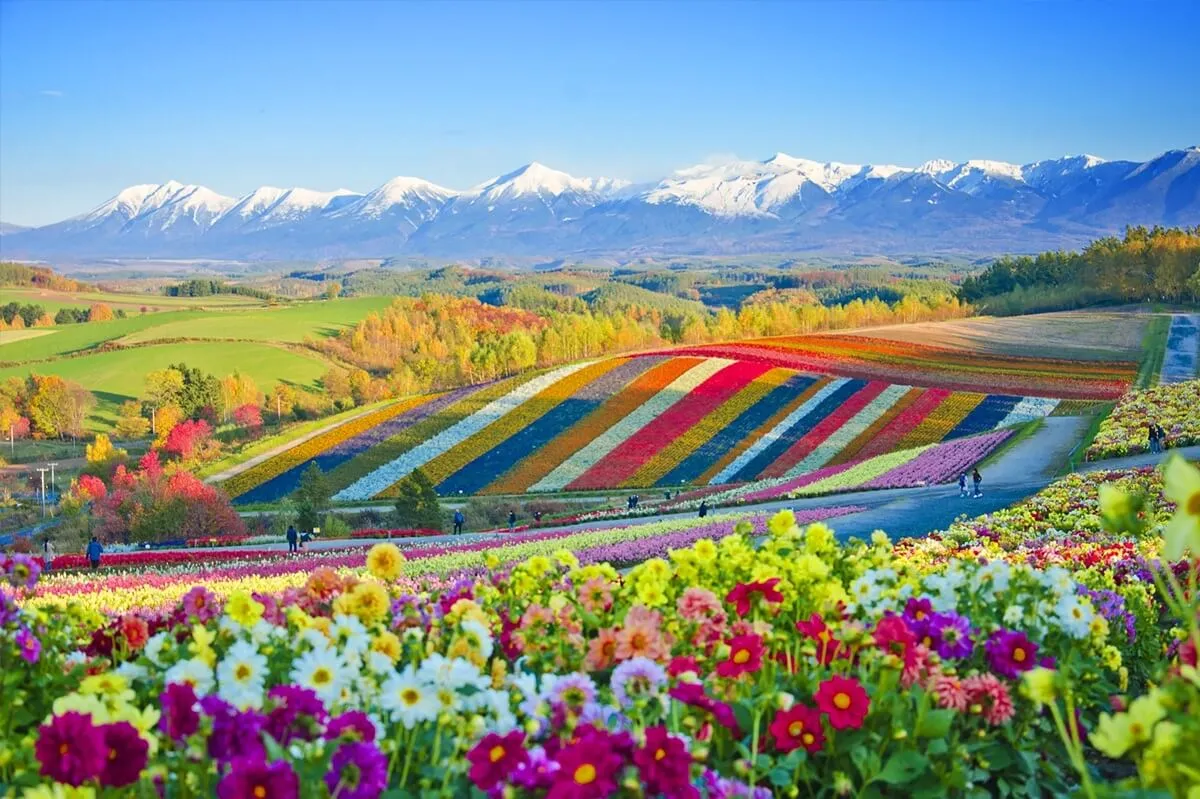
Furano and Biei are popular countryside additions, especially in summer. The journey should be planned around realistic travel time because the scenic areas are not simply short city excursions.
Private transport can be useful for travellers who want several countryside stops in one day. It also reduces the complexity of local connections.
Sapporo to Noboribetsu
Noboribetsu can add hot-spring culture and volcanic scenery to the wider Hokkaido route. It works particularly well as a one-night stop near the end of the trip.
Travellers should choose accommodation based on comfort and bathing preferences rather than assuming every hot-spring hotel offers the same experience.
Sapporo in Summer
Summer is popular because Hokkaido can offer cooler conditions than many parts of central Japan. Sapporo works well as an urban base before countryside days in Furano and Biei.
Seasonal demand can be high, so hotel planning should begin early when your dates fall in a popular period.
Sapporo in Autumn
Autumn can bring comfortable sightseeing weather and seasonal colour. Hokkaido often changes earlier than Tokyo and Kyoto, so travellers planning a longer Japan trip should compare the timing across regions.
For wider seasonal routes, see our Japan autumn foliage tours.
Sapporo in Winter
Winter creates a completely different experience. Snow, cold temperatures and shorter daylight hours mean the itinerary needs more margin than a summer programme.
Our 9 Days Hokkaido Winter: Sapporo, Otaru, Furano & Noboribetsu uses a slower seasonal rhythm rather than copying the summer route.
Severe weather can affect roads, rail services and local operations, so winter itineraries should retain flexibility.
Sapporo in Spring
Spring generally arrives later in Hokkaido than in central Japan. Travellers planning blossom-focused journeys should not assume Sapporo, Tokyo and Kyoto will follow the same seasonal window.
If seasonal bloom is a major priority, compare the route carefully before fixing dates.
Sapporo with Children
Sapporo can work very well for families because the city is easier to combine with outdoor experiences than a purely urban itinerary. A slower base also reduces the number of hotel changes.
Families can mix markets, parks, food, Otaru and countryside excursions according to the children's ages. For longer family journeys, see our Japan family tours.
Sapporo for Older Travellers
Older travellers can use Sapporo as a comfortable base and take selected excursions without changing hotels frequently. Private transport can be useful for countryside days and reduce repeated station changes.
Winter conditions should be considered carefully because snow and ice can affect walking comfort.
Where Should You Stay in Sapporo?
Central locations around Sapporo Station or Odori can be convenient for transport and sightseeing. Travellers focused on evening dining may prefer easier access to Susukino.
The best choice depends on the route. A hotel that reduces transfers for Otaru, airport access and onward Hokkaido travel can be more useful than one chosen only for nightlife.
Rail or Private Transport from Sapporo?
Rail works well for several major routes, including Otaru and other connected destinations. Rural sightseeing around Furano and Biei can sometimes be easier with private transport.
The strongest itinerary can use both. There is no need to force every journey onto one transport type.
Travellers interested in a broader train-based Japan holiday can review our Japan rail tours.
Common Sapporo Planning Mistakes
- Using Sapporo only as an airport stop: Give the city enough time for food and local sightseeing.
- Changing hotels for Otaru: A day trip is usually simpler for first-time visitors.
- Underestimating Hokkaido distances: Furano and Biei need proper travel time.
- Using the same plan in every season: Winter requires more margin than summer.
- Ignoring hotel location: Transport access affects the whole Hokkaido route.
- Relying only on rail for countryside sightseeing: Road transport may be more practical in some areas.
How Sapporo Fits Into a Longer Japan Journey
Sapporo can form the first base of a dedicated Hokkaido holiday or the final section of a longer Japan route. On a seven or eight-day northern trip, two to three Sapporo nights usually work well.
On a two-week Japan journey, Sapporo can follow Tokyo, Kyoto, Hiroshima or Osaka, but the connection should be planned around the wider transport schedule rather than added at the last minute.
Our 15 Days Japan: Tokyo, Kyoto, Hiroshima & Hokkaido shows how Sapporo can fit into a multi-region route.
Why Plan Sapporo with Tusk Travel?
We plan Sapporo as the base for a broader Hokkaido journey rather than treating each excursion separately. That means hotel location, Otaru, Furano, Biei, Noboribetsu, luggage and onward travel can all work together.
Your itinerary can include private transport, rail sectors, sightseeing, food experiences and free time. We can also adapt the route for families, older travellers, winter travel or longer Japan holidays.
The goal is a practical Sapporo stay that makes the rest of Hokkaido easier to explore.
Popular Sapporo Tour Packages & Itineraries

7 Days Hokkaido: Sapporo, Otaru, Furano & Biei
8 Days Hokkaido: Sapporo, Otaru, Furano, Biei & Noboribetsu

9 Days Hokkaido Winter: Sapporo, Otaru, Furano & Noboribetsu
15 Days Japan: Tokyo, Kyoto, Hiroshima & Hokkaido
Sapporo Tours: Frequently Asked Questions
Two nights works for a short first visit, while three nights is more comfortable if you want a full city day and an Otaru excursion.
Yes. Otaru is one of the easiest day trips from Sapporo and usually does not require a separate overnight for first-time visitors.
It can be, especially on a shorter trip, but the countryside journey takes time. An overnight nearer Furano or Biei may be better when those areas are a major priority.
Yes. Sapporo can be a comfortable base with fewer hotel changes, and the wider route can be adjusted around walking, children and transport preferences.
It depends on your interests. Summer works well for broader Hokkaido countryside travel, autumn brings seasonal colour, and winter creates a snow-focused experience with different pacing.
Yes, especially on a two-week or longer Japan itinerary. On shorter trips, adding Hokkaido can make the route too fragmented.
Yes. We can customise Sapporo nights, Otaru, Furano, Biei, Noboribetsu, private transport, rail sectors, seasonal pacing and the wider Japan route.