


Well Organized Trip
We appreciated our travel design er (Ovijit) was able to customize our trip to add in additional stops and tailor our hotels to what we were looking for.

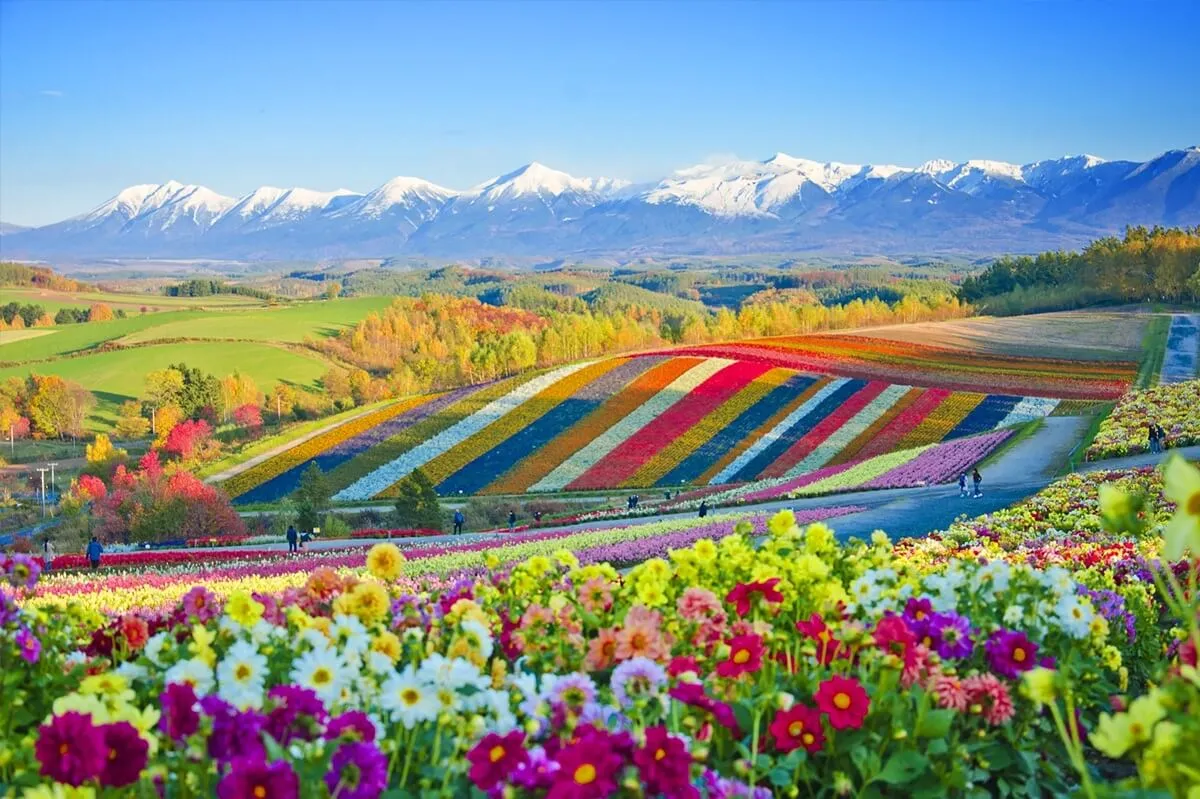
Most first-time Japan itineraries stay on the Tokyo-Kyoto-Osaka corridor. This 15-day Japan itinerary goes further by pairing that classic cultural route with Hokkaido. Begin in Tokyo, slow down in Hakone, then continue through Kyoto, Nara, Hiroshima and Osaka before travelling north to Sapporo.
The result feels like two complementary journeys in one. The first half is rich in temples, history and major cities; the second introduces northern Japan, wider landscapes, a different food culture and a slower regional rhythm.
Fifteen days gives enough time to do more than simply add another city. By placing Hokkaido after the cultural corridor, the trip changes character rather than repeating the same type of sightseeing.
The route also avoids trying to reach Hokkaido overland just for the sake of staying on trains. A domestic connection from the Kansai region is usually the more practical way to preserve sightseeing time, with the exact schedule selected for the actual travel date.
The itinerary can be customised around hotel category, private guiding, domestic flight preference, rail travel, seasonal Hokkaido interests, food experiences and extra nights.
Hokkaido changes greatly with the season. Summer, autumn and winter can produce completely different day plans, so the Sapporo, Otaru and Noboribetsu section should be adjusted to the travel month rather than treated as a fixed year-round programme.
Arrive in Tokyo and transfer to your hotel. This two-week-plus journey covers very different parts of Japan, so the first evening is kept light on purpose.
Settle in, eat near the hotel and take only a short walk if you feel rested. There is plenty of Tokyo time ahead, and there is no value in beginning a long itinerary already tired.
You stay three nights in the capital before the route moves toward Hakone and then western Japan.
Overnight stay in Tokyo.
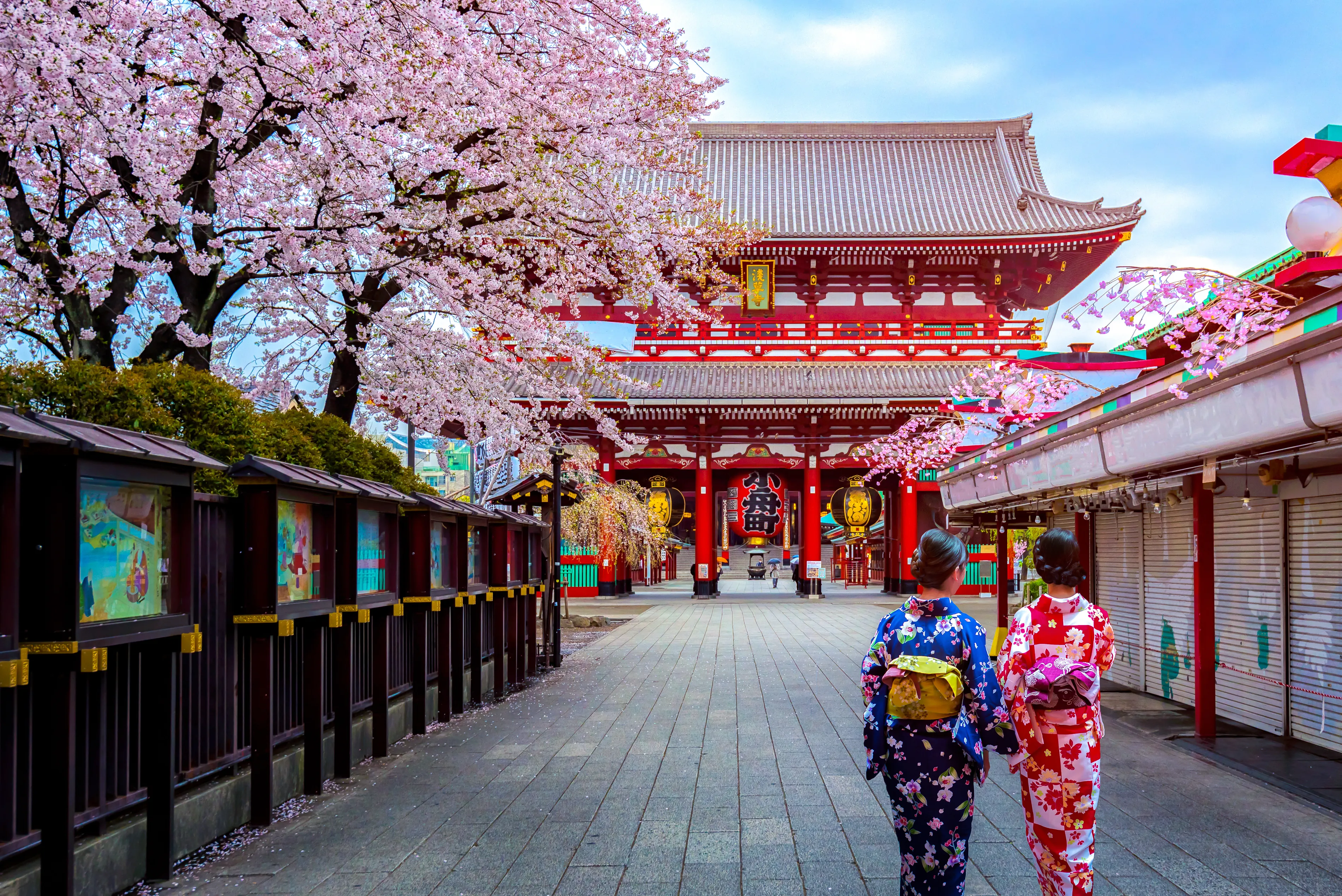
Begin with the contrast that makes Tokyo such a good starting point for Japan. Spend the morning around Asakusa and Senso-ji, then move later to a modern district such as Shibuya or Shinjuku.
Because you have another full Tokyo day tomorrow, there is no need to cross the city repeatedly. Choose a few well-matched neighbourhoods and leave space for lunch, shopping or a viewpoint.
The day can be customised through our Tokyo tours if food, art, architecture or family experiences matter more than standard landmarks.
Overnight stay in Tokyo.
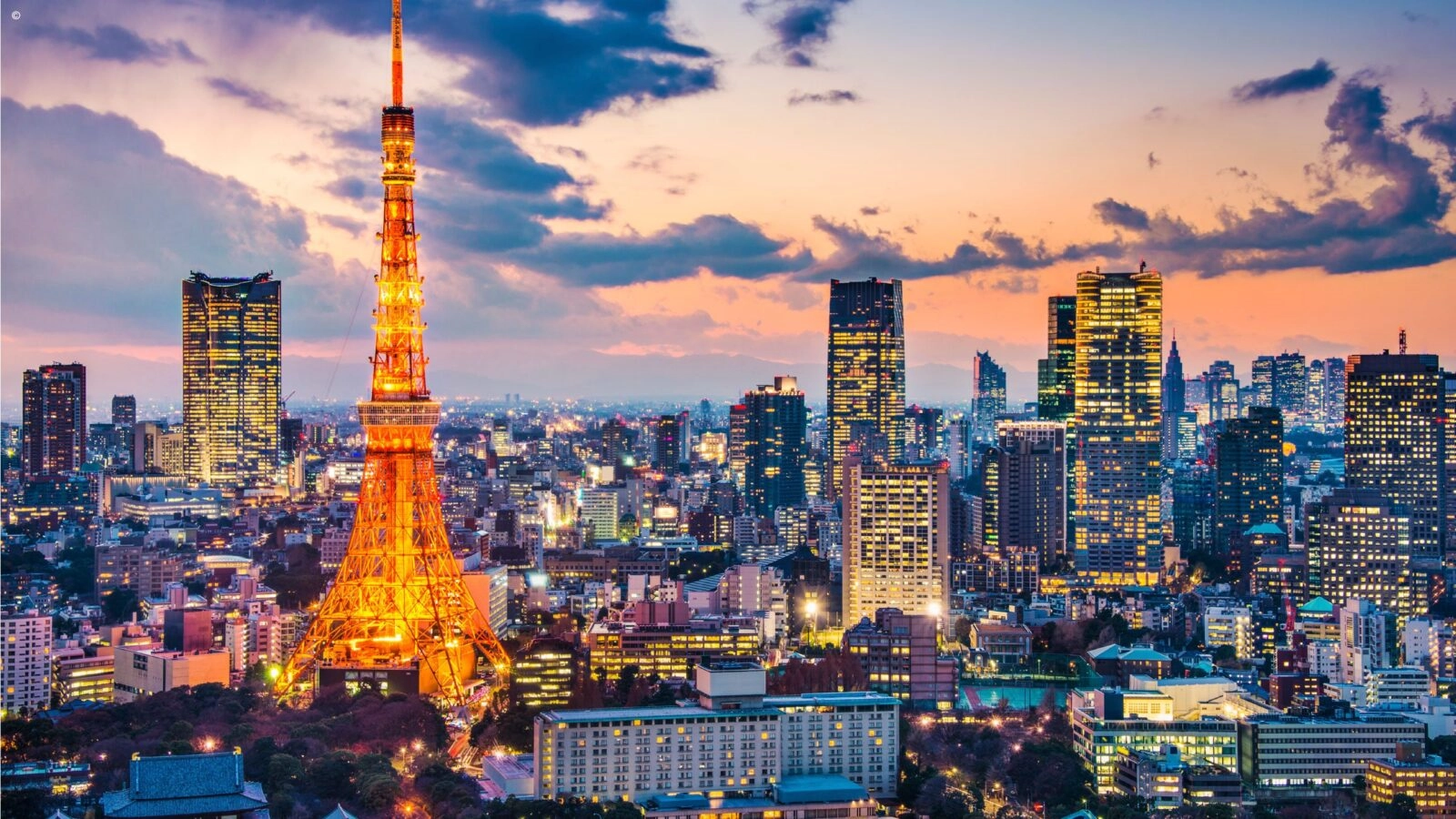
Use the second full day for a side of Tokyo that matches your interests. Meiji Shrine, Harajuku, Ginza, museums, gardens, digital art, food markets or quieter neighbourhoods can all work well.
Long itineraries feel better when every day does not look identical, so this day is intentionally more open than the first.
It is also a good time to organise luggage before the trip begins changing regions more frequently.
Overnight stay in Tokyo.
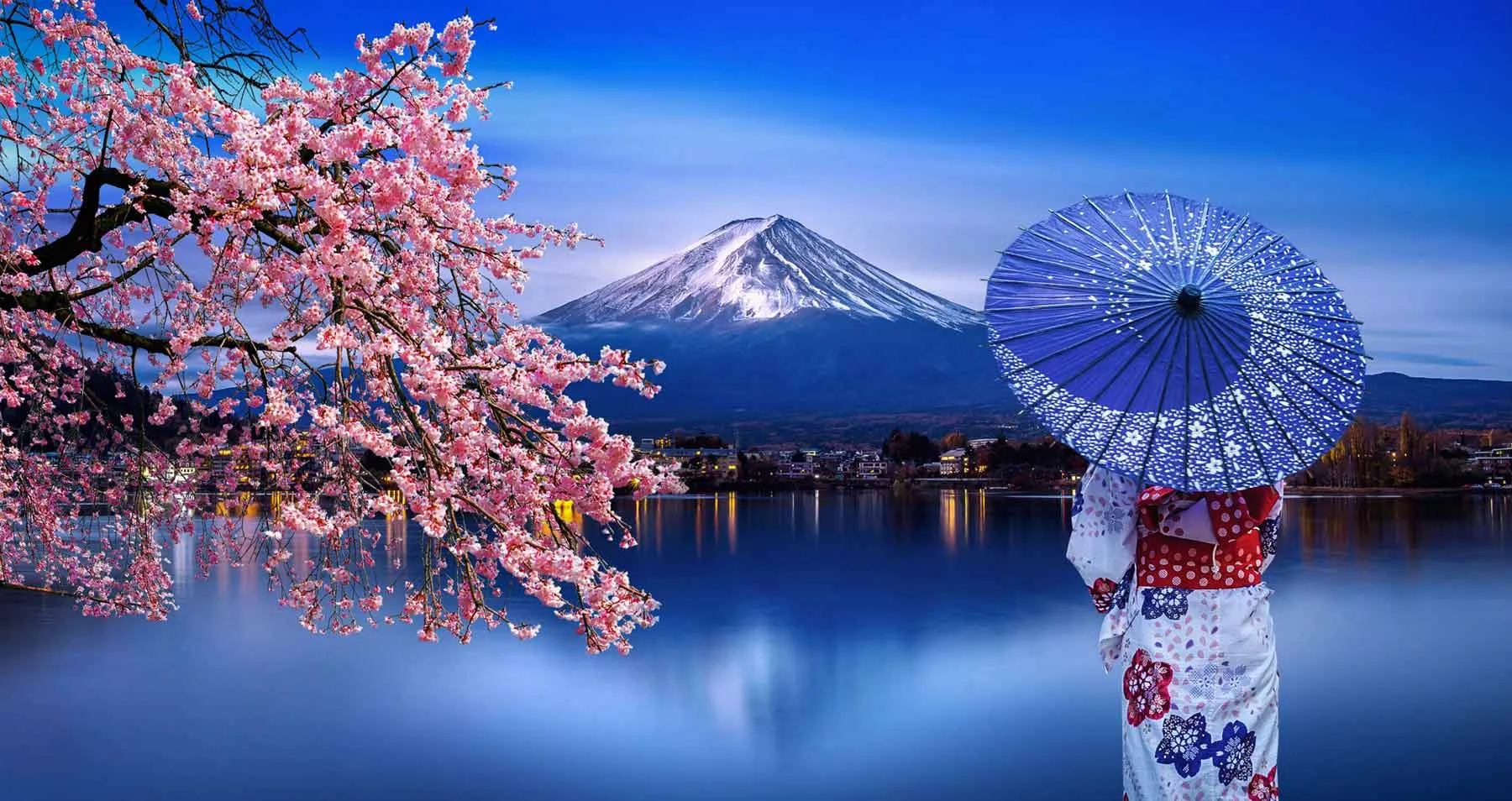
Leave Tokyo for Hakone. The overnight here breaks up the city-to-city rhythm and introduces lakes, volcanic scenery and hot-spring culture.
Depending on weather and local operating conditions, explore Lake Ashi, Owakudani, an art museum or another scenic stop. Views toward Mt. Fuji are possible in clear weather but cannot be guaranteed.
A ryokan-style stay can be a good fit here, although room type, meals and bathing arrangements should be selected according to your preferences.
Overnight stay in Hakone.
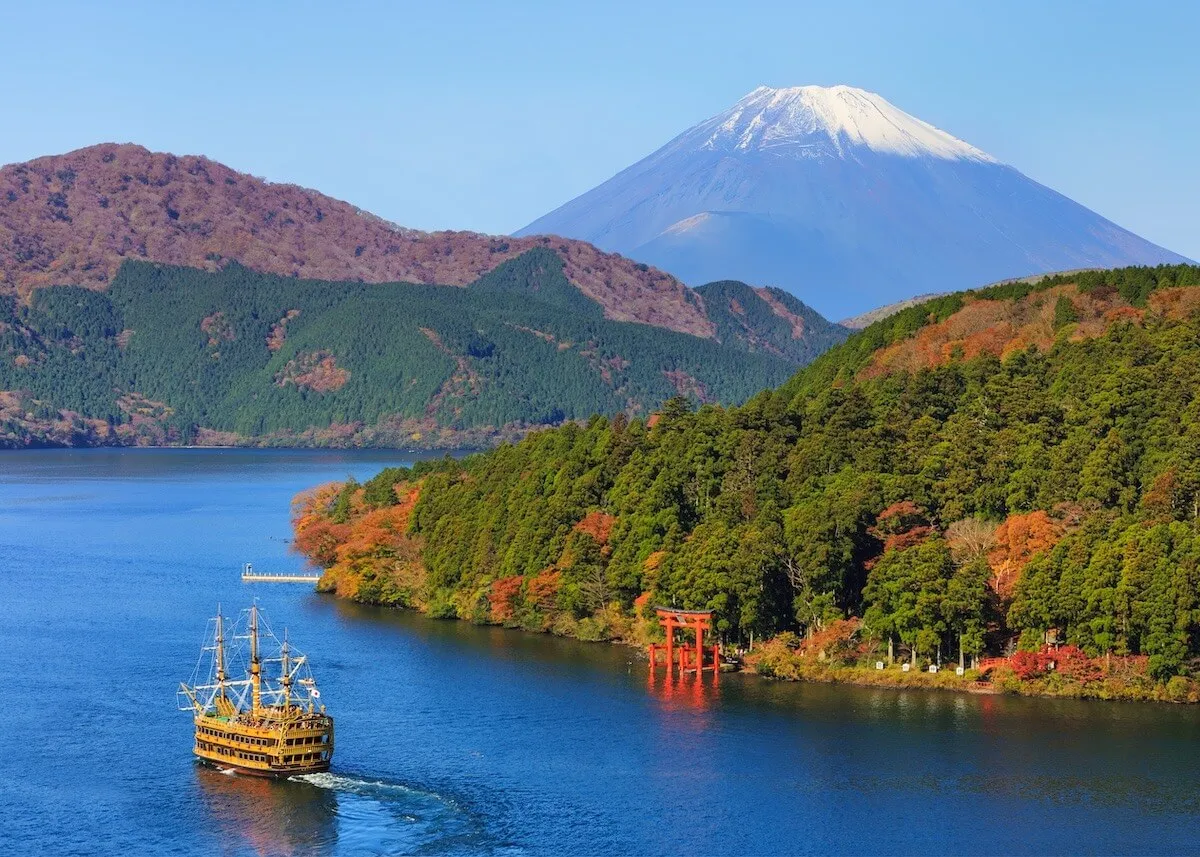
Continue to Kyoto and check in for three nights. The longer stay is deliberate: Kyoto deserves enough time to be more than a transfer stop.
Keep the first afternoon easy with Gion, Yasaka Shrine or Higashiyama if timing allows.
The next two days are reserved for deeper cultural sightseeing, so there is no need to rush immediately after arrival.
Overnight stay in Kyoto.
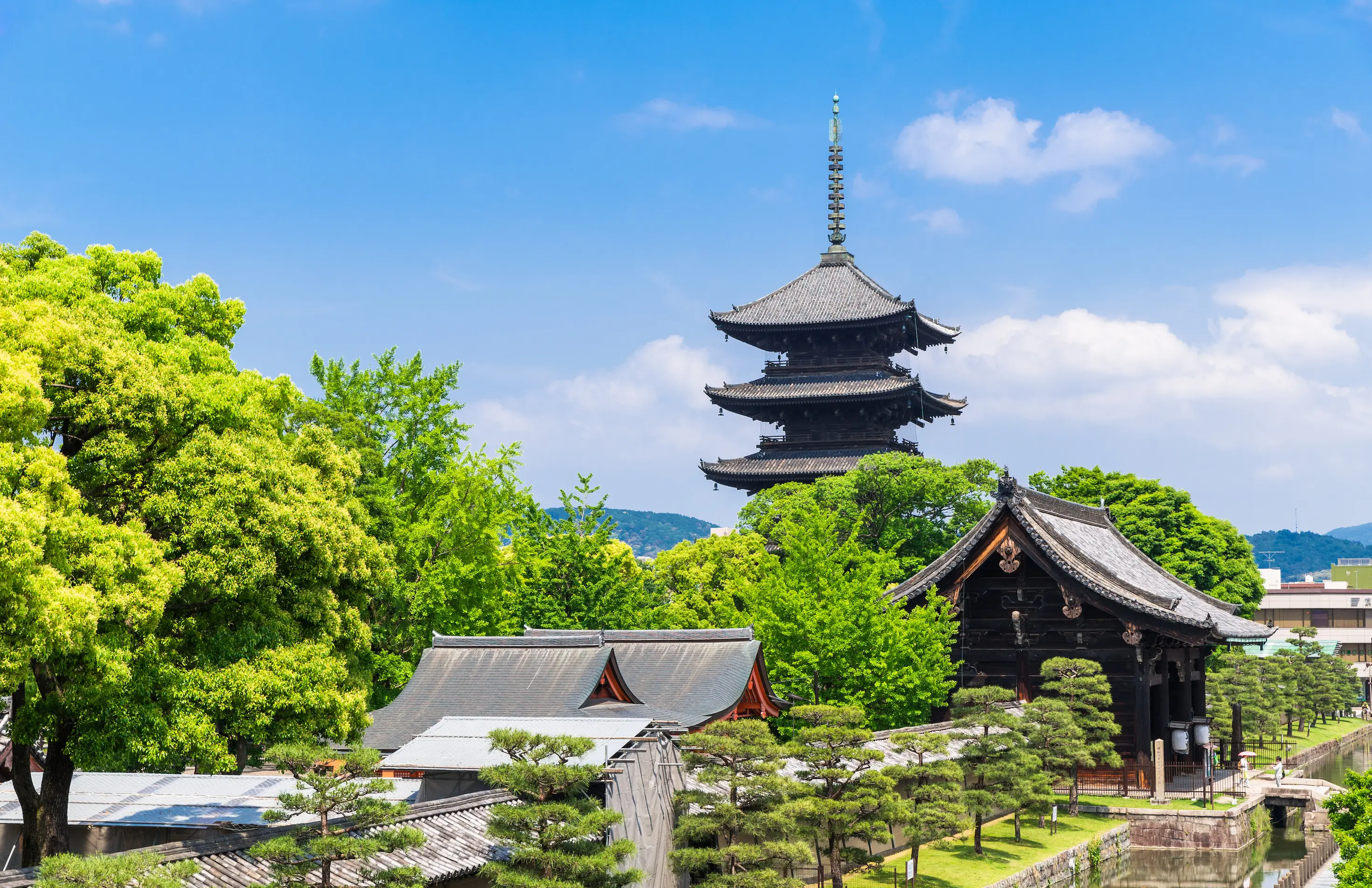
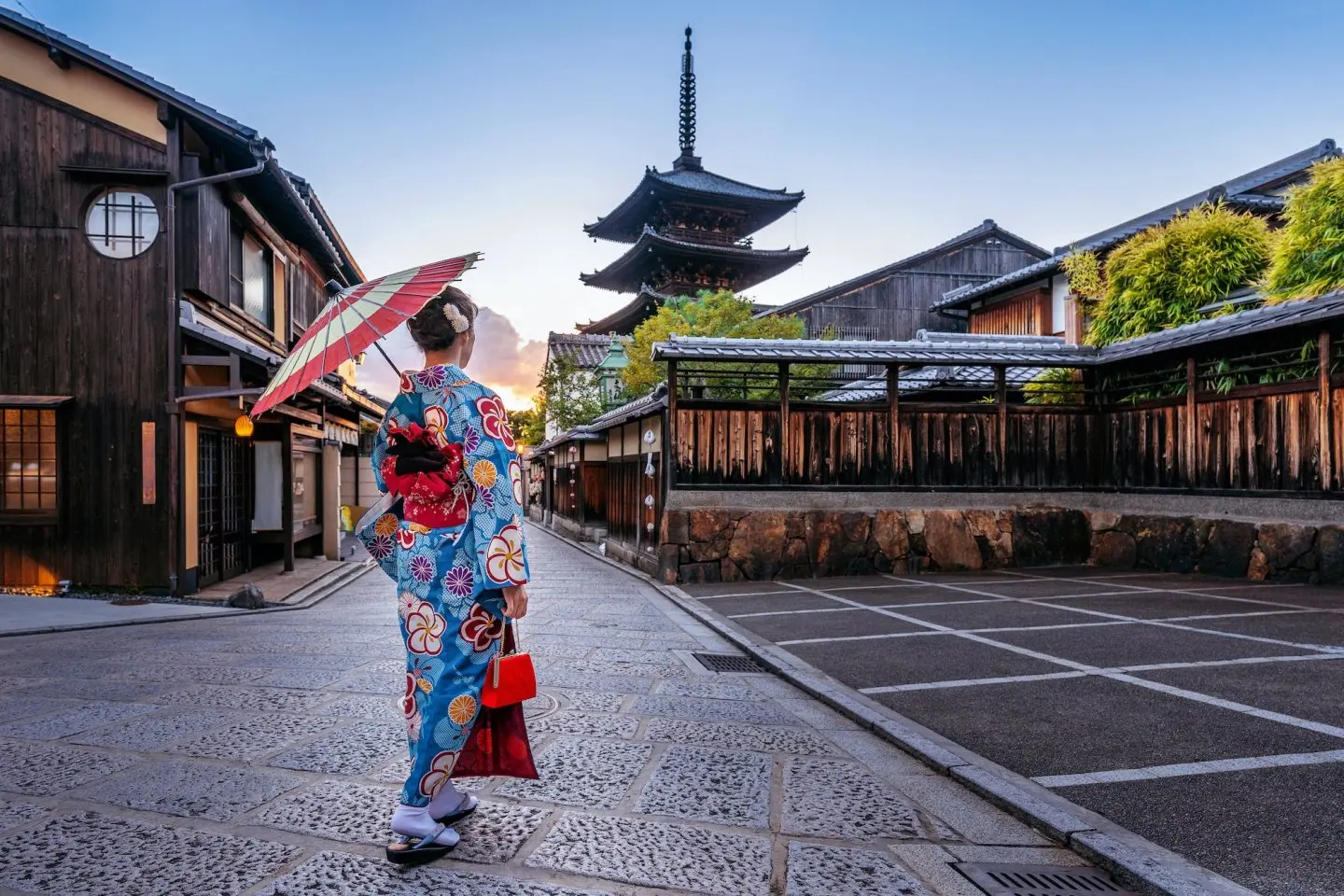
Spend the day around eastern Kyoto. A sensible first-time route can include Fushimi Inari, Kiyomizu-dera, Higashiyama and one additional garden or temple.
Kyoto is most enjoyable when nearby sights are grouped together. Leave time for tea, lunch and walking through the traditional streets instead of trying to count how many temples you have seen.
A private cultural activity or craft experience can be substituted for one sightseeing stop if you want a more personal day.
Overnight stay in Kyoto.
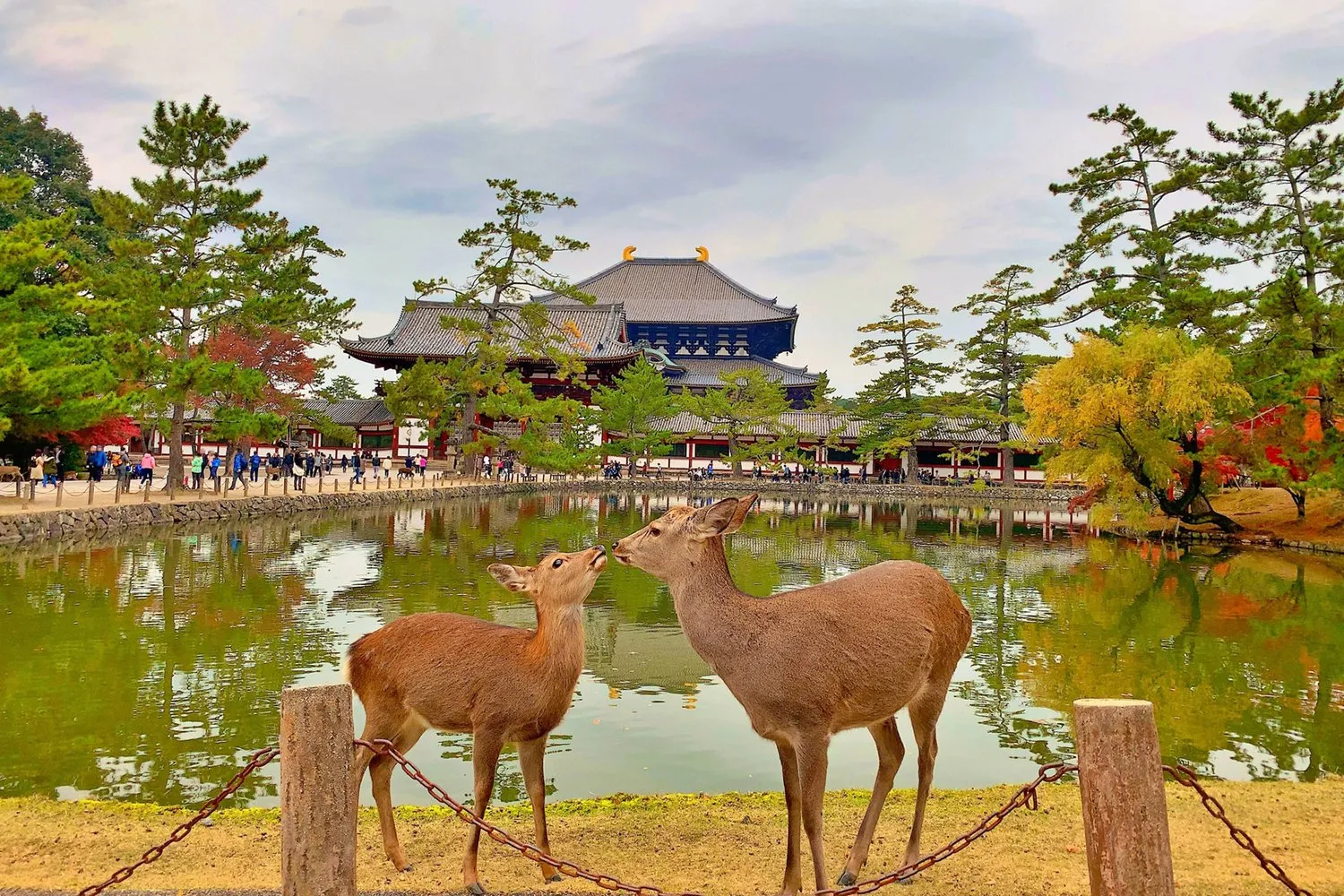
Travel to Nara for Nara Park, Todai-ji and the surrounding heritage area, then return to Kyoto for the night.
On a longer trip, it can still make sense to avoid an unnecessary one-night hotel change. Nara is close enough to work naturally as an excursion while keeping your Kyoto base.
Back in Kyoto, use the evening for a quieter dinner or a final walk through the city.
Overnight stay in Kyoto.
Leave Kyoto for Hiroshima and check in for two nights.
Spend the afternoon around Peace Memorial Park and the surrounding historical sites at an unhurried pace. Miyajima is kept for tomorrow so the day does not become too compressed.
This gives Hiroshima enough time to feel like a destination in its own right rather than simply a stop before the island.
Overnight stay in Hiroshima.
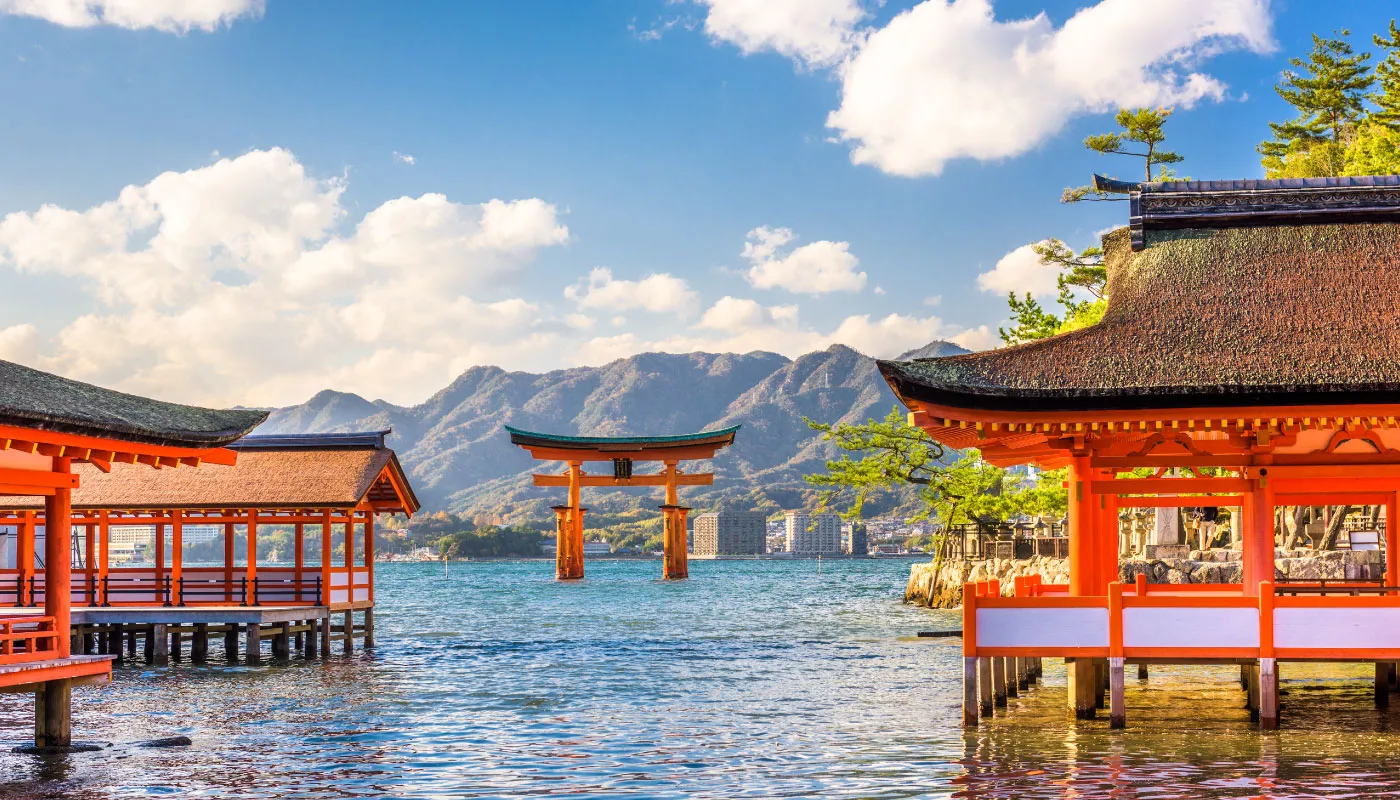
Spend the day on Miyajima. Walk around the Itsukushima Shrine area, waterfront and island lanes, and allow time to experience the setting rather than making it a quick photo stop.
Ferry schedules, tides and local conditions can affect the exact timing, so the programme should remain flexible.
Return to Hiroshima for a second night with no need to manage luggage during the excursion.
Overnight stay in Hiroshima.

Travel to Osaka for one night before the journey turns north toward Hokkaido.
Use the afternoon and evening for Osaka Castle, Namba, Dotonbori or simply a food-focused neighbourhood walk depending on your interests.
One night is enough here because Osaka is serving both as a sightseeing stop and a practical bridge between western Japan and the Hokkaido section.
Overnight stay in Osaka.
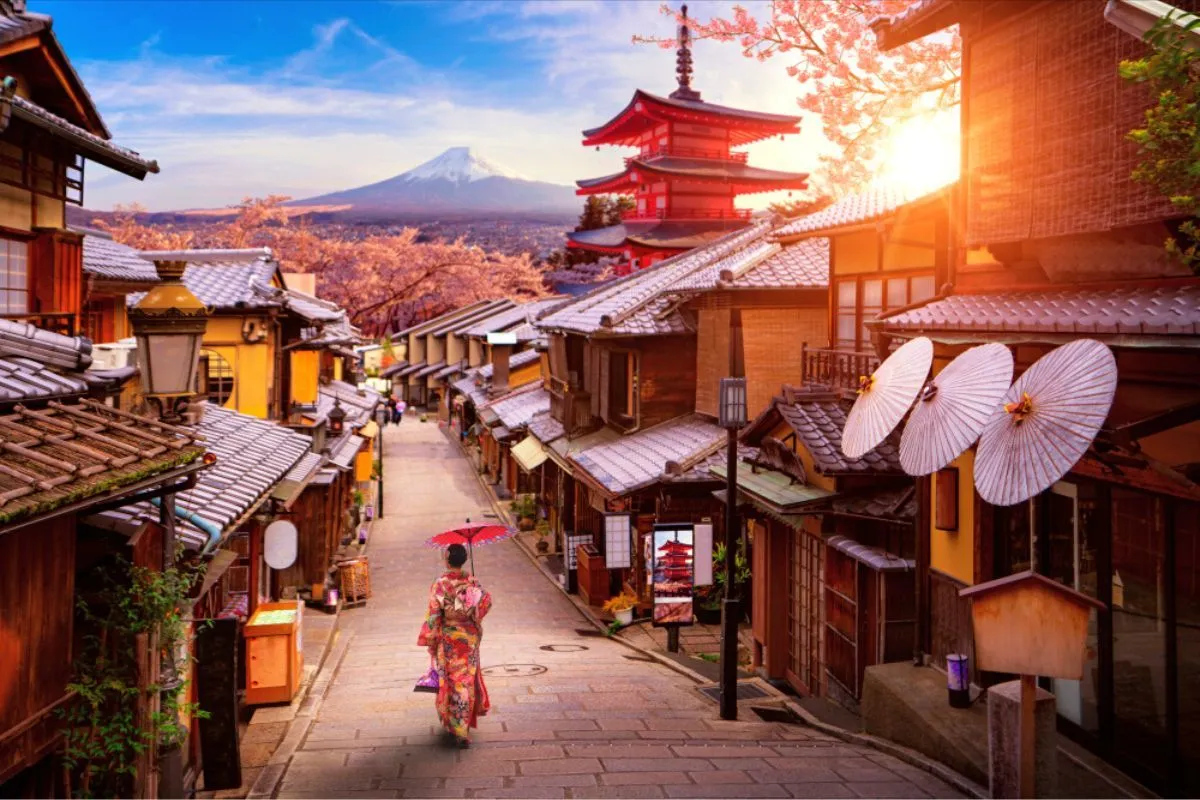
Travel from the Kansai region to Sapporo using the most suitable domestic connection for your travel date. Exact flight schedules and airports should be confirmed when the trip is booked.
After arrival, check in and keep the rest of the day relaxed. Hokkaido has a different pace and landscape from the regions you have just visited.
This is where the itinerary begins to feel like a second Japan journey inside the same holiday.
Overnight stay in Sapporo.
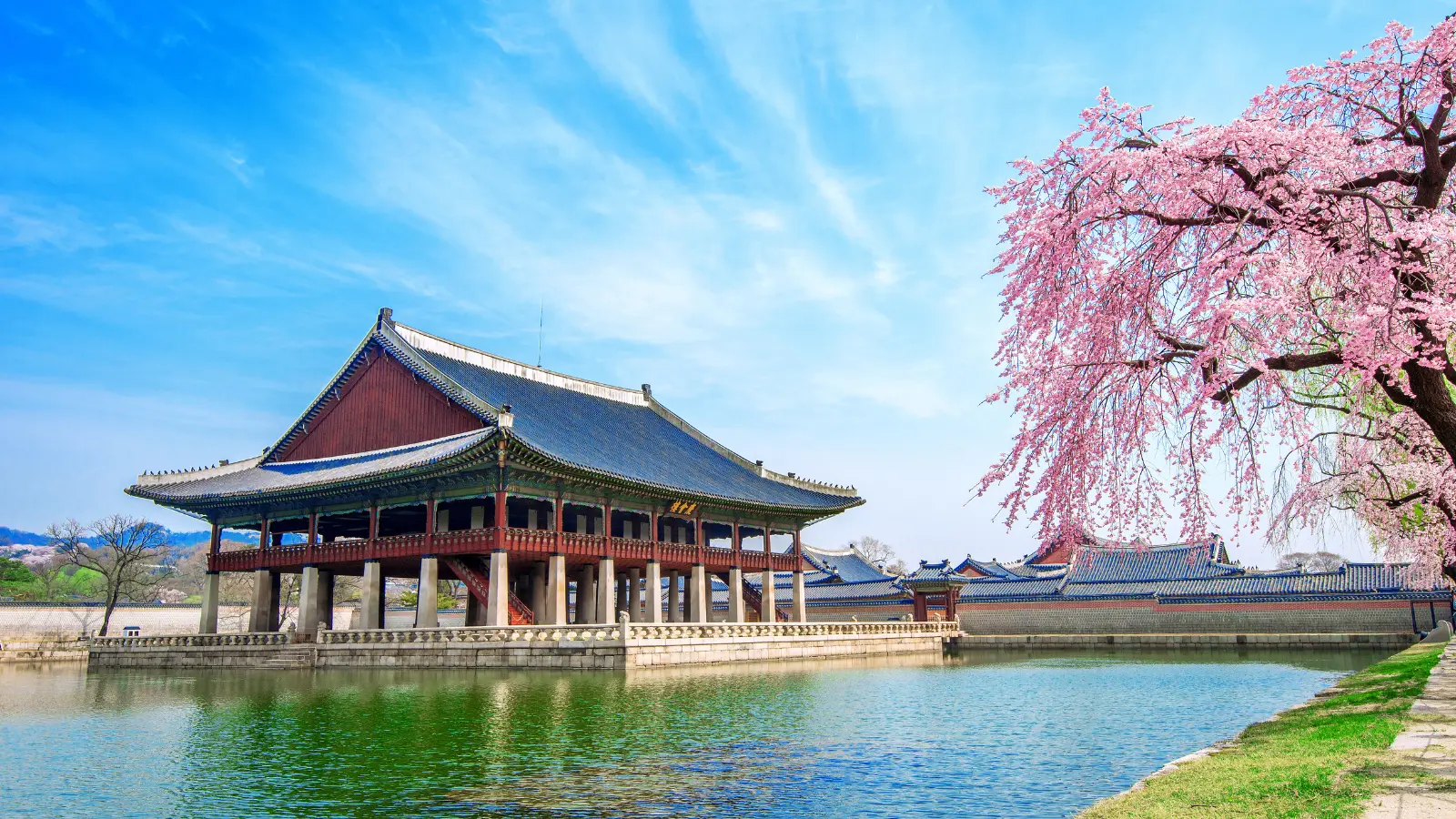
Spend the day exploring Sapporo at an easy pace. Odori Park, local markets, a viewpoint or one central neighbourhood can be combined according to your interests.
Food is a major part of the Hokkaido experience, so leave room for regional dishes rather than filling every hour with attractions.
For more northern Japan options, explore our Hokkaido tours.
Overnight stay in Sapporo.
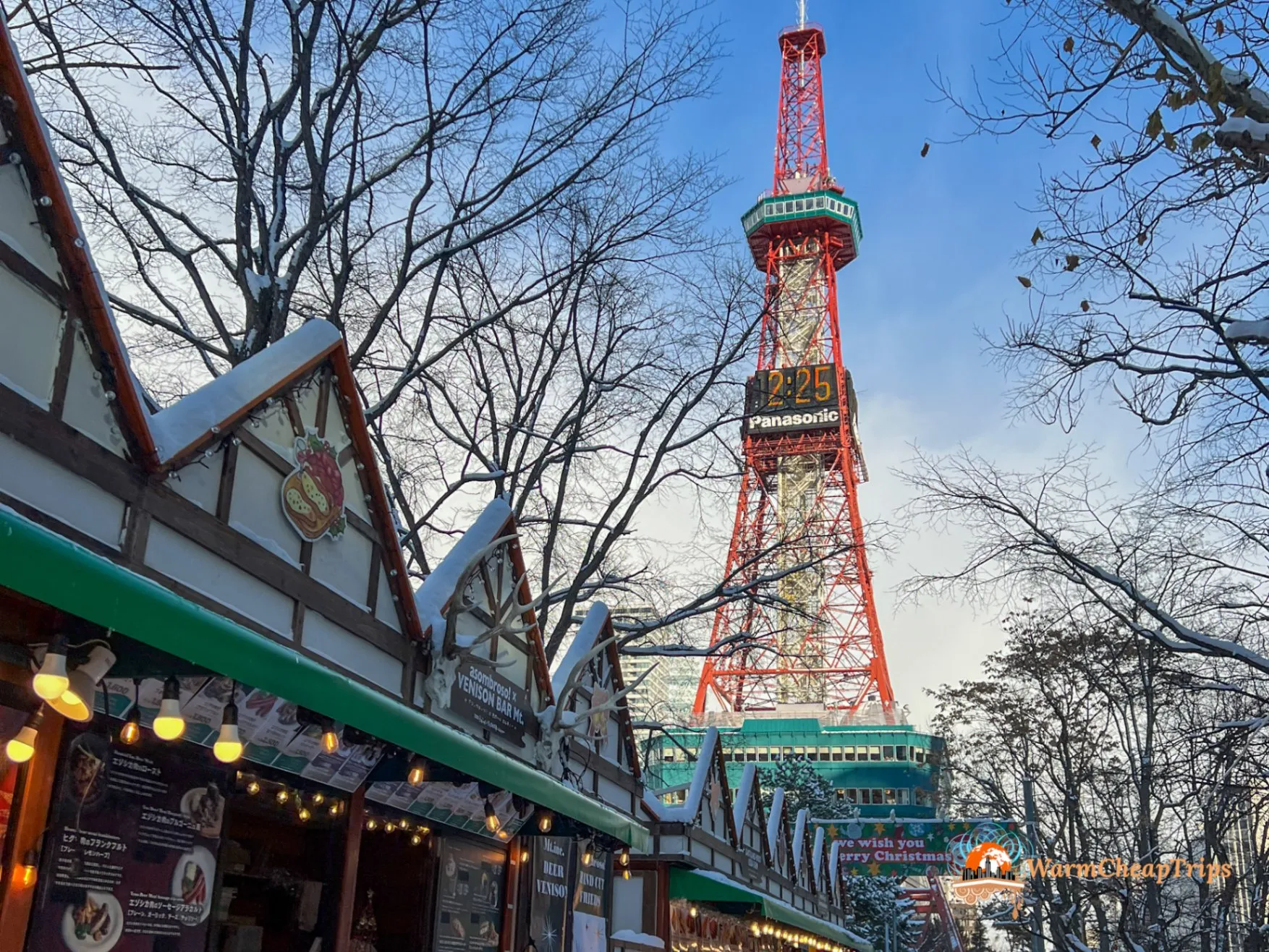
Take a day trip to Otaru, a compact port city known for its canal area, historic warehouses and local shops.
The day works best without over-planning. Walk the canal district, stop for lunch, browse small shops and enjoy the waterfront before returning to Sapporo.
Keeping Sapporo as the base avoids another hotel change and makes the Hokkaido section easier to manage.
Overnight stay in Sapporo.

Use the final full day for a trip toward Noboribetsu, known for volcanic scenery and hot-spring culture. The exact plan should match transport conditions and the pace you want for the day.
Visit the Jigokudani area or another nearby scenic stop if conditions allow, then return to Sapporo for the final night.
Keeping the last night back in Sapporo makes tomorrow’s departure easier and avoids a long same-day connection.
Overnight stay in Sapporo.

After breakfast, check out and transfer to the airport or rail station for your onward journey.
If your departure is later in the day, keep the final morning simple and leave a comfortable margin for airport travel.
The 15-day journey ends after combining Japan’s major cultural corridor with a separate Hokkaido section, giving you Tokyo, Hakone, Kyoto, Nara, Hiroshima, Miyajima, Osaka, Sapporo, Otaru and Noboribetsu in one trip.
Tour ends in Sapporo.
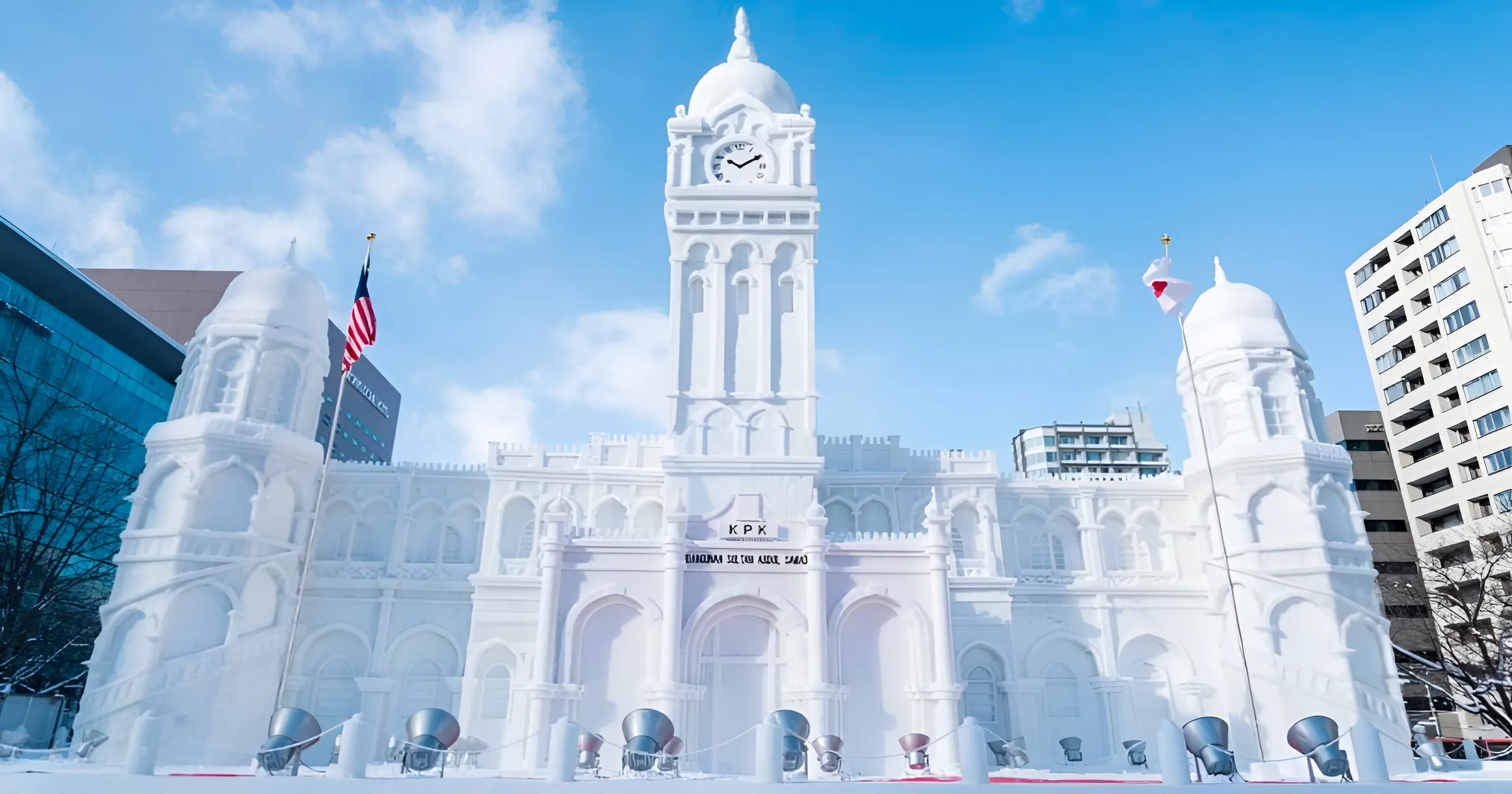
Share your travel dates, preferred hotels and interests. Our travel experts will customize this itinerary to match your trip duration, travel style and budget.
Get quick assistance with itinerary changes, hotels, transport, sightseeing and tour extensions.
Chat on WhatsAppReal moments and recent experiences shared by travellers who planned their holidays with Tusk Travel.
We appreciated our travel design er (Ovijit) was able to customize our trip to add in additional stops and tailor our hotels to what we were looking for.
The most beautiful trip I have ever had. With Tusk Travel I felt very happy and safe.
Tusk arranged a custom trip for us that included luxurious resort stay, elephant watching with ethical guides, hiking in the Knuckles mountain range.
My family and I loved the experience of getting to know India and the Maldives, which we will cherish in our memories and with a desire to return. And we are grateful to you and Tusk Travel for providing us with this experience.
Hello, I wanted to thank all the staff of the company for their work in organizing the tour and the good treatment they had with us.
Share your trip details. We’ll send a personalized itinerary and quote within 24 hours.