
Hakone Tours & Private Japan Itineraries
Hakone Tour Packages for Hot Springs, Lake Ashi & Mt. Fuji Scenery
Hakone is one of the easiest ways to add mountain scenery, hot-spring culture and a slower overnight to a first Japan trip. A well-planned Hakone tour can break up the journey between Tokyo and Kyoto, while giving travellers a very different experience from Japan's large cities.
The region is known for Lake Ashi, volcanic scenery, museums, mountain transport and ryokan-style stays. Hakone is also often associated with Mt. Fuji, although clear views depend on weather and should never be guaranteed. The strongest itineraries treat Fuji visibility as a bonus rather than the only reason to visit.
Travellers with limited time can include Hakone in our 6 Days Tokyo, Hakone & Mt. Fuji Tour, while longer Japan journeys can use one Hakone night between Tokyo and Kyoto before continuing to Nara, Osaka or Hiroshima.
Why Stay Overnight in Hakone?
Hakone works best when travellers allow enough time to slow down. A same-day visit from Tokyo is possible, but an overnight gives the region a completely different feel and makes room for a relaxed evening, a hot-spring experience and a less hurried sightseeing programme.
It can also be a practical routing decision. Instead of returning to Tokyo after sightseeing, you can continue west toward Kyoto the following day, depending on your hotel location, luggage and rail arrangements.
For a short five or six-day Japan trip, however, another hotel change may not always be worthwhile. The right choice depends on the full route rather than on Hakone alone.
Lake Ashi: Scenic, but Weather Matters
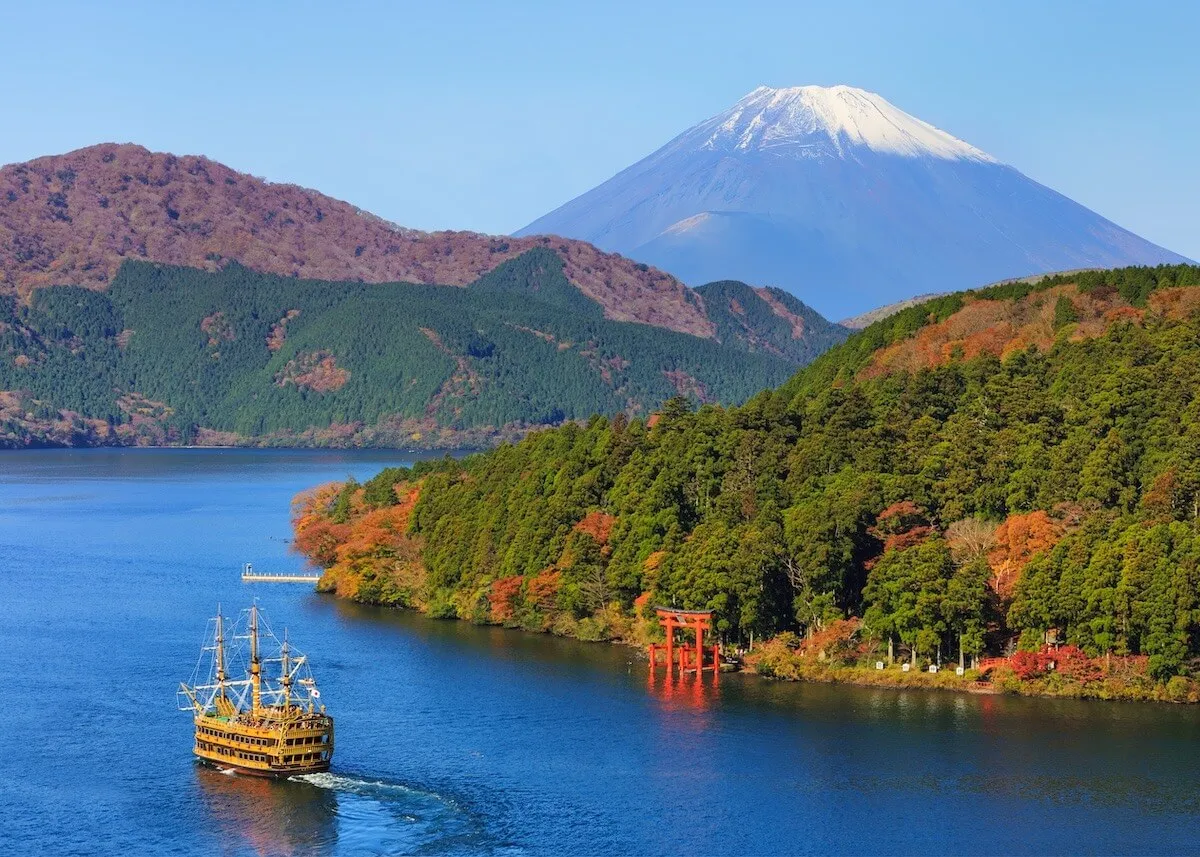
Lake Ashi is one of Hakone's best-known scenic areas. On clear days, some viewpoints can offer Mt. Fuji in the distance, but cloud and local weather can reduce or remove visibility.
We therefore avoid promising a specific view. The lake, surrounding mountains and nearby attractions should be enjoyable on their own. If conditions are poor, the sightseeing order can sometimes be adjusted around what is most practical that day.
Owakudani and Volcanic Landscapes
Owakudani adds a volcanic element to the Hakone experience and helps explain why the region became associated with hot springs. Access can be affected by weather, maintenance or local operating conditions, so the day's route should remain flexible.
Travellers should not assume that every transport segment or viewpoint will always operate exactly as planned. We prefer to confirm current conditions closer to travel.
Hakone Ropeway, Cable Cars and Local Transport
Hakone is famous for its layered transport system, which can include trains, cable cars, ropeways, buses and boats. This can be part of the fun, but it can also feel complicated with large luggage, young children or limited mobility.
A private vehicle or selected transfer may make sense for some travellers, while others enjoy using the public transport network. There is no need to use every transport mode simply because it is famous.
Ryokan Stay or Western-Style Hotel?
A ryokan can be one of the highlights of a Hakone visit. Traditional rooms, Japanese meals and hot-spring bathing can create a strong contrast with city hotels in Tokyo and Kyoto.
That said, not every traveller wants floor-level seating, futon bedding or communal bathing. Families, older travellers or guests who prefer familiar room layouts may be more comfortable in a western-style hotel.
We recommend choosing the accommodation style around comfort, privacy and mobility rather than treating a ryokan as compulsory.
Onsen Etiquette and Comfort
Hot-spring bathing can be a memorable part of Hakone, but travellers should understand the basic etiquette before arrival. Rules can vary by property, and some travellers may prefer a room with a private bath.
Tattoo policies, bathing arrangements and private-use options differ between properties, so these points should be checked before booking if they matter to you.
Hakone and Mt. Fuji: What Is the Difference?
Hakone and the Fuji Five Lakes are often grouped together, but the travel experience is different. Hakone is particularly strong for hot springs, museums, volcanic scenery and Lake Ashi.
The Fuji Five Lakes area is often better for broader lake views and a more direct sense of Mt. Fuji itself. Travellers focused mainly on mountain photography may prefer the Fuji side, while those wanting variety and an overnight stay may prefer Hakone.
For more mountain-focused routes, see our Mt. Fuji tours.
Hakone from Tokyo
Hakone is most commonly reached from Tokyo and can be planned either as a day trip or as an overnight. An early start gives more sightseeing flexibility, especially if you are using several local transport connections.
Travellers arriving after a long international flight should not force Hakone into the first day. Spending the initial nights in Tokyo usually creates a more comfortable start to the journey.
Hakone on the Way to Kyoto
Hakone works naturally between Tokyo and Kyoto because it changes the pace of the journey. Instead of moving directly from one major city to another, you can add one night of mountain scenery and hot-spring culture.
The exact transfer should be planned around luggage and the location of your accommodation. Some stays require local connections before you rejoin the main intercity rail route.
Our 8 Days Classic Japan: Tokyo, Hakone, Kyoto, Nara & Osaka is a practical example of how Hakone can fit into a first-time Japan itinerary.
Luggage Planning Makes a Big Difference
Hakone is much easier with light luggage. Large suitcases can be inconvenient when using buses, ropeways or other local transport. Travellers continuing to Kyoto may benefit from forwarding larger bags ahead when the service is available and confirmed.
Keep medicine, valuables, documents and overnight essentials with you. Luggage forwarding should simplify the route, not leave you without important items.
Hakone with Children
Families can enjoy Hakone because the region combines scenery with varied transport and outdoor experiences. The challenge is avoiding too many transfers and keeping the day realistic for younger children.
An overnight can work especially well because it breaks up the Tokyo-to-Kyoto journey. Families planning a broader holiday can also explore our Japan family tours.
Hakone for Older Travellers
Older travellers often benefit from fewer transport changes, shorter walks and a carefully chosen hotel. Selected private transfers can reduce the physical effort involved in moving through the region.
Ryokan accessibility should also be checked in advance because some traditional properties may have stairs, low seating or room layouts that are less comfortable for guests with mobility concerns.
Museums and Art in Hakone
Hakone has several well-known museums and can work well for travellers interested in art as much as scenery. A museum visit is especially useful when the weather is poor or when you want a more varied day than viewpoints alone.
We recommend choosing one museum that genuinely interests you rather than trying to visit several in the same day.
Hakone in Spring
Spring can bring mild weather and seasonal scenery, although exact blossom timing differs from Tokyo and Kyoto. Elevation can affect conditions, so one region may be ahead of or behind another.
Travellers focused on spring scenery can browse our Japan cherry blossom tours.
Hakone in Autumn
Autumn is a popular time for mountain colour and comfortable sightseeing. Exact foliage timing varies each year and can differ across elevations within the region.
For broader seasonal routes, see our Japan autumn foliage tours.
Common Hakone Planning Mistakes
- Expecting guaranteed Mt. Fuji views: Visibility depends on weather.
- Carrying too much luggage: Local transport is easier with a smaller overnight bag.
- Trying every transport mode: Use what improves the journey rather than completing a circuit for its own sake.
- Ignoring ryokan comfort: Traditional accommodation is not automatically right for every traveller.
- Rushing the overnight: The value of Hakone is partly in slowing the pace.
- Assuming all attractions operate normally every day: Weather and local conditions can affect access.
How Many Days Work Well for Hakone?
One night is enough for most first-time travellers. Two nights can suit people who want more museum time, a slower hot-spring stay or less pressure on the sightseeing day.
On a seven to ten-day Japan route, one Hakone night is usually the most practical balance. With a shorter trip, a day visit or skipping Hakone entirely may create a better overall pace.
Why Plan Hakone with Tusk Travel?
We plan Hakone as part of the full Japan route, not as an isolated excursion. That means the Tokyo departure, hotel style, luggage plan, local sightseeing and onward journey to Kyoto can all work together.
Your itinerary can include private transfers, public transport, a ryokan or western-style hotel, museum visits, Mt. Fuji scenery and free time according to your preferences.
The goal is a calm, well-paced mountain stop that adds something different to the trip rather than another complicated transfer day.
Popular Hakone Tour Packages & Itineraries
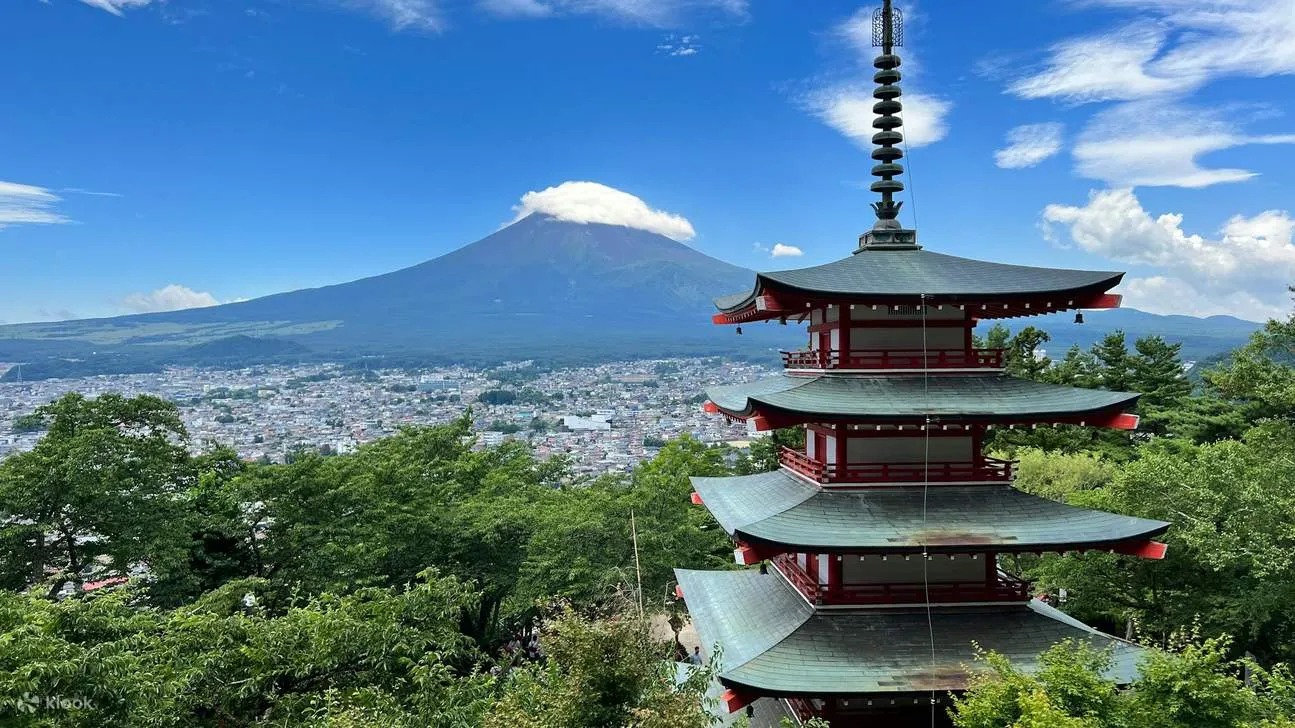
7 Days Japan: Tokyo, Mt. Fuji, Kyoto & Osaka
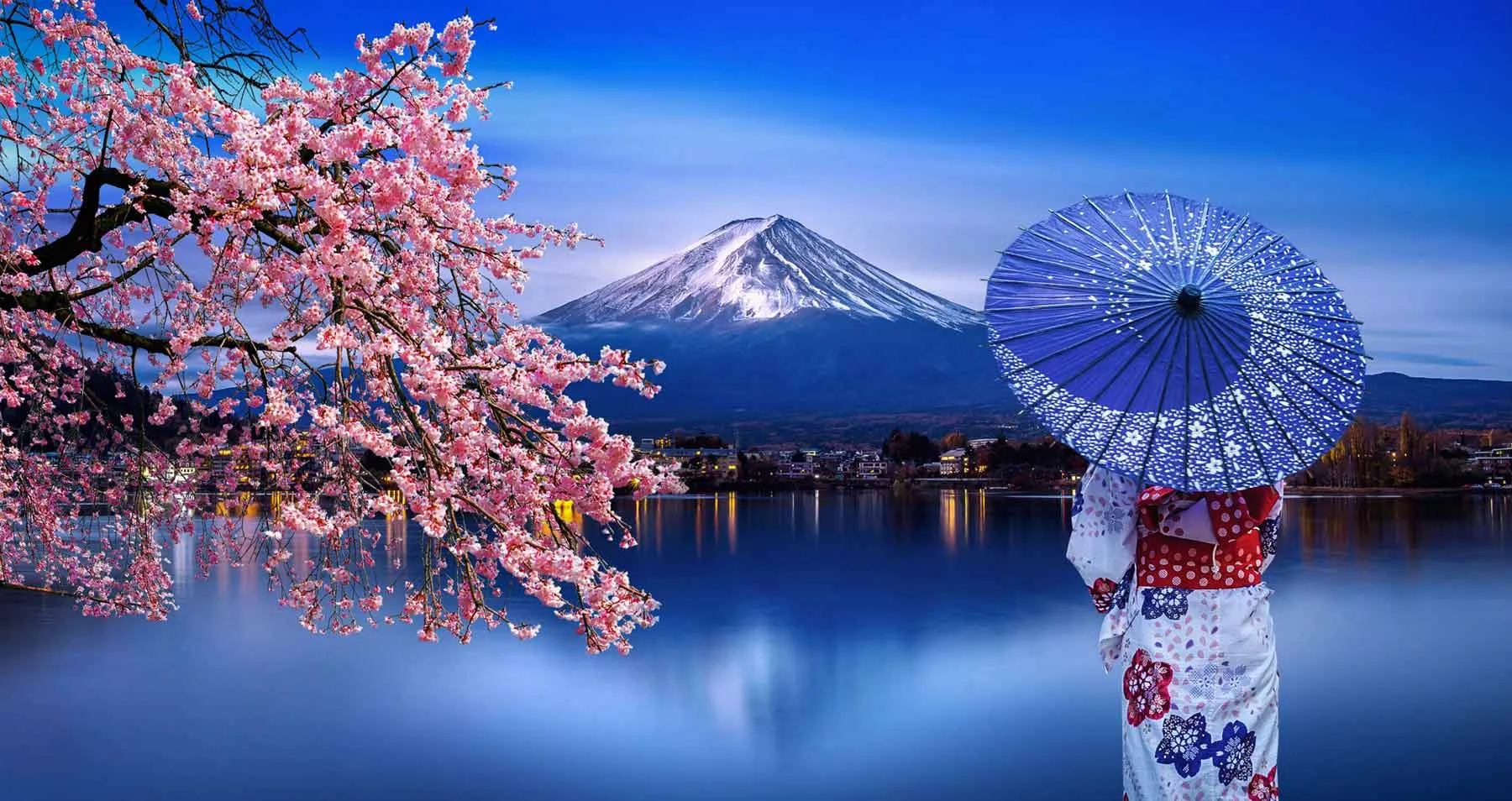
8 Days Classic Japan: Tokyo, Hakone, Kyoto, Nara & Osaka
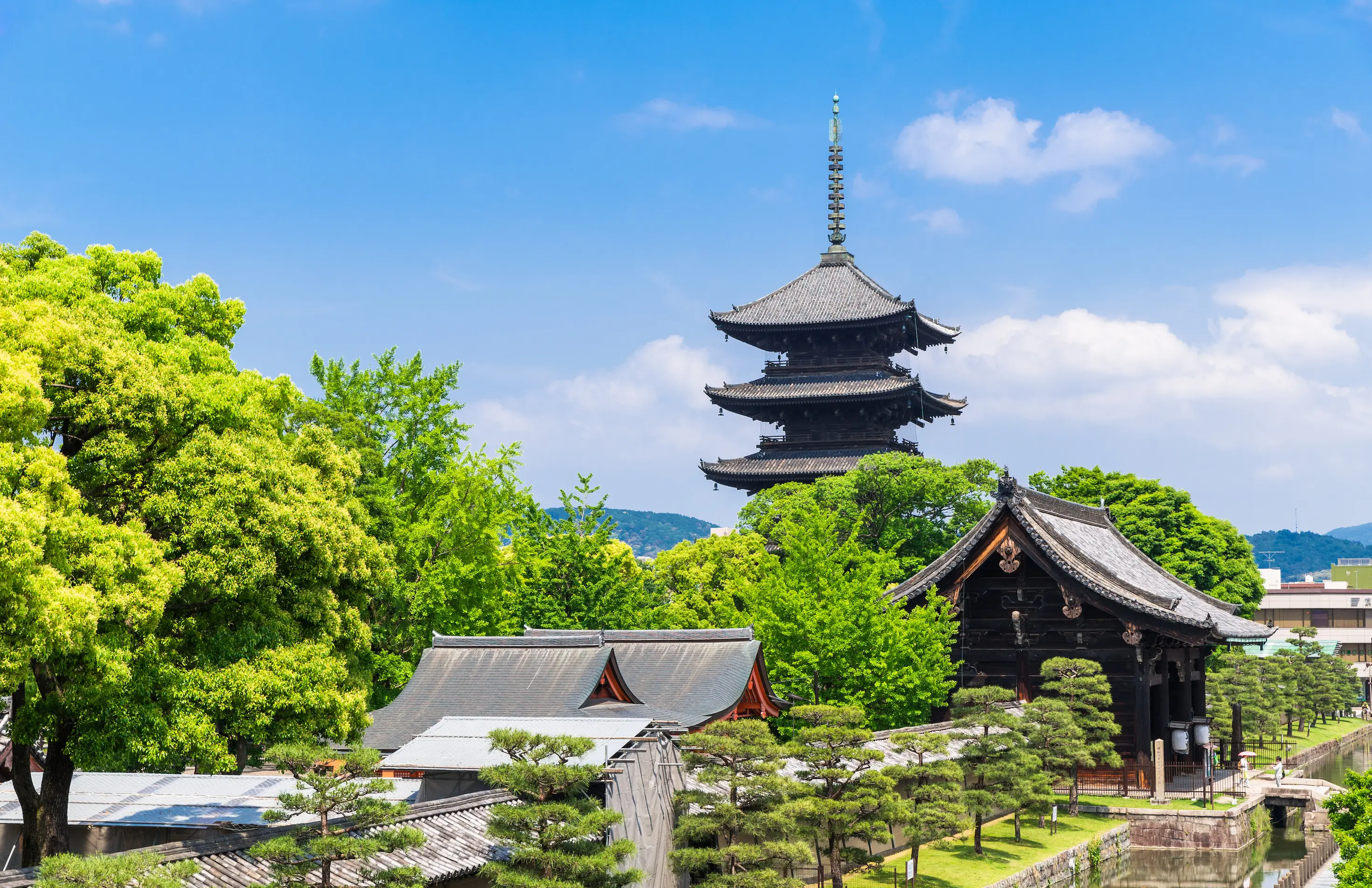
10 Days Japan Golden Route with Hiroshima
10 Days Japan Family Tour: Tokyo, Mt. Fuji, Kyoto & Osaka
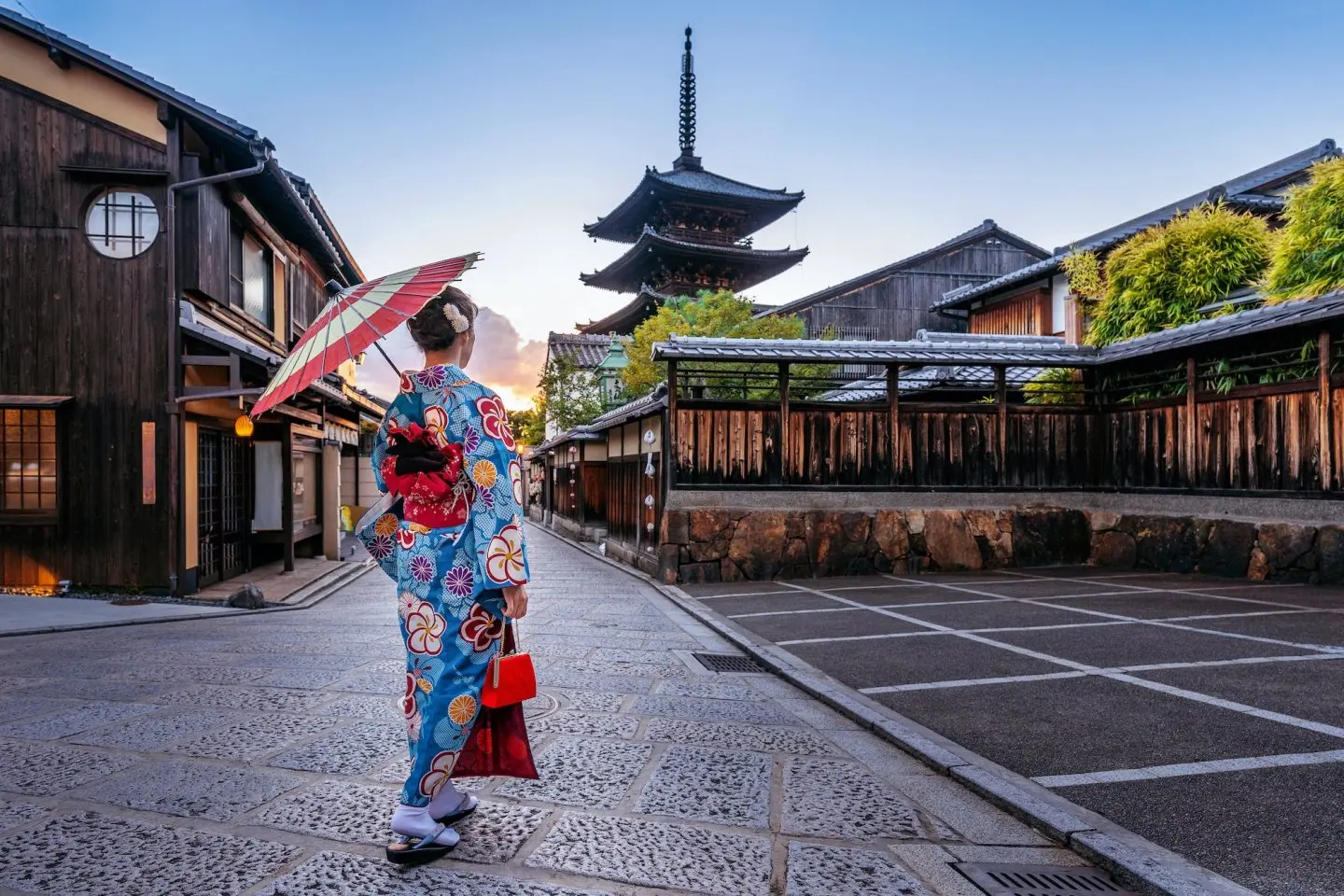
10 Days Japan Honeymoon: Tokyo, Hakone, Kyoto & Osaka

10 Days Japan Cherry Blossom Tour: Tokyo, Mt. Fuji, Kyoto & Osaka
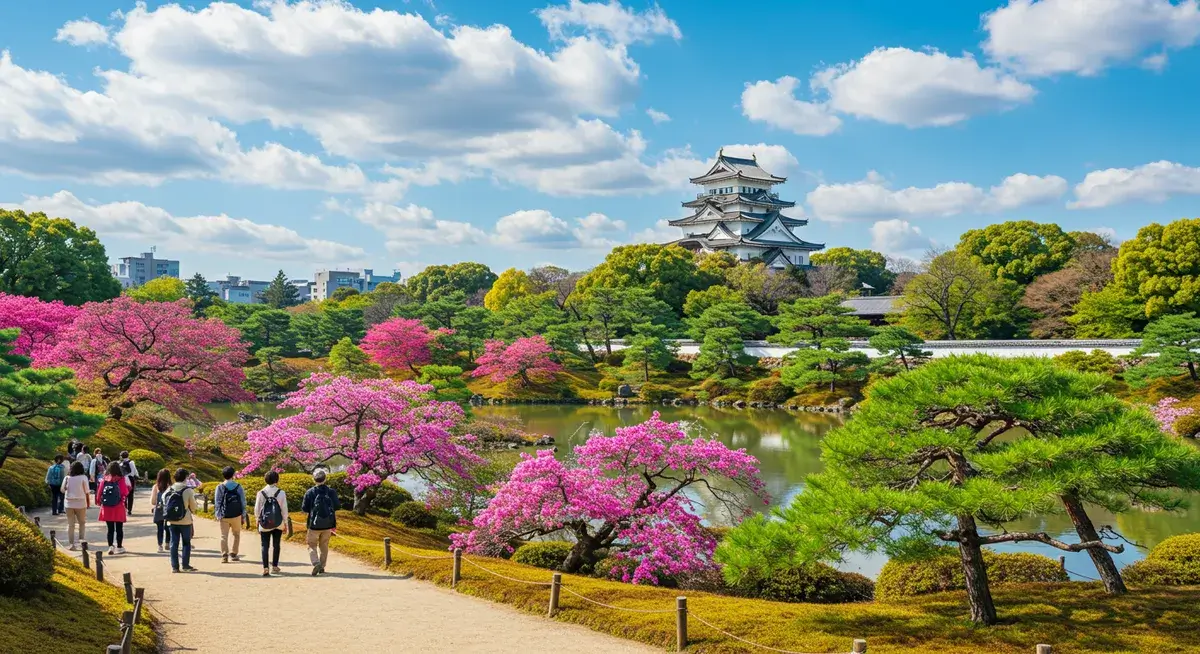
12 Days Luxury Japan: Tokyo, Hakone, Kanazawa & Kyoto
14 Days Japan Family: Tokyo, Mt. Fuji, Kyoto, Hiroshima & Osaka
Hakone Tours: Frequently Asked Questions
Yes, especially if you want a hot-spring stay, a slower pace and a natural break between Tokyo and Kyoto. For a very short Japan trip, a day visit may be more efficient.
Sometimes, but visibility depends on weather and local conditions. Mt. Fuji views should be treated as a possible highlight, not a guaranteed part of the itinerary.
No. Hakone is known for Lake Ashi, hot springs, museums and volcanic scenery, while the Fuji Five Lakes area offers a different style of lakeside and mountain-focused experience.
A ryokan can be a memorable choice if you want traditional rooms, Japanese meals and hot-spring culture. Travellers who prefer western beds, more space or easier accessibility may be happier in a conventional hotel.
Yes. The route can be adapted around walking ability, children, luggage and transfer comfort. Selected private transfers can reduce the number of transport changes.
Yes. One Hakone night can work very well between Tokyo and Kyoto, but luggage and local transport should be planned carefully because scenic hotels may require additional connections.
Yes. We can customise the number of Hakone nights, hotel style, ryokan stay, private transfers, sightseeing, luggage planning and the onward route to Kyoto, Osaka or other parts of Japan.