


Well Organized Trip
We appreciated our travel design er (Ovijit) was able to customize our trip to add in additional stops and tailor our hotels to what we were looking for.

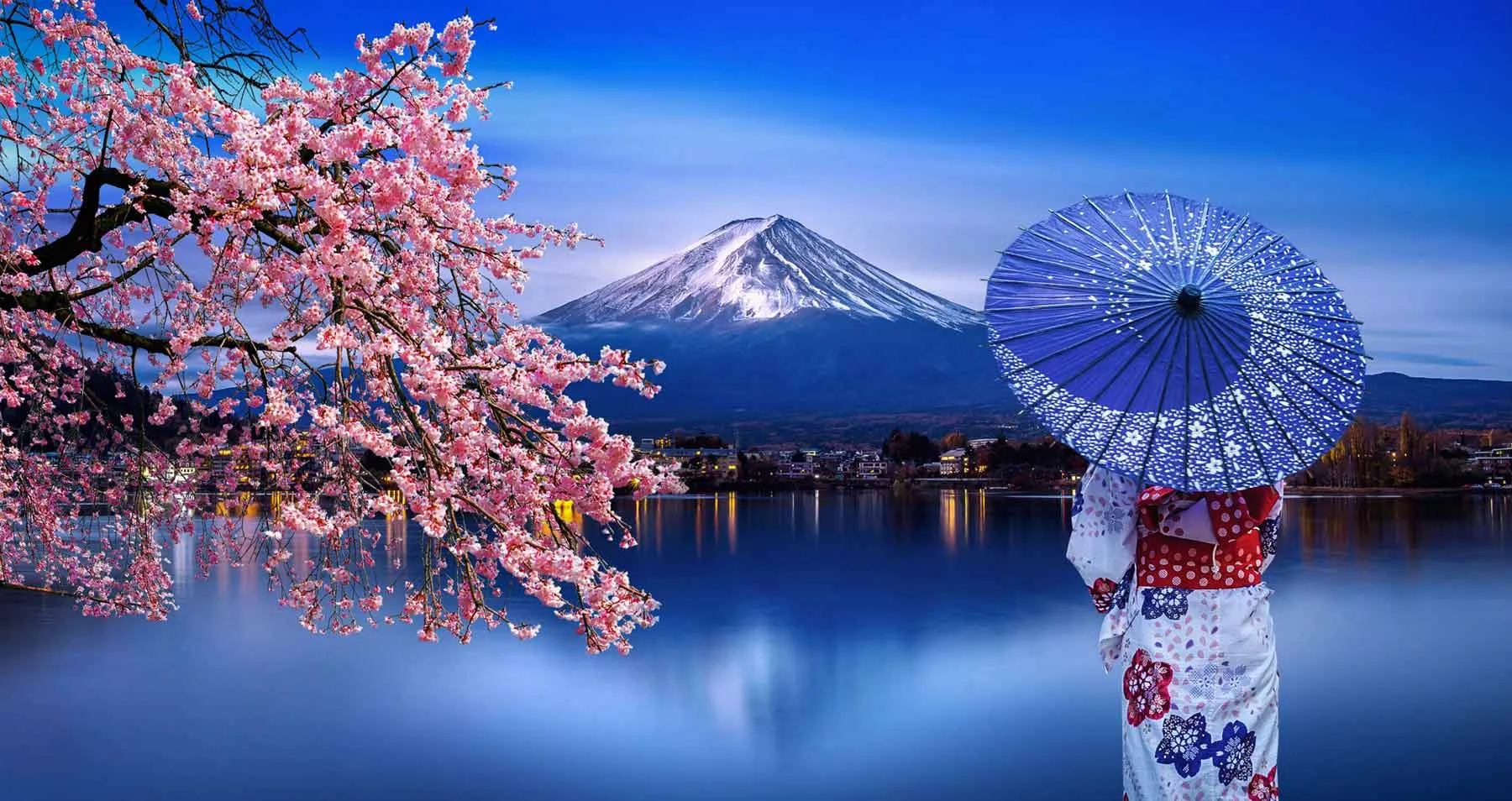
Two weeks gives a family enough time to see Japan properly, but only if the extra days are used to slow the journey down rather than add more hotel changes. This 14-day Japan family itinerary begins with three nights in Tokyo, adds a slower night around Hakone and Mt. Fuji, then continues to Kyoto, Nara, Osaka and Hiroshima.
Compared with a shorter family route, this version adds two nights in Hiroshima and a full Miyajima day, plus a relaxed final two-night return to Osaka. That makes the itinerary better suited to families who want culture and history without making every day feel like a transfer.
Adults can often push through a packed itinerary for a few days. Families usually feel the effects sooner, especially when jet lag, unfamiliar food, long station walks and changing weather are added together. That is why this route includes lighter arrival days, a slower Arashiyama day and an open final day in Osaka.
Hiroshima also receives two nights so the Peace Memorial area and Miyajima are not combined into one exhausting day. Nara is placed between Kyoto and Osaka to reduce backtracking, and the final two nights stay in one Osaka hotel before departure.
For more age-specific options, explore our Japan family tours. The trip can be customised around room configuration, private transfers, rail travel, dietary needs, stroller use, attraction bookings and the ages of the children.
Fourteen days gives enough room for Tokyo, the Fuji-Hakone region, Kyoto, Nara, Osaka, Hiroshima and Miyajima without turning the trip into a new hotel every night. It also gives you enough flexibility to lose half a day to weather, tiredness or a changed booking without feeling that the entire holiday has been disrupted.
Arrive in Tokyo and transfer to your hotel. On a two-week family trip, the arrival day should make everyone feel settled, not tested. Keep the evening easy, especially if children or older family members are adjusting to the time difference.
Have dinner close to the hotel, take a short walk if everyone is comfortable, and leave the major sightseeing for tomorrow.
You stay three nights in Tokyo, so there is no need to unpack and repack immediately after the flight.
Overnight stay in Tokyo.
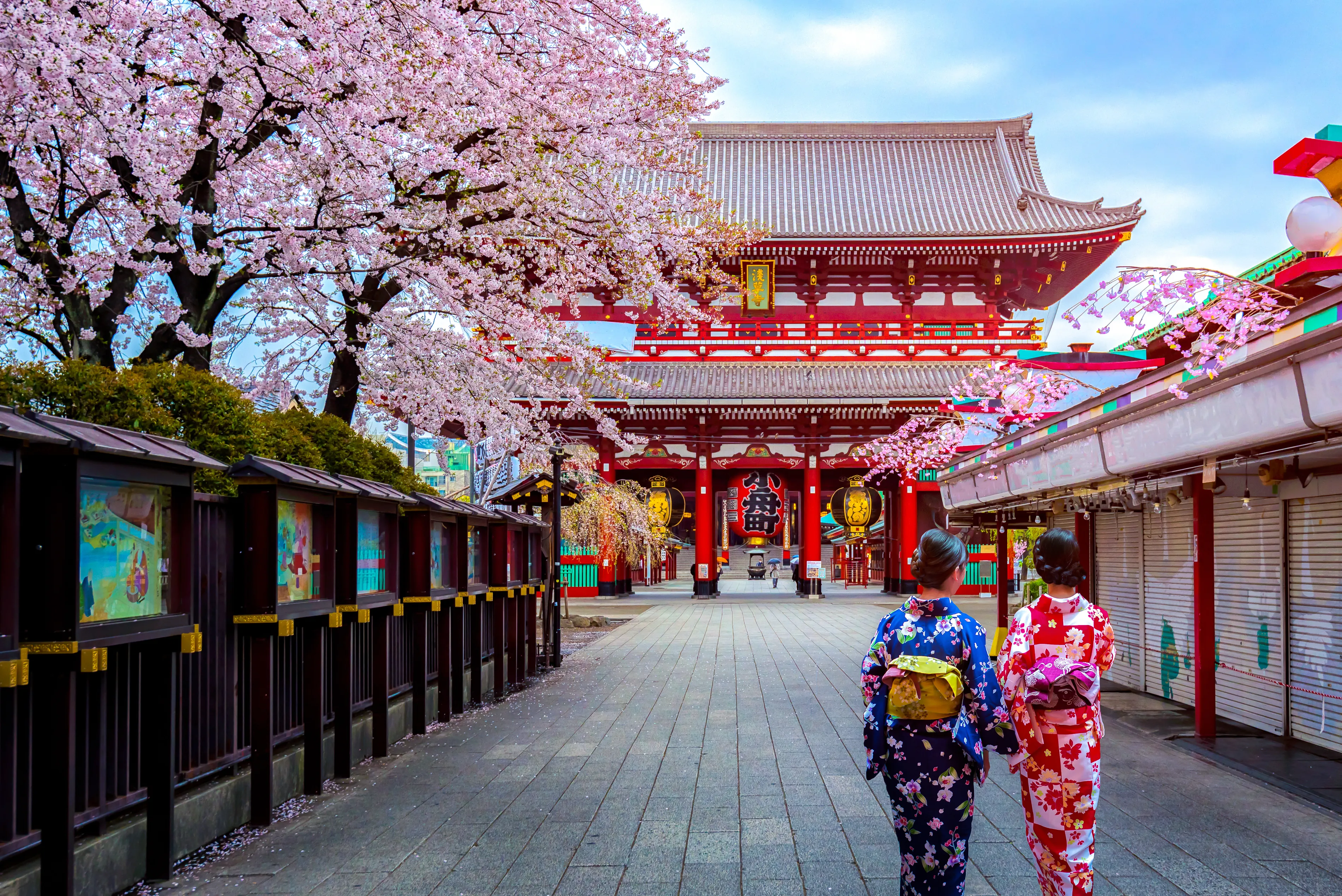
Begin with a manageable mix of traditional and modern Tokyo. Asakusa and Senso-ji work well in the morning, followed by one modern district such as Shibuya, Shinjuku or Odaiba depending on the ages and interests in your group.
Families often underestimate how much walking Tokyo involves. Fewer neighbourhoods, sensible breaks and one relaxed meal usually produce a better day than trying to cover the whole city.
For more city ideas, see our Tokyo tours, which can be adjusted around younger children, teenagers or multi-generation groups.
Overnight stay in Tokyo.
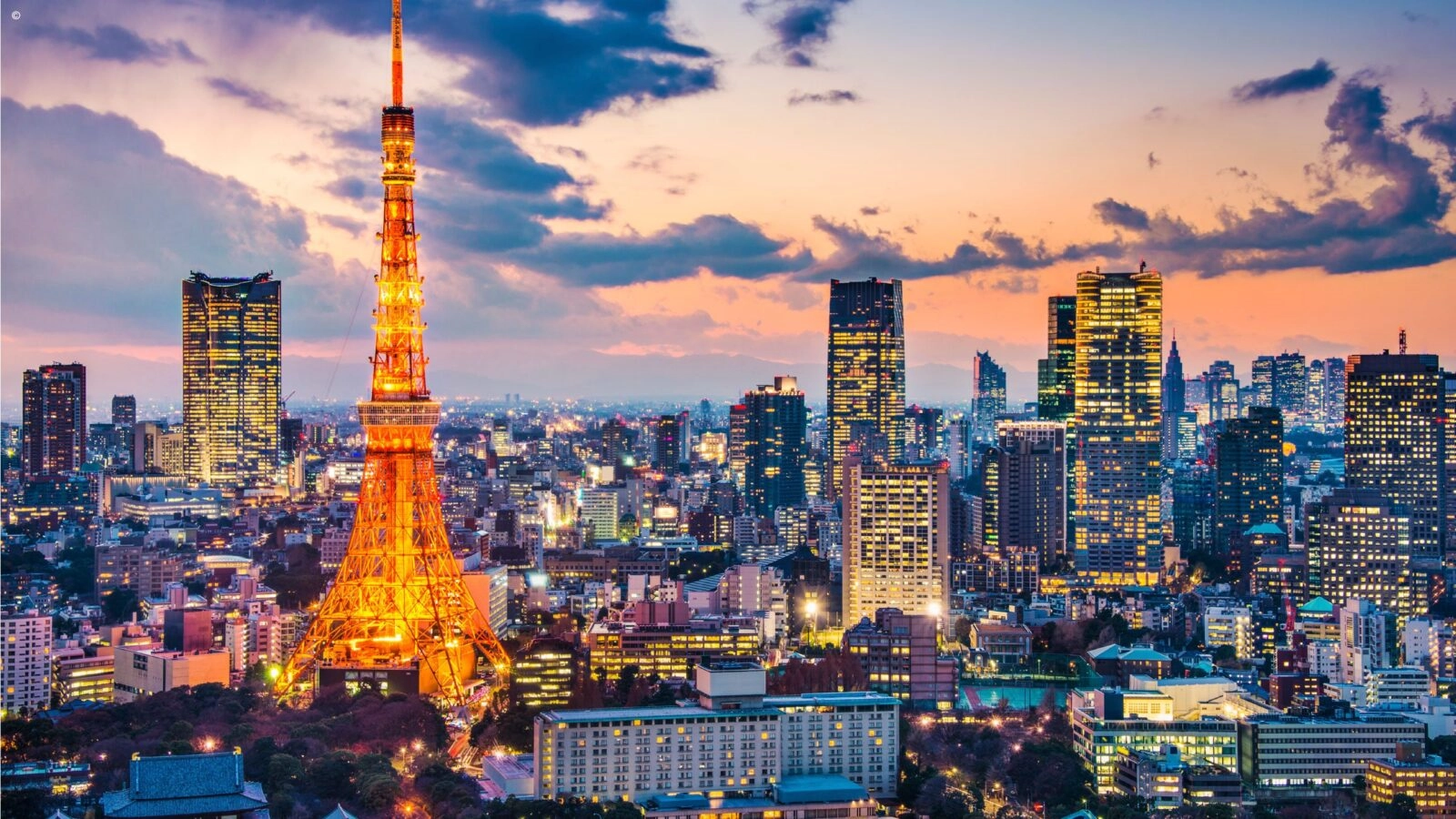
Keep the second full Tokyo day flexible. Younger children may enjoy interactive museums or character-themed attractions, while teenagers might prefer shopping, digital art, food experiences or contemporary neighbourhoods.
The purpose of this day is to let the family shape part of the trip. A long itinerary works better when every day is not decided months in advance.
If you have a timed attraction or special meal in mind, schedule it here and keep the rest of the day lighter around that booking.
Overnight stay in Tokyo.
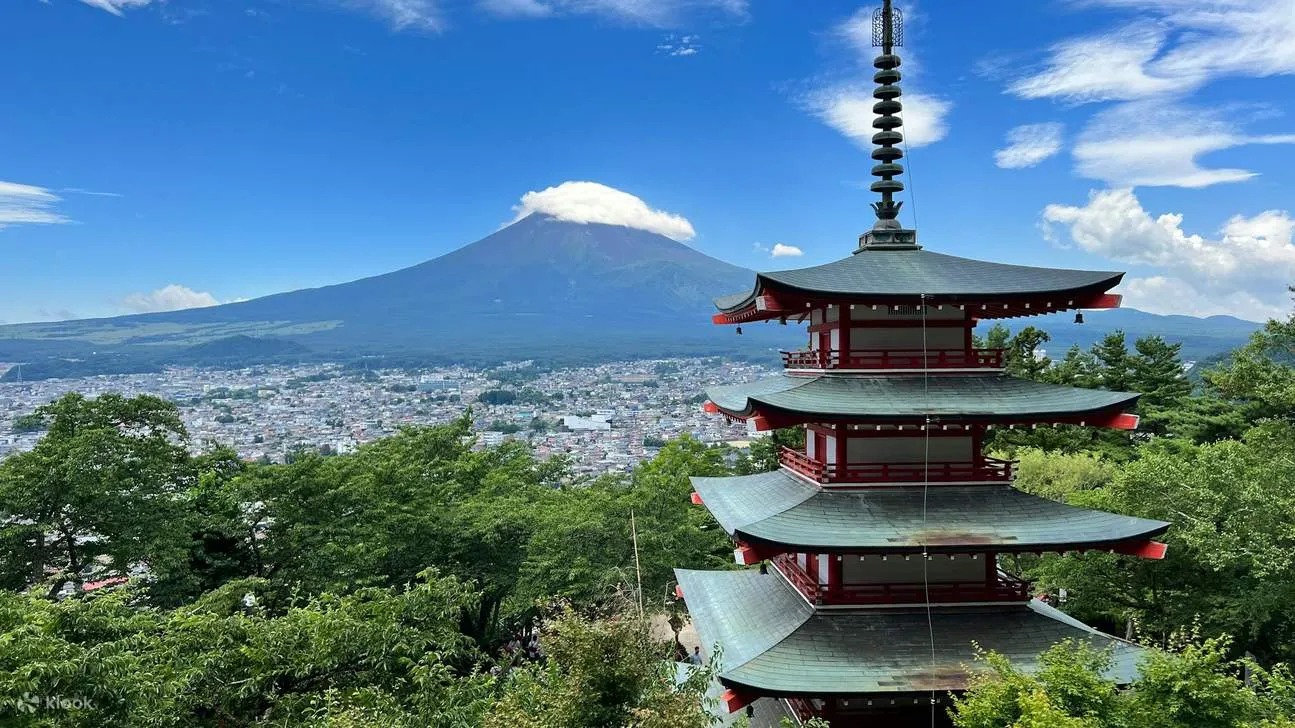
Leave Tokyo for the Mt. Fuji and Hakone region. The change of scenery is welcome after several city days, with lakes, mountains and a slower overnight stop.
Depending on weather and local operating conditions, the day can include a Fuji-viewing area, Lake Ashi, Owakudani or another scenic stop. Clear views of Mt. Fuji are possible but never guaranteed.
Stay overnight in Hakone or nearby. Families who want a more mountain-focused version can also explore our Mt. Fuji tours.
Overnight stay in Hakone or the Mt. Fuji region.
After breakfast, continue to Kyoto and check in for three nights.
On a family itinerary, transfer days should stay light. After arrival, take an easy walk through Gion, Yasaka Shrine or a nearby shopping street if everyone still has energy.
The next two days are reserved for deeper sightseeing, so there is no need to start with a full temple programme.
Overnight stay in Kyoto.
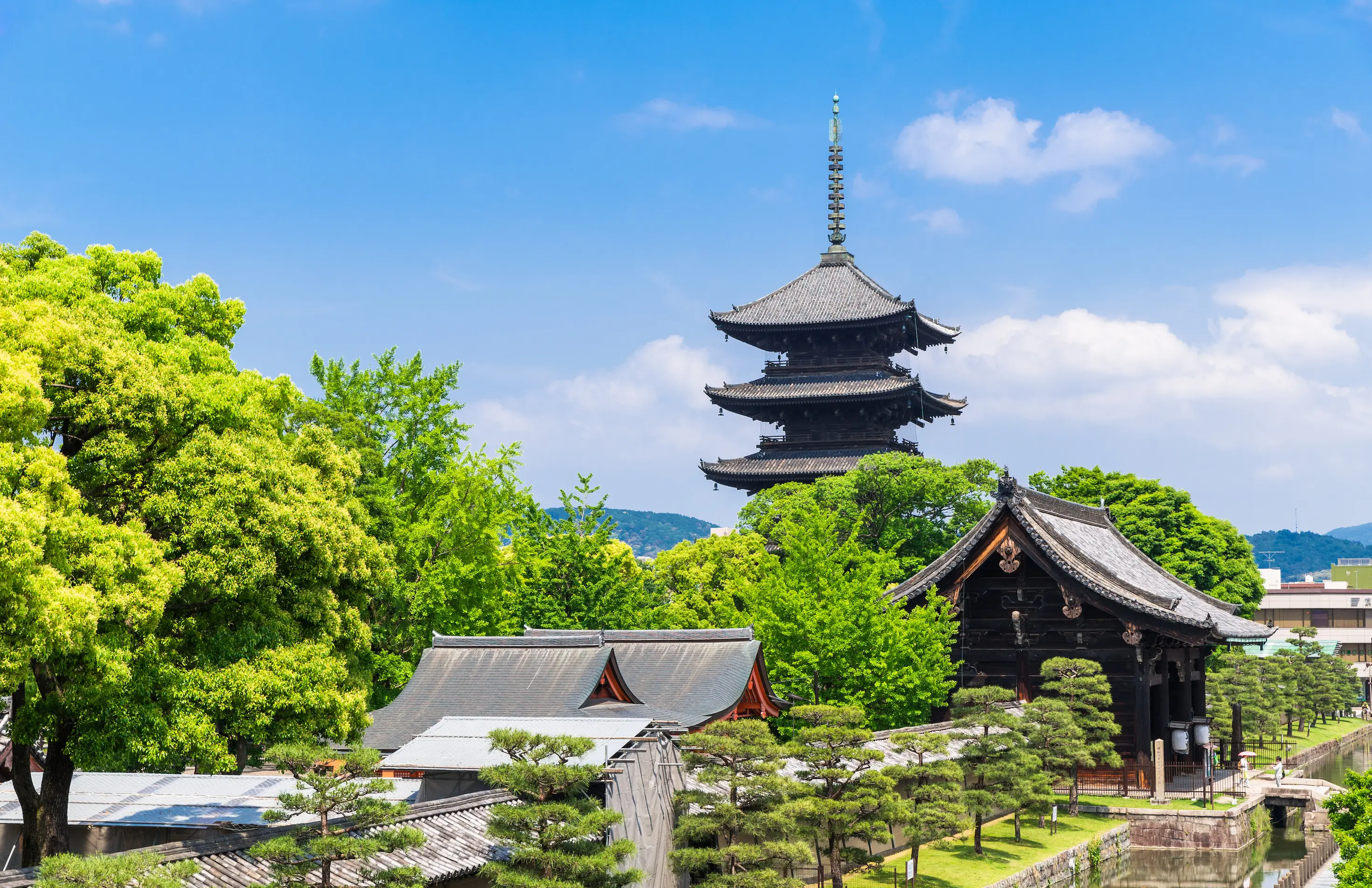
Spend the day seeing some of Kyoto's best-known cultural sights, but avoid turning the itinerary into a sequence of temples. Fushimi Inari, Kiyomizu-dera and part of Higashiyama make a strong first-time combination.
Break up the sightseeing with snacks, a relaxed lunch, small shops or a hands-on activity. Children and teenagers often remember the spaces between landmarks just as much as the landmarks themselves.
If your family prefers crafts, tea or food experiences, substitute one major stop instead of adding more to the day.
Overnight stay in Kyoto.
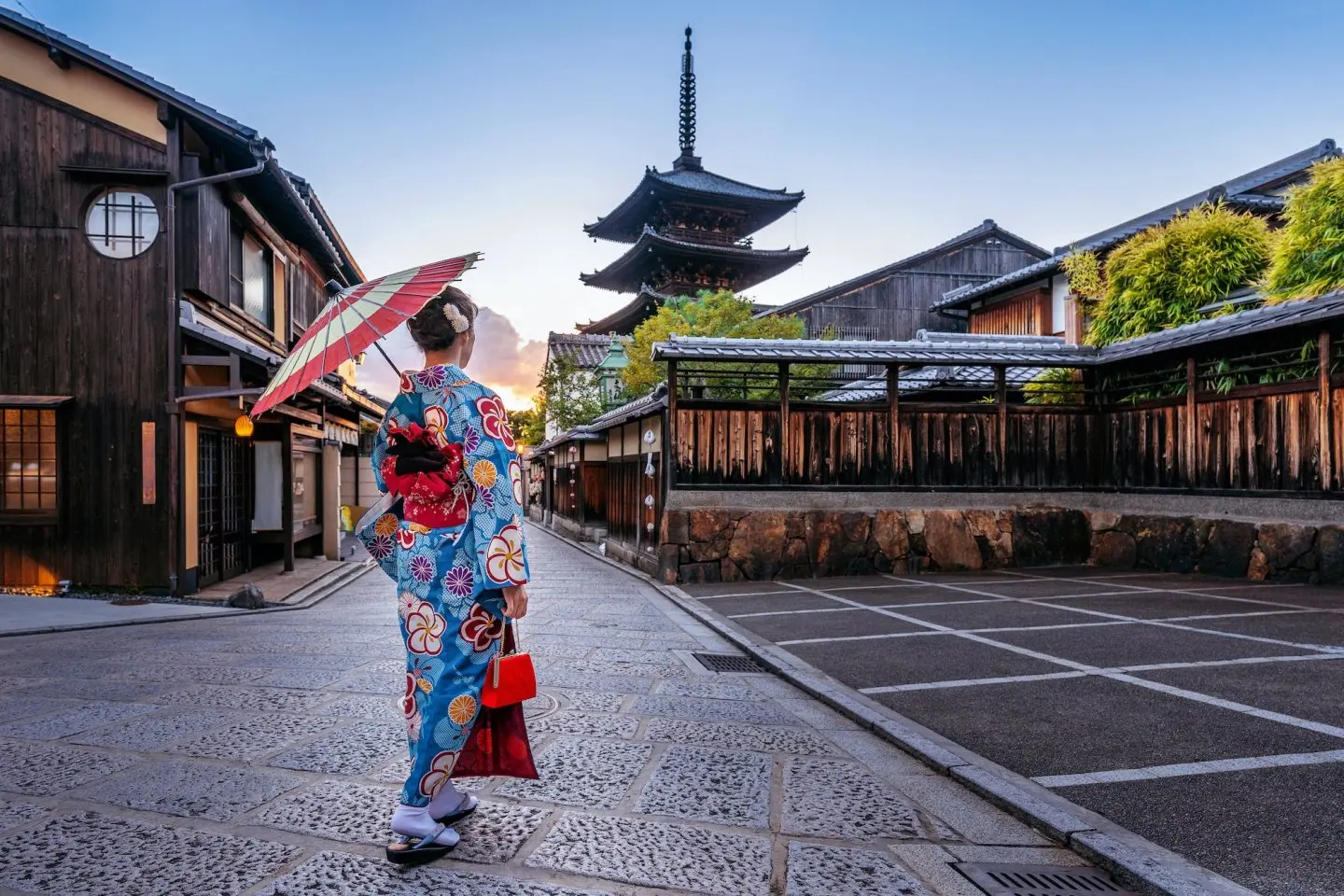
Use the second full Kyoto day for Arashiyama. The bamboo grove, riverside and temple gardens create a more open setting than the busier eastern districts.
Keep the afternoon deliberately flexible. Families can return to central Kyoto, add a craft activity, visit another garden or simply take time off.
A two-week trip does not need to be full from breakfast to dinner. This slower day helps preserve energy before Nara, Hiroshima and Miyajima.
Overnight stay in Kyoto.

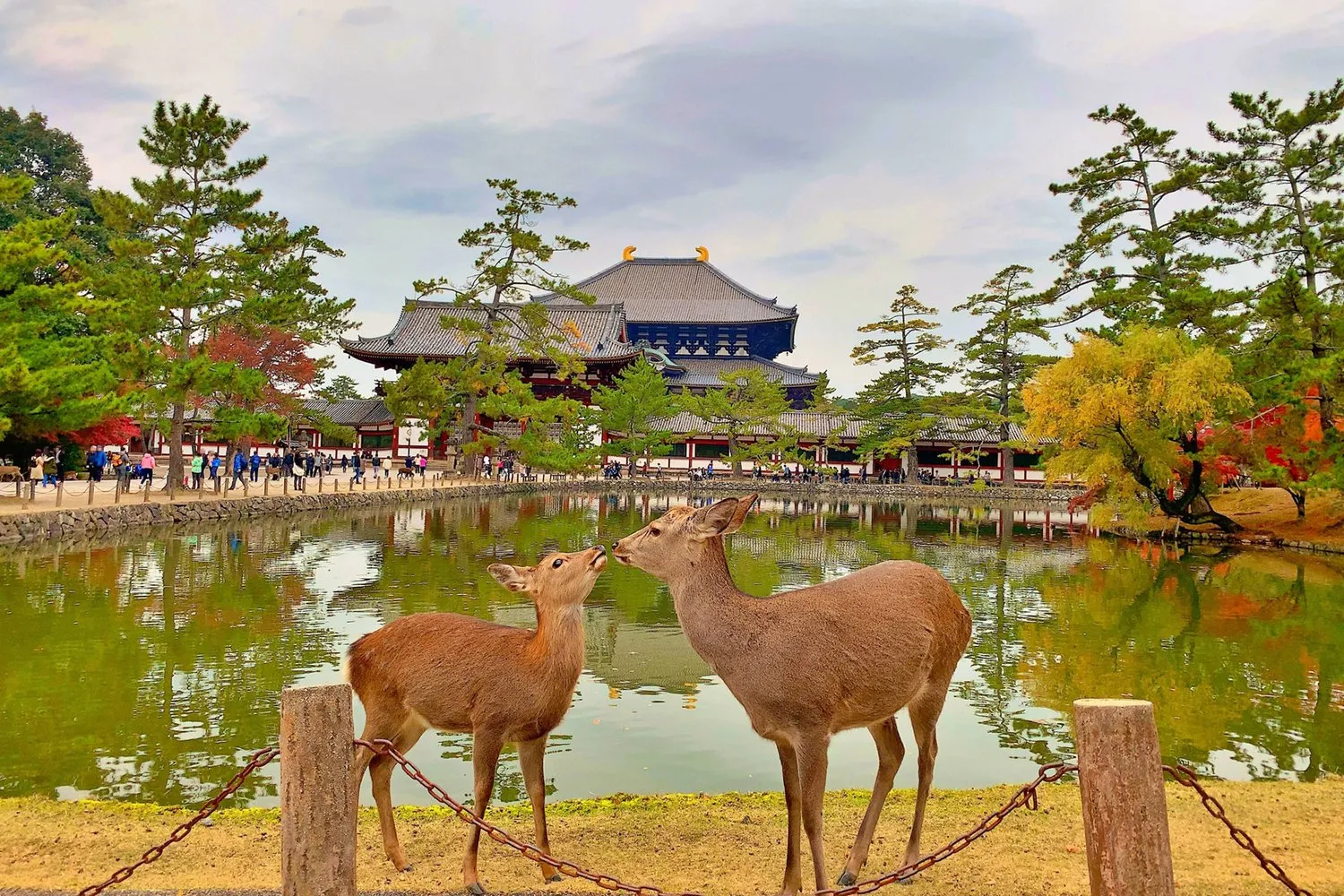
Check out of Kyoto and travel to Nara. Visit Nara Park, Todai-ji and the surrounding heritage area before continuing to Osaka.
Using Nara as a transfer-day stop is practical for families because it avoids returning to Kyoto and reduces backtracking.
After checking in, keep the evening optional. Dotonbori or Namba can be fun if everyone still has energy, but a quieter dinner is equally sensible.
Overnight stay in Osaka.
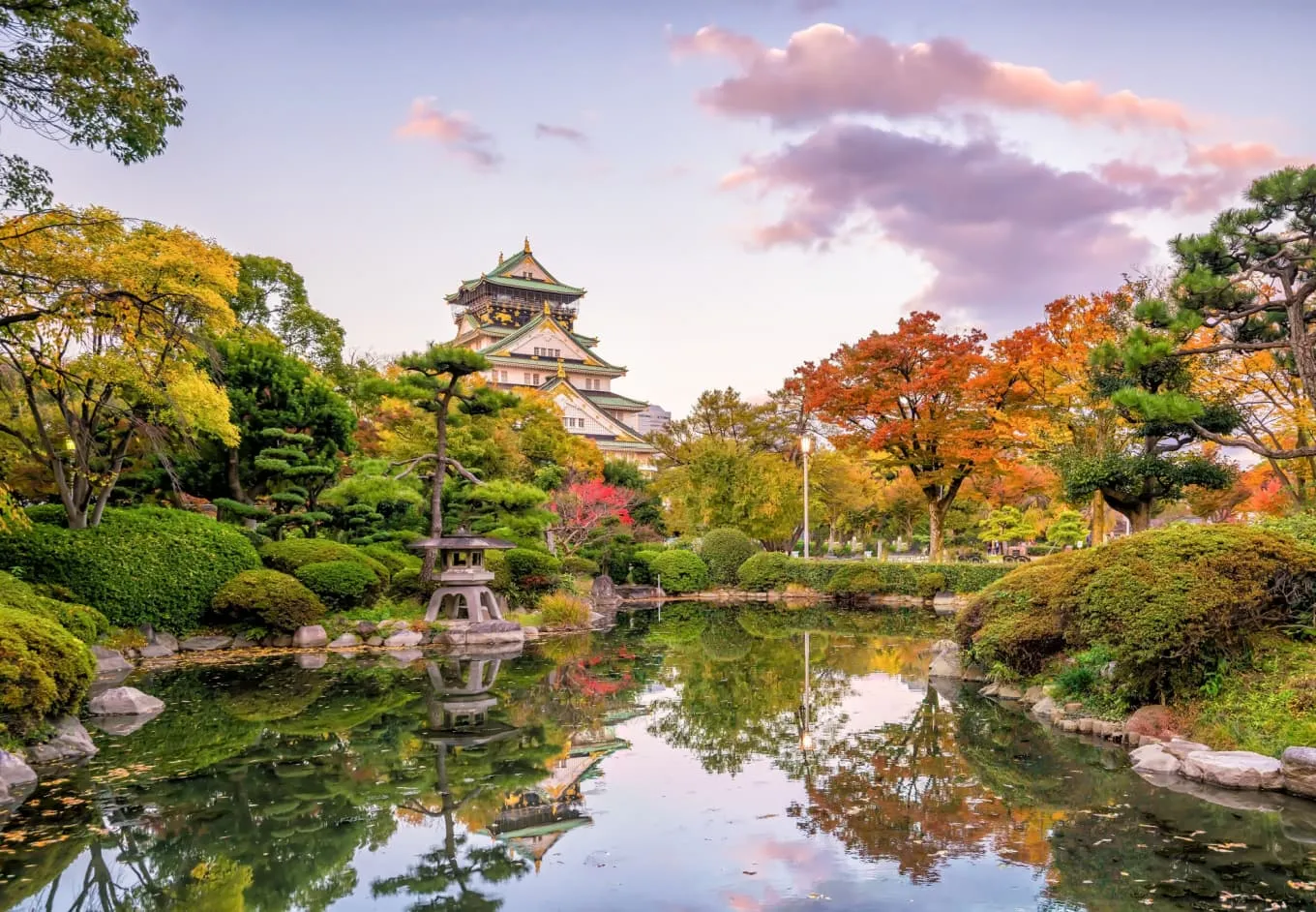
Spend a full day in Osaka with enough flexibility for different ages. Some families will prefer Osaka Castle and city views, while others may want shopping, interactive attractions, food districts or a slower neighbourhood day.
Do not feel obliged to fill the day with heritage sights after Kyoto and Nara. Osaka is at its best when you enjoy the city atmosphere, local food and a little free time.
This is also a useful day to slow the pace before travelling to Hiroshima.
Overnight stay in Osaka.
Travel by rail to Hiroshima and check in for two nights.
Spend the afternoon around Peace Memorial Park and the surrounding historical sites. For families with younger children, the amount of museum time should be adjusted to age and sensitivity rather than treated as one fixed programme.
Keeping Miyajima for tomorrow gives the day enough emotional and practical space.
Overnight stay in Hiroshima.
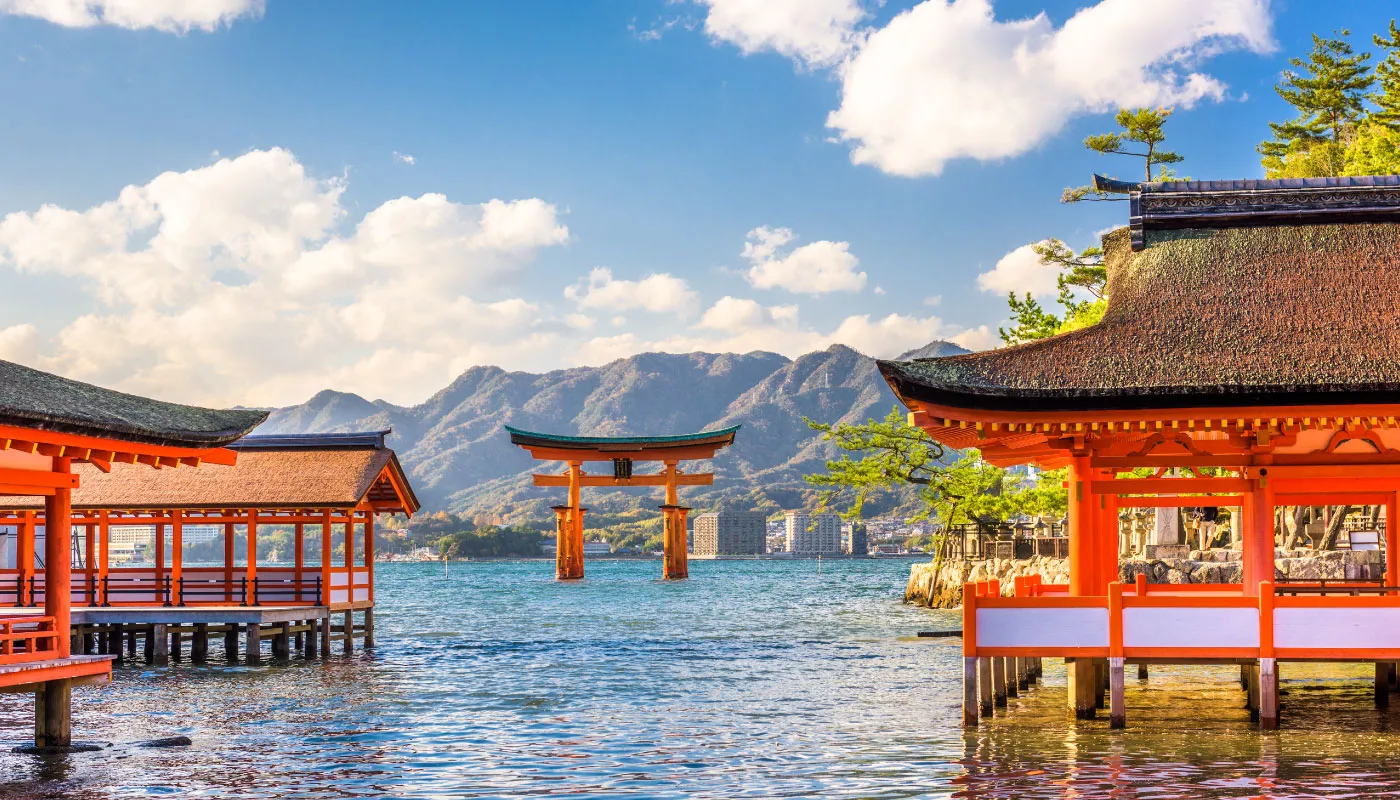
Spend the day visiting Miyajima. Walk around the Itsukushima Shrine area, waterfront and island lanes, and leave enough time for lunch and relaxed exploration.
Families often enjoy this day because it combines cultural sightseeing with more open space and a slower rhythm than a major city.
Ferry schedules, tides and local operating conditions can affect the order of the visit, so keep the day flexible and return to Hiroshima for the night.
Overnight stay in Hiroshima.

Return to Osaka for the final two nights. This extra time at the end is intentional, giving the family a softer landing after the historical and cultural sightseeing.
After check-in, use the afternoon for shopping, a favourite neighbourhood, a casual food stop or simply some downtime at the hotel.
Ending with two nights in Osaka also makes departure planning much easier for families with luggage.
Overnight stay in Osaka.
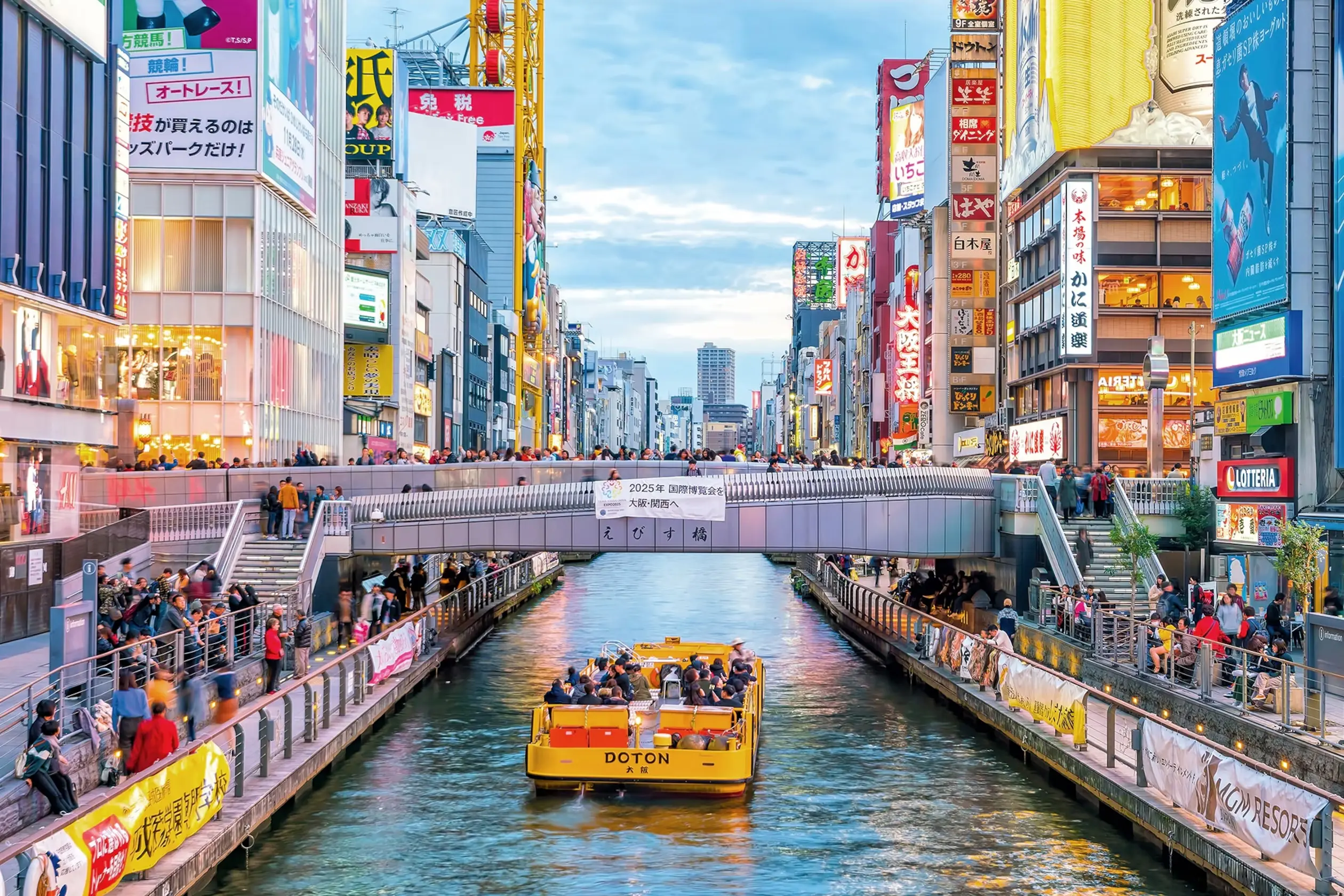
Keep the final full day largely open. Families can revisit a favourite area, shop for gifts, add a booked attraction or simply enjoy a slower day together before flying home.
This is useful insurance against a long trip feeling too rigid. If an earlier day was affected by weather, tiredness or a changed booking, part of today's schedule can also be used as a buffer.
A good family itinerary should have enough structure to feel organised and enough freedom to adapt when real travel does not follow the plan perfectly.
Overnight stay in Osaka.
After breakfast, check out and transfer to the airport or rail station for your onward journey.
If your flight is later in the day, keep the morning close to the hotel and leave a comfortable margin for airport travel, luggage and check-in.
The 14-day family journey ends after combining Tokyo, Mt. Fuji and Hakone, Kyoto, Nara, Osaka, Hiroshima and Miyajima with enough slower days to keep the trip practical for different ages.
Tour ends in Osaka.
Share your travel dates, preferred hotels and interests. Our travel experts will customize this itinerary to match your trip duration, travel style and budget.
Get quick assistance with itinerary changes, hotels, transport, sightseeing and tour extensions.
Chat on WhatsAppReal moments and recent experiences shared by travellers who planned their holidays with Tusk Travel.
We appreciated our travel design er (Ovijit) was able to customize our trip to add in additional stops and tailor our hotels to what we were looking for.
The most beautiful trip I have ever had. With Tusk Travel I felt very happy and safe.
Tusk arranged a custom trip for us that included luxurious resort stay, elephant watching with ethical guides, hiking in the Knuckles mountain range.
My family and I loved the experience of getting to know India and the Maldives, which we will cherish in our memories and with a desire to return. And we are grateful to you and Tusk Travel for providing us with this experience.
Hello, I wanted to thank all the staff of the company for their work in organizing the tour and the good treatment they had with us.
Share your trip details. We’ll send a personalized itinerary and quote within 24 hours.