
Japan Family Tours
Family Tours of Japan Built Around Real Travel Days
A good Japan family tour is not just a standard sightseeing route with a few child-friendly attractions added. Families need a different rhythm. Hotel location matters more, transfer days need to stay manageable, walking distances should be realistic, and there should be enough flexibility for tired children, teenagers with different interests and adults who still want meaningful cultural experiences.
Japan is especially rewarding for families because Tokyo, Kyoto, Nara, Osaka and the Mt. Fuji region offer very different experiences within one trip. Modern city life, temples, food, trains, parks, hands-on activities and scenic countryside can all be combined without turning every day into a long journey.
Our 10 Days Japan Family Tour is a strong starting point for first-time visitors, while the 14 Days Japan Family Tour is better for families who want Hiroshima and Miyajima, more recovery time and a slower final stay in Osaka.
What Makes a Japan Family Itinerary Work?
The most successful family trips usually have fewer hotel changes than an adult-only itinerary. Staying three nights in Tokyo and three nights in Kyoto gives children time to settle in, makes luggage easier and allows one difficult day to be adjusted without affecting the entire holiday.
We also avoid treating every day as a full sightseeing day. A transfer morning can be followed by a light neighbourhood walk. A major temple day can be balanced with a food experience or interactive attraction. A scenic Mt. Fuji day can be followed by a slower evening instead of another long programme.
Tokyo with Kids and Teenagers
Tokyo works well for families because different age groups can enjoy the city in different ways. Younger children may prefer interactive museums, parks or character-based attractions, while teenagers often enjoy shopping, technology, digital art, food streets and neighbourhoods such as Shibuya or Harajuku.
For first-time sightseeing, Asakusa and Senso-ji give the family a traditional introduction, while one modern district creates contrast. Trying to cover Asakusa, Ueno, Ginza, Harajuku, Shibuya and Shinjuku in one day is usually too much.
Our 5 Days Tokyo & Mt. Fuji Tour works for families with limited time, but most families benefit from at least three nights in Tokyo.
Mt. Fuji and Hakone for Families
The Mt. Fuji and Hakone region gives families a useful break from the big cities. Lakes, mountain scenery, ropeways or scenic transport, open spaces and an optional ryokan-style stay can make this one of the most memorable parts of the trip.
Mt. Fuji visibility is always weather-dependent, so we never build the experience around a guaranteed mountain view. The region should still be worth visiting if clouds hide the summit.
Families considering a traditional inn should check room layout, bedding, meal style and bathing arrangements before booking. A ryokan can be excellent, but not every property suits every family.
Kyoto with Children: Avoid Temple Fatigue
Kyoto is essential for many first-time families, but too many temples in one day can quickly become repetitive for children. A better plan is to combine one or two major cultural sites with old streets, food stops, a craft activity, tea experience or time near the river.
Fushimi Inari, Kiyomizu-dera, Higashiyama and Arashiyama can all work well, but they should be spread across more than one day when possible. Three nights in Kyoto gives the family much more room than a quick two-night stay.
The 6 Days Kyoto, Nara & Osaka Tour is useful for families who want a shorter Kansai-focused holiday without Tokyo.
Nara as a Family Day Trip
Nara is particularly easy to include with children because the sightseeing combines temples with open parkland. It also fits naturally between Kyoto and Osaka, which means it can be used as a transfer-day stop instead of creating another hotel change.
Families should still supervise younger children carefully around the deer and follow local guidance about feeding and interaction. Nara is a cultural destination first, not simply an animal attraction.
Osaka: A Useful Family Finish
Osaka is a practical final stop because it combines easygoing city sightseeing, food, shopping and family attractions with convenient access to the Kansai region.
After temple-heavy days in Kyoto and Nara, Osaka gives the itinerary a different mood. Families can choose a castle visit, neighbourhood exploration, shopping or a booked attraction without feeling that they need another full heritage day.
Hiroshima and Miyajima with Children
Hiroshima can be included in a family trip, especially for older children and teenagers, but museum content should be handled according to age and sensitivity. Peace Memorial Park can be visited at a respectful pace without making every child complete the same amount of museum time.
Miyajima creates a useful contrast the following day with open space, waterfront scenery and a more relaxed atmosphere. This is why our 14-day family route gives Hiroshima two nights instead of trying to combine the city and island into one rushed day.
Hokkaido for Families
Families who prefer nature, space and a slower rhythm may enjoy Hokkaido. Sapporo, Otaru, Furano and Biei can create a very different family holiday from the standard Tokyo-Kyoto route.
The 7 Days Hokkaido Tour is a strong starting point. Seasonal conditions matter, especially in winter, so transport assumptions and daily activities should be adjusted to the actual month.
How Many Days Are Best for a Family Trip to Japan?
Seven to eight days can work for a focused Tokyo-Kyoto or Kansai trip. Around ten days is a strong first-time length for Tokyo, Mt. Fuji or Hakone, Kyoto, Nara and Osaka. Fourteen days is better if you want Hiroshima, Miyajima and extra recovery days.
More days should not automatically mean more cities. For families, the biggest benefit of a longer trip is often staying longer in the same hotel and reducing the number of check-ins.
Hotel Rooms Matter More for Families
Room size and bedding configuration should be checked carefully before booking. A room that works perfectly for two adults may be uncomfortable for a family once extra beds and luggage are added.
We also consider hotel location. Being closer to a useful station can reduce walking at the start and end of long sightseeing days, which is often more valuable than choosing a larger room far from transport.
- Confirm bedding: Ask exactly how many beds, futons or sofa beds are provided.
- Check room occupancy rules: Policies vary by hotel and by children's ages.
- Look at bathroom setup: One bathroom for a larger family can affect morning timing.
- Consider connecting rooms: Useful for families with older children where available.
- Prioritise location: A well-located hotel can save significant walking every day.
Luggage Planning with Children
Japan's rail system is excellent, but moving large suitcases through stations while supervising children can still be tiring. Selected luggage forwarding can make the journey much easier, particularly between Tokyo, Hakone and Kyoto.
Forwarding should be planned, not assumed. Delivery timing and hotel acceptance need to be confirmed, and essential items, medicines, passports and valuables should always stay with you.
Strollers and Walking
Japan can involve long walking days even when trains are used efficiently. Stations, temple districts and historic streets may include stairs, slopes and uneven surfaces.
A lightweight stroller can be useful for younger children, but parents should also be comfortable folding or carrying it in crowded areas when needed. If mobility is a concern, we can reduce the number of stops or add private transfers selectively.
Food and Picky Eaters
Japan offers plenty of family-friendly food, but children who are very selective may still need some planning. Rice dishes, noodles, grilled items, bakeries, convenience stores and department-store food halls can make meals easier.
If your family has allergies, vegetarian requirements or other dietary restrictions, tell us early. Restaurant communication, ingredient awareness and advance reservations can be more important than simply choosing highly rated restaurants.
Theme Parks and Timed Attractions
Many families want to include theme parks, digital art, museums or character attractions. These can absolutely be part of the trip, but they should be treated as major days rather than squeezed between temples and long transfers.
Timed-entry attractions also need advance planning. If a specific experience is essential to the children, build the itinerary around that booking first and keep the surrounding day lighter.
Japan with Teenagers
Teenagers often enjoy Japan for different reasons than younger children. Fashion, gaming, anime, street food, photography, technology and independent shopping time may matter more than traditional sightseeing.
A family itinerary works better when teenagers get some ownership of the trip. Let them choose one neighbourhood, meal or activity. That usually creates more engagement than asking them to follow a completely adult-designed programme for two weeks.
Multi-Generation Family Tours
Japan is also popular for grandparents travelling with adult children and grandchildren. These trips need even more attention to walking speed, room arrangement, rest breaks and the length of transfer days.
Private guiding and selected private transfers can be particularly valuable for multi-generation families because they reduce pressure to keep up with a fixed group pace.
Best Time for a Japan Family Tour
There is no single best season for every family. School holidays, temperature tolerance, crowds and the experiences you want should all influence the dates.
- Spring: Comfortable for sightseeing and popular for sakura. If blossoms are important, see our Japan cherry blossom tours.
- Summer: School holidays may make travel convenient, but heat and humidity can require shorter outdoor days and more breaks.
- Autumn: Comfortable walking weather and seasonal colour make this an excellent family period. Explore our Japan autumn foliage tours.
- Winter: Good for snow-focused families and Hokkaido, but daylight, footwear and transport need more seasonal planning.
Why Choose a Private Japan Family Tour?
Families rarely move at the same pace as a fixed group. One child may need a break, a teenager may want extra shopping time, and a grandparent may prefer fewer stairs. A private itinerary gives the trip room to adapt.
Tusk Travel can use the itineraries below as starting points, then adjust the route around the ages of the children, room needs, school-holiday dates, activity interests, dietary requirements and preferred pace. Private guiding can be added where it helps, while independent time can remain where the family will enjoy exploring on its own.
The goal is not to keep children entertained every minute. It is to build a Japan trip that the whole family can enjoy together.
Popular Japan Family Tour Packages
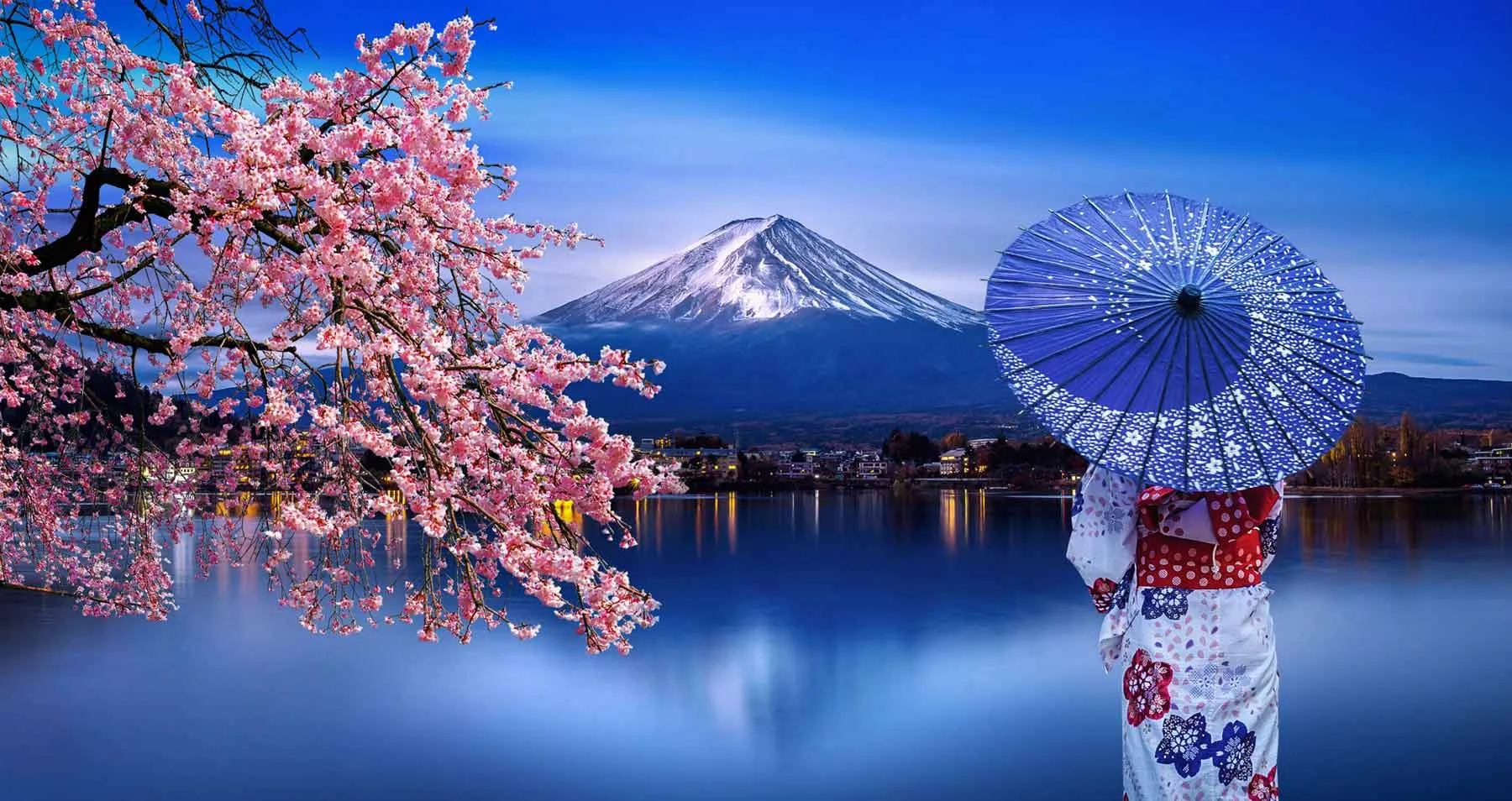
10 Days Japan Family Tour: Tokyo, Mt. Fuji, Kyoto & Osaka
14 Days Japan Family: Tokyo, Mt. Fuji, Kyoto, Hiroshima & Osaka
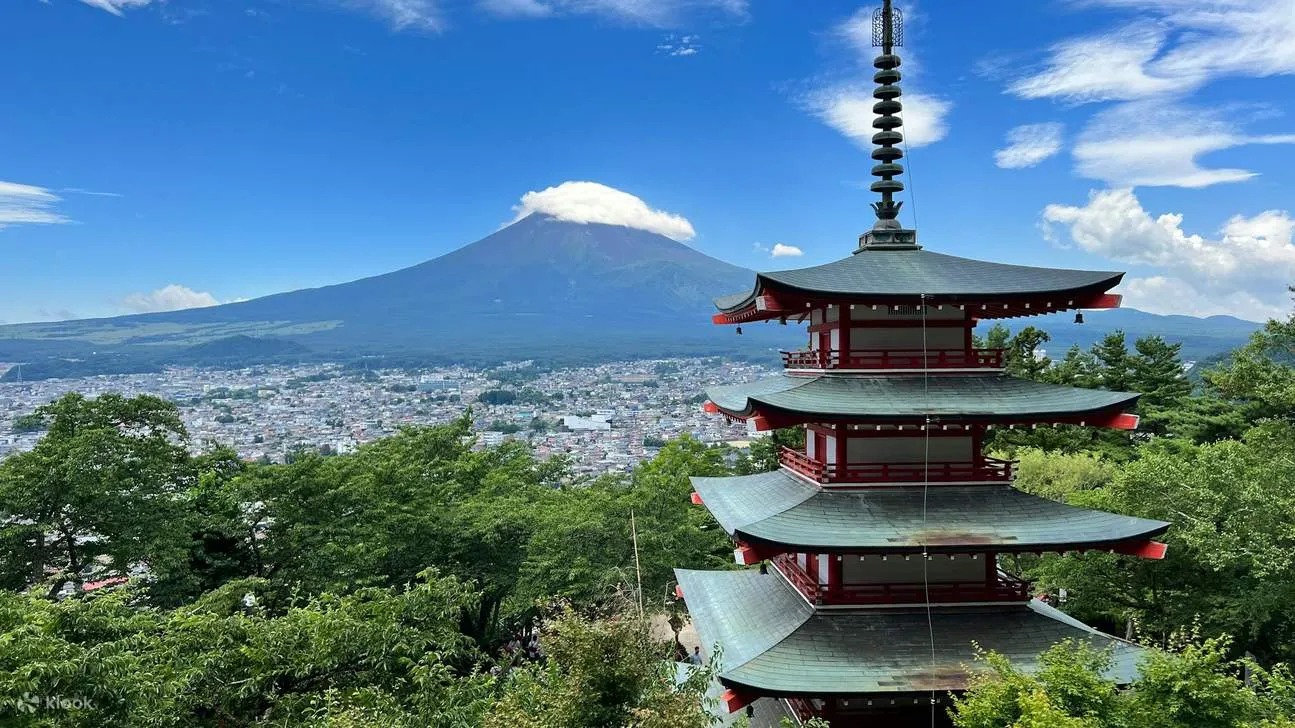
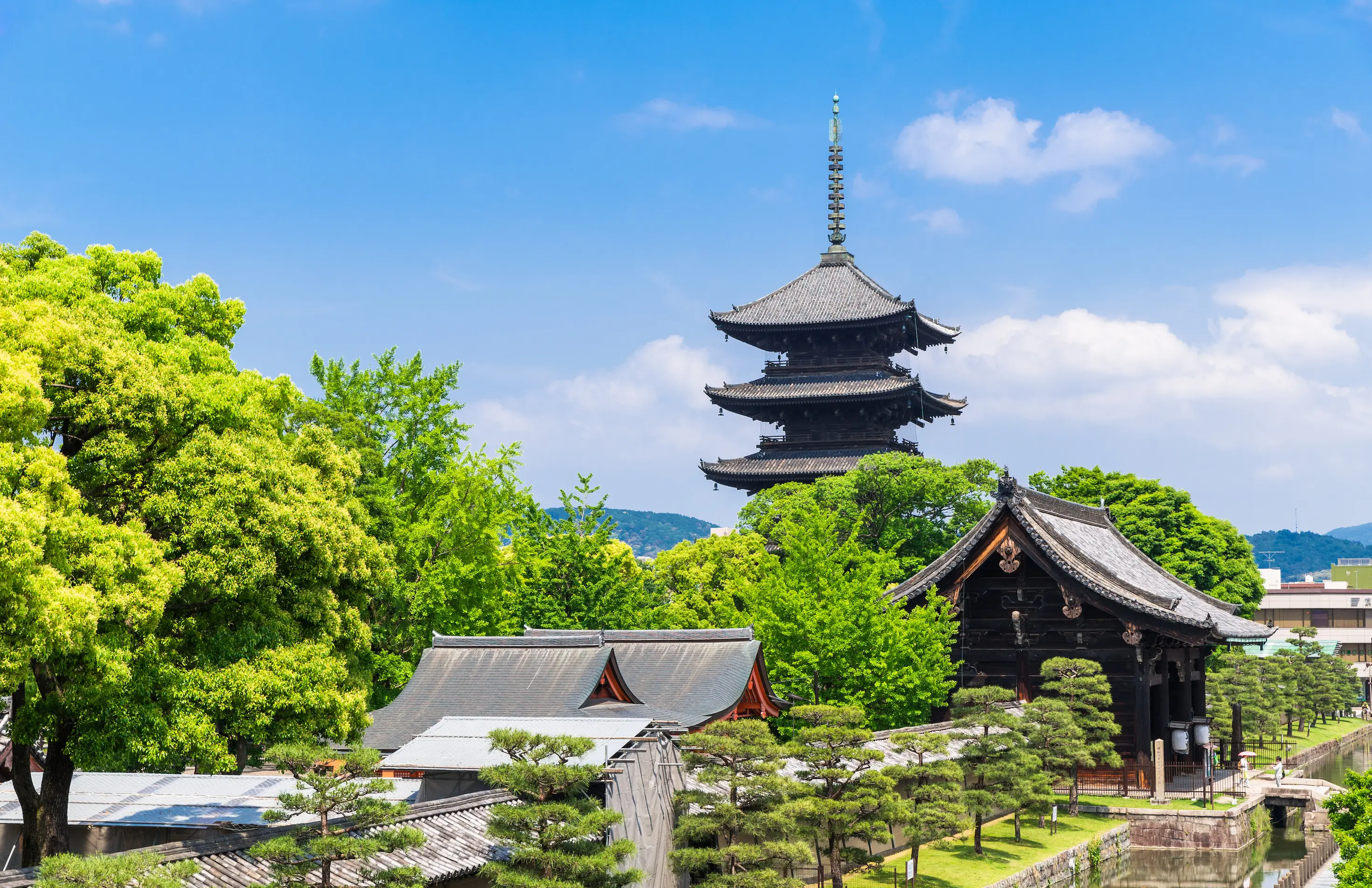

7 Days Hokkaido: Sapporo, Otaru, Furano & Biei
Japan Family Tours: Frequently Asked Questions
Yes. Japan combines efficient transport, varied food, modern attractions, parks, cultural sightseeing and scenic regions in a way that works well for many families. The key is to plan realistic walking days and avoid changing hotels too often.
Around ten days is a strong first-time length for Tokyo, Mt. Fuji or Hakone, Kyoto, Nara and Osaka. Fourteen days is better if you want Hiroshima, Miyajima and more rest days without creating too many hotel changes.
Tokyo and Osaka offer the most variety for modern attractions, food and shopping, while Kyoto and Nara add culture and history. Hakone and Mt. Fuji provide a countryside break, and Hokkaido works well for families who prefer nature and space.
A mix often works best. Rail is practical for major intercity journeys, while selected private transfers can reduce walking, luggage handling and stress on more complicated days. The right balance depends on children's ages and family size.
They can be, but room size, occupancy rules and bedding vary. We recommend checking the exact sleeping arrangement, bathroom setup and room capacity rather than assuming a standard double or twin room will comfortably fit a family.
Yes. Theme parks, digital experiences, museums and other family attractions can be included. If an attraction requires timed entry or is especially important to the children, we recommend building the day's schedule around that booking.
Yes. We can adjust walking levels, hotel locations, room needs, transfer style, free time and activities around younger children, teenagers, grandparents or multi-generation groups so the itinerary works for the whole family.