


Well Organized Trip
We appreciated our travel design er (Ovijit) was able to customize our trip to add in additional stops and tailor our hotels to what we were looking for.

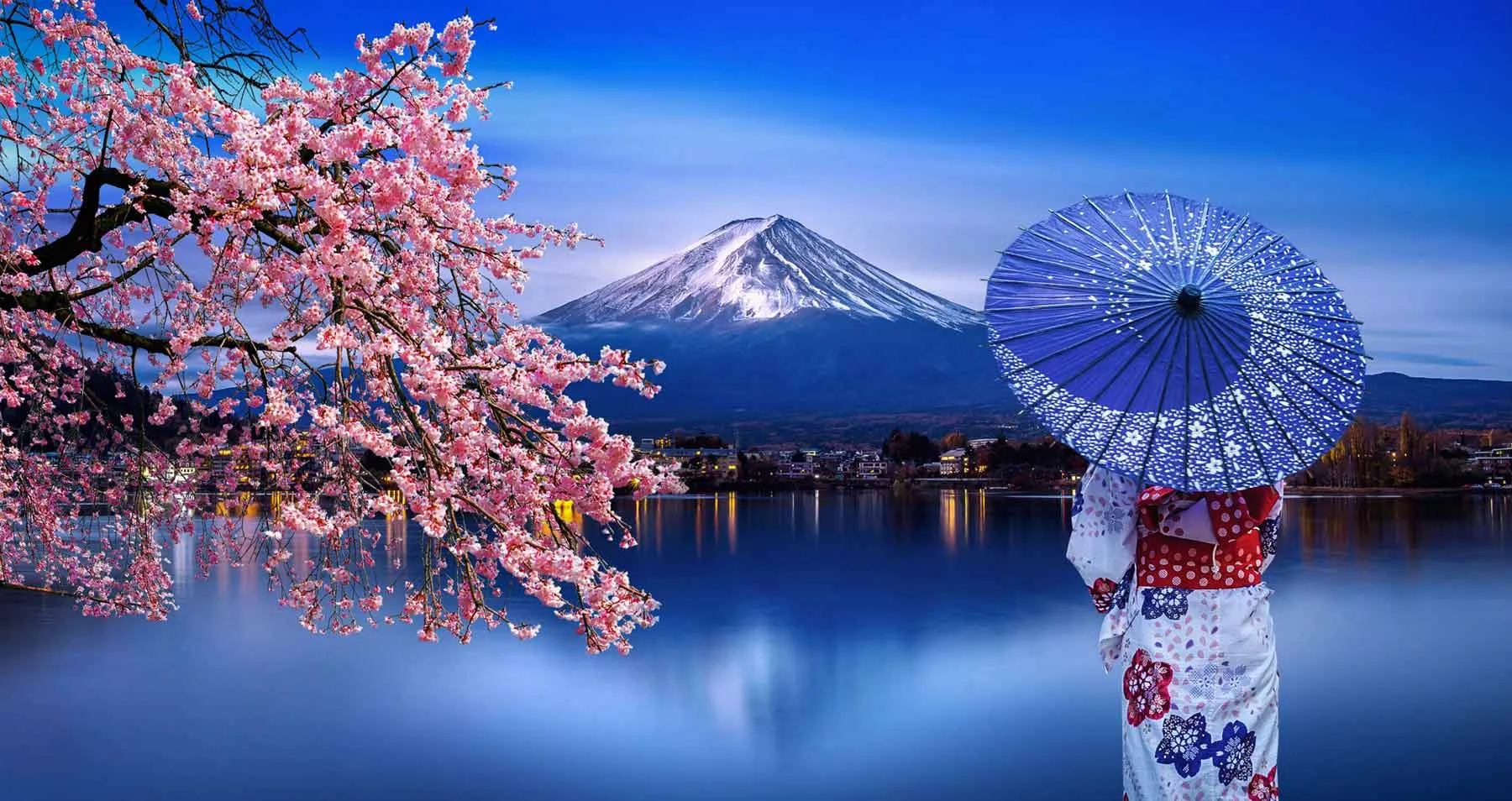
A good family itinerary should not simply copy an adult sightseeing plan and add the words “family friendly.” This 10-day Japan family tour is built around fewer hotel changes, realistic walking days and enough flexibility for different age groups. Start with three nights in Tokyo, then slow down around Mt. Fuji and Hakone.
Continue to Kyoto for three nights, stop in Nara on the way to Osaka, and finish with two nights in Osaka. The route covers Japan’s classic first-time highlights while leaving space for rest, food stops and age-appropriate activities.
The itinerary avoids changing hotels every night. Tokyo and Kyoto both have three-night bases, which gives families time to unpack, settle in and change plans if someone needs a slower morning.
Attraction-heavy days are followed by lighter or more flexible days. Nara is used as a stop between Kyoto and Osaka, which reduces backtracking, while the final Osaka day is left open enough to suit younger children, teenagers or multi-generation groups.
For more theme-specific options, see our Japan family tours. The programme can be adapted around private transfers, rail travel, hotel room configuration, dietary needs, stroller use, attraction bookings and the ages of the children.
Family travel in Japan becomes much easier when room size, luggage, walking distance, meal preferences and timed attractions are considered before arrival. The exact plan should be adjusted to the youngest traveller in the group rather than assuming one pace suits everyone.
Arrive in Tokyo and transfer to your hotel. For families, the first day is kept deliberately simple so everyone has time to recover from the flight, adjust to the time difference and settle into the room.
If the children still have energy, choose something close to the hotel such as a short neighbourhood walk, a convenience-store stop or an easy dinner rather than a major attraction.
The first three nights stay in Tokyo, which means no repacking while you are still adjusting to Japan.
Overnight stay in Tokyo.
Start with a mix of old and new Tokyo rather than trying to cover the entire city. Asakusa and Senso-ji are easy places to begin, followed by a modern district such as Shibuya or Odaiba depending on your family’s interests.
Build in breaks. Tokyo can involve a surprising amount of walking, station changes and stairs, so a family day is usually better with fewer neighbourhoods and more time in each place.
Our Tokyo tours can also be adjusted for younger children, teenagers, food-focused families or travellers who prefer museums and indoor attractions.
Overnight stay in Tokyo.
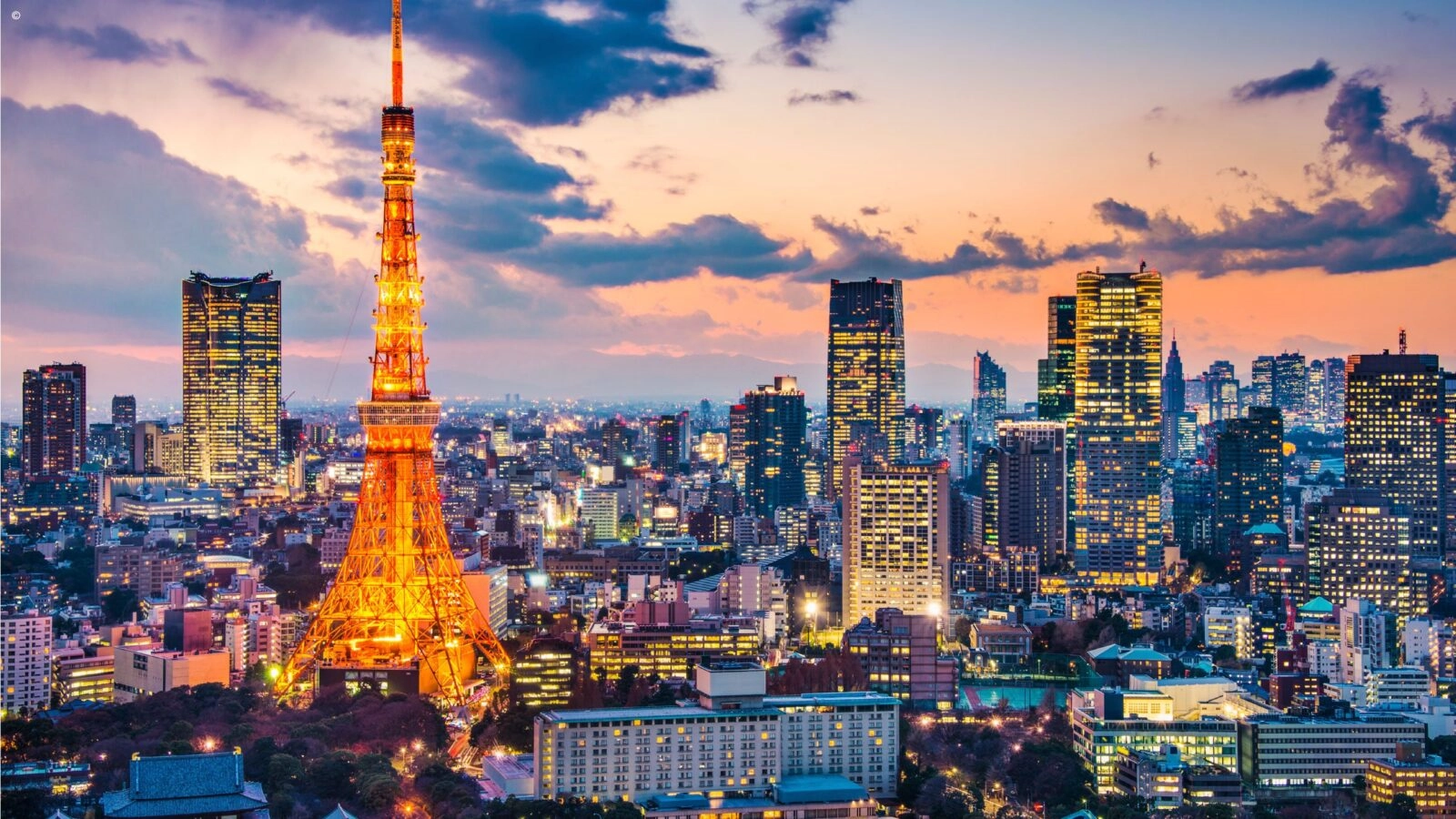
Keep the second Tokyo day flexible. Depending on the ages in your group, you might prefer Meiji Shrine and Harajuku, a science or digital-art museum, a character-themed experience, shopping, or simply more neighbourhood time.
This is intentionally not a fixed attraction-heavy day. Families travel better when there is space to react to energy levels, weather and what everyone enjoyed most on the previous day.
If you are travelling during a busy holiday period, reserve timed attractions well in advance where required and avoid building the entire day around one hard-to-reach booking.
Overnight stay in Tokyo.
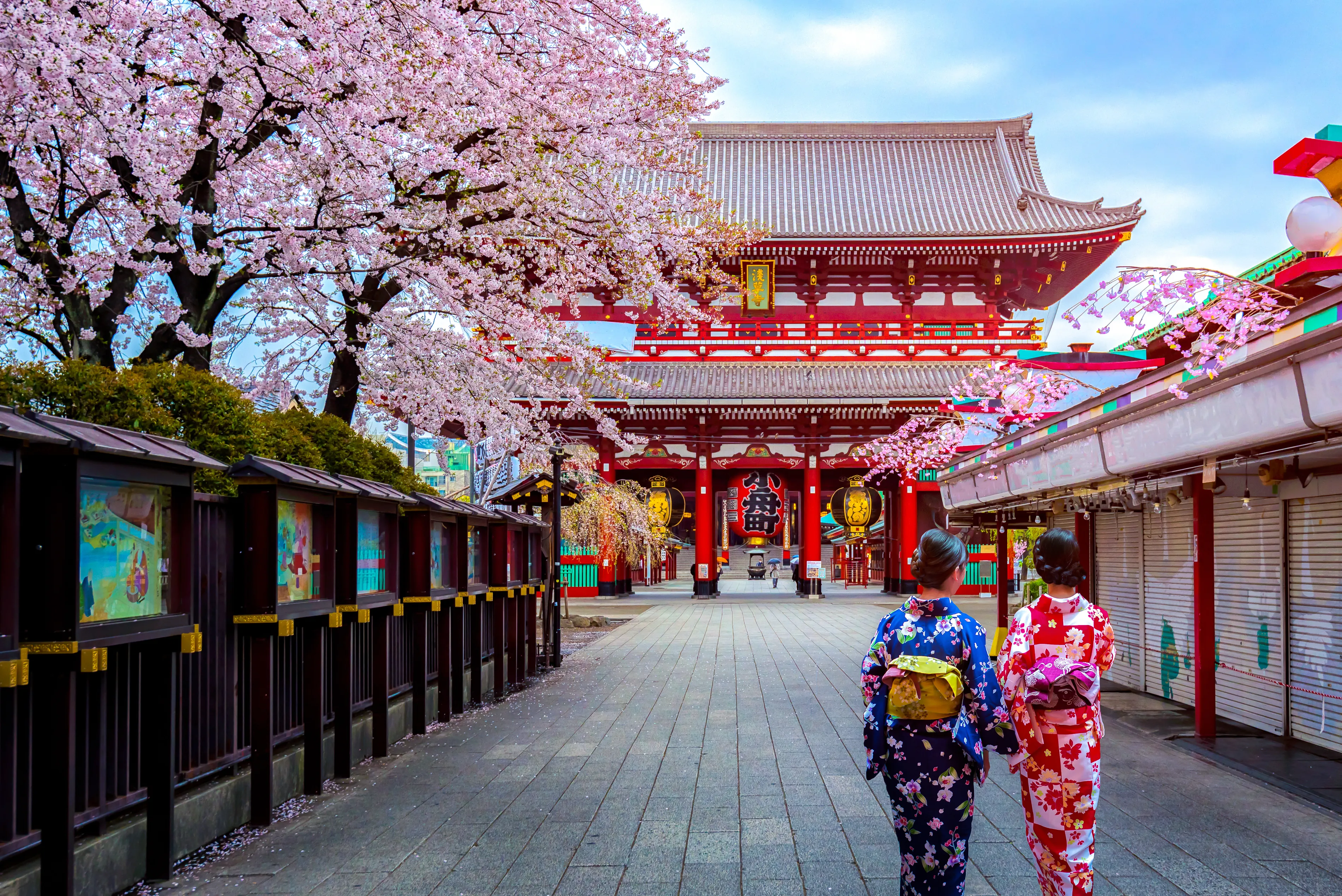
Leave Tokyo for the Mt. Fuji and Hakone region. The goal is not to chase one specific viewpoint, but to enjoy a change of scenery with lakes, mountains and a slower overnight stop.
Depending on weather and local operating conditions, the day may include a Fuji-viewing area, Lake Ashi, Owakudani or another family-suitable stop. Clear views of Mt. Fuji are never guaranteed.
Stay in Hakone or the surrounding area. Families interested in the mountain region can also explore our Mt. Fuji tours for alternative routing.
Overnight stay in Hakone or the Mt. Fuji region.
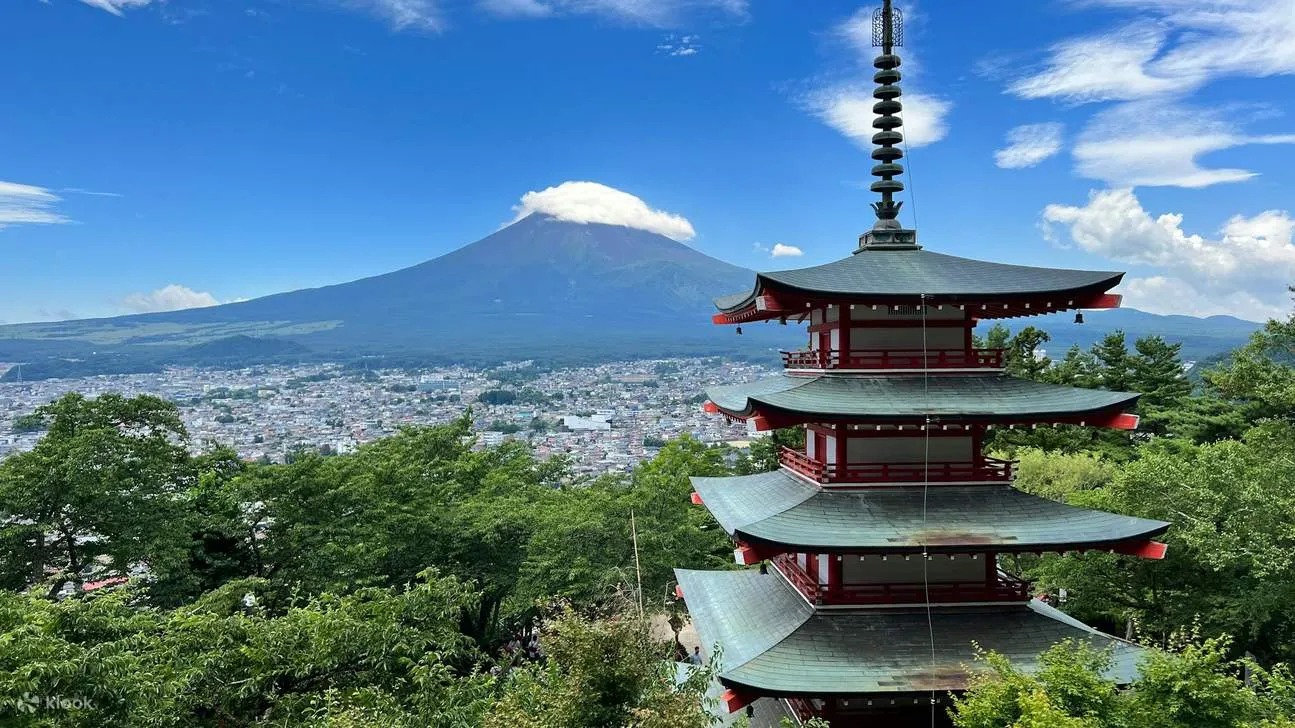
After breakfast, continue to Kyoto. On a family trip, it is useful to keep the transfer day light instead of trying to fit a full temple circuit around luggage and rail connections.
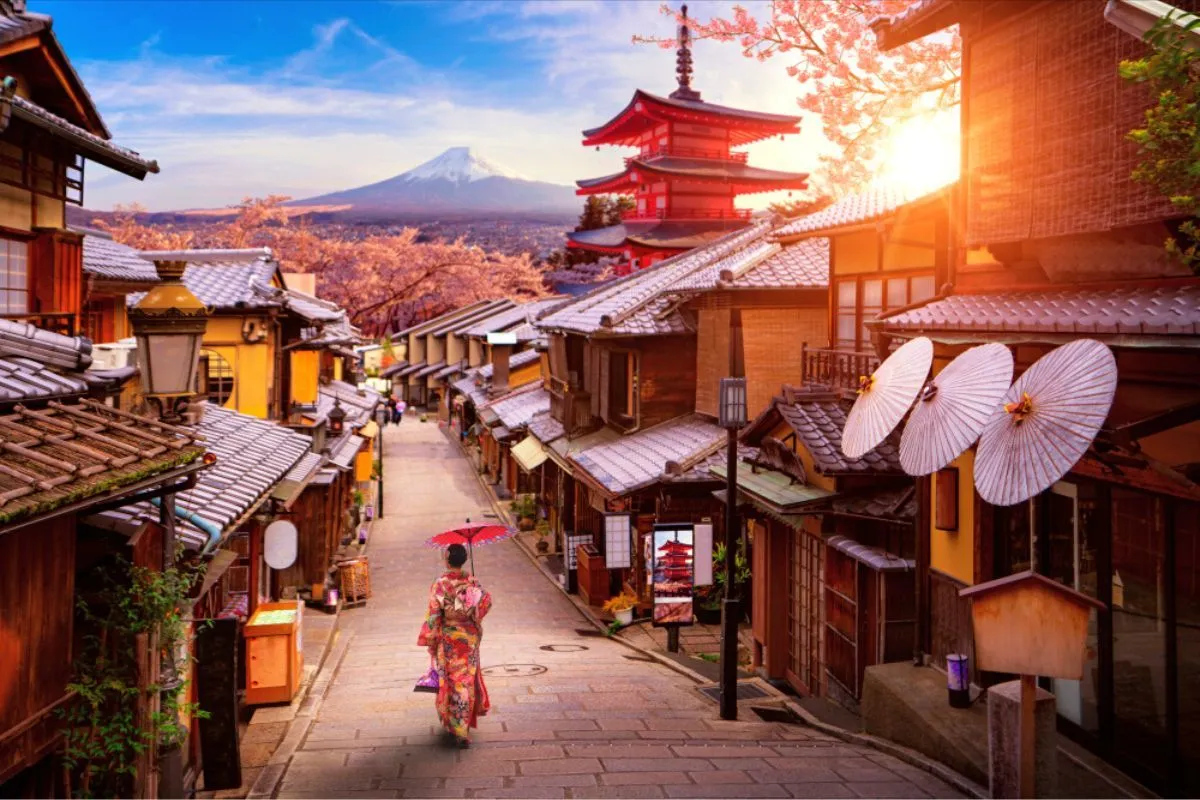
After checking in, take an easy walk through Gion, Yasaka Shrine or a nearby shopping street if everyone still has energy.
Two full nights follow in Kyoto, so there is no need to rush the first afternoon.
Overnight stay in Kyoto.
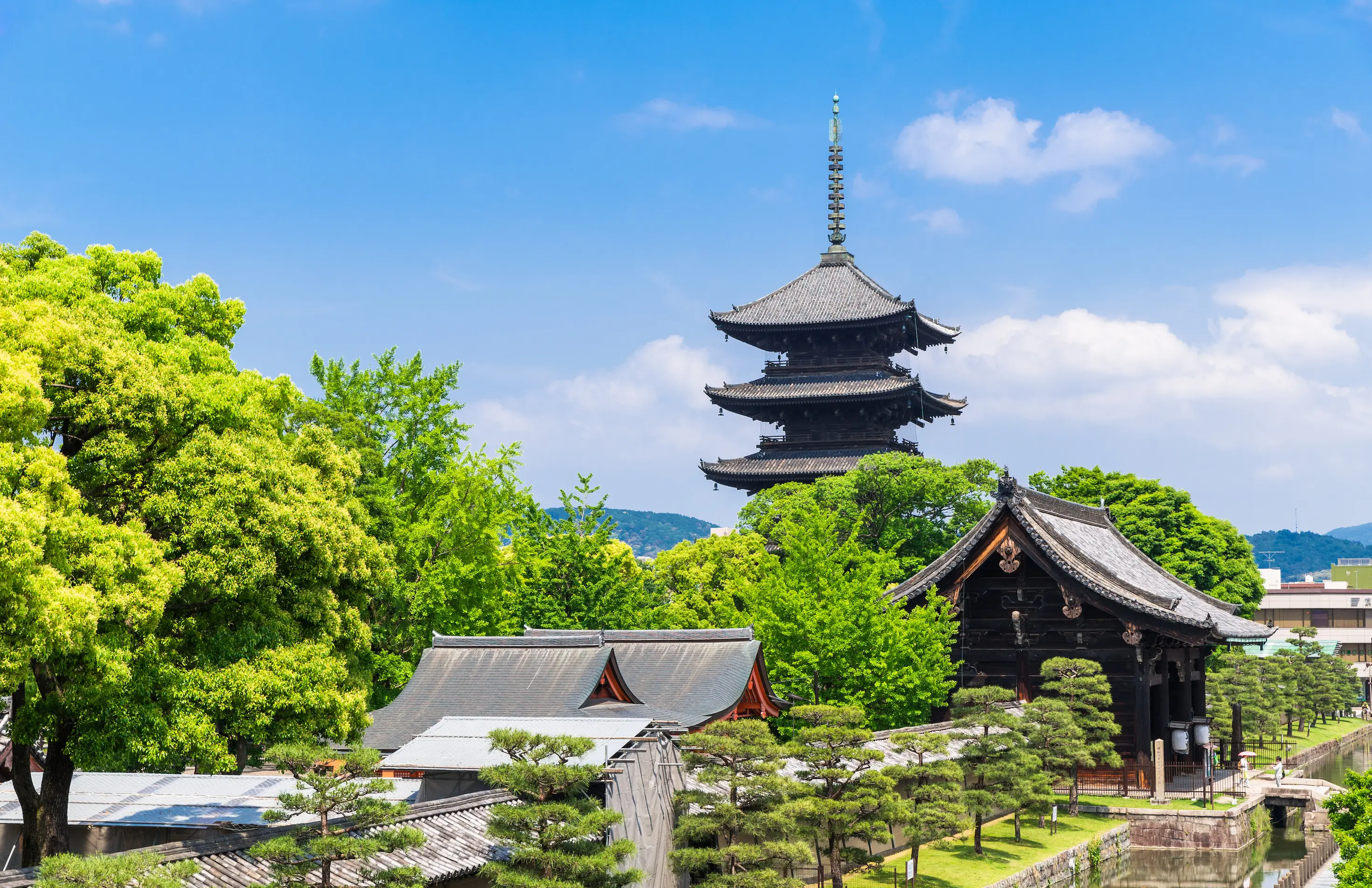
Spend the day seeing a few of Kyoto’s major highlights rather than trying to visit every famous shrine and temple. Fushimi Inari, Kiyomizu-dera and part of Higashiyama make a strong first-time combination.
With children, the day works better when cultural sightseeing is mixed with snacks, short shopping stops and time to explore streets rather than moving continuously between formal attractions.
Older children and teenagers may enjoy a food activity, craft experience or a guided neighbourhood walk more than another temple, so the programme can be adjusted accordingly.
Overnight stay in Kyoto.
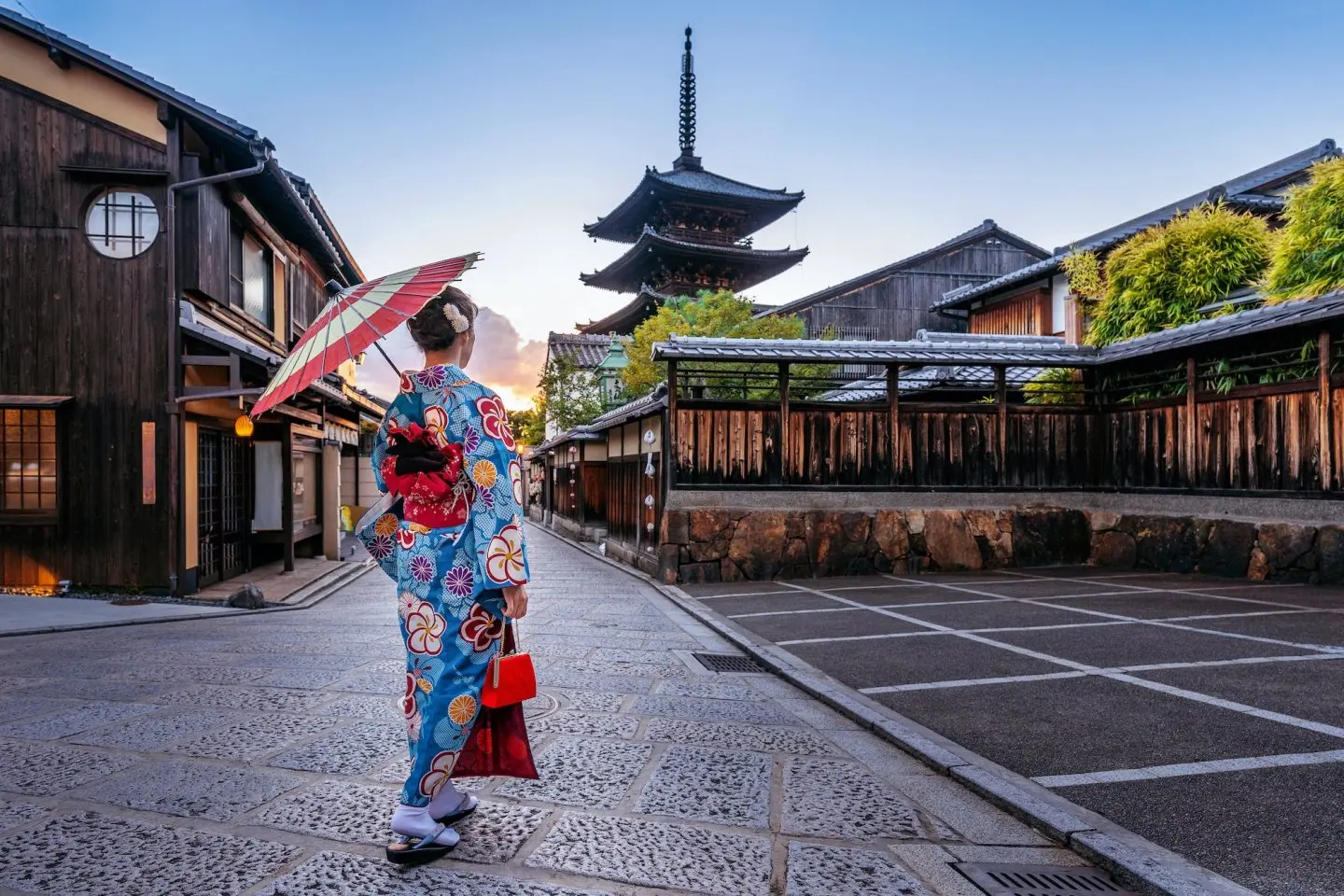
Use the second full Kyoto day for Arashiyama. The bamboo grove, riverside and temple gardens create a different atmosphere from eastern Kyoto.
Keep the afternoon lighter. Families can return to central Kyoto, add a hands-on activity, visit another garden, or simply have free time depending on energy levels.
This slower day is intentional. A 10-day trip is more enjoyable when every day is not scheduled from breakfast until evening.
Overnight stay in Kyoto.
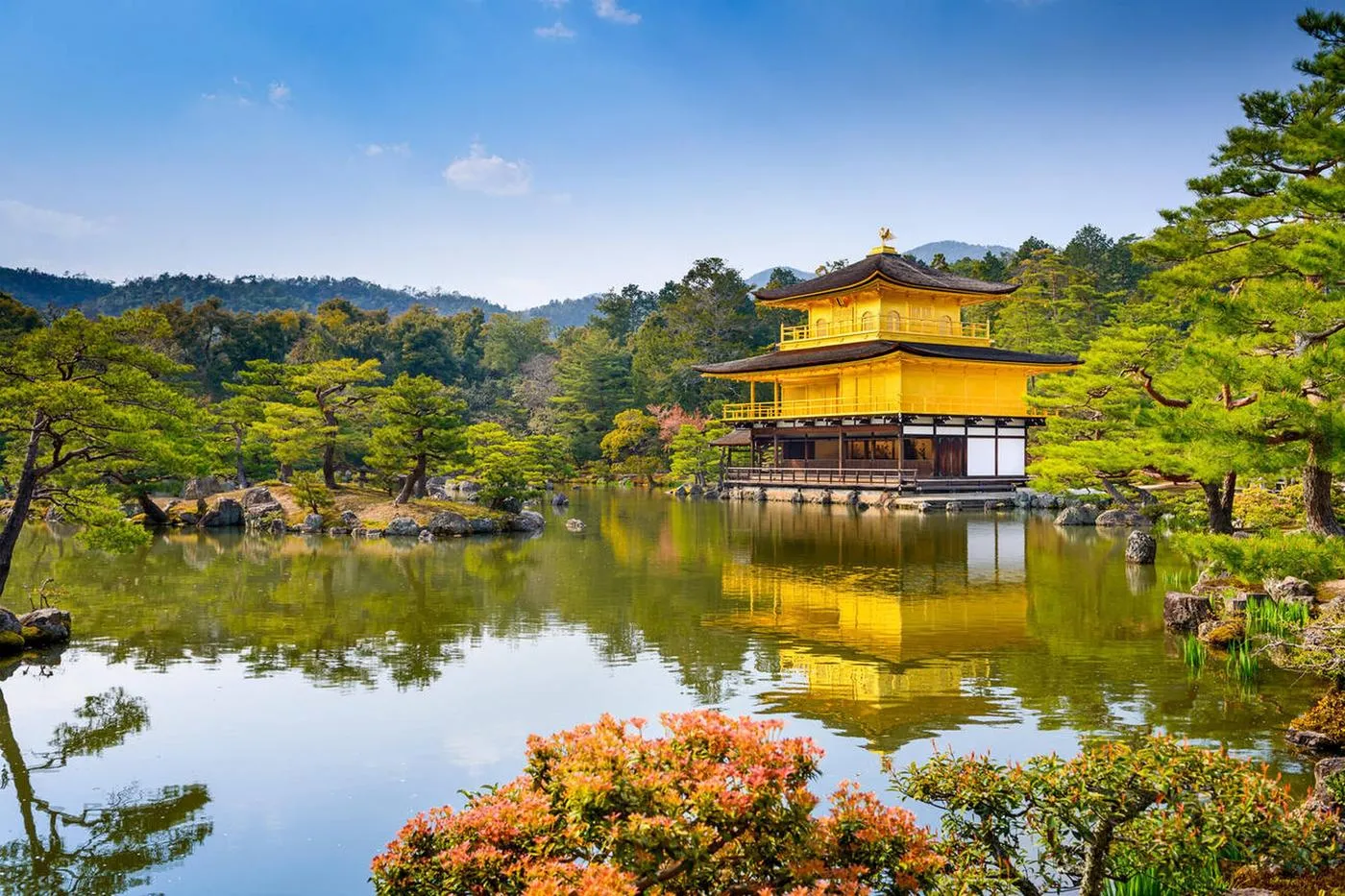
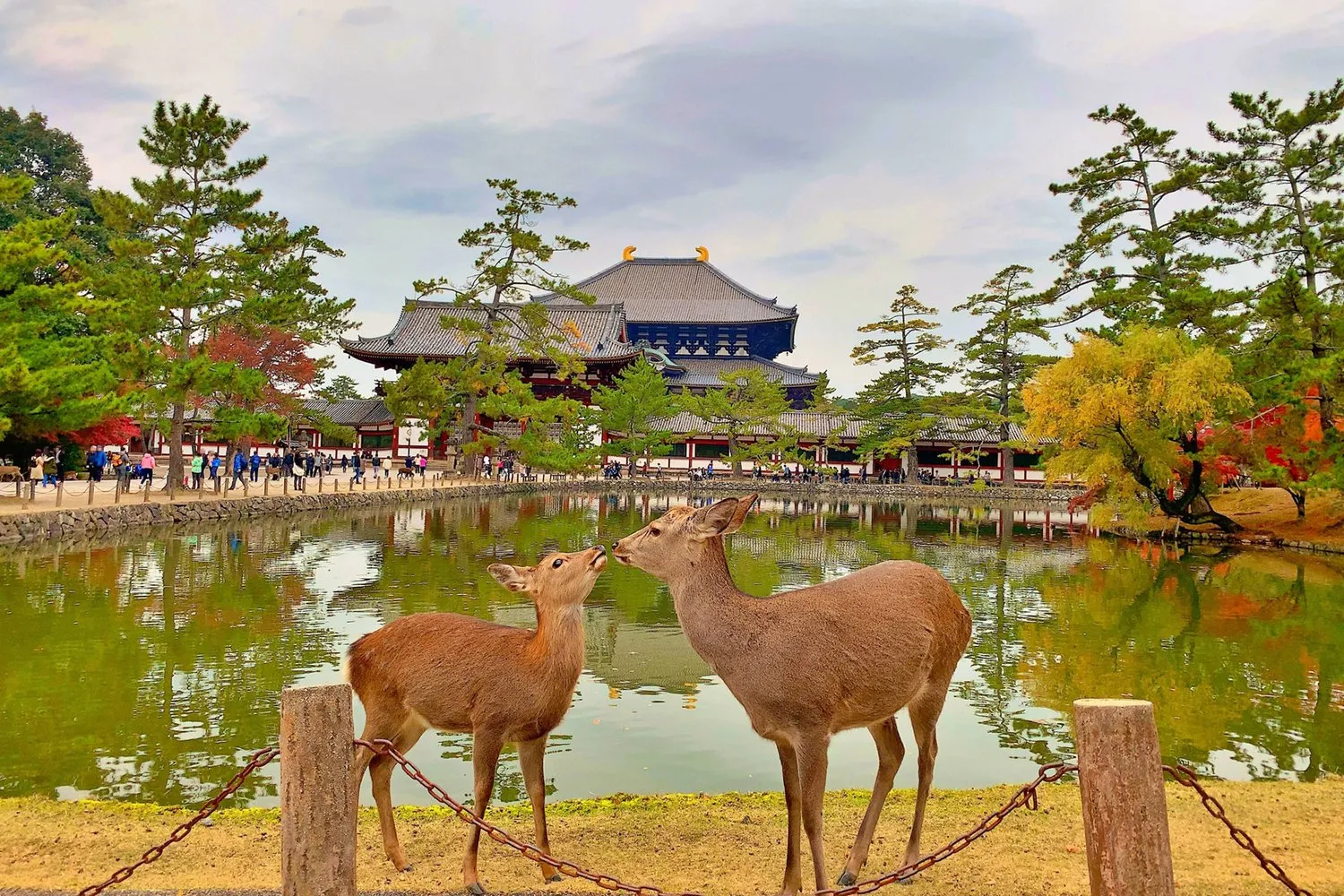
Check out of Kyoto and travel to Nara. Nara Park and Todai-ji provide a manageable cultural stop between Kyoto and Osaka, with enough outdoor space to break up the temple sightseeing.
Continue to Osaka later in the day rather than returning to Kyoto. This saves backtracking and makes better use of the travel day.
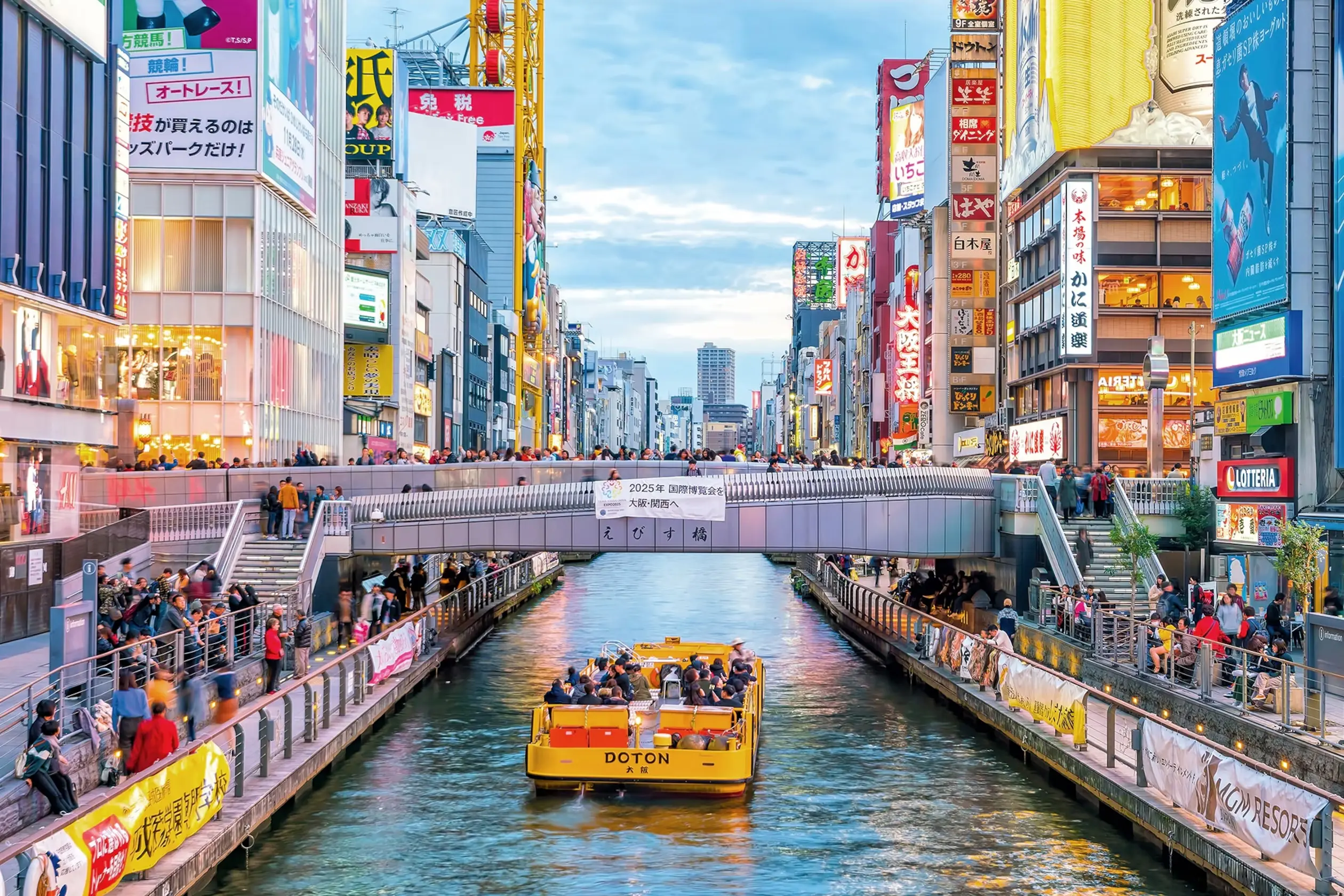
If everyone is still comfortable after check-in, spend the evening around Dotonbori or another central food district.
Overnight stay in Osaka.
Make the final full day the most flexible day of the trip. Some families will prefer Osaka Castle, Namba and food streets, while others may want shopping, an interactive attraction or a slower neighbourhood day.
The right choice depends heavily on the age of the children, so this itinerary does not force one attraction into every family programme.
For younger travellers, keep travel distances short. For teenagers, food, shopping and contemporary neighbourhoods may be more rewarding than another heritage stop.
Overnight stay in Osaka.
After breakfast, check out and transfer to the airport or rail station for your onward journey.
If you have a later departure, keep the morning local rather than adding a distant attraction. It is usually better to finish with a relaxed meal or a short shopping stop and leave a comfortable airport margin.
The 10-day family route ends after combining Tokyo, Mt. Fuji and Hakone, Kyoto, Nara and Osaka with enough downtime to make the journey practical for different age groups.
Tour ends in Osaka.
Share your travel dates, preferred hotels and interests. Our travel experts will customize this itinerary to match your trip duration, travel style and budget.
Get quick assistance with itinerary changes, hotels, transport, sightseeing and tour extensions.
Chat on WhatsAppReal moments and recent experiences shared by travellers who planned their holidays with Tusk Travel.
We appreciated our travel design er (Ovijit) was able to customize our trip to add in additional stops and tailor our hotels to what we were looking for.
The most beautiful trip I have ever had. With Tusk Travel I felt very happy and safe.
Tusk arranged a custom trip for us that included luxurious resort stay, elephant watching with ethical guides, hiking in the Knuckles mountain range.
My family and I loved the experience of getting to know India and the Maldives, which we will cherish in our memories and with a desire to return. And we are grateful to you and Tusk Travel for providing us with this experience.
Hello, I wanted to thank all the staff of the company for their work in organizing the tour and the good treatment they had with us.
Share your trip details. We’ll send a personalized itinerary and quote within 24 hours.