
Japan Cherry Blossom Tours
Japan Cherry Blossom Tours Designed for Real Spring Travel
A Japan cherry blossom tour should begin with one important fact: sakura do not bloom across the whole country at the same time. The season moves gradually through Japan as temperatures rise, usually beginning earlier in warmer southern areas and reaching colder northern regions later. That gives travellers several ways to plan, but it also means no responsible itinerary should promise exact peak bloom months in advance.
For many first-time visitors, the classic spring journey combines Tokyo, Mt. Fuji, Kyoto, Nara and Osaka. These destinations work well together even without blossoms, which is exactly why they make sense for a sakura trip. If the flowers arrive a little early or late, the holiday still has temples, food, neighbourhoods, gardens, mountain scenery and cultural experiences to enjoy.
Our 10 Days Japan Cherry Blossom Tour is the best starting point for this search intent. It combines Tokyo, Mt. Fuji, Hakone, Kyoto, Nara and Osaka while keeping enough flexibility to adjust selected blossom-viewing stops according to the latest seasonal conditions.
When Is Cherry Blossom Season in Japan?
Japan's cherry blossom season is a moving spring phenomenon rather than one national event. In many central and major-city destinations, blossoms are commonly associated with the second half of March and early April. Northern Japan and colder regions can flower later, sometimes extending the wider national season into late April or early May.
Forecasts are published and updated as spring approaches because temperature changes can move flowering dates. That is why we recommend choosing your route first, then using the latest forecast to fine-tune park visits, day trips and sightseeing order closer to travel.
How to Choose the Right Sakura Route
The strongest cherry blossom itinerary is not necessarily the one with the most blossom stops. It is the route that remains enjoyable if one city is early, another is late, or rain shortens a viewing period.
- Your exact travel dates: Late March, early April and late April can require very different route choices.
- Your priority cities: Tokyo and Kyoto may be essential for a first trip, while repeat visitors may prefer Hokkaido, Tohoku or smaller regions.
- Your flexibility: Two or three nights in major bases give more room to adjust a day trip than a one-night-per-city itinerary.
Tokyo Cherry Blossoms: Best for Variety and Flexible Planning
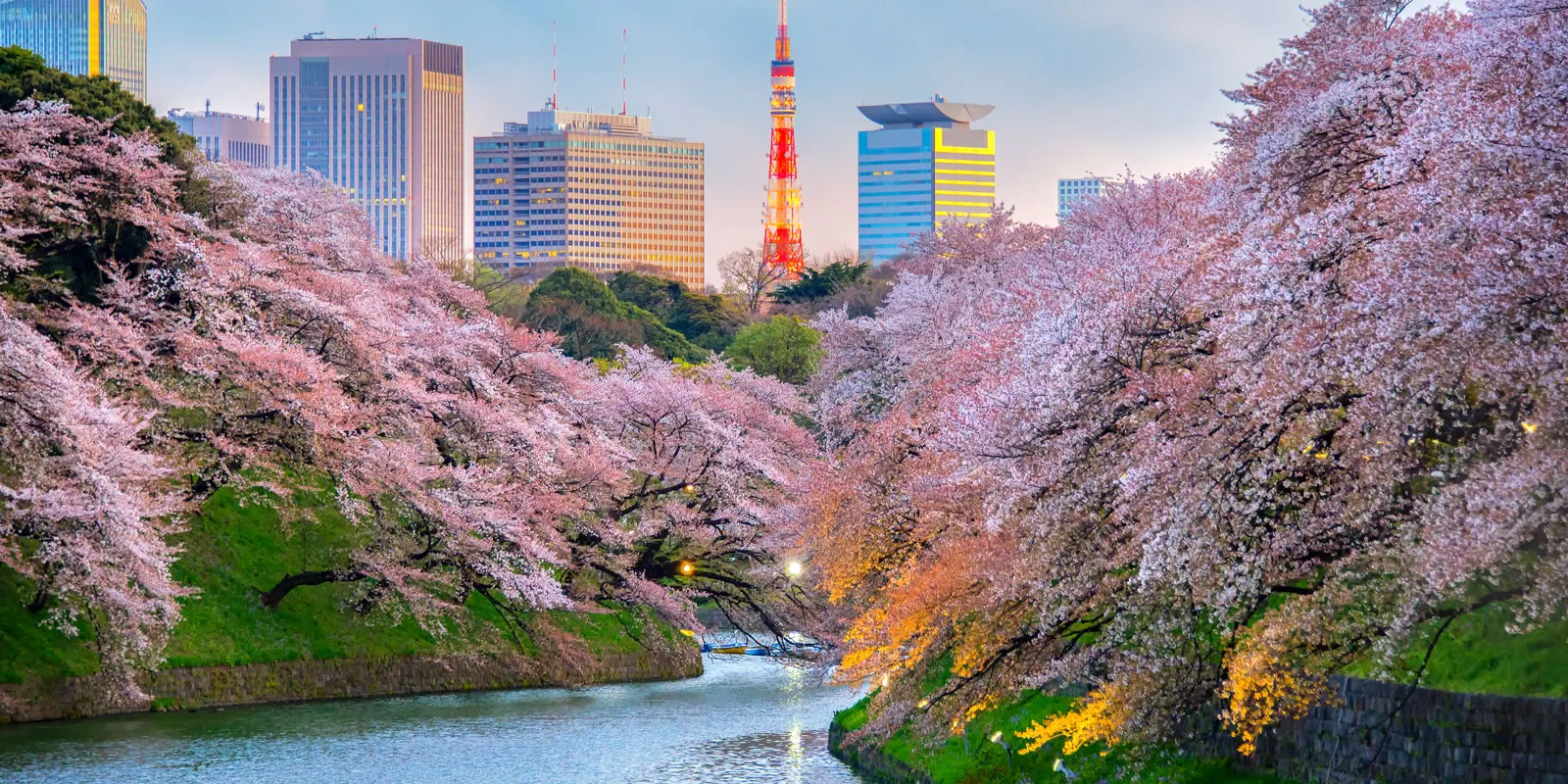
Tokyo is one of the easiest places to build into a spring itinerary because blossom viewing can be mixed with normal city sightseeing. Parks, river walks, gardens and neighbourhoods give you several possibilities without making the entire day dependent on one single location.
Ueno, the Meguro River area and several city gardens are well known for spring colour, but major sites can be crowded. We prefer to mix one famous location with ordinary Tokyo sightseeing so the day remains balanced.
If Tokyo is your arrival city, allow at least two full days. Our 7 Days Tokyo, Mt. Fuji, Kyoto & Osaka Tour works for travellers with limited time, while longer spring trips provide a better buffer for weather and bloom timing.
Mt. Fuji in Cherry Blossom Season
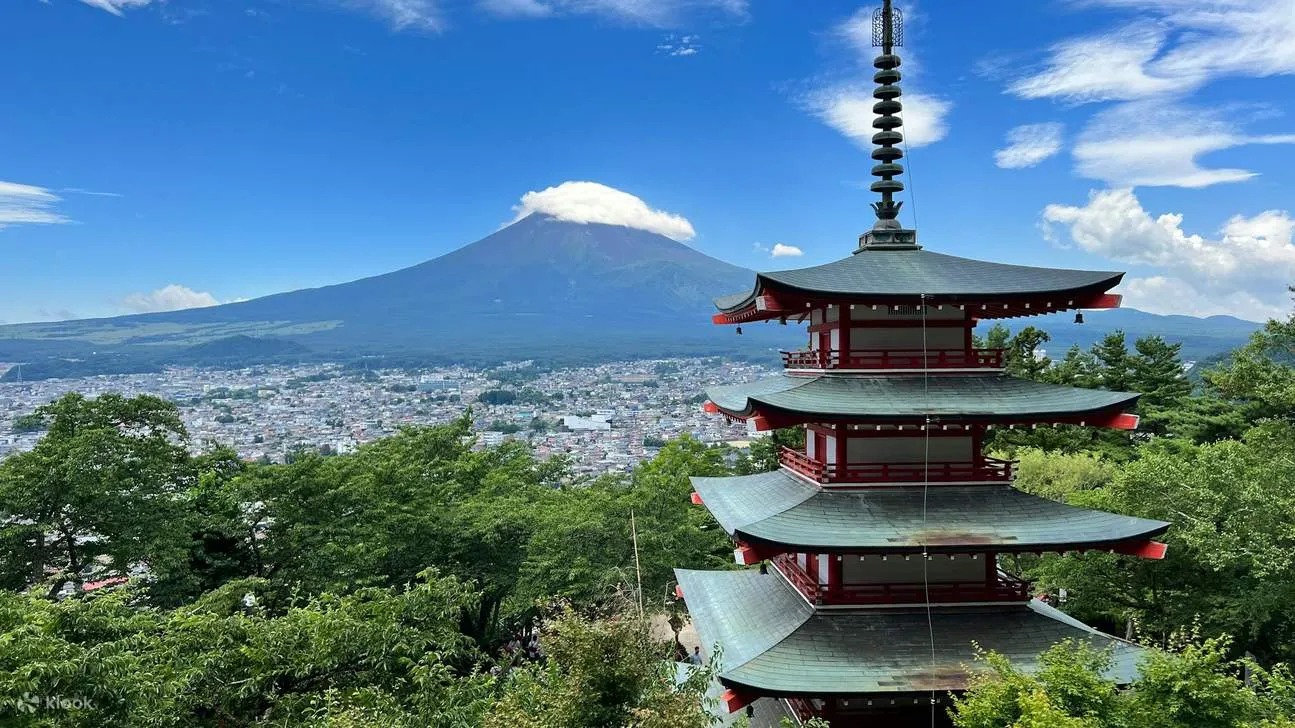
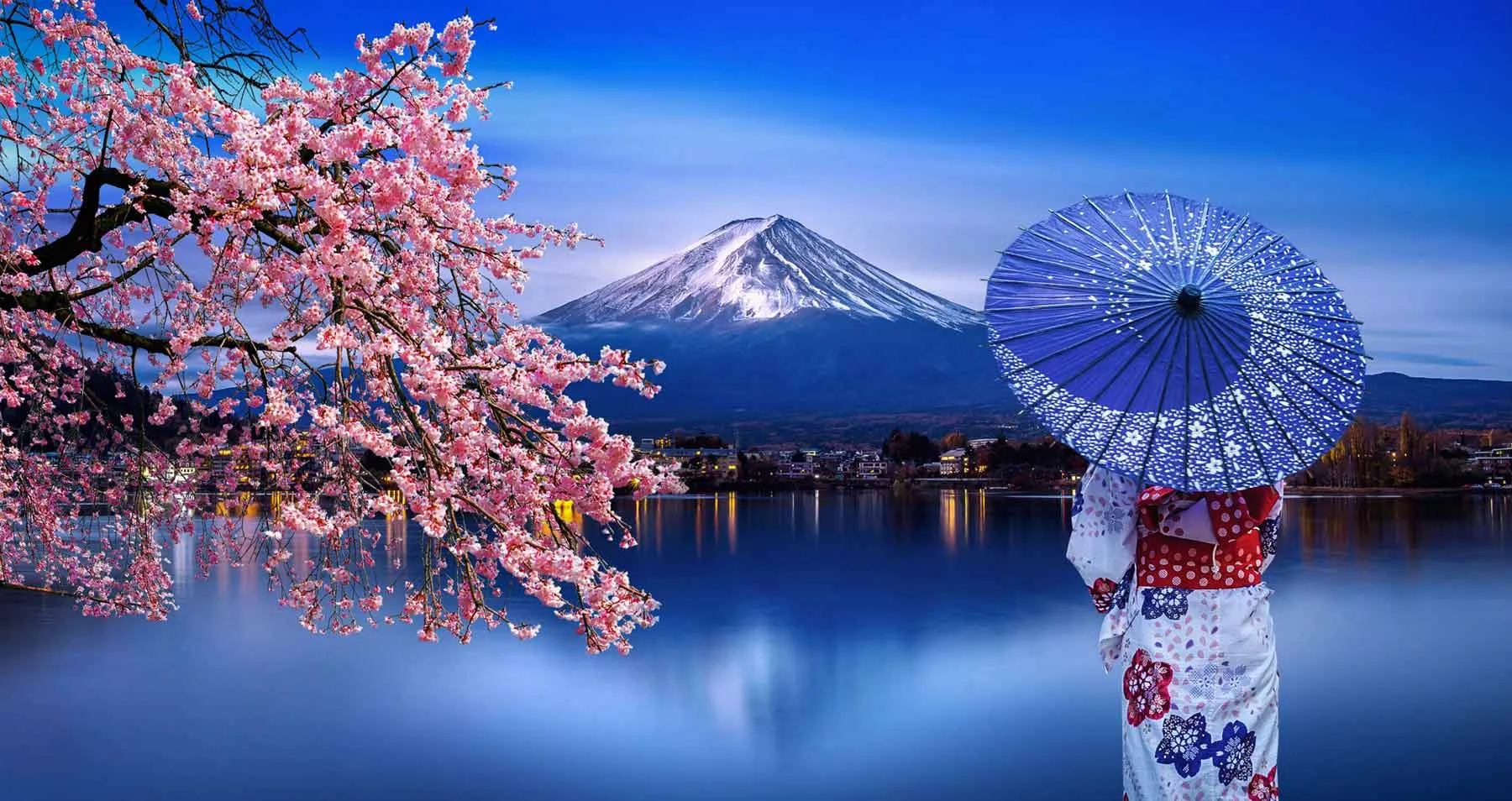
Mt. Fuji is one of the most requested additions to a spring Japan trip, but two separate conditions need to cooperate: blossom timing and mountain visibility. Sakura may be flowering around a lake or viewpoint while Mt. Fuji itself is hidden by cloud, so itineraries should never guarantee the classic blossom-and-mountain photograph.
The Fuji and Hakone region still works well as a scenic overnight between Tokyo and Kyoto. Lakes, woodland, hot-spring stays and mountain landscapes make the stop worthwhile even when the summit is not visible.
Travellers who want more time in the region can also consider the 8 Days Classic Japan Tour, which places Hakone naturally between Tokyo and Kyoto.
Kyoto in Sakura Season: Give It More Than One Day
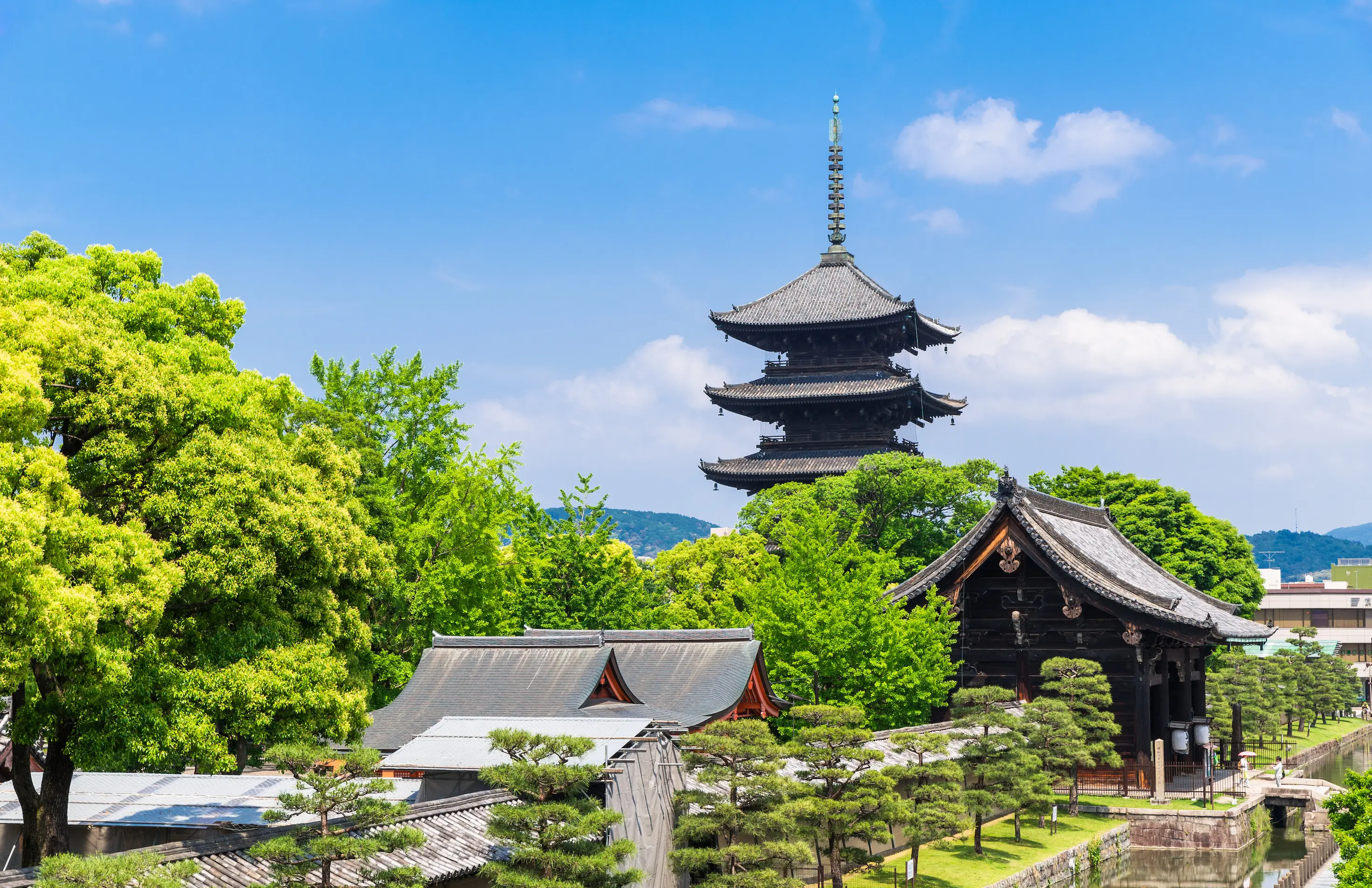
Kyoto is one of Japan's most atmospheric spring destinations because cherry blossoms appear alongside temples, canals, gardens, wooden streets and hillside neighbourhoods. The city deserves more than a quick stop, particularly during a busy season.
Rather than rushing through every famous blossom location, give Kyoto two or three nights and combine seasonal viewing with its year-round highlights. Higashiyama, temple gardens and riverside areas can be balanced with Fushimi Inari, cultural activities, food experiences and slower neighbourhood walks.
The 8 Days Tokyo, Kyoto & Osaka Tour is a good city-focused option if you prefer not to add Hakone, while the longer Golden Route adds more variety.
Nara and Osaka in a Spring Itinerary
Nara works particularly well as a day trip or transfer-day stop between Kyoto and Osaka. The combination of parkland, temples and spring colour makes it a natural addition without requiring another hotel change.
Osaka provides a useful contrast after Tokyo and Kyoto. Castle grounds, riverside areas and city parks can add seasonal colour, while food districts and shopping give the itinerary something to enjoy after the blossom-viewing crowds have gone home.
This is one reason the Tokyo, Kyoto, Nara and Osaka combination works so well for a first sakura trip. It remains a strong Japan itinerary even if the blossoms are not at peak in every city.
Can You Combine Cherry Blossoms with Hiroshima?
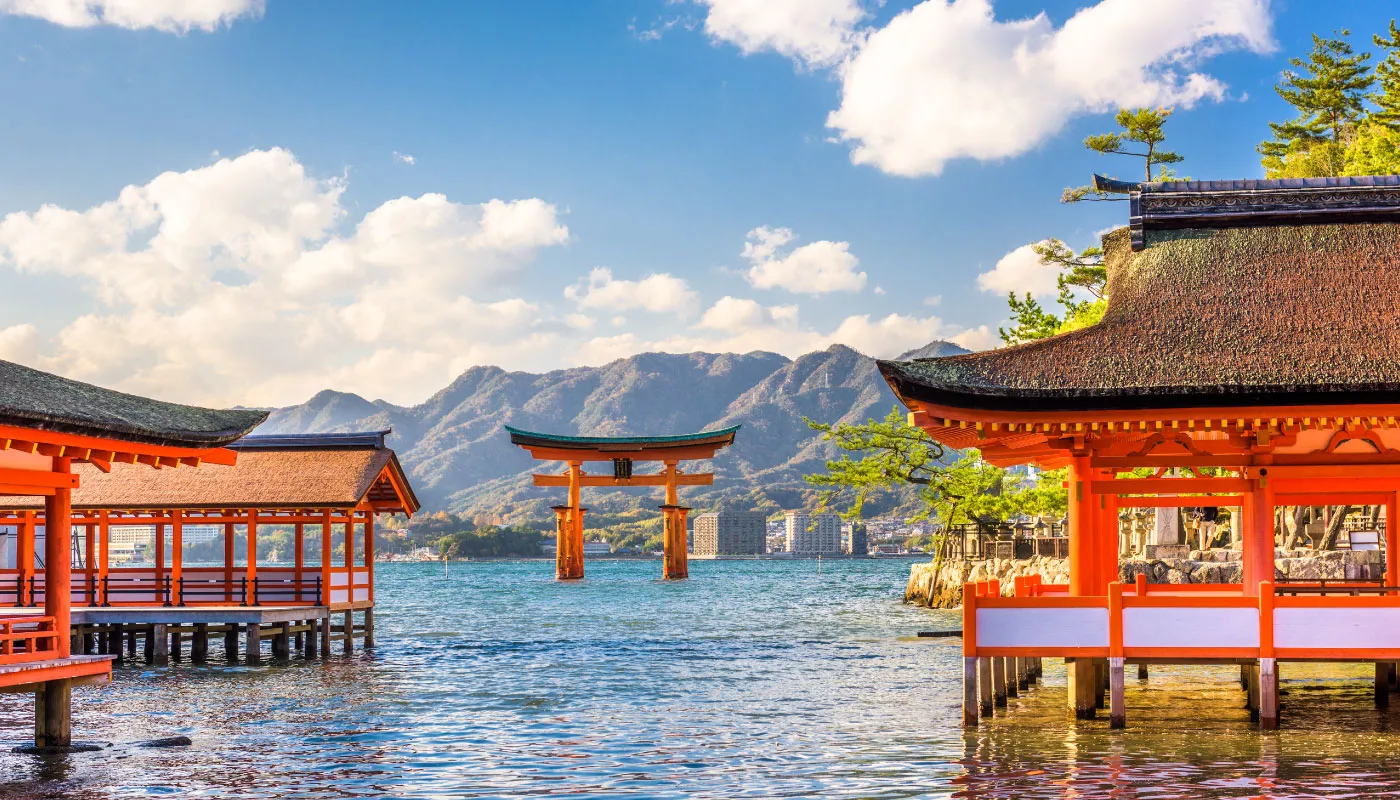
Yes. Travellers with around ten to twelve days can continue west to Hiroshima and Miyajima after Kyoto or Osaka. Spring scenery adds another layer to the route, but Hiroshima should still receive enough time for Peace Memorial Park and its historical context rather than becoming only another blossom stop.
The 10 Days Tokyo, Kyoto, Hiroshima & Osaka Tour is a strong option for travellers who want a city-and-history route, while the 12 Days Best of Japan Tour adds Hakone and more breathing room.
What If You Travel Later in Spring?
Travellers arriving after the main Tokyo and Kyoto season should not assume they have missed sakura everywhere in Japan. The blossom front moves northward, so later spring can create opportunities in Tohoku and Hokkaido.
If your dates are late April or early May, it may make more sense to consider northern Japan rather than building the whole trip around Tokyo and Kyoto. Explore our Hokkaido tours for routes that can be adapted to later-season spring travel.
Cherry Blossom Festivals and Night Illuminations
Some parks, castles and temple areas hold seasonal events or evening illuminations during sakura season. These can be beautiful, but event dates and operating details vary each year and should be checked before travel.
We do not recommend designing the entire itinerary around one temporary event unless it is the main purpose of the trip. A better approach is to build a strong route first, then add festivals or illuminated viewing when they match your confirmed dates.
How Crowded Is Japan During Cherry Blossom Season?
Popular blossom areas can be very busy, especially in Tokyo, Kyoto and famous day-trip destinations. The season also overlaps with one of Japan's most popular travel periods, so central hotels and well-timed rail journeys can become more difficult to arrange as dates approach.
Early starts help, but the best crowd strategy is not simply waking up before everyone else. Stay longer in key cities, avoid changing hotels every night, combine famous blossom areas with quieter neighbourhoods, and leave some open time for spontaneous viewing.
How Far in Advance Should You Book a Sakura Tour?
If your trip depends on specific hotels, room types or a particular Kyoto stay, booking well ahead is sensible. The challenge is that exact blossom dates cannot be known far in advance, so the itinerary needs both commitment and flexibility.
Secure the main cities, accommodation and important transfers first. Keep individual viewing locations flexible where practical. This avoids the common mistake of waiting for a precise forecast and then finding that the best hotels are no longer available.
How Many Days Are Best for a Japan Cherry Blossom Tour?
Seven to eight days can cover Tokyo, Kyoto and Osaka, with Mt. Fuji or Nara added carefully. Around ten days is much better for a first spring trip because it allows Tokyo, Fuji/Hakone, Kyoto, Nara and Osaka without changing hotels every day.
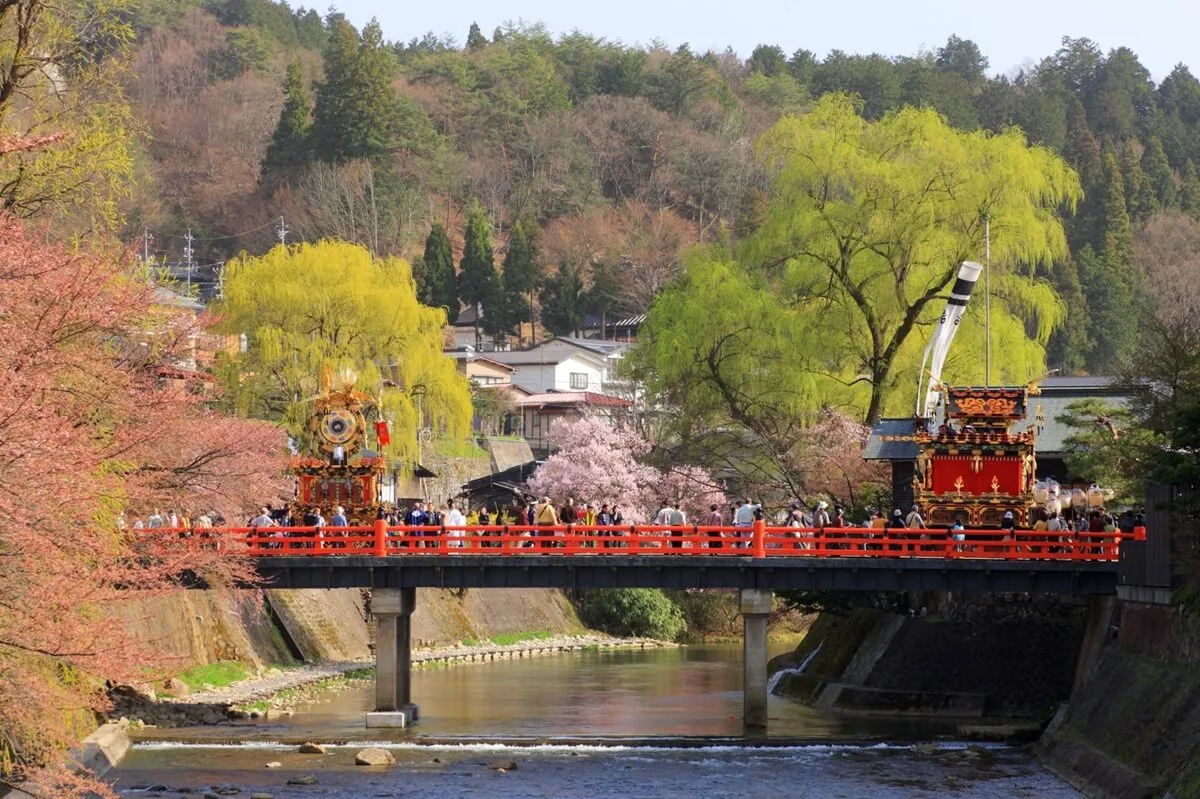
Twelve to fourteen days gives more flexibility for Hiroshima, the Japanese Alps or slower sightseeing. Our 14 Days Grand Japan Tour can be adapted for travellers who want a broader spring journey beyond the standard Golden Route.
What to Pack for Japan in Cherry Blossom Season
- Layers: Spring temperatures can change significantly between morning, afternoon and evening.
- A light waterproof layer: Rain and wind can arrive during blossom season, and petals themselves are sensitive to weather.
- Comfortable walking shoes: Tokyo, Kyoto and Nara all involve substantial walking, particularly when you add parks and riverside routes.
- A compact day bag: Useful for carrying a layer, water, camera and small purchases.
- Something warmer for Fuji or mountain regions: Do not pack only for Tokyo's forecast if your trip includes higher elevations.
Sakura Photography: Do Not Chase Only the Famous View
Cherry blossom photography is often better when the flowers have context. Temple roofs, lanterns, rivers, neighbourhood streets, people picnicking and even fallen petals can create stronger photographs than trying to reproduce one famous image.
Morning light and quieter hours can help at popular locations. If photography is important, give yourself two nights or more in priority cities so you are not dependent on a single cloudy or rainy morning.
Can a Cherry Blossom Tour Be Combined with Culture and Food?
It should be. Sakura may be the seasonal reason for choosing the dates, but it should not become the only purpose of every day. Kyoto temples, Tokyo neighbourhoods, Nara heritage, Osaka food and a Hakone stay all make the journey more complete.
Travellers who want a stronger cultural focus can also explore our Japan cultural heritage tours. Spring flowers then become part of the setting rather than the only attraction.
Why Choose a Private Japan Cherry Blossom Tour?
Sakura travel benefits from flexibility more than many other Japan trips. Flowering dates change, rain can shorten a viewing window, and one city may be early while another is still approaching full bloom.
Tusk Travel can use one of the itineraries below as the framework, then adapt the route around your dates, preferred pace, hotel category and seasonal priorities. Private guiding can be added where useful, while independent days can remain open for walking, photography or following the latest blossom conditions.
The objective is not to promise perfect pink trees in every city. It is to design a worthwhile Japan journey first, then give you several realistic opportunities to experience sakura as spring moves through the country.
Popular Japan Cherry Blossom Tour Packages

10 Days Japan Cherry Blossom Tour: Tokyo, Mt. Fuji, Kyoto & Osaka
7 Days Japan: Tokyo, Mt. Fuji, Kyoto & Osaka
8 Days Classic Japan: Tokyo, Hakone, Kyoto, Nara & Osaka
10 Days Japan Golden Route with Hiroshima
10 Days Tokyo, Kyoto, Hiroshima & Osaka Tour
12 Days Best of Japan: Tokyo, Hakone, Kyoto, Nara, Osaka & Hiroshima
14 Days Grand Japan: Tokyo, Alps, Kyoto & Hiroshima
Japan Cherry Blossom Tours: Frequently Asked Questions
For Tokyo, Kyoto and Osaka, late March and early April are commonly important planning periods, but flowering changes every year. Northern regions bloom later, so the wider Japan sakura season can continue through April and into early May.
No. Flowering and full-bloom dates depend on temperatures and weather. Forecasts become more useful closer to spring, but no tour company can guarantee exact peak blossom conditions months in advance.
Tokyo and Kyoto are the strongest first-time bases because they combine famous spring scenery with excellent year-round sightseeing. Mt. Fuji and Hakone, Nara and Osaka can then be added naturally without making the route too complicated.
Around ten days is a strong length for Tokyo, Mt. Fuji or Hakone, Kyoto, Nara and Osaka. Seven to eight days can work for a shorter route, while twelve to fourteen days gives more flexibility for Hiroshima, the Japanese Alps or slower sightseeing.
Yes. Hokkaido's colder climate means cherry blossoms generally arrive later than in Tokyo, Kyoto and Osaka. It can therefore be a useful option for travellers visiting later in spring, although the exact timing still varies each year.
Famous blossom locations can be very busy, especially in Tokyo and Kyoto. Staying several nights in key cities, starting selected days early and mixing famous sites with quieter neighbourhoods can make the trip more comfortable.
Yes. We can build the main route around your fixed travel dates, preferred cities and pace, then keep selected blossom-viewing stops flexible where practical. The goal is to give you several realistic sakura opportunities while preserving a strong Japan itinerary even if flowering timing changes.