
Japan Honeymoon Tours
Plan a Japan Honeymoon with Time to Enjoy the Journey Together
A good Japan honeymoon tour should feel personal, comfortable and unhurried. Japan already provides the contrast: energetic city nights, quiet gardens, mountain scenery, traditional inns, elegant dining and historic streets. The itinerary does not need to force romance into every hour. What matters is choosing the right places, reducing unnecessary hotel changes and leaving enough free time for the two of you to enjoy the trip at your own pace.
For most first-time couples, the strongest route begins in Tokyo, slows down in Hakone, then continues to Kyoto and Osaka. This gives you modern Japan, a scenic ryokan-style break, cultural depth and a lively final city without turning the honeymoon into a new suitcase every night.
Our 10 Days Japan Honeymoon: Tokyo, Hakone, Kyoto & Osaka is the best starting point for this theme. Couples looking for a more premium journey can also consider the 12 Days Luxury Japan Tour, which adds Kanazawa and a slower, more refined travel rhythm.
What Makes Japan a Strong Honeymoon Destination?
Japan suits couples who want variety without needing several separate holidays. In one trip you can have rooftop city views, neighbourhood bars, mountain scenery, hot-spring stays, temple gardens, traditional crafts, food experiences and quieter countryside days.
It also works for couples with different interests. One partner may care more about food and design, while the other prefers temples, photography or nature. A well-planned route can include all of those without making either traveller feel that the honeymoon belongs to someone else's wishlist.
Tokyo for Couples: Energy First, Romance Second
Tokyo is often the best place to begin because the city immediately feels different from home. Spend the first days exploring neighbourhoods rather than rushing between famous attractions. Asakusa can provide a traditional introduction, while Shibuya, Ginza, Shinjuku or Daikanyama can bring in food, shopping, design and evening atmosphere.
Couples often enjoy one free evening more than another scheduled sightseeing block. A rooftop drink, a small restaurant, a late walk or simply discovering a neighbourhood together can become one of the most memorable parts of the trip.
Hakone: The Natural Honeymoon Pause Between Tokyo and Kyoto
Hakone works especially well for honeymooners because it changes the pace at exactly the right moment. After Tokyo, a night near the mountains gives you a quieter setting before the journey continues to Kyoto.
Depending on weather and local conditions, the day can include Lake Ashi, volcanic scenery, museums or views toward Mt. Fuji. Clear Fuji views are never guaranteed, so the stay should be worthwhile even if the mountain is hidden.
If a ryokan or onsen experience is important, tell us early. Room style, meal plan, bathing arrangements and private-bath options vary significantly from one property to another.
Private Onsen or Shared Onsen?
Many honeymooners ask specifically for a private onsen. This can mean different things. Some rooms have their own open-air bath, some properties offer reservable family/private baths, and others use only communal bathing areas.
We recommend confirming exactly what "private bath" means before booking rather than assuming every luxury ryokan provides the same experience. Couples who are not comfortable with communal bathing should make that clear from the beginning.
Kyoto: The Most Atmospheric Stop for Many Couples
Kyoto is often the emotional centre of a Japan honeymoon because it rewards slower travel. Temple gardens, Higashiyama streets, riverside walks, tea culture and evening time in Gion create a softer pace than Tokyo.
Three nights is often better than two. One day can focus on eastern Kyoto, another on Arashiyama or a cultural experience, while the arrival evening stays light. That gives you room for both sightseeing and time together.
Couples who enjoy cultural depth can also explore our Japan cultural heritage tours and add tea, crafts, gardens or more specialist guiding.
Nara as an Easy Romantic Day Trip
Nara fits naturally into a Kyoto or Osaka stay and does not need its own hotel for most honeymoon itineraries. Parkland, temple grounds and a slower atmosphere make it a pleasant contrast to the larger cities.
Using Nara as a day trip keeps the trip simpler and protects one of the most valuable honeymoon luxuries: not having to pack again.
Osaka: End with Food, Energy and Less Formal Sightseeing
Osaka is a good place to finish because the tone becomes more relaxed. After temples, gardens and heritage districts, couples can spend the final days around food, shopping, nightlife or a booked attraction without feeling pressure to follow another long cultural programme.
Ending in Osaka also works well for many Kansai departures, which can make the final travel day easier.
Should You Add Kanazawa?
Kanazawa is an excellent addition for couples who want a quieter and more refined route. Gardens, historic districts, craft traditions and a smaller urban scale create a different experience from Tokyo and Kyoto.
It fits especially well in a luxury honeymoon or a longer cultural itinerary. The 12-day luxury route uses Kanazawa to slow the journey down rather than simply adding another destination.
Japanese Alps for Couples Who Prefer Scenery and Smaller Towns
Couples who enjoy mountain scenery, photography and traditional townscapes may prefer the Japanese Alps to another major city. Takayama, Shirakawa-go and Kanazawa can create a more intimate journey through central Japan.
The 9 Days Japan Alps Tour is a strong alternative to the classic Tokyo-Hakone-Kyoto route for repeat visitors or couples who prefer smaller destinations.
Hokkaido Honeymoons
Hokkaido is a strong choice for couples who want open landscapes, cooler weather, winter snow or a slower northern-Japan atmosphere. Sapporo and Otaru add city and port character, while Furano and Biei bring countryside scenery.
Our 7 Days Hokkaido Tour can be adapted for couples, while the 9 Days Hokkaido Winter Tour works for travellers who want snow scenery and a more seasonal experience.
Cherry Blossom Honeymoon in Japan
Spring is one of the most requested honeymoon periods because sakura add a beautiful setting to Tokyo, Kyoto, parks and temple areas. Exact bloom dates cannot be guaranteed, so the main itinerary should still be strong without perfect flowers.
Couples travelling in spring can use our Japan cherry blossom tours as a seasonal framework while keeping selected viewing stops flexible.
Autumn Honeymoon in Japan
Autumn is equally attractive for couples who prefer cooler walking weather, temple gardens and foliage. The Japanese Alps, Nikko, Mt. Fuji, Kyoto and Kanazawa can all work depending on the dates.
See our Japan autumn foliage tours if red maple leaves and seasonal photography are important to the trip.
How Many Days Are Best for a Japan Honeymoon?
Around eight to ten days works for Tokyo, Hakone, Kyoto and Osaka. Ten days is a particularly strong first-time length because it allows each major stop enough time without creating a long absence from work.
Twelve to fourteen days is better if you want Kanazawa, the Japanese Alps, Hiroshima or Hokkaido. The advantage of extra days should be a slower rhythm, not simply more cities.
Choose Hotels for the Experience, Not Just the Star Rating
A honeymoon does not need five-star hotels every night. Often the better strategy is to spend more in one or two places where the hotel itself changes the experience, such as a ryokan in Hakone or a special stay in Kyoto.
In Tokyo and Osaka, location may matter more than a large room. Being able to walk to dinner or return easily after an evening out can make the stay feel more luxurious than spending extra money on a hotel far from the neighbourhoods you want to enjoy.
Double Beds, Twin Beds and Room Categories
Couples should not assume that every Japanese hotel room booked for two automatically has one large double bed. Twin rooms are common, room dimensions vary and some traditional stays use futon bedding.
If a king or queen bed matters, request it specifically and confirm the room category. For ryokan stays, the sleeping setup may be traditional, which can be part of the experience but should not come as a surprise.
Food Experiences for a Honeymoon
Food can be one of the most memorable parts of a Japan honeymoon. Rather than booking expensive restaurants every night, mix one or two special meals with casual neighbourhood dining, markets and local specialties.
If you have dietary restrictions, tell us before reservations are made. Vegetarian, allergy-related or religious dietary needs can require advance communication, particularly for traditional multi-course meals.
Private Guide or Independent Time?
Couples rarely need a guide every day. Private guiding is most useful when cultural context adds value, such as in Kyoto, Nara, Kanazawa or Hiroshima.
Independent evenings, shopping time and neighbourhood walks are just as important on a honeymoon. A good private itinerary should create structure without making the couple feel escorted from breakfast until bedtime.
Luggage Forwarding Can Make a Honeymoon Feel Easier
Carrying large cases through stations and onto mountain transfers is not romantic. Selected luggage forwarding can make the trip easier, especially around a one-night Hakone stay or an Alps section.
Hotel acceptance and delivery timing should be confirmed before relying on the service. Keep passports, medicines, valuables and anything needed for the next overnight with you.
How Much Free Time Should a Honeymoon Itinerary Have?
More than a standard escorted tour. Couples should have at least a few evenings and partial days with no guide and no fixed sightseeing schedule.
Free time is not empty itinerary space. It is where you find a café you had not researched, return to a neighbourhood you liked, shop without watching the clock or simply rest after a long travel day.
Can You Add a Proposal, Anniversary or Special Celebration?
Yes. If the honeymoon overlaps with an anniversary, birthday or proposal plan, tell us early so the itinerary can leave enough time and the location can fit naturally into the trip.
We recommend avoiding over-complicated surprises that depend on perfect weather or tightly timed transport. A simpler plan in a beautiful setting is usually more reliable and more personal.
Why Choose a Private Japan Honeymoon Tour?
Honeymoons are personal. Some couples want luxury hotels and fine dining, others care more about mountain scenery, neighbourhood food, photography or quiet cultural stays. A fixed group itinerary rarely matches those priorities exactly.
Tusk Travel can use the itineraries below as starting points, then adjust the route around your dates, hotel style, interests, pace and budget. We can add private guides where useful, leave evenings free, reduce hotel changes and choose one or two special stays where spending more will genuinely improve the experience.
The aim is simple: a Japan honeymoon that feels like your trip, not a standard package with the word "romantic" added to the title.
Japan Honeymoon Tour Packages
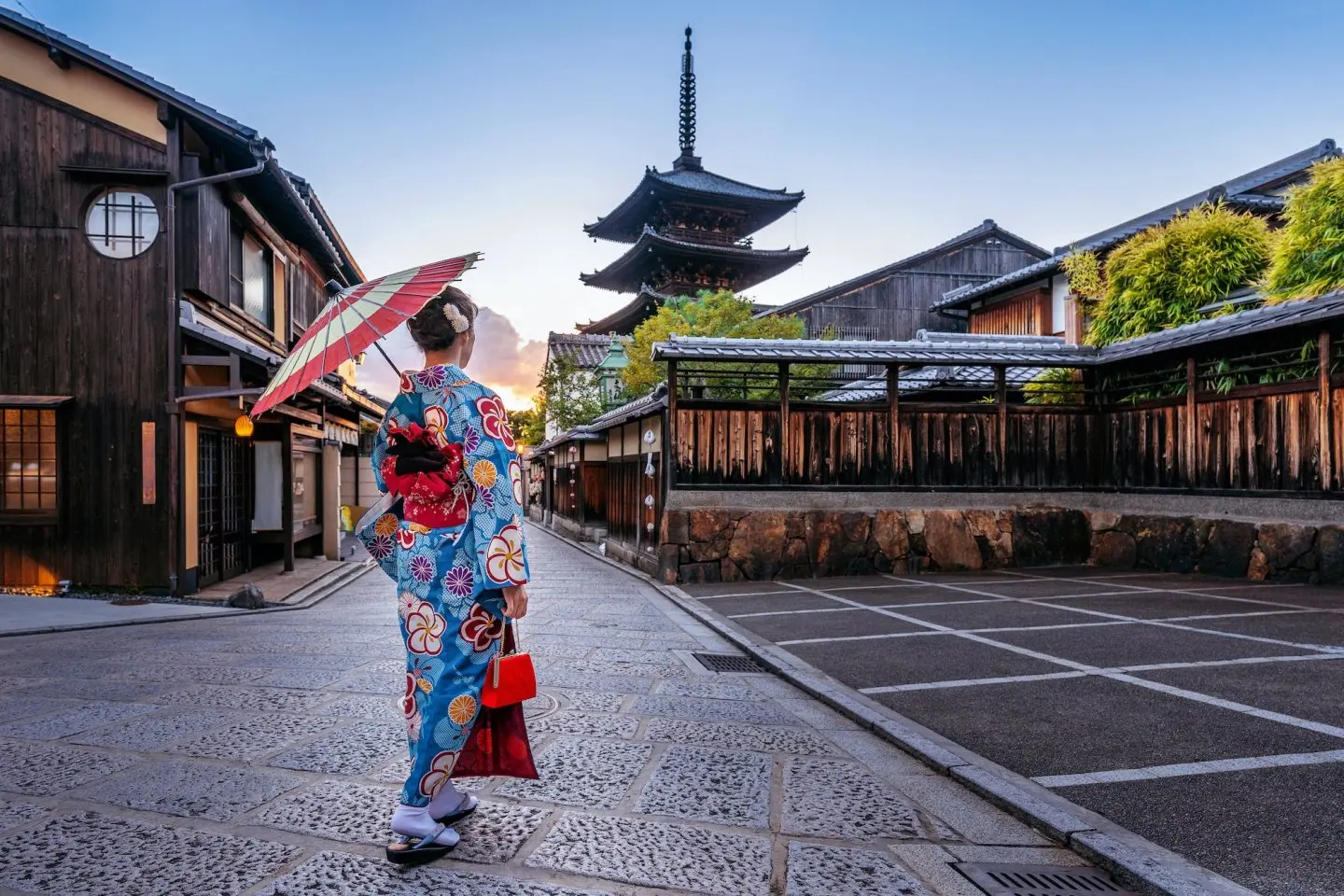
10 Days Japan Honeymoon: Tokyo, Hakone, Kyoto & Osaka
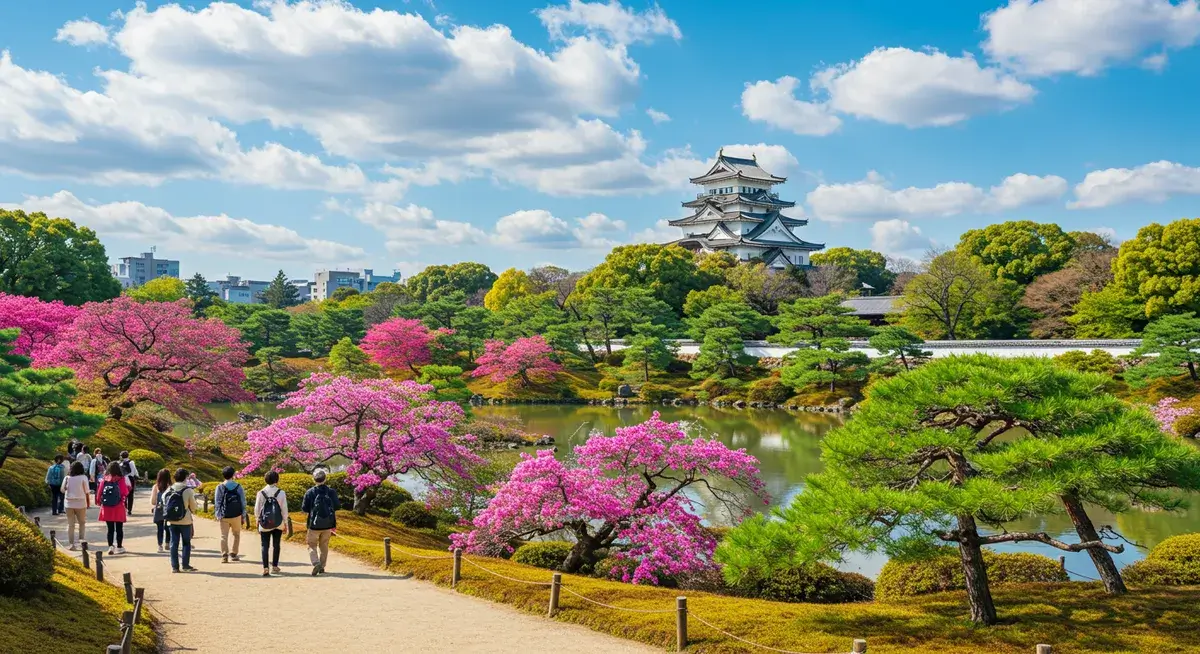
12 Days Luxury Japan: Tokyo, Hakone, Kanazawa & Kyoto
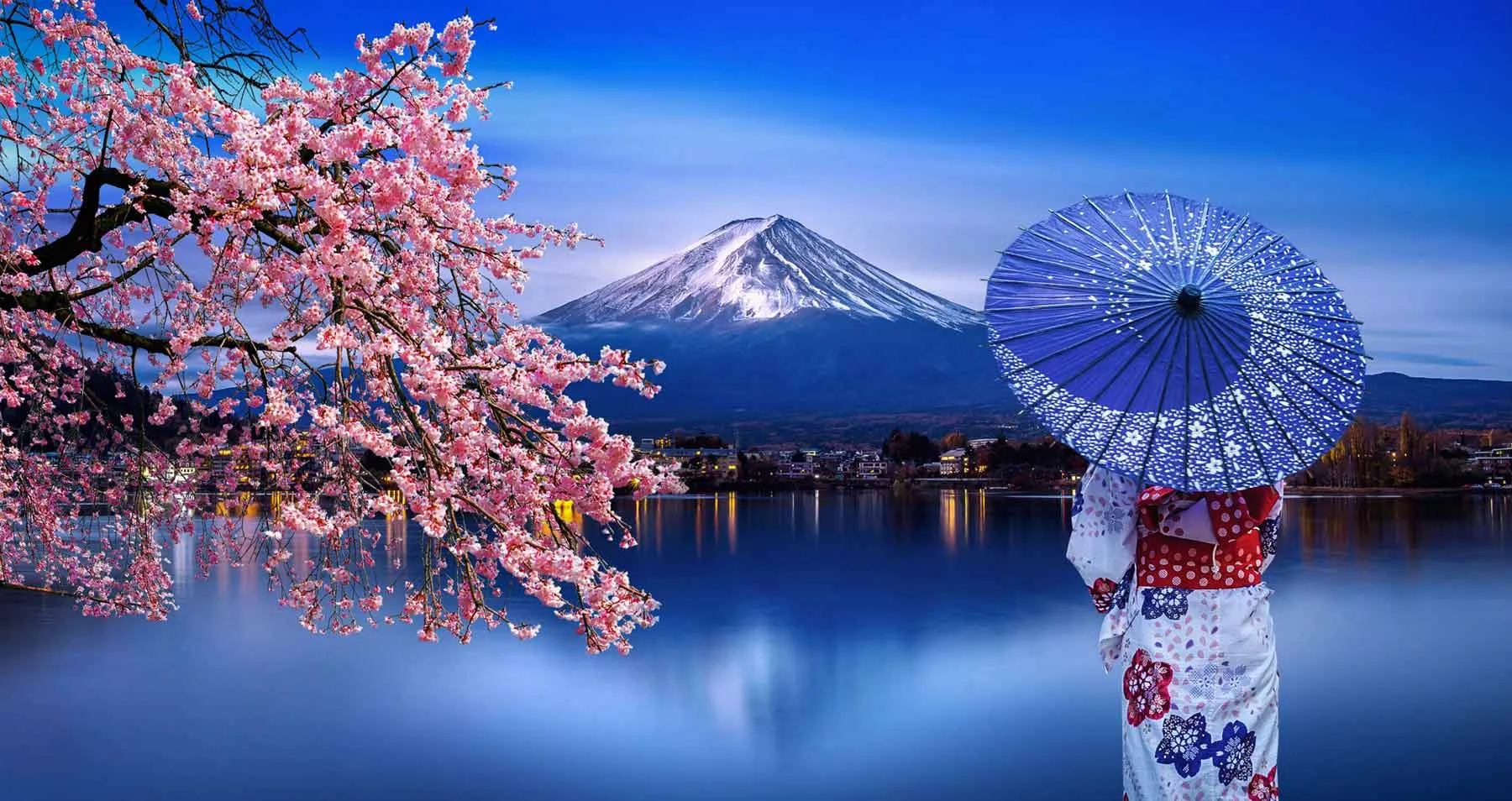
8 Days Classic Japan: Tokyo, Hakone, Kyoto, Nara & Osaka
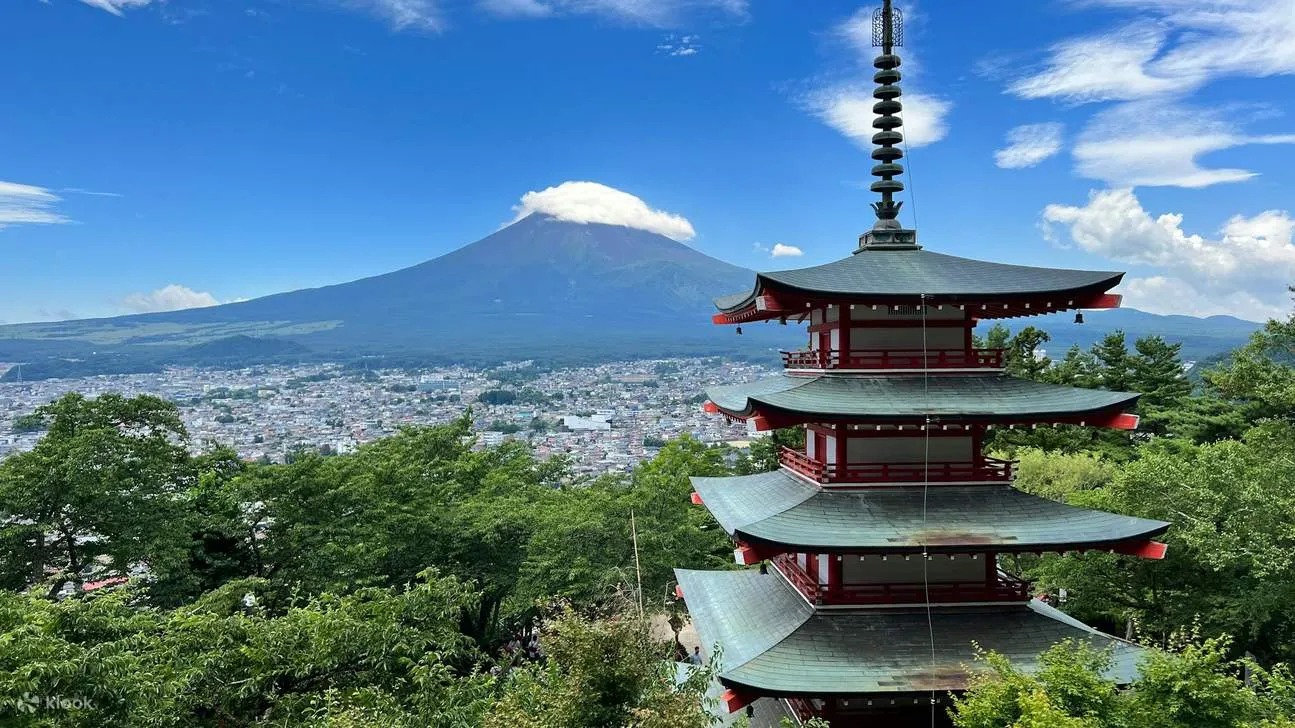
7 Days Japan: Tokyo, Mt. Fuji, Kyoto & Osaka
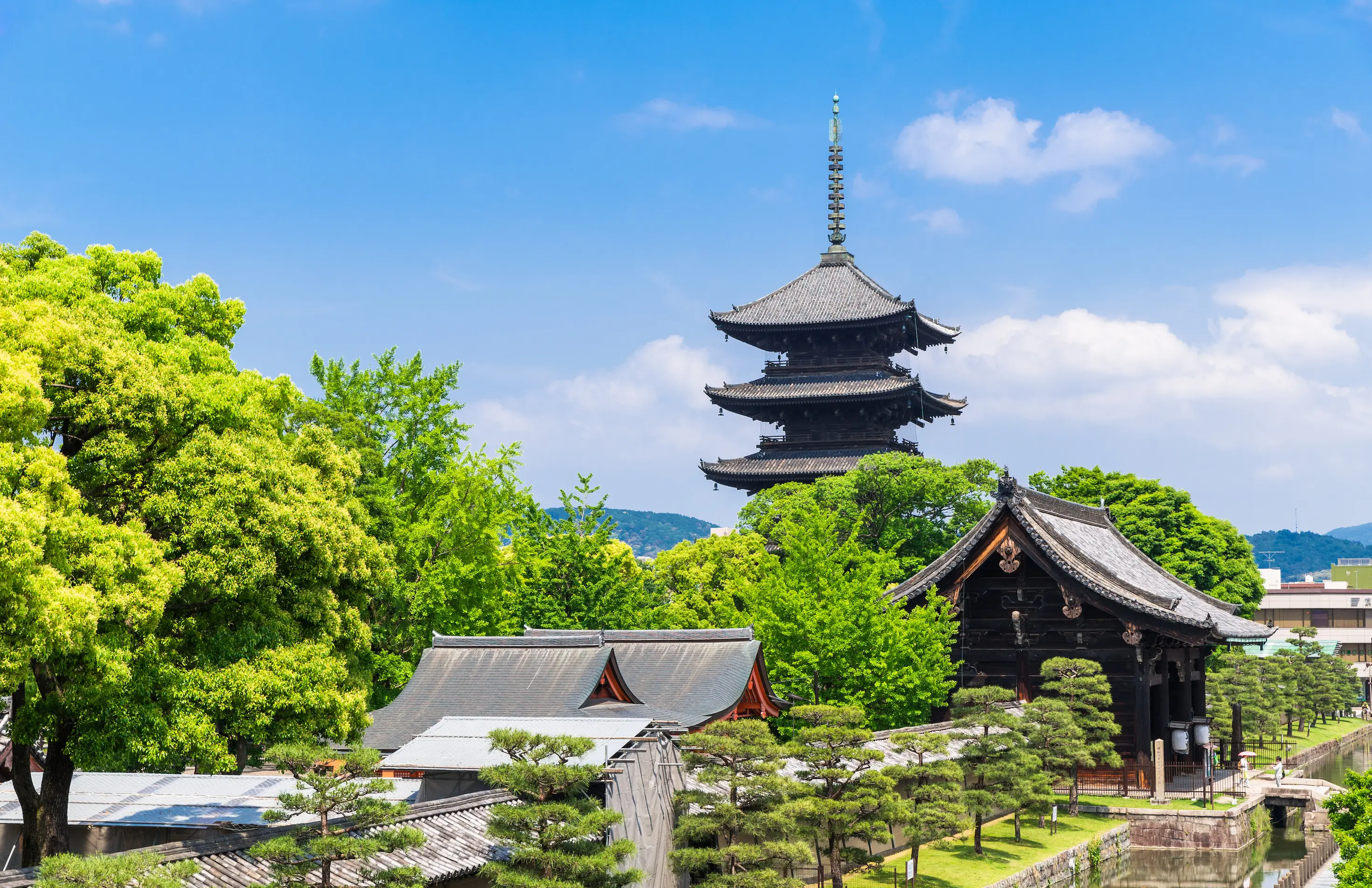
10 Days Japan Golden Route with Hiroshima
12 Days Best of Japan: Tokyo, Hakone, Kyoto, Nara, Osaka & Hiroshima
Japan Honeymoon Tours: Frequently Asked Questions
Around ten days works very well for Tokyo, Hakone, Kyoto and Osaka. Twelve to fourteen days is better if you want Kanazawa, the Japanese Alps, Hiroshima or Hokkaido without making the honeymoon feel rushed.
Tokyo, Hakone, Kyoto and Osaka make a strong first-time route. Tokyo gives energy and food, Hakone provides a scenic ryokan-style break, Kyoto adds atmosphere and culture, and Osaka offers a relaxed final city stay.
Yes, where available. Some ryokan rooms have their own bath, while other properties offer reservable private baths. We recommend confirming the exact bathing arrangement before booking because "private onsen" can mean different things.
Both are excellent. Spring is popular for cherry blossoms, while autumn offers cooler walking weather and foliage. The better choice depends on your dates, crowd tolerance and whether sakura or autumn colour matters more to you.
No. Private guiding is most useful in culturally rich places such as Kyoto, Nara or Kanazawa. Free evenings and independent time are important on a honeymoon, so we usually recommend a mix rather than full-day guiding throughout.
Yes. Japan offers premium city hotels, traditional ryokan, private guiding, refined dining and comfortable rail or private-transfer options. Luxury works best when the extra spending is focused on stays and experiences that genuinely improve the journey.
Yes. We can adjust the route around your dates, hotel preferences, pace, food interests, special occasions and preferred balance of guided and independent time, while keeping the trip private and flexible.