
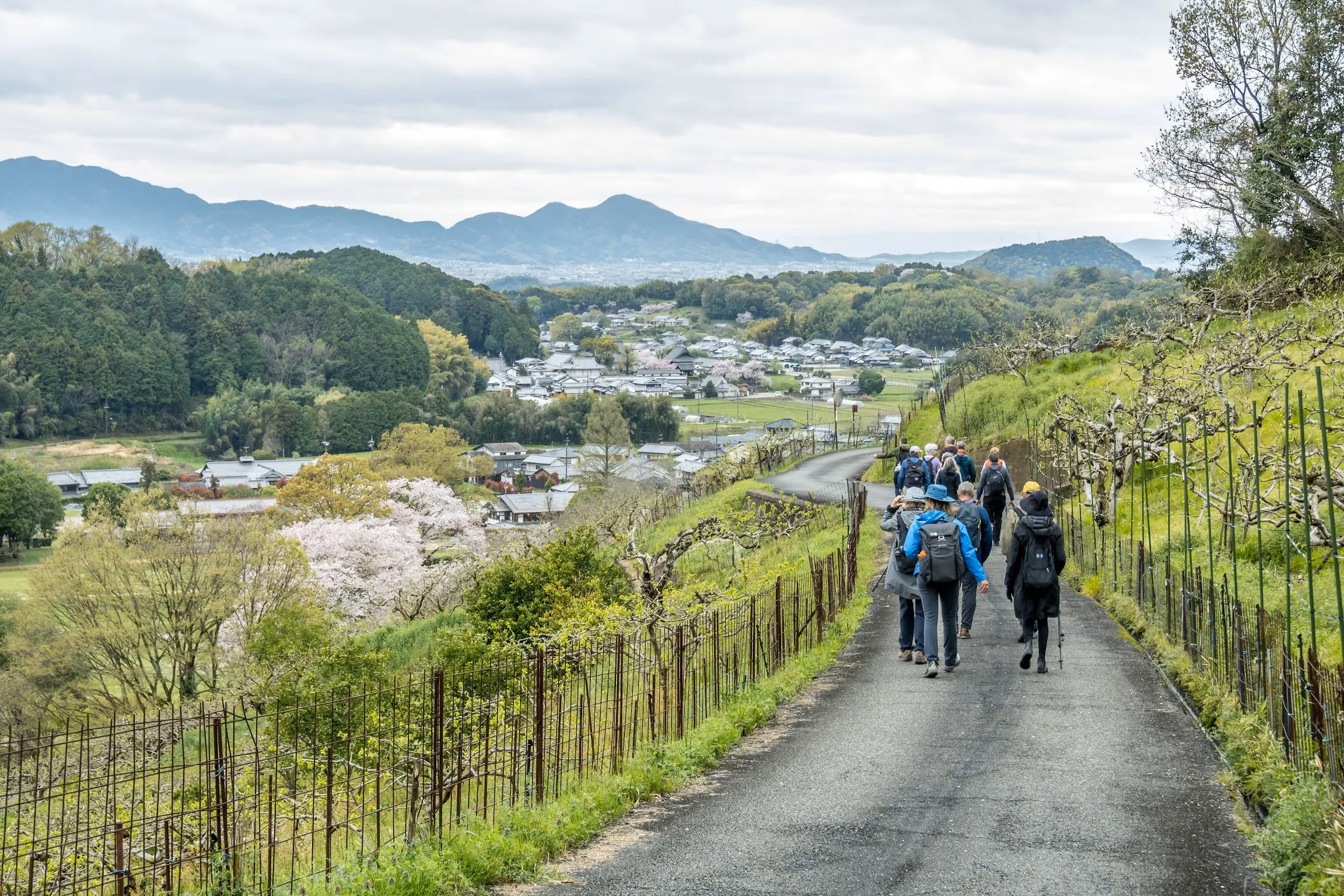
Japan Adventure Tours
Adventure Tours in Japan for Active, Curious Travellers
A good Japan adventure tour is not simply a standard sightseeing itinerary with a hike added to it. Japan works especially well for active travellers because mountains, lakes, historic walking districts, rural towns and winter landscapes can be combined with comfortable city stays and efficient transport. You can spend a morning walking through Tokyo, travel toward Mt. Fuji for a scenic outdoor day, continue into the Japanese Alps, and still finish the journey with Kyoto's temples or Osaka's food districts.
At Tusk Travel, we treat adventure as a level of activity and a style of travel, not as a promise of extreme trekking. For some travellers that may mean a summer Mt. Fuji climb. For others it may mean scenic walks around Hakone, mountain-country travel through Takayama, a seasonal walk in the Alps, cycling where conditions are suitable, or a winter journey through Hokkaido. The route should fit your fitness, season, interests and comfort with long walking days.
If you want a ready-made starting point, our 11 Days Japan Adventure Tour combines Mt. Fuji, the Japanese Alps, Takayama and Kyoto. It is one of the best examples of how active travel and cultural sightseeing can work together without making the holiday feel like an endurance test.
What Does an Adventure Tour in Japan Actually Include?
Adventure in Japan can range from easy outdoor sightseeing to demanding mountain days. A first-time visitor may prefer walking-heavy city days, lakeside scenery, short nature trails and mountain-town exploration. A fitter traveller may want longer hikes, seasonal alpine routes or a properly planned Mt. Fuji ascent. Winter travellers can build the trip around snow landscapes, outdoor experiences and northern Japan rather than using the same programme designed for spring or autumn.
This distinction matters for trip planning. A traveller who enjoys six or seven hours of sightseeing on foot does not automatically want a high-altitude climb. Likewise, someone looking for trekking should not be sold a sightseeing itinerary where the only "adventure" is a cable-car ride. Before designing the route, we look at the activity level you genuinely enjoy, how often you want active days, and how much recovery time you want between them.
Best Adventure Regions in Japan
Japan's geography makes it possible to build very different adventure holidays. You do not need to visit every region on one trip. Choosing two or three areas that match the season usually creates a stronger itinerary.
- Mt. Fuji and Hakone: A natural choice for travellers starting in Tokyo. Depending on the season, interests and conditions, the region can include lake walks, viewpoints, volcanic scenery, outdoor sightseeing and a seasonal summit climb. Our 6 Days Tokyo, Hakone & Mt. Fuji Tour is a practical short route for travellers who do not have time for the full country.
- Japanese Alps, Takayama and Kanazawa: This is one of the best regions for travellers who want smaller cities, mountain scenery and active days between the major urban centres. The 9 Days Japan Alps Tour works well for a focused central-Japan journey, while the 12 Days Japan Alps, Kyoto & Hiroshima Tour continues farther west.
- Hokkaido: Northern Japan suits travellers who value open landscapes, winter scenery and a less crowded rhythm. A one-week route can combine Sapporo, Otaru, Furano and Biei, while winter requires a different plan with slower transport assumptions and weather flexibility. Explore our Hokkaido tours for seasonal route ideas.
- Kyoto and Nara: Adventure does not always mean mountains. Kyoto's temple districts, hillside paths and traditional neighbourhoods can involve substantial walking, while Nara mixes heritage with open parkland. These are useful cultural recovery days between more demanding outdoor sections.
Mt. Fuji: Scenic Visit or Summit Climb?
These are two very different experiences. Many travellers only want to see Mt. Fuji, explore the lakes or foothills and spend a night in the Hakone region. That can be planned through much more of the year, although mountain visibility is always weather-dependent.
Climbing to the summit is seasonal and requires proper preparation. The official climbing period is normally limited to summer, and access rules, fees, reservations, trail opening dates and weather restrictions can change from year to year. We therefore do not treat a Mt. Fuji summit as a guaranteed add-on. If climbing is important to your trip, the itinerary should be built around the official operating period and the latest rules for your chosen trail.
The mountain reaches high altitude, temperatures can change sharply, and the descent can be physically demanding. Travellers should be realistic about fitness, footwear, warm and waterproof layers, altitude response and recovery time after the climb.
Japanese Alps: Better for Travellers Who Want More Than One Mountain Day
The Japanese Alps are a better fit if you want mountain scenery to form a larger part of the holiday. Instead of travelling from Tokyo to a single viewpoint and returning, you can move through places such as Matsumoto, Takayama and the mountain corridor toward Kanazawa or Kyoto.
Our 14 Days Grand Japan Tour gives the Alps more time, while the dedicated 11-day adventure itinerary can include a seasonal Kamikochi section when access, weather and trail conditions are appropriate. Higher-elevation areas are strongly seasonal, so an itinerary that works in October may not work in early spring.
Hokkaido Adventure: Summer Landscapes or Winter Snow?
Hokkaido deserves its own planning logic. In warmer months, travellers often choose scenic drives, countryside walks, cycling options, flower and farm landscapes, lakes and national-park areas. In winter, the same geography becomes a snow journey where daylight, road conditions, footwear and transfer times matter much more.
For a balanced first visit, consider the 7 Days Hokkaido Tour. For cold-weather travel, the 9 Days Hokkaido Winter Tour is built around a slower seasonal rhythm rather than assuming summer-style travel times.
Best Time for Adventure Travel in Japan
There is no single best month for every kind of adventure. The right season depends on whether your priority is comfortable walking, high-altitude hiking, autumn colour, snow, rural landscapes or a combination of culture and nature.
- Spring: Excellent for city walking, lower-elevation nature days and cultural routes. Higher mountain areas may still have snow or seasonal closures, so do not assume every alpine trail is open.
- Summer: The main season for a Mt. Fuji summit climb and many high-elevation routes. Cities can be hot and humid, so active urban sightseeing is often more comfortable earlier in the day.
- Autumn: One of the strongest periods for walking-focused itineraries, with cooler temperatures and foliage in many regions. Colour timing varies by altitude and latitude, so our Japan autumn tours should be planned around the regions you want to visit rather than one nationwide date.
- Winter: Best for travellers specifically interested in snow landscapes and northern Japan. Hokkaido is a natural choice, but winter transport and outdoor plans need more flexibility than in mild weather.
Choose Your Activity Level Before Choosing the Route
We recommend thinking in terms of activity level rather than simply asking for an "adventure tour."
- Light active: Regular sightseeing on foot, scenic walks, temple districts, lake areas and easy countryside stops.
- Moderately active: Longer walking days, hillier sightseeing, cycling options, seasonal nature trails and consecutive active days.
- Challenging: Long hikes, higher-elevation routes or a Mt. Fuji summit attempt requiring better fitness, equipment and weather planning.
A mixed itinerary is often the best choice. For example, two demanding outdoor days followed by Kyoto or Kanazawa creates a more enjoyable rhythm than planning hard physical activity every day for two weeks.
How Many Days Do You Need?
For a short active trip around Tokyo and Fuji, five to seven days can work. For Tokyo plus the Japanese Alps and Kyoto, around nine to eleven days gives you more useful time. If you want the Alps, Kyoto and Hiroshima without rushing, twelve to fourteen days is more comfortable.
Travellers combining mainland Japan with Hokkaido should usually allow additional time because the northern section is geographically separate and deserves more than a token stop. The aim is not to maximise the number of pins on a map. It is to give each active region enough time to justify the journey there.
Practical Planning for an Active Japan Trip
- Pack for layers: Mountain weather can be much cooler than Tokyo, Kyoto or Osaka on the same day.
- Use suitable footwear: Comfortable city shoes and proper hiking footwear serve different purposes. Choose based on the hardest activity planned.
- Plan luggage intelligently: Large cases can make mountain-town transfers tiring. Selected luggage forwarding can be useful when hotel acceptance and delivery timing are confirmed.
- Keep weather flexibility: Do not build the entire holiday around one weather-sensitive mountain day without a backup plan.
- Check seasonal access: Mountain roads, alpine areas, trails and winter activities can operate on seasonal schedules.
- Allow recovery: A slower cultural day after a difficult hike is part of good itinerary design, not wasted time.
Why Plan a Private Japan Adventure Tour?
Adventure travel becomes much easier to customise when the itinerary is not built around one fixed group pace. A private plan can give more time to stronger walkers, shorten a day when weather changes, add a cultural stop for non-hikers travelling with the group, or adjust the balance between guided activities and independent time.
Tusk Travel can use the itineraries below as starting points, then adjust the route around your travel month, preferred activity level, hotel category, transport style and the places you most want to experience. We do not need to make every day "adventurous" for the trip to feel active. The best routes alternate movement, scenery, culture and rest so that the journey remains enjoyable from the first day to the last.
Popular Japan Adventure Tour Packages

11 Days Japan Adventure: Mt. Fuji, Japanese Alps, Takayama & Kyoto

9 Days Japan Alps: Tokyo, Takayama, Shirakawa-go & Kanazawa
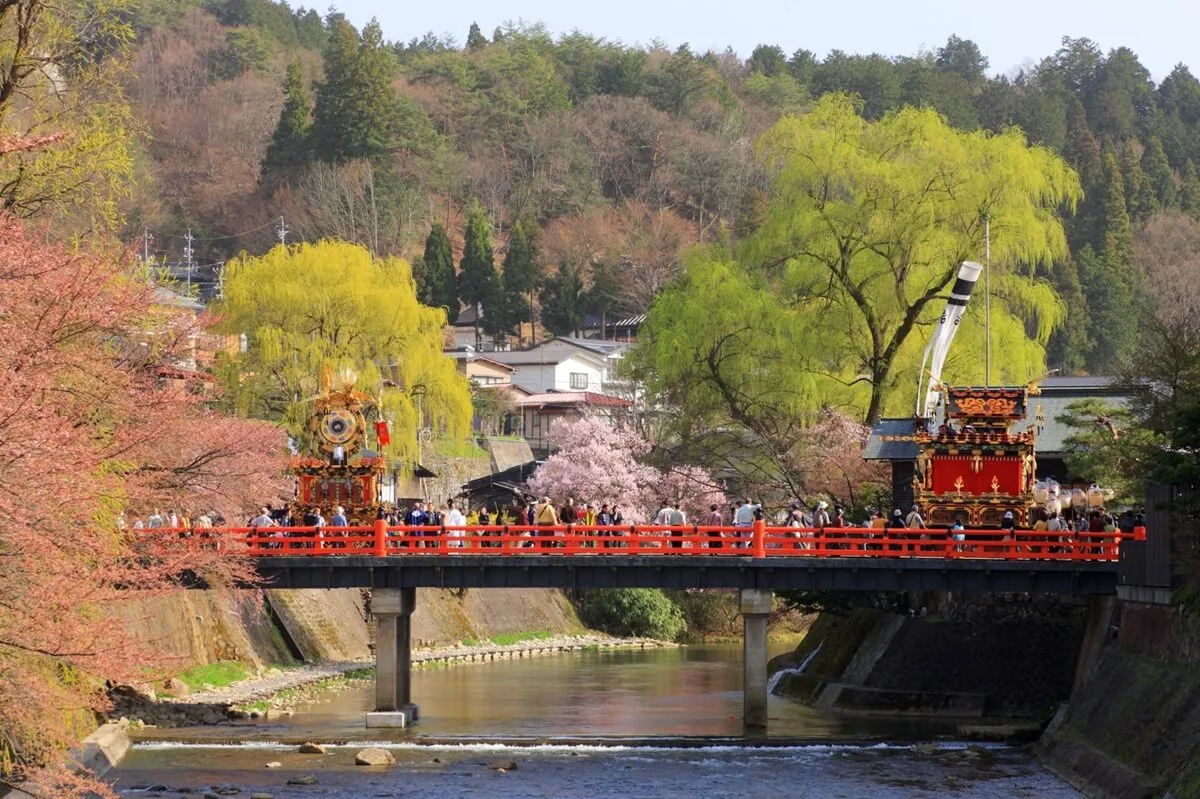
12 Days Japan Alps, Kyoto & Hiroshima Tour
14 Days Grand Japan: Tokyo, Alps, Kyoto & Hiroshima
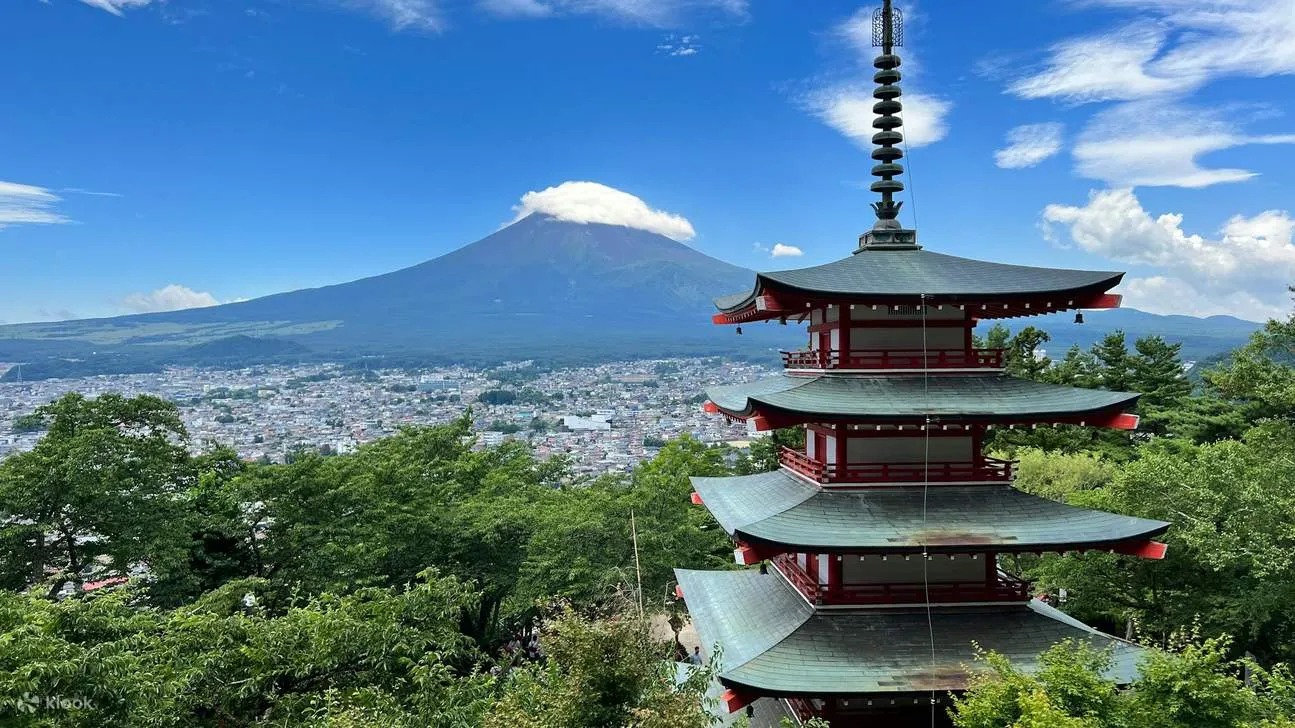

7 Days Hokkaido: Sapporo, Otaru, Furano & Biei
8 Days Hokkaido: Sapporo, Otaru, Furano, Biei & Noboribetsu

9 Days Hokkaido Winter: Sapporo, Otaru, Furano & Noboribetsu
Japan Adventure Tours: Frequently Asked Questions
Japan adventure tours can include scenic walking, hiking, cycling where suitable, Mt. Fuji and Hakone nature days, Japanese Alps routes, active cultural sightseeing and seasonal Hokkaido experiences. The activity level can range from comfortable walking-focused travel to challenging mountain days.
Not necessarily. We can design light-active itineraries with scenic walks and walking-heavy sightseeing, or more demanding routes with longer hikes and mountain days. Your fitness level, walking comfort and preferred pace should be discussed before the route is finalised.
Spring and autumn are excellent for many walking and lower-elevation outdoor itineraries. Summer is important for Mt. Fuji climbing and many higher mountain routes, while winter is better for snow-focused Hokkaido journeys. Access varies by region and elevation, so the itinerary should be planned for your exact travel dates.
A Mt. Fuji summit climb can be included during the official climbing season if your fitness, trail conditions, reservations and current access rules allow it. Summit climbing is different from a scenic Mt. Fuji visit, so it should be planned as a serious mountain day rather than added casually to a sightseeing programme.
Five to seven days can work for Tokyo, Mt. Fuji and Hakone. Around nine to eleven days is better for Tokyo, the Japanese Alps and Kyoto. Twelve to fourteen days gives more room for Takayama, Kanazawa, Kyoto and Hiroshima without making every day a transfer.
Yes. In fact, that is one of the best ways to structure an active Japan trip. Mountain or hiking days can be followed by cultural stays in Kyoto, Nara, Kanazawa or Osaka, giving you variety and useful recovery time.
Yes. The route can be adjusted around walking ability, preferred activity level, travel month, hotel style and transport preference. We can also build alternatives for companions who want less physical activity on selected days.