Rinchenpong Tours
Rinchenpong – Tranquil Hills, Monasteries, and Timeless Heritage
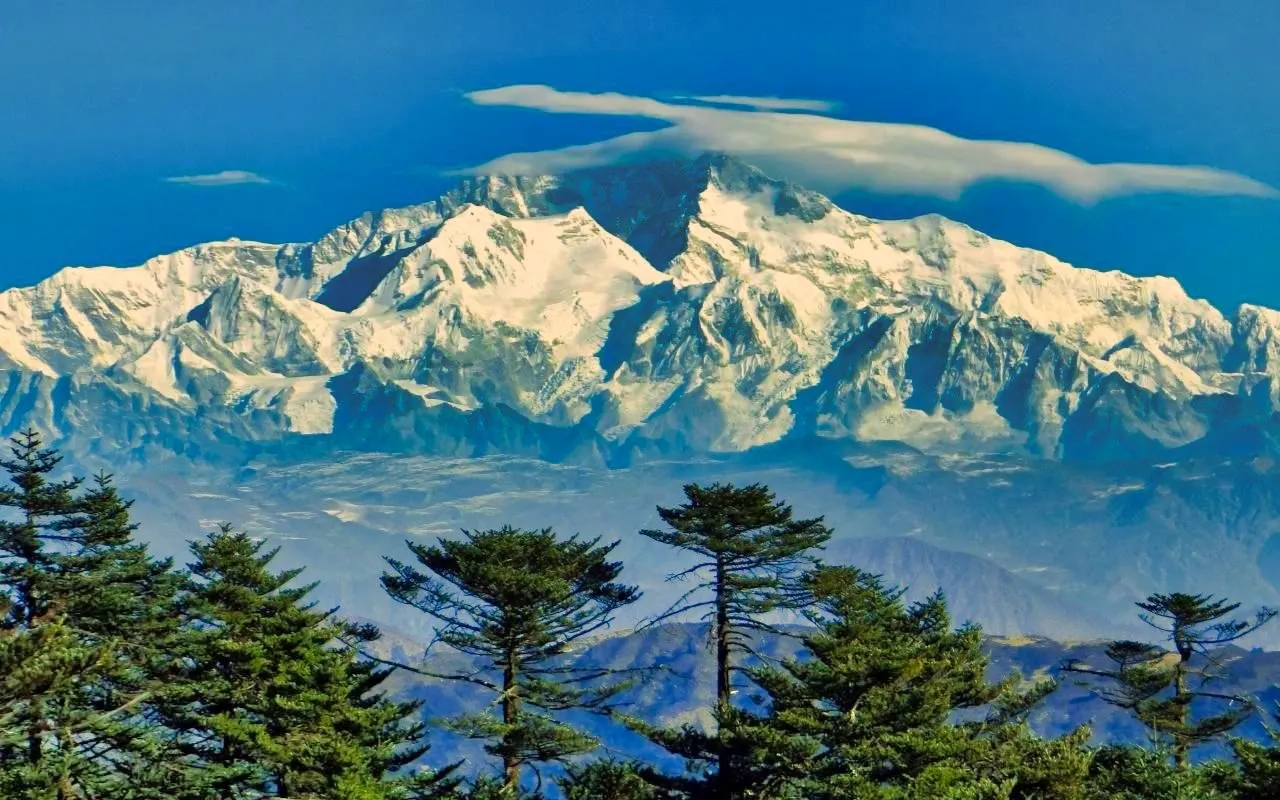
Perched at an altitude of 5,576 feet in West Sikkim, Rinchenpong is a peaceful hill village known for its panoramic views of Kanchenjunga, ancient monasteries, and colonial-era heritage homes. Often paired with nearby Kaluk, this scenic getaway is perfect for travelers seeking serenity, short treks, and local village life far from crowded tourist spots.
A Rinchenpong tour blends Sikkim’s natural beauty with cultural richness — where monasteries echo with chants, British-built bungalows sit amid pine forests, and mountain trails open to breathtaking Himalayan views. It’s an ideal destination for writers, photographers, and slow travelers who value stillness and authenticity.
Why Visit Rinchenpong?
Rinchenpong captures the soul of rural Sikkim — calm, culturally rooted, and full of scenic charm. It’s less commercial than Pelling yet offers equally stunning vistas of the Himalayas. The region’s monasteries, heritage homes, and walking trails make it a wonderful retreat for anyone wanting to explore the quieter corners of the state.
Top Places to Visit in Rinchenpong
- Rinchenpong Monastery: Built in the 18th century, this monastery houses rare murals and ancient statues of Lord Buddha and Guru Padmasambhava.
- Poison Lake: A historic site where locals are said to have poisoned the lake’s waters to repel invaders in the 19th century — now a quiet spot surrounded by dense forest.
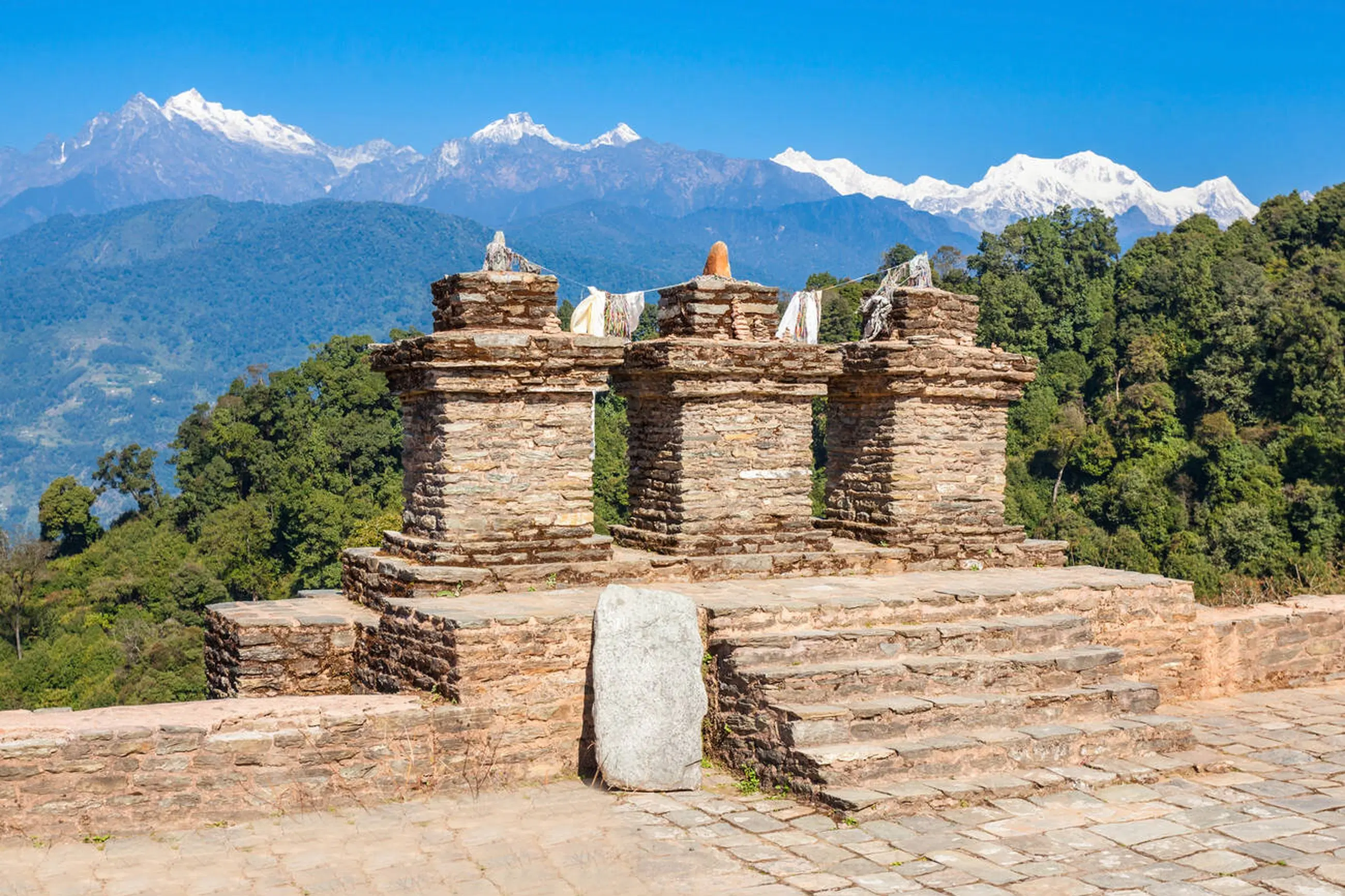
- Resum Monastery: A short hike away, this hilltop monastery offers spectacular views of the Kanchenjunga range and the valleys below.
- British Dak Bungalow: A well-preserved colonial guest house surrounded by rhododendron trees, perfect for heritage walks and photography.
- Kaluk Village: Just 3 km away, Kaluk is another peaceful settlement with scenic viewpoints and homestays offering authentic Sikkimese meals.
Best Things to Do in Rinchenpong
- Start your day with sunrise views of Mount Kanchenjunga from your balcony or local viewpoint.
- Take a guided monastery tour through Rinchenpong, Resum, and Hee villages.
- Walk the heritage trail from Rinchenpong to Kaluk, passing through forests and tea gardens.
- Join a local cooking class or try phagshapa and sel roti at village eateries.
- Explore the Poison Lake trail and enjoy birdwatching along the way.
Best Time to Visit Rinchenpong
- March – June: Warm days and clear mountain views, ideal for sightseeing and walks.
- September – November: Best for photography and cultural experiences.
- December – February: Cold and crisp weather with snow visible on distant peaks.
- July – August: Lush green hills after monsoon, though occasional rain may affect trails.
How to Reach Rinchenpong
- By Air: The nearest airport is Pakyong (115 km) or Bagdogra (125 km). From there, taxis are available to Rinchenpong via Jorethang or Legship.
- By Train: The closest major railway station is New Jalpaiguri (NJP), around 120 km away. Shared jeeps and private taxis connect to Rinchenpong through Geyzing or Soreng.
- By Road: Rinchenpong is connected by road from Pelling (45 km), Gangtok (130 km), and Darjeeling (85 km). The drive passes through scenic villages and valleys.
Where to Stay
Rinchenpong offers cozy stays ranging from heritage bungalows to eco-homestays. Popular choices include Yangsum Heritage Farm, Mt. View Homestay, and Rinchenpong Retreat. These stays feature local architecture, organic food, and mountain-facing balconies.
Travel Tips
- Carry light woolens — mornings and evenings can be cool even in summer.
- Local guides enhance your experience with stories of history and folklore.
- Cash is preferred, as card facilities are limited in small villages.
- Respect monastery decorum; avoid loud conversations or photography during prayer sessions.
Why Travel with Tusk Travel?
Tusk Travel’s Rinchenpong tour packages include guided monastery visits, village walks, and scenic transfers through West Sikkim. We ensure comfortable accommodations, reliable transport, and curated itineraries for travelers who love culture, peace, and panoramic views.
Popular Sikkim Tour Packages & Itineraries


8 Days Gangtok, Lachung & Pelling Tour

5 Days North Sikkim: Lachen, Lachung & Yumthang


3 Days Lachung & Yumthang Valley Tour
7 Days Lachung, Dzongu & Gangtok Tour
4 Days Pelling Heritage & Nature Tour

6 Days Pelling, Yuksom & Ravangla Tour

8 Days Pelling, Ravangla, Kalimpong & Darjeeling

4 Days Ravangla, Namchi & Temi Tea Garden
6 Days Ravangla, Borong, Yuksom & Pelling
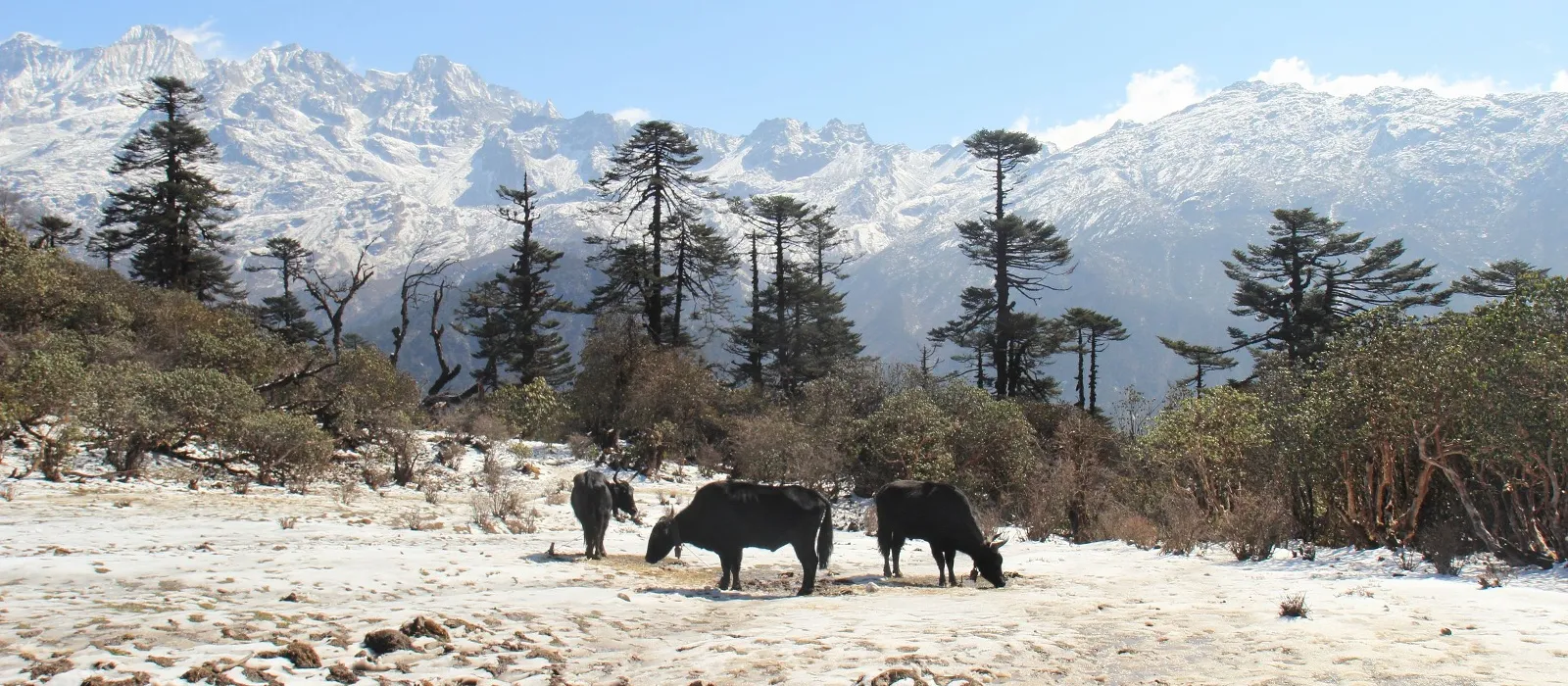
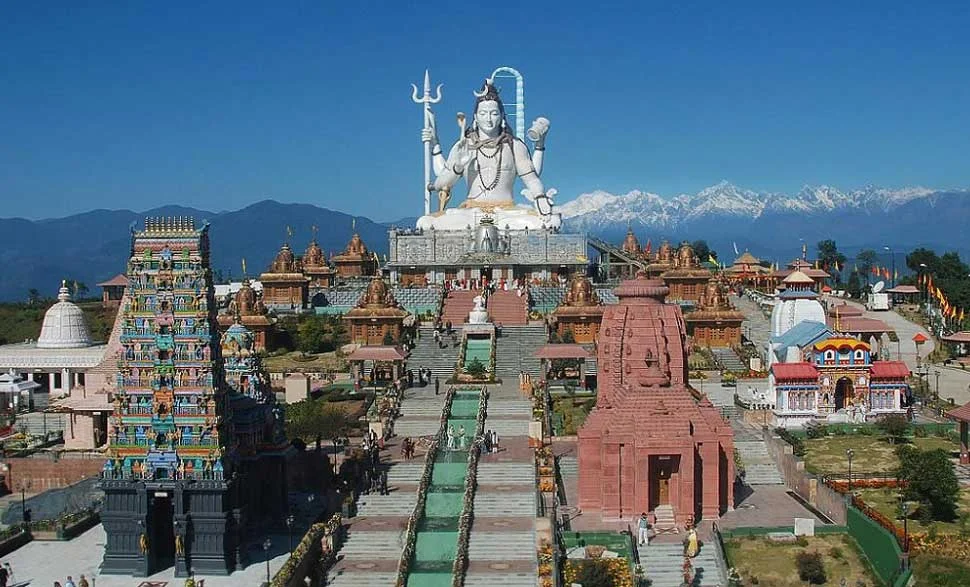
7 Days Yuksom, Khecheopalri, Ravangla & Namchi
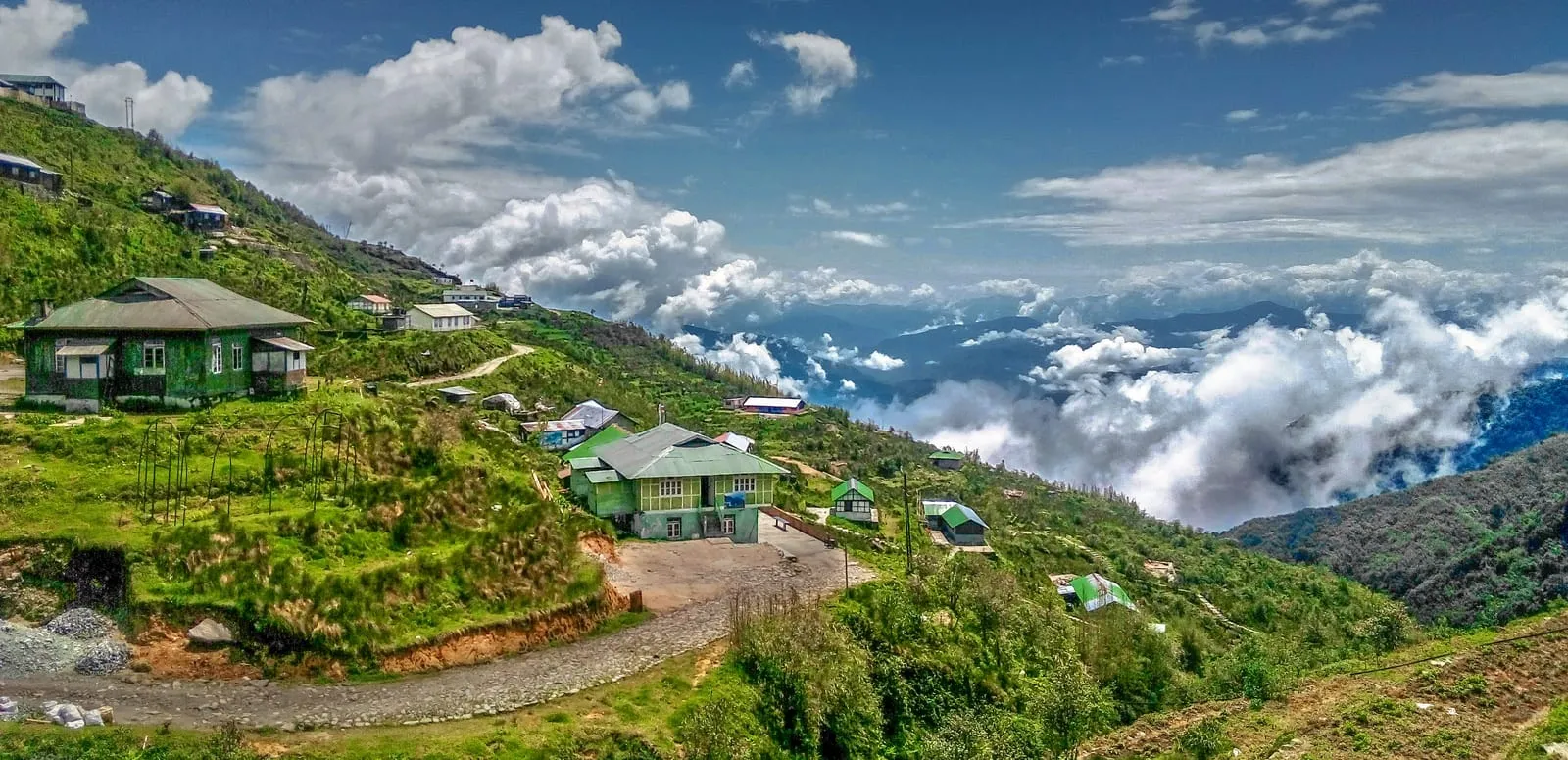
7 Days Yumthang, Dzongu, Temi & Ravangla
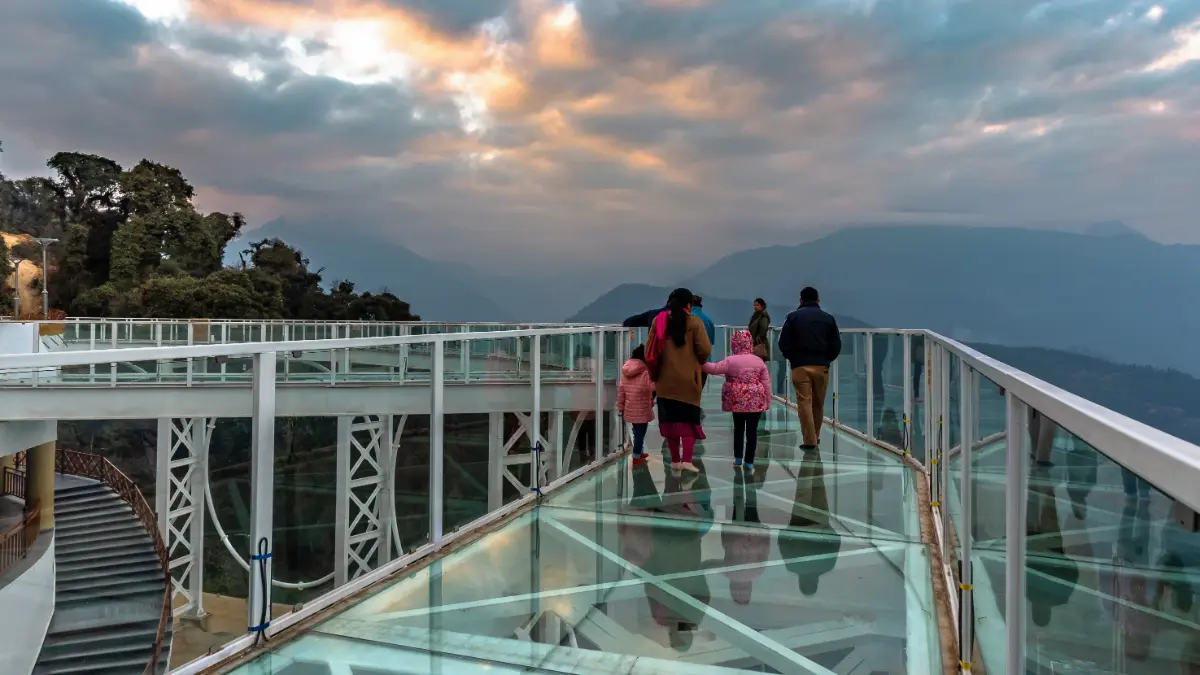


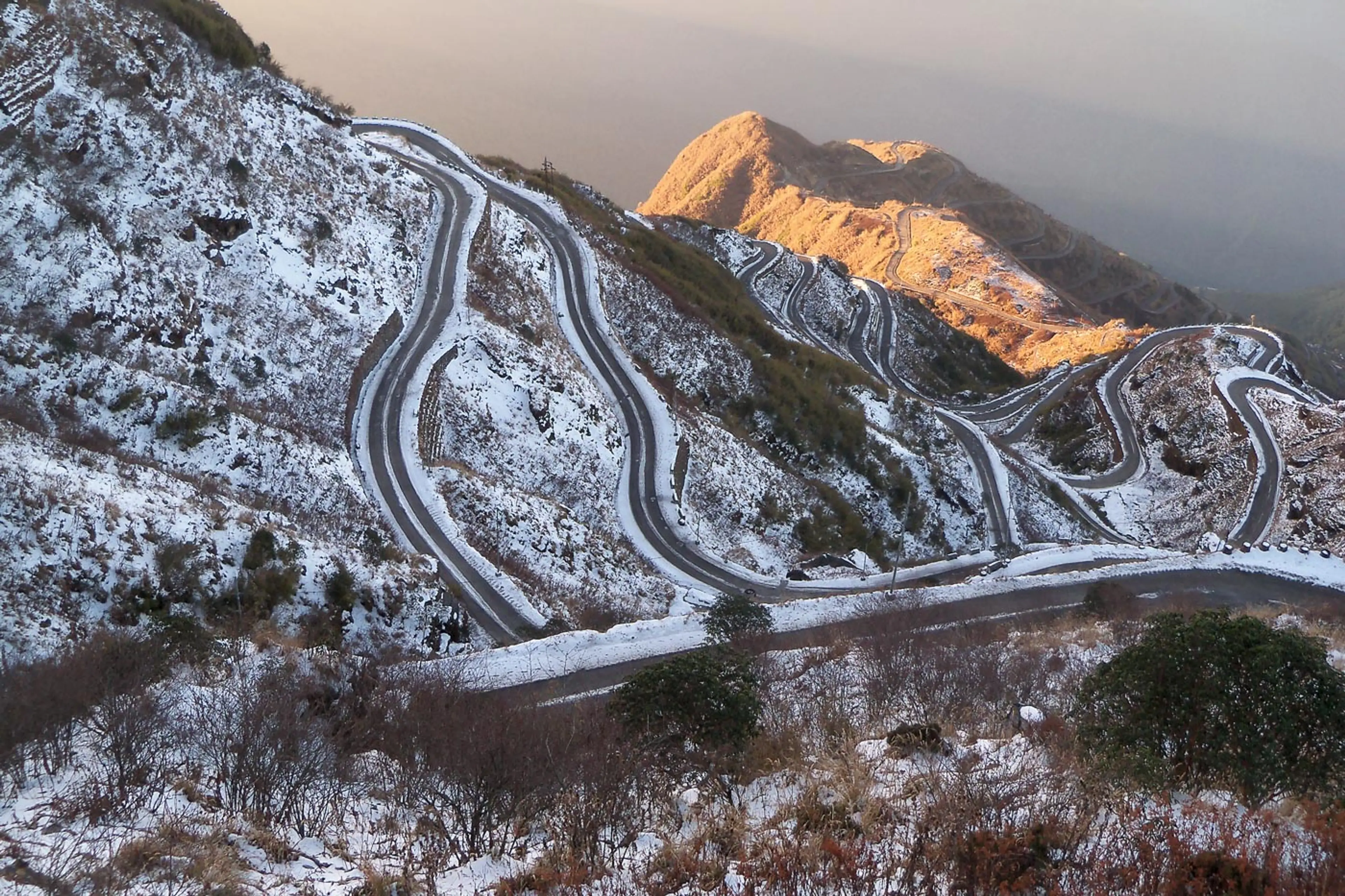
5 Days Aritar, Zuluk & Nathang Valley Tour

7 Days Aritar, Kalimpong & Darjeeling Tour