

Bhutan is not the kind of destination you rush through. Tucked into the eastern Himalayas between India and China, this small kingdom feels wonderfully different from many other Asian travel destinations. Snow-capped mountains rise above quiet valleys, prayer flags flutter across high passes, traditional dzongs stand proudly on hilltops, and Buddhism remains deeply connected to everyday life.
For travellers looking for breathtaking scenery, peaceful monasteries, authentic culture, scenic road trips, and meaningful experiences, Bhutan offers something truly special. It is a country where travel feels slower, more thoughtful, and more personal.
This Bhutan travel guide covers everything you need to know before planning your trip, including the best places to visit, how to reach Bhutan, visa information, the best time to travel, local food, culture, costs, packing tips, and practical travel advice.
Whether you are planning your first Bhutan tour or looking for a detailed Bhutan itinerary, this guide will help you create a memorable journey through the Land of the Thunder Dragon.
Why Visit Bhutan?
Bhutan is one of the most distinctive destinations in the Himalayas. It is known for its dramatic landscapes, ancient monasteries, colourful festivals, traditional architecture, and strong commitment to preserving its culture and natural environment.
Unlike fast-paced city breaks or crowded tourist circuits, Bhutan invites visitors to slow down. You can spend a morning hiking to a sacred monastery, enjoy lunch in a quiet valley, visit a local farmhouse in the afternoon, and watch the sun disappear behind the Himalayas by evening.
Bhutan is especially appealing for travellers interested in:
- Himalayan mountain scenery
- Buddhist monasteries and spiritual experiences
- Nature, wildlife, and trekking
- Cultural festivals and traditional villages
- Photography and scenic road trips
- Wellness, meditation, and peaceful escapes
- Luxury stays in beautiful mountain settings
- Responsible and sustainable tourism
The country is also famous for its concept of Gross National Happiness, which places importance on well-being, culture, conservation, and good governance. While it is not something travellers can fully understand in a short visit, you can feel the country’s slower rhythm and strong cultural identity almost immediately.
Where Is Bhutan Located?
Bhutan is located in South Asia, in the eastern Himalayas. It shares borders with India to the south, east, and west, while China lies to the north.
The country is mountainous, with deep valleys, high passes, dense forests, rivers, and remote villages. Bhutan’s geography makes every journey scenic, but it also means travel takes time. A distance that looks short on a map can take several hours because of winding mountain roads.
The capital city is Thimphu, while Paro is home to the country’s main international airport. Other popular destinations include Punakha, Phobjikha Valley, Bumthang, Haa Valley, Trongsa, and Wangdue Phodrang.
Is Bhutan Worth Visiting?
Yes, Bhutan is absolutely worth visiting for travellers who value culture, landscapes, and meaningful travel experiences.
It may not be the cheapest destination in Asia, and it is not ideal for people who want nightlife, shopping malls, or fast-paced sightseeing. However, it is one of the best destinations for those who want to experience Himalayan culture, scenic beauty, peaceful monasteries, and a more personal style of travel.
Bhutan is especially worth visiting if you enjoy destinations such as Ladakh, Sikkim, Nepal, Tibet, Himachal Pradesh, or the mountain regions of northern India. However, Bhutan has its own atmosphere, traditions, architecture, and travel style that make it stand apart.
For many visitors, the highlight is not only Tiger’s Nest Monastery or the Himalayan views. It is the overall feeling of being in a country that has protected its identity while still welcoming travellers warmly.
Best Time to Visit Bhutan:
Bhutan is a year-round destination, but the best time to visit depends on the experiences you want.
Spring in Bhutan: March to May
Spring is one of the best seasons for Bhutan travel. The weather is generally pleasant, valleys become greener, flowers begin to bloom, and many trekking routes open after winter.
This is a great time for travellers who want to enjoy:
- Clear mountain views
- Rhododendron blooms
- Hiking and trekking
- Cultural sightseeing
- Pleasant daytime temperatures
- Photography
Spring is also a popular season for Bhutan festivals, so it is wise to book hotels and flights early.
Summer in Bhutan: June to August
Summer brings warmer temperatures and the monsoon season. Rainfall can be frequent, especially in the southern and lower regions. However, the landscapes become incredibly green and lush.
Summer is suitable for travellers who prefer quieter destinations, lower crowds, and dramatic natural scenery. Waterfalls are fuller, valleys are vibrant, and rural Bhutan looks especially beautiful.
You should carry rain gear, waterproof footwear, and flexible travel plans during this season. Road conditions can sometimes be affected by rain and landslides in mountain areas.
Autumn in Bhutan: September to November
Autumn is widely considered one of the best times to visit Bhutan. The skies are usually clearer after the monsoon, temperatures are comfortable, and the Himalayan views can be spectacular.
This is an excellent season for:
- Tiger’s Nest Monastery hikes
- Mountain photography
- Bhutan trekking tours
- Cultural festivals
- Road trips across western and central Bhutan
- Visiting Punakha and Phobjikha Valley
Autumn is a busy travel season, so early booking is highly recommended.
Winter in Bhutan: December to February
Winter in Bhutan is cold, especially in higher regions, but it can be rewarding for travellers who enjoy peaceful landscapes and crisp mountain air.
The skies are often clear, tourist crowds are lower, and some valleys look especially beautiful in winter light. Snowfall is possible in higher areas and mountain passes.
Winter is ideal for travellers looking for a quieter Bhutan holiday, scenic photography, cosy hotels, and cultural experiences without peak-season crowds.
Phobjikha Valley is particularly popular in winter because black-necked cranes usually arrive in the valley during the colder months.
How to Reach Bhutan:
There are two main ways to reach Bhutan: by air and by road.
Reach Bhutan by Air
Paro International Airport is Bhutan’s main international airport. The landing experience itself is unforgettable, as the aircraft flies through Himalayan valleys surrounded by mountain peaks.
Flights to Paro are available from several nearby cities, including Delhi, Kolkata, Guwahati, Bagdogra, Kathmandu, Bangkok, Singapore, and Dhaka, depending on airline schedules and seasonal operations.
The two main airlines serving Bhutan are Drukair and Bhutan Airlines.
Flying to Paro is the easiest option for international travellers and for visitors with limited travel time. It is also the most convenient choice for a classic Bhutan itinerary covering Paro, Thimphu, Punakha, and Phobjikha.
Reach Bhutan by Road
Travellers can also enter Bhutan by road through India. The most common land entry point is Phuentsholing, located near Jaigaon in West Bengal.
Other entry points include Samtse, Gelephu, and Samdrup Jongkhar. Road entry can be a good choice for travellers combining Bhutan with Sikkim, Darjeeling, Siliguri, Assam, or other parts of northeast India.
From Phuentsholing, travellers usually continue to Thimphu by road. The drive is scenic but can take several hours because of mountain roads.
Bhutan Visa and Entry Requirements
Bhutan has a regulated tourism system, and visitors should arrange their visa or permit before travelling whenever possible.
Most international visitors need a visa to enter Bhutan. Indian nationals generally require an entry permit rather than a visa. Citizens of Bangladesh and the Maldives follow separate procedures.
It is best to apply through the official Bhutan immigration portal or use an approved Bhutan travel operator, hotel, or local travel service provider. Your visa process usually requires a passport copy, photograph, arrival and departure details, and payment information.
Travellers should make sure their passport has adequate validity before departure. It is also wise to keep printed and digital copies of your visa approval, hotel booking, travel plan, and return flight details.
Bhutan’s travel regulations can change, especially regarding visa procedures, permits, guide requirements, and Sustainable Development Fee payments. Always check the latest official rules before confirming your trip.
Popular Bhutan Tour Packages:
- Bhutan Holiday Package – 5 Nights 6 Days
- Best Bhutan Tour Package for First-Time Visitors – 5 Days
- Classic Bhutan Tour: Paro, Thimphu & Punakha – 8 Days
- 7 Days Bhutan Travel Package with Sightseeing
Sustainable Development Fee in Bhutan
Bhutan’s Sustainable Development Fee, commonly called the SDF, is an important part of planning a Bhutan trip.
The fee supports the country’s development, conservation, cultural preservation, and tourism infrastructure. It reflects Bhutan’s approach to tourism, which focuses on responsible travel rather than mass tourism.
The SDF is generally charged per night and varies depending on nationality, age, and current government policies. Children may receive concessions, and Indian travellers have different fee arrangements from other international visitors.
When planning your Bhutan travel budget, do not look only at hotel and flight costs. Add the SDF, transport, guide, meals, monument fees, travel insurance, and personal expenses.
Although Bhutan can appear expensive compared with some nearby destinations, many travellers feel that the quality of the experience, scenery, safety, and cultural depth make it worthwhile.
Do You Need a Guide in Bhutan?
Yes, travellers should plan to travel with a certified local guide in Bhutan.
A local guide can make a major difference to your Bhutan experience. Bhutan is full of stories, legends, customs, religious traditions, and local practices that are easy to miss without someone explaining them.
Your guide can help you understand the meaning of prayer flags, the importance of dzongs, the stories behind monasteries, local food traditions, Bhutanese etiquette, and the history of different valleys.
Guides are also useful for practical reasons. They help with transport, hotel coordination, monument entries, hiking routes, local communication, and permits where required.
For treks, wildlife areas, and remote destinations, travelling with a guide is especially important for safety and responsible travel.
Best Places to Visit in Bhutan:
1. Paro
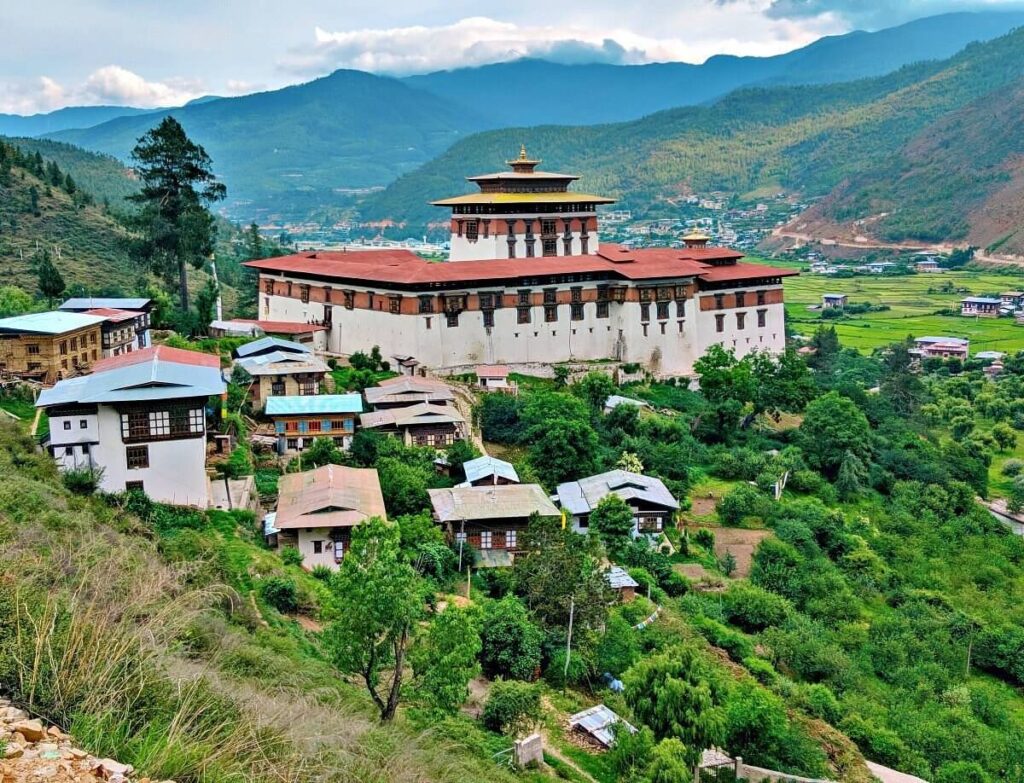
Paro is one of the most beautiful destinations in Bhutan and the first stop for many visitors arriving by air. The valley is known for its green fields, traditional farmhouses, historic monasteries, and mountain views.
The biggest highlight is Tiger’s Nest Monastery, also known as Paro Taktsang. Perched dramatically on a cliffside, this sacred monastery is one of Bhutan’s most famous landmarks.
Other places to visit in Paro include:
- Paro Dzong
- National Museum of Bhutan
- Kyichu Lhakhang
- Drukgyel Dzong
- Chele La Pass
- Local farmhouses and traditional hot stone baths
Paro is ideal for travellers who want a mix of culture, easy sightseeing, scenic walks, and iconic Bhutan experiences.
2. Thimphu

Thimphu is Bhutan’s capital city, but it feels much smaller and calmer than most capital cities around the world. It blends traditional Bhutanese culture with modern cafés, local markets, museums, and government buildings.
Top places to visit in Thimphu include:
- Buddha Dordenma Statue
- Memorial Chorten
- Tashichho Dzong
- Folk Heritage Museum
- National Institute for Zorig Chusum
- Motithang Takin Preserve
- Centenary Farmers’ Market
- Simply Bhutan Museum
Thimphu is also a good place to experience local food, buy handicrafts, visit textile shops, and enjoy Bhutanese coffee houses.
3. Punakha
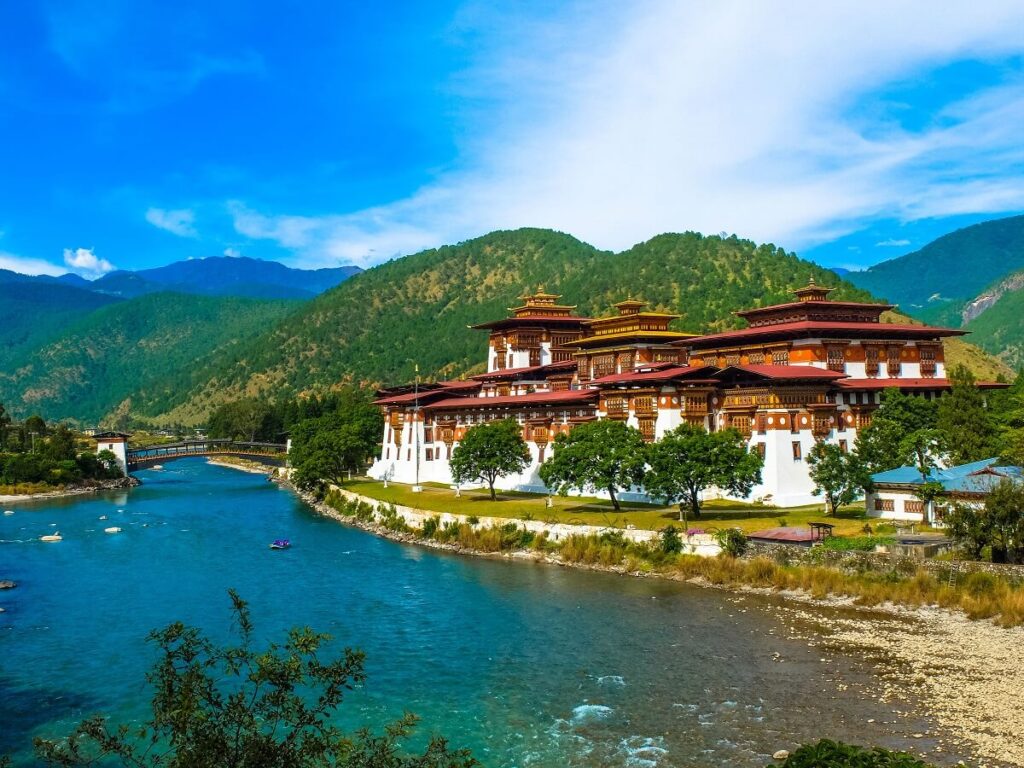
Punakha is one of the most scenic valleys in Bhutan. It is warmer than Thimphu and Paro, making it a pleasant destination for travellers who want beautiful weather, riverside scenery, and historic architecture.
The main attraction is Punakha Dzong, one of the most impressive fortresses in Bhutan. Located at the meeting point of the Pho Chhu and Mo Chhu rivers, it is especially beautiful during spring when jacaranda trees bloom around the complex.
Other attractions include:
- Punakha Dzong
- Suspension Bridge
- Chimi Lhakhang
- Khamsum Yulley Namgyal Chorten
- Riverside walks
- Village hikes
Punakha is perfect for couples, photographers, families, and travellers who want a relaxed Bhutan experience.
4. Phobjikha Valley
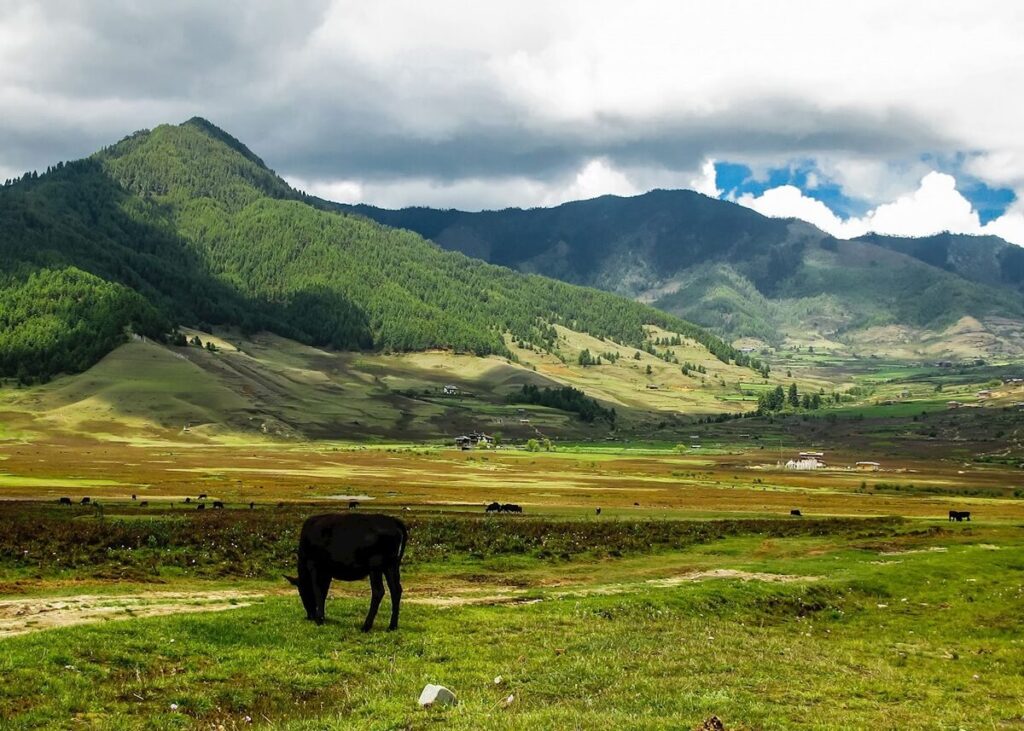
Phobjikha Valley, also known as Gangtey Valley, is a wide glacial valley surrounded by forests and hills. It is one of the best places in Bhutan for nature lovers and travellers seeking quiet landscapes.
The valley is famous for black-necked cranes, which arrive during winter. It is also home to Gangtey Monastery, beautiful village trails, and traditional Bhutanese homes.
Phobjikha is a great destination for:
- Birdwatching
- Nature walks
- Photography
- Peaceful village stays
- Winter travel
- Cultural experiences
The valley has a slower pace than Paro and Thimphu, making it a beautiful addition to a Bhutan itinerary.
5. Bumthang
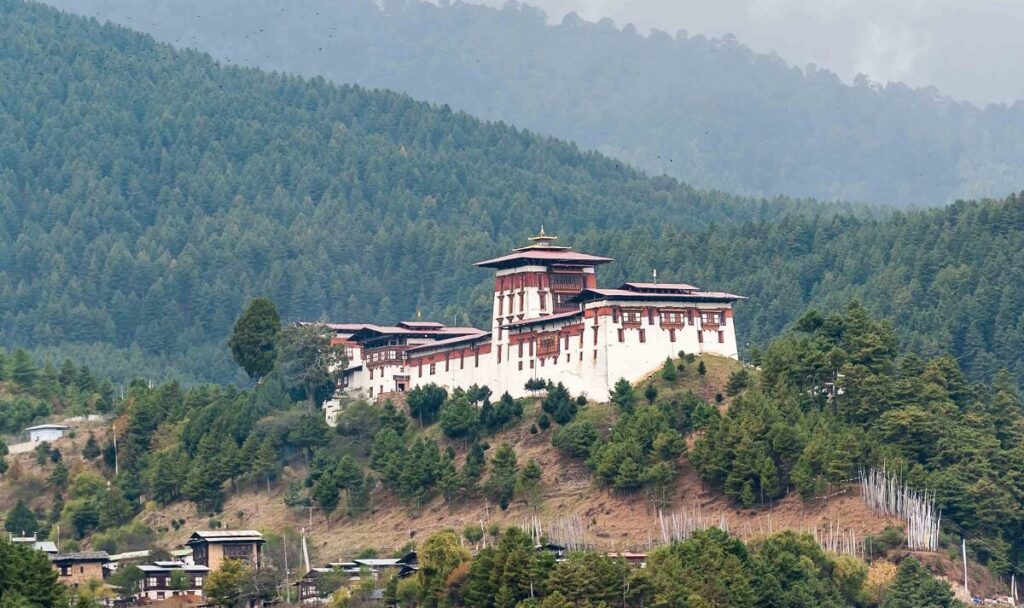
Bumthang is often described as the cultural heartland of Bhutan. It is made up of several valleys and is known for monasteries, temples, traditional villages, cheese factories, apple orchards, and scenic countryside.
Bumthang is ideal for travellers who want to go beyond the usual western Bhutan circuit.
Popular attractions include:
- Jakar Dzong
- Jambay Lhakhang
- Kurjey Lhakhang
- Tamshing Monastery
- Burning Lake
- Bumthang Swiss Farm
- Local weaving and handicraft centres
The journey to Bumthang is long but rewarding. It is best suited for travellers with at least seven to ten days in Bhutan.
6. Haa Valley

Haa Valley is one of Bhutan’s quieter and less-visited regions. It is known for alpine scenery, traditional villages, forested hills, and a peaceful local atmosphere.
Travellers often visit Haa Valley from Paro via Chele La Pass, one of the highest motorable passes in Bhutan. On a clear day, the pass offers dramatic views of mountains, prayer flags, and valleys below.
Haa Valley is perfect for travellers looking for offbeat Bhutan experiences, village life, and scenic drives.
Top Things to Do in Bhutan:
Bhutan offers more than sightseeing. The best experiences often involve slowing down and connecting with the landscape and local culture.
Hike to Tiger’s Nest Monastery
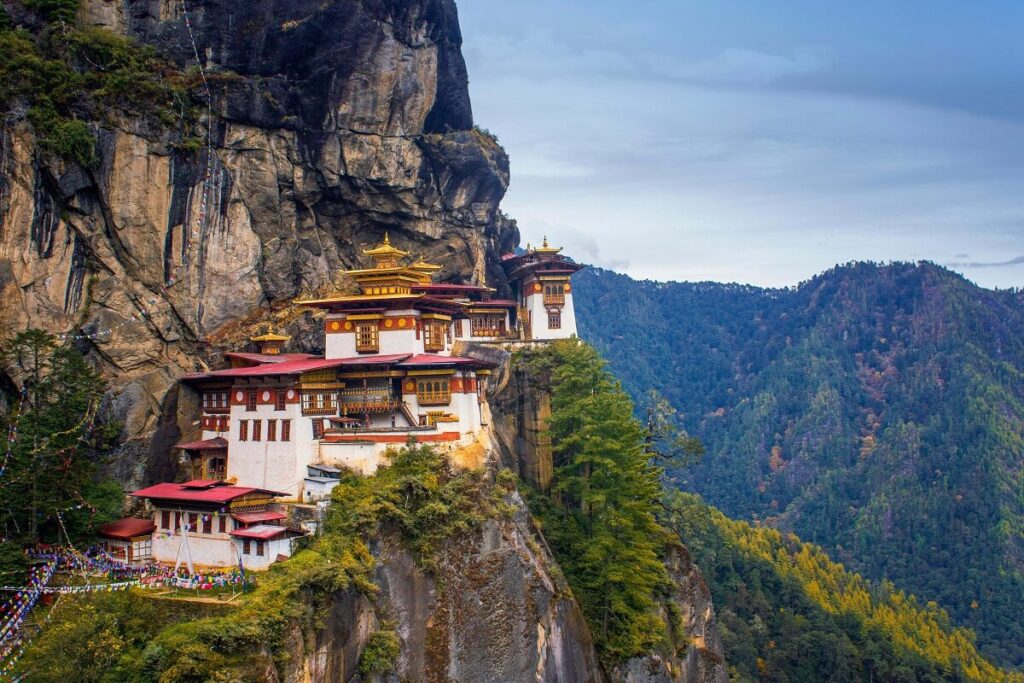
A visit to Tiger’s Nest Monastery is a must for most first-time travellers. The hike takes several hours, depending on your fitness level and pace, but the views and sense of achievement are unforgettable.
Start early in the morning, wear comfortable shoes, carry water, and take your time. There is no need to rush. The journey itself is part of the experience.
Attend a Bhutan Festival

Bhutanese festivals, called tshechus, are among the most colourful cultural events in the Himalayas. They include mask dances, music, traditional costumes, religious rituals, and community gatherings.
Festivals take place at different times of the year in different regions. Paro Tshechu and Thimphu Tshechu are among the best-known celebrations.
If you want to attend a festival, plan your trip early because hotel rooms and flights can sell out quickly.
Stay in a Traditional Farmhouse
A farmhouse stay is one of the best ways to experience Bhutanese hospitality. You may enjoy local meals, traditional tea, rural landscapes, and warm conversations with host families.
Many farmhouse stays also offer hot stone baths, where heated river stones are placed in water to create a relaxing and traditional wellness experience.
Try Bhutanese Food

Bhutanese cuisine is simple, hearty, and often spicy. Chillies are commonly used as a main ingredient rather than only a seasoning.
Popular Bhutanese dishes include:
- Ema datshi, a chilli and cheese dish
- Kewa datshi, potatoes with cheese and chilli
- Shamu datshi, mushrooms with cheese
- Phaksha paa, pork with red chillies
- Jasha maru, Bhutanese chicken stew
- Red rice
- Momos
- Suja, traditional butter tea
If you do not eat spicy food, tell your guide or hotel staff in advance. Most places can prepare milder versions of local dishes.
Explore Bhutan’s Monasteries and Dzongs
Bhutan’s monasteries and dzongs are not simply tourist attractions. They are active cultural and religious spaces.
Dress respectfully, speak quietly, follow photography rules, and listen to your guide. Some areas may be restricted to visitors, while others may have specific opening times.
Key monasteries and dzongs include Paro Dzong, Punakha Dzong, Tashichho Dzong, Gangtey Monastery, Kyichu Lhakhang, and Jambay Lhakhang.
Go Trekking in Bhutan
Bhutan is a paradise for trekking lovers. Routes range from easy day hikes to demanding Himalayan expeditions.
Popular treks include:
- Druk Path Trek
- Jomolhari Trek
- Snowman Trek
- Bumthang Cultural Trek
- Dagala Thousand Lakes Trek
The Snowman Trek is considered one of the most difficult and remote treks in the world, while the Druk Path Trek is a more manageable option for experienced hikers with limited time.
Trekking conditions depend heavily on season, weather, altitude, and route accessibility. Always travel with experienced local support.
Bhutan Culture and Etiquette
Bhutanese culture is deeply influenced by Vajrayana Buddhism, family traditions, village life, and respect for nature.
Visitors should be mindful of local customs, especially at monasteries, temples, dzongs, and sacred sites.
Here are a few important etiquette tips:
- Dress modestly at religious places.
- Cover shoulders and knees when visiting monasteries.
- Ask before taking photographs of people.
- Follow photography restrictions inside temples.
- Do not touch religious objects without permission.
- Walk clockwise around stupas and prayer wheels.
- Avoid loud behaviour at sacred places.
- Remove shoes when requested.
- Respect prayer flags, religious paintings, and sacred structures.
- Ask your guide before flying a drone or taking professional photography equipment.
Small gestures of respect can make your Bhutan journey more meaningful and help create positive interactions with local communities.
Bhutan Travel Cost and Budget
Bhutan travel costs vary based on the season, hotel category, transport type, travel style, and number of travellers.
Your Bhutan tour cost may include:
- Visa or permit charges
- Sustainable Development Fee
- International flights
- Hotels
- Local transport
- Driver and guide services
- Meals
- Monument entry fees
- Trekking equipment and support
- Personal shopping and tips
A budget Bhutan trip is possible, especially for travellers staying in simple hotels and travelling in small groups. However, Bhutan is generally more expensive than many destinations in India, Nepal, or Southeast Asia.
Mid-range Bhutan tours usually include comfortable hotels, private transport, a guide, sightseeing, and selected meals. Luxury Bhutan trips can include high-end mountain resorts, private experiences, wellness programs, gourmet dining, and exclusive cultural activities.
To reduce costs, consider travelling in the shoulder season, sharing transport with family or friends, booking early, and choosing a well-planned itinerary instead of changing hotels every night.
Suggested Bhutan Itinerary for First-Time Travellers:
A six-night, seven-day Bhutan itinerary is ideal for first-time visitors.
Day 1: Arrive in Paro and transfer to Thimphu
Explore the capital, visit Memorial Chorten, Buddha Dordenma, and local markets.
Day 2: Thimphu sightseeing
Visit Tashichho Dzong, Folk Heritage Museum, Takin Preserve, and craft centres.
Day 3: Thimphu to Punakha via Dochula Pass
Stop at Dochula Pass, visit Punakha Dzong, and enjoy the valley scenery.
Day 4: Punakha sightseeing
Visit Chimi Lhakhang, Punakha Suspension Bridge, and nearby villages.
Day 5: Punakha to Paro
Drive back to Paro and visit Paro Dzong, Kyichu Lhakhang, or the National Museum.
Day 6: Tiger’s Nest Monastery hike
Spend the day hiking to Taktsang Monastery and relaxing afterward with a traditional hot stone bath.
Day 7: Departure from Paro
Transfer to Paro Airport for your onward flight.
For a longer Bhutan tour, add Phobjikha Valley, Haa Valley, Bumthang, or a trekking experience.
What to Pack for Bhutan
Packing for Bhutan depends on the season, but layering is always important because mountain weather can change quickly.
Essential items include:
- Passport and travel documents
- Comfortable walking shoes
- Light jacket or fleece
- Warm layers for mornings and evenings
- Rain jacket during monsoon months
- Sunglasses and sunscreen
- Reusable water bottle
- Power bank
- Universal travel adapter
- Basic medicines
- Small backpack for day trips
- Modest clothing for monastery visits
- Camera or smartphone with extra storage
- Travel insurance documents
For trekking, you will need additional gear such as proper hiking boots, thermal layers, gloves, waterproof clothing, and a good-quality backpack.
Practical Bhutan Travel Tips
- Plan your Bhutan trip in advance, especially if you are travelling during spring, autumn, or festival dates.
- Book your flights early because seats to Paro can be limited.
- Do not pack too many clothes. Comfortable layers work better than heavy luggage.
- Keep some cash available, especially when travelling beyond major towns. Card payments are more common in cities, hotels, and larger shops, but small local businesses may prefer cash.
- Buy a local SIM card if you need regular internet access. Wi-Fi is available in many hotels, but the connection can be slower in remote areas.
- Expect mountain roads and long travel times. Do not try to cover too many destinations in a short itinerary.
- Stay hydrated, especially when travelling through higher-altitude regions.
- Respect local culture and avoid treating monasteries as photo stops. Take time to understand the places you visit.
- Keep your plans flexible during monsoon and winter, as weather can affect road travel and flights.
Final Thoughts
Bhutan is more than a holiday destination. It is a place that encourages you to slow down, look around, and travel with greater awareness.
From the cliffside Tiger’s Nest Monastery and grand Punakha Dzong to quiet mountain villages and prayer-flag-covered passes, every part of Bhutan feels deeply connected to its landscape and heritage.
A Bhutan trip is ideal for travellers who want more than crowded sightseeing. It is for those who enjoy mountains, culture, spirituality, local food, meaningful conversations, and moments of stillness.
Plan your journey carefully, give yourself enough time, and travel with respect for the country’s traditions and natural beauty. Bhutan may be small on the map, but it leaves a lasting impression on almost everyone who visits.
Essential Bhutan Travel Resources:
- Hidden Gems in Bhutan: Best Offbeat Places to Visit in 2026
- Bhutan in January 2027: Weather, Travel Tips and Best Places
- Best Places to Visit in Bhutan in February 2027
- Top Things to Do in Samtse, Bhutan: Complete Travel Guide
- Best Restaurants in Bhutan for Traditional and International Cuisine
- Bhutan in July 2026: Weather, Attractions and Travel Guide
- Bhutan in August 2026: Best Places to Visit and Travel Tips
- Top Places to Visit in Bhutan in September 2026
- Bhutan in October 2026: Best Tourist Attractions and Experiences
- Best Places to Explore in Bhutan in November 2026
- Bhutan in December 2026: Winter Travel Guide and Attractions
- Nightlife in Bhutan: Best Places to Enjoy After Sunset
- Most Romantic Honeymoon Destinations in Bhutan
- Famous Temples and Monasteries to Visit in Bhutan
- Bhutan in June 2026: Weather Guide and Top Places to Visit
- National Parks in Bhutan: Wildlife, Nature and Conservation
- Best Trekking Routes in Bhutan for Adventure Lovers
- 12 Best Things to Do in Chukha, Bhutan for First-Time Visitors
Frequently Asked Questions About Bhutan Travel:
Is Bhutan safe for tourists?
Yes, Bhutan is generally considered a safe destination for tourists, including solo travellers, couples, and families. Basic travel precautions should still be followed, especially in remote areas and during hikes.
How many days are enough for Bhutan?
A minimum of five to seven days is enough for Paro, Thimphu, and Punakha. For a deeper Bhutan experience including Phobjikha, Bumthang, or Haa Valley, plan at least eight to twelve days.
Can Indian citizens travel to Bhutan without a passport?
Indian citizens may be able to travel using an Indian passport or voter ID, subject to current entry rules. Children may need different documents. Always check the latest permit requirements before travelling.
Is Bhutan expensive to visit?
Bhutan can be more expensive than some nearby destinations because of the Sustainable Development Fee, transport arrangements, and regulated tourism system. However, costs vary depending on your hotel category, group size, travel season, and itinerary.
Can I travel independently in Bhutan?
Bhutan allows visitors to arrange parts of their trip directly, but travellers should still plan around official visa, guide, and transport requirements. A local guide and driver are strongly recommended for a smooth and meaningful trip.
What is the best month to visit Bhutan?
March to May and September to November are usually considered the best months for pleasant weather, clear mountain views, sightseeing, and trekking. Winter is also beautiful for travellers who prefer fewer crowds.
Is Tiger’s Nest difficult to hike?
Tiger’s Nest is moderately challenging because of the uphill trail and altitude. Most reasonably fit travellers can complete it with breaks, proper shoes, water, and a relaxed pace.
What language is spoken in Bhutan?
Dzongkha is the national language of Bhutan. English is widely understood in tourism-related areas, hotels, schools, and major towns.
