

Madhya Pradesh is usually introduced through a familiar collection of attractions: the temples of Khajuraho, the palaces of Gwalior, the stupas of Sanchi and the tiger reserves of Kanha and Bandhavgarh. These places deserve their popularity, but they represent only one part of India’s geographically diverse central state.
Travel beyond the standard tourist circuit and you will find ruined Mughal palaces beside the Tapti River, ancient temples hidden among the ravines of Morena, quiet valleys surrounded by the Satpura Hills and archaeological sites visited by only a handful of travellers. These offbeat places in Madhya Pradesh offer something increasingly difficult to find: room to slow down.
Instead of rushing between crowded landmarks, you can speak with handloom weavers, walk through forgotten fort gateways, watch the Narmada flow past centuries-old ghats and explore forests where silence is interrupted only by birds and rustling leaves.
Whether you enjoy history, nature, archaeology, tribal culture, spirituality or photography, the hidden gems of Madhya Pradesh can add depth and variety to your journey. Here are 12 remarkable offbeat destinations in Madhya Pradesh that deserve a place on your travel list.
Why Explore the Offbeat Side of Madhya Pradesh?
The biggest advantage of exploring lesser-known tourist places in Madhya Pradesh is the variety. A single journey can include prehistoric landscapes, medieval forts, Buddhist remains, sacred river towns, wildlife areas and traditional craft communities.
Many of these destinations receive fewer visitors than the state’s major attractions. This often means quieter monuments, unhurried conversations with residents and more meaningful cultural experiences. Accommodation may be simpler and public transport less frequent, but the rewards are equally greater.
Travelling off the beaten path also distributes tourism income beyond established destinations. Staying in a local homestay, hiring a regional guide, buying textiles directly from artisans and eating at small restaurants can make your trip more beneficial to the communities you visit.
Top 12 Hidden Gems in Madhya Pradesh You Must Explore:
1. Chanderi

Surrounded by hills, forests and lakes, Chanderi is one of the most atmospheric heritage towns in Madhya Pradesh. It is widely associated with its delicate handwoven fabric, but the town offers much more than textile shopping.
Chanderi Fort rises above the old settlement and provides a sweeping view of rooftops, domes and distant countryside. Within the town, the elegant Badal Mahal Gate, Jama Masjid, Koshak Mahal and historic stepwells reveal its layered architectural history. Kati Ghati, a gateway cut through a rocky hillside, is another memorable landmark.
The best way to experience Chanderi is on foot. Begin early in the morning when the lanes are quiet, visit a weaving workshop and spend time observing how traditional patterns are created. Buying directly from recognised artisan groups helps support the town’s weaving community.
Chanderi works well for travellers interested in photography, architecture, crafts and slow travel. It can be reached by road from Lalitpur, Jhansi or Gwalior and deserves at least two nights.
Best time to visit: October to March
Ideal stay: Two to three days
Do not miss: Chanderi Fort, Badal Mahal Gate, Kati Ghati and a handloom workshop
2. Burhanpur
Burhanpur is one of the most historically significant yet overlooked places in central India. Situated on the banks of the Tapti River, it served as an important political and military centre during the Faruqi and Mughal periods.
The partially ruined Shahi Qila contains an intricately decorated royal bath, or hammam, associated with the Mughal era. Other important places include Jama Masjid, the Black Taj or Tomb of Shah Nawaz Khan, Ahukhana and the Gurudwara Badi Sangat. The remains of Burhanpur’s underground water-management system demonstrate the advanced engineering once used to supply the city.
Asirgarh Fort, located outside Burhanpur, is often described as a strategic gateway between northern India and the Deccan. Its elevated setting and crumbling fortifications make it a rewarding addition to the trip, although visitors should begin early to avoid the midday heat.
Burhanpur is ideal for travellers who enjoy history without crowds. It has its own railway station, while Indore provides the most convenient major airport connection.
Best time to visit: November to February
Ideal stay: Two days
Do not miss: Shahi Qila, Jama Masjid, Black Taj and Asirgarh Fort
3. Patalkot

Patalkot is among the most unusual natural landscapes in Madhya Pradesh. Located in the Chhindwara district, this deep, horseshoe-shaped valley is surrounded by forested hills and steep rock formations.
The viewpoints above the valley offer dramatic panoramas, particularly during and immediately after the monsoon. Small settlements are scattered across the lower landscape, where communities have maintained close relationships with the forest and its seasonal resources.
Patalkot should not be treated as a quick sightseeing stop or a place to intrude on local life. Travellers should explore with an experienced regional guide, ask permission before photographing residents and avoid presenting tribal communities as attractions.
Short hikes, guided village experiences, camping and nature observation may be available depending on the season. Conditions can change during heavy rain, so local advice is important before entering the valley.
Patalkot is approximately a short drive from Tamia, making the two destinations easy to combine.
Best time to visit: July to February
Ideal stay: One to two days
Do not miss: Valley viewpoints, guided forest walks and locally managed cultural experiences
4. Tamia
Travellers looking for a quiet hill retreat should consider Tamia. Located in the Satpura region, it offers forested slopes, wide viewpoints, old colonial-era houses and a noticeably slower pace than Madhya Pradesh’s better-known hill stations.
The landscape is especially beautiful during the monsoon, when the hills become intensely green and clouds move across the valley. Sunrises and sunsets are among Tamia’s simplest pleasures. Short nature walks, waterfall visits and excursions to nearby villages can be arranged locally.
Tamia is also an excellent base for visiting Patalkot without trying to complete the journey as a rushed day trip from a distant city. Accommodation choices range from modest stays to nature-focused resorts.
Although the area feels remote, it can be approached from Chhindwara or Nagpur. Travelling with a private vehicle is usually the most convenient option, especially when exploring surrounding viewpoints.
Best time to visit: June to February
Ideal stay: Two nights
Do not miss: Patalkot viewpoint, forest walks, sunsets and seasonal waterfalls
5. Amarkantak
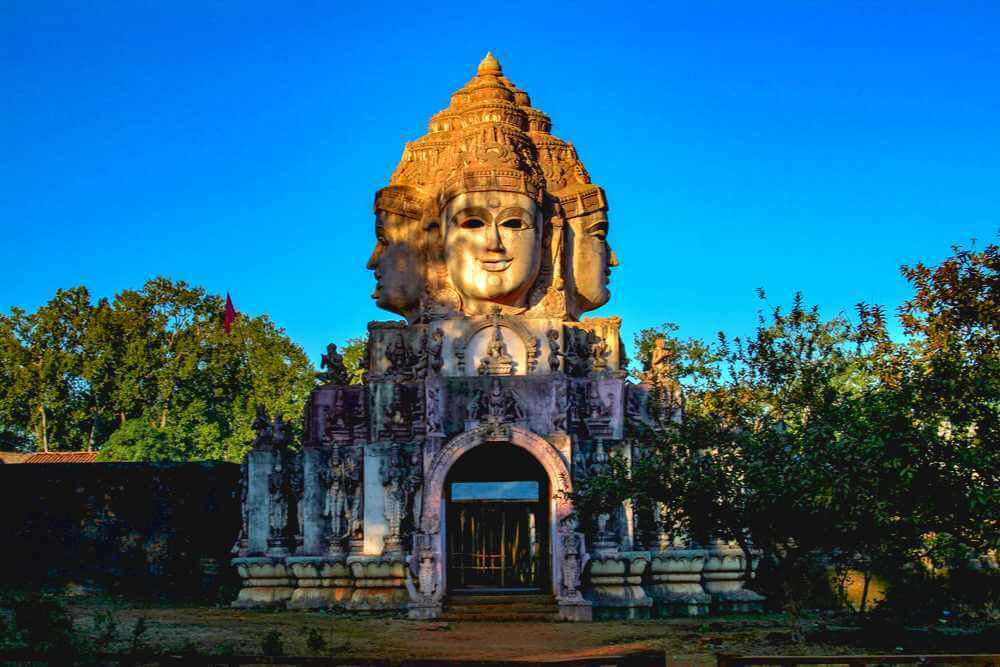
Amarkantak is known primarily as a pilgrimage destination, but its natural setting makes it equally attractive to walkers, photographers and travellers seeking a peaceful mountain environment.
Situated where important hill systems meet, Amarkantak is associated with the origins of the Narmada and Son rivers. Narmada Udgam Kund forms the spiritual centre of the town, while the surrounding forests contain waterfalls, viewpoints and walking routes.
Kapil Dhara and Dugdh Dhara are among the best-known waterfalls near Amarkantak. The historic Kalachuri temples display refined stone architecture, while Kabir Kothi and nearby spiritual sites add another dimension to the journey.
Early mornings are particularly atmospheric, with temple bells, mist and pilgrims gathering around the sacred water. Later in the day, visitors can explore forest paths and waterfalls.
Amarkantak can be reached from Pendra Road, Anuppur or Jabalpur. Stay for at least two nights instead of treating it as a brief pilgrimage stop.
Best time to visit: October to March; monsoon for waterfalls
Ideal stay: Two to three days
Do not miss: Narmada Udgam Kund, Kalachuri temples, Kapil Dhara and Sonmuda
6. Maheshwar
Maheshwar is better known than some destinations on this list, but it remains considerably quieter than Indore, Ujjain and Omkareshwar. Its combination of riverfront architecture, spirituality and handloom heritage makes it one of the most rewarding places to visit in Madhya Pradesh.
The town is closely associated with Queen Ahilyabai Holkar, who made Maheshwar an important cultural and administrative centre. Ahilya Fort overlooks a long series of stone ghats along the Narmada River. At sunrise, the riverfront is peaceful; by evening, lamps, prayers and local activity create a completely different atmosphere.
Visitors can take a short boat ride, explore temples around the fort and meet artisans producing Maheshwari textiles. Several workshops allow travellers to observe the weaving process and purchase directly from local producers.
Maheshwar is easily reached from Indore and can be combined with Mandu and Omkareshwar. However, staying overnight is strongly recommended because the town is most beautiful before day visitors arrive and after they leave.
Best time to visit: October to March
Ideal stay: Two days
Do not miss: Ahilya Fort, Narmada ghats, evening prayers and weaving workshops
Popular Madhya Pradesh Holiday Packages:
- Classic Madhya Pradesh Tour – 5 Days
- Best of Madhya Pradesh Sightseeing Tour – 7 Days
- 15 Days Madhya Pradesh & Gujarat Heritage Journey
- Pachmarhi Weekend Getaway from Nagpur – 2 Nights / 3 Days
- Khajuraho Temple Tour – 2 Nights / 3 Days
- Khajuraho, Orchha & Gwalior Cultural Trail – 7 Days
- Khajuraho with Bandhavgarh Safari Experience
- Gwalior, Orchha & Khajuraho Historical Tour – 5 Days
- Khajuraho Dance Festival Tour & Cultural Experience
- 12 Days Golden Triangle & Khajuraho Discovery Tour
7. Udayagiri, Vidisha and Gyaraspur

The area around Sanchi contains several important historical sites that are frequently ignored by travellers heading directly back to Bhopal. Udayagiri, Vidisha and Gyaraspur together form one of the best unexplored heritage circuits in Madhya Pradesh.
Udayagiri is known for its group of rock-cut caves created during the Gupta period. The monumental Varaha panel, showing Vishnu in his boar incarnation, is the most famous carving, but the surrounding caves, inscriptions and rocky landscape deserve careful exploration.
In Vidisha, visitors can see the Heliodorus Pillar, archaeological remains and the vast unfinished platform of Bijamandal. Gyaraspur contains remarkable medieval monuments such as the Maladevi Temple and Hindola Torana, set among quiet rural surroundings.
This circuit appeals to travellers interested in archaeology, sculpture and early Indian history. Hiring a knowledgeable guide can transform the experience because many important details are easy to overlook.
Best time to visit: October to March
Ideal stay: One full day or two relaxed days
Do not miss: Udayagiri’s Varaha panel, Heliodorus Pillar and Gyaraspur monuments
8. Bateshwar, Mitaoli and Padavali
A short journey from Gwalior leads to an extraordinary collection of ancient structures spread across the Morena countryside.
Bateshwar contains a large group of sandstone temples dedicated to different Hindu traditions. Many were damaged or collapsed over time and have been carefully reconstructed. Walking among the compact shrines, courtyards and surrounding hills feels like discovering an archaeological settlement far from the usual tourist trail.
Nearby Mitaoli is home to the circular Chausath Yogini Temple, positioned on a hilltop reached by stone steps. Its open central courtyard and symmetrical design make it one of the region’s most distinctive structures.
Padavali adds another layer to the circuit with elaborate carvings and fortified architecture. Together, these three places create a fascinating full-day excursion from Gwalior.
Road conditions and local facilities can be basic, so carry drinking water and arrange transport in advance.
Best time to visit: October to March
Ideal stay: Full-day excursion from Gwalior
Do not miss: Bateshwar temple complex, Mitaoli hilltop temple and Padavali carvings
9. Deur Kothar

Sanchi may be Madhya Pradesh’s most famous Buddhist destination, but Deur Kothar offers a quieter and more remote archaeological experience.
Located in the Rewa region, the site contains the remains of ancient Buddhist stupas, monastic structures, inscriptions and carved stones associated with the Mauryan period. Its position near an old route connecting important centres suggests that it once formed part of a wider network of travel, exchange and religious activity.
Unlike Sanchi, Deur Kothar receives relatively few visitors. The open landscape and scattered remains create a contemplative atmosphere, although interpretation at the site may be limited. Reading about its history beforehand or travelling with a local guide will help you understand its importance.
The site can be combined with Rewa’s forts, palaces and waterfalls. During the monsoon, nearby Bahuti, Keoti, Purwa and Chachai waterfalls become especially impressive, though access conditions should be checked.
Best time to visit: October to March
Ideal stay: Half-day excursion from Rewa
Do not miss: Ancient stupas, inscriptions and the surrounding archaeological landscape
10. Bawangaja
Bawangaja is a peaceful Jain pilgrimage centre near Barwani in southwestern Madhya Pradesh. Its main attraction is a towering monolithic image of Lord Adinath carved into the hillside and traditionally described as approximately 84 feet high.
A group of temples is located across the hill, creating a combination of spiritual importance, architecture and natural scenery. The climb requires moderate physical effort, particularly in warm weather, but the elevated views and tranquil atmosphere make the journey worthwhile.
Visitors should dress respectfully, follow temple customs and maintain silence in prayer areas. Begin early in the morning when temperatures are cooler and the site is less busy.
Bawangaja can be combined with Barwani, Maheshwar or other destinations in the Narmada region. Accommodation is available in Barwani and around the pilgrimage area, although facilities may be designed primarily for religious visitors.
Best time to visit: October to February
Ideal stay: One day
Do not miss: Adinath statue, hill temples and panoramic Satpura views
11. Gandhi Sagar

Gandhi Sagar offers a refreshing combination of water, forest, wildlife and archaeology. Set around a vast reservoir on the Chambal River, it is one of the most scenic yet lesser-known nature destinations in Madhya Pradesh.
The reservoir is suitable for peaceful sunset views, birdwatching and seasonal boating. Gandhi Sagar Wildlife Sanctuary protects a varied landscape of grasslands, wooded slopes and riverine habitats. Wildlife sightings are never guaranteed, but the quiet environment appeals to nature enthusiasts.
One of the region’s most significant attractions is the Chaturbhuj Nala rock-art site, where prehistoric paintings appear across a long rock shelter. Visiting with a trained guide is recommended because the site is spread out and some paintings can be difficult to locate.
Organised forest-retreat activities, water sports and guided excursions may operate seasonally. Confirm the latest schedules before planning your journey.
Best time to visit: October to March; monsoon for scenery
Ideal stay: Two nights
Do not miss: Reservoir sunset, Chaturbhuj Nala rock art and wildlife excursions
12. Tawa and Madhai
Tawa and Madhai offer one of the best combinations of water and wilderness in central India. Tawa Reservoir spreads across a broad landscape bordered by forests, while Madhai provides access to the Satpura wilderness.
The boat journey across the backwaters can be as memorable as the destination itself, particularly in the soft light of early morning. Depending on permits, weather and seasonal operations, visitors may be able to join jeep safaris, boat safaris, birdwatching trips or guided forest experiences.
Compared with heavily promoted tiger reserves, this region feels calmer and more immersive. The emphasis is not only on searching for large animals but also on appreciating the forest, river system, birds and changing landscape.
Tawa is approachable from Narmadapuram and Itarsi, while Madhai is commonly reached through Sohagpur. Safari zones and boat services may close during parts of the monsoon, so advance confirmation is necessary.
Best time to visit: October to April
Ideal stay: Two to three nights
Do not miss: Tawa sunrise, reservoir boat ride and a guided Satpura safari
Best Time to Visit Offbeat Places in Madhya Pradesh
October to March is generally the most comfortable period for exploring heritage towns, archaeological sites and pilgrimage destinations. Daytime temperatures are pleasant, although December and January mornings can be cold in forested and elevated areas.
The monsoon, usually from June to September, transforms Tamia, Patalkot, Amarkantak, Rewa and Gandhi Sagar into lush green landscapes. Waterfalls are at their strongest, but slippery paths, damaged roads and sudden weather changes can affect travel.
April and May are extremely hot across much of Madhya Pradesh. Summer can be suitable for dedicated wildlife trips, but sightseeing at exposed forts and archaeological sites becomes tiring. Plan outdoor visits for early morning and late afternoon.
Suggested Routes for Exploring Hidden Madhya Pradesh:
Because Madhya Pradesh is large, trying to cover all 12 places in one journey would involve considerable driving. A regional itinerary is more practical.
Northern Heritage Route
Combine Gwalior with Bateshwar, Mitaoli, Padavali and Chanderi. This route is ideal for travellers interested in temples, forts and architecture.
Bhopal Archaeology Route
Travel from Bhopal to Sanchi, Udayagiri, Vidisha and Gyaraspur before continuing towards Tawa or the Satpura region.
Satpura Nature Route
Connect Tamia, Patalkot, Tawa and Madhai. Allow extra time because forest roads and rural journeys are best enjoyed without rushing.
Narmada and Western Madhya Pradesh Route
Combine Indore, Maheshwar, Bawangaja, Burhanpur and Gandhi Sagar according to the number of days available.
Eastern Madhya Pradesh Route
Visit Rewa, Deur Kothar and Amarkantak, adding waterfalls or Bandhavgarh if you have more time.
Practical Travel Tips
A private car with an experienced driver is often the easiest way to explore offbeat destinations in Madhya Pradesh. Trains connect major cities, but transport between rural attractions can be infrequent.
Download offline maps before travelling into forested or remote areas. Mobile coverage may be inconsistent in valleys, sanctuaries and archaeological zones.
Carry cash, drinking water, sun protection and essential medicines. Smaller settlements may not have reliable card-payment facilities or late-night pharmacies.
Use licensed guides wherever possible, especially at archaeological sites and in tribal or forest regions. A good guide can explain local history while helping visitors behave respectfully.
Do not climb monuments, touch rock paintings, remove stones or leave waste behind. Avoid loud music in forests, temples and rural communities.
Book accommodation in advance during festivals, long weekends and the winter season. Safari permits and guided nature activities may also require advance reservations.
Conclusion
The most memorable journeys through Madhya Pradesh often begin where the familiar tourist map ends. Chanderi’s weaving lanes, Burhanpur’s forgotten palaces, Patalkot’s forested valley and the reconstructed temples of Bateshwar reveal a state shaped by far more than its famous monuments and tiger reserves.
Exploring these offbeat places in Madhya Pradesh requires patience, curiosity and a willingness to travel slowly. Facilities may occasionally be basic, but the experience is more personal, less crowded and closely connected to local landscapes and communities.
Choose one region, allow time for unexpected discoveries and travel responsibly. Madhya Pradesh’s hidden destinations are not simply alternatives to its famous attractions. They are among the strongest reasons to explore the heart of India in greater depth.
Must-Read Guides:
- Madhya Pradesh in October 2026: Best Tourist Places to Visit
- Best Places to Visit in Madhya Pradesh in August 2026
- Madhya Pradesh in December 2026: Top Destinations and Travel Tips
- Best Hotels and Places to Stay in Madhya Pradesh
- Panna National Park Safari Guide: Timings, Entry Fee and Tips
- Top Tourist Attractions in Madhya Pradesh You Must Visit
- Kuno National Park Madhya Pradesh: Complete Travel Guide
- Interesting Facts About Khajuraho Temples and Their History
- Best Places to Visit in Shivpuri, Madhya Pradesh
- Famous Historical Places in Madhya Pradesh for Heritage Lovers
- Jabalpur Sightseeing Guide: Best Places to Visit
- Best Heritage Forts in Madhya Pradesh to Explore
- Top Pilgrimage Places and Temples in Madhya Pradesh
- Most Beautiful Waterfalls in Madhya Pradesh to Visit
- Madhya Pradesh in June: Best Places and Travel Guide
- Madhya Pradesh in January 2027: Top Tourist Attractions
Frequently Asked Questions:
Which is the best offbeat place in Madhya Pradesh for history lovers?
Chanderi, Burhanpur and the Bateshwar-Mitaoli-Padavali circuit are excellent choices. Chanderi combines forts and living craft traditions, Burhanpur offers Mughal and Faruqi heritage, while the Morena circuit is known for ancient temple architecture.
Which hidden places in Madhya Pradesh are best for nature?
Tamia, Patalkot, Gandhi Sagar and Tawa-Madhai are among the best options. They offer hill views, forests, reservoirs, birdwatching and opportunities for guided outdoor activities.
Are these destinations suitable for families?
Most are suitable for families, but the level of comfort varies. Maheshwar, Chanderi, Amarkantak and Tawa are relatively easy to plan. Patalkot, Bawangaja and remote archaeological sites may involve uneven paths, long drives or limited facilities.
How many days are needed for an offbeat Madhya Pradesh trip?
A seven-to-ten-day trip is enough to explore one or two regions comfortably. Covering destinations across the entire state could require two to three weeks because of the long distances between western, northern and eastern Madhya Pradesh.
Is public transport available?
Major towns such as Burhanpur, Rewa and Vidisha are accessible by train or bus. However, reaching remote temples, valleys, waterfalls and wildlife areas usually requires a taxi or private vehicle.
Is Madhya Pradesh safe for solo travellers?
Popular towns and tourism areas are generally manageable for solo travellers who follow normal precautions. Avoid isolated roads after dark, share your itinerary with someone, choose verified accommodation and hire recognised guides for remote excursions.
Can these places be visited during the monsoon?
Several destinations are beautiful during the monsoon, especially Tamia, Patalkot, Amarkantak and Rewa. However, heavy rainfall may affect roads, trekking paths, boating and forest access. Check local conditions before departure.
