
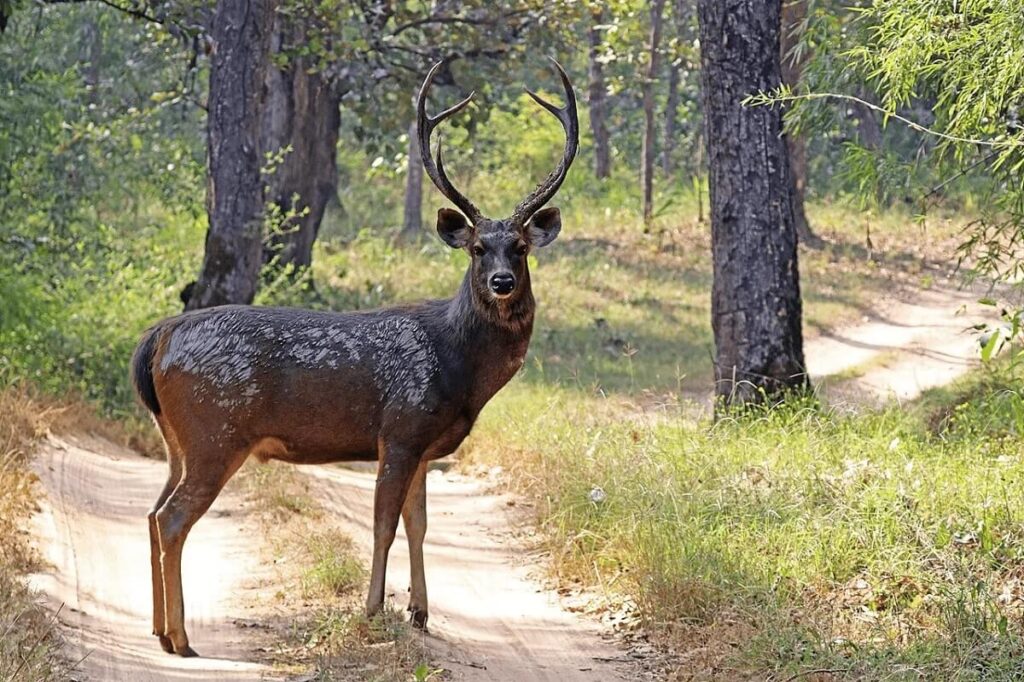
Bihar, a culturally rich state in eastern India, is not just about ancient heritage and spiritual destinations—it’s also a hidden treasure trove for wildlife lovers. Nestled between lush plains, rivers, and forested hills, Bihar offers diverse ecosystems that serve as natural habitats for a variety of flora and fauna.
Whether you’re an avid birdwatcher, a safari enthusiast, or someone who loves to trek through forest trails, Bihar has unique wildlife experiences waiting for you. This complete guide highlights the top 15 places to experience wildlife in Bihar, complete with seasonal weather insights, local biodiversity, and travel tips.
Wildlife in Bihar – Top 11 Places to Explore:
1. Valmiki Tiger Reserve
Location: West Champaran District
Best Time to Visit: November to March
Temperature Range: 10°C to 28°C in winter
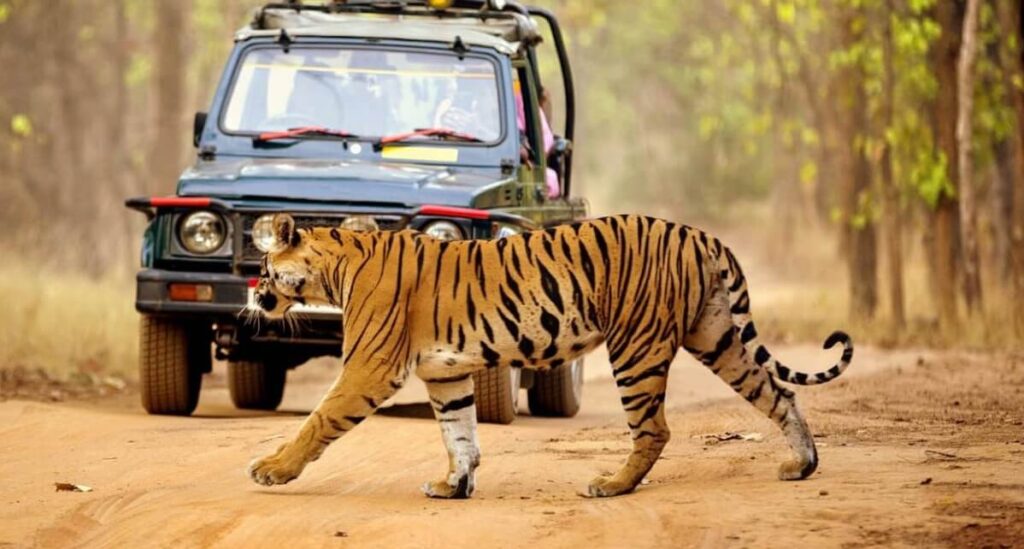
Valmiki Tiger Reserve, part of the larger Valmiki National Park, is one of India’s lesser-known yet biologically rich tiger reserves. Located near the Indo-Nepal border, this protected area is home to Bengal tigers, leopards, sloth bears, wild dogs, and over 250 bird species. Explore More: Valmiki Tiger Reserve, Bihar: Complete Travel Guide
What to Do:
- Tiger safaris in designated zones
- Visit the Valmiki Ashram for cultural immersion
- Birdwatching along the Gandak River
Travel Tip: Book your safaris through the Bihar Forest Department in advance as entry is regulated.
2. Kaimur Wildlife Sanctuary
Location: Kaimur District
Best Time to Visit: October to February
Temperature Range: 8°C to 25°C
Kaimur Wildlife Sanctuary spans over the Kaimur hills and covers a terrain of plateaus, valleys, and waterfalls. Known for its scenic beauty and large mammal population, it is one of the most picturesque wildlife sanctuaries in Bihar.
Key Wildlife:
- Chinkara
- Nilgai
- Indian wolf
- Hyena
Don’t Miss: A trek to Telhar Kund waterfall inside the sanctuary during post-monsoon.
3. Bhimbandh Wildlife Sanctuary
Location: Munger District
Best Time to Visit: November to February
Temperature Range: 12°C to 30°C
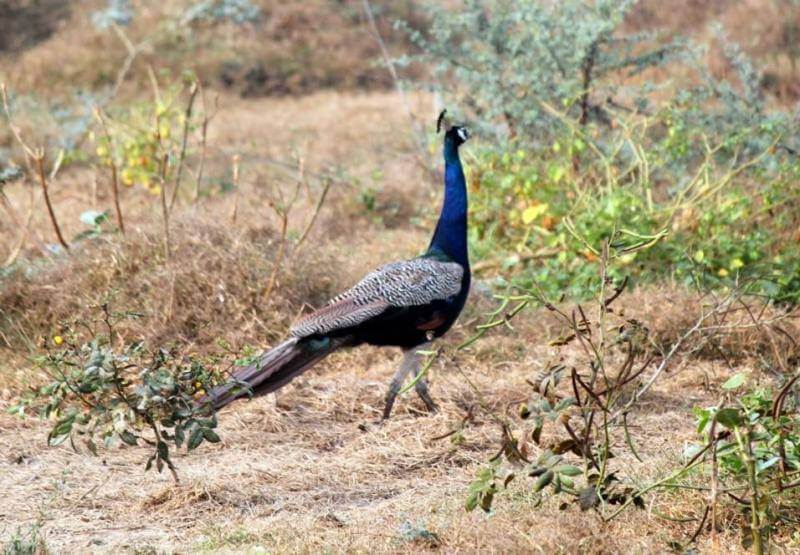
This sanctuary uniquely combines geothermal springs with diverse forest wildlife. Bhimbandh is especially popular for migratory birds that arrive in large numbers during winter.
Top Attractions:
- Natural hot springs
- Sightings of sambar deer, barking deer, and langurs
- Birdwatching along Bhimbandh Lake
Seasonal Tip: Avoid the monsoon months due to water-logging and forest access restrictions.
4. Gautam Buddha Wildlife Sanctuary
Location: Gaya and Aurangabad Districts
Best Time to Visit: October to March
Temperature Range: 10°C to 25°C
Covering the rugged terrain of the Rajgir hills, this sanctuary is not far from Bodh Gaya and is a wonderful escape for those combining spiritual tourism with nature.
Species You May Encounter:
- Leopard
- Wild boar
- Indian hare
- Peacocks and jungle fowl
Weather Insight: Pleasant winters make it perfect for a nature walk through the mixed deciduous forest.
5. Vikramshila Gangetic Dolphin Sanctuary
Location: Bhagalpur District, along the Ganga River
Best Time to Visit: October to May
Temperature Range: 15°C to 35°C
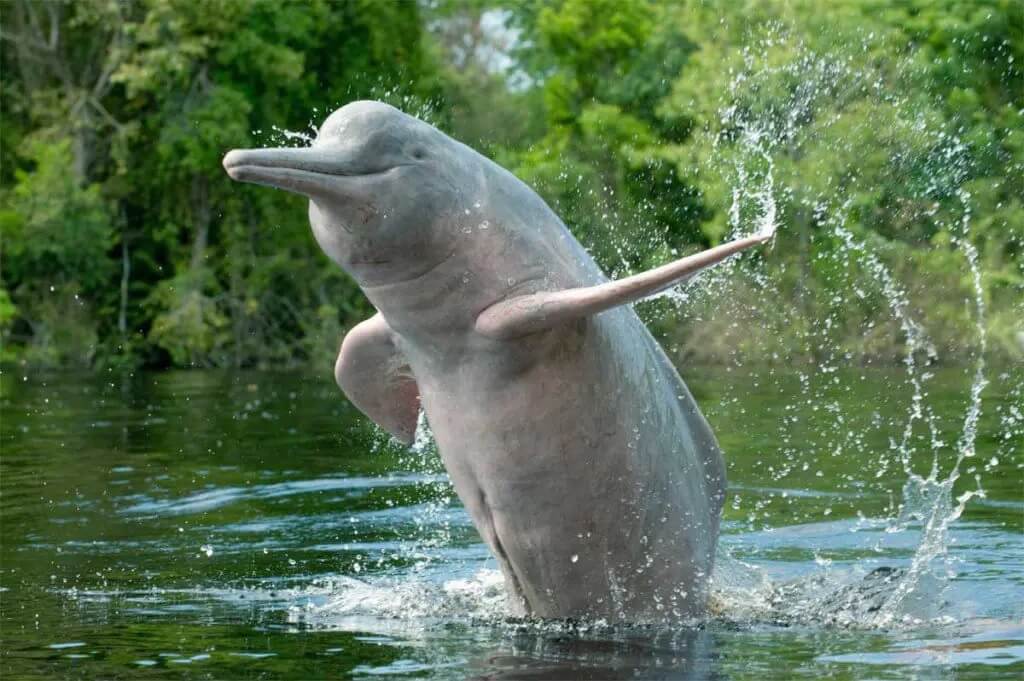
India’s only dolphin sanctuary dedicated to the endangered Gangetic river dolphin lies in Bihar. This stretch of the Ganga supports not just dolphins but also turtles, fish species, and aquatic birds.
Highlights:
- Dolphin-spotting boat rides
- Eco-tourism centers in Bhagalpur
- Learn about freshwater biodiversity
Tip: Mornings are ideal for spotting dolphins when the water is calmer.
6. Udaypur Wildlife Sanctuary
Location: West Champaran
Best Time to Visit: November to February
Temperature Range: 12°C to 28°C
Often overshadowed by the Valmiki Reserve, Udaypur is a peaceful wildlife sanctuary with a mix of grasslands, wetlands, and forest patches.
Wildlife:
- Spotted deer
- Monitor lizards
- Indian fox
- Diverse migratory birds
Travel Suggestion: Great for wildlife photography due to less crowd and more pristine landscapes.
7. Kanwar Lake Bird Sanctuary
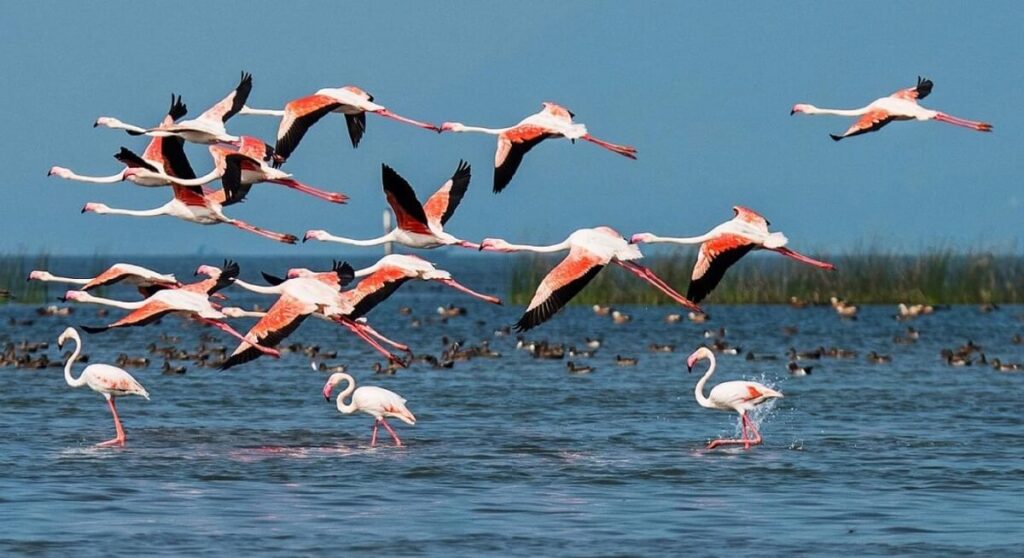
Location: Begusarai District
Best Time to Visit: November to March
Temperature Range: 8°C to 26°C
Asia’s largest freshwater oxbow lake, Kanwar Lake, transforms into a vibrant bird sanctuary during winter. Thousands of migratory birds including Siberian cranes arrive here.
Key Species:
- Common teal
- Northern pintail
- Painted stork
- Gulls and terns
Travel Tip: Carry binoculars and visit early morning for best sightings.
8. Rajgir Wildlife Sanctuary
Location: Nalanda District
Best Time to Visit: October to March
Temperature Range: 10°C to 25°C
Set in the backdrop of historic Rajgir, this sanctuary is perfect for those who want a light trek with occasional sightings of animals.
Wildlife Encounters:
- Jungle cats
- Indian porcupines
- Mongoose
- Several butterfly species
Bonus: Pair your visit with the ropeway ride to Vishwa Shanti Stupa.
9. Nagi Dam and Nakti Dam Bird Sanctuaries
Location: Jamui District
Best Time to Visit: December to February
Temperature Range: 10°C to 28°C
These twin sanctuaries are hotspots for winter migratory birds. Both are designated as Important Bird Areas (IBAs) by BirdLife International.
Notable Visitors:
- Red-crested pochards
- Garganeys
- Wigeon
- Grebes
Local Tip: Combine your visit to both sanctuaries in one day as they’re close to each other.
10. Baraila Lake Bird Sanctuary
Location: Vaishali District
Best Time to Visit: November to February
Temperature Range: 12°C to 30°C
A lesser-known destination, Baraila Lake is a large wetland where local and migratory birds thrive. Ideal for peaceful birdwatching trips.
Birds to Spot:
- Whistling ducks
- Herons
- Snipes
- Brahminy ducks
Weather Note: Winters are crisp and ideal for outdoor observation sessions.
11. Nauhatta Forest Range
Location: Rohtas District
Best Time to Visit: November to March
Temperature Range: 10°C to 24°C
Nauhatta is a dense forest range near the historical Rohtasgarh Fort. It’s still under-explored and perfect for adventurous wildlife explorers.
You May Encounter:
- Wild boars
- Jackals
- Langurs
- Monitor lizards
Suggested Activity: Combine with a hike to Rohtasgarh Fort for a complete wilderness + heritage experience.
Wildlife in Bihar by Seasons – What to Expect
| Season | Months | Weather | Wildlife Experience |
| Winter | November – February | 8°C – 28°C, dry and pleasant | Peak bird migration, tiger sightings, comfortable safaris |
| Summer | March – June | 28°C – 42°C, hot and dry | Limited wildlife movement, early morning safaris preferred |
| Monsoon | July – September | 25°C – 35°C, heavy rain & humidity | Lush greenery, but many parks remain closed or inaccessible |
Final Travel Tips for Wildlife Enthusiasts in Bihar
- Start Early: Most wildlife activity happens in the early morning hours.
- Pack Binoculars & Camera: Especially essential for birding destinations.
- Dress Wisely: Wear neutral colors and breathable fabric.
- Use Local Guides: Their knowledge enhances your chance of rare sightings.
- Respect Wildlife: Keep a safe distance, avoid loud noises, and don’t litter.
Conclusion
While often overlooked for wildlife tourism, Bihar offers an incredible variety of ecological experiences. From tiger reserves to bird sanctuaries and river dolphin hotspots, there’s something for every nature lover.
With the right planning and timing, you can witness the untamed beauty of Bihar’s wilderness like never before. So, whether you’re planning a wildlife safari, a birdwatching trip, or a peaceful retreat into nature—Bihar awaits your next adventure.
Related Articles:
- Bihar Travel Guide: Must-Visit Places
- Top 10 Destinations to See in Bodhgaya
- Rajgir Glass Bridge Bihar – Complete Travel Guide
- How to Reach Bodh Gaya: Routes & Travel Tips
- Bihar Travel in Summer: 8 Must-Visit Spots
- Temple to Visit in Bihar for Religious Getaway
- 15 Popular Temples in Bihar to See
- Famous Airports in Bihar: Travel Guide
- Facts about Nalanda University, Bihar
- Buddha Temple, Bodh Gaya Bihar – Travel Guide
- Facts about Nalanda University, Bihar
- Bihar Popular Waterfalls
- Historical Places of Bihar
Additional Travel Reads:
