
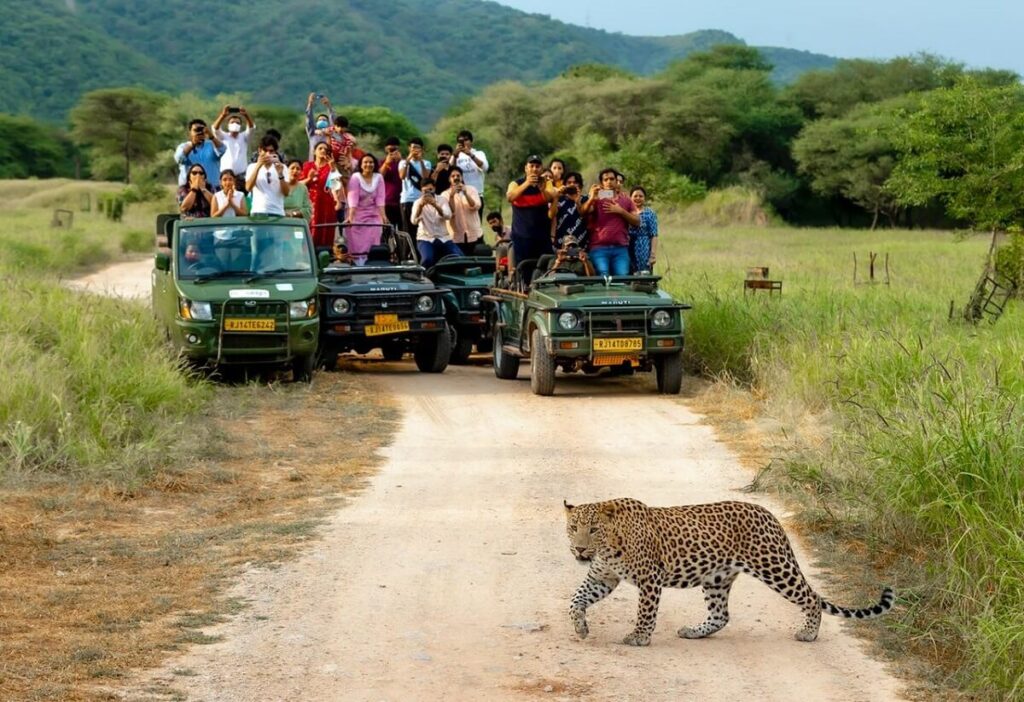
Jaipur is usually associated with forts, palaces and colourful bazaars, but the Pink City is also a surprisingly useful base for exploring Rajasthan’s wildlife.
Within Jaipur itself, you can take a leopard safari through the rocky Aravalli landscape. Drive a little farther and you can explore wetlands, bird habitats and dry forests. With two or three days available, famous tiger landscapes such as Sariska and Ranthambore also become realistic additions to a Jaipur itinerary.
October is particularly interesting because Rajasthan begins moving out of the monsoon period. Temperatures gradually become more comfortable, the countryside can still retain some greenery, and major safari destinations such as Ranthambore return to their regular tourism season.
Not every place below is technically classified as a wildlife sanctuary. Some are tiger reserves, national parks, safari areas or biological parks. Together, however, they represent some of the best wildlife places in and near Jaipur.
Wildlife Places Near Jaipur to Visit in October
| Wildlife Place | Approx. Distance from Jaipur | Best For | Trip Length |
| Jhalana Leopard Safari | Within Jaipur | Leopards | Half day |
| Amagarh Leopard Safari | Jaipur | Leopards & birdlife | Half day |
| Nahargarh Biological Park | 20–25 km | Families | Half day |
| Jamwa Ramgarh Wildlife Sanctuary | Around 35 km | Nature & birdlife | Day trip |
| Sambhar Lake | Around 80 km | Birds & landscapes | Day trip |
| Sariska Tiger Reserve | Around 110 km | Tiger reserve experience | 1–2 days |
| Ranthambore National Park | Around 170–190 km | Tigers | 2–3 days |
| Keoladeo National Park | Around 185 km | Birdwatching | 1–2 days |
| Kailadevi Wildlife Sanctuary | Around 190–210 km | Quiet forest landscape | 2 days |
| Tal Chhapar Wildlife Sanctuary | Around 200–215 km | Blackbuck & grassland birds | 2 days |
Road distances are approximate and vary according to route and starting point.
1. Jhalana Leopard Safari Park
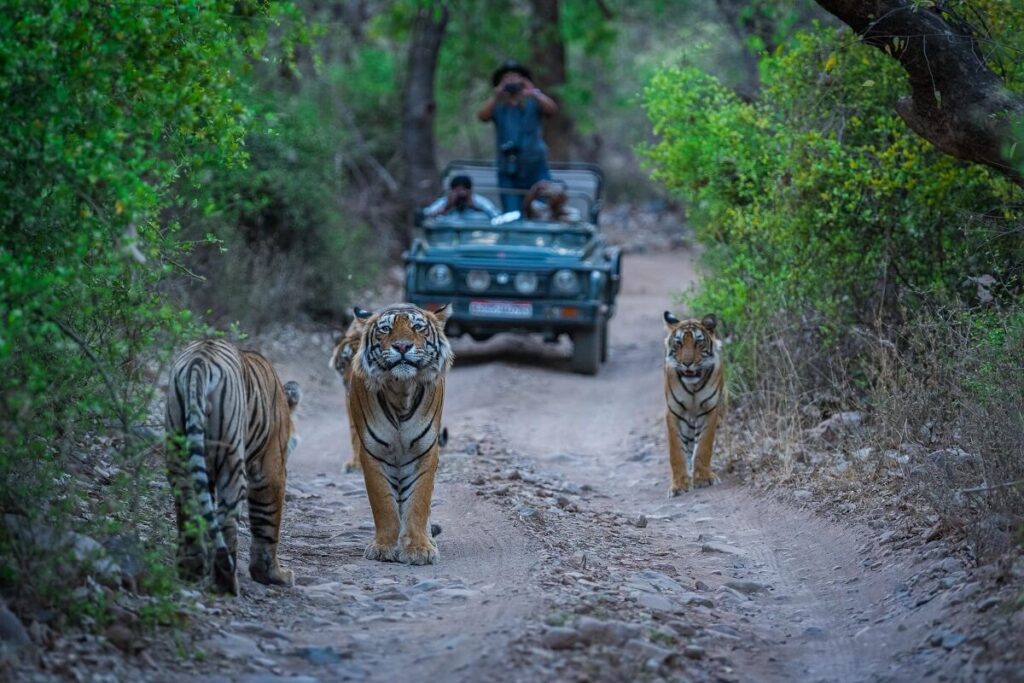
For a wildlife safari without leaving Jaipur, Jhalana is the easiest place to begin.
The reserve lies within Jaipur’s urban landscape yet protects an area of rocky hills, scrub forest and dry Aravalli habitat. It is particularly known for leopards, although wildlife sightings can never be guaranteed.
Other animals found in the landscape include striped hyenas, jackals, nilgai and numerous bird species.
Jhalana works especially well for international travellers who already have Jaipur forts and palaces in their itinerary. A morning safari can be followed by regular Jaipur sightseeing later in the day.
October brings increasingly comfortable conditions compared with the hotter months, although afternoons can still feel warm.
Best for: Leopard safari and wildlife photography
Suggested time: Half day
Stay: Jaipur
For safari planning, read the detailed Jhalana Leopard Safari Park travel guide.
2. Amagarh Leopard Safari
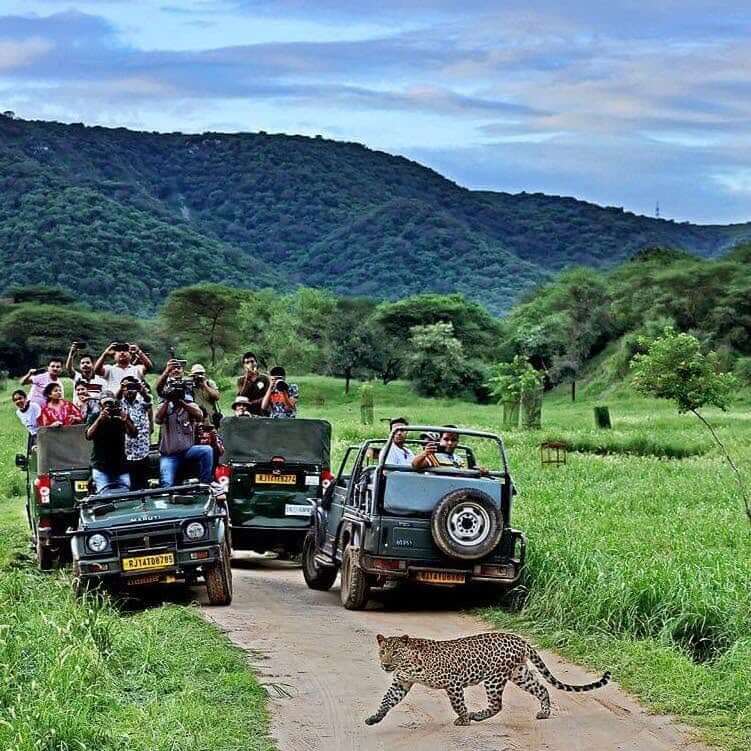
Amagarh offers another opportunity to experience Jaipur’s Aravalli wildlife landscape without a long road journey.
Like Jhalana, its main attraction is the chance to explore leopard habitat close to the city. The rocky terrain, scrub vegetation and hills create a completely different experience from Jaipur’s historic centre.
The advantage is convenience. You can include a wildlife drive while keeping the same Jaipur hotel instead of adding another destination.
Do not choose between Jhalana and Amagarh simply on promises of leopard sightings. Wild animals move freely, and the experience varies from safari to safari.
Best for: Leopards and short wildlife experiences
Suggested time: Half day
Stay: Jaipur
Travellers with a strong interest in wildlife can include one leopard safari before continuing toward Sariska or Ranthambore.
3. Nahargarh Biological Park
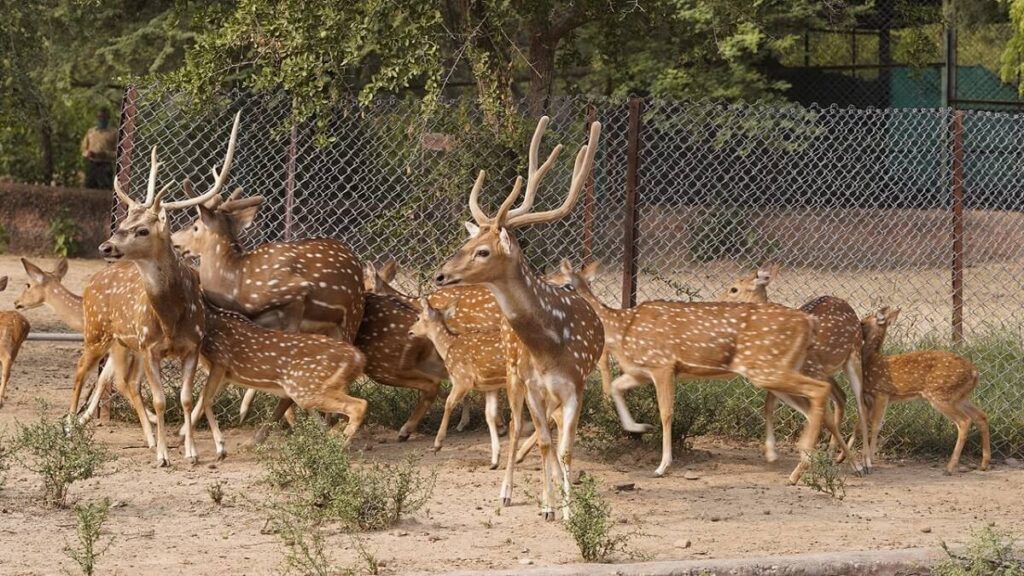
Nahargarh Biological Park is a convenient option for families who want to include animals and nature in a Jaipur holiday.
It is important to understand that this is different from a wild leopard or tiger safari. The experience is more controlled and educational.
That can actually make it useful for families with younger children or travellers who do not have enough time for Ranthambore or Sariska.
The park can easily be combined with attractions on the northern side of Jaipur.
Best for: Families and short nature outings
Suggested time: Half day
Distance: Around 20–25 km from central Jaipur
4. Jamwa Ramgarh Wildlife Sanctuary
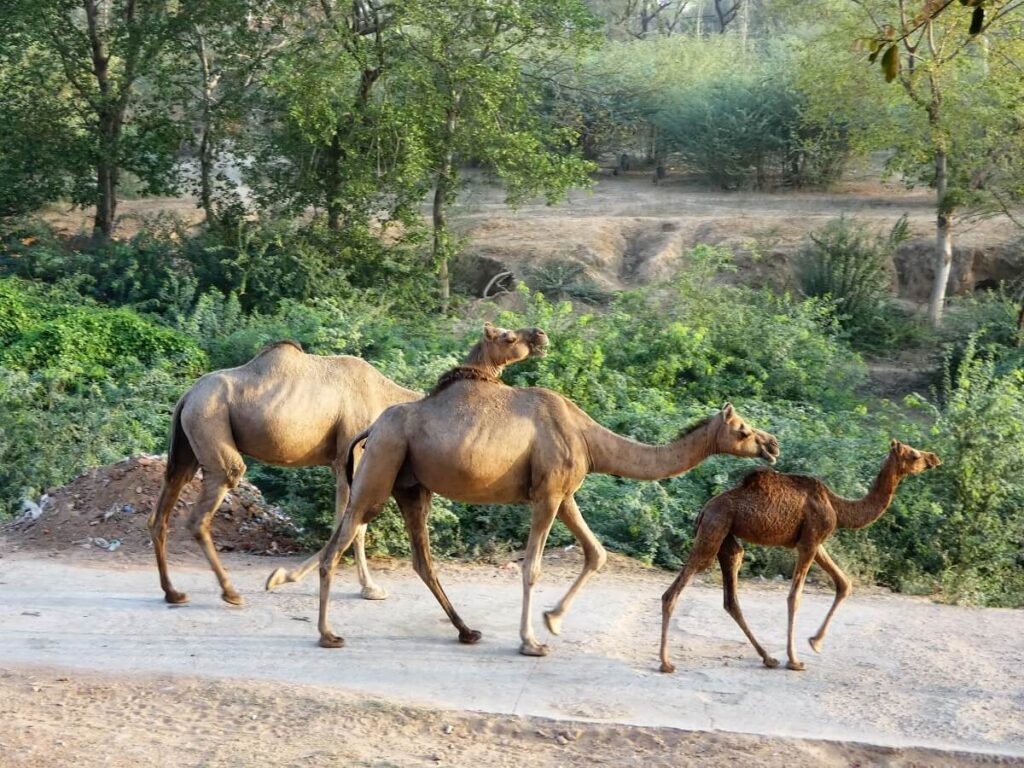
Jamwa Ramgarh is particularly important for this article because it is one of the closest wildlife sanctuary landscapes to Jaipur.
The area lies around the historic Ramgarh Lake region and forms part of the Aravalli environment east of the city.
Its landscape supports species such as nilgai, langurs, smaller mammals and birdlife, while the surrounding hills provide a quieter nature experience than Jaipur’s busy tourist centre.
Unlike Jhalana, this should not be promoted primarily as a guaranteed big-cat safari. Its appeal lies more in the landscape, birdlife and proximity to Jaipur.
October can be attractive because the surrounding countryside may still show some post-monsoon greenery.
Best for: Nature, birdwatching and quieter excursions
Suggested time: Day trip
Distance: Around 35 km from Jaipur
If you specifically searched for Jamwa Ramgarh Wildlife Sanctuary, consider combining it with a wider countryside drive rather than expecting the structured safari experience offered at Jhalana or Ranthambore.
5. Sambhar Lake
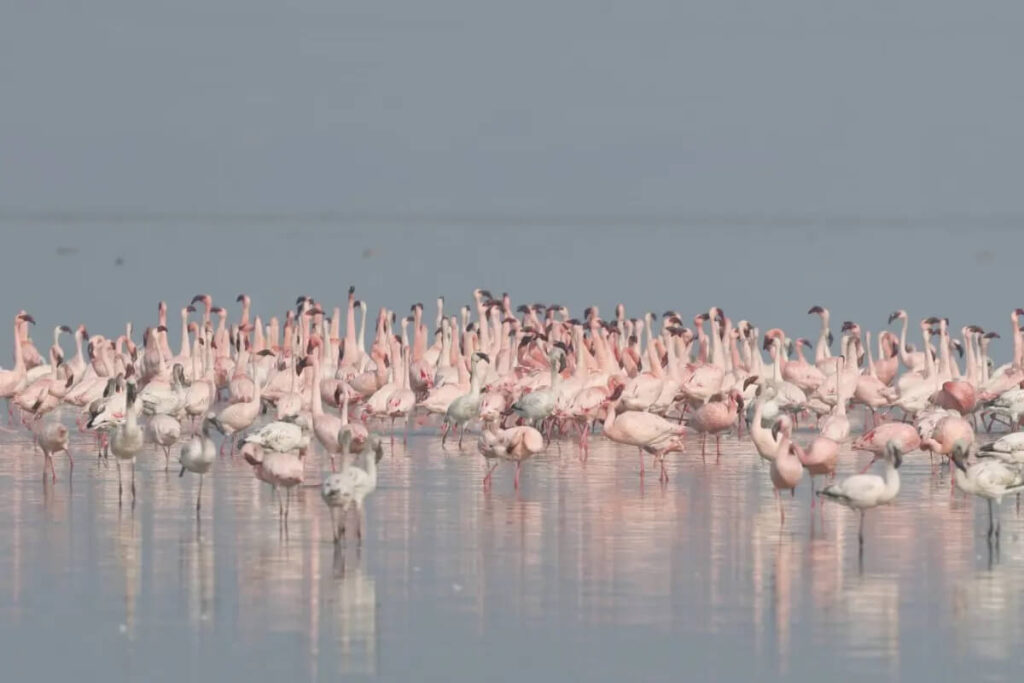
Sambhar offers a completely different wildlife experience from Rajasthan’s tiger forests.
India’s largest inland salt lake landscape lies roughly 80 km from Jaipur and is particularly interesting for birdwatchers and photographers.
Bird populations change through the year. October marks the transition toward the cooler season, while the diversity and number of winter migrants generally increase as the season progresses.
The huge open landscape, salt pans and changing light can be just as interesting as the birds themselves.
Plan the visit around early morning or late afternoon for more comfortable conditions and better photography.
Best for: Birdwatching, landscapes and photography
Suggested time: Full day
Distance: Around 80 km
Bring binoculars rather than relying entirely on a camera.
6. Sariska Tiger Reserve
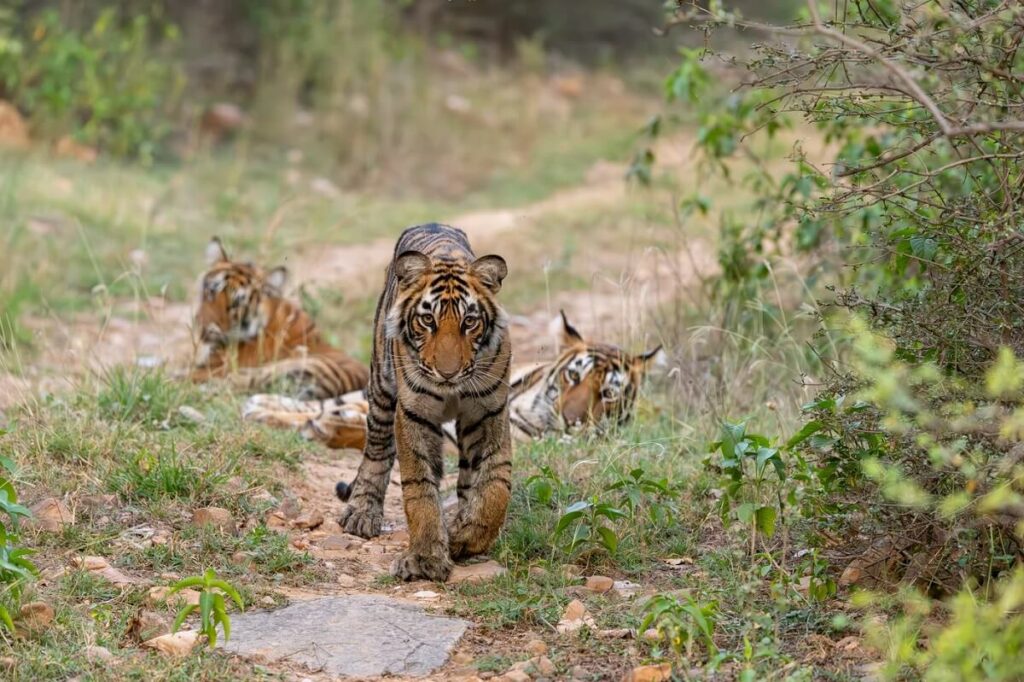
Sariska is one of the best-known tiger landscapes within relatively easy reach of Jaipur.
Located in Alwar district, the reserve is made up of dry deciduous forest, rocky Aravalli hills, grassland and seasonal water sources.
Tigers attract much of the attention, but Sariska also supports leopards, hyenas, sambar, nilgai, wild boar and diverse birdlife.
October begins the cooler travel period. Your existing Sariska guide also identifies October to February as one of the comfortable seasons for visiting.
Instead of making an exhausting return journey from Jaipur around one safari, consider staying overnight near the reserve.
Best for: Tiger-reserve experience and wildlife photography
Suggested stay: 1–2 nights
Distance: Around 110 km from Jaipur
Read the Sariska Tiger Reserve travel guide before planning your route.
7. Ranthambore National Park
Ranthambore is the most famous wildlife destination that can realistically be combined with Jaipur.
Rajasthan Tourism lists the park as open from October through June, making October the beginning of the regular safari season.
The park landscape combines dry forest, rocky ridges, lakes and historic ruins beneath Ranthambore Fort.
Bengal tigers are the headline attraction, but the ecosystem also includes sambar deer, spotted deer, nilgai, wild boar, crocodiles, langurs and many bird species.
Do not plan Ranthambore as a quick day trip from Jaipur.
Stay at least two nights if possible and schedule more than one safari when permits and budget allow. Wildlife sightings are never guaranteed, and multiple drives give you more time to appreciate different parts of the park.
Best for: Tiger safari and wildlife photography
Suggested stay: 2–3 days
Distance: Around 170–190 km from Jaipur
For first-time visitors, a Jaipur, Bharatpur and Ranthambore tour is a particularly logical route because it combines Rajasthan heritage, wetland birding and a tiger-reserve experience.
8. Keoladeo National Park, Bharatpur
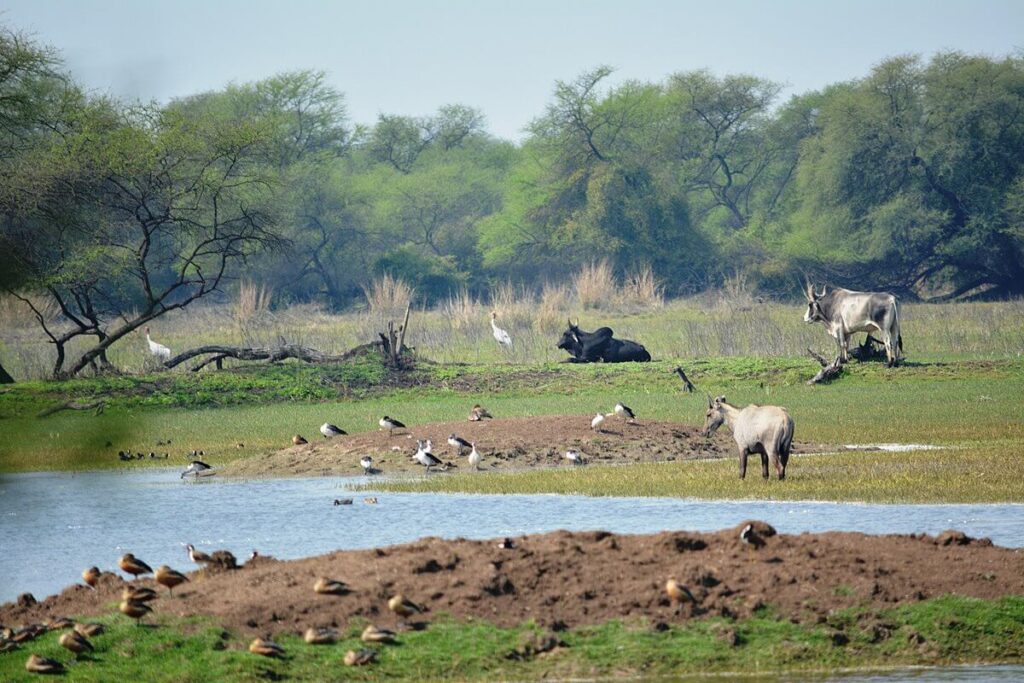
Keoladeo National Park is the strongest choice near Jaipur for travellers whose main interest is birds.
Formerly known as Bharatpur Bird Sanctuary, the UNESCO-listed wetland supports hundreds of bird species. Rajasthan Tourism describes the park as an important breeding and feeding ground and notes that visitors can explore it on foot, by bicycle or by cycle-rickshaw.
October is the beginning of the cooler period, although the full winter migration builds as the season develops.
That means an October visit can still be rewarding, but you should not promise the same migratory concentrations found later in winter.
The slower pace makes Keoladeo particularly suitable for families and photographers.
Best for: Birdwatching, photography and families
Suggested stay: 1–2 days
Distance: Around 185 km from Jaipur
See the Bharatpur National Park travel guide for more detailed planning.
Tusk Travel’s 5-day Jaipur, Bharatpur and Ranthambore tour connects all three destinations without unnecessary backtracking.
9. Kailadevi Wildlife Sanctuary
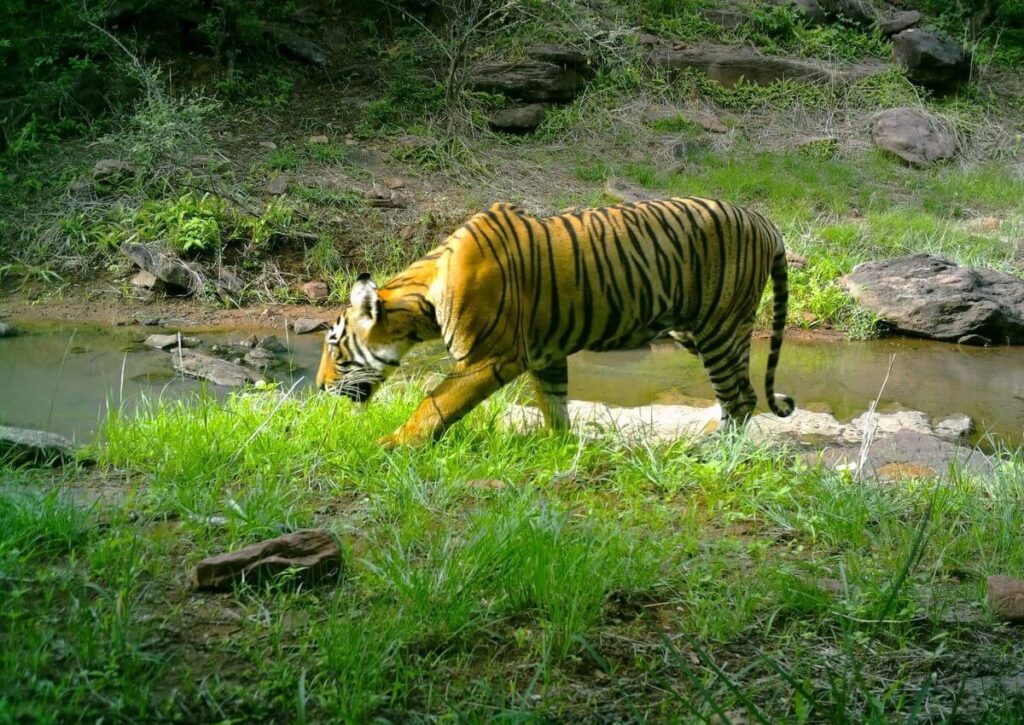
Kailadevi Wildlife Sanctuary lies in Karauli district and forms part of the wider protected landscape connected with Ranthambore.
Rajasthan Tourism describes it as a forest reserve extending toward Ranthambore National Park.
The experience is quite different from a mainstream Ranthambore safari.
Kailadevi is more suitable for travellers interested in landscapes, forests and lesser-visited protected areas rather than visitors whose only priority is seeing a tiger.
Because tourism infrastructure and access can be less straightforward, confirm current arrangements before making it the centrepiece of your trip.
Best for: Quiet forests and repeat wildlife travellers
Suggested stay: Around 2 days
Combine with: Karauli or Ranthambore
10. Tal Chhapar Wildlife Sanctuary
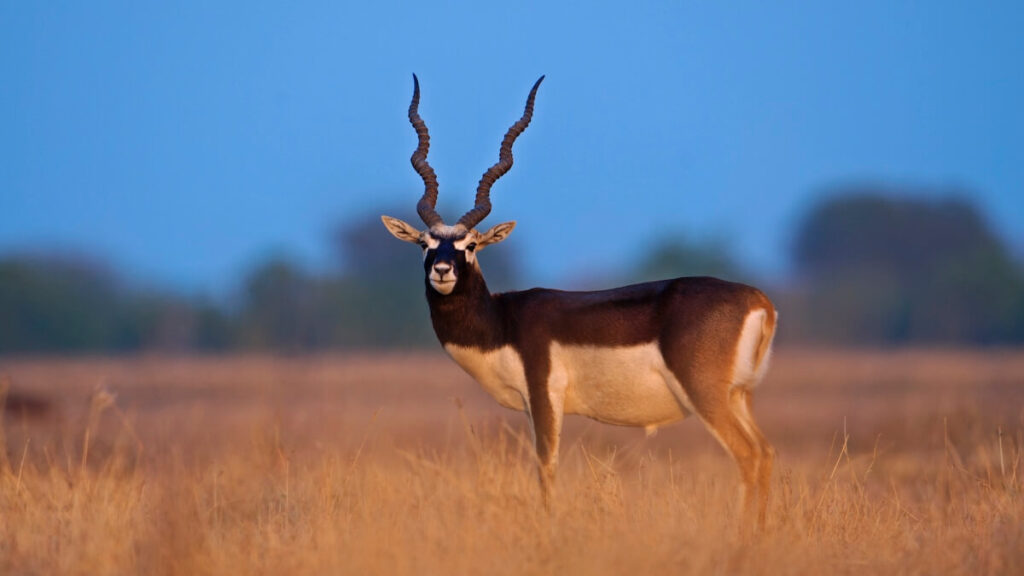
Tal Chhapar is one of Rajasthan’s most distinctive wildlife sanctuaries because its landscape is open grassland rather than dense forest.
The sanctuary is especially known for blackbuck.
Its wide plains also attract birdlife, making it interesting for wildlife photographers who want something different from the state’s tiger reserves.
October begins the transition toward the stronger birding season and more comfortable weather.
Tal Chhapar is farther from Jaipur than Jhalana or Sariska, so it is better treated as an overnight wildlife journey rather than a quick day trip.
Best for: Blackbuck, grassland birds and photography
Suggested stay: 1–2 nights
Combine with: Shekhawati or onward Rajasthan travel
Which Wildlife Sanctuary Is Closest to Jaipur?
If proximity is your priority, Jhalana, Amagarh, Nahargarh Biological Park and Jamwa Ramgarh are the most practical options.
Jhalana and Amagarh are particularly suitable for travellers who want a safari-style experience while continuing to stay in Jaipur.
Jamwa Ramgarh works better for a nature-focused day outside the city.
For a larger tiger-reserve landscape, Sariska is much easier to reach than travelling directly to Ranthambore.
Where Can You See Leopards Near Jaipur?
Jhalana Leopard Safari is the best-known leopard experience within Jaipur.
Amagarh offers another Aravalli safari landscape close to the city.
However, leopard sightings should never be guaranteed. These are wild animals, and movement varies from day to day.
If you are spending only two nights in Jaipur, adding a Jhalana or Amagarh safari is considerably more practical than travelling several hours to a tiger reserve.
Where Can You See Tigers Near Jaipur?
The two main choices are Sariska Tiger Reserve and Ranthambore National Park.
Sariska is closer to Jaipur and works well for a one or two-night extension.
Ranthambore is farther away but offers a more established safari tourism infrastructure and is one of India’s best-known tiger destinations.
If Ranthambore is a major reason for your trip, spend at least two nights there rather than attempting a day excursion.
Tusk Travel’s India collection currently includes both shorter Golden Triangle with Ranthambore journeys and longer wildlife itineraries covering several national parks.
Is October a Good Time for Wildlife Near Jaipur?
Yes, but for the right reasons.
October marks the transition from Rajasthan’s monsoon period into its cooler travel season. Rajasthan Tourism notes that temperatures drop after the monsoon and the period from October onward becomes much more comfortable for travel.
Ranthambore also returns to its regular tourism season in October.
The benefit is therefore:
- more comfortable safari weather
- greener landscapes after the rains
- reopening of important wildlife tourism areas
- improving conditions for road trips
- the beginning of Rajasthan’s main travel season
What October does not provide is guaranteed tiger or leopard sightings.
Later dry-season months can sometimes make wildlife easier to observe around water sources, while October may still have thicker vegetation.
For wider trip planning, read best places to visit in Rajasthan in October.
Best Wildlife Trip from Jaipur by Available Time:
Half Day
Choose:
- Jhalana Leopard Safari
- Amagarh Leopard Safari
- Nahargarh Biological Park
One Day
Consider:
- Jamwa Ramgarh
- Sambhar Lake
1–2 Nights
Choose:
- Sariska
- Bharatpur / Keoladeo
- Tal Chhapar
2–3 Nights
Choose:
- Ranthambore
- Ranthambore with Kailadevi
Best Wildlife Circuit from Jaipur:
For first-time Rajasthan visitors, one of the strongest combinations is:
Jaipur → Bharatpur → Ranthambore
Start with Jaipur’s forts, palaces and, if time allows, a Jhalana leopard safari.
Continue to Bharatpur for the wetland environment of Keoladeo National Park.
Finish in Ranthambore with one or more wildlife safaris.
This route gives you three completely different experiences rather than repeating similar parks.
Tusk Travel’s 5-day Jaipur, Bharatpur and Ranthambore tour follows this logical combination and can be customised around safari permits and your preferred pace.
For travellers continuing through Delhi and Agra, a Golden Triangle with Ranthambore itinerary is another practical way to include wildlife without building a separate safari holiday.
What to Pack for an October Safari
October days in Rajasthan can still be warm, while an open safari vehicle may feel cooler early in the morning.
Pack:
- lightweight breathable clothes
- a light layer for early safaris
- comfortable closed shoes
- sun protection
- binoculars
- reusable water bottle
- camera and spare battery
- neutral-coloured clothing for safari drives
Avoid loud behaviour and never ask a driver to leave approved routes in pursuit of wildlife.
Wildlife Safari Tips
Book popular safaris early, particularly for Ranthambore.
Official permits, vehicle allocation and safari zones are subject to forest department rules and availability.
Keep expectations realistic. A good safari is not only about seeing a tiger or leopard. Deer, birds, reptiles, landscapes, alarm calls, tracks and animal behaviour are all part of the experience.
Also avoid feeding animals, playing loud music or leaving litter inside protected areas.
Final Thoughts
Jaipur is much more than a base for forts and palaces.
Within the city, Jhalana and Amagarh make leopard safaris possible without adding another hotel. Jamwa Ramgarh and Sambhar Lake provide easy nature-focused day trips.
Travel a little farther and the experience becomes even richer.
Sariska offers one of the closest major tiger-reserve landscapes to Jaipur, Keoladeo introduces the wetlands and birdlife of Bharatpur, while Ranthambore gives you Rajasthan’s classic tiger-safari experience.
For something less familiar, Kailadevi and Tal Chhapar reveal completely different ecosystems.
October is a good time to begin exploring these landscapes because Rajasthan is entering its more comfortable travel season and important safari destinations are returning after the monsoon.
Choose the park according to the wildlife experience you actually want rather than simply choosing the most famous name. A half-day leopard safari, a quiet birding excursion and a two-night tiger safari are three very different trips, and Jaipur gives you access to all of them.
