

Tamil Nadu is famous for ancient temples, colourful cities and classical culture. However, beyond its historic landmarks lies one of South India’s most varied natural landscapes.
The state stretches from the Western Ghats and Nilgiri Hills to the Coromandel Coast and Gulf of Mannar. Consequently, its wildlife habitats range from evergreen forests and grasslands to mangroves, wetlands, dry scrub, coral reefs and marine ecosystems.
This diversity supports elephants, tigers, leopards, gaur, Nilgiri tahr, blackbuck, grizzled giant squirrels, slender lorises, deer and hundreds of bird species.
Moreover, Tamil Nadu has five national parks along with numerous wildlife and bird sanctuaries. These protected areas form an important part of the state’s conservation network.
If wildlife and nature are an important part of your trip, you can combine forest regions with heritage cities, temples and hill stations through our Tamil Nadu tour packages.
Here is a closer look at the national parks, famous wildlife sanctuaries, animals, forests and flora and fauna of Tamil Nadu.
Tamil Nadu Wildlife at a Glance
| Wildlife Area | Region | Best Known For |
| Mudumalai | Nilgiris | Elephants, tigers, forests |
| Anamalai Tiger Reserve | Pollachi | Elephants, gaur, rainforest |
| Mukurthi National Park | Nilgiris | Nilgiri tahr, shola grassland |
| Gulf of Mannar | Southeast coast | Dugongs, corals, marine life |
| Guindy National Park | Chennai | Blackbuck, deer, urban wildlife |
| Sathyamangalam | Erode | Tigers, elephants, forest corridor |
| Kalakad-Mundanthurai | Southern Western Ghats | Tigers, rainforest biodiversity |
| Vedanthangal | Chengalpattu | Migratory waterbirds |
| Point Calimere | Nagapattinam | Blackbuck, flamingos, wetlands |
| Srivilliputhur | Virudhunagar | Grizzled giant squirrel |
| Kanyakumari Sanctuary | Southern Tamil Nadu | Western Ghats biodiversity |
| Kodaikanal Sanctuary | Palani Hills | Shola forests, gaur, birdlife |
National Parks and Wildlife Sanctuaries in Tamil Nadu:
Tamil Nadu’s protected areas cover very different ecosystems.
For example, Mudumalai protects forests in the Nilgiris, whereas the Gulf of Mannar protects marine habitats. Guindy, meanwhile, protects wildlife inside Chennai itself.
Therefore, travellers should not expect every national park or sanctuary to provide the same kind of experience.
Some areas are suitable for safari-style wildlife viewing. Others are better for birdwatching, nature walks or understanding rare ecosystems.
1. Mudumalai National Park and Tiger Reserve

Mudumalai is one of the most famous wildlife destinations in Tamil Nadu.
Located in the Nilgiri region, it forms part of a much larger forest landscape shared with neighbouring Karnataka and Kerala.
The forests support Asian elephants, Bengal tigers, leopards, gaur, sambar, spotted deer, wild boar and numerous bird species.
However, one of Mudumalai’s greatest ecological strengths is its location. It sits within an important landscape connecting several protected forest regions of the Western Ghats.
As a result, animals can move across a much larger habitat rather than being isolated within one park.
Travellers often combine Mudumalai with Ooty and Coonoor.
If you are planning the Nilgiri part of your journey, our guide on how to reach Ooty can help with routes from Coimbatore, Mysore and Bengaluru.
Best for: Elephants, forest scenery, birdlife and wildlife enthusiasts
Nearest major destination: Ooty
Ideal season: Cooler and drier months
2. Gulf of Mannar Marine National Park

The Gulf of Mannar provides a completely different wildlife experience.
Instead of forest safaris, the protected marine ecosystem includes islands, coral reefs, seagrass beds and coastal habitats.
Marine species associated with the region include dugongs, sea turtles, dolphins and numerous fish and invertebrate species.
Furthermore, the seagrass habitats are particularly important for dugong conservation.
This makes the Gulf of Mannar one of Tamil Nadu’s most distinctive protected areas.
Travellers visiting Rameswaram can include the wider coastal region in a South Tamil Nadu itinerary.
However, access to sensitive marine areas can be regulated, so visitors should follow current local and Forest Department rules rather than assuming all islands are freely accessible.
Best for: Marine biodiversity, coastal ecosystems and nature education
Region: Ramanathapuram and Thoothukudi coast
3. Guindy National Park

Guindy National Park is unusual because it sits inside Chennai.
Despite being surrounded by one of India’s largest cities, the protected area supports blackbuck, spotted deer, jackals, reptiles and numerous bird species.
Its urban location makes it particularly useful for families and travellers who want a short nature experience without travelling deep into Tamil Nadu’s forest regions.
However, Guindy should not be viewed as a conventional tiger or jeep-safari destination.
Instead, it is valuable as an example of how native habitat can survive within a densely populated urban landscape.
Best for: Families, urban ecology and short visits
Location: Chennai
Travellers spending several days in the capital can combine Guindy with the city’s temples, museums and coastal attractions before beginning a longer Tamil Nadu tour.
4. Anaimalai Tiger Reserve

Anamalai Tiger Reserve, formerly widely known as Indira Gandhi Wildlife Sanctuary and National Park, is one of Tamil Nadu’s richest forest areas.
The landscape includes evergreen forest, moist deciduous woodland, grassland and plantation-influenced zones.
Wildlife includes elephants, gaur, leopards, tigers, sambar and Nilgiri langurs.
Birdlife is another major attraction.
Moreover, the reserve sits within the Anamalai Hills, creating beautiful mountain and forest scenery around Pollachi and Valparai.
Visitors interested specifically in this region should read our detailed Anamalai Tiger Reserve guide.
Best for: Elephants, Western Ghats biodiversity and forest landscapes
Gateway: Pollachi
5. Mukurthi National Park

Mukurthi National Park protects an important high-altitude ecosystem in the Nilgiris.
The landscape is characterised by shola forest and rolling montane grassland.
Its best-known animal is the Nilgiri tahr, a mountain ungulate native to the Western Ghats.
However, Mukurthi’s value goes well beyond a single species.
The shola-grassland ecosystem supports specialised plants, birds and mammals adapted to these high elevations.
Consequently, the park is particularly interesting for travellers who appreciate ecology and landscapes rather than conventional safari experiences.
Access to some areas may require permission, so travellers should confirm current regulations before planning trekking or entry.
Best for: Nilgiri tahr, landscapes and high-altitude ecology
Region: Nilgiri Hills
6. Sathyamangalam Tiger Reserve
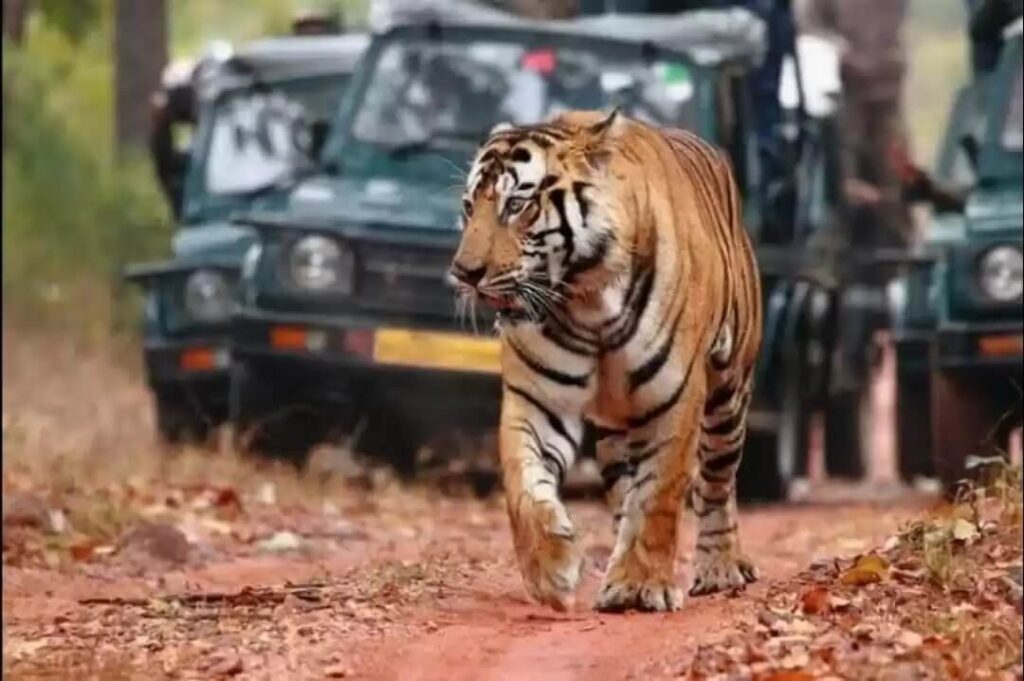
Sathyamangalam is one of Tamil Nadu’s most important large forest landscapes.
It lies between the Western and Eastern Ghats and provides an important wildlife corridor.
Elephants, tigers, leopards, gaur, deer and many smaller species inhabit the region.
Because of its strategic position, Sathyamangalam helps connect wildlife populations across neighbouring forest systems.
For conservation, this connectivity is extremely important.
Travellers should check the latest permitted tourism zones and activities before visiting because protected-area access can change.
Best for: Forest landscapes, elephants and big-cat habitat
Region: Erode district
7. Kalakad-Mundanthurai Tiger Reserve
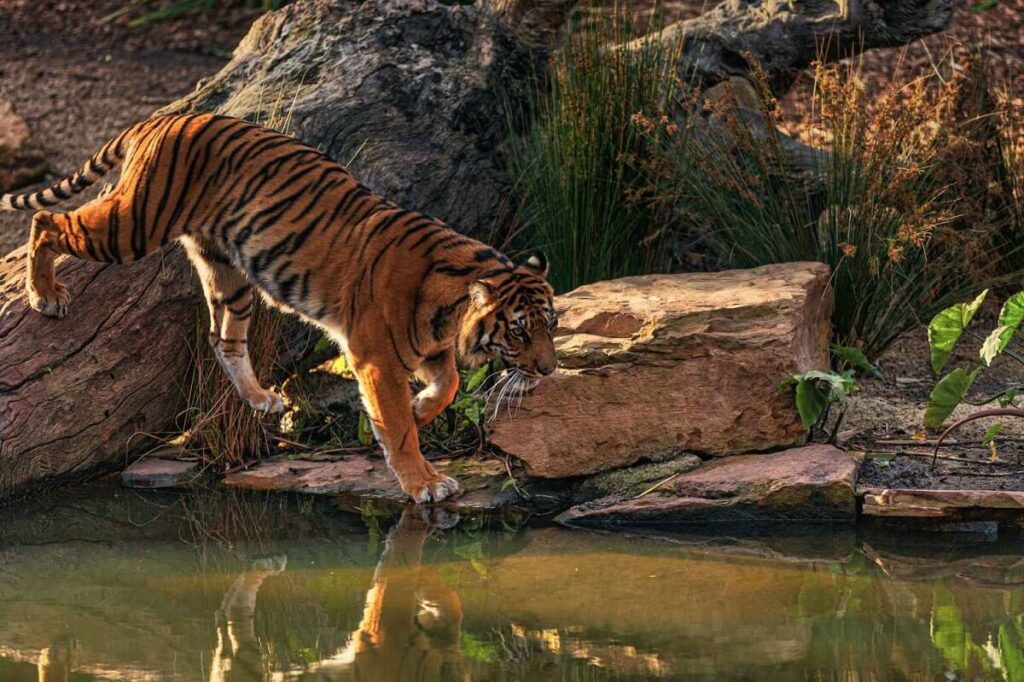
Kalakad-Mundanthurai is one of the major protected landscapes of southern Tamil Nadu.
Its forests form part of the Western Ghats and include moist evergreen habitats, rivers and mountain ecosystems.
Tigers, leopards, elephants, gaur, deer and numerous endemic species occur across the larger landscape.
However, the region is equally valuable for plants, birds, amphibians and freshwater ecosystems.
Therefore, visitors interested in biodiversity rather than only headline wildlife may find this part of Tamil Nadu especially rewarding.
Best for: Western Ghats biodiversity, forests and nature
Region: Tirunelveli and Tenkasi areas
8. Point Calimere Wildlife Sanctuary
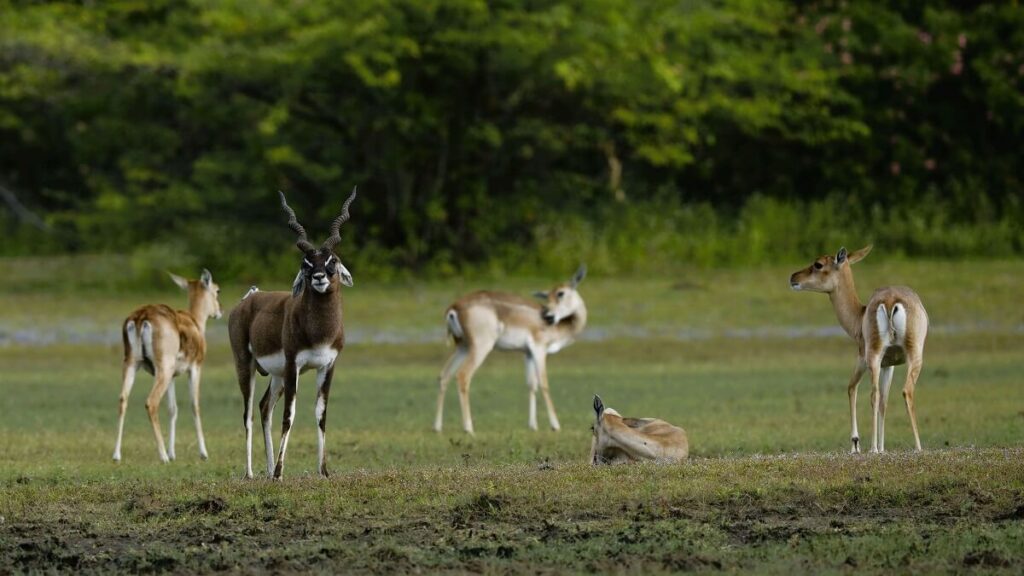
Point Calimere, also known as Kodikkarai, protects a distinctive coastal landscape.
Blackbuck are among its best-known mammals.
Meanwhile, wetlands, mudflats, salt marshes and coastal habitats attract significant birdlife.
During migration periods, flamingos, pelicans, herons and other waterbirds may be seen in the wider region.
Consequently, Point Calimere is better suited to birdwatching and coastal ecology than visitors expecting a forest safari.
Best for: Blackbuck, migratory birds and coastal wetlands
Region: Nagapattinam
9. Kanyakumari Wildlife Sanctuary
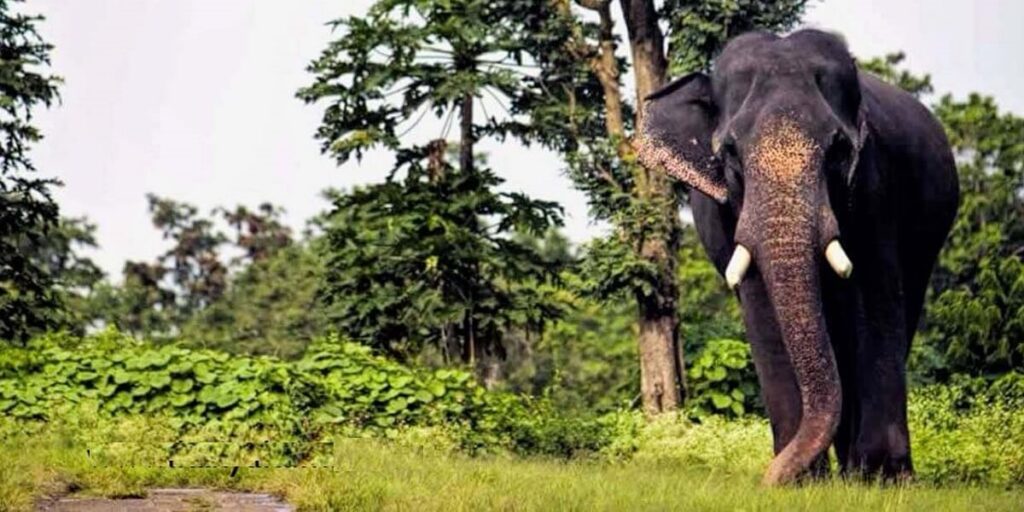
Kanyakumari Wildlife Sanctuary protects forests in India’s southernmost district.
The sanctuary forms part of the biologically rich Western Ghats landscape and supports elephants, gaur, deer, leopards and a wide variety of birds.
Its location also allows travellers to combine nature with some of Tamil Nadu’s most famous cultural and coastal attractions.
For example, you can explore forested areas before continuing towards Kanyakumari town and the southern tip of the Indian mainland.
Best for: Forest landscapes, birdlife and South Tamil Nadu journeys
Region: Kanyakumari district
10. Kodaikanal Wildlife Sanctuary
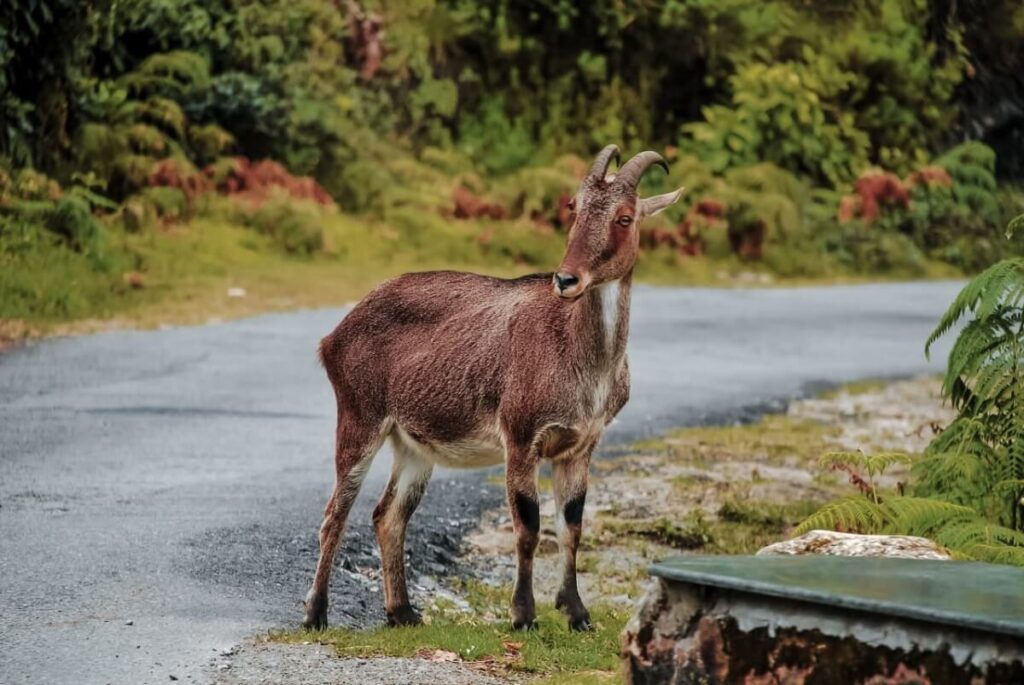
Kodaikanal is usually associated with its lake, viewpoints and hill-station atmosphere.
However, the surrounding Palani Hills also contain important forests and wildlife habitats.
The sanctuary includes shola forests, grasslands and mountain ecosystems.
Gaur, wild boar, deer, smaller mammals and numerous bird species inhabit the wider region.
Furthermore, the forests around Kodaikanal are closely linked to the water systems and ecological health of the hills.
Travellers can combine nature experiences with Kodaikanal’s better-known attractions.
For a broader hill itinerary, see our 7-Day South India Hill Stations Tour, which combines Coorg, Ooty, Coonoor and Kodaikanal.
Best for: Hill scenery, forests and families
Region: Palani Hills
Flora and Fauna of Tamil Nadu
The flora and fauna of Tamil Nadu vary greatly because the state contains mountains, dry plains, wetlands, coastline and marine habitats.
This diversity explains why a tiger reserve in the Western Ghats can feel completely different from a bird sanctuary near the coast.
Flora of Tamil Nadu
Tamil Nadu’s vegetation includes:
- Tropical evergreen forests
- Moist deciduous forests
- Dry deciduous forests
- Thorn and scrub forests
- Shola forests
- Montane grasslands
- Mangroves
- Coastal vegetation
- Wetland plants
- Seagrass beds
The Western Ghats contain some of the state’s richest plant diversity.
Meanwhile, Nilgiri and Palani hill landscapes are known for their distinctive shola-grassland ecosystems.
Along the coast, mangroves and seagrass support fish, birds and marine mammals.
Therefore, Tamil Nadu’s flora is closely connected with the survival of its wildlife.
Fauna of Tamil Nadu
Tamil Nadu’s fauna includes large mammals, smaller forest animals, reptiles, birds and marine species.
The better-known animals include:
- Bengal tiger
- Asian elephant
- Leopard
- Gaur
- Nilgiri tahr
- Nilgiri langur
- Lion-tailed macaque
- Blackbuck
- Sambar
- Spotted deer
- Grizzled giant squirrel
- Slender loris
- Wild dog
- Sloth bear
- Dugong
The state is also extremely important for birds.
Its wetlands attract resident as well as migratory species, while the Western Ghats shelter several birds associated with forest and mountain habitats.
Top 10 Famous Animals of Tamil Nadu:
Search interest around the animals of Tamil Nadu is very high, and the state’s most famous wildlife reflects its variety of landscapes.
1. Asian Elephant
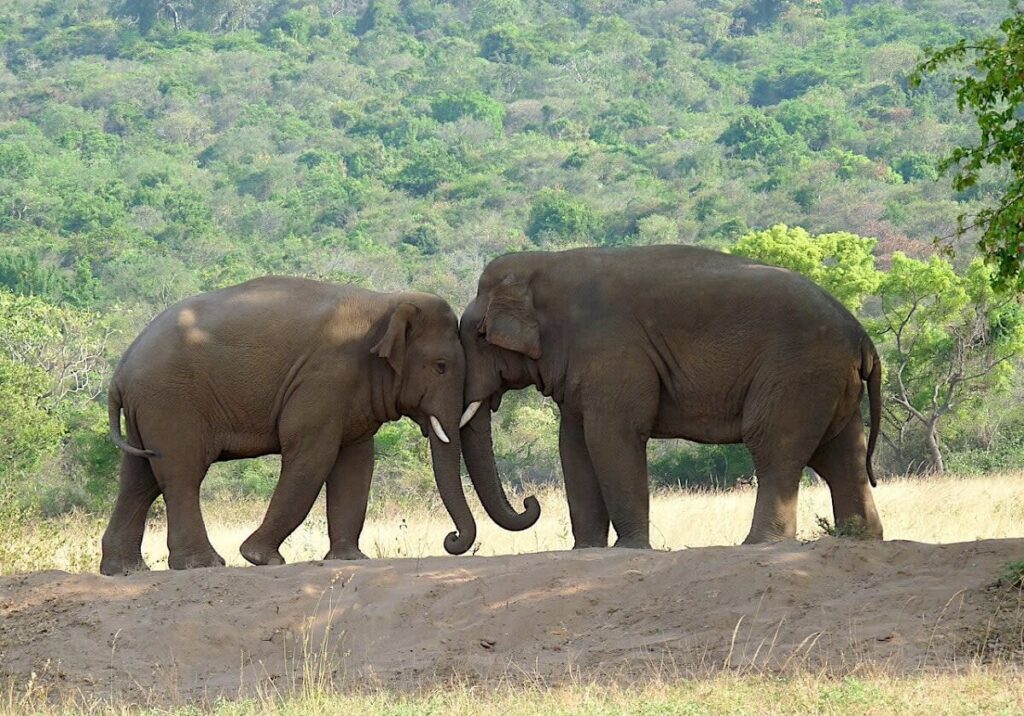
Elephants occur across several major Tamil Nadu forest landscapes, including Mudumalai, Anamalai and Sathyamangalam.
They need large connected habitats. Therefore, preserving forest corridors between protected areas is especially important.
2. Bengal Tiger

Tigers occur in protected landscapes including Mudumalai, Sathyamangalam, Anamalai and Kalakad-Mundanthurai.
However, tiger sightings should never be guaranteed to tourists.
Wildlife watching is most rewarding when visitors appreciate the entire forest ecosystem rather than focusing on a single animal.
3. Nilgiri Tahr
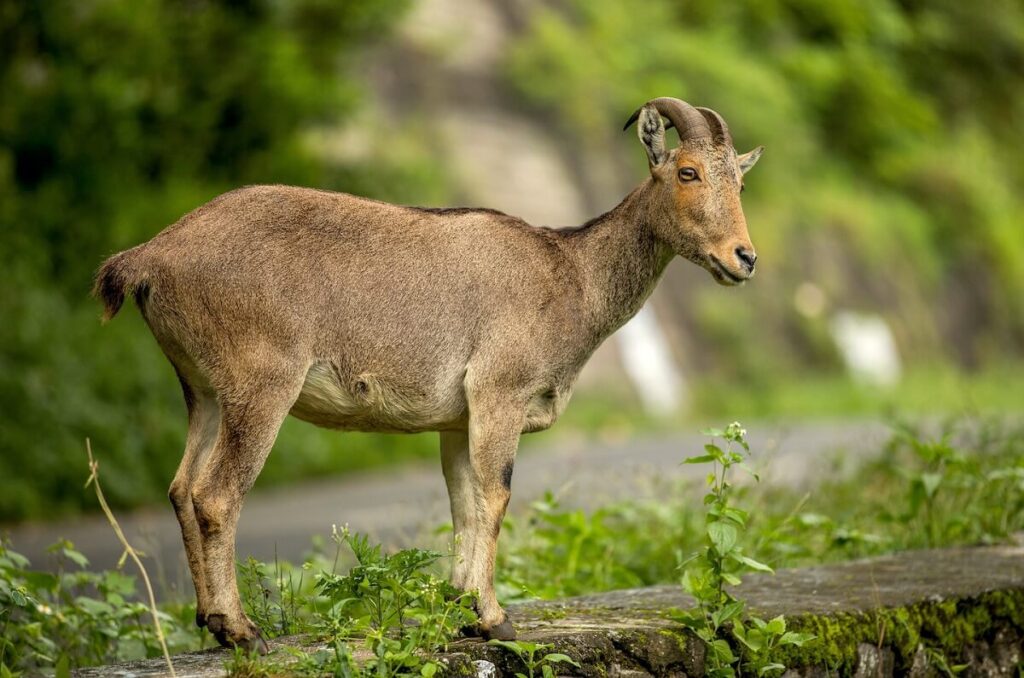
The Nilgiri tahr is one of the most distinctive animals associated with Tamil Nadu’s Western Ghats.
It is adapted to steep mountain grasslands and rocky slopes.
Mukurthi and other high-elevation Western Ghats habitats are important for the species.
4. Gaur
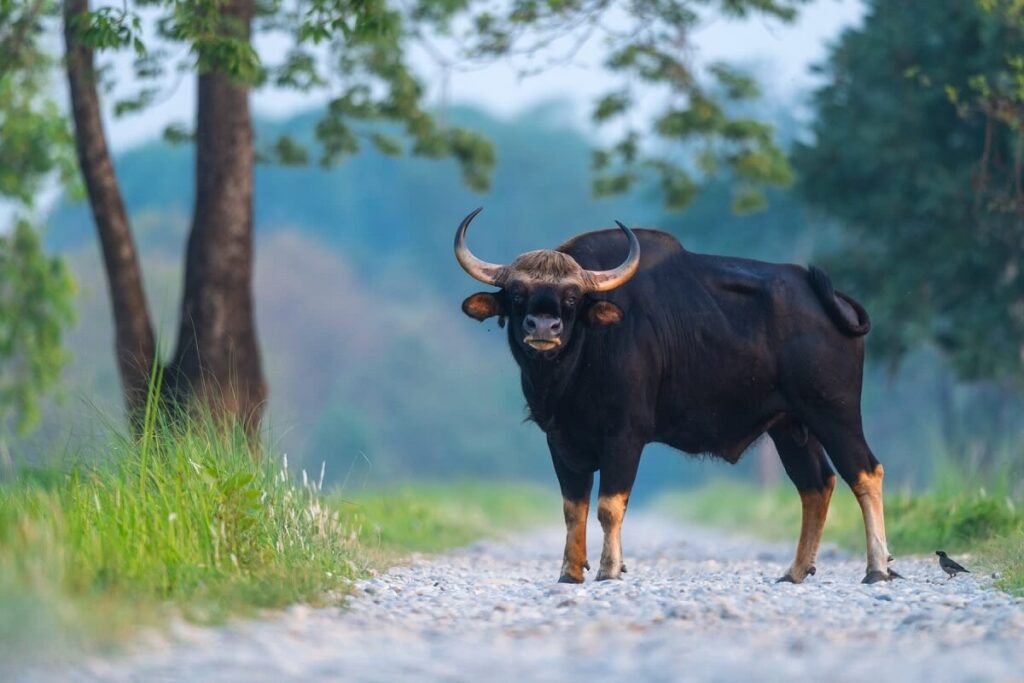
The gaur, sometimes casually called the Indian bison, is the world’s largest wild cattle species.
It occurs in several forest regions of Tamil Nadu, including the Nilgiris, Anamalai Hills and Kodaikanal region.
5. Leopard
Leopards are widely distributed across suitable forest and hill habitats.
However, they are naturally secretive.
Consequently, travellers should consider any sighting a bonus rather than an expectation.
6. Blackbuck
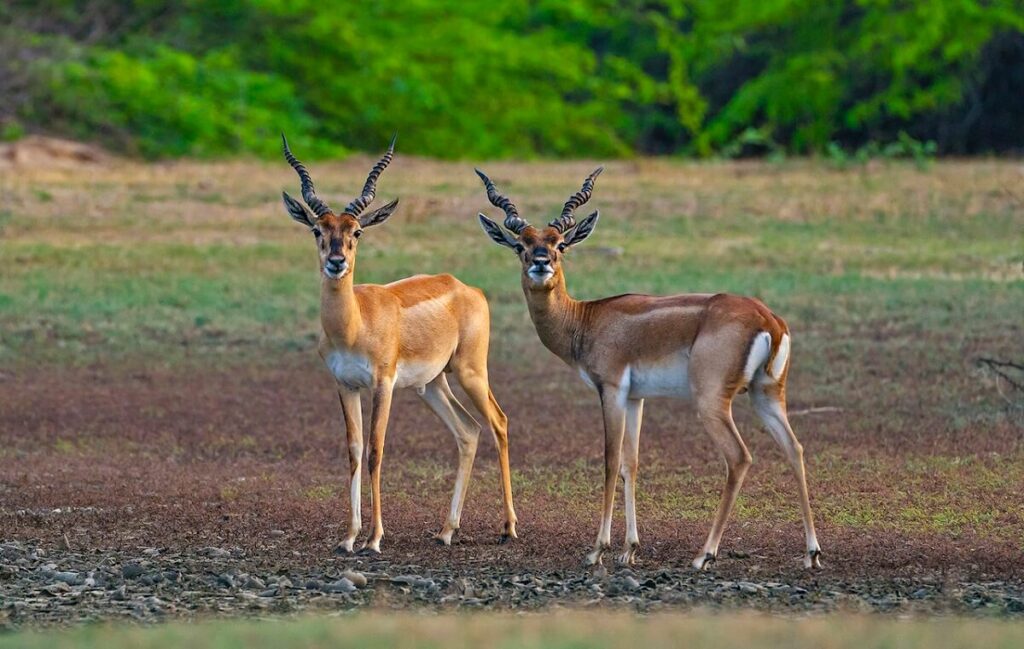
Blackbuck prefer more open landscapes than many forest mammals.
Point Calimere is particularly well known for its population.
Guindy National Park also protects blackbuck within Chennai’s urban environment.
7. Grizzled Giant Squirrel
The grizzled giant squirrel is one of Tamil Nadu’s distinctive arboreal mammals.
Srivilliputhur Grizzled Giant Squirrel Wildlife Sanctuary was established specifically to protect important habitat for the species.
8. Slender Loris
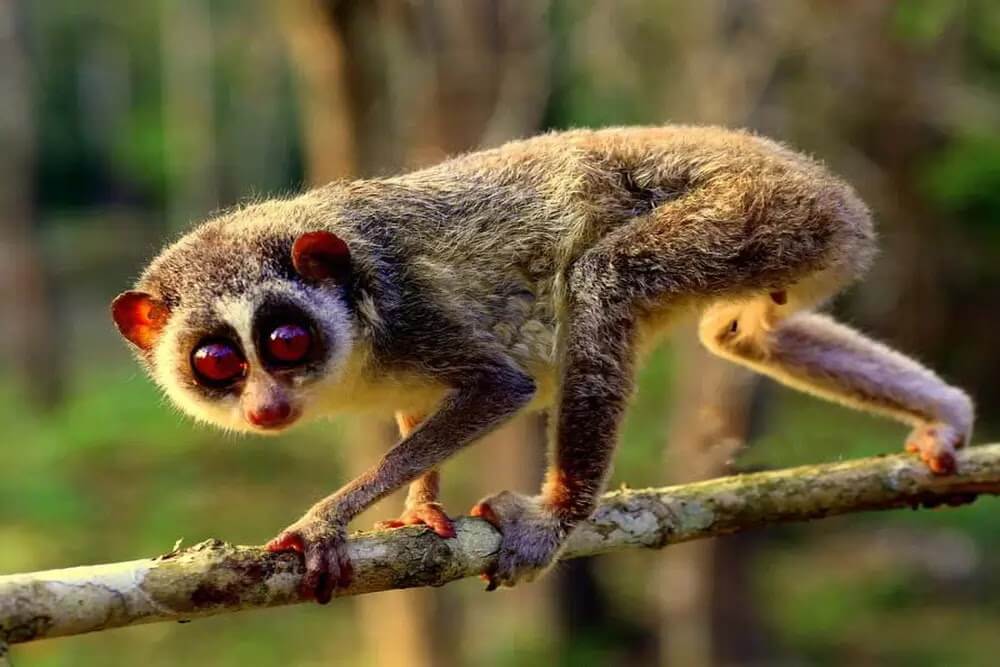
The slender loris is a small nocturnal primate.
Tamil Nadu created the Kadavur Slender Loris Sanctuary in 2022 to protect important habitat for this unusual species.
9. Nilgiri Langur
Nilgiri langurs are associated with forests of the Western Ghats.
Their dark coat and lighter head make them relatively distinctive among South Indian primates.
10. Dugong
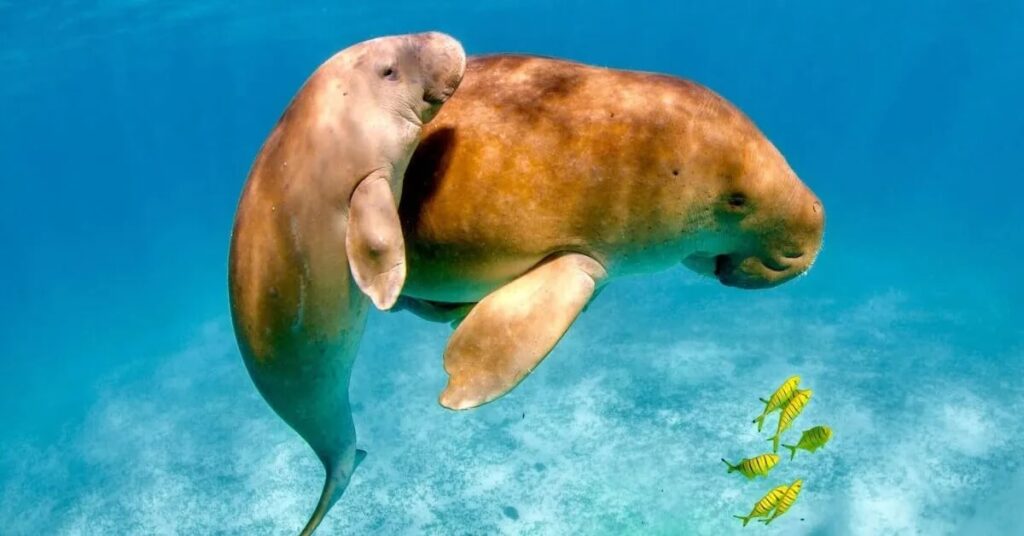
The dugong represents the marine side of Tamil Nadu’s wildlife.
These herbivorous marine mammals depend heavily on seagrass habitats.
Therefore, conservation of the Gulf of Mannar’s marine ecosystem is particularly important for their survival.
Famous Forests and Wildlife Regions in Tamil Nadu
Travellers frequently search for the top forests in Tamil Nadu.
However, many of the state’s major forests are best understood as wider landscapes rather than individual tourist attractions.
Some of the most important include:
Nilgiri forests: Mudumalai, Mukurthi and adjoining Western Ghats landscapes
Anamalai forests: Around Anamalai Tiger Reserve and Valparai
Sathyamangalam forests: Major elephant and tiger habitat connecting the Western and Eastern Ghats
Kalakad-Mundanthurai forests: Biodiversity-rich southern Western Ghats
Kodaikanal and Palani Hills forests: Shola and mountain habitats
Kanyakumari forests: Southern Western Ghats biodiversity
These forest regions support much of Tamil Nadu’s famous wildlife.
Furthermore, several are connected ecologically with forests in Kerala and Karnataka.
Best Bird Sanctuaries in Tamil Nadu:
Tamil Nadu is particularly important for birdwatching.
The state government currently recognises numerous bird sanctuaries that support resident and migratory species.
Vedanthangal Bird Sanctuary
Vedanthangal is one of Tamil Nadu’s best-known bird sanctuaries.
The wetland attracts nesting and migratory waterbirds, especially during the cooler season.
Painted storks, herons, egrets, cormorants and other waterbirds may be observed according to seasonal conditions.
Moreover, it is relatively accessible from Chennai.
Therefore, Vedanthangal works well for travellers who want a birdwatching excursion without planning a full wildlife safari.
Point Calimere
Point Calimere is also excellent for birdlife because its mudflats, wetlands and coastal habitats attract migratory species.
Blackbuck add another wildlife dimension.
Karaivetti Bird Sanctuary
Karaivetti is another important wetland habitat.
Birdwatchers may encounter waterbirds and seasonal migrants depending on rainfall and water levels.
Koonthankulam Bird Sanctuary
Koonthankulam in southern Tamil Nadu is especially known for waterbirds.
The sanctuary can fit naturally into a longer journey through southern Tamil Nadu.
Which Tamil Nadu Wildlife Destination Should You Choose?
Best for a first wildlife trip: Mudumalai
Ideal for elephants: Mudumalai, Anamalai and Sathyamangalam
Best for mountain wildlife: Mukurthi
Great for marine life: Gulf of Mannar
Recommended for birds: Vedanthangal and Point Calimere
Best for blackbuck: Point Calimere
Ideal for families near Chennai: Guindy National Park
Best for Western Ghats biodiversity: Kalakad-Mundanthurai and Anamalai
Great for combining wildlife with Ooty: Mudumalai
Better for hill scenery and nature: Kodaikanal Wildlife Sanctuary
Best Time to Explore Wildlife in Tamil Nadu
There is no single best month for every protected area.
Tamil Nadu covers mountains, forests, wetlands and coastline, so conditions vary considerably.
In general, the cooler months are comfortable for wildlife travel and birdwatching.
However, October to December also coincides with the northeast monsoon in parts of Tamil Nadu, particularly along the eastern side of the state.
Therefore, coastal and wetland conditions can differ from those in the Nilgiris and Western Ghats.
Winter is particularly important for migratory bird sanctuaries.
Meanwhile, wildlife viewing in forest reserves depends on local access, weather, water availability and Forest Department regulations.
If you are travelling during late autumn, our guide to the best places to visit in Tamil Nadu in November provides additional seasonal advice.
You can also compare nearby states and nature destinations in our guide to the best places in South India in November.
Can You Take a Wildlife Safari in Tamil Nadu?
Some Tamil Nadu forest regions offer regulated tourism experiences, while others have much more limited access.
Therefore, travellers should not assume that every wildlife sanctuary provides jeep safaris.
Mudumalai is one of the better-known options for wildlife tourism.
In other regions, activities may focus more on guided nature experiences, viewpoints, birdwatching or designated eco-tourism areas.
Rules can also change according to weather, fire risk, animal movement or conservation requirements.
Consequently, always confirm the latest Forest Department arrangements before planning a trip around a particular activity.
Travellers who want wildlife to be the main focus of a longer India journey can also browse our India wildlife safari tours, which include protected areas across several states.
Suggested Tamil Nadu Wildlife Itineraries:
4-Day Nilgiri Wildlife Trip
Coimbatore → Ooty → Mudumalai → Coonoor
This is one of the easiest ways to combine wildlife with a classic Tamil Nadu hill station.
5-Day Anamalai and Valparai Nature Trip
Coimbatore → Pollachi → Anamalai → Valparai
Choose this route for forests, mountain scenery and Western Ghats biodiversity.
7-Day Tamil Nadu Nature and Hills Trip
Coimbatore → Mudumalai → Ooty → Coonoor → Kodaikanal → Madurai
This itinerary combines wildlife, hill stations and culture.
10-Day Tamil Nadu Journey
Chennai → Mahabalipuram → Pondicherry → Thanjavur → Madurai → Kodaikanal
A longer cultural journey can include wildlife or nature extensions depending on your interests.
You can compare routes in our Tamil Nadu tour packages, which currently include heritage, nature and hill-station itineraries.
Wildlife Travel Tips for Tamil Nadu:
What to Wear and Carry
Wear neutral-coloured clothing when entering forest areas because bright colours can be distracting in natural surroundings.
Comfortable walking shoes are also important, especially if your visit includes forest trails, viewpoints or birdwatching areas.
Carry binoculars whenever possible. Many of the most rewarding sightings, particularly birds and animals in tree canopies, may occur at a distance.
A telephoto lens is useful for wildlife photography. However, avoid using flash around animals because it can disturb them.
During warmer months, also carry drinking water, sun protection and insect repellent. Meanwhile, early-morning safaris in hill regions can feel cool, so a light jacket may be useful.
How to Observe Wildlife Responsibly
Wildlife watching is most rewarding when animals can behave naturally. Therefore, always keep a safe distance and avoid making loud noises.
Do not ask guides or drivers to chase animals for photographs. Instead, stay patient and allow wildlife to move freely through its habitat.
Also, never feed wild animals. Feeding can change their behaviour and may create problems for both animals and visitors.
Follow Local Forest Rules
Always follow the instructions of Forest Department staff and authorised guides. Rules may differ from one sanctuary or national park to another.
For example, some forest routes may close because of heavy rain, fire risk or animal movement. Therefore, check the latest access conditions before your visit.
Stay on approved trails and roads. In addition, carry all waste back with you and avoid leaving plastic or food inside protected areas.
Finally, remember that wildlife sightings are never guaranteed. Even without seeing a tiger or leopard, you may still encounter elephants, deer, birds, reptiles and beautiful forest landscapes.
Frequently Asked Questions About Tamil Nadu Wildlife
How many national parks are there in Tamil Nadu?
Tamil Nadu has five national parks: Guindy, Gulf of Mannar Marine, Indira Gandhi or Anamalai, Mudumalai and Mukurthi.
Which is the most famous national park in Tamil Nadu?
Mudumalai is probably the best-known among wildlife travellers because of its elephants, tiger habitat and location within the Nilgiri landscape.
What are the famous animals of Tamil Nadu?
Famous animals include Asian elephants, Bengal tigers, Nilgiri tahr, gaur, leopards, blackbuck, grizzled giant squirrels, slender lorises and Nilgiri langurs.
What is the state animal of Tamil Nadu?
The Nilgiri tahr is the state animal of Tamil Nadu.
Which are the best wildlife sanctuaries in Tamil Nadu?
Important protected areas include Mudumalai, Anamalai, Sathyamangalam, Kalakad-Mundanthurai, Kanyakumari, Point Calimere, Srivilliputhur and Kodaikanal.
Which is the best bird sanctuary in Tamil Nadu?
Vedanthangal is one of the best-known and most accessible bird sanctuaries. Point Calimere, Karaivetti and Koonthankulam are also important birdwatching destinations.
Where can I see elephants in Tamil Nadu?
Mudumalai, Anamalai and Sathyamangalam are among the important elephant landscapes. Nevertheless, sightings are never guaranteed.
Where can I see Nilgiri tahr in Tamil Nadu?
The Nilgiri tahr inhabits high-elevation Western Ghats landscapes. Mukurthi National Park is one of the important protected areas associated with the species.
Where can I see blackbuck in Tamil Nadu?
Point Calimere is particularly well known for blackbuck. Guindy National Park also protects a population within Chennai.
What is the best time for wildlife tourism in Tamil Nadu?
Generally, the cooler months are more comfortable. However, the ideal period varies between forests, wetlands and marine regions, so it is better to check conditions for the specific protected area.
Final Thoughts
Tamil Nadu’s wildlife is far more diverse than many travellers expect.
The Nilgiris shelter elephants, tigers and mountain species. Meanwhile, Anamalai and Sathyamangalam protect extensive Western Ghats forest landscapes.
Along the coast, Point Calimere supports blackbuck and migratory birds, while the Gulf of Mannar protects coral reefs, seagrass and marine wildlife.
In addition, smaller protected areas conserve highly specialised species such as the grizzled giant squirrel and slender loris.
Therefore, a wildlife journey through Tamil Nadu is not simply about seeing one famous animal.
It is about understanding how mountains, forests, wetlands, coastlines and marine habitats together create one of South India’s most varied natural environments.
If you want to combine these wildlife regions with Ooty, Kodaikanal, Madurai, Chennai and Tamil Nadu’s temple towns, explore our private Tamil Nadu tour packages and build the nature experiences into a comfortable regional itinerary.
