

Varanasi is not a city most travellers visit simply to tick off monuments. Also known as Kashi and Banaras, it is one of India’s most important pilgrimage centres and one of the world’s oldest living cities. The River Ganga, Kashi Vishwanath Temple, daily rituals on the ghats, classical music, weaving traditions and nearby Sarnath give the city a character that is difficult to compare with anywhere else in India.
For Hindu pilgrims, Kashi has profound religious meaning and is closely associated with Lord Shiva, sacred bathing, ancestral rites and the belief in moksha, or liberation from the cycle of rebirth. For international travellers, Varanasi offers something broader: an intense look at faith, family traditions, life and death, food, music, crafts and daily life unfolding in public along the river.
If you are deciding whether Varanasi belongs in your India itinerary, this guide explains why people visit Kashi, what makes Varanasi special, the spiritual significance of Kashi Vishwanath Temple, how many days you need and how to experience the city respectfully.
Is Varanasi Worth Visiting?
Yes, especially if you are interested in spirituality, living culture, history and experiences that feel very different from conventional sightseeing.
Varanasi can also be intense. The old lanes are crowded, traffic is busy, religious ceremonies take place alongside everyday life, and the cremation ghats require sensitivity. Travellers who approach the city slowly and respectfully usually get much more from it than those trying to cover a long checklist in one day.
For a first visit, two nights are the minimum I would recommend. Three nights are better if you want to include Sarnath, a food or craft experience, and time to explore without rushing.
Why Do People Visit Kashi?
People visit Kashi for different reasons. Hindu pilgrims come for Kashi Vishwanath darshan, worship on the banks of the Ganga, ancestral rituals, sacred bathing and the spiritual importance of dying or being cremated in Kashi. According to Hindu belief, Varanasi is closely connected with Lord Shiva and liberation from the cycle of birth and rebirth.
Other visitors come for sunrise on the Ganga, the evening Ganga Aarti, Banarasi silk, classical music, street food, photography, architecture and Sarnath, where the Buddha gave his first sermon after enlightenment.
This mix of pilgrimage and everyday city life is the main reason Varanasi feels different from a heritage city where monuments are separated from normal life.
10 Reasons to Visit Varanasi (Kashi)
1. Kashi Vishwanath Temple and the Spiritual Meaning of Kashi
Kashi Vishwanath Temple is one of the twelve Jyotirlinga shrines dedicated to Lord Shiva and is the spiritual centre of Varanasi for millions of Hindu devotees.
The official Shri Kashi Vishwanath Temple Trust describes darshan of Vishweshwara Jyotirlinga as deeply significant within Hindu tradition and associates Kashi with spiritual peace, knowledge, devotion and liberation. These are matters of religious belief, so travellers should understand them in that context rather than as guaranteed outcomes of a visit.
For pilgrims, visiting Kashi Vishwanath is often the principal purpose of coming to Varanasi. For non-Hindu travellers, the surrounding old-city lanes and the movement of pilgrims toward the temple offer an important introduction to the living religious character of Kashi.
If temple darshan is important to you, use the Kashi Vishwanath Temple visitor guide for practical planning. Timings, special darshan arrangements and aarti bookings can change, so verify current information through the official temple portal before travel.
2. The Ghats Show Varanasi’s Daily Spiritual Life
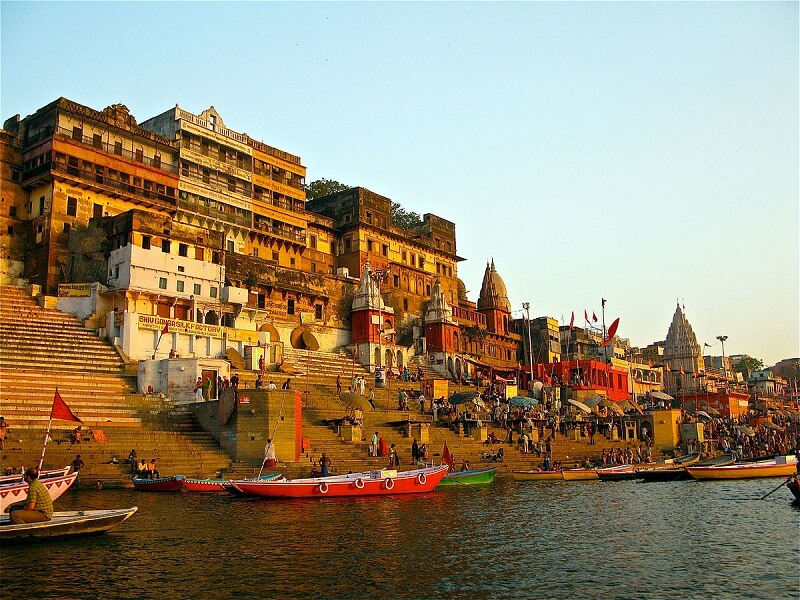
Varanasi has 88 riverfront ghats, according to the Varanasi district administration. Most are used for bathing, prayer and everyday rituals, while two are primarily associated with cremation.
The ghats are not one attraction but a long sequence of distinct riverfront spaces. Dashashwamedh Ghat is closely associated with the evening Ganga Aarti, Assi Ghat is known for its morning atmosphere, and Manikarnika is one of the city’s principal cremation ghats.
Walking the ghats gives you a view of Varanasi that a vehicle tour cannot provide. You see pilgrims praying, families performing rites, priests preparing ceremonies, boatmen working and residents simply going about their day.
At cremation ghats, maintain distance and dignity. Do not photograph grieving families or cremations. These are sacred working spaces, not performances for visitors.
3. A Sunrise Boat Ride Shows the City at Its Best
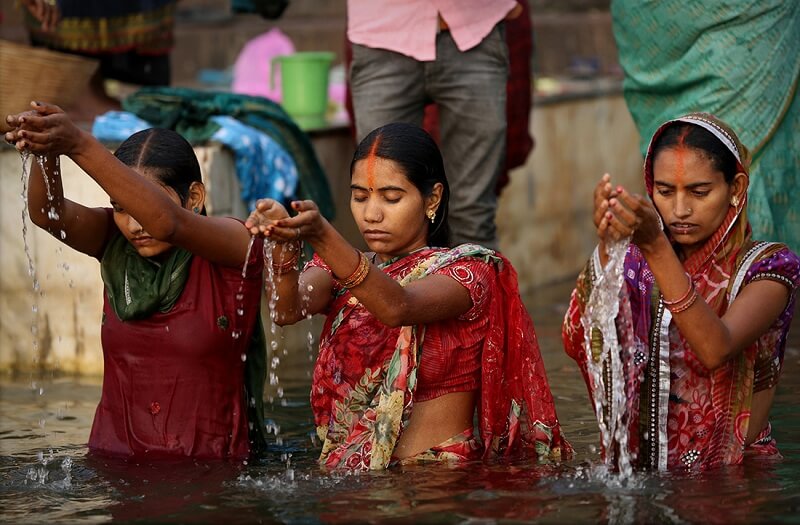
An early-morning boat ride on the Ganga is one of the best ways to understand the scale and rhythm of Varanasi.
From the river, the ghats form a continuous panorama of steps, temples, palaces and old buildings. Around sunrise, pilgrims begin their morning prayers and bathing rituals while the old city slowly becomes active behind the riverfront.
The Varanasi district tourism office specifically highlights a morning boat ride across the ghats as a major visitor experience.
River conditions can affect boat operations, especially during the monsoon. Use a licensed or reputable boat operator, follow local safety instructions and avoid planning an extremely tight schedule around a boat ride when water levels are uncertain.
For a fuller activity list, see our best things to do in Varanasi.
4. The Evening Ganga Aarti Is a Powerful Shared Ritual
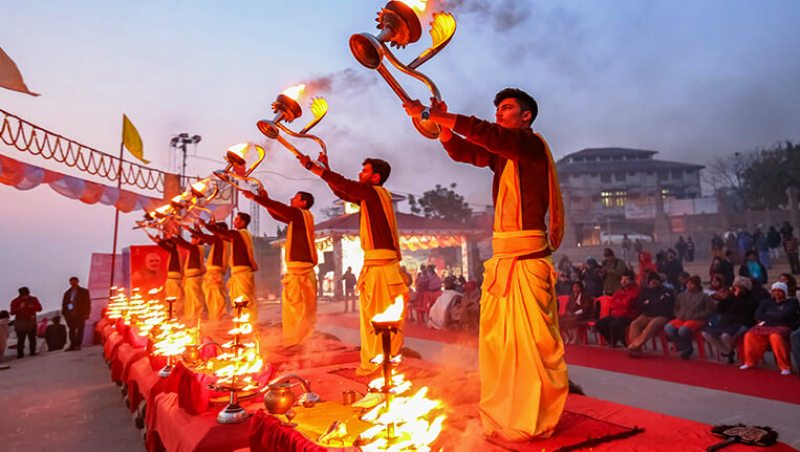
The evening Ganga Aarti is one of Varanasi’s best-known ceremonies. Priests perform the ritual with lamps, incense, bells and chants while devotees and visitors gather along the riverfront and in boats.
Dashashwamedh is the most famous place to attend, but aarti is also performed at other ghats. Assi Ghat has its own morning program that can include aarti, yoga and classical music.
Arrive early if you want a riverfront place, especially during weekends and festivals. A boat can give a wider view, while standing on the ghat makes it easier to experience the crowd, sound and ritual at close range.
Remember that the ceremony is first a religious act and only second a visitor experience. Keep pathways clear and avoid disrupting worship for photographs.
Read our Varanasi Ganga Aarti guide for more detailed planning.
5. Varanasi Brings Questions of Life and Death Into the Open
One reason Varanasi leaves such a strong impression is that subjects often kept private elsewhere are visible here as part of religious and family life.
Hindu tradition associates Kashi with moksha, and cremations take place daily at ghats such as Manikarnika and Harishchandra. Families also come to Varanasi for ancestral rites and other ceremonies connected with death, memory and liberation.
For visitors, this can be profound but also emotionally difficult. There is no need to watch a cremation simply because it appears on a sightseeing list.
If you choose to pass through Manikarnika, do so quietly, never photograph the deceased or grieving families, and be cautious of anyone who pressures you for money in exchange for access or explanations.
Our Manikarnika Ghat guide explains the cultural context and appropriate visitor etiquette in more detail.
6. Sarnath Adds an Important Buddhist Chapter
About 10 km northeast of Varanasi, Sarnath is where Gautama Buddha gave his first sermon after enlightenment and where the early Buddhist Sangha took shape.
The archaeological and religious landscape includes Dhamek Stupa, monastic ruins, temples and the Sarnath archaeological museum area. The site adds an important Buddhist dimension to a trip otherwise centred strongly on Hindu Kashi.
Allow at least half a day rather than squeezing Sarnath between a sunrise boat ride and an evening aarti.
If Buddhism, history or archaeology interests you, see our places to visit in Sarnath guide.
7. Varanasi Is a Living City of Music
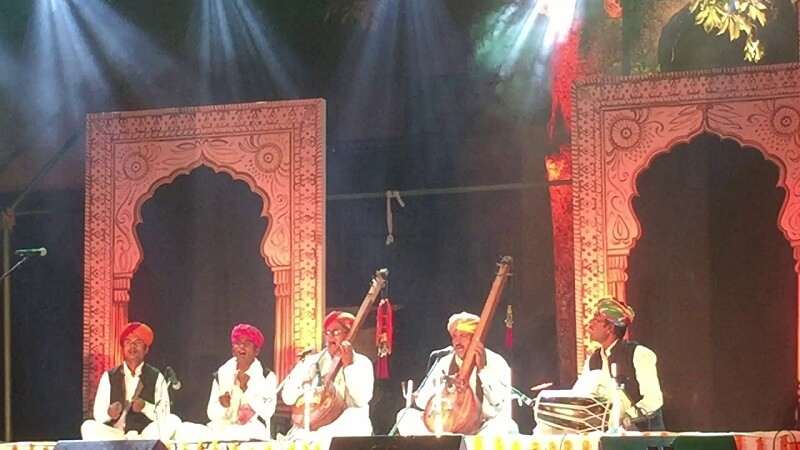
Varanasi’s identity is not limited to temples and pilgrimage. The city has a major classical-music heritage and has been a member of the UNESCO Creative Cities Network as a Creative City of Music since 2015.
Its musical traditions are associated with vocal music, tabla, sitar, shehnai and the long-standing guru-shishya teaching tradition. Musicians connected with Varanasi include Ustad Bismillah Khan and Girija Devi, while the city has also played an important role in the life of Pandit Ravi Shankar.
If your visit coincides with a reputable classical concert or festival, it can add a completely different dimension to the trip. Even without a formal performance, morning cultural programs around Assi Ghat may introduce visitors to local music traditions.
8. Banarasi Silk and Crafts Connect You With the City’s Working Traditions
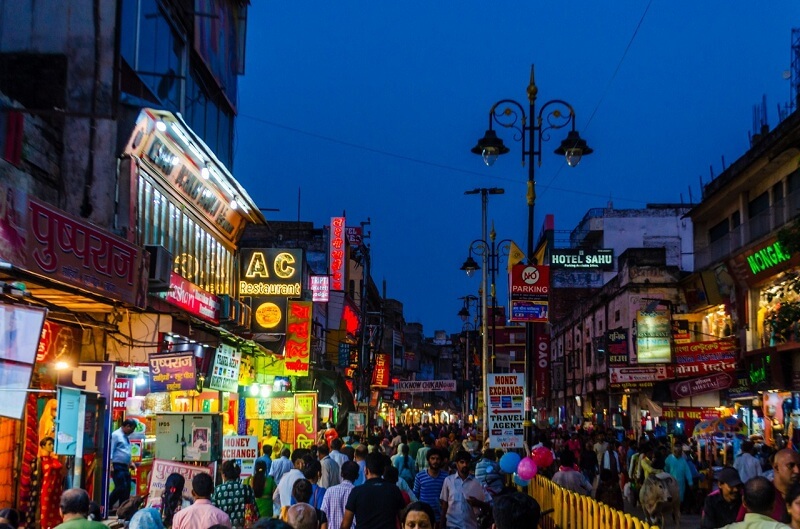
Varanasi has long been known for Banarasi silk and brocade weaving. Handwoven saris, textiles and fabrics remain among the city’s best-known craft traditions.
For travellers genuinely interested in textiles, visiting a weaving area or a trusted workshop is more meaningful than simply buying from the first souvenir store near the ghats.
You will also find brass and copper items, wooden toys, religious objects and other handicrafts in markets around the old city.
Quality and prices vary considerably. If you are purchasing an expensive silk sari or textile, ask about the material, weaving method and provenance instead of assuming every product labelled “Banarasi” is handwoven locally.
9. Banarasi Food Is Part of the Experience

Varanasi has a strong vegetarian food culture, particularly around the old city and pilgrimage areas.
Popular things to try include kachori-sabzi, chaat, tamatar chaat, lassi, jalebi, rabri, malaiyyo in the cooler season and Banarasi paan. Some foods are seasonal, so what you find in December may be different from what is available in May.
Choose busy, well-kept stalls and drink bottled or properly filtered water. Travellers with sensitive stomachs should prioritize hygiene over trying every famous street-food recommendation in one evening.
A guided food walk can work well because the old city is confusing to navigate and many long-established shops are hidden in narrow lanes.
10. Festivals Transform the Ghats and Old City
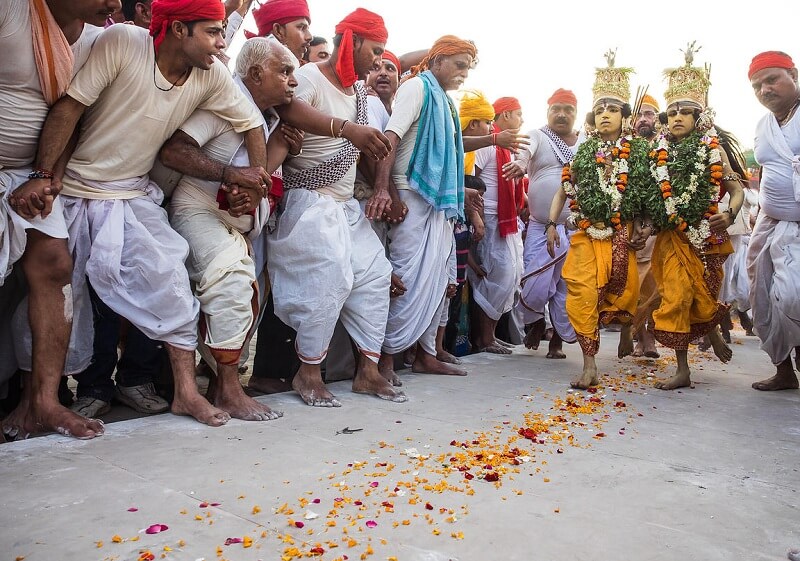
Varanasi’s festival calendar is one of the strongest reasons to return to the city more than once.
Mahashivratri has particular importance in the city of Shiva, while Dev Deepawali transforms the ghats with lamps and large crowds. Holi, Ganga Dussehra, Nag Nathaiya, Bharat Milap and other local religious events also change the normal rhythm of the city.
A festival visit can be extraordinary, but it requires more planning. Hotels sell out, vehicle access may be restricted and the ghats can become extremely crowded.
If Dev Deepawali is the purpose of your trip, read our Dev Deepawali in Varanasi guide and book accommodation well in advance.
What Are the Spiritual Benefits of Visiting Kashi Vishwanath?
This was one of the most common questions travellers historically found this article through, so it deserves a clear answer.
According to Hindu tradition, devotees visit Kashi Vishwanath to seek Lord Shiva’s blessings, spiritual peace, purification, knowledge, devotion and ultimately moksha. The official temple tradition gives the Vishweshwara Jyotirlinga a particularly important place among Shiva pilgrimage sites.
These should be understood as religious beliefs and spiritual meanings, not as outcomes that can be objectively guaranteed by a travel guide.
For many pilgrims, the journey also includes darshan at Kashi Vishwanath, worship or rituals along the Ganga, visits to other temples and sometimes ancestral ceremonies performed with a priest.
What Is Varanasi Famous For?
Varanasi is especially famous for:
- Kashi Vishwanath Temple and its importance in Hindu pilgrimage
- The River Ganga and its 88 ghats
- Evening Ganga Aarti
- Sunrise boat rides
- Manikarnika and other sacred ritual sites
- Sarnath and Buddhist history
- Banarasi silk and brocade
- Classical music traditions
- Banarasi food and paan
- Festivals including Mahashivratri and Dev Deepawali
That combination of religion, heritage and everyday life is why Varanasi is difficult to reduce to a conventional sightseeing list.
How Many Days Do You Need in Varanasi?
- 1 day: Sunrise or morning ghats, Kashi Vishwanath, old-city lanes and evening Ganga Aarti. Possible, but rushed.
- 2 nights / 3 days: Best starting point for most first-time visitors. Add Sarnath and slower exploration.
- 3 nights: Better for food, weaving, music, photography or travellers who do not want early mornings and late evenings packed together.
- Longer stays: Useful for pilgrimage, religious rituals, academic interests, photography or combining Varanasi with nearby sacred destinations.
For practical day-by-day planning, see our 1, 2 and 3-day Varanasi itinerary guide.
Best Time to Visit Varanasi
October to March is the most comfortable season for most international travellers because mornings and evenings are cooler than in the hot pre-monsoon months.
December and January can be cold and foggy, which may affect river views, flights and train schedules. April to June can become extremely hot, so sightseeing requires early starts and more rest during the afternoon.
The monsoon changes river conditions and boat operations. Always follow local restrictions when the Ganga is high.
Festival dates can be a more important planning factor than weather. If you are visiting specifically for Mahashivratri or Dev Deepawali, expect much heavier crowds and higher hotel demand.
Who Will Enjoy Varanasi Most?
Varanasi is particularly rewarding for:
- Travellers interested in Indian religion and philosophy
- Pilgrims visiting Kashi Vishwanath and the Ganga
- Photographers comfortable working respectfully in busy public spaces
- History and culture travellers
- People interested in music, textiles and traditional crafts
- Repeat visitors to India looking beyond conventional monument sightseeing
It may be harder for travellers who strongly dislike crowds, noise, narrow lanes or confronting funeral traditions. Choosing the right hotel and using an experienced local guide can make a significant difference.
Where Does Varanasi Fit Into an India Itinerary?
Varanasi combines particularly well with the Golden Triangle because it adds a spiritual and cultural experience after Delhi, Agra and Jaipur.
A strong first-time route is:
Delhi → Jaipur → Agra → Varanasi
Travellers with a stronger pilgrimage focus can instead combine:
Ayodhya → Prayagraj → Varanasi
or extend north toward:
Varanasi → Haridwar → Rishikesh
For international travellers, a private Varanasi itinerary is particularly useful because vehicle access is limited in parts of the old city and early-morning boat rides, temple visits and evening aarti require careful timing.
Varanasi Travel Tips for a First Visit
- Stay according to your priorities: a riverside hotel gives atmosphere but often requires walking through narrow lanes; a hotel near the Cantonment area is easier for vehicles.
- Use a knowledgeable local guide: Varanasi becomes much more meaningful when rituals and historic areas are explained accurately.
- Respect photography boundaries: never photograph cremations or grieving families.
- Do not ingest river water: sacred bathing is a matter of religious practice; travellers should make their own health decision and avoid swallowing untreated water.
- Keep boat plans flexible: river conditions can temporarily stop services.
- Verify temple arrangements: use official Kashi Vishwanath sources for current darshan, booking and access information.
- Expect walking: many old-city lanes cannot be reached directly by car.
Frequently Asked Questions About Visiting Varanasi
Why is Varanasi so famous?
Varanasi is famous for Kashi Vishwanath Temple, the River Ganga and its ghats, Ganga Aarti, Hindu pilgrimage traditions, cremation rituals, Sarnath, Banarasi silk, classical music and one of India’s most distinctive living old-city cultures.
Why do people go to Kashi?
Many Hindu pilgrims go to Kashi for Kashi Vishwanath darshan, worship on the Ganga, ancestral rituals and the city’s association with Lord Shiva and moksha. Other travellers visit for culture, history, music, food and the unique riverfront life of Varanasi.
What are the benefits of visiting Kashi Vishwanath Temple?
According to Hindu belief, devotees seek Lord Shiva’s blessings, spiritual peace, knowledge, devotion and liberation through darshan at Kashi Vishwanath. These are spiritual beliefs rather than outcomes that can be guaranteed.
Are Kashi, Banaras and Varanasi the same place?
Yes. Varanasi is commonly known as Kashi and Banaras (Benares). The names reflect different historical, cultural and religious traditions associated with the same city.
Is Varanasi worth visiting if I am not religious?
Yes. Non-religious visitors can still appreciate the ghats, sunrise boat rides, Sarnath, architecture, silk weaving, food, music and the extraordinary way everyday life unfolds along the Ganga.
How many days should I spend in Varanasi?
Two nights and three days work well for most first-time visitors. This gives enough time for sunrise on the river, Kashi Vishwanath, evening Ganga Aarti, Sarnath and some unstructured time in the old city.
What is the best time to visit Varanasi?
October to March is generally the most comfortable period. December and January may bring cold mornings and fog, while April to June can be very hot.
What should I not do at the ghats?
Do not photograph cremations or grieving families, block religious ceremonies, enter restricted areas or treat sacred rituals as staged entertainment. Ask permission before photographing individuals closely.
Is Sarnath part of a Varanasi trip?
Yes. Sarnath is about 10 km northeast of Varanasi and is one of the most important Buddhist pilgrimage sites because the Buddha gave his first sermon there after enlightenment.
Final Thoughts
The strongest reason to visit Varanasi is not any single temple, ghat or ceremony. It is the way religion, family life, music, food, craft, history and the River Ganga exist together in one living city.
Start early enough to see the ghats at sunrise, give Kashi Vishwanath the respect and time it deserves, experience the evening aarti, and leave space in your itinerary simply to walk through the old lanes and observe the city.
For travellers who want to understand more of India than its famous monuments, Varanasi can be one of the most memorable stops in the country. Explore our Varanasi tour packages if you want to build the city into a private North India itinerary at a comfortable pace.
