Tamil Nadu, the picturesque state in the southernmost part of the Indian subcontinent, is akin to a colorful tapestry, richly interwoven with history, culture, spirituality, and awe-inspiring natural splendor. While this place teems with stunning destinations all year round, a visit in August elevates the experience manifold. As the monsoon rain blankets the state, Tamil Nadu comes alive with verdant scenery, the soulful rhythm of pattering raindrops, and a cooling embrace that revitalizes the senses.
Now, let’s embark on a journey to discover the top 10 enchanting places in Tamil Nadu that will mesmerize you in August.
Weather in August: Tamil Nadu’s Monsoon Symphony
Tamil Nadu, India’s southern charm, experiences a rejuvenating transformation in August. The relentless summer heat gives way to the calming Southwest Monsoon, with the temperature oscillating between 25°C and 30°C. The gentle showers and overcast skies provide a refreshing relief from the preceding months’ sweltering heat.
Coastal regions like Chennai and Kanyakumari welcome the monsoon with a blend of balmy weather and frequent drizzles. The fierce waves of the Bay of Bengal, coupled with the rhythmic patter of raindrops, create an enthralling spectacle. Meanwhile, inland cities like Madurai and Thanjavur, renowned for their historical and cultural significance, relish the cooler monsoon climate, which amplifies the mystic beauty of their ancient temples and structures.
The hill stations such as Ooty and Kodaikanal transition into a misty paradise. August accentuates the region’s beauty as the rain breathes life into the green tea plantations and exotic flora, making Tamil Nadu’s weather in August a soulful medley of mild chill and serene showers, an ideal time for exploration and travel.
Top 20 Must-Visit Destinations in Tamil Nadu for an Enchanting August Getaway:
1. Kodaikanal
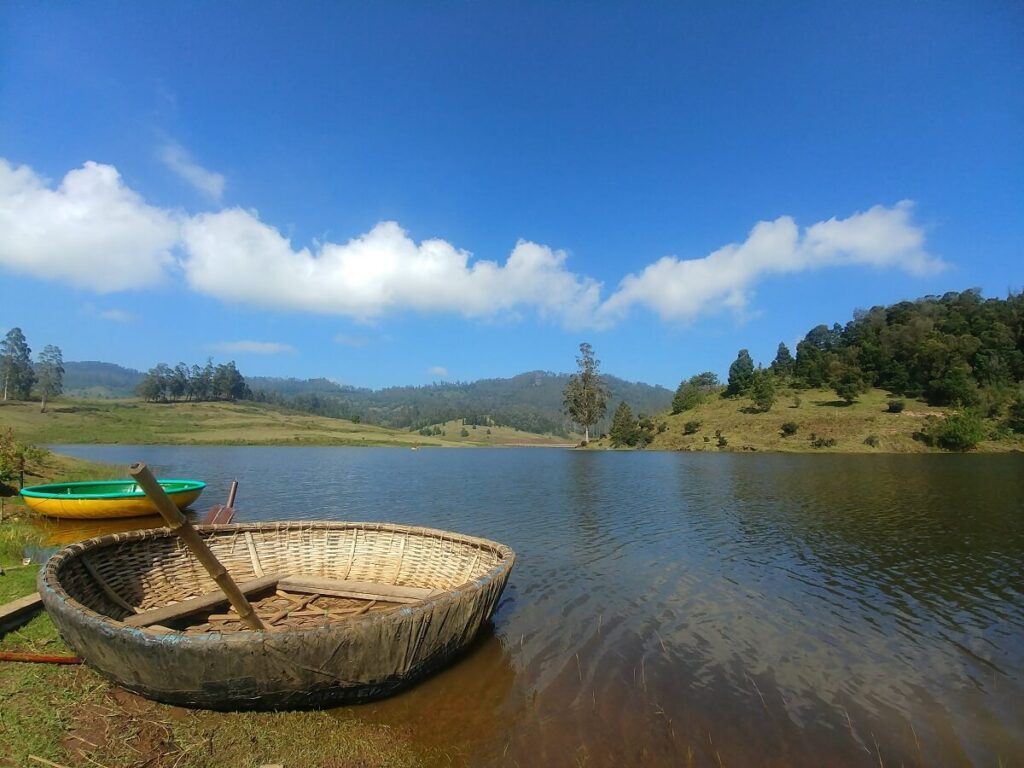
Our first stop is Kodaikanal, fondly known as the “Princess of Hill Stations”. Nestled in the verdant hills of the Dindigul district, Kodaikanal unfurls its monsoon magic with rolling mist, lush landscapes, and enchanting waterfalls. Enjoy a serene boat ride on the Kodaikanal Lake or amble around Coaker’s Walk for a panoramic view of the valleys and clouds playing hide and seek with the mountains.
Attractions: Kodaikanal is known for its cool, misty climate and scenic beauty, offering a trove of attractions like the Kodaikanal Lake, Coaker’s Walk, Bryant Park, Bear Shola Falls, and Pillar Rocks.
2. Ooty
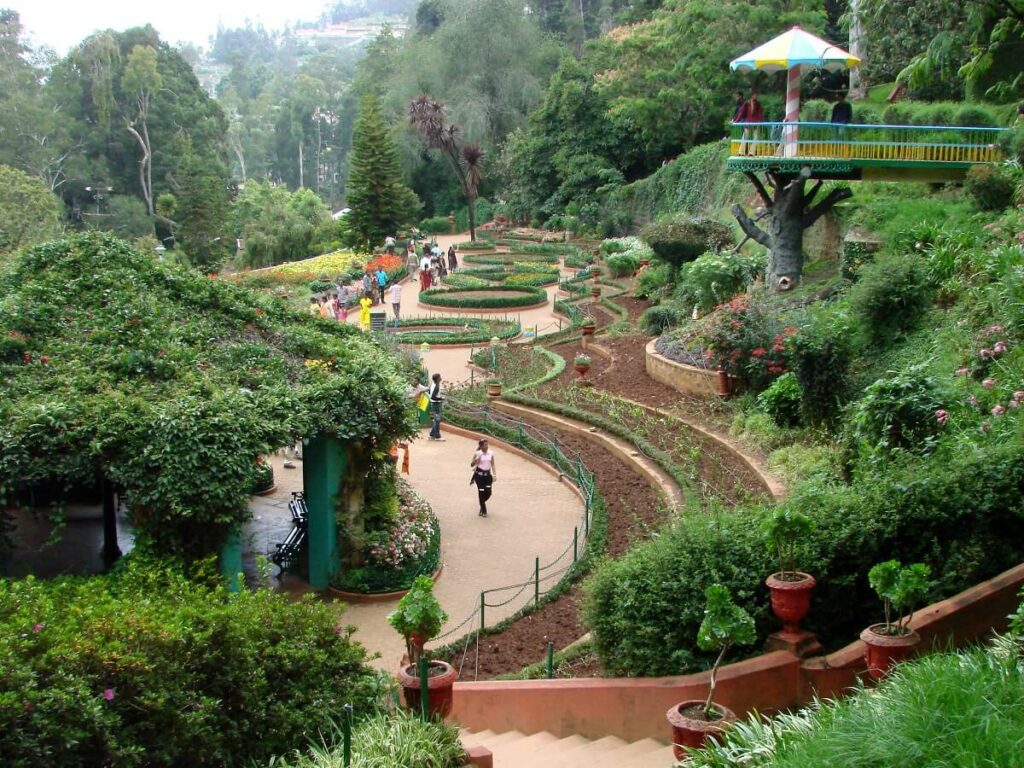
In contrast, Ooty, the “Queen of Hill Stations”, reigns supreme with its picturesque tea gardens, which don the emerald hue of monsoon in August. The joyride on the historic Nilgiri Mountain Railway, a UNESCO World Heritage Site, is a must-do. It takes you through tunnels, curves, and fearful slopes, offering breathtaking views of the hills drenched in the monsoon spray.
Attractions: Ooty, the ‘Queen of Hill Stations’, is renowned for its beautiful tea gardens, serene lakes, and historical sites. Key attractions include the Ooty Lake, Botanical Gardens, Rose Garden, Doddabetta Peak, and the historic Nilgiri Mountain Railway.
Read also:
- Planning a November Trip to Tamil Nadu? Here Are the Best Places to Visit
- Explore South India in October: Top Travel Destinations
- Explore Tamil Nadu: Best Places to Visit in October
3. Valparai
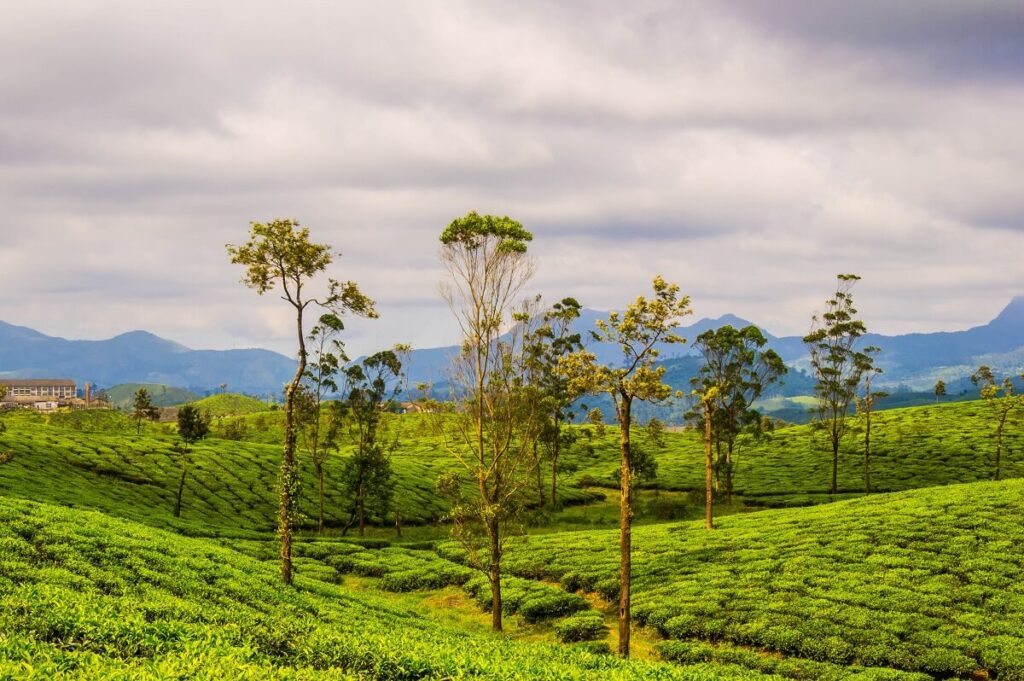
Valparai, a lesser-known but equally enchanting destination, is a slice of heaven for nature lovers and wildlife enthusiasts. Situated in the Coimbatore district, Valparai is home to vast expanses of tea and coffee plantations and a rich diversity of flora and fauna, making it a perfect monsoon getaway.
Attractions: Valparai is an undiscovered gem located in the Coimbatore district of Tamil Nadu. It is renowned for its sprawling tea and coffee plantations, dense forests, and rich biodiversity. Key attractions include the Solaiyar Dam, Nirar Dam, and Anamalai Tiger Reserve.
4. Rameswaram
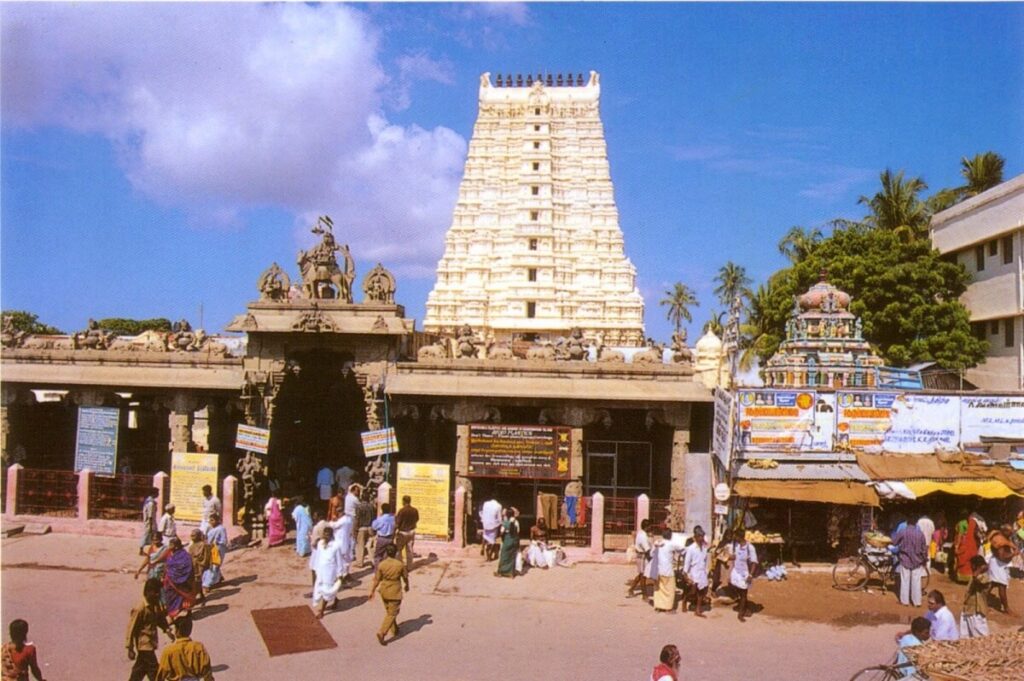
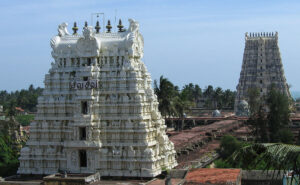
Next, we dive into spirituality at Rameswaram, one of the holy Char Dhams of India. Here, the merging of spirituality with natural beauty, especially during the monsoon, is a sight to behold. The ceaseless rain, the petrichor emanating from the sand, and the grandeur of the Ramanathaswamy Temple make Rameswaram a must-visit destination.
Attractions: One of the holy Char Dhams of India, Rameswaram is a significant pilgrimage site. The Ramanathaswamy Temple, with its ornate corridors and grandeur, is the prime attraction. Other interesting sites include Dhanushkodi and Pamban Bridge.
5. Kanyakumari
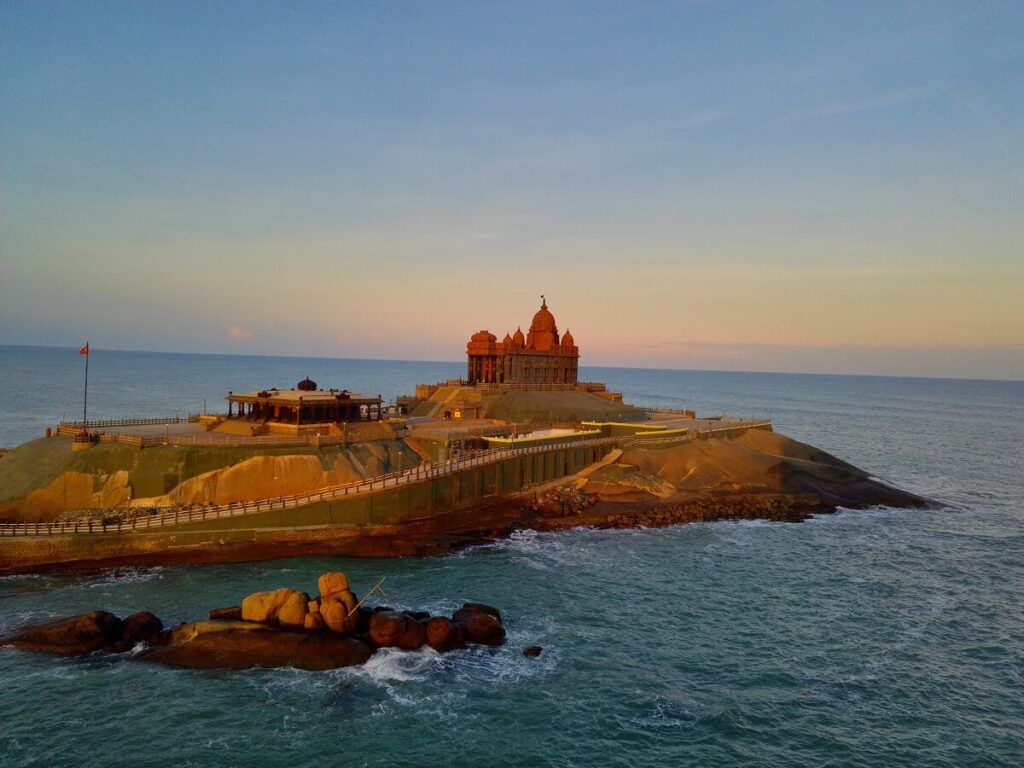
Kanyakumari, the land where three seas merge, is particularly beautiful in August. The convergence of the Arabian Sea, the Bay of Bengal, and the Indian Ocean under the monsoon skies creates a spectacle of nature that leaves visitors in awe. Don’t miss the sunrise and sunset, which are even more magical during this season.
Attractions: At the southernmost tip of India, Kanyakumari is where the Arabian Sea, the Bay of Bengal, and the Indian Ocean meet. Visitors can explore the Vivekananda Rock Memorial, and Thiruvalluvar Statue, and witness the magical sunrise and sunset.
6. Thanjavur
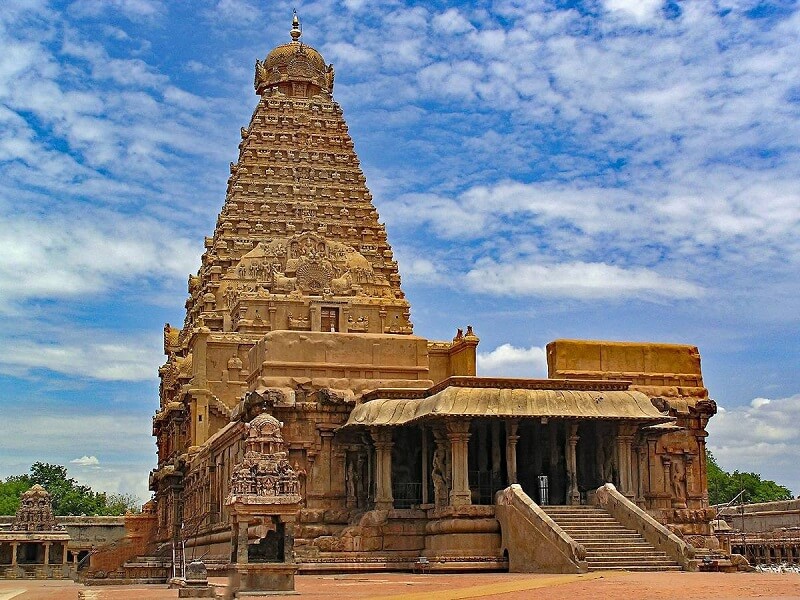
Steeped in culture and history, Thanjavur is a treasure trove for art and history enthusiasts. The Brihadeeswarar Temple, a UNESCO World Heritage Site, is a testament to the architectural grandeur of the Chola dynasty. A visit during the monsoon enhances the ambiance, giving the city an aura of tranquility and mysticism.
Attractions: Famous for its rich history, Thanjavur is home to the majestic Brihadeeswarar Temple, a UNESCO World Heritage Site. Other attractions include the Thanjavur Royal Palace and Art Gallery.
7. Coonoor
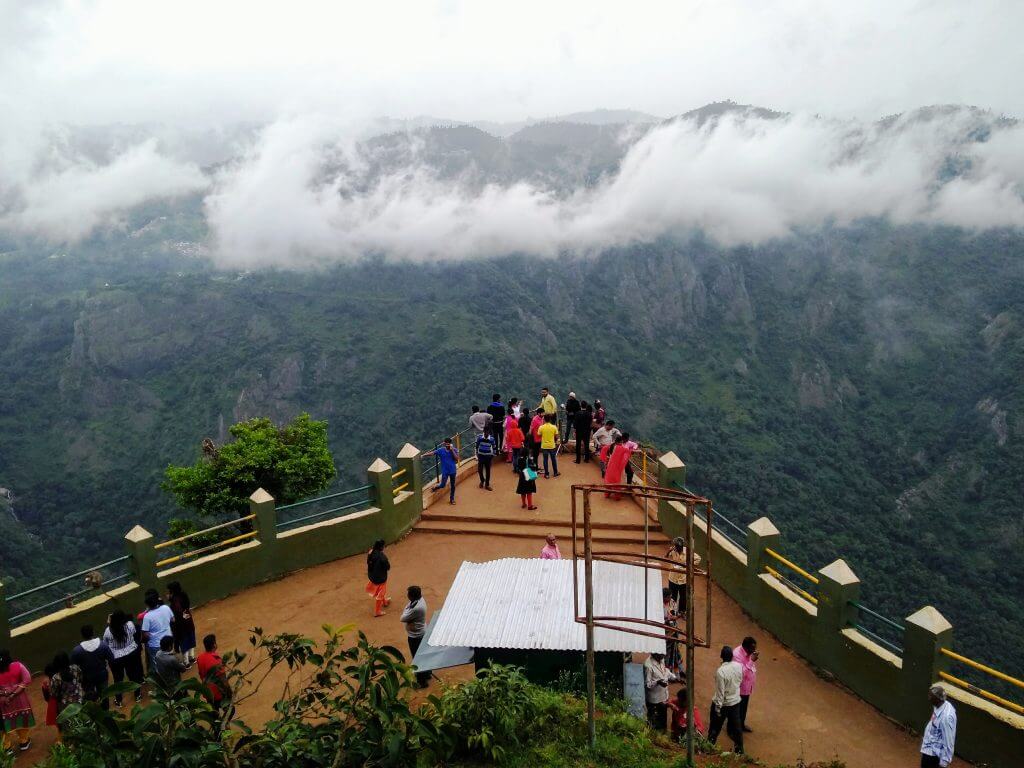
In the heart of the Nilgiris lies Coonoor, an idyllic and less crowded alternative to Ooty. Coonoor’s tranquility and the vibrancy of its monsoon-washed tea gardens and viewpoints like Dolphin’s Nose and Lamb’s Rock are an absolute delight for travelers seeking solace and rejuvenation.
Attractions: Coonoor, located in the Nilgiris district, is known for its lush green tea gardens, cascading waterfalls, and stunning viewpoints like Dolphin’s Nose and Lamb’s Rock. Sim’s Park and the Hidden Valley are other must-visit spots.
8. Courtallam
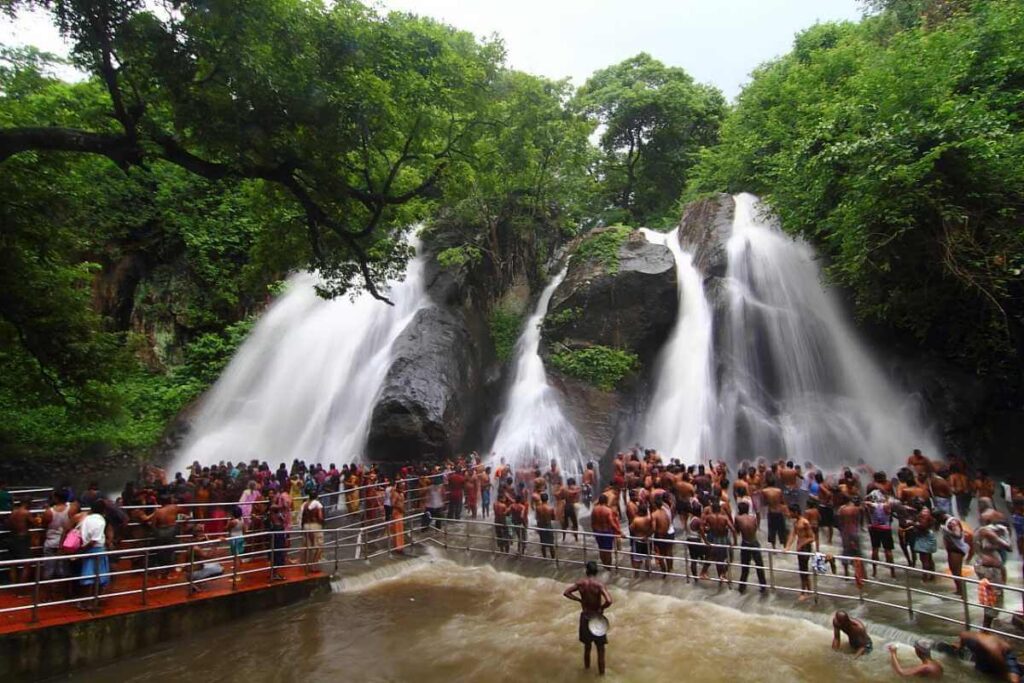
Courtallam, famously known as the ‘Spa of South India’, comes alive in the monsoon. The town is known for its cascading waterfalls that are believed to have medicinal properties. The experience of a natural massage under these falls with the rain as your backdrop is purely exhilarating.
Attractions: Courtallam, often called the ‘Spa of South India’, is famous for its numerous waterfalls, including the Main Falls, Five Falls, and Old Courtallam Falls. The Chitra Sabhai Temple is another key attraction here.
9. Madurai
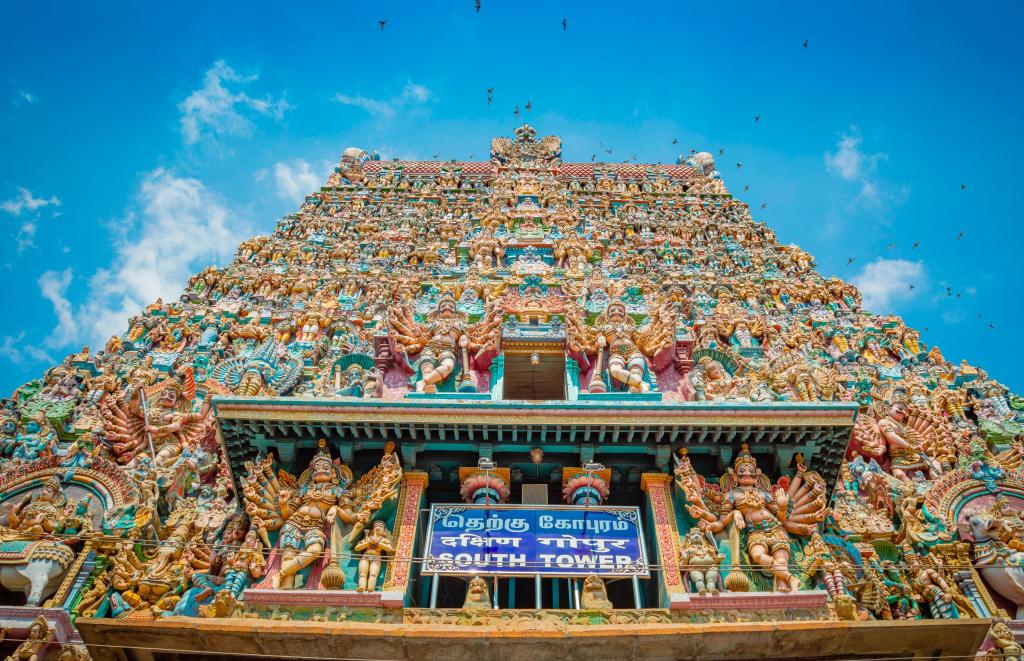
Home to the grand Meenakshi Amman Temple, Madurai is a fusion of heritage and spirituality. The temple’s complex, brimming with vibrant life and ancient wisdom, is even more captivating during the monsoon when the rain washes over its intricately carved towers, adding an ethereal beauty to the city.
Attractions: Known as the cultural capital of Tamil Nadu, Madurai’s prime attraction is the grand Meenakshi Amman Temple. Other significant sites include Thirumalai Nayakar Palace and Gandhi Memorial Museum.
10. Yercaud
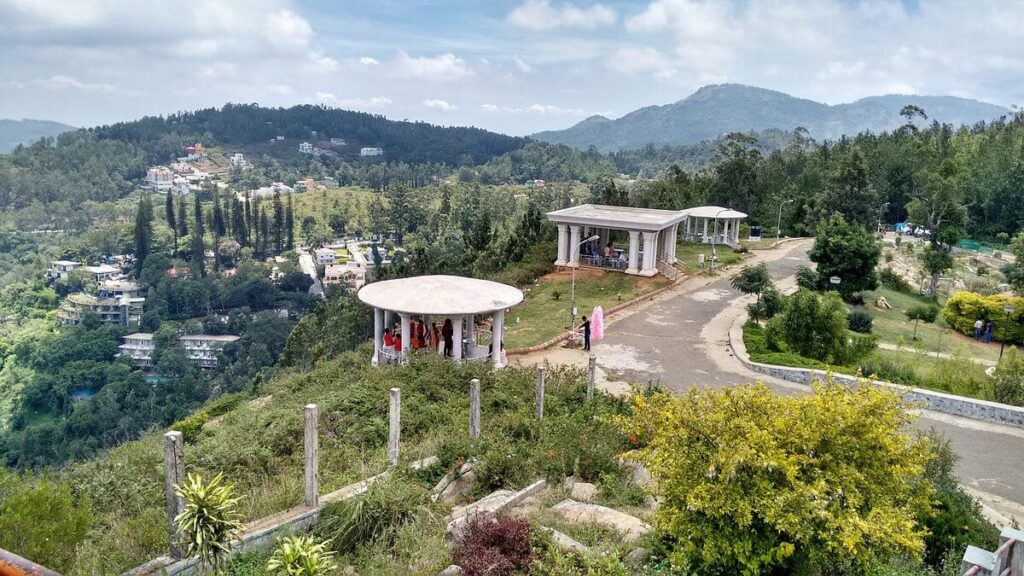
Last but not least, Yercaud, nestled in the Shevaroy Hills of the Eastern Ghats, enchants visitors with its lush coffee plantations and orange groves. The hill station, bathed in the monsoon rain, offers spectacular views from spots like Pagoda Point and Lady’s Seat.
Attractions: Yercaud, nestled in the Shevaroy Hills of the Eastern Ghats, is a serene hill station known for its coffee plantations, orange groves, and viewpoints like Pagoda Point and Lady’s Seat. The Yercaud Lake and the Botanical Garden are also must-visits.
11. Mahabalipuram
Mahabalipuram, also called Mamallapuram, is a historic coastal town known for its Pallava-era rock-cut monuments, stone sculptures and seafront temples. August can be warm and humid, but cloudy days and occasional showers make outdoor sightseeing more comfortable than during the hottest summer period.
Highlights:
- Shore Temple: An iconic stone temple complex overlooking the Bay of Bengal.
- Pancha Rathas: Five monolithic structures carved in different architectural forms.
- Arjuna’s Penance: A monumental open-air rock relief depicting figures from Hindu mythology.
- Krishna’s Butter Ball: A massive naturally balanced granite boulder.
Best Time to Visit: August is suitable for heritage sightseeing, especially during the morning and late afternoon. Visitors should carry rain protection and avoid the exposed coastline during rough weather.
Activities: Monument tours, heritage walks, stone-carving workshops, coastal photography and local seafood experiences
How to Reach: Chennai International Airport is the nearest airport. Mahabalipuram is approximately 55 to 60 km from Chennai and is easily reached by taxi or bus along the East Coast Road. Mahabalipuram is one of Tamil Nadu’s major heritage destinations promoted on India’s official tourism portal.
12. Kanchipuram
Kanchipuram is one of Tamil Nadu’s most important temple and textile centres. Known for monumental Dravidian temples and handwoven silk sarees, the city offers a rewarding cultural excursion from Chennai. August rain may reduce the heat, although humidity remains high.
Highlights:
- Kailasanathar Temple: One of the city’s oldest surviving temples, celebrated for its Pallava architecture.
- Ekambareswarar Temple: A large Shiva temple complex with an imposing gateway tower.
- Varadharaja Perumal Temple: An important Vaishnavite pilgrimage site.
- Silk-Weaving Workshops: Discover how traditional Kanchipuram silk sarees are produced.
Best Time to Visit: August is suitable for temple visits and textile shopping. Plan outdoor sightseeing early in the day and keep footwear that is easy to remove at temples.
Activities: Temple tours, silk shopping, architecture photography, cultural walks and local food tasting
How to Reach: Chennai International Airport is the nearest major airport. Kanchipuram has a railway station and regular road connections with Chennai, Mahabalipuram and Vellore. Official tourism itineraries feature Kanchipuram as an important cultural destination in Tamil Nadu.
13. Chennai
Chennai combines historic temples, colonial buildings, museums, urban beaches, traditional performing arts and contemporary city life. August is generally warm and humid, but the city offers enough indoor and outdoor attractions to manage sightseeing around short rain spells.
Highlights:
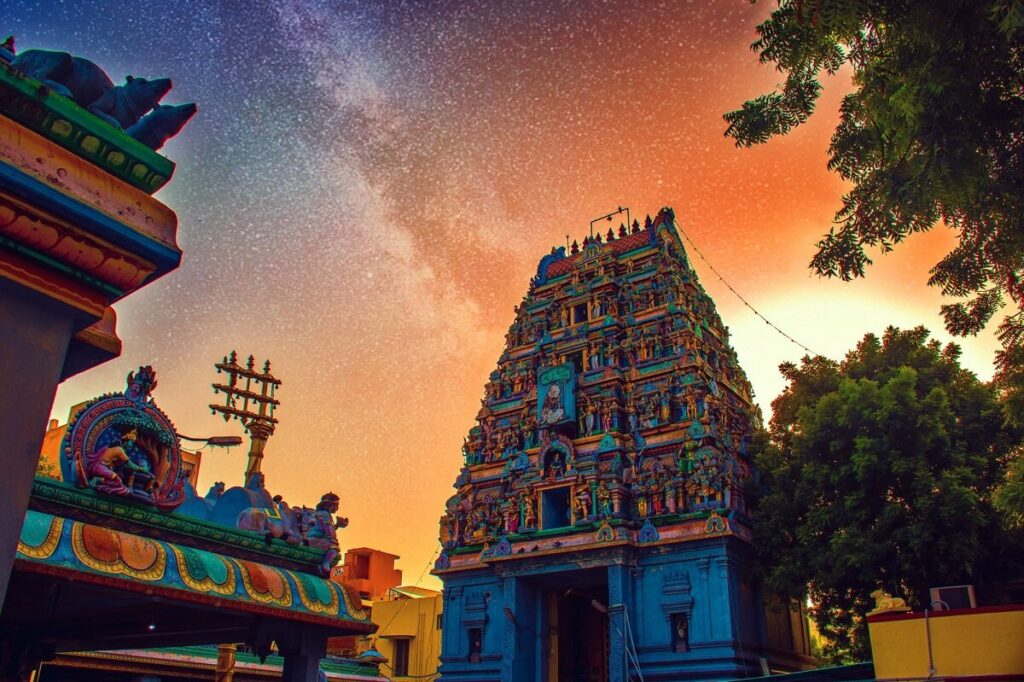
- Kapaleeshwarar Temple: A colourful Dravidian temple in the historic Mylapore neighbourhood.
- Fort St. George: A major colonial landmark connected with Chennai’s early modern history.
- Government Museum: A significant collection of archaeology, art and South Indian bronzes.
- Marina Beach: A long urban waterfront best visited during the cooler morning or evening hours.
Best Time to Visit: August works well for museums, temples, cultural venues and food tours. Beach visits should be planned according to sea and weather conditions.
Activities: Heritage walks, museum visits, temple tours, food experiences, shopping and cultural performances
How to Reach: Chennai has an international airport, several major railway stations and extensive road connections across South India. Official tourism sources describe Chennai as a blend of ancient traditions, performing arts and modern urban culture.
14. Kumbakonam
Kumbakonam is a temple town in the fertile Cauvery delta, known for sacred tanks, historic shrines, traditional brassware and South Indian coffee. August brings intermittent rain and green agricultural scenery to the surrounding region.
Highlights:
- Adi Kumbeswarar Temple: One of the principal Shiva temples in the town.
- Sarangapani Temple: An important Vaishnavite temple distinguished by its tall gateway.
- Mahamaham Tank: A sacred water tank connected with a major religious festival.
- Navagraha Temple Circuit: Kumbakonam is a convenient base for visiting temples associated with the nine celestial deities.
Best Time to Visit: August is suitable for cultural and spiritual travel, though visitors should be prepared for humid weather and occasional showers.
Activities: Temple visits, heritage walks, brassware shopping, local coffee tasting and excursions through the Cauvery delta
How to Reach: Tiruchirappalli International Airport is the nearest major airport. Kumbakonam has its own railway station and is connected by road with Thanjavur, Chidambaram and Tiruchirappalli. Official tourism itineraries around Thanjavur also highlight the temple-rich Cauvery region.
15. Chettinad and Karaikudi
Chettinad is a culturally distinctive region famous for grand merchant mansions, patterned floor tiles, antique collections, temples and aromatic cuisine. Karaikudi is the most practical base for exploring the surrounding heritage villages.
Highlights:
- Chettinad Mansions: Explore large homes built with elaborate courtyards, carved doors and imported decorative materials.
- Athangudi Tiles: Visit workshops producing colourful handmade floor tiles.
- Kanadukathan: A heritage village containing some of the region’s most impressive residences.
- Chettinad Cuisine: Sample peppery curries, rice preparations and regional vegetarian and non-vegetarian dishes.
Best Time to Visit: August is manageable for mansion tours and culinary experiences. Rain may add humidity but can also make the countryside greener.
Activities: Heritage walks, mansion visits, culinary tours, antique shopping, tile-work demonstrations and photography
How to Reach: Tiruchirappalli and Madurai are the nearest major airports. Karaikudi has a railway station and road connections with Madurai, Thanjavur and Tiruchirappalli. Tamil Nadu’s official tourism overview recognises the state’s strong architectural, culinary and cultural heritage.
16. Kolli Hills
Kolli Hills is an Eastern Ghats destination in Namakkal district, known for forests, viewpoints, farms, waterfalls and a winding approach road. August brings green slopes and stronger waterfall flow, making it attractive for travellers who enjoy monsoon landscapes.
Highlights:
- Agaya Gangai Waterfalls: A powerful seasonal waterfall reached by a long flight of steps.
- Arapaleeswarar Temple: An old hill temple associated with local traditions.
- Hairpin-Bend Drive: The road to the plateau is known for numerous sharp curves.
- Viewpoints and Farms: The hills contain pepper, pineapple and other agricultural areas.
Best Time to Visit: August offers lush scenery, but fog and heavy rain may make the approach road difficult. Waterfall paths can be slippery and physically demanding.
Activities: Waterfall visits, scenic drives, temple tours, village exploration, photography and short nature walks
How to Reach: Salem is the nearest major railway and transport hub. Kolli Hills can be reached by road through Namakkal or Rasipuram. The region lies in Namakkal district and rises roughly 1,000 to 1,300 metres above sea level.
17. Meghamalai
Meghamalai, sometimes called the High Wavy Mountains, is a quiet Western Ghats destination known for tea estates, reservoirs, forest roads and mist-covered hills. August rainfall gives the plantations an intensely green appearance.
Highlights:
- High Wavys Tea Estates: Scenic plantations spread across rolling mountain slopes.
- High Wavys Dam: A reservoir surrounded by forests and tea-growing landscapes.
- Manalar and Maharaja Mettu: Viewpoints offering broad valley and plantation scenery.
- Wildlife Landscape: Forests around Meghamalai form part of an ecologically important Western Ghats region.
Best Time to Visit: August is beautiful for mist and plantation scenery, but road access may be affected by rain, fog or forest restrictions.
Activities: Plantation drives, reservoir visits, birdwatching, landscape photography and guided nature experiences
How to Reach: Madurai is the nearest major airport and railway hub. Meghamalai is generally reached by road through Theni and Chinnamanur. The area is known for tea-covered hills, dams, waterfalls and forest scenery.
18. Mudumalai Tiger Reserve
Mudumalai is a major protected wildlife landscape in the Nilgiri region, located near the borders of Karnataka and Kerala. Its forests support elephants, gaur, deer, leopards, tigers and a rich variety of birds.
Highlights:
- Diverse Forest Habitats: The reserve contains moist deciduous, dry deciduous and thorn forest ecosystems.
- Elephant Country: Elephants are among the reserve’s most recognisable animals.
- Birdlife: More than 260 bird species have been recorded in the protected landscape.
- Nilgiri Biosphere Setting: Mudumalai forms part of a wider wildlife corridor connecting neighbouring protected areas.
Best Time to Visit: August offers green forest scenery, but safaris, roads and visitor zones may be restricted during heavy rain. Wildlife sightings are never guaranteed.
Activities: Authorised forest safaris, birdwatching, nature interpretation and wildlife photography
How to Reach: Mudumalai is approximately 68 km from Ooty, 90 km from Mysuru and 124 km from Kozhikode by the principal road routes. Visitors should book only authorised forest activities and confirm current operating conditions.
19. Pichavaram Mangrove Forest
Pichavaram is an extensive mangrove wetland near Chidambaram, where narrow waterways pass through dense vegetation before meeting the coastal environment. It offers one of Tamil Nadu’s most distinctive boating and nature experiences.
Highlights:
- Mangrove Channels: Travel through narrow waterways shaded by interlocking roots and branches.
- Wetland Birdlife: The wider ecosystem supports resident and seasonal birds.
- Boat Excursions: Government-authorised boats take visitors through selected channels.
- Coastal Ecosystem: The site demonstrates the ecological importance of mangrove forests.
Best Time to Visit: August can be attractive for greenery, but boating depends on rainfall, wind and local operating conditions. Trips may be suspended during unsafe weather.
Activities: Boating, birdwatching, nature photography and wetland interpretation
How to Reach: Chidambaram is the nearest railway station and major town. Pichavaram is approximately 15 km from Chidambaram and can be reached by taxi or local transport. India’s official tourism portal identifies Pichavaram as one of Tamil Nadu’s notable mangrove environments.
20. Pollachi and Anamalai
Pollachi is surrounded by coconut farms, agricultural countryside and the foothills of the Anamalai range. It serves as a practical base for scenic drives towards Aliyar, Topslip and forested areas near the Anamalai Tiger Reserve.
Highlights:
- Aliyar Dam: A reservoir backed by the Anamalai Hills.
- Topslip: A forest tourism zone offering authorised nature experiences when open.
- Coconut Plantations: The countryside around Pollachi is characterised by extensive palm-lined farmland.
- Monkey Falls: A seasonal roadside waterfall whose access depends on water flow and forest rules.
Best Time to Visit: August brings green countryside and cooler hill scenery. Forest entry, waterfall access and wildlife programmes may change according to rain and departmental restrictions.
Activities: Scenic drives, dam visits, plantation photography, authorised forest excursions and village experiences
How to Reach: Coimbatore International Airport and Coimbatore Junction are the nearest major transport hubs. Pollachi has its own railway station and is around 40 km from Coimbatore. The Anamalai landscape forms part of Tamil Nadu’s protected tiger-reserve and wildlife corridor network.
Conclusion
Tamil Nadu, in its monsoon attire, beckons you with open arms. From mist-laden mountains to monsoon-washed beaches, from ancient temples drenched in rain to tea gardens adorned with raindrops – the state transforms into a mesmerizing landscape that enthralls and rejuvenates. So why wait? Pack your bags and delve into the magic of Tamil Nadu this August!
Further Insights:
- 8 Tourist Places Tamil Nadu to Visit in October 2026
- Tamil Nadu Popular Destinations to Visit in July 2026
- Top 20 Tourist Destinations in Tamil Nadu to Visit
- Tamil Nadu Popular Places for Honeymoon
- In June 2027 Visit Tamil Nadu for Famous Places
- 7 Famous Offbeat Destinations of Tamil Nadu
- 16 Best Destinations to Visit in Tamil Nadu in May 2027
- Ekambaranathar Temple, Kanchipuram: What You Need to Know
- Tamil Nadu’s Most Famous Places to See in March 2027
- Top 8 Destinations to See in Tamil Nadu in February 2027
- 10 Most Popular Historical Sites in Tamil Nadu
- Tamil Nadu 10 National Parks and Wildlife Sanctuaries
FAQs about Visiting Tamil Nadu in August:
Q1: Is it safe to visit Tamil Nadu in August considering the monsoon season?
A: Yes, it is safe to visit Tamil Nadu in August. However, monsoons can sometimes cause heavy rainfall leading to occasional disruptions. It is advisable to stay updated with the weather forecast and plan your itinerary accordingly.
Q2: Are all tourist places in Tamil Nadu open in August?
A: Most of the tourist places in Tamil Nadu remain open in August. However, certain outdoor activities or attractions might be temporarily closed due to heavy rains. It is always best to check the status of the attractions before planning your visit.
Q3: What clothes should I pack for a Tamil Nadu trip in August?
A: Given the monsoon season, it is advisable to pack light, quick-drying clothes. Carry a sturdy umbrella or a raincoat, and waterproof bags for your electronics and important documents. If you’re visiting hill stations, it’s a good idea to pack some warm clothing as well.
Q4: Can I visit the beaches in Tamil Nadu in August?
A: Yes, you can visit the beaches, but swimming might not be advised due to rough sea conditions caused by the monsoon. Also, the beauty of the rain-drenched beaches can be quite enchanting.
Q5: Is it a good time to visit hill stations in Tamil Nadu like Ooty and Kodaikanal?
A: August is a great time to visit the hill stations in Tamil Nadu as the scenery turns especially lush and beautiful with the monsoon rains. However, there can be fog and mist, adding a magical charm to these places.
Q6: Is August a good time for wildlife spotting in Tamil Nadu?
A: August can be a good time for wildlife enthusiasts as the vegetation is dense, attracting a lot of wildlife. However, heavy rains might lead to the temporary closure of some wildlife parks and sanctuaries. So, it’s better to check in advance.
Q7: Is it a good time to explore the temples of Tamil Nadu in August?
A: Yes, exploring the temples of Tamil Nadu can be done in August. The architecture of these temples often looks more remarkable under the cloudy monsoon sky. However, ensure to carry appropriate rain gear to stay dry.