

Bandhavgarh is famous for its Bengal tigers, but there is more to this corner of Madhya Pradesh than a single wildlife sighting. Dense sal forests, open grasslands, ancient stone carvings and small villages give the region a character of its own.
Among the best things to do in Bandhavgarh are morning jeep safaris, birdwatching, wildlife photography and exploring the local culture around Tala Village. The national park also has remarkable historical landmarks, including Bandhavgarh Fort, Badi Gufa and Shesh Shaiya. However, access to these protected sites is restricted, so visitors should not assume they can enter them independently.
Most travellers spend two or three nights near the park. This allows time for several wildlife drives without rushing from one activity to another.
Whether you are planning your first tiger safari or returning with a camera, this guide covers the best Bandhavgarh attractions, practical safari information, nearby experiences and travel tips.
Best Things to Do in Bandhavgarh at a Glance
| Experience | Best for | Important information |
| Jeep safari | Wildlife enthusiasts | Advance permit required |
| Birdwatching | Nature lovers | Forest and permitted areas |
| Wildlife photography | Photographers | Follow safari regulations |
| Tala and Magadhi forests | First-time visitors | Access through allocated safari zones |
| Bandhavgarh Fort | History lovers | Access restricted; verify permission |
| Shesh Shaiya | Heritage enthusiasts | Entry subject to forest approval |
| Badi Gufa | Archaeology enthusiasts | Protected-area restrictions apply |
| Tala Village | Culture and local life | Accessible outside the park |
| Guided village experiences | Local traditions | Arrange with local hosts |
| Nature time at a forest lodge | Families and couples | Activities restricted to permitted areas |
1. Experience a Jeep Safari in Bandhavgarh National Park

A jeep safari is the main reason most travellers visit Bandhavgarh National Park. The reserve is one of India’s best-known tiger habitats, with a landscape that includes sal forests, bamboo, grasslands and rocky hills.
As your vehicle moves along the forest tracks, watch for deer, langurs, wild boar and birds. If you are fortunate, you may also encounter a Bengal tiger or leopard.
However, wildlife sightings are never guaranteed. Even a drive without a tiger can be memorable when your naturalist explains animal tracks, alarm calls and forest behaviour.
Morning or Afternoon Safari: Which Is Better?
Morning drives offer cooler temperatures and beautiful early light. Meanwhile, afternoon safaris can be enjoyable as the forest changes colour towards sunset.
Animal activity varies with the season, weather and location. Therefore, it is better to book multiple drives than rely on one particular time of day.
Recommended: Plan at least three or four safari drives during a three-night stay if wildlife is your main interest.
Important: Safari vehicles, guides and zone access must follow current forest department regulations.
2. Go Birdwatching in Bandhavgarh’s Forests

Bandhavgarh attracts attention for its tigers, yet birdwatching is another rewarding activity.
The reserve’s mix of woodland, open meadows and water sources supports a wide variety of resident and migratory birds.
During a safari, you may spot kingfishers, drongos, peafowl, woodpeckers, raptors and other forest birds.
In addition, the quieter moments between mammal sightings often provide excellent opportunities to observe bird behaviour.
Best Time for Birdwatching
Early morning is usually a good time to look for active birds, particularly during cooler months.
Bring binoculars and ask your guide to help identify calls and species. However, do not request unnecessary off-road driving or disturbance to nesting areas.
Birdwatching outside the reserve should take place only along public routes or in locations where access is permitted.
For travellers interested in wildlife beyond Bandhavgarh, explore our India wildlife tour packages.
3. Enjoy Wildlife and Nature Photography

Bandhavgarh offers excellent photographic subjects beyond its famous tigers.
Golden grasslands, forest roads, rocky hills and changing light create interesting landscapes. Meanwhile, deer, monkeys and birds often offer opportunities to capture natural behaviour.
Photography is particularly enjoyable during early morning and late afternoon safaris, when softer light adds depth to the forest scenery.
Practical Photography Tips
A telephoto lens is useful for photographing wildlife from the vehicle. However, a smaller camera or smartphone can still capture landscapes and the atmosphere of the forest.
Keep your camera ready, but avoid excessive movement or noise.
Never use flash photography near wild animals, and do not ask your driver to approach wildlife more closely than regulations allow.
Best for: Wildlife photographers, nature enthusiasts and travellers who enjoy documenting landscapes.
4. Explore the Tala, Magadhi and Khitauli Safari Zones
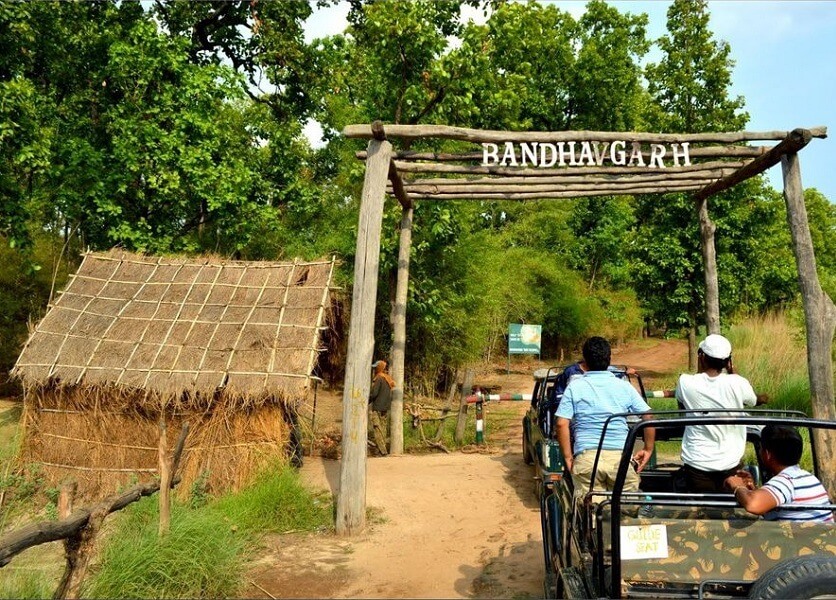
Bandhavgarh’s core tourism area is divided into three principal safari zones: Tala, Magadhi and Khitauli.
Each has its own mix of forest habitats, meadows and wildlife activity.
Rather than selecting a zone only because of recent tiger sightings, consider availability, your accommodation location and the number of safari drives you can arrange.
Tala Zone
Tala is well known for its beautiful forest scenery, open meadows and association with several historic landmarks.
It is a popular choice among first-time visitors, although availability can be limited during busy periods.
Magadhi Zone
Magadhi offers a mixture of woodland, grassland and water sources.
It is another established safari area where visitors may encounter tigers, deer and other wildlife.
Khitauli Zone
Khitauli provides a different forest experience, with opportunities to observe birds and mammals across its varied habitats.
In addition to these core zones, Bandhavgarh has buffer tourism zones such as Dhamokhar, Johila and Panpatha.
Safari tip: No particular zone guarantees a tiger sighting. Animal movements change naturally, and visitors must follow their allotted permit and route.
You can review the current zone information on the official Bandhavgarh Tiger Reserve website.
5. Learn About the Historic Bandhavgarh Fort

Bandhavgarh Fort stands on a prominent hill within the protected forest landscape.
The site is associated with ancient regional history, ruins, religious traditions and stories linking the fort to Lord Rama and Lakshmana.
Its elevated position is one of the reasons the landmark has become such a recognisable part of Bandhavgarh’s identity.
However, visitors need to understand an important distinction.
Can Tourists Visit Bandhavgarh Fort?
Access to Bandhavgarh Fort is restricted and can change according to conservation requirements and forest department permissions.
Therefore, the fort should not be presented as a guaranteed trekking excursion.
If you are interested in its history, ask your authorised safari operator or the forest department whether any approved access is available during your visit.
Even when entry is not permitted, your naturalist may be able to explain the fort’s history from authorised safari routes and viewpoints.
6. Discover Shesh Shaiya and Its Ancient Sculpture
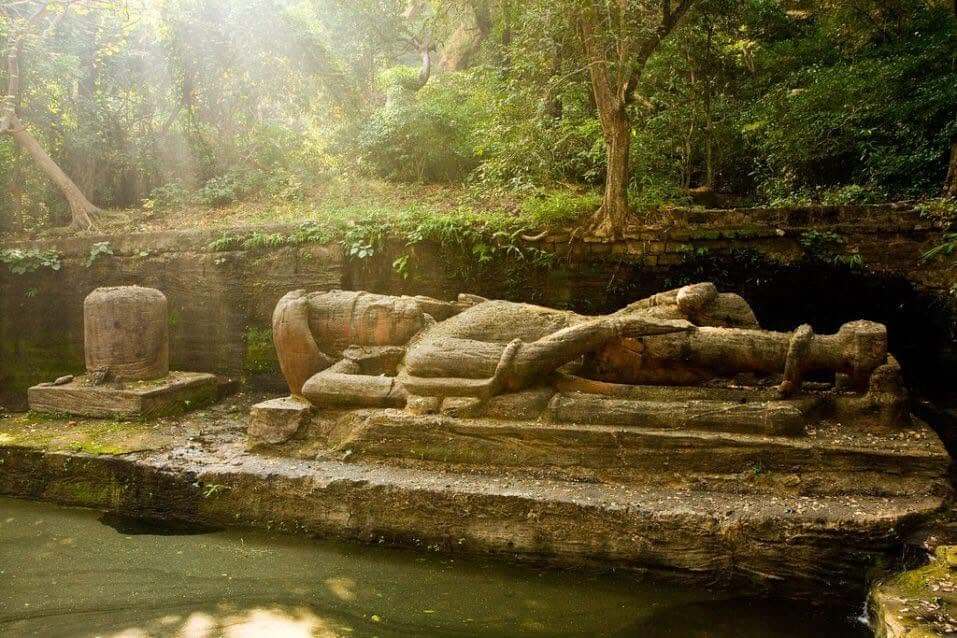
Shesh Shaiya is one of Bandhavgarh’s most interesting historical landmarks.
The site features a large stone sculpture of Lord Vishnu reclining on the serpent Sheshnag, surrounded by the forested landscape of the reserve.
It reflects the historical and religious significance of the region, beyond its modern reputation for wildlife tourism.
For travellers interested in archaeology and Indian religious heritage, the site adds another dimension to Bandhavgarh.
Important Visitor Information
Shesh Shaiya lies within the protected reserve, and access is subject to current forest regulations.
Do not plan an independent walk or assume a regular safari permit includes a visit.
Instead, confirm whether an authorised route or special permission is available.
Even if direct access is unavailable, the landmark remains an important part of Bandhavgarh’s history.
7. Learn About Badi Gufa and Bandhavgarh’s Ancient Caves

Badi Gufa, meaning Great Cave, is among the historical features associated with Bandhavgarh.
The region contains old rock-cut caves and inscriptions that reflect its long history of human settlement and religious activity.
These remains are especially interesting because they exist within a landscape now known primarily for tiger conservation.
Unlike major archaeological monuments in cities, however, Bandhavgarh’s caves are situated in a protected forest environment.
Is Badi Gufa Open to Tourists?
Access is controlled by the forest authorities and may be unavailable to ordinary visitors.
Therefore, never attempt to reach the caves through unofficial trails or arrange an unauthorised trek.
Ask a licensed naturalist or forest official whether any permitted viewing opportunity exists.
If direct access is restricted, you can still learn about the site’s history through local guides and interpretive information.
8. Explore Tala Village and Local Markets
Tala Village is one of the main gateways to Bandhavgarh National Park and a convenient base for visitors staying near the reserve.
The village has accommodation, small shops and services connected to wildlife tourism.
After a morning safari, spending time around the local area offers a chance to experience a different side of Bandhavgarh.
You may find small markets selling everyday goods, local products and souvenirs.
What Can You Do Around Tala Village?
Visit local shops, enjoy a relaxed meal or speak with your accommodation host about the surrounding community.
However, remember that Tala is a working village, not an open-air tourist attraction.
Respect residents’ privacy, ask permission before taking photographs and avoid entering private property without an invitation.
This experience is particularly suitable for travellers who want a relaxed afternoon between safari drives.
9. Experience Local Village Life and Baiga Cultural Traditions
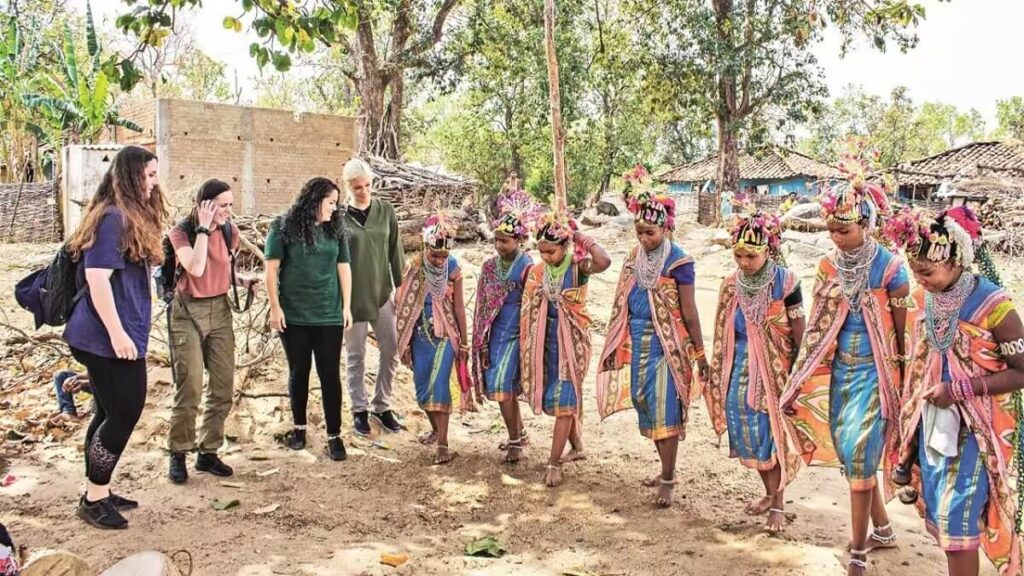
The wider Bandhavgarh region is home to rural communities, including Baiga communities with distinctive cultural traditions.
For visitors interested in local life, a thoughtfully arranged community experience can provide insight into regional food, agriculture, crafts and everyday village activities.
However, such visits should be organised respectfully and with the community’s consent.
How to Arrange a Responsible Village Visit
Choose a local host or guide who has permission to arrange the visit.
Ask whether the experience supports local residents directly, and avoid activities that turn people’s personal lives or religious traditions into performances for tourists.
Do not distribute gifts or photograph individuals without consent.
A well-organised visit can be both educational and enjoyable, particularly for travellers spending several nights near the park.
10. Relax at a Forest Lodge and Enjoy the Surrounding Nature
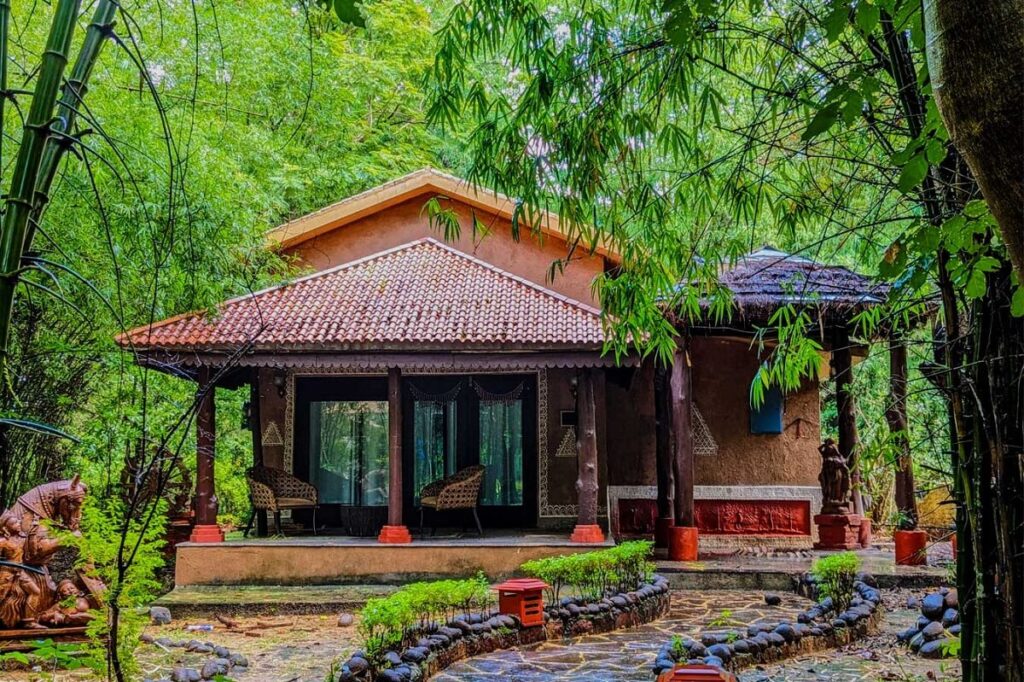
Not every activity in Bandhavgarh needs to involve a safari vehicle.
The region has wildlife lodges and resorts where guests can relax between drives, enjoy the natural surroundings and learn more about the local environment.
After an early morning safari, a quiet afternoon can be especially welcome.
Many travellers enjoy sitting outdoors, listening to birds and reviewing photographs from their forest excursions.
Guided Nature Experiences
Some accommodation providers arrange birdwatching, naturalist talks or guided walks in permitted areas outside the protected park.
However, walking inside tiger habitat without authorisation is unsafe and prohibited.
Choose lodge activities that follow local wildlife regulations and maintain a respectful distance from animals.
For a longer wildlife holiday, consider the 9 Days Pench, Kanha and Bandhavgarh Tiger Safari Tour.
Best Time to Visit Bandhavgarh National Park:
Bandhavgarh is generally most suitable for wildlife tourism during the main safari season, commonly from mid-October to mid-June.
However, core-zone closures, weather conditions and tourism calendars are controlled by forest authorities.
October to February: Comfortable Wildlife Safaris
These months bring cooler conditions, especially during morning drives.
The forest can be particularly green after the monsoon, offering attractive landscapes and comfortable sightseeing.
However, dense vegetation may make some wildlife more difficult to spot.
March to June: Warmer and Drier Conditions
As temperatures rise, animals may spend more time near available water sources.
This can create wildlife-viewing opportunities, although the heat becomes increasingly demanding.
Carry sufficient drinking water and follow all park safety guidelines.
July to September: Monsoon Restrictions
Core tourism zones are generally closed during the main monsoon period.
Some permitted buffer activities may operate under separate rules, but availability should always be confirmed directly.
For a seasonal comparison of Central India’s wildlife destinations, see our guide to national parks and wildlife safaris in November.
How to Book a Bandhavgarh National Park Safari:
Safari permits are limited, so advance booking is strongly recommended, particularly for weekends and peak travel months.
The Madhya Pradesh Forest Department manages official reservations and tourism regulations.
Step 1: Choose Your Travel Dates
First, confirm that the park and desired safari zones are scheduled to operate.
Check public holidays, weekly closures and seasonal restrictions.
Step 2: Select a Safari Permit
Review the available zones, morning or afternoon slots and permit categories.
Depending on the applicable booking system, permits may be offered for full vehicles or individual seats.
Step 3: Prepare Identification
Enter visitor details accurately during booking and carry the required original identification documents.
Incorrect identification information may create problems at the park gate.
Step 4: Confirm Your Vehicle and Guide
Make sure you understand which costs are included in your reservation.
Permit fees, vehicle charges and guide costs may be displayed or collected separately depending on the booking arrangement.
Official booking resource: Madhya Pradesh Forest Department Safari Portal.
How Many Days Are Enough for Bandhavgarh?
Two or three nights are ideal for most visitors.
A single safari can be enjoyable, but wildlife sightings are unpredictable. Therefore, scheduling several drives provides a more complete experience.
Suggested 3-Day Bandhavgarh Itinerary
| Day | Suggested activities |
| Day 1 | Arrive, check in near Tala and enjoy a relaxed afternoon; optional safari if prebooked and arrival allows |
| Day 2 | Morning jeep safari, lodge break and afternoon safari |
| Day 3 | Optional final morning safari, breakfast and departure |
If you have an extra night, add more safari opportunities rather than trying to visit distant attractions in a hurry.
For travellers combining wildlife and cultural heritage, the 4 Days Khajuraho and Bandhavgarh Tour provides a practical starting point.
Places to Visit Near Bandhavgarh:
Bandhavgarh can be combined with several other destinations in Madhya Pradesh.
However, road distances are considerable, so avoid trying to include everything in a short holiday.
Kanha National Park
Kanha offers expansive sal forests, meadows and a different wildlife landscape.
Combining Kanha and Bandhavgarh is particularly rewarding for travellers planning a dedicated tiger safari holiday.
Khajuraho
Khajuraho is known for its UNESCO-listed temple groups and detailed stone sculptures.
It is an excellent cultural addition to a Bandhavgarh journey, especially for first-time visitors to Madhya Pradesh.
Jabalpur and Bhedaghat
Jabalpur is an important transport hub for the region.
Nearby Bhedaghat is known for its Marble Rocks along the Narmada River and Dhuandhar Falls.
These attractions can be added when your route and travel time allow.
For more destinations, explore our guide to the best places to visit in Madhya Pradesh.
How to Reach Bandhavgarh National Park
Bandhavgarh is situated in the Umaria district of Madhya Pradesh.
Travellers generally reach the park by road from nearby railway stations or regional airports.
By Air
Jabalpur is a commonly used airport for reaching Bandhavgarh.
After landing, continue by private taxi or prearranged road transfer.
Flight schedules and road journey times should be checked before planning a same-day safari.
By Train
Umaria is one of the nearest practical railway stations.
However, train availability and connections vary, so confirm your arrival time and onward transfer in advance.
By Road
Bandhavgarh can be reached from Jabalpur, Khajuraho and other parts of Madhya Pradesh.
For a comfortable itinerary, choose accommodation near your planned safari entry gate and avoid long road transfers immediately before early morning drives.
Important Tips for Visiting Bandhavgarh:
A little preparation makes a major difference to a wildlife holiday.
Book Safaris Early
Popular zones and travel dates can fill quickly. Reserve permits before finalising non-refundable accommodation whenever possible.
Dress for Open Jeep Safaris
Wear neutral-coloured, comfortable clothing and bring a warm jacket during winter.
Morning drives can feel cold, particularly when the vehicle is moving.
Respect Wildlife and Forest Rules
Remain inside the safari vehicle unless your guide directs otherwise at an authorised location.
Avoid loud conversations, feeding animals, flash photography and littering.
Do Not Expect Guaranteed Tiger Sightings
Bandhavgarh is an important tiger habitat, but sightings depend on natural wildlife movement.
A responsible safari values the forest ecosystem, not just one animal.
Check Heritage Site Access
Bandhavgarh Fort, Shesh Shaiya and Badi Gufa are subject to protected-area access restrictions.
Confirm current rules rather than relying on outdated sightseeing lists.
Frequently Asked Questions About Bandhavgarh
1. What are the best things to do in Bandhavgarh?
The best experiences include jeep safaris, birdwatching, wildlife photography, exploring Tala Village and learning about local communities. Bandhavgarh Fort, Shesh Shaiya and Badi Gufa are important historical landmarks, although access is restricted.
2. What is Bandhavgarh National Park famous for?
Bandhavgarh is best known for its Bengal tiger population and its mix of forests, grasslands and historical sites. It is one of Central India’s most popular tiger safari destinations.
3. Which safari zone is best in Bandhavgarh?
Tala, Magadhi and Khitauli are the three principal core tourism zones. Each has wildlife-viewing potential, but no zone guarantees sightings. Choose according to permit availability and your overall safari plan.
4. How many safaris should I book in Bandhavgarh?
Three or four drives over two or three nights provide a balanced experience for many wildlife enthusiasts. However, the appropriate number depends on your budget, interests and available permits.
5. Can tourists visit Bandhavgarh Fort?
Access to Bandhavgarh Fort is restricted and may require special approval or remain unavailable to tourists. Confirm the current rules with the forest department before making plans.
6. Can I visit Badi Gufa and Shesh Shaiya?
These sites are within the protected forest landscape. Access is controlled and should not be assumed to be included in standard safari bookings.
7. Is Bandhavgarh suitable for families?
Yes, Bandhavgarh can be suitable for families who enjoy wildlife and nature. However, children must follow safari rules, and long vehicle drives may be tiring for younger travellers.
8. What is the best month to visit Bandhavgarh?
November to February is popular for comfortable safari weather. March to June can also be rewarding for wildlife viewing, although temperatures are much higher.
9. Can I explore Bandhavgarh National Park on foot?
Independent walking inside tiger habitat is not permitted. Visitors must follow designated tourism arrangements and forest department regulations. Guided walking activities may be available in authorised areas outside the protected core.
10. How far is Bandhavgarh from Khajuraho?
Bandhavgarh and Khajuraho can be combined in a road itinerary, but the journey usually takes several hours. Allow sufficient time for road conditions and breaks rather than planning a tightly timed transfer.
11. Is one day enough for Bandhavgarh?
One day allows limited time for the area and possibly a safari if permits and arrival times align. However, two or three nights are preferable for travellers primarily interested in wildlife.
12. Can I combine Bandhavgarh with Kanha and Pench?
Yes. These three national parks form a rewarding Central India wildlife circuit. A trip of around 9–12 days allows time for travel and repeated safari experiences.
Final Thoughts
Bandhavgarh is much more than a place to search for tigers. Its forests, birdlife, ancient heritage and surrounding villages offer a fascinating introduction to Central India’s natural and cultural landscape.
For most visitors, the best approach is to spend a few nights near the park, book several jeep safaris and leave time to enjoy the quieter experiences beyond the forest gates.
If you want to explore multiple reserves, Tusk Travel’s 12 Days Luxury Wildlife Safari India combines Pench, Kanha and Bandhavgarh in one customisable journey.
