
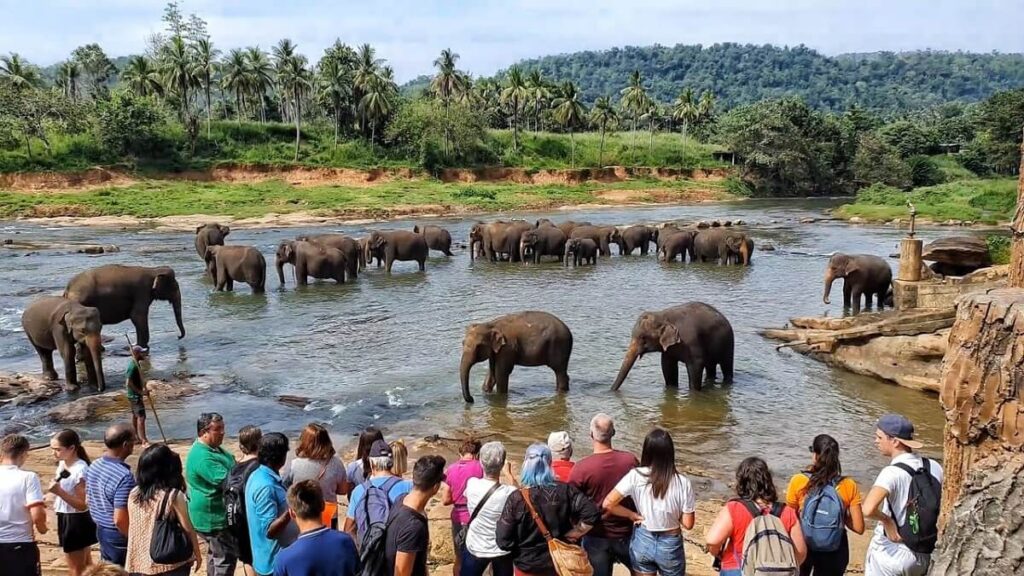
Sri Lanka is famous for its elephants, and few places on the island allow visitors to see so many of these remarkable animals in one setting as Pinnawala Elephant Orphanage. Located in the village of Pinnawala in Sri Lanka’s Sabaragamuwa Province, the centre has become one of the country’s best-known wildlife attractions.
The orphanage was established in 1975 to care for orphaned, abandoned, and injured elephants. Over the decades, it has also developed a captive breeding programme and today looks after a sizable herd of Sri Lankan elephants. According to Sri Lanka’s Department of National Zoological Gardens, Pinnawala currently cares for around 65 elephants.
For travellers planning a wider holiday, Pinnawala fits particularly well into routes between Colombo, Kandy, Sigiriya, and Sri Lanka’s Cultural Triangle. Several Sri Lanka tour packages include Pinnawala as part of a broader journey through the island.
This complete Pinnawala Elephant Orphanage visitor guide explains what you can expect, the best time to visit, current opening hours, elephant bathing schedules, ticket information, how to reach Pinnawala, photography tips, nearby attractions, and important points to consider before your visit.
Where Is Pinnawala Elephant Orphanage?
Pinnawala Elephant Orphanage is situated near Kegalle, roughly between Colombo and Kandy. This convenient location is one reason it appears on many Sri Lanka itineraries.
It is approximately:
- 40 km from Kandy
- 90 km from Colombo
- about 75 km from Bandaranaike International Airport
Exact journey times vary considerably because Sri Lankan roads can be busy. Travelling by private vehicle is usually the easiest option, particularly when Pinnawala is being combined with Kandy or the Cultural Triangle.
For first-time visitors planning a longer journey, the Spanish-language guide on how to plan a trip to Sri Lanka also covers transport, climate, budgeting, sightseeing, and itinerary planning.
History of Pinnawala Elephant Orphanage
Pinnawala Elephant Orphanage was founded in 1975 primarily to provide care for young elephants that had become separated from their herds or could no longer survive independently in the wild.
Asian elephants face several pressures across their natural range, including habitat loss and conflicts between humans and elephants. Sri Lanka still has an important wild elephant population, but animals sometimes become injured, displaced, or orphaned.
Pinnawala developed from a relatively small care facility into a breeding and conservation centre managed by Sri Lanka’s Department of National Zoological Gardens.
The institution marked its 51st anniversary in February 2026.
Today, visitors can observe elephants in several parts of the facility, including open areas and during scheduled movements to the nearby Ma Oya River.
What Makes Pinnawala Famous?
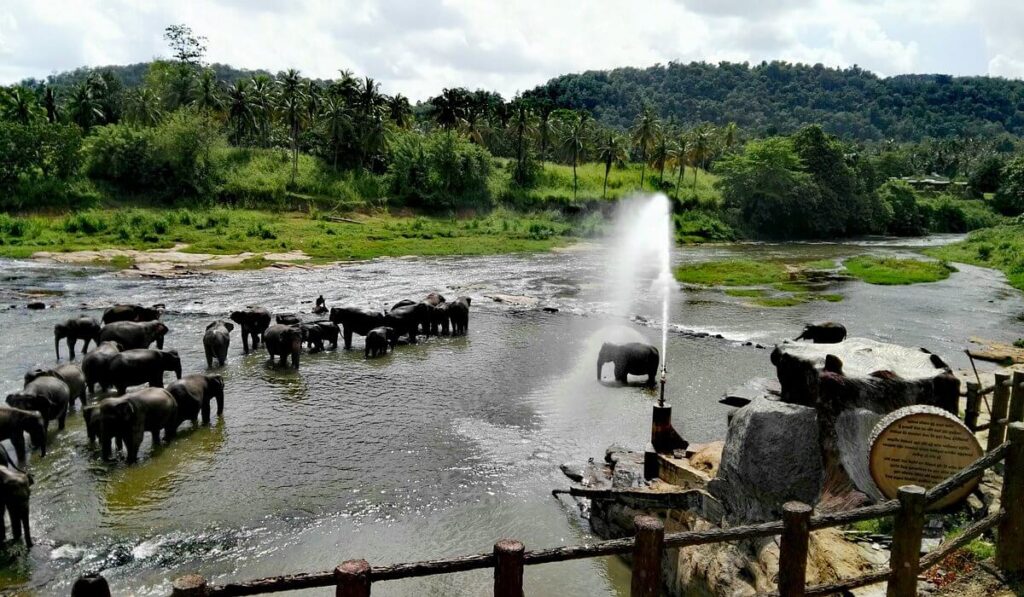
The most famous sight at Pinnawala is the herd walking through the village toward the Ma Oya River.
Seeing elephants moving together toward the water is very different from observing an individual animal in a conventional zoo enclosure. Once at the river, elephants may drink, stand in the water, interact with one another, and cool themselves.
The experience can be particularly memorable for families and travellers interested in wildlife photography.
However, Pinnawala should be viewed as a managed elephant facility rather than a wild safari experience. Anyone hoping to see elephants behaving completely independently in their natural habitat should also consider visiting one of Sri Lanka’s national parks.
Pinnawala Elephant Orphanage Opening Hours
According to the current schedule published by Sri Lanka’s Department of National Zoological Gardens, the orphanage opens to visitors at 8:30 AM. The ticket counter closes at 5:00 PM, while the detailed daily programme lists visitor closing at 6:00 PM. Other pages on the department’s website list slightly different closing times, so visitors should confirm the latest schedule shortly before travelling.
The safest planning approach is to arrive well before late afternoon.
Current daily elephant schedule
The official timetable currently lists:
| Time | Activity |
| 8:30 AM | Orphanage opens |
| 8:30 AM | Main herd enters free-roaming area |
| 8:30 AM | Small herd goes toward Ma Oya River |
| 9:45 AM | Small herd returns |
| 10:00 AM | Main herd goes to Ma Oya River |
| 12:00 PM | Main herd returns |
| 12:00 PM | Small herd goes to the river |
| 1:45 PM | Small herd returns |
| 2:00 PM | Main herd returns to the river |
| 4:00 PM | Main herd comes back |
| 5:00 PM | Ticket counter closes |
Schedules can be adjusted for weather, animal welfare, or operational reasons, so treat these as planned rather than guaranteed times.
Best Time to Visit Pinnawala Elephant Orphanage
For most visitors, morning is the best time to visit Pinnawala Elephant Orphanage.
Arriving around 9:00 AM gives you enough time to enter the grounds before the main herd’s scheduled movement toward the river at around 10:00 AM.
A practical visit might look like this:
9:00 AM: Enter the orphanage and explore the grounds.
10:00 AM: Watch the main herd move toward the Ma Oya River.
10:15 AM to 11:30 AM: Observe the elephants around the river.
Before noon: Continue toward Kandy or your next destination.
Alternatively, an afternoon visit timed around the scheduled 2:00 PM river movement may work well if you are travelling in the opposite direction.
Avoid arriving very close to closing time. The river experience is one of Pinnawala’s main attractions, and missing the scheduled herd movement significantly changes the visit.
What to See and Do at Pinnawala:
1. Observe the Elephant Herd
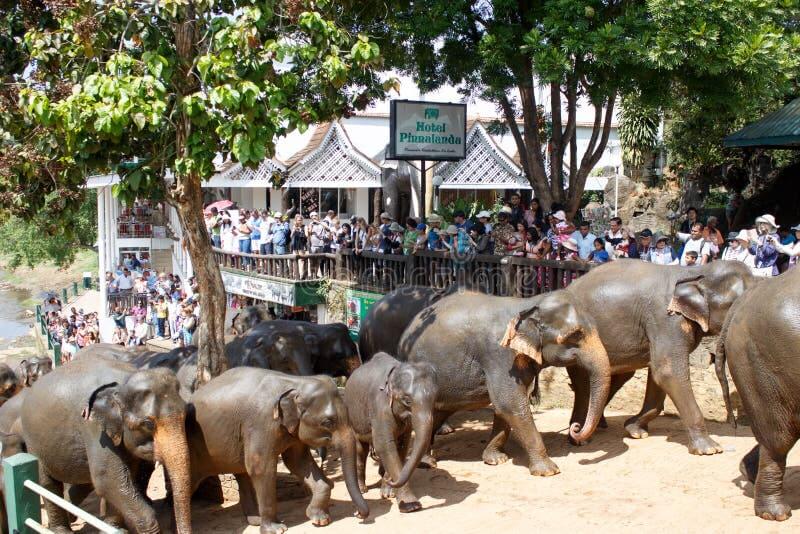
The biggest attraction is simply watching the elephants.
Pinnawala gives visitors an opportunity to observe elephants of different ages living within a relatively large social group. Depending on the day, you may see adults, younger elephants, and family groups interacting.
Spend some time watching rather than rushing between viewpoints. Elephant behaviour is often subtle, and quiet observation can be more rewarding than constantly trying to get close.
2. Watch the Elephants at Ma Oya River
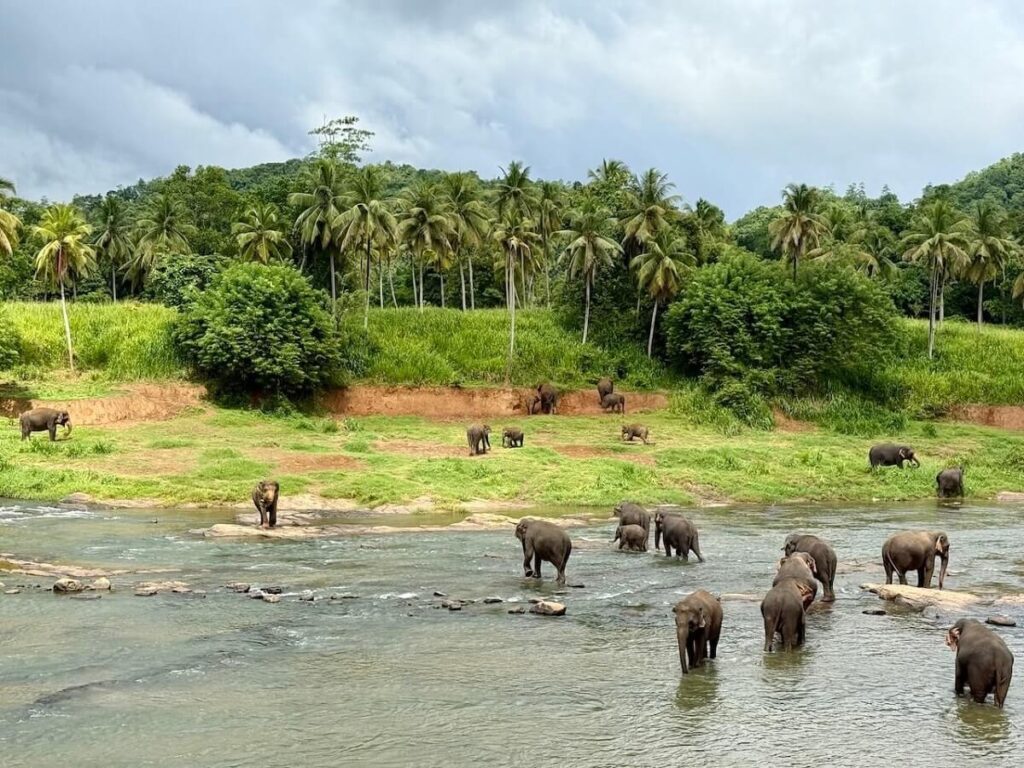
The Ma Oya River is the iconic Pinnawala experience.
At scheduled times, elephants are moved from the main facility toward the river. Visitors usually gather around designated viewing areas, restaurants, and terraces overlooking the water.
Water levels and elephant behaviour vary with weather conditions and river flow. Some elephants may enter deeper water while others remain near the riverbank.
The river visit is especially popular with photographers.
3. Learn About Sri Lankan Elephants
Pinnawala can also help visitors understand the challenges facing elephants in Sri Lanka.
Sri Lankan elephants are a subspecies of the Asian elephant and represent one of the island’s most recognizable wildlife species.
A visit becomes more meaningful when combined with some understanding of habitat conservation, human-elephant conflict, and the difference between captive elephant management and wildlife conservation in protected national parks.
4. Official Feeding Programme Carefully
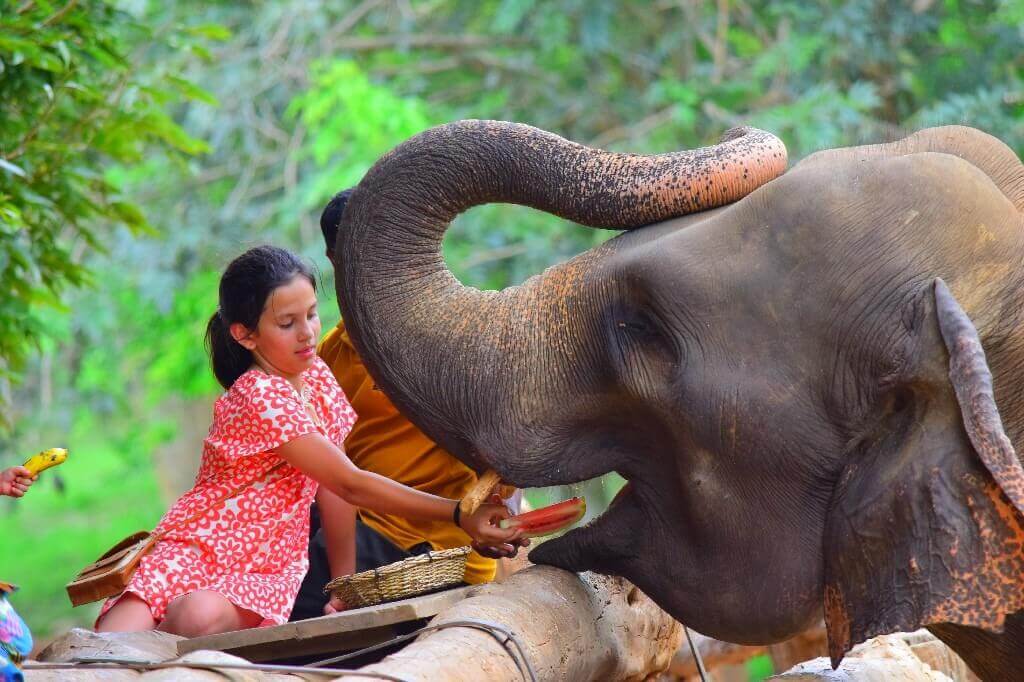
The facility currently offers a supervised fruit-feeding programme. According to the official website, visitors can purchase a fruit basket for Rs. 590, with the programme beginning around 9:15 AM and continuing until supplies run out or until approximately 2:00 PM.
Rules and experiences can change, so always follow instructions from authorized staff and never feed an elephant independently.
5. Take Wildlife Photographs
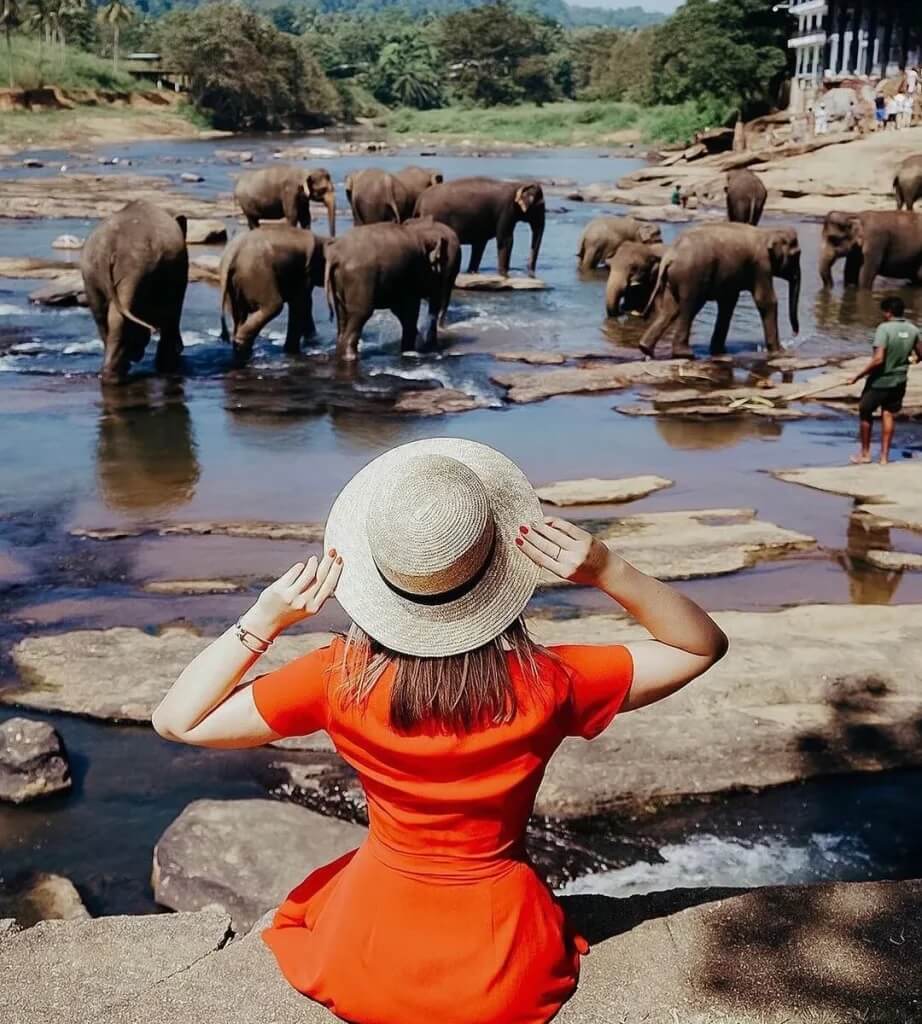
Pinnawala offers several opportunities for elephant photography.
For more natural-looking images, use a medium or telephoto focal length rather than trying to stand as close as possible.
The riverside setting is particularly photogenic because it combines elephants, moving water, tropical vegetation, and the surrounding landscape.
Pinnawala Elephant Orphanage Ticket Price
The official National Zoological Gardens website currently lists the following foreign visitor prices:
| Visitor | Entrance Fee |
| Foreign adult | USD 17.70 |
| Foreign child | USD 8.85 |
| Combined Pinnawala Orphanage + Pinnawala Zoo adult ticket | USD 23.60 |
| Combined child ticket | USD 11.80 |
The website also lists reduced SAARC rates and separate prices for Sri Lankan residents.
Ticket prices can change. Check the official National Zoological Gardens website shortly before your visit rather than relying on older blogs or social-media posts.
How Much Time Do You Need at Pinnawala?
Allow approximately 2 to 3 hours.
This gives you enough time to:
- explore the main facility,
- observe the elephants,
- watch a scheduled herd movement,
- spend time at the Ma Oya River,
- take photographs without rushing.
If Pinnawala is simply a stop between Colombo and Kandy, around two hours is usually sufficient.
Travellers with a deeper interest in elephants or photography may prefer three hours.
How to Reach Pinnawala Elephant Orphanage:
From Kandy
Pinnawala is commonly visited as a day trip or half-day excursion from Kandy.
A private car with driver is the simplest option because you can coordinate your arrival with the scheduled river activity.
The route can also be incorporated into a longer Sri Lanka itinerary. For example, Tusk Travel’s 4 Days Sri Lanka Quick Escape includes Pinnawala while travelling toward Kandy.
From Colombo
Pinnawala can be reached from Colombo by road, although traffic can make the journey lengthy.
Rather than driving from Colombo to Pinnawala and immediately returning, many travellers continue onward toward Kandy, Dambulla, Sigiriya, or Anuradhapura.
This creates a more efficient itinerary.
By Train
Train travel in Sri Lanka can be scenic and inexpensive, but reaching the orphanage usually requires additional local transport after leaving the railway line.
If your priority is convenience and precise timing for elephant activities, travelling with a driver is generally easier.
Adding Pinnawala to a Sri Lanka Itinerary
Pinnawala works best as part of a route rather than as a destination requiring an overnight stay.
A popular journey is:
Colombo → Pinnawala → Kandy → Dambulla → Sigiriya
From there, travellers can continue toward Nuwara Eliya, Ella, Yala, Galle, or Sri Lanka’s southern beaches.
Tusk Travel’s 8 Days & 7 Nights Sri Lanka Tour Package includes Pinnawala alongside Sigiriya, Dambulla, Kandy, Nuwara Eliya, and Bentota, making it a useful example of how the attraction can fit naturally into a larger circuit.
Travellers interested mainly in history and culture can also combine Pinnawala with the ancient cities. The 10 Days Sri Lanka Culture Tour covers destinations such as Anuradhapura, Dambulla, Kandy, Polonnaruwa, Sigiriya, and Pinnawala.
What to Wear at Pinnawala
Sri Lanka is warm and humid for much of the year, so lightweight clothing is usually best.
Wear:
- breathable cotton or quick-drying clothing,
- comfortable walking shoes or sandals,
- a sun hat,
- sunglasses,
- sunscreen.
Carry a reusable water bottle where permitted and consider a small umbrella during wetter months.
The paths around the river can occasionally be wet or slippery, so footwear with reasonable grip is useful.
Photography Tips
If photography is important to you, morning light is generally easier to work with than harsh midday sunshine.
A zoom lens is useful because it lets you photograph elephants without trying to move too close.
For river scenes, try including the surrounding palms, rocks, water, or landscape rather than filling every frame with an elephant. These wider photographs communicate more of the Sri Lankan setting.
Avoid using flash close to animals, and never cross barriers simply to obtain a photograph.
Is Pinnawala Suitable for Families?
Yes. Pinnawala is particularly popular with families because children can see elephants relatively easily without undertaking a long safari.
A visit can also become an educational introduction to Asian elephants and wildlife conservation.
Parents should nevertheless supervise young children closely. Elephants are extremely powerful animals, and visitors must remain within designated public spaces and follow staff instructions.
Ethical Considerations Before Visiting
Modern travellers are increasingly concerned about animal welfare, and that is reasonable.
Pinnawala is a captive elephant facility, not a national park. Some travellers are comfortable visiting managed conservation and rehabilitation centres, while others prefer wildlife experiences where animals are observed without direct human interaction.
The official facility offers feeding, walking, and bathing programmes. If animal welfare is a priority for you, you can choose simply to observe the elephants rather than participate in hands-on activities.
Look for signs of responsible management, follow official regulations, avoid unauthorized elephant experiences, and never pressure an animal for photographs.
For a very different experience, consider adding a national park such as Udawalawe, Minneriya, or Yala to your Sri Lanka journey. Seeing wild elephants from a respectful distance on safari provides valuable contrast to a visit to Pinnawala.
Nearby Places to Visit:
Kandy
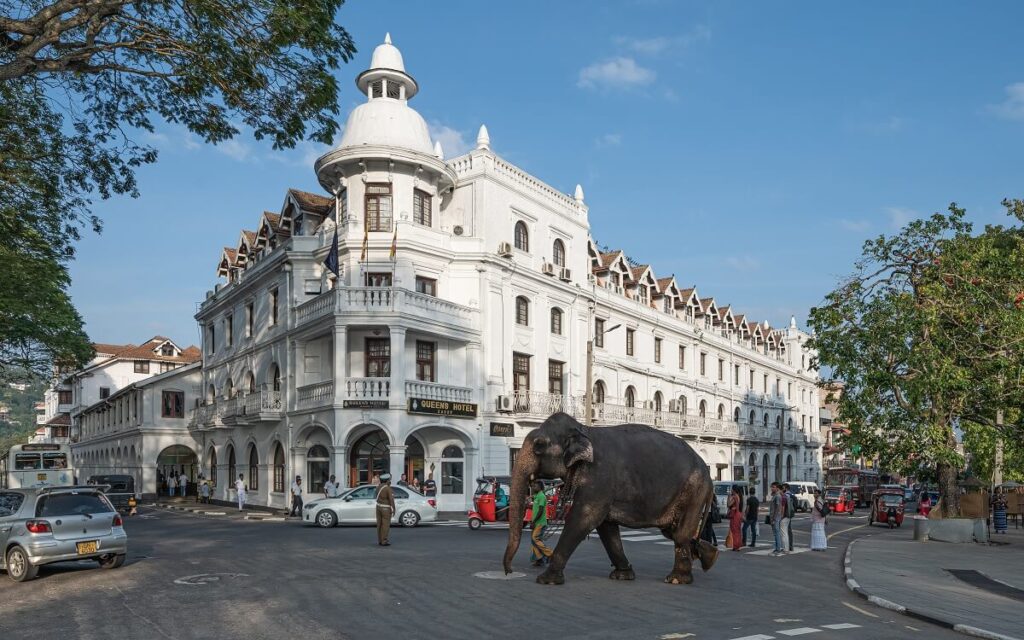
Kandy is the most obvious destination to combine with Pinnawala.
The cultural capital is known for the Temple of the Sacred Tooth Relic, Kandy Lake, local markets, traditional dance, and the nearby Royal Botanical Gardens at Peradeniya.
Sigiriya
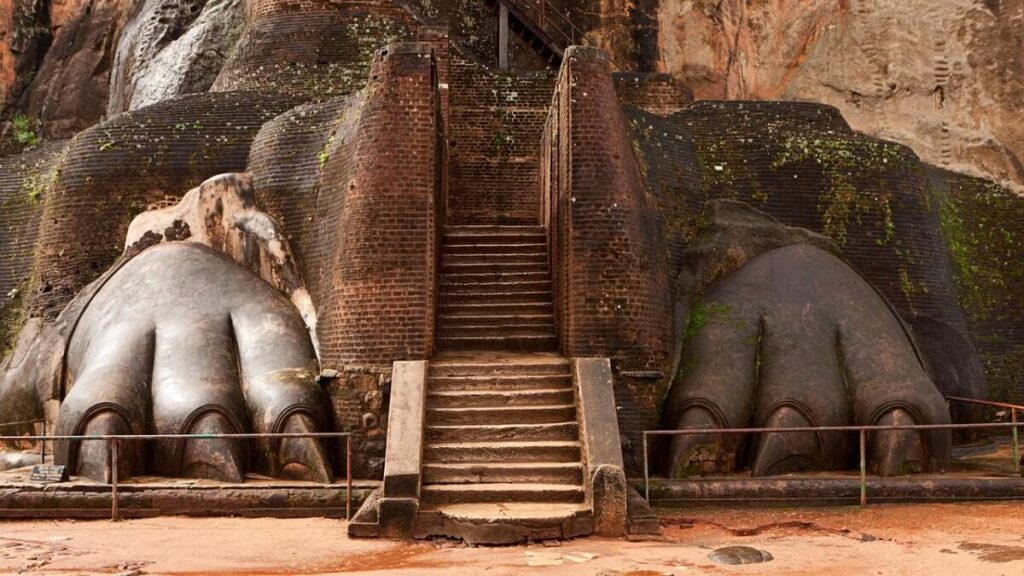
The spectacular Sigiriya Rock Fortress is one of Sri Lanka’s most famous landmarks.
It can be reached as part of a longer Cultural Triangle itinerary and combines particularly well with Dambulla and Polonnaruwa.
For more ideas beyond the country’s headline attractions, see Tusk Travel’s guide to 13 unusual places to visit in Sri Lanka.
Dambulla
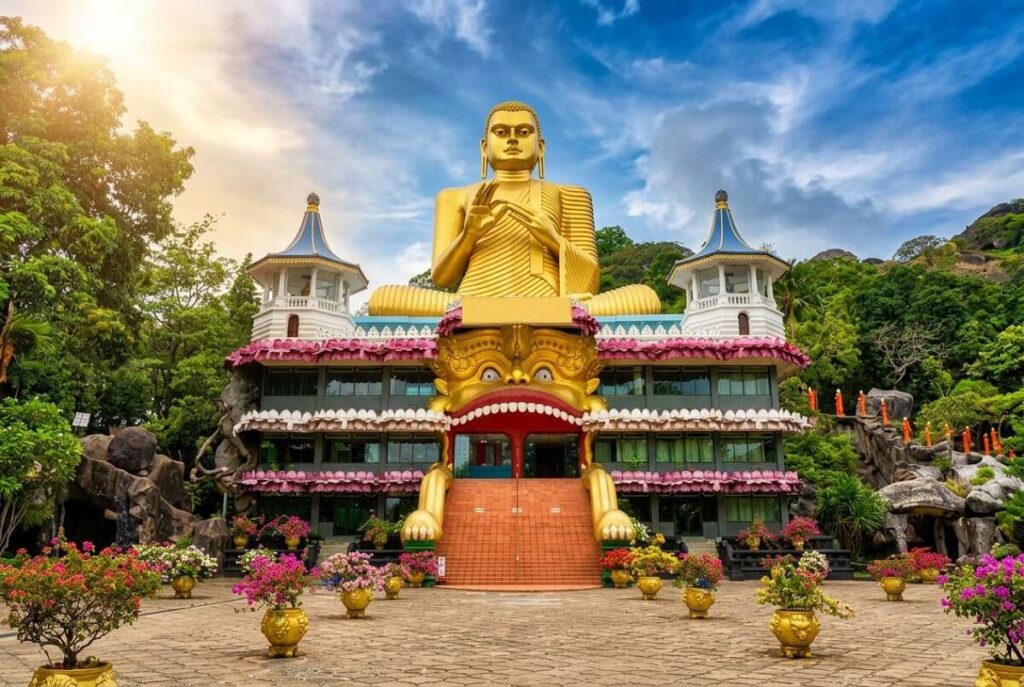
Dambulla is famous for its historic cave temple complex filled with Buddhist statues and paintings.
It is frequently included on routes connecting Kandy and Sigiriya.
Nuwara Eliya
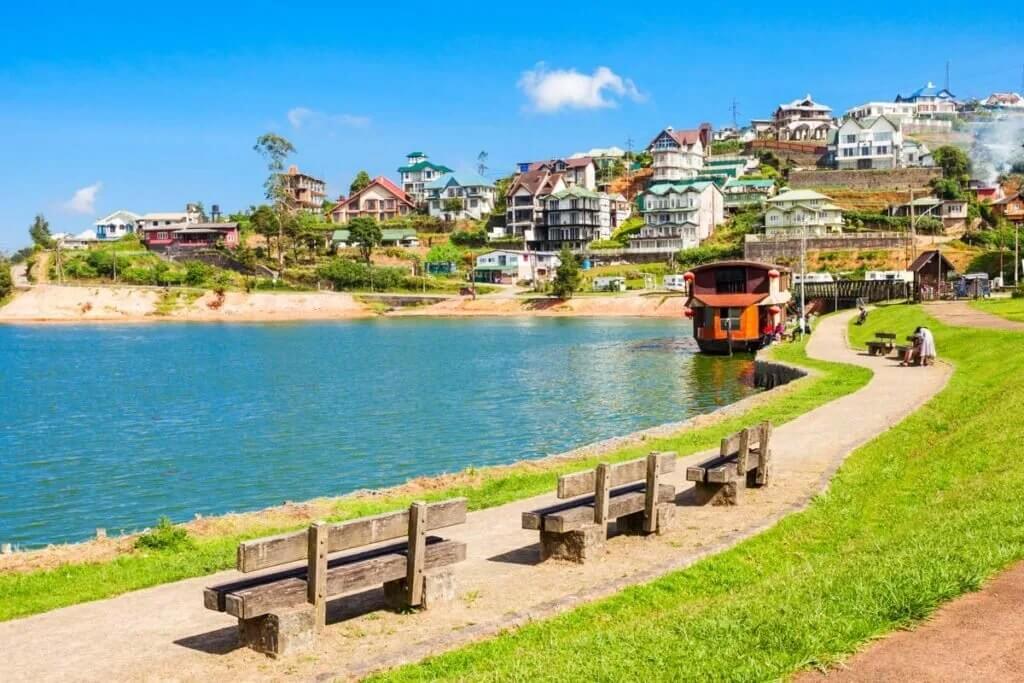
After exploring Sri Lanka’s cultural heart, many visitors continue into the central highlands.
Nuwara Eliya offers tea plantations, cooler temperatures, mountain scenery, gardens, and colonial-era architecture.
Best Season for Visiting Pinnawala
Pinnawala can be visited throughout the year.
Sri Lanka’s climate is influenced by two monsoon systems, so conditions vary between different areas of the island rather than following one simple wet and dry season.
For Pinnawala and the central-western part of Sri Lanka, there can be heavier rainfall during parts of the southwest monsoon and inter-monsoon periods.
That does not necessarily mean you should avoid travelling. Tropical showers may be short, and greener landscapes can make the river surroundings especially attractive.
During heavy rain, however, some river-based elephant activities may be altered or suspended for safety reasons.
Practical Tips for Visiting Pinnawala
Arrive early enough to see a scheduled river movement rather than turning up without checking the timetable.
Purchase tickets only through official counters and be cautious of unauthorized guides or anyone asking for unofficial payments. The National Zoological Gardens specifically warns visitors about unauthorized guides and scammers.
Keep a little flexibility in your itinerary because animal schedules and weather conditions can change.
Do not carry single-use plastic unnecessarily, and follow waste-disposal rules within the grounds. Smoking and alcohol are prohibited within the facility.
Most importantly, remember that the elephants are animals rather than photo props. Observe quietly, respect barriers, and allow them space.
Is Pinnawala Elephant Orphanage Worth Visiting?
Pinnawala can be worthwhile for travellers who want to observe a large group of Sri Lankan elephants and learn more about elephant care while travelling between Colombo and Kandy.
Its location makes it particularly easy to add to a first-time Sri Lanka itinerary.
The highlight is usually watching the herd move toward and spend time around the Ma Oya River. Visitors who arrive at the right time can experience a very different side of Sri Lanka from its temples, beaches, tea estates, and historic cities.
At the same time, it is important to understand what Pinnawala is. It is a managed captive-elephant facility, not a substitute for seeing wild elephants in a national park.
Travellers who are interested in wildlife may therefore enjoy combining both experiences.
Frequently Asked Questions About Pinnawala Elephant Orphanage
What is Pinnawala Elephant Orphanage famous for?
Pinnawala is best known for its herd of Sri Lankan elephants and the scheduled occasions when groups of elephants are taken to the nearby Ma Oya River.
What is the best time to visit Pinnawala?
Morning is generally the most convenient. Arriving around 9:00 AM allows time to explore before the main herd’s scheduled 10:00 AM departure for the river.
How long should I spend at Pinnawala?
Most travellers need around two to three hours.
Can Pinnawala be visited from Kandy?
Yes. Pinnawala is roughly 40 km from Kandy and is commonly included in journeys between Kandy and Colombo.
Can you see elephants bathing at Pinnawala?
The official schedule includes herd visits to the Ma Oya River during the day. Exact behaviour depends on the elephants, river conditions, weather, and operational decisions.
Is Pinnawala included in Sri Lanka tour packages?
Yes. Several Sri Lanka tours include Pinnawala along with Kandy, Sigiriya, Dambulla, Nuwara Eliya, and other major attractions.
Should I visit Pinnawala or a national park?
They provide different experiences. Pinnawala is a managed elephant facility, while national parks such as Udawalawe and Minneriya offer opportunities to observe elephants in the wild. Travellers particularly interested in elephants may find it useful to experience both.
Final Thoughts
Pinnawala Elephant Orphanage remains one of Sri Lanka’s most recognizable elephant attractions. Its convenient position between Colombo and Kandy makes it easy to include even in a relatively short itinerary, while the sight of a herd moving toward the Ma Oya River can become one of the most memorable moments of a first visit to the island.
Plan your arrival around the official elephant schedule, allow at least two hours, keep expectations realistic, and approach the experience with respect for animal welfare.
Pinnawala is also only one part of what Sri Lanka offers. Ancient cities, Buddhist temples, mist-covered tea estates, tropical beaches, wildlife parks, and historic coastal towns can all be combined within a single journey. Browsing the available Sri Lanka tour packages can help you see how Pinnawala fits into a wider itinerary rather than treating it as an isolated excursion.
