
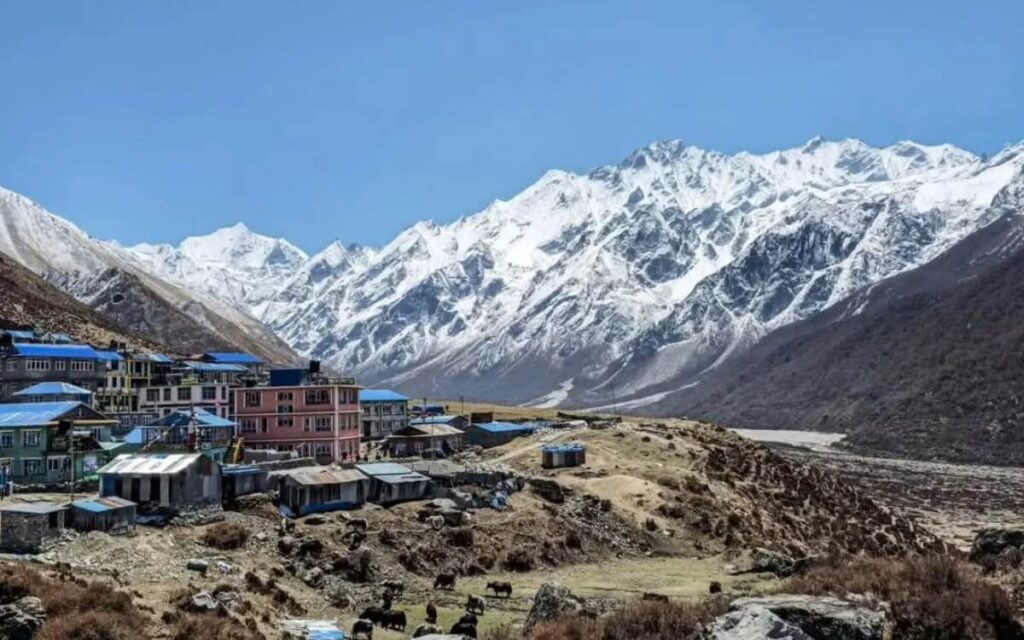
Langtang Valley is one of Nepal’s most rewarding yet underrated trekking destinations. Located north of Kathmandu near the Tibetan border, this Himalayan region offers a perfect blend of snow-covered peaks, alpine forests, rich Tamang culture, glacial landscapes, and peaceful mountain villages.
Unlike the crowded trails of Everest and Annapurna, Langtang provides a quieter, more intimate trekking experience. Whether you’re planning your first Himalayan trek or looking for a scenic yet less commercial route, this valley delivers an unforgettable journey.
In this detailed guide, you’ll discover the top 12 things to do in Langtang Valley, along with practical insights, experiences, and tips to help you plan a memorable trip.
Langtang Valley Guide: 12 Best Things to Do & See
1. Trek Through Rhododendron & Pine Forests
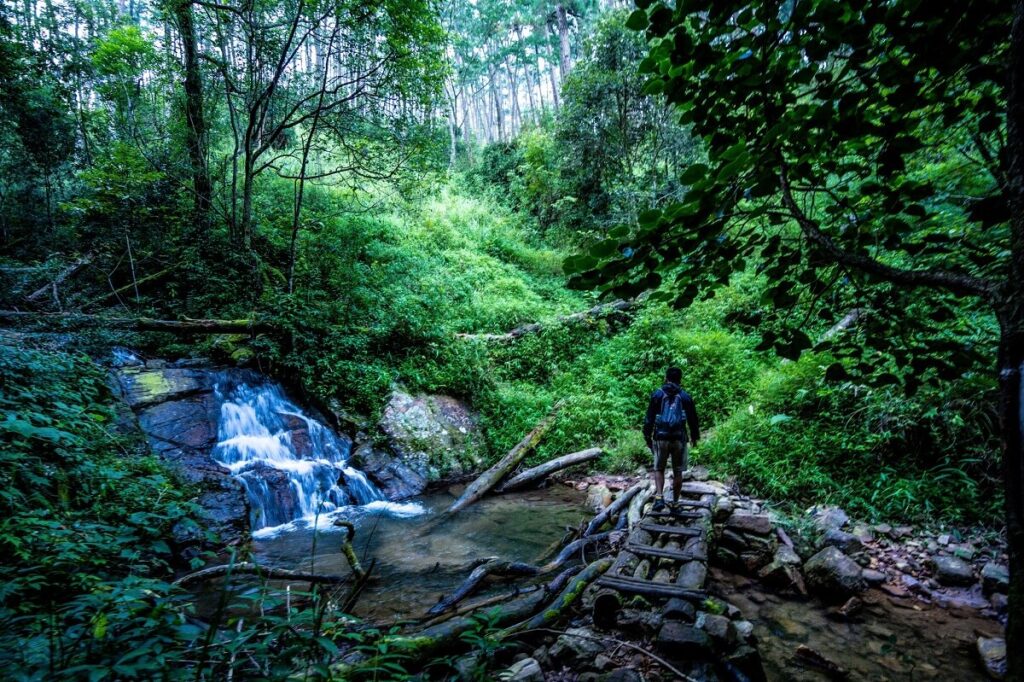
Your journey into Langtang Valley begins with a scenic walk through dense forests filled with rhododendron, oak, bamboo, and pine trees. This section of the trail is one of the most relaxing and visually refreshing parts of the trek.
During spring (March to May), the forests come alive with blooming rhododendrons, Nepal’s national flower. The vibrant colors, combined with chirping birds and fresh mountain air, create a magical trekking atmosphere.
This part of the trek also helps your body gradually adapt to altitude, making it an ideal start before heading into higher elevations.
2. Experience Authentic Tamang Culture
Langtang Valley is home to the Tamang community, whose traditions, language, and lifestyle are closely linked to Tibetan culture.
As you pass through villages, you’ll notice:
- Stone-built houses with wooden carvings
- Prayer wheels and Buddhist flags
- Locals dressed in traditional attire
Staying in teahouses allows you to interact with local families, enjoy home-cooked meals, and gain insight into their daily lives. This cultural connection is one of the most enriching aspects of the Langtang Valley trek.
3. Visit the Sacred Kyanjin Gompa
Kyanjin Gompa is the highlight of the Langtang Valley trek and the final major settlement in the region. Located at around 3,800 meters, this village is surrounded by towering Himalayan peaks.
The monastery itself is a peaceful spiritual site where trekkers often pause to:
- Observe Buddhist rituals
- Spin prayer wheels
- Enjoy a moment of calm in the mountains
The views around Kyanjin Gompa are breathtaking, making it one of the most photogenic spots in the entire valley.
4. Climb Kyanjin Ri for Spectacular Views
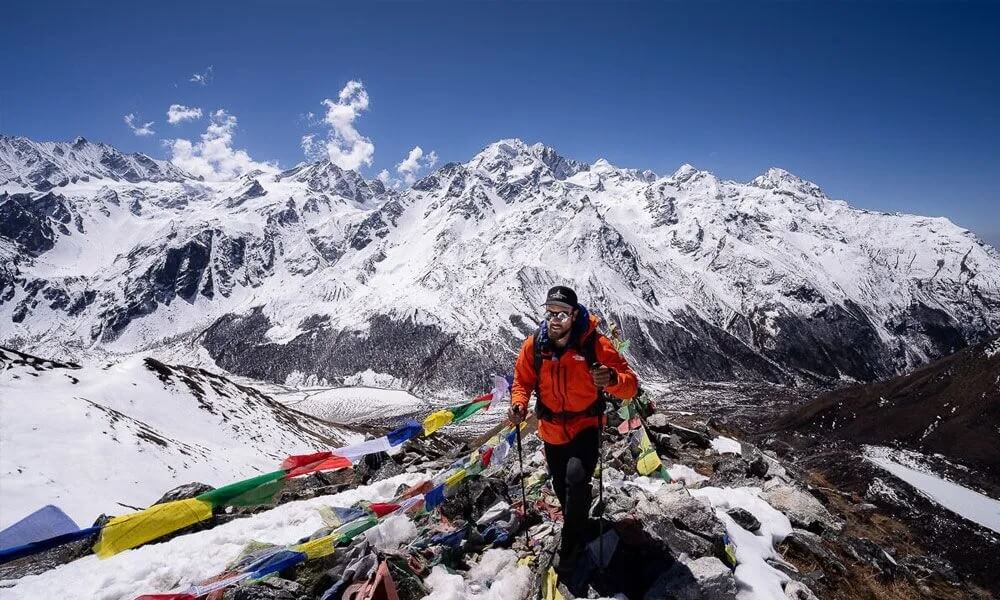
A hike to Kyanjin Ri is one of the most rewarding experiences in Langtang Valley. Though steep, the climb is relatively short and manageable for most trekkers.
From the summit, you’ll enjoy:
- 360-degree views of Himalayan peaks
- Stunning sunrise and sunset landscapes
- A clear view of Langtang Lirung and surrounding mountains
This viewpoint offers one of the best panoramas in Nepal without requiring technical climbing skills.
5. Challenge Yourself with Tserko Ri Hike
For adventure seekers, the hike to Tserko Ri (around 5,000 meters) is a must. This is a more demanding trek compared to Kyanjin Ri but offers even more dramatic views.
You’ll need to start early in the morning, often before sunrise. The effort is worth it as you’re rewarded with:
- Expansive Himalayan views
- Glacier landscapes
- A sense of true high-altitude achievement
This hike is ideal for those looking to push their limits in the mountains.
Expore Nepal Tour Packages:
- 6 Days Kathmandu & Pokhara Tour Itinerary with Detailed Itinerary
- 6 Days Kathmandu, Daman & Dhulikhel Scenic Tour Package
- Nepal 9 Nights 10 Days Itinerary Covering Top Destinations
- Ghorepani Poon Hill Trek 8 Nights 9 Days Itinerary
- 5 Nights 6 Days Nepal Holiday Tour Package for Couples & Family
- 5 Days Nepal Tour Package Covering Kathmandu & Pokhara
- Nepal Adventure Tour 9 Nights 10 Days with Trekking Itinerary
6. Explore the Rebuilt Langtang Village
Langtang Village holds deep emotional significance. It was heavily impacted by the 2015 earthquake but has since been rebuilt by the resilient local community.
Today, the village offers:
- Comfortable teahouse accommodations
- Warm hospitality
- Insight into local resilience and culture
Spending time here allows you to understand the strength of the people who call this region home.
7. Visit Langshisha Kharka – A Hidden Gem
Langshisha Kharka is a remote alpine meadow located beyond Kyanjin Gompa. Few trekkers venture this far, making it a peaceful and untouched destination.
Here, you’ll find:
- Wide open landscapes
- Stunning mountain backdrops
- Complete solitude
If you want to explore beyond the typical Langtang route, this is one of the best places to do it.
8. Witness Glaciers and Icefalls
Langtang Valley is often called the “Valley of Glaciers,” and for good reason. The region is filled with massive glaciers and dramatic ice formations.
Near Kyanjin Gompa, you can explore:
- Langtang Lirung Glacier
- Glacial rivers and moraines
- Icefalls cascading from high peaks
These landscapes are raw, powerful, and unlike anything you’ll see at lower altitudes.
9. Observe Yak Pastures and Wildlife
As you ascend deeper into the Langtang Valley, the landscape gradually shifts from dense forests to wide alpine meadows. These high-altitude pastures are where you’ll frequently encounter yaks grazing peacefully against a dramatic Himalayan backdrop.
Yaks are not just iconic animals here, they are essential to mountain life. Locals rely on them for:
- Carrying goods along trekking routes
- Producing milk, butter, and cheese
- Supporting agriculture and daily livelihood
Watching yak caravans move slowly along narrow trails is a classic Himalayan scene that adds authenticity to your journey.
Beyond livestock, the region falls within Langtang National Park, one of Nepal’s most important conservation areas. The park is home to rare and fascinating wildlife, including:
- The elusive Red Panda
- Himalayan tahr (a mountain goat species)
- Musk deer and langurs
- Various species of Himalayan birds
While sightings are not guaranteed, trekking quietly and early in the morning increases your chances. This connection with nature makes Langtang more than just a trek, it becomes a true wildlife experience.
10. Taste Local Yak Cheese in Kyanjin
One of the most unique and underrated experiences in Langtang Valley is visiting the local yak cheese factory in Kyanjin Gompa. This small yet historic facility produces traditional Himalayan cheese using milk from local yaks.
The cheese-making process here is simple and traditional:
- Fresh yak milk is collected from nearby pastures
- It is processed using age-old techniques
- The cheese is then aged naturally in mountain conditions
Visitors can explore the factory and sample fresh yak cheese, which has a rich, slightly tangy flavor. It’s quite different from regular cheese and is often enjoyed with bread or tea.
This experience is more than just tasting food, it connects you with the local economy and traditions of the valley. Buying cheese or dairy products here also supports the community directly, making it a meaningful stop during your trek.
11. Cross Suspension Bridges and River Trails
The Langtang Valley trek closely follows the Langtang Khola, a powerful glacial river that flows through the valley. Along the route, you’ll cross several suspension bridges that add both excitement and scenic beauty to your journey.
These bridges are often:
- Decorated with colorful prayer flags
- Suspended high above rushing rivers
- Surrounded by steep cliffs and waterfalls
Walking across them can feel thrilling, especially when you hear the roar of water below. But they are safe and well-maintained, used daily by locals and trekkers alike.
The river trail itself offers constant variety:
- Cascading waterfalls along the path
- Narrow gorges carved by glacial flow
- Rest points with soothing river views
These sections break the monotony of trekking and keep the journey visually engaging from start to finish.
12. Capture Stunning Himalayan Landscapes
Langtang Valley is a dream destination for photography lovers. The diversity of landscapes ensures that every stage of the trek offers something worth capturing.
Some of the most striking photography opportunities include:
- Golden sunrise and sunset views over snow-capped peaks
- Traditional villages framed by dramatic mountains
- Prayer flags fluttering against deep blue skies
- Glaciers, rivers, and alpine meadows
Lighting plays a huge role in the Himalayas. Early mornings and late afternoons provide the best conditions, with soft golden light enhancing the textures of mountains and landscapes.
Even if you’re not a professional photographer, the valley naturally inspires you to capture moments. Whether it’s a yak grazing in the distance or a quiet monastery at sunset, every scene tells a story.
In many ways, photography becomes a way to preserve the emotional connection you build with Langtang Valley, long after your journey ends.
Why Visit Langtang Valley?
Langtang Valley offers a perfect mix of:
- Adventure and accessibility
- Culture and nature
- Peace and scenic beauty
Compared to other Himalayan treks, it is less crowded yet equally rewarding, making it ideal for travelers seeking a more personal experience.
Best Time to Visit Langtang Valley:
The best seasons are:
Spring (March to May)
- Blooming flowers
- Moderate temperatures
- Clear views
Autumn (September to November)
- Stable weather
- Crisp mountain views
- Ideal trekking conditions
Winter is colder but quieter, while monsoon season is less suitable due to rain and landslides.
Final Thoughts
Langtang Valley is more than just a trekking destination. It’s a journey through Himalayan landscapes, cultural traditions, and unforgettable experiences.
From climbing scenic viewpoints like Kyanjin Ri to connecting with local communities, every step in Langtang brings something unique. If you’re looking for a Himalayan adventure that combines beauty, culture, and tranquility, Langtang Valley should be high on your list.
You May Also Like:
- Best Cycling Routes in Nepal for Scenic Bike Rides
- Top Water & Amusement Parks in Nepal for Family Fun
- Best Hotels and Resorts in Nepal for Luxury & Budget Stay
- Chitwan National Park Travel Guide: Safari, Wildlife & Tips
- Best Places to Visit in Nepal in May 2026 for Summer Travel
- Famous Umbrella Streets in Nepal You Must Visit
- Top Places to Visit in Ilam, Nepal for Nature Lovers
- Best Places to See in Kirtipur, Nepal
- Best Places to Visit in Nepal in November 2026
- Top Hotels and Resorts in Nagarkot for Mountain Views
- Top Mountain Peaks to Climb in Nepal for Trekkers
- Best Things to Do in Nagarkot for Sunrise & Views
- Top Things to Do in Nepal for First-Time Travelers
- Best Snowfall Places in Nepal to Experience Snow
- Most Beautiful Valleys in Nepal You Should Explore
- Best Hill Stations Near Kathmandu Valley for Short Trips
- Best Places to Visit in Nepal During Monsoon Season
- Romantic Honeymoon Places in Nepal for Couples
- Nepal Travel Guide for August 2026: Best Places to Visit
- Best Places to Visit in Nepal in September 2026
