

India is not a destination that can be reduced to one city, one landscape or even one style of journey. A first trip might combine Delhi’s historic neighbourhoods, the Taj Mahal, Rajasthan’s forts and the ghats of Varanasi. A return visit could focus entirely on Kerala’s backwaters, Himalayan valleys, national parks or the temple towns of South India.
This guide brings together 100 of the best places to visit in India, but it is designed to do more than create a bucket list. For every destination, you will find the kind of traveller it suits, the ideal length of stay, the most comfortable season and the places that combine naturally with it. That makes it easier to turn inspiration into a practical route.
International travellers should resist trying to see the entire country in one holiday. India rewards slower travel. For a 10-day trip, concentrate on one region. With 14 to 18 days, you can combine two complementary regions using a domestic flight. If you prefer a comfortable pace, plan at least two nights in most cities and three or more nights in countryside, wildlife and mountain destinations.
Updated September 2026 and reviewed for practical route planning by the Tusk Travel team.
Planning a first trip? Delhi, Agra, Jaipur and Varanasi make a rewarding introduction to North India. Travellers with two weeks can add Udaipur, Ranthambore or Kerala without making the itinerary feel rushed.
India destinations at a glance
| Destination | Best for | Comfortable season | Ideal stay |
|---|---|---|---|
| Delhi | History, food and architecture | October to March | 2–3 nights |
| Agra | The Taj Mahal and Mughal heritage | October to March | 1–2 nights |
| Jaipur | Forts, palaces and markets | October to March | 2–3 nights |
| Udaipur | Lakes, romance and relaxed sightseeing | October to March | 2–3 nights |
| Varanasi | Spiritual culture and the Ganges | October to March | 2–3 nights |
| Ranthambore | Tiger safaris and wildlife | October to June | 2–3 nights |
| Leh–Ladakh | High-altitude landscapes | May to September | 6–9 nights |
| Amritsar | Sikh heritage and Punjabi food | October to March | 2 nights |
| Kochi | Coastal heritage and cuisine | October to March | 2 nights |
| Munnar | Tea estates and mountain scenery | September to March | 2–3 nights |
| Alleppey | Backwaters and houseboats | October to March | 1–2 nights |
| Hampi | Ruins, boulders and history | October to February | 2–3 nights |
| Goa | Beaches, food and Portuguese heritage | November to February | 3–5 nights |
| Kaziranga | Rhinos and riverine wilderness | November to April | 2–3 nights |
| Andaman Islands | Beaches, diving and island time | November to April | 5–7 nights |
How to choose where to go in India
Choose destinations according to season and travel style rather than distance alone. Rajasthan, Delhi, Agra and Varanasi are most comfortable during the cooler months. Ladakh and many high Himalayan routes are best approached in summer. Kerala, Tamil Nadu and Karnataka work particularly well for travellers interested in temples, food, nature and a gentler pace.
- First visit: Delhi, Agra, Jaipur, Udaipur and Varanasi.
- Culture and architecture: Rajasthan, Khajuraho, Hampi, Lucknow and Tamil Nadu.
- Wildlife: Ranthambore, Bandhavgarh, Kanha, Kaziranga, Gir and Jim Corbett.
- Wellness and slow travel: Rishikesh, Kerala, Dharamshala and Puducherry.
- Mountains: Kashmir, Ladakh, Himachal Pradesh, Uttarakhand, Sikkim and Arunachal Pradesh.
- Beaches and islands: Goa, Kerala, Andaman, Lakshadweep and Diu.
Best places to visit in North India and Rajasthan
North India is the easiest starting point for many overseas visitors. Delhi and Agra connect naturally with Rajasthan, while Varanasi and Amritsar can be added by a short flight or train journey. The Himalayas require more time because road journeys are slower and weather can affect access.
1. Delhi
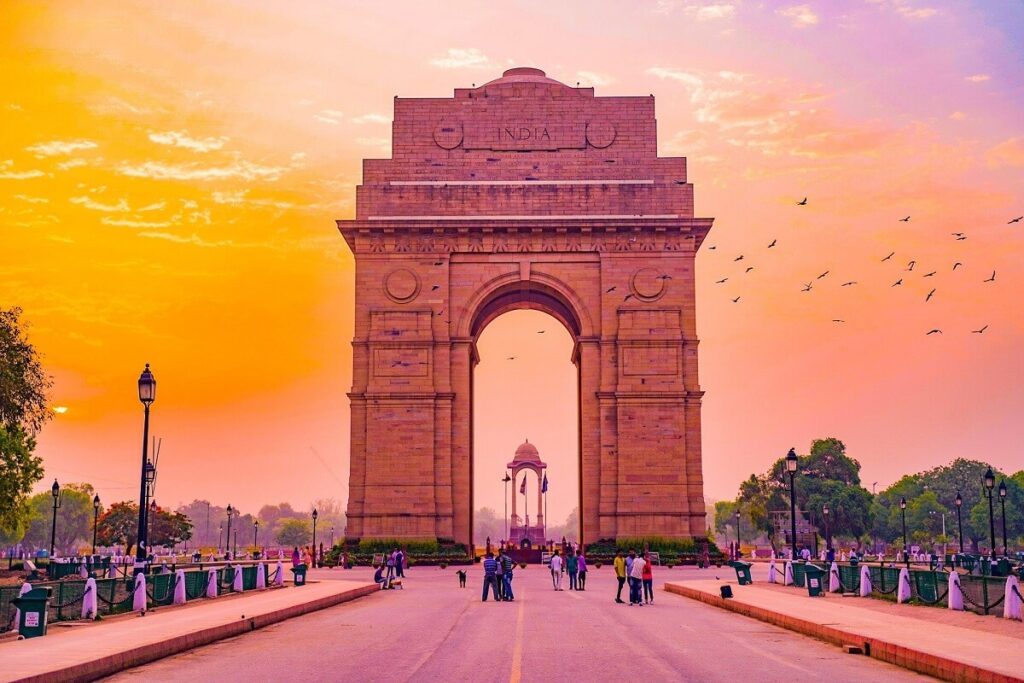
Delhi brings several eras of Indian history together in one energetic capital. Explore Old Delhi’s lanes and Jama Masjid, walk through the Red Fort complex, see Humayun’s Tomb and spend time around the broad avenues of New Delhi. Food walks, craft markets and neighbourhood tours reveal a more personal side of the city. Browse our Delhi tours when planning a guided introduction.
Best for: First-time visitors, history and food | Ideal stay: 2–3 nights | Best time: October to March | Combine with: Agra, Jaipur or Varanasi
2. Agra

The Taj Mahal is the reason most travellers come to Agra, but it should not be the only stop. Agra Fort provides essential context for the Mughal court, while Itmad-ud-Daulah and the gardens across the Yamuna offer quieter perspectives. Stay overnight if possible so you can visit the Taj near sunrise rather than treating Agra as a rushed photo stop. See our Agra tour options.
Best for: Mughal architecture and iconic photography | Ideal stay: 1–2 nights | Best time: October to March | Combine with: Delhi, Jaipur or Gwalior
3. Varanasi
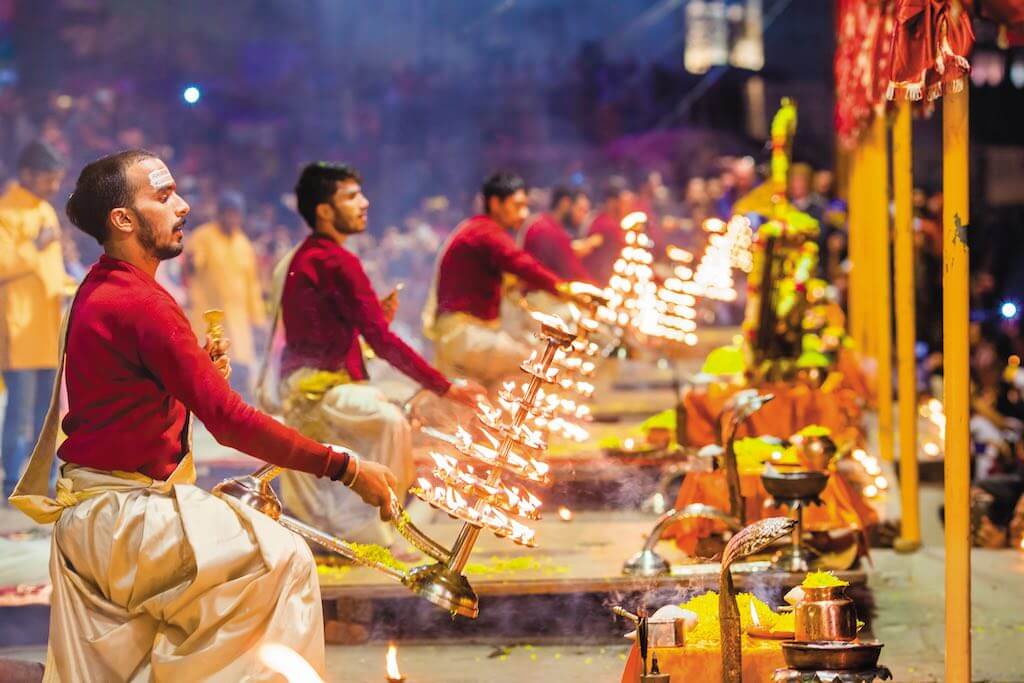
Varanasi is one of India’s oldest continuously inhabited cities and one of its most intense cultural experiences. Take a sunrise boat ride on the Ganges, walk through the old lanes, observe the evening aarti and visit nearby Sarnath, where the Buddha delivered his first sermon. A knowledgeable local guide is especially valuable here because rituals, neighbourhoods and sacred spaces need sensitive interpretation. Explore Varanasi tours.
Best for: Spiritual traditions and living culture | Ideal stay: 2–3 nights | Best time: October to March | Combine with: Delhi, Khajuraho or Bodh Gaya
4. Mathura and Vrindavan

Mathura and Vrindavan are closely associated with the life and legends of Krishna. Their temples, devotional music, flower markets and riverside rituals attract pilgrims throughout the year, with especially large celebrations during Holi and Janmashtami. They work well as a cultural stop between Delhi and Agra, although festival periods require advance planning and a willingness to navigate heavy crowds.
Best for: Hindu pilgrimage and festival culture | Ideal stay: 1–2 nights | Best time: October to March | Combine with: Delhi and Agra
5. Lucknow

Lucknow is known for refined Awadhi culture, graceful architecture and one of India’s most distinctive culinary traditions. Visit Bara Imambara, explore the old city and try kebabs, breads and slow-cooked dishes with a knowledgeable food guide. The city feels less hurried than Delhi and gives travellers a deeper view of North India’s Islamic, colonial and courtly heritage.
Best for: Cuisine, architecture and heritage walks | Ideal stay: 2 nights | Best time: October to March | Combine with: Varanasi or Ayodhya
6. Ayodhya

Ayodhya is one of Hinduism’s most important sacred cities and is traditionally associated with Lord Rama. The city has seen major infrastructure and visitor growth, so travellers should expect an active pilgrimage atmosphere. Alongside the Ram Mandir, the ghats of the Sarayu River and smaller temples help explain the city’s religious importance. Visit with respect for worship schedules and local customs.
Best for: Pilgrimage and Hindu heritage | Ideal stay: 1–2 nights | Best time: October to March | Combine with: Lucknow or Varanasi
7. Jaipur
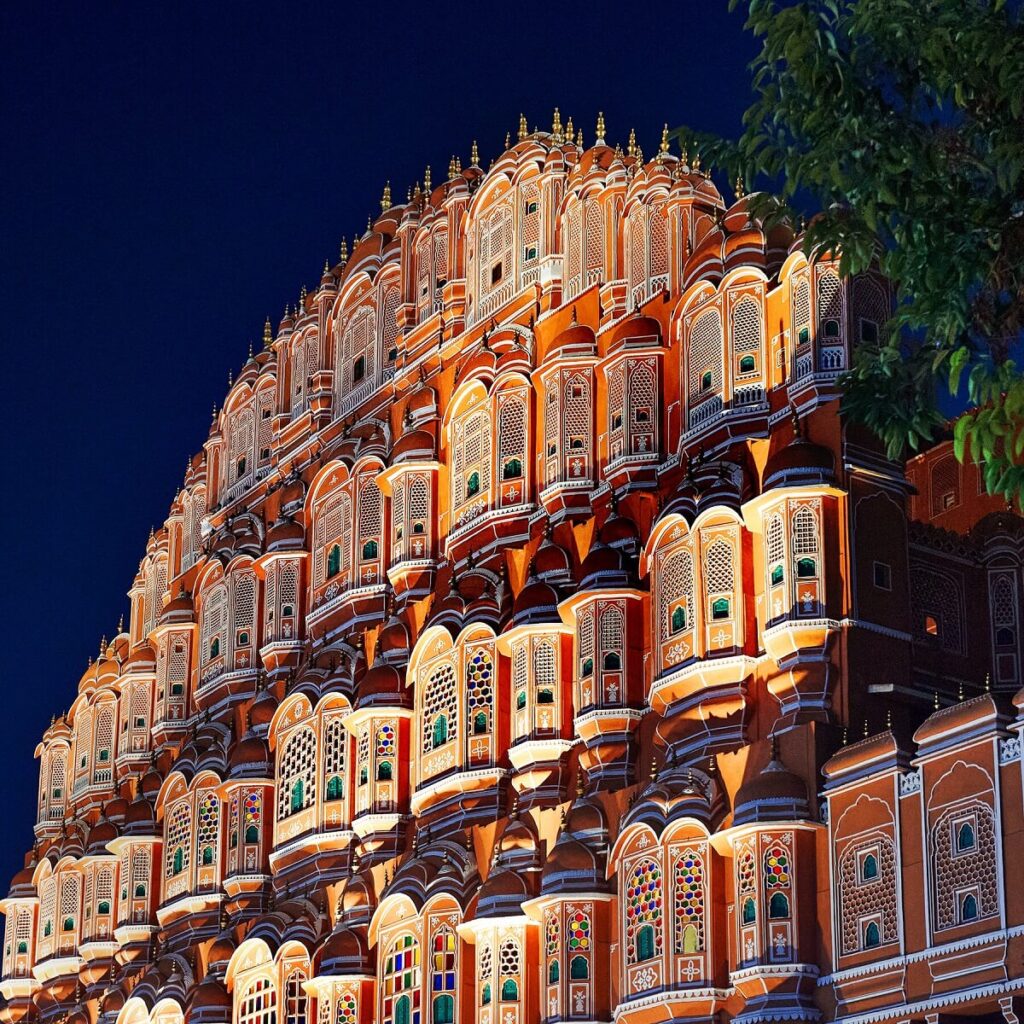
Jaipur balances grand monuments with busy markets and living craft traditions. Amber Fort, the City Palace, Jantar Mantar and Hawa Mahal form the classic sightseeing route, but block printing, jewellery workshops and food walks make the city more memorable. Two full days are the minimum for a comfortable visit. Our Jaipur tours can be adapted for private sightseeing.
Best for: Forts, crafts and first-time visitors | Ideal stay: 2–3 nights | Best time: October to March | Combine with: Delhi, Agra, Pushkar or Udaipur
8. Jodhpur

Mehrangarh Fort rises dramatically above Jodhpur’s blue-painted old neighbourhoods. Inside, its galleries and courtyards provide one of Rajasthan’s clearest introductions to Rajput history. Add Jaswant Thada, the clock tower market and a village experience in the surrounding countryside. Jodhpur also makes a practical link between Jaipur, Jaisalmer and Udaipur. View Jodhpur tours.
Best for: Fort architecture, photography and local food | Ideal stay: 2 nights | Best time: October to March | Combine with: Jaisalmer or Udaipur
9. Udaipur
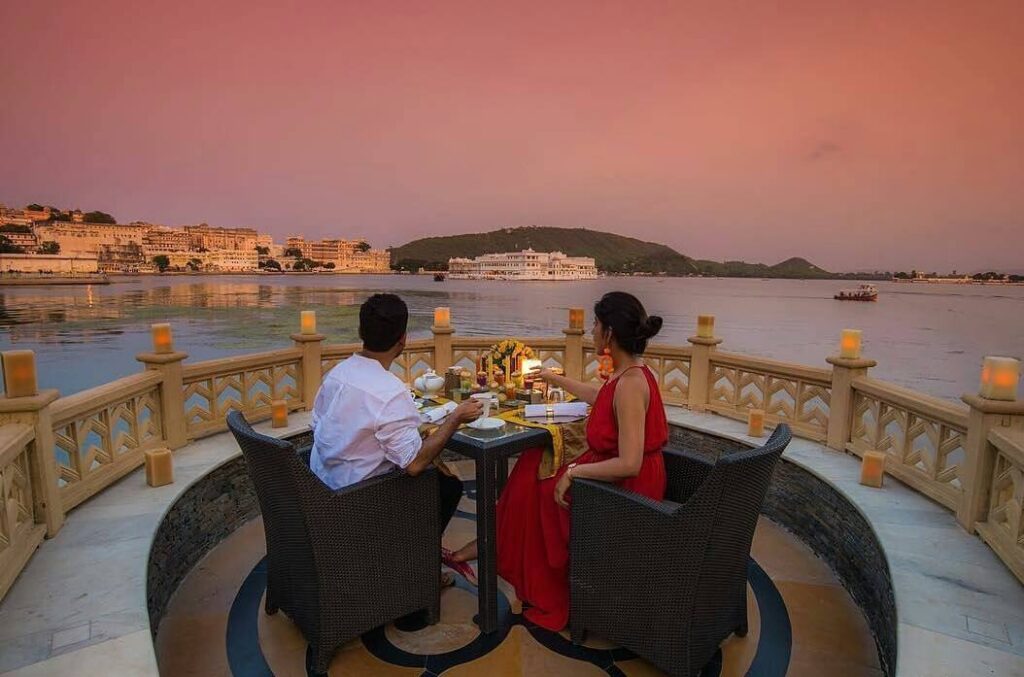
Udaipur is one of Rajasthan’s most relaxing cities, with palaces, havelis and restaurants arranged around a series of lakes. The City Palace deserves several hours, while a boat ride on Lake Pichola is particularly atmospheric late in the day. Use a second day for the old city, local art workshops or an excursion to Eklingji and Nagda. Explore our Udaipur tours.
Best for: Couples, architecture and slower travel | Ideal stay: 2–3 nights | Best time: October to March | Combine with: Jodhpur, Chittorgarh or Ahmedabad
10. Jaisalmer

Jaisalmer’s golden sandstone fort still contains homes, temples, shops and guesthouses, making it very different from Rajasthan’s museum-like forts. Explore the carved havelis and then spend a night in the Thar Desert. Choose a camp carefully and favour smaller operations that provide a quieter dune experience and responsible treatment of animals. See Jaisalmer tours.
Best for: Desert landscapes and fortified heritage | Ideal stay: 2–3 nights | Best time: October to March | Combine with: Jodhpur or Bikaner
11. Bikaner

Bikaner receives fewer international visitors than Jaipur or Jodhpur, which is part of its appeal. Junagarh Fort, built on the plains rather than a hill, contains richly decorated halls and courtyards. The old city’s merchant houses, markets and snack shops reward unhurried exploration. Bikaner can also serve as a base for visiting the unusual Karni Mata Temple at Deshnok.
Best for: Less-crowded Rajasthan and food | Ideal stay: 1–2 nights | Best time: October to March | Combine with: Jaisalmer, Mandawa or Jaipur
12. Bundi
Bundi is a compact, atmospheric town with blue houses, stepwells and a palace covered in delicate murals. It offers a quieter alternative to Rajasthan’s headline cities and is best enjoyed on foot. Climb toward Taragarh Fort in the morning, explore the palace and spend the afternoon around the old lanes and baoris. The pace suits travellers who prefer small towns to major sightseeing circuits.
Best for: Murals, stepwells and slow travel | Ideal stay: 1–2 nights | Best time: October to March | Combine with: Jaipur, Kota or Udaipur
13. Pushkar
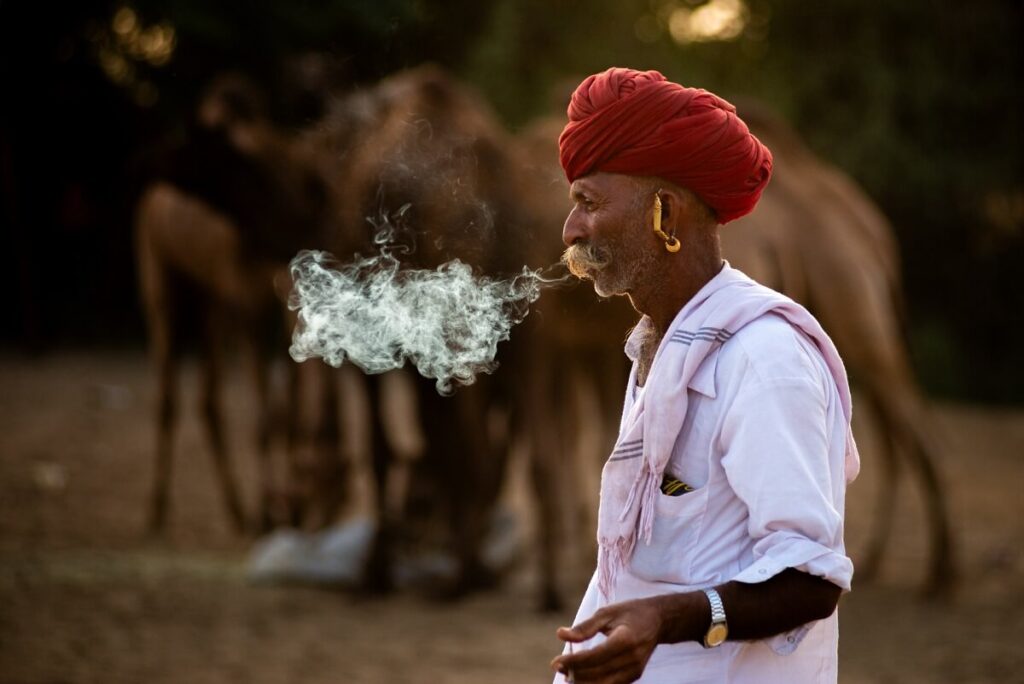
Pushkar is a sacred lakeside town centred on ghats, temples and a compact bazaar. It is easy to explore in a day, but an overnight stay allows time for an early walk around the lake and a sunset viewpoint. The annual camel fair brings extraordinary energy and very large crowds, so accommodation should be reserved well ahead if the festival is your priority.
Best for: Pilgrimage, markets and festival photography | Ideal stay: 1–2 nights | Best time: October to March | Combine with: Jaipur or Jodhpur
14. Ranthambore National Park

Ranthambore is one of India’s best-known tiger reserves and combines wildlife drives with the dramatic ruins of Ranthambore Fort. Tiger sightings are never guaranteed, so plan at least three safaris in different zones and appreciate the park’s leopards, deer, birds and landscapes as well. Safari permits are limited and should be arranged well in advance. Consider a private India wildlife tour for coordinated permits and transport.
Best for: Tigers and wildlife photography | Ideal stay: 2–3 nights | Best time: October to June | Combine with: Jaipur, Bundi or Agra
15. Chittorgarh
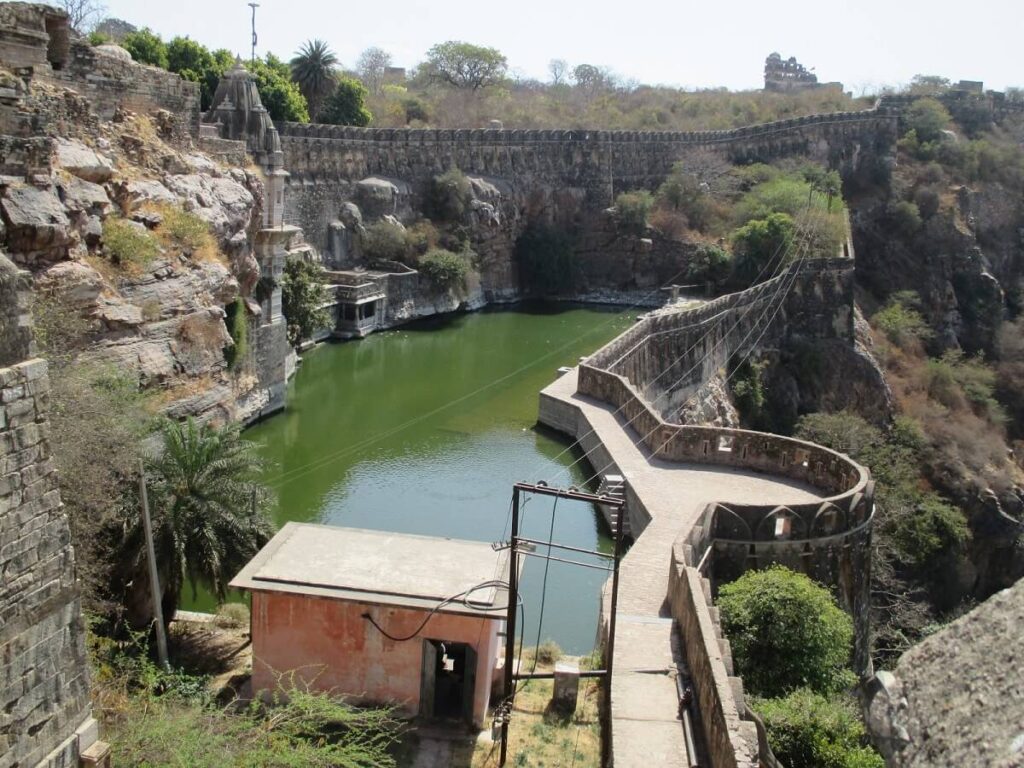
Chittorgarh Fort spreads across a vast plateau and is closely tied to the history and legends of Mewar. Its towers, temples, reservoirs and palace ruins require several hours, making it more than a quick roadside stop. A guide can help separate documented history from popular folklore. The town works particularly well between Udaipur and Bundi.
Best for: Rajput history and monumental ruins | Ideal stay: 1 night or a day trip | Best time: October to March | Combine with: Udaipur or Bundi
16. Kumbhalgarh
Kumbhalgarh Fort sits high in the Aravalli Hills behind an immense defensive wall. The drive from Udaipur passes rural landscapes and can be combined with the marble Jain temples at Ranakpur. Staying overnight creates time to see the illuminated fort and explore without rushing back after dark. It is a strong choice for travellers interested in architecture beyond Rajasthan’s major cities.
Best for: Forts, mountain scenery and road trips | Ideal stay: 1 night | Best time: October to March | Combine with: Udaipur and Ranakpur
17. Amritsar

Amritsar’s Golden Temple is both a major Sikh shrine and a place of remarkable hospitality. Visit during daylight and return after dark when the complex is illuminated. The community kitchen offers insight into the Sikh tradition of service, while Jallianwala Bagh provides essential historical context. Add a food walk and, if interested, the evening ceremony at the Attari-Wagah border.
Best for: Sikh heritage, food and community traditions | Ideal stay: 2 nights | Best time: October to March | Combine with: Delhi or Dharamshala
18. Rishikesh

Rishikesh sits beside the Ganges at the Himalayan foothills and attracts yoga students, pilgrims and adventure travellers. Join a morning yoga session, walk between ashrams and riverside neighbourhoods, and attend an evening aarti. Rafting and short hikes add variety, although activities depend on river and weather conditions. Choose accommodation away from the busiest roads if tranquillity is important.
Best for: Yoga, wellness and outdoor activities | Ideal stay: 2–4 nights | Best time: October to April | Combine with: Haridwar, Mussoorie or Delhi
19. Haridwar

Haridwar is a major Hindu pilgrimage city where the Ganges reaches the plains. The evening ceremony at Har Ki Pauri is the central experience, but early morning offers a quieter view of pilgrims, priests and daily rituals. The city can be visited as a day trip from Rishikesh, although an overnight stay is worthwhile for travellers focused on religious culture.
Best for: Pilgrimage and riverside rituals | Ideal stay: 1 night | Best time: October to March | Combine with: Rishikesh
20. Mussoorie

Mussoorie is a historic hill station with forest walks, Himalayan viewpoints and a lively central promenade. It is most rewarding when treated as a relaxed break rather than a checklist destination. Walk around Landour, visit local bakeries and plan short hikes in the surrounding hills. Weekends and school holidays can be crowded, so weekday stays are preferable.
Best for: Easy Himalayan scenery and family trips | Ideal stay: 2–3 nights | Best time: March to June and September to November | Combine with: Rishikesh or Dehradun
21. Nainital

Nainital is arranged around an attractive mountain lake and makes a convenient base for viewpoints, forest walks and nearby Himalayan towns. Boating and the old colonial neighbourhoods remain popular, but the surrounding Kumaon region is the stronger reason to stay longer. Consider adding quieter places such as Bhimtal, Ramgarh or Mukteshwar if you have several days.
Best for: Families, lakes and accessible hill scenery | Ideal stay: 2–3 nights | Best time: March to June and October to November | Combine with: Jim Corbett or Mukteshwar
22. Jim Corbett National Park
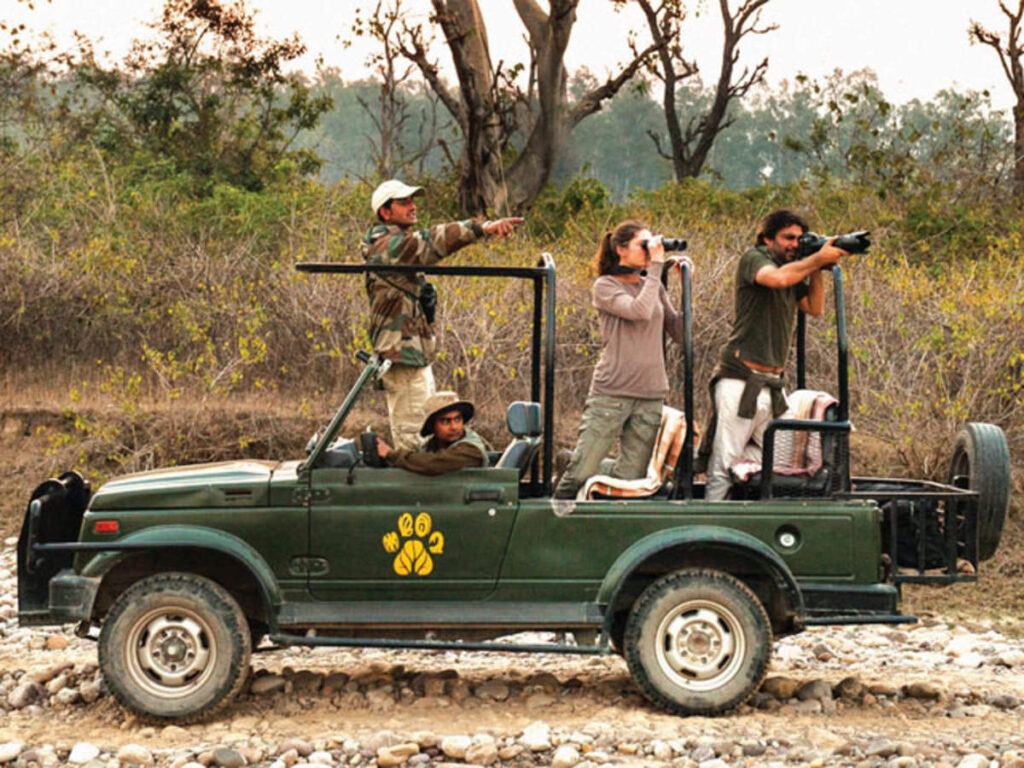
India’s oldest national park protects forests, grasslands and river habitats in Uttarakhand. It is known for tigers and elephants, although the landscape and birdlife are equally important. Different tourism zones have separate entry arrangements, and some forest areas close during the monsoon. Choose a lodge based on the zone you plan to enter to avoid unnecessary early-morning travel.
Best for: Wildlife, birding and families | Ideal stay: 2–3 nights | Best time: November to June, depending on zone | Combine with: Nainital or Delhi
23. Valley of Flowers
The Valley of Flowers is a seasonal Himalayan trekking destination in Uttarakhand’s Chamoli district, not Nainital. Its alpine meadows become accessible after the winter snow clears, with flowering conditions usually strongest during the monsoon months. The journey requires road travel to the trail area and walking over several days. Add Hemkund Sahib only if your fitness and acclimatisation allow.
Best for: Trekking, alpine flowers and mountain landscapes | Ideal stay: 5–7 nights including access | Best time: July to early September | Combine with: Rishikesh or Badrinath
24. Auli

Auli is known for snowy winter slopes and broad views of the Garhwal Himalaya. Skiing is the principal winter attraction, while spring and autumn suit travellers interested in walks and mountain scenery. Access normally involves a long drive from the plains, so build flexibility into the itinerary and avoid treating Auli as a quick excursion from Rishikesh.
Best for: Snow, skiing and Himalayan views | Ideal stay: 2–3 nights plus travel time | Best time: January to March for snow; April–May and October for views | Combine with: Joshimath or Rishikesh
25. Shimla

Shimla’s appeal lies in its mountain setting, colonial-era buildings and pedestrian central ridge. The heritage railway from Kalka is a memorable way to arrive when time permits. Walk rather than drive around the core, and use an extra day for Mashobra, Naldehra or a forest trail. Peak summer and holiday weekends bring heavy domestic tourism.
Best for: Heritage, easy walks and families | Ideal stay: 2–3 nights | Best time: March to June and October to February | Combine with: Chandigarh or Manali
26. Manali

Manali is a gateway to the higher Himalaya as well as a destination for forests, villages and outdoor activities. Old Manali, Naggar and the surrounding valleys offer more character than the busiest commercial centre. Road conditions and access to high passes vary by season, so confirm the exact route shortly before travelling. Allow extra time if continuing toward Lahaul, Spiti or Ladakh.
Best for: Mountain scenery and adventure activities | Ideal stay: 3–4 nights | Best time: March to June and September to November | Combine with: Shimla, Lahaul or Spiti
27. Dharamshala and McLeod Ganj

Dharamshala and upper McLeod Ganj are shaped by Tibetan culture, Buddhist institutions and the forested Dhauladhar range. Visit the Tsuglagkhang complex, explore Tibetan food and crafts, and plan a village walk or short hike. Travellers interested in meditation or Buddhism may want several days, while a general sightseeing visit can be completed in two nights.
Best for: Tibetan culture, Buddhism and mountain walks | Ideal stay: 2–4 nights | Best time: March to June and September to November | Combine with: Amritsar or Dalhousie
28. Spiti Valley

Spiti is a high-altitude desert of monasteries, small villages and stark mountain scenery. Road journeys are long, facilities are simple in many locations and acclimatisation must be taken seriously. A circuit through Kinnaur generally needs more time than an approach from Manali. Travel with an experienced driver and keep at least one buffer day for weather or road delays.
Best for: Remote landscapes, monasteries and road trips | Ideal stay: 7–10 nights | Best time: June to September | Combine with: Kinnaur or Manali
29. Srinagar and the Kashmir Valley

Srinagar combines Mughal gardens, historic mosques, markets and the waterways of Dal Lake. Use it as a base for excursions to Gulmarg, Pahalgam or Sonamarg, but do not try to cover all three in a single day. A carefully selected houseboat can be memorable, while a hotel may suit travellers who value easier road access. Check current local conditions before travel.
Best for: Gardens, mountain scenery and romantic journeys | Ideal stay: 4–7 nights including excursions | Best time: April to October; winter for snow | Combine with: Delhi or Ladakh by air
30. Leh–Ladakh
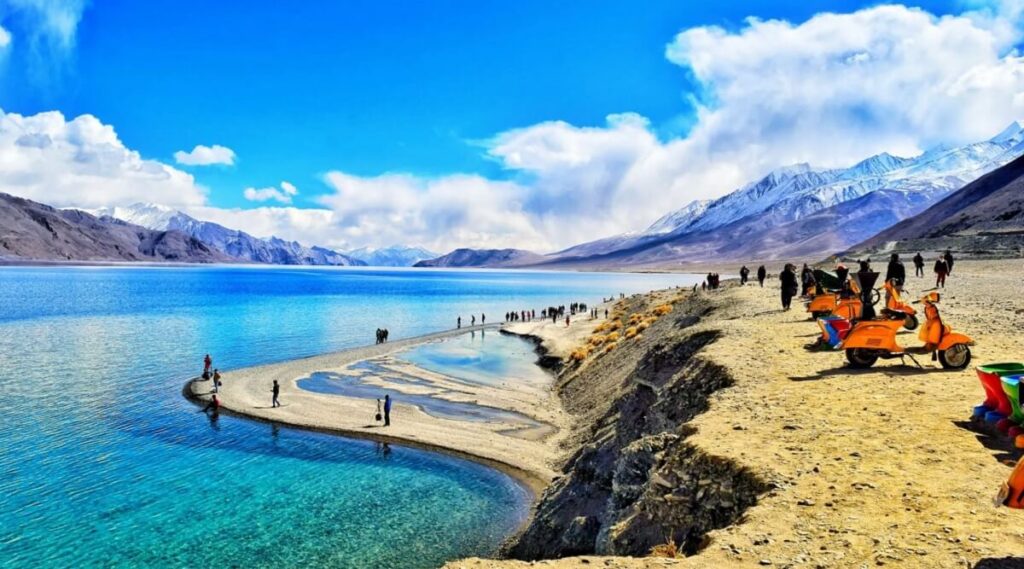
Ladakh offers monasteries, high passes and vast landscapes unlike anywhere else in India. Spend the first two days in Leh acclimatising before visiting Nubra Valley or Pangong Lake. Distances are long and altitude affects travellers differently, so a slower itinerary is safer and more enjoyable. Regional permits and road access should be arranged through an experienced operator. Browse Ladakh tour packages.
Best for: High-altitude scenery, monasteries and photography | Ideal stay: 6–9 nights | Best time: May to September | Combine with: Delhi or Kashmir
Best places to visit in Central India
Central India is ideal for travellers who want archaeology, sacred cities and serious wildlife experiences. Distances can be deceptive, so use a combination of private road transport, trains and short flights rather than attempting an entirely overland itinerary.
31. Khajuraho
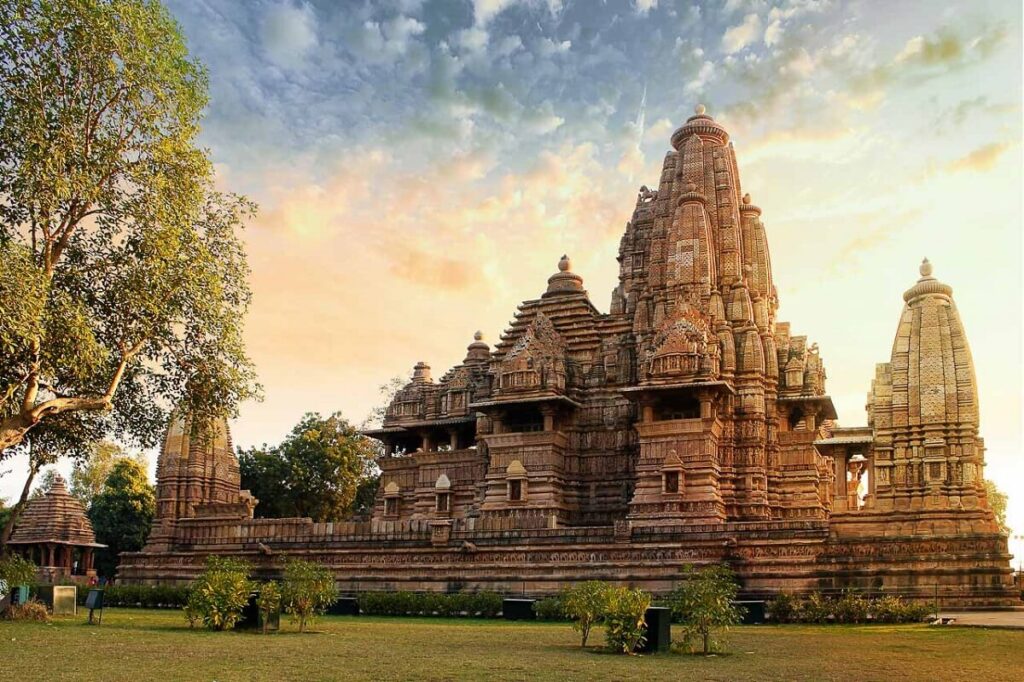
Khajuraho’s surviving temples are masterpieces of Chandella-period architecture, built mainly during the 10th and 11th centuries. Their sculpture covers deities, musicians, dancers, daily life and intimate human relationships, not only the erotic imagery for which the site is famous. Visit the Western Group early, then explore the quieter eastern and southern groups with a trained guide.
Best for: Temple architecture and sculpture | Ideal stay: 1–2 nights | Best time: October to March | Combine with: Orchha, Varanasi or Bandhavgarh
32. Orchha
Orchha is a small riverside town of palaces, temples and cenotaphs established by Bundela rulers. Its scale makes it easy to explore without rushing, particularly in the early morning and late afternoon when day visitors are fewer. The Ram Raja Temple remains an active place of worship, while the palace complex preserves impressive murals and elevated views.
Best for: Small-town heritage and photography | Ideal stay: 1–2 nights | Best time: October to March | Combine with: Gwalior or Khajuraho
33. Gwalior

Gwalior Fort dominates a sandstone plateau above the city and contains palaces, temples and monumental Jain carvings. The richly coloured exterior of Man Singh Palace is a highlight, while the old city and Jai Vilas Palace reveal later chapters of regional history. Gwalior is well placed between Agra and Orchha and deserves more than a brief station stop.
Best for: Forts, music history and architecture | Ideal stay: 1–2 nights | Best time: October to March | Combine with: Agra or Orchha
34. Bhopal

Bhopal is a useful cultural base for some of Madhya Pradesh’s most important heritage sites. Within the city, visit the Tribal Museum, old mosques and lakefront. Excursions can include Sanchi and the prehistoric rock shelters of Bhimbetka. The combination of urban history, archaeology and regional cuisine makes Bhopal more rewarding than its reputation as a transit point suggests.
Best for: Museums, archaeology and regional culture | Ideal stay: 2–3 nights | Best time: October to March | Combine with: Sanchi, Bhimbetka or Ujjain
35. Sanchi

Sanchi preserves an exceptional collection of Buddhist stupas, monasteries and gateways. The Great Stupa developed over several centuries, and its carved toranas provide a remarkable visual account of Buddhist stories and symbols. The site is an easy excursion from Bhopal, but travellers with a strong interest in Buddhist history may also visit nearby Udayagiri Caves and Vidisha.
Best for: Buddhist heritage and archaeology | Ideal stay: Half day to 1 night | Best time: October to March | Combine with: Bhopal and Udayagiri
36. Ujjain

Ujjain is one of India’s major sacred cities and home to the Mahakaleshwar Jyotirlinga. Temple visits begin early, and specific rituals may require advance arrangements. Beyond Mahakaleshwar, spend time along the Shipra River and visit other historic shrines. Ujjain is easily paired with Indore and works best for travellers interested in pilgrimage traditions rather than conventional sightseeing.
Best for: Hindu pilgrimage and temple culture | Ideal stay: 1–2 nights | Best time: October to March | Combine with: Indore, Omkareshwar or Mandu
37. Indore

Indore is one of Central India’s strongest food destinations. Its night market at Sarafa and daytime stalls at Chappan Dukan introduce visitors to regional snacks, sweets and modern street-food culture. Rajwada and nearby heritage buildings add historical interest, while the city serves as the most convenient gateway for Ujjain, Mandu, Maheshwar and Omkareshwar.
Best for: Street food and regional touring | Ideal stay: 1–2 nights | Best time: October to March | Combine with: Ujjain, Mandu or Maheshwar
38. Mandu

Mandu’s Afghan-era palaces, mosques and pavilions are scattered across a high plateau. Jahaz Mahal appears to float between reservoirs, while the story of Baz Bahadur and Rani Roopmati is closely connected to the landscape. The ruins are spread out, so a private vehicle and guide are useful. Monsoon turns the plateau green, although winter offers more predictable sightseeing weather.
Best for: Ruins, architecture and monsoon landscapes | Ideal stay: 1–2 nights | Best time: July to March | Combine with: Indore and Maheshwar
39. Kanha National Park

Kanha’s sal forests and open meadows inspired generations of naturalists and support tigers, leopards, deer, wild dogs and the rare hard-ground barasingha. Plan several drives because wildlife sightings vary from safari to safari. Lodge location matters: select accommodation near the gate assigned in your permit. The park usually closes during the core monsoon period.
Best for: Wildlife, birding and forest landscapes | Ideal stay: 3 nights | Best time: October to June | Combine with: Bandhavgarh or Pench
40. Bandhavgarh National Park

Bandhavgarh is known for tiger habitat concentrated around forested hills, grasslands and the ancient fort area. Its compact tourism zones can produce rewarding sightings, but nothing in the wild is guaranteed. Three or four drives provide a more balanced experience than a single safari. Build the route through Jabalpur or Khajuraho depending on the rest of your itinerary.
Best for: Tiger safaris and wildlife photography | Ideal stay: 3 nights | Best time: October to June | Combine with: Khajuraho, Kanha or Jabalpur
Need help connecting these places?
Central India’s temples, heritage towns and national parks require careful transport and safari planning. Tusk Travel can combine them into a private itinerary with an experienced driver, suitable hotels and pre-arranged park visits.
Best places to visit in South India
South India suits travellers looking for a varied journey at a gentler pace. Kerala combines backwaters, tea country and the coast, while Tamil Nadu is rich in temple architecture. Karnataka brings together royal cities, wildlife and Hampi’s ruins, and Telangana and Andhra Pradesh add Deccan history and pilgrimage centres.
41. Kochi

Kochi is the most rewarding gateway to Kerala. Fort Kochi and Mattancherry reflect centuries of Arab, Jewish, Portuguese, Dutch and British connections. Explore on foot with a guide, visit the synagogue area and spice streets, and attend a Kathakali performance with time to observe the make-up ritual. See our Kochi tours.
Best for: Coastal history, food and arts | Ideal stay: 2 nights | Best time: October to March | Combine with: Munnar, Alleppey or Marari
42. Munnar

Munnar’s tea-covered hills provide a cool contrast to Kerala’s coast. Visit a working tea estate or museum, take a guided nature walk and explore viewpoints away from the busiest town centre. Road travel is winding, so two or three nights create a much more comfortable experience than a one-night stop. Early starts help avoid traffic at popular viewpoints.
Best for: Tea, scenery and couples | Ideal stay: 2–3 nights | Best time: September to March | Combine with: Kochi and Thekkady
43. Alleppey

Alleppey, also called Alappuzha, is one of the principal gateways to Kerala’s backwaters. A private houseboat can be enjoyable, but quality varies considerably, so inspect the route, boat category and operating practices rather than selecting by price alone. A village canoe excursion or waterside homestay often provides a closer view of everyday backwater life.
Best for: Houseboats and slow travel | Ideal stay: 1–2 nights | Best time: October to March | Combine with: Kochi, Kumarakom or Marari
44. Kumarakom
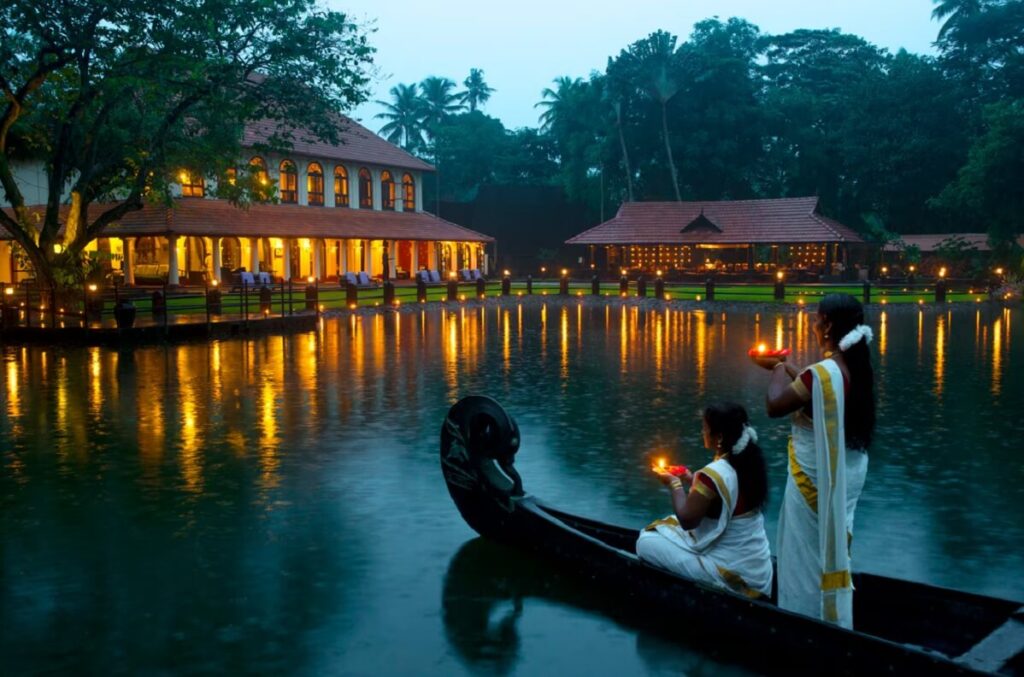
Kumarakom offers a quieter, resort-oriented backwater experience on Vembanad Lake. It is a good choice for couples and older travellers who want to rest between more active sightseeing days. Birding, canoe rides, village visits and Ayurvedic treatments can all be arranged locally. Choose Kumarakom over Alleppey when a peaceful lakeside stay matters more than an overnight cruise.
Best for: Relaxation, birding and wellness | Ideal stay: 2 nights | Best time: October to March | Combine with: Kochi and Thekkady
45. Thekkady and Periyar

Thekkady is the visitor base for Periyar Tiger Reserve, but the region offers more than a standard boat ride. Guided forest walks, bamboo rafting, spice-garden visits and responsible community-led activities provide richer experiences. Wildlife sightings are unpredictable, and travellers should value the forest, birds and elephants rather than expecting guaranteed tigers.
Best for: Nature, spices and soft adventure | Ideal stay: 2 nights | Best time: October to April | Combine with: Munnar, Kumarakom or Madurai
46. Varkala
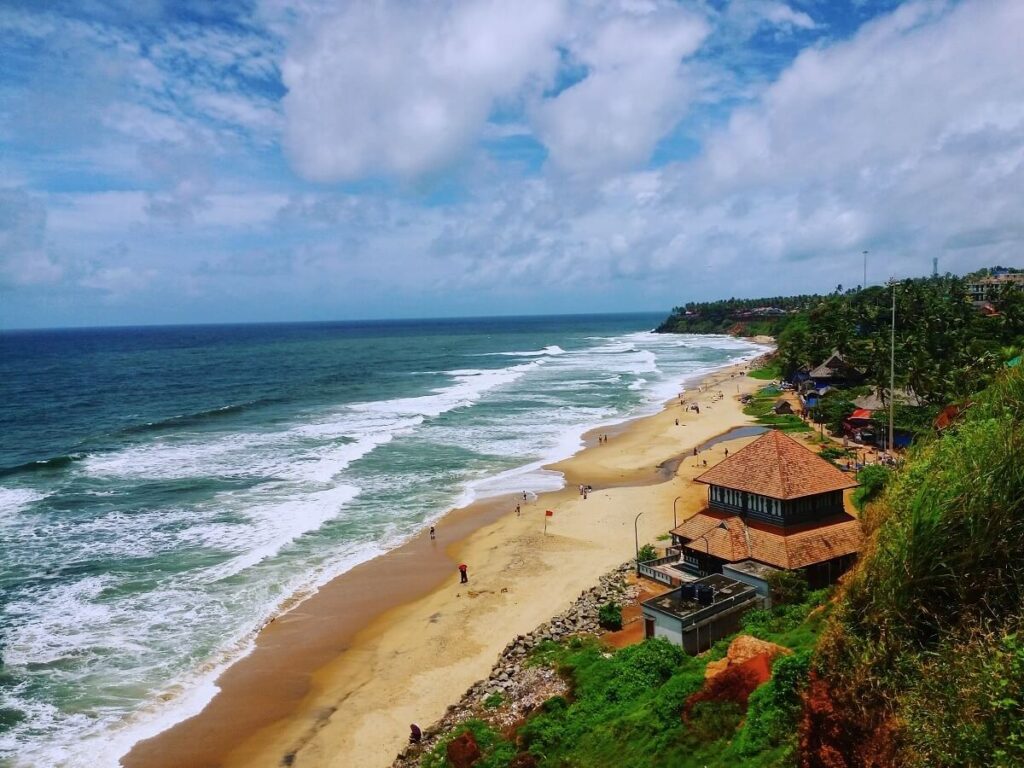
Varkala’s cliff-top setting distinguishes it from Kerala’s other beach towns. Paths along the cliff connect cafés, small hotels and access points to the sand, while the older temple area gives the town a spiritual dimension. It suits travellers who want a relaxed coastal finish without the resort atmosphere of larger beach destinations.
Best for: Beaches, yoga and independent cafés | Ideal stay: 2–4 nights | Best time: November to March | Combine with: Thiruvananthapuram or Alleppey
47. Kovalam

Kovalam is Kerala’s best-established beach resort area and lies close to Thiruvananthapuram airport. It works well for travellers who prefer full-service hotels, Ayurveda programmes and easy airport access. The beaches are lively rather than secluded, so choose the specific bay and hotel location carefully. Kovalam can also be paired with the palace at Padmanabhapuram.
Best for: Resorts, Ayurveda and easy beach stays | Ideal stay: 2–4 nights | Best time: November to March | Combine with: Varkala or Kanyakumari
48. Wayanad
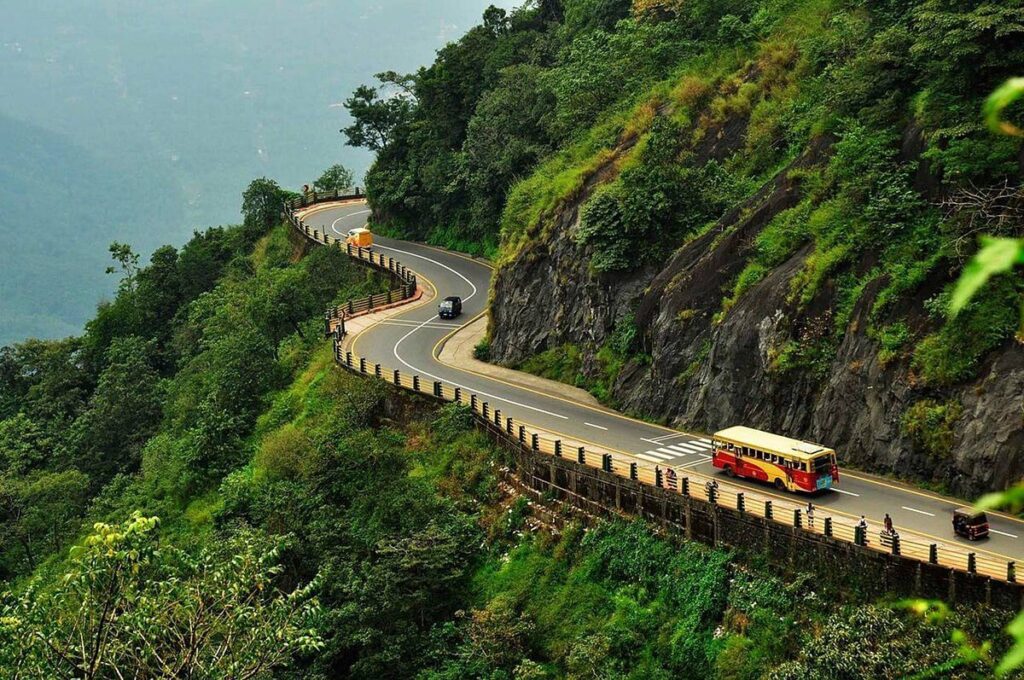
Wayanad is a green highland district of plantations, forest, caves and small communities in northern Kerala. It is better suited to travellers seeking nature and resort time than monument-focused sightseeing. Distances between attractions can be substantial, so select accommodation based on the experiences you want and avoid trying to cover the entire district in one day.
Best for: Nature, plantations and families | Ideal stay: 2–3 nights | Best time: October to May | Combine with: Kozhikode, Mysuru or Coorg
49. Chennai

Chennai is a major cultural centre rather than simply a gateway to Tamil Nadu. Visit the Kapaleeshwarar Temple area, explore museums and colonial landmarks, and make time for South Indian food and classical arts. Marina Beach is a lively urban seafront, not a conventional swimming beach. Chennai is also the natural starting point for Mahabalipuram and Puducherry.
Best for: Tamil culture, food and classical arts | Ideal stay: 2 nights | Best time: November to February | Combine with: Mahabalipuram and Puducherry
50. Mahabalipuram
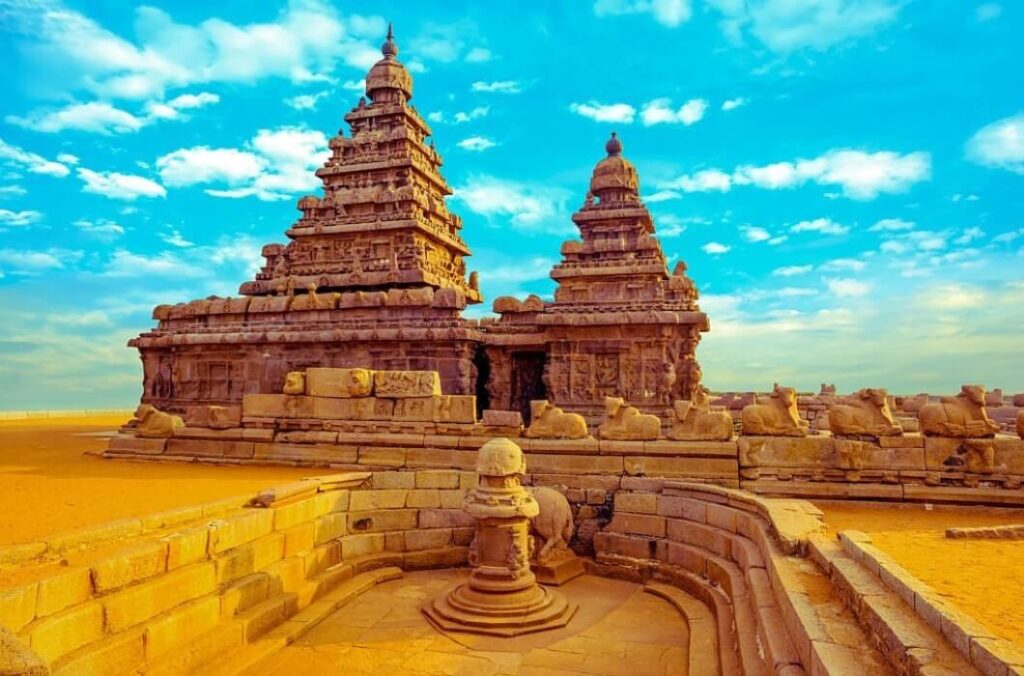
Mahabalipuram, or Mamallapuram, is known for Pallava-period rock-cut monuments and the Shore Temple. The site is now in Chengalpattu district and is easily reached from Chennai along the East Coast Road. Visit early to avoid heat and crowds, then spend time with stone-carving workshops or at a coastal hotel. One night creates a more relaxed experience than a rushed day trip.
Best for: Archaeology, sculpture and coastal heritage | Ideal stay: 1–2 nights | Best time: November to February | Combine with: Chennai and Puducherry
51. Puducherry

Puducherry blends Tamil neighbourhoods with a carefully planned former French quarter. Cycle or walk through the quieter streets in the morning, explore cafés and heritage buildings, and visit nearby Auroville with realistic expectations about visitor access. The destination works best as a two-night pause on a longer Tamil Nadu route rather than a hurried photo stop.
Best for: Heritage streets, cafés and slow travel | Ideal stay: 2 nights | Best time: November to February | Combine with: Chennai, Mahabalipuram or Thanjavur
52. Madurai

Madurai is one of South India’s great temple cities. The Meenakshi Amman Temple is a living religious complex, and visiting with a guide helps explain its rituals, sculpture and layout. Add the flower market, local food and the evening temple ceremony where permitted. Our Madurai tours can connect the city with the wider Tamil Nadu temple route.
Best for: Temple culture, markets and food | Ideal stay: 2 nights | Best time: November to February | Combine with: Rameswaram, Chettinad or Thekkady
53. Rameswaram

Rameswaram is a major Hindu pilgrimage centre on Pamban Island. Ramanathaswamy Temple is renowned for its long pillared corridors and sacred water rituals. The coastal road toward Dhanushkodi adds stark landscapes and views toward the Gulf of Mannar. Travellers should dress conservatively and confirm temple access rules before arriving.
Best for: Pilgrimage, temple architecture and coastal scenery | Ideal stay: 1–2 nights | Best time: October to March | Combine with: Madurai
54. Thanjavur

Thanjavur is the ideal base for understanding the Chola legacy. Brihadisvara Temple is the centrepiece, but the palace complex, bronze-casting traditions and nearby temples at Darasuram and Gangaikonda Cholapuram deserve time. A specialist guide adds considerable value because the architecture, inscriptions and religious symbolism are exceptionally rich.
Best for: Chola architecture, bronze art and history | Ideal stay: 2 nights | Best time: November to February | Combine with: Chettinad, Madurai or Puducherry
55. Ooty

Ooty, officially Udhagamandalam, is a historic hill station in the Nilgiris. The heritage mountain railway, botanical gardens, tea estates and cool climate attract large numbers of visitors. Stay outside the busiest centre if you want a quieter experience, and include Coonoor for walks, viewpoints and tea-country scenery. Railway seats should be booked early.
Best for: Heritage railways, tea and families | Ideal stay: 2–3 nights | Best time: October to June | Combine with: Coonoor, Mysuru or Coimbatore
56. Kodaikanal

Kodaikanal is a forested hill station centred on a star-shaped lake. Short walks, viewpoints and day trips to waterfalls make it a restful addition to a Tamil Nadu itinerary. The town can become crowded during school holidays, so choose accommodation away from the lakefront traffic. See our Kodaikanal travel options.
Best for: Couples, families and cool-weather breaks | Ideal stay: 2–3 nights | Best time: October to June | Combine with: Madurai
57. Bengaluru

Bengaluru, formerly Bangalore, is a modern technology hub with historic parks, markets, museums and a sophisticated dining scene. It is more valuable as a cultural gateway than as a conventional monument city. Explore the old market districts, Lalbagh, selected museums and contemporary restaurants before continuing into Karnataka.
Best for: Food, contemporary culture and regional connections | Ideal stay: 1–2 nights | Best time: October to February | Combine with: Mysuru, Hampi or Chikmagalur
58. Mysuru

Mysuru is known for its illuminated palace, broad avenues, markets and traditions of silk, sandalwood and yoga. Visit the palace with enough time to understand its history, then explore Devaraja Market and Chamundi Hill. The city is calmer than Bengaluru and works well for travellers continuing toward Coorg, Wayanad or Ooty.
Best for: Royal heritage, yoga and markets | Ideal stay: 2 nights | Best time: October to March | Combine with: Bengaluru, Coorg or Ooty
59. Hampi
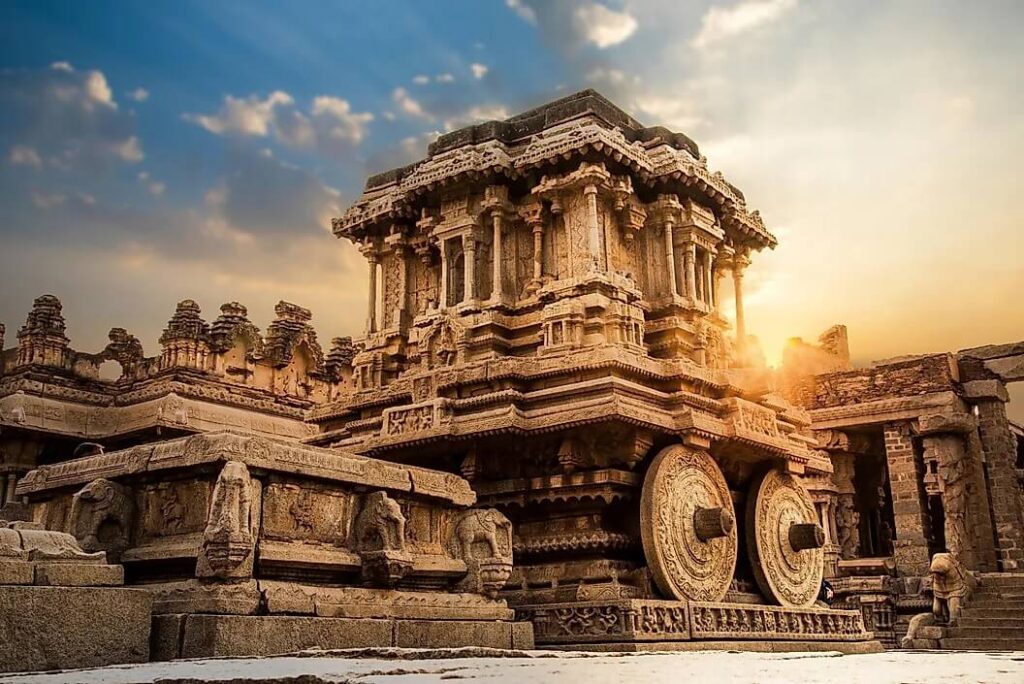
Hampi’s Vijayanagara ruins are spread through a surreal landscape of granite boulders and riverbanks. The royal and sacred zones need at least two full days, ideally with a guide for the principal monuments and time for independent exploration. Sunrise and sunset reveal the landscape at its best. Browse Hampi tours.
Best for: Archaeology, landscapes and photography | Ideal stay: 2–3 nights | Best time: October to February | Combine with: Badami or Goa
60. Badami, Aihole and Pattadakal
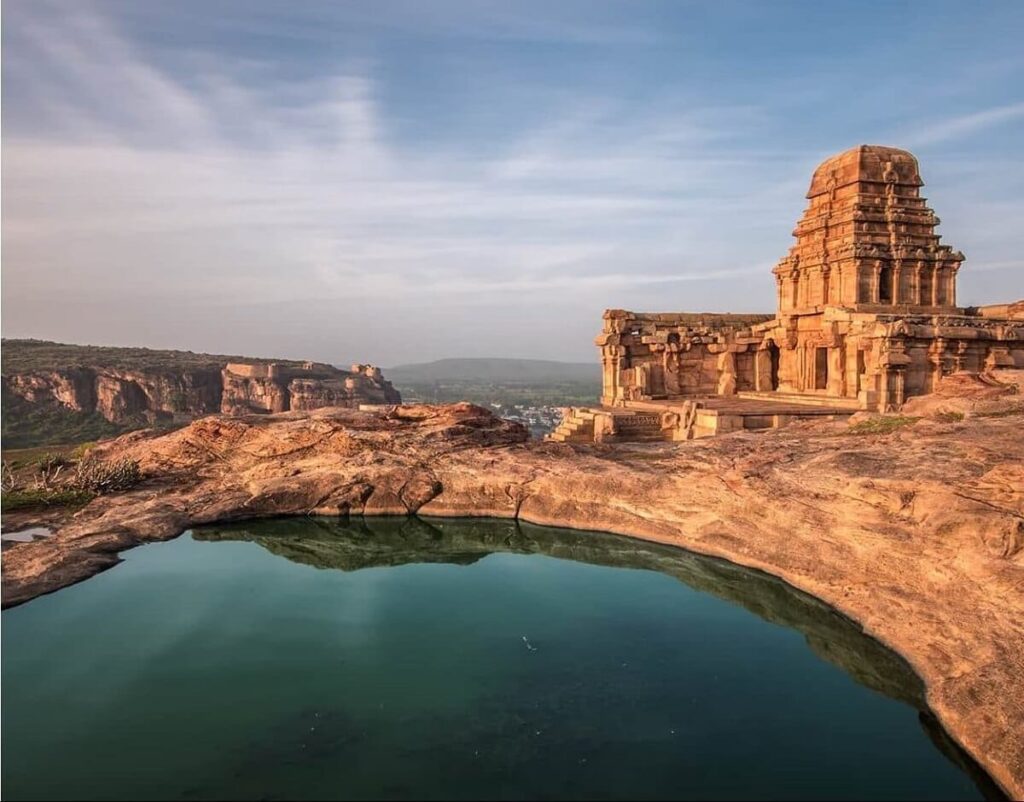
These three sites form one of Karnataka’s most important early temple circuits. Badami has four principal rock-cut cave temples, Aihole contains experimental temple forms, and UNESCO-listed Pattadakal shows mature Chalukyan architecture. Base yourself in Badami for two nights and use a private vehicle, as the monuments are spread across separate locations.
Best for: Early temple architecture and archaeology | Ideal stay: 2 nights | Best time: October to February | Combine with: Hampi; see Badami tours
61. Coorg

Coorg, or Kodagu, is a highland region of coffee estates, forests and small towns. Plantation stays, guided walks and local Kodava cuisine are more rewarding than rushing between viewpoints. Travel times on winding roads can be longer than expected, so select one well-located base and allow at least two nights.
Best for: Coffee, nature and couples | Ideal stay: 2–3 nights | Best time: October to March | Combine with: Mysuru or Wayanad
62. Chikmagalur

Chikmagalur is another major coffee region, with plantation stays, mountain drives and access to the Western Ghats. It suits travellers who want quiet scenery and moderate outdoor activity. Estate experiences vary, so look for properties that offer guided coffee walks and meaningful local interaction rather than accommodation alone.
Best for: Coffee estates and hill scenery | Ideal stay: 2–3 nights | Best time: September to March | Combine with: Bengaluru, Hassan or Hampi
63. Hyderabad

Hyderabad combines the monuments and markets of the old city with a modern technology district. Charminar, Mecca Masjid, Golconda Fort and the Qutb Shahi Tombs form the essential heritage circuit. Food is equally important: plan time for biryani, Irani cafés and regional Deccani dishes. A guide helps navigate the busy old-city lanes.
Best for: Deccan history, architecture and cuisine | Ideal stay: 2–3 nights | Best time: October to February | Combine with: Warangal or a flight to Hampi
64. Warangal

Warangal introduces travellers to the Kakatiya legacy through fort ruins, carved gateways and the Thousand Pillar Temple. The UNESCO-listed Ramappa Temple lies farther away near Palampet and should be planned as a separate excursion rather than confused with central Warangal. An overnight stay is useful if you want to visit both areas comfortably.
Best for: Kakatiya architecture and sculpture | Ideal stay: 1–2 nights | Best time: October to February | Combine with: Hyderabad and Ramappa
65. Tirupati

Tirupati is the principal base for visiting the Venkateswara Temple at Tirumala, one of India’s busiest pilgrimage centres. Darshan arrangements, dress requirements and waiting times need careful preparation. Travellers interested in temple architecture can also explore shrines in the surrounding region. This is primarily a religious destination rather than a casual sightseeing stop.
Best for: Hindu pilgrimage | Ideal stay: 1–2 nights | Best time: September to March | Combine with: Chennai
66. Visakhapatnam and Araku Valley

Visakhapatnam offers an urban coastline, museums and access to the forested Eastern Ghats. Araku Valley adds coffee estates, tribal culture and scenic rail or road journeys, while Borra Caves can be included en route. Give the region at least three nights rather than attempting Araku as a hurried return excursion.
Best for: Coast, caves and Eastern Ghats scenery | Ideal stay: 3–4 nights | Best time: October to March | Combine with: Araku and Borra Caves
Best places to visit in Western India
Western India moves from Mumbai’s urban energy and Goa’s coast to Gujarat’s craft villages, sacred towns and wildlife reserves. Maharashtra’s cave complexes and Gujarat’s long driving distances reward travellers who plan a clear regional route rather than a series of disconnected stops.
67. Mumbai

Mumbai is India’s most dynamic coastal metropolis. Begin around the Gateway of India and Kala Ghoda, explore markets and historic neighbourhoods with a guide, and take a ferry to the Elephanta Caves when sea conditions allow. The city’s food, Art Deco buildings, museums and local transport are as important as its headline monuments. Explore Mumbai tours.
Best for: Urban culture, architecture and food | Ideal stay: 2–3 nights | Best time: November to February | Combine with: Goa, Nashik or Aurangabad
68. Goa

Goa is more varied than its beach reputation suggests. North Goa has lively markets and nightlife, while the south generally offers a quieter resort experience. Old Goa’s churches, Fontainhas in Panaji, village homes and local cuisine reveal the region’s Indo-Portuguese history. Select the beach according to your travel style rather than choosing accommodation by price alone. See Goa tours.
Best for: Beaches, food and heritage | Ideal stay: 3–5 nights | Best time: November to February | Combine with: Mumbai, Hampi or Badami
69. Pune

Pune combines Maratha history, universities, museums and a strong contemporary food scene. Visit Shaniwar Wada, the Aga Khan Palace and selected neighbourhoods rather than trying to cover the sprawling city indiscriminately. Pune is also a practical gateway to forts, cave temples and hill stations in the Western Ghats.
Best for: Maratha history, food and a calmer city break | Ideal stay: 2 nights | Best time: October to February | Combine with: Mumbai or Nashik
70. Nashik

Nashik is both a sacred city on the Godavari River and the centre of India’s best-known wine-producing region. Temple districts and river ghats can be combined with a vineyard stay, creating an unusual mixture of pilgrimage and contemporary leisure. The city also works as a gateway to the rock-cut Pandavleni Caves and Trimbakeshwar.
Best for: Wine, pilgrimage and weekend travel | Ideal stay: 2 nights | Best time: October to March | Combine with: Mumbai or Pune
71. Ajanta and Ellora Caves

Ajanta and Ellora are separate cave complexes and should not be treated as a single short visit. Ajanta is celebrated for Buddhist painting and sculpture, while Ellora brings Buddhist, Hindu and Jain monuments together, including the monumental Kailasa Temple. Base yourself in Chhatrapati Sambhajinagar, formerly Aurangabad, for at least two nights and check weekly closure days when scheduling.
Best for: Rock-cut architecture, painting and archaeology | Ideal stay: 2–3 nights | Best time: October to March | Combine with: Mumbai or Nashik
72. Ahmedabad
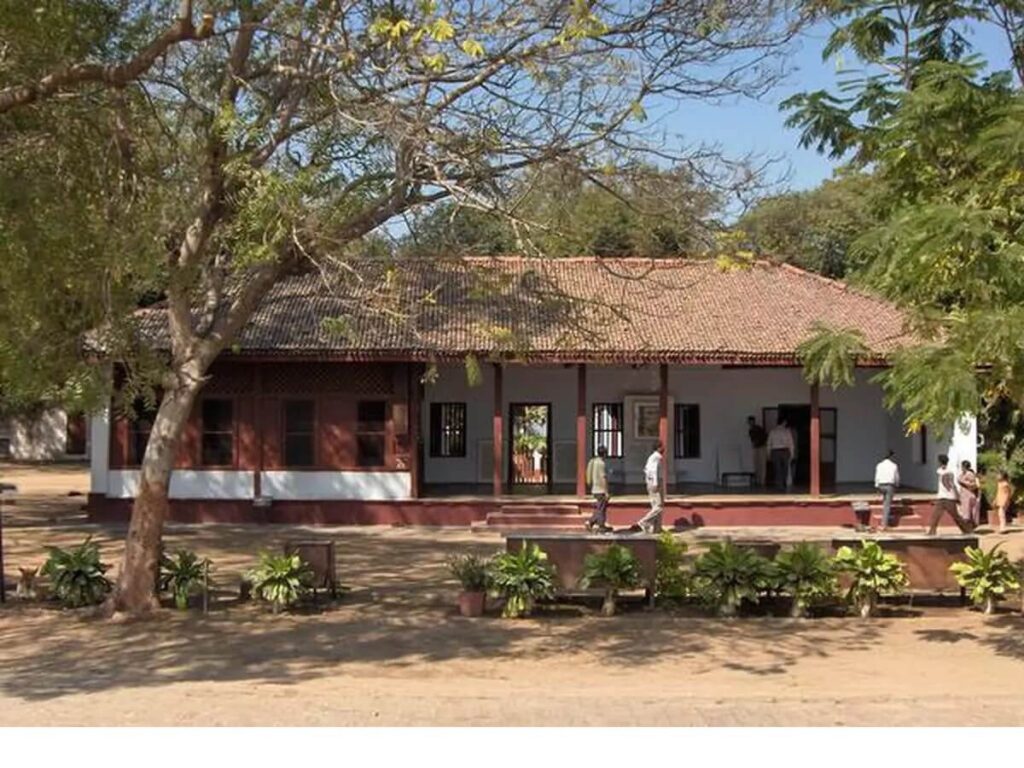
Ahmedabad rewards travellers who explore its historic neighbourhoods, stepwells, mosques, museums and textile traditions. An early heritage walk through the old city provides context, while the Calico Museum requires advance planning. Sabarmati Ashram remains an important stop for understanding Mahatma Gandhi and India’s independence movement.
Best for: Architecture, textiles and food | Ideal stay: 2–3 nights | Best time: October to March | Combine with: Patan, Modhera or Vadodara
73. Kutch

Kutch combines salt-desert landscapes, craft villages, wildlife and distinctive regional culture. Bhuj is the usual base, but the distances to the Great Rann and artisan communities require careful routing. The Rann Utsav season offers organised activities and tented accommodation, while quieter months may provide more meaningful craft interactions. Respect village photography rules and buy directly from artisans where possible.
Best for: Crafts, desert landscapes and photography | Ideal stay: 4–6 nights | Best time: November to February | Combine with: Ahmedabad or Little Rann of Kutch
74. Gir National Park
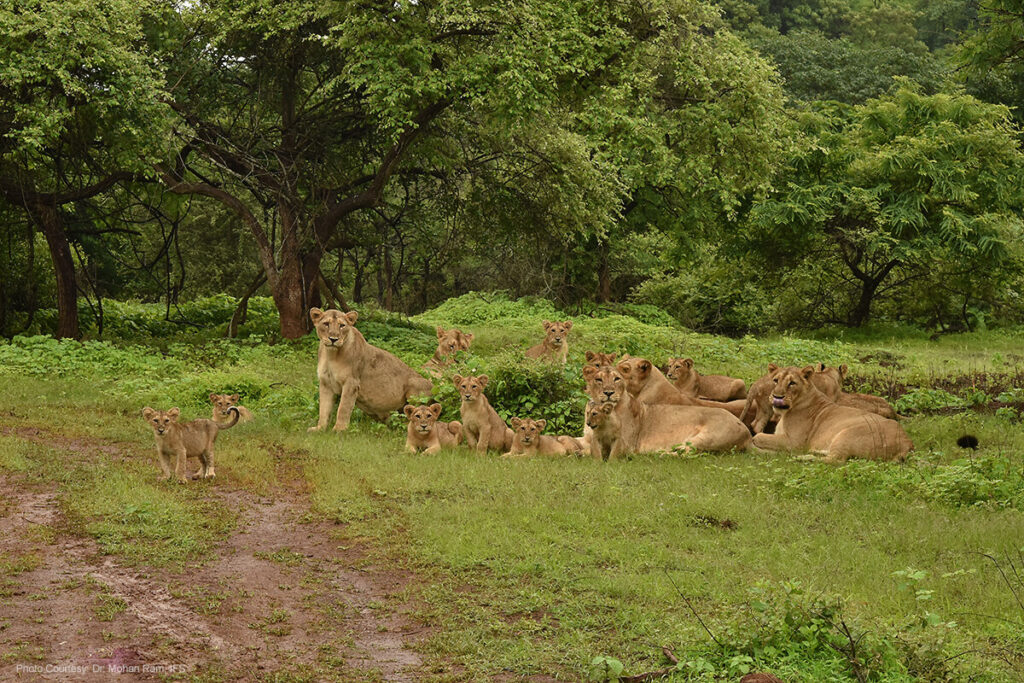
Gir is the last natural stronghold of the Asiatic lion. Safaris also reveal leopards, deer, antelope, crocodiles and varied birdlife. Permits are limited, and the main park typically closes during the monsoon, so confirm operating dates before finalising a trip. Nearby community and pastoral experiences can add depth when arranged responsibly.
Best for: Asiatic lions and wildlife | Ideal stay: 2–3 nights | Best time: December to March; park season generally extends beyond this | Combine with: Junagadh or Somnath
75. Somnath

Somnath is a major Shiva pilgrimage centre on Gujarat’s Arabian Sea coast. The present temple is modern, but the site carries layers of religious and historical importance. Evening light and the coastal setting create a striking atmosphere. Somnath fits naturally between Gir and Dwarka on a Saurashtra road journey.
Best for: Pilgrimage and coastal temple scenery | Ideal stay: 1 night | Best time: October to March | Combine with: Gir, Junagadh or Dwarka
76. Dwarka

Dwarka is one of Hinduism’s principal pilgrimage cities and is closely associated with Krishna. The Dwarkadhish Temple, Gomti riverfront and excursions toward Bet Dwarka form the core experience. Festival periods can be extremely busy, while ordinary winter days allow more comfortable exploration. Dress and behaviour should reflect the city’s religious character.
Best for: Krishna pilgrimage and coastal culture | Ideal stay: 1–2 nights | Best time: October to March | Combine with: Somnath and Porbandar
77. Vadodara and Champaner

Vadodara’s Laxmi Vilas Palace, museums and cultural institutions make it a worthwhile stop between Ahmedabad and Mumbai. Nearby Champaner-Pavagadh Archaeological Park preserves forts, mosques, temples and urban remains across a dramatic hill landscape. Together they provide a fuller experience than either destination alone. See Vadodara tours.
Best for: Palaces, archaeology and architecture | Ideal stay: 2 nights | Best time: October to March | Combine with: Ahmedabad or Mumbai
78. Palitana

Palitana’s Shatrunjaya Hill is covered with hundreds of Jain temples reached by climbing more than 3,000 steps. The ascent begins before dawn for many pilgrims and can take several hours. Food, leather items and conduct are regulated in accordance with the site’s sacred status. Travellers need reasonable fitness and should follow current local guidance. Explore Bhavnagar and Palitana tours.
Best for: Jain pilgrimage and temple architecture | Ideal stay: 1–2 nights | Best time: November to February | Combine with: Bhavnagar or Ahmedabad
79. Diu

Diu is a small coastal territory known for its Portuguese fort, churches and relaxed beaches. It works well as a restorative stop after Gir or the pilgrimage circuit of Saurashtra. Sightseeing is light, so choose Diu for atmosphere, cycling and coastal downtime rather than a dense itinerary.
Best for: Quiet beaches and Portuguese heritage | Ideal stay: 2 nights | Best time: October to March | Combine with: Gir and Somnath
Best places to visit in Eastern India
Eastern India brings together Kolkata’s intellectual and artistic culture, Odisha’s temple coast and Bihar’s Buddhist heritage. This region is particularly rewarding for repeat visitors or travellers with a focused interest in religion, architecture, literature and food.
80. Kolkata

Kolkata is a city of literature, art, markets and layered colonial history. Explore North Kolkata’s mansions, the riverside, flower market and institutions around the Maidan, but also make time for Bengali food and contemporary galleries. Durga Puja transforms the city, although festival travel requires early reservations and comfort with intense crowds.
Best for: Culture, food, art and festivals | Ideal stay: 3 nights | Best time: October to February | Combine with: Sundarbans or Darjeeling
81. Darjeeling

Darjeeling is known for tea estates, Himalayan views and its historic mountain railway. Clear views of Kanchenjunga depend on weather, so stay several nights rather than building the trip around one sunrise viewpoint. Estate visits, walks and local Tibetan, Nepali and Bengali food reveal more than the central mall alone.
Best for: Tea, mountain views and heritage rail | Ideal stay: 3 nights | Best time: March to May and October to December | Combine with: Kalimpong or Sikkim
82. Sundarbans

The Sundarbans are a vast mangrove landscape shaped by tides, rivers and wildlife. Visits from the Indian side involve boats and village-based lodges rather than conventional jeep safaris. Tigers are rarely seen, so focus on the ecosystem, birdlife, crocodiles and communities living at the forest edge. Choose an operator with responsible wildlife and waste practices.
Best for: Mangroves, birding and river journeys | Ideal stay: 2–3 nights | Best time: November to February | Combine with: Kolkata
83. Puri

Puri is one of India’s most important Hindu pilgrimage cities and also a popular seaside destination. The Jagannath Temple is central to the city’s identity, although entry restrictions apply to non-Hindus. Visitors can still understand its significance through the surrounding old town, food traditions and festival culture. Puri is also a convenient base for the Odisha coast.
Best for: Pilgrimage, food and coastal travel | Ideal stay: 2 nights | Best time: October to February | Combine with: Konark and Bhubaneswar
84. Bhubaneswar

Bhubaneswar contains an exceptional concentration of historic temples, including Lingaraja, Mukteshwar and Rajarani, as well as museums and nearby Jain caves at Udayagiri and Khandagiri. Some temple interiors restrict entry, but their architecture and surrounding neighbourhoods remain worthwhile. The city is the best transport base for a wider Odisha itinerary.
Best for: Temple architecture and Odisha culture | Ideal stay: 2 nights | Best time: October to February | Combine with: Puri, Konark or Chilika Lake
85. Konark

Konark’s 13th-century Sun Temple was conceived as a monumental stone chariot, with carved wheels and horses representing the movement of the sun. Detailed sculpture covers the surviving structure, and a knowledgeable guide helps explain its engineering and symbolism. Visit in softer morning or afternoon light and combine the site with Puri and craft villages.
Best for: Architecture, sculpture and photography | Ideal stay: Half day to 1 night | Best time: October to February | Combine with: Puri and Bhubaneswar
86. Bodh Gaya
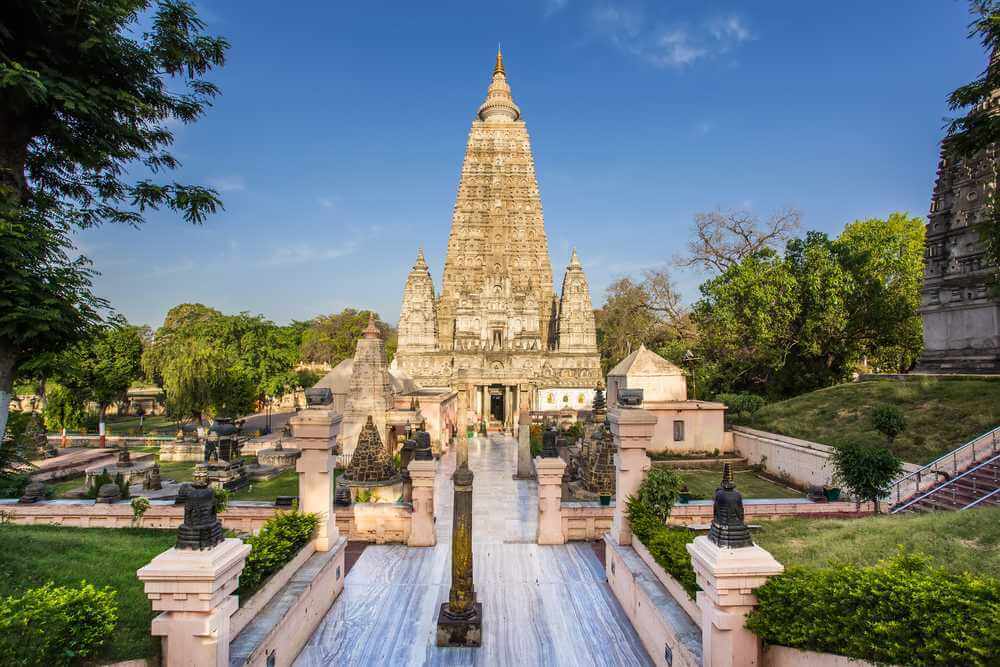
Bodh Gaya is the place where Buddhist tradition holds that Siddhartha Gautama attained enlightenment. The Mahabodhi Temple complex and Bodhi Tree attract pilgrims from across the world, while monasteries established by different Buddhist countries show a range of architectural traditions. Early morning and evening are especially atmospheric.
Best for: Buddhist pilgrimage and meditation | Ideal stay: 2 nights | Best time: November to February | Combine with: Rajgir, Nalanda or Varanasi
87. Nalanda and Rajgir

Nalanda’s archaeological remains reveal one of the ancient world’s most influential centres of Buddhist learning. Nearby Rajgir is associated with both Buddhist and Jain traditions and contains sacred hills, caves and monasteries. Visit the two together from a local base, allowing a full day or more rather than rushing through en route to Patna.
Best for: Buddhist history and archaeology | Ideal stay: 1–2 nights | Best time: November to February | Combine with: Bodh Gaya or Patna
Best places to visit in Northeast India
Northeast India is culturally and geographically distinct from the country’s better-known circuits. Permits may be required in some states, road journeys are often slow and weather can affect plans. The reward is a region of monasteries, living tribal cultures, wetlands, forests and mountain scenery.
88. Gangtok

Gangtok is Sikkim’s principal gateway and a comfortable base for monasteries, viewpoints and day excursions. Visit Rumtek or Enchey Monastery, explore local food and markets, and allow flexibility for mountain weather. Excursions toward Tsomgo Lake and border areas require permits and can be affected by road conditions.
Best for: Himalayan culture and accessible mountain travel | Ideal stay: 3 nights | Best time: March to May and October to December | Combine with: Pelling or Darjeeling
89. Pelling
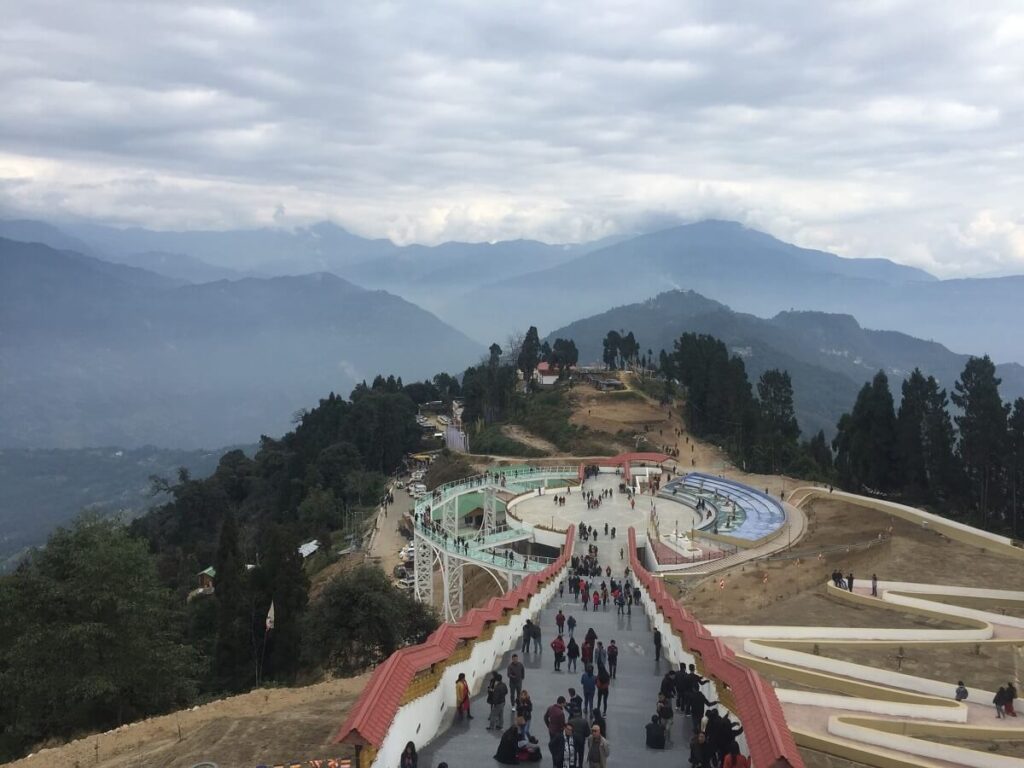
Pelling is valued for views toward Kanchenjunga and access to monasteries, ruins and forest walks in West Sikkim. Pemayangtse Monastery and Rabdentse provide important historical context, while village stays can create a quieter experience than the main hotel strip. Visibility is generally best in the cooler, drier months.
Best for: Mountain views, monasteries and quiet stays | Ideal stay: 2–3 nights | Best time: March to May and October to December | Combine with: Gangtok or Darjeeling
90. Shillong

Shillong is Meghalaya’s cultural and transport hub, with markets, music, cafés and easy access to surrounding hills. Use it as more than a transit stop by exploring local neighbourhoods, museums and food. Day trips are possible, but staying closer to Cherrapunji or Dawki is better when those areas are central to your itinerary.
Best for: Music, Khasi culture and regional connections | Ideal stay: 2 nights | Best time: October to May | Combine with: Cherrapunji and Kaziranga
91. Cherrapunji

Cherrapunji, also called Sohra, is known for dramatic rainfall, limestone caves, waterfalls and living root bridges. The most famous root-bridge hikes involve many steps and humid conditions, so assess fitness honestly and use local guides. Waterfalls are strongest during and after the monsoon, while winter generally brings clearer skies.
Best for: Waterfalls, hiking and living root bridges | Ideal stay: 2–3 nights | Best time: October to May; monsoon for maximum waterfalls | Combine with: Shillong
92. Dawki and Mawlynnong

Dawki is known for the clear waters of the Umngot River, while Mawlynnong and nearby villages introduce travellers to Khasi landscapes and community life. Water clarity varies with rain and season, so photographs should not be treated as a guarantee. Stay overnight in the area if you want to avoid a long, rushed return from Shillong.
Best for: River scenery and village stays | Ideal stay: 1–2 nights | Best time: November to April | Combine with: Shillong and Cherrapunji
93. Kaziranga National Park

Kaziranga protects the world’s largest population of greater one-horned rhinoceroses along with elephants, wild buffalo, deer, tigers and abundant birdlife. Safaris operate in several ranges, each with different landscapes. Plan at least two or three drives and avoid reducing the experience to a single animal. The park normally closes during the monsoon.
Best for: Rhinos, wildlife and birding | Ideal stay: 2–3 nights | Best time: November to April | Combine with: Guwahati, Shillong or Majuli
94. Majuli

Majuli is a large inhabited river island in the Brahmaputra, known for Assamese Vaishnavite monasteries, mask-making and village landscapes. Ferry schedules and river conditions influence access, so keep plans flexible. Stay locally rather than treating the island as a quick photo stop, and engage a guide who can explain its religious and artistic traditions.
Best for: River culture, crafts and slow travel | Ideal stay: 2 nights | Best time: October to March | Combine with: Kaziranga or Jorhat
95. Tawang

Tawang sits high in Arunachal Pradesh and is home to one of India’s most important Tibetan Buddhist monasteries. Reaching it involves long mountain drives, usually with staged overnight stops for comfort and acclimatisation. Weather, snow and permits can affect the route, so Tawang belongs in a carefully planned journey rather than a short add-on.
Best for: Monasteries and high mountain scenery | Ideal stay: 6–8 nights including access | Best time: March to May and October to early November | Combine with: Dirang and Bomdila
96. Ziro Valley

Ziro Valley is known for pine-covered hills, rice fields and villages of the Apatani community. Its appeal lies in landscape and local culture rather than major monuments. Travel with a responsible local guide, ask before photographing people and allow time for walks and village interaction. Festival dates attract more visitors and require early booking.
Best for: Village culture, walking and landscapes | Ideal stay: 3 nights plus travel time | Best time: March to May and September to November | Combine with: Itanagar
97. Kohima

Kohima provides an introduction to Nagaland’s history, food and diverse Naga cultures. The state museum and Second World War cemetery add context, while village excursions should be arranged with local expertise. The Hornbill Festival is the best-known event, but visiting outside festival dates can allow more genuine and less crowded encounters.
Best for: Naga culture, history and festivals | Ideal stay: 2–3 nights | Best time: October to May | Combine with: Khonoma or Dimapur
98. Imphal and Loktak Lake

Imphal combines Manipuri history, markets and performing arts, while nearby Loktak is famous for floating masses of vegetation known as phumdis. Keibul Lamjao National Park protects the endangered sangai deer in this unusual wetland landscape. A local guide helps connect ecological visits with the region’s complex culture and history.
Best for: Wetlands, culture and lesser-visited India | Ideal stay: 3 nights | Best time: October to April | Combine with: Loktak and Moirang
Best island destinations in India
99. Andaman Islands

The Andaman Islands offer forest-backed beaches, clear water, diving and important colonial history. Port Blair provides access and context through the Cellular Jail, while Swaraj Dweep, formerly Havelock Island, is the main base for beaches and marine activities. Ferry schedules shape the itinerary, so avoid same-day connections with important flights.
Best for: Beaches, diving and island holidays | Ideal stay: 5–7 nights | Best time: November to April | Combine with: Port Blair and Shaheed Dweep
100. Lakshadweep
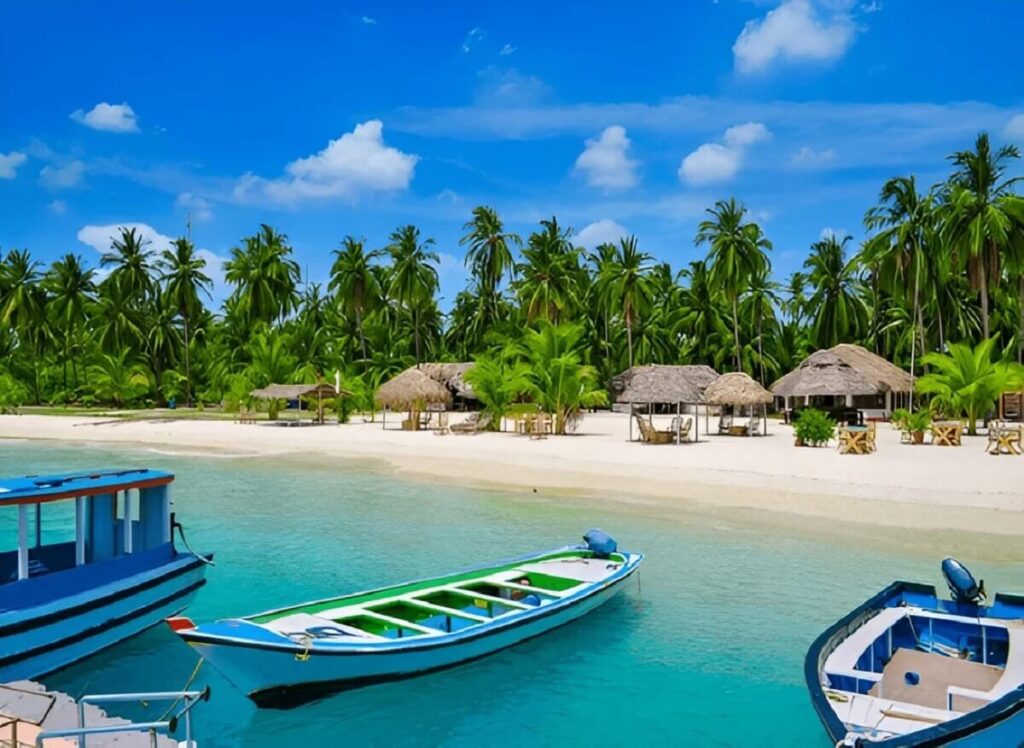
Lakshadweep is an environmentally sensitive group of coral islands with lagoons, diving and limited visitor infrastructure. Entry permissions, transport and island access must be confirmed before booking. It suits travellers comfortable with a regulated, low-key island experience rather than extensive nightlife or sightseeing. Choose an authorised programme and follow reef-protection guidance carefully.
Best for: Lagoons, diving and quiet beaches | Ideal stay: 4–6 nights | Best time: October to April | Combine with: Kochi as the principal gateway
Best places in India by season
India in October to March
This is the most comfortable period for the classic cultural routes. Choose Delhi, Agra, Rajasthan, Varanasi, Madhya Pradesh, Gujarat, Maharashtra, Goa, Kerala, Karnataka, Tamil Nadu, Odisha or Assam. December and January can be cold and foggy in North India, particularly during early-morning road and rail journeys.
India in April to June
Temperatures rise across the plains, so consider Kashmir, Himachal Pradesh, Uttarakhand, Sikkim, Darjeeling and other hill regions. April to June can also produce strong wildlife sightings around shrinking water sources, but safari temperatures may be intense. Ladakh’s road access opens gradually and depends on snow conditions.
India in July to September
Monsoon travel is rewarding when planned carefully. Ladakh remains comparatively dry, the Valley of Flowers reaches its short trekking season, and Rajasthan and Central India become greener. Kerala is atmospheric and quieter, although heavy rain can interrupt outdoor activities. Many national parks close their core safari zones during this period.
Suggested India itineraries
7 days: Essential Golden Triangle
Delhi, Agra and Jaipur
Spend two nights in Delhi, one in Agra and three in Jaipur, using the final day for departure or a relaxed excursion. This is the most practical first route for travellers with only one week. Avoid adding Varanasi, Udaipur or Ranthambore unless you can extend the trip.
10 days: North India with Varanasi
Delhi, Jaipur, Agra and Varanasi
Travel overland through the Golden Triangle, then fly or take a suitable train connection to Varanasi. The route combines Mughal, Rajput and living spiritual traditions without excessive hotel changes.
12 days: Classic Rajasthan
Delhi, Jaipur, Jodhpur, Udaipur and Agra
This route provides a balanced introduction to Rajasthan with two or three nights in the major cities. Add Pushkar or Bundi only if you prefer smaller towns and can accept another hotel change.
14 days: North India and Kerala
Delhi, Agra, Jaipur, Kochi, Munnar and the backwaters
A domestic flight connects two contrasting regions. The first week covers North India’s principal monuments, while the second brings coastal heritage, tea estates and a slower backwater experience.
14 days: Temples and heritage of South India
Chennai, Mahabalipuram, Puducherry, Thanjavur, Madurai and Kochi
This route moves through Tamil temple architecture and finishes on Kerala’s coast. It works especially well for travellers interested in culture, photography and regional food.
15 days: Rajasthan with wildlife
Delhi, Agra, Ranthambore, Jaipur, Jodhpur and Udaipur
Three safari drives in Ranthambore can be placed between Agra and Jaipur. Keep at least two nights in each major city and three around the national park to avoid a rushed schedule.
16 days: Northeast India
Kolkata, Kaziranga, Shillong, Cherrapunji and Sikkim
This journey needs flights, private road transfers and some flexibility. Focus on fewer stops if you prefer a slower pace, as road journeys in the hills frequently take longer than map distances suggest.
Plan a private India journey
The right India itinerary depends on your travel month, international flight city, interests and preferred pace. Tusk Travel creates private journeys with a dedicated vehicle, regional guides, selected hotels and support throughout the trip. Domestic flights and trains can be included where they improve the route.
View India tour packages or request a personalised itinerary for your dates.
Frequently asked questions
Which is the best place to visit in India for the first time?
Delhi, Agra and Jaipur provide the easiest introduction because they combine major history, architecture, markets and good transport connections. With more time, add Varanasi for spiritual culture, Ranthambore for wildlife or Udaipur for a slower Rajasthan experience.
How many days are enough for an India trip?
Seven days are enough for one compact route such as the Golden Triangle. Ten to fourteen days provide a much better first experience, while 15 to 21 days allow two regions without constant hotel changes. India is too large to cover comprehensively in one holiday.
What is the best month to visit India?
November to February is the most comfortable period for many classic destinations. October and March are also excellent shoulder months. The ideal month changes by region: Ladakh is primarily a summer destination, while the Valley of Flowers is accessible during the monsoon trekking season.
Is North India or South India better for a first trip?
North India is best for travellers prioritising the Taj Mahal, Rajasthan, Varanasi and monumental architecture. South India is often preferred by those interested in temples, tropical landscapes, food, wellness and a somewhat slower route. Neither is objectively better; the choice should reflect your interests and season.
What are the best places in India for older travellers?
Delhi, Agra, Jaipur, Udaipur, Kochi, Kumarakom and Goa can all work well with private transport and carefully located hotels. Avoid overloading the itinerary, include rest time and check accessibility at monuments. High-altitude areas and destinations involving many steps require additional health and mobility consideration.
Which Indian destinations are best for wildlife?
Ranthambore, Kanha, Bandhavgarh, Kaziranga, Gir and Jim Corbett are among the best-known options. The right park depends on season and the species you hope to see. Plan several drives, use trained naturalists and remember that no ethical safari can guarantee a tiger, lion or rhinoceros sighting.
Can India and Nepal be combined in one trip?
Yes. Delhi has convenient connections with Kathmandu, making it possible to combine North India and Nepal in approximately 14 to 18 days. A balanced itinerary might include Delhi, Agra, Jaipur or Varanasi before continuing to Kathmandu and Pokhara.
Should international travellers use trains or a private car?
Use both where they make sense. A private car is convenient for Rajasthan, the Golden Triangle and regional sightseeing. Trains can save time on selected routes and provide an enjoyable experience, while domestic flights are useful between distant regions. The best itinerary uses transport strategically rather than relying on one method throughout.
Final planning advice
The best places to visit in India are not simply the most famous ones. They are the destinations that fit your season, interests and available time. A well-paced journey through four or five places will usually be more memorable than a rushed trip through ten.
Start with one clear regional route, allow time for markets and local experiences between monuments, and build flexibility into mountain, wildlife and island journeys. Whether you choose Rajasthan’s forts, Kerala’s waterways, Ladakh’s high-altitude landscapes or the cultural depth of Varanasi, thoughtful planning will make India feel exciting rather than overwhelming.
Last updated: September 2026

Pingback: List of Religious Places and Temples in Delhi - Tusk Travel
Pingback: Holi 2020, the Color Festival in India - Tusk Travel
Pingback: Best Places to Visit India in March - Tusk Travel
Pingback: How to Spend a Night in Goa - Tusk Travel
Pingback: The Most Romantic Places in Delhi - Tusk Travel