

Jibhi, a peaceful mountain village in Himachal Pradesh, has become one of the most loved offbeat destinations for travellers who want nature, silence, wooden cottages, forest trails, waterfalls, and slow mountain living. Located in the Banjar Valley, close to Tirthan Valley and Jalori Pass, Jibhi is perfect for people who want to escape crowded hill stations and experience the softer side of the Himalayas.
Unlike Manali or Shimla, Jibhi does not overwhelm you with traffic, markets, and commercial sightseeing. Instead, it welcomes you with pine forests, traditional Himachali homes, wooden bridges, riverside stays, hidden waterfalls, temple trails, and cosy cafés. Whether you are planning a romantic getaway, a solo trip, a family holiday, or a peaceful workation, Jibhi offers the right mix of comfort and adventure.
Here are the top 14 things to do in Jibhi, Himachal Pradesh, for a memorable mountain holiday.
Things to Do in Jibhi: 14 Best Travel Experiences
1. Visit Jibhi Waterfall
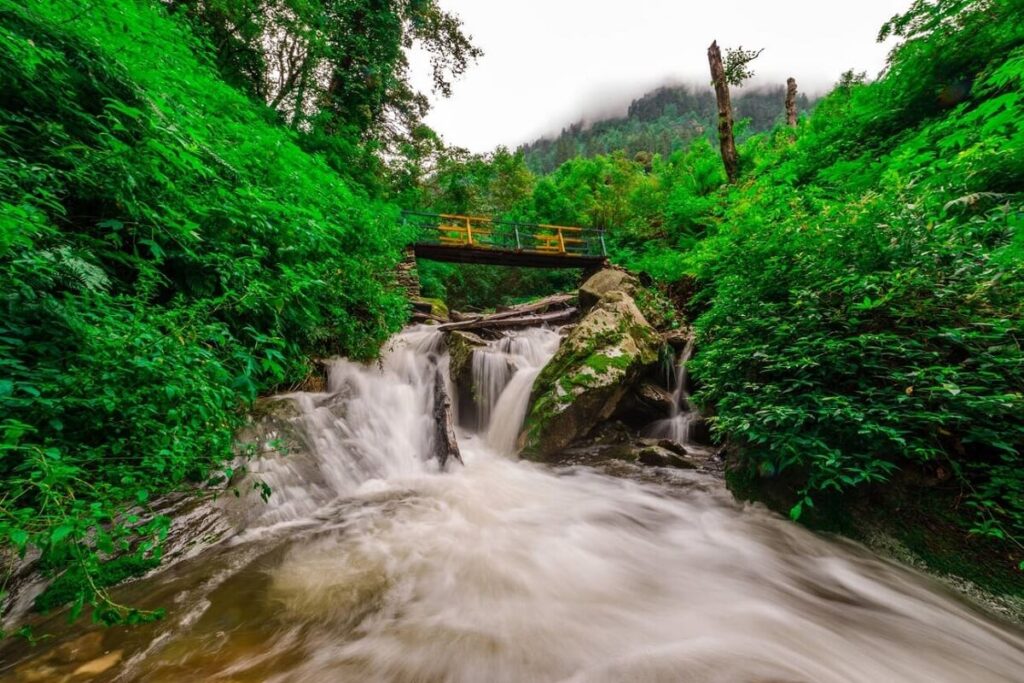
Jibhi Waterfall is one of the most popular places to visit in Jibhi and a beautiful introduction to the village’s natural charm. Hidden inside a green forest, this small but scenic waterfall is reached by a short walk through wooden bridges, stone paths, and moss-covered surroundings.
The waterfall is not very difficult to access, making it suitable for families, couples, and first-time visitors. The sound of falling water, fresh mountain air, and thick greenery create a peaceful setting where you can sit for a while, take photographs, or simply enjoy nature.
Early morning is the best time to visit Jibhi Waterfall if you want fewer people and softer light for photography. During weekends and peak travel months, it can get slightly crowded, so plan accordingly.
2. Trek to Serolsar Lake
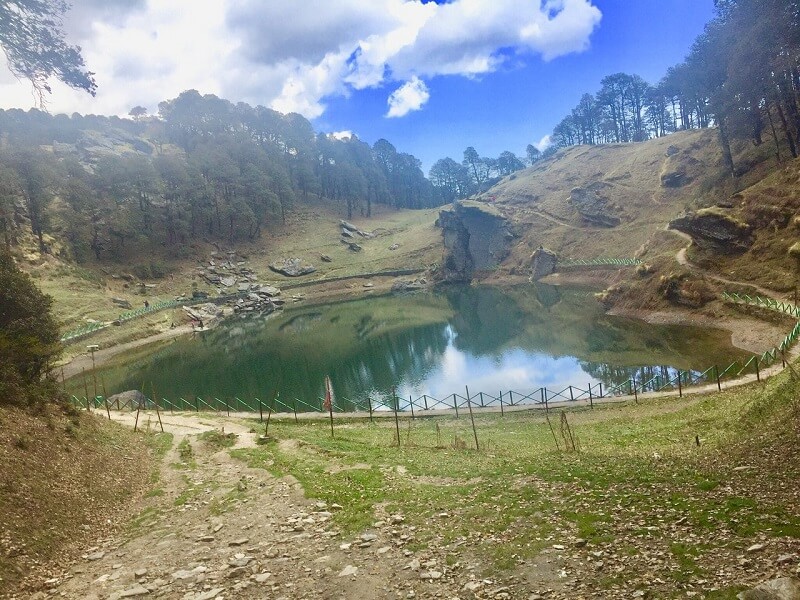
The Serolsar Lake trek is one of the best things to do near Jibhi. The trek begins from Jalori Pass and takes you through dense oak and pine forests. The trail is scenic, peaceful, and suitable for beginners with basic fitness.
Serolsar Lake is considered sacred by locals and is associated with Budhi Nagin Mata. The lake is surrounded by forest, giving it a calm and spiritual atmosphere. The clear water, quiet surroundings, and mountain freshness make it one of the most rewarding experiences around Jibhi.
The trek is usually around 5 km one way from Jalori Pass. Wear comfortable shoes, carry water, and start early so you can return before evening. In winter, snow can make the route more difficult, so always check local conditions.
3. Explore Jalori Pass
Jalori Pass is one of the most scenic high-altitude points near Jibhi. The road from Jibhi to Jalori Pass is full of mountain curves, forest views, and changing landscapes. As you move higher, the views become wider and more dramatic.
Jalori Pass is also the starting point for the Serolsar Lake trek and Raghupur Fort trek. On a clear day, you can enjoy beautiful views of the surrounding Himalayan ranges. It is a great place for nature lovers, photographers, trekkers, and anyone who enjoys mountain drives.
The road to Jalori Pass can be narrow and steep in some sections. During snowfall, access may become difficult. If you are not confident driving on mountain roads, it is better to hire a local driver.
4. Trek to Raghupur Fort

Raghupur Fort is another excellent trekking option from Jalori Pass. The trail takes you through forests, meadows, and open mountain ridges. Compared to Serolsar Lake, this trek feels more open and offers wider valley views.
The fort itself is mostly in ruins, but the location is the real highlight. From the top, you can enjoy panoramic views of mountain ranges, valleys, and forests. It is a wonderful spot for photography, quiet time, and short adventure.
The trek is moderately easy but can feel steep in some sections. Good shoes are important, especially if the trail is wet or snowy. The best time to do the Raghupur Fort trek is from March to June and September to November.
5. Visit Chehni Kothi
Chehni Kothi, also known as Chaini Kothi, is one of the most interesting historical places near Jibhi. This tall traditional tower is built using stone and wood in classic Himachali architectural style. It offers a glimpse into the old building traditions of the region.
To reach Chehni Kothi, you usually need to walk through village paths, fields, and forested slopes. The route itself is beautiful and gives you a closer look at local life. You will pass wooden houses, temples, farms, and peaceful mountain scenes.
Chehni Kothi is ideal for travellers interested in history, architecture, culture, and photography. Since it is located in a local village, be respectful, avoid loud behaviour, and ask before photographing people or private homes.
6. Seek Blessings at Shringa Rishi Temple

Shringa Rishi Temple is an important religious site near Jibhi and holds great significance for local communities. Dedicated to Shringa Rishi, the temple is known for its traditional wooden architecture and peaceful mountain setting.
Even if you are not visiting for religious reasons, the temple is worth seeing for its cultural value. The carvings, wooden structure, and calm surroundings reflect the spiritual character of Himachal Pradesh.
A visit to Shringa Rishi Temple can be combined with Chehni Kothi, as both are often explored together. Dress modestly, respect local customs, and maintain silence around prayer areas.
Suggested Packages for Himachal Pradesh:
- Shimla Getaway from Chandigarh – 4 Days
- Shimla & Manali Holiday from Delhi – 8 Days
- Manali, Dharamshala, Dalhousie and Amritsar Tour – 8 Days
- Chail Weekend Tour from Chandigarh – 5 Days
- Complete Himachal Pradesh Tour – 9 Days
7. Discover Mini Thailand
Mini Thailand is a small hidden natural spot near Jibhi, known for its unique rock formations and clear stream. The place gets its popular name because travellers feel that the boulders, water, and forest setting resemble a tropical natural pool.
It is not a large sightseeing attraction, but it is perfect for a short nature break. You can sit near the stream, take photos, and enjoy the peaceful surroundings. The spot is especially popular among young travellers and photographers.
The path can be slippery, especially during the monsoon, so wear proper footwear. Avoid entering risky water sections and do not leave plastic or food waste behind.
8. Stay in a Wooden Cottage

One of the best experiences in Jibhi is staying in a traditional wooden cottage or riverside homestay. The village is known for charming stays that blend with the natural landscape. Many cottages are built with wood and stone, giving them a warm Himachali feel.
A stay in Jibhi is not just about accommodation. It is about waking up to birdsong, listening to the river, enjoying mountain views, and slowing down. Many homestays serve fresh home-cooked meals, which adds to the experience.
Choose a stay that supports local families and follows responsible travel practices. Avoid loud music, respect quiet hours, and keep the surroundings clean.
9. Enjoy Village Walks
Jibhi is best explored slowly. Village walks are one of the simplest yet most rewarding things to do in Jibhi. The nearby villages have wooden houses, apple trees, small farms, local temples, and beautiful mountain paths.
Walking through these villages gives you a chance to understand local life. You may see people working in fields, children going to school, and elders sitting outside traditional homes. These small details make Jibhi feel authentic and memorable.
Village walks are also great for photography, but always be respectful. Do not enter private property without permission and avoid taking close-up photos of locals without asking.
10. Explore Tirthan Valley
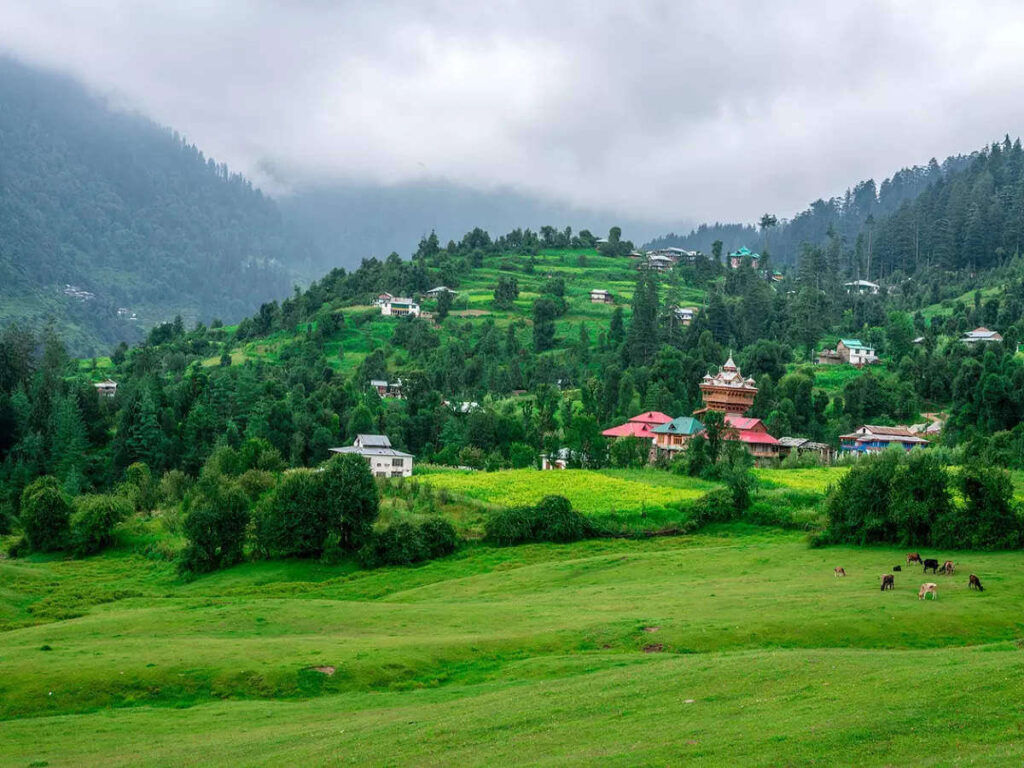
Tirthan Valley is located close to Jibhi and is one of the most beautiful valleys in Himachal Pradesh. Known for the Tirthan River, peaceful villages, trout fishing, forest trails, and access to the Great Himalayan National Park region, it is a must-add destination to your Jibhi trip.
You can visit Tirthan Valley as a day trip or stay there for a night or two. The valley is ideal for riverside relaxation, angling, nature walks, birdwatching, and slow travel.
Combining Jibhi and Tirthan Valley gives you a complete offbeat Himachal experience. Jibhi offers forest stays and Jalori Pass access, while Tirthan gives you river views and national park experiences.
11. Visit the Great Himalayan National Park Region
The Great Himalayan National Park region is a paradise for nature lovers and adventure travellers. The park is known for rich biodiversity, forests, wildlife, alpine landscapes, and trekking routes.
While serious treks inside the park require permits and proper planning, travellers staying in Jibhi can still enjoy the surrounding eco-zone and nearby villages. Guided walks and treks are a great way to understand the natural beauty of the region.
This area is best explored with local guides. They know the trails, weather conditions, and conservation rules. Avoid disturbing wildlife, do not pluck plants, and carry back all waste.
12. Try Local Himachali Food

Food in Jibhi is simple, fresh, and comforting. Many homestays serve homemade Himachali meals prepared with local ingredients. You can try rajma rice, siddu, seasonal vegetables, local lentils, chutneys, and traditional mountain-style dishes.
In and around Tirthan Valley, trout fish is also popular. If you enjoy local cuisine, ask your homestay host for traditional food instead of only ordering café-style meals.
Eating at local homes and small eateries supports the community and gives you a more authentic travel experience. Mountain food may be simple, but it is full of warmth and flavour.
13. Spend Time in Cosy Cafés
Jibhi has a growing café culture, but it still feels relaxed and peaceful. Many cafés have wooden interiors, outdoor seating, mountain views, books, warm drinks, and simple comfort food.
After a trek or sightseeing day, spending an evening in a café is a lovely experience. You can enjoy coffee, tea, pancakes, noodles, local snacks, or freshly cooked meals while watching the valley slow down.
Cafés in Jibhi are also good places to meet other travellers, read a book, work remotely, or plan your next day’s route. The vibe is calm and cosy rather than loud or commercial.
14. Go Birdwatching and Nature Walking
Jibhi is a wonderful place for birdwatching and gentle nature walks. The forests around the village are home to many Himalayan birds, especially in the early morning. Even if you are not a serious birdwatcher, you will enjoy the sounds and movement of the forest.
Nature walks around Jibhi are ideal for travellers who do not want difficult treks. You can walk along forest trails, village paths, streams, and quiet roads. These walks help you experience the real beauty of Jibhi without rushing from one attraction to another.
Carry a light jacket, wear comfortable shoes, and avoid walking alone on unknown forest trails after dark.
Best Time to Visit Jibhi
The best time to visit Jibhi is from March to June and September to November. During spring and summer, the weather is pleasant, the forests are green, and most treks are accessible. This is a good time for families, couples, and first-time visitors.
September to November is excellent for clear skies, fresh landscapes, photography, and peaceful travel. The post-monsoon season makes the valley look beautiful.
Winter, from December to February, is ideal if you want cold weather and possible snow near Jalori Pass. However, roads can become difficult during snowfall, so check conditions before travelling.
Monsoon brings lush greenery but also increases the risk of landslides, slippery roads, and travel delays. Keep your itinerary flexible if visiting during the rainy season.
How to Reach Jibhi
Jibhi is located in the Banjar Valley of Himachal Pradesh. Most travellers reach Jibhi by road from Delhi, Chandigarh, Mandi, Kullu, or Manali.
If travelling by bus, you can take a bus to Aut or Banjar and then hire a local taxi to Jibhi. Private taxis are also available from Chandigarh, Delhi, Manali, and Kullu.
The nearest airport is Bhuntar Airport near Kullu. The nearest major railway station is Chandigarh, from where you need to continue by road.
Suggested 3-Day Jibhi Itinerary
Day 1: Arrive in Jibhi, check in to your cottage or homestay, visit Jibhi Waterfall, explore the village, and enjoy a café evening.
Day 2: Drive to Jalori Pass and trek to Serolsar Lake or Raghupur Fort. Return to Jibhi by evening.
Day 3: Visit Chehni Kothi, Shringa Rishi Temple, and Mini Thailand before departure.
If you have 4 to 5 days, add Tirthan Valley, the Great Himalayan National Park region, and more village walks.
Travel Tips for Jibhi
Carry comfortable walking shoes because many attractions involve short hikes. Keep a warm layer even in summer, as evenings can be cool. During winter, pack heavy woollens.
Keep some cash with you because digital payments may not work everywhere. Mobile network can also be weak in some areas.
Respect local culture and avoid loud music. Jibhi is loved for its peace, so responsible behaviour is important. Do not litter, avoid plastic waste, and support local businesses.
Book your stay in advance during long weekends and peak season. If visiting during winter or monsoon, check road and weather conditions before travelling.
Conclusion
Jibhi is one of the best offbeat destinations in Himachal Pradesh for travellers who want peace, nature, culture, and slow mountain experiences. From Jibhi Waterfall, Jalori Pass, Serolsar Lake, and Raghupur Fort to Chehni Kothi, Shringa Rishi Temple, Tirthan Valley, and cosy wooden stays, the village offers a beautiful mix of sightseeing and relaxation.
The charm of Jibhi lies in its simplicity. It is not about rushing through tourist points. It is about walking slowly, breathing fresh mountain air, listening to streams, enjoying local food, and spending time close to nature.
If you are planning a peaceful Himachal holiday, these top 14 things to do in Jibhi will help you make the most of your trip.
Suggested Articles
- Jibhi Travel Guide: How to Reach and Best Route Options
- Himachal or Uttarakhand: Which Is Better for Your Trip?
- Planning a Himachal Trip: Guide for First-Time Visitors
- Himachal Pradesh in May 2026: Best Places to Visit
- Himachal Pradesh in June 2026: Best Destinations to Explore
- Himachal Pradesh in July 2026: Must-Visit Places
- Himachal Pradesh in August 2026: Best Places to Travel
- Places to See in Himachal in January 2027
- Top 10 Places to Visit Himachal in February 2027
- Himachal Destinations to See in March 2026
- Travel Places to Visit in April 2026
- Places to See in Himachal Pradesh in May 2026
- Himachal Destinations to Visit in June 2026
