
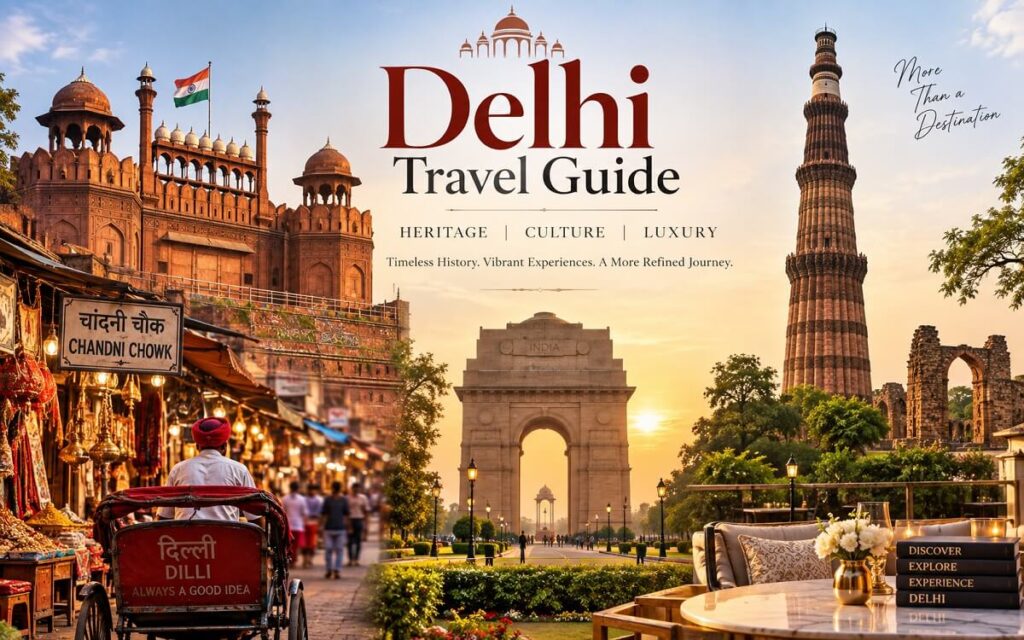
Delhi is not a city that reveals itself all at once. At first, you notice the traffic, broad avenues, historic walls, modern neighbourhoods and constant movement. Spend a little longer here, however, and an entirely different Delhi begins to emerge.
You may start the morning walking through the Mughal-era lanes of Old Delhi, spend the afternoon among the garden tombs and monuments of New Delhi, and finish your day over dinner at one of the capital’s sophisticated restaurants. Few cities combine centuries of history with contemporary Indian life quite so naturally.
For international travellers, Delhi is often the first introduction to India. It is also the starting point for many journeys towards Agra, Jaipur, Rajasthan, Varanasi and the Himalayas. Rather than treating Delhi simply as an arrival point, allow at least two full days to appreciate its heritage, cuisine, markets and more refined side.
This Delhi travel guide covers the city’s essential monuments, cultural experiences, food, shopping, luxury stays and practical ideas for planning a memorable visit.
Travellers looking for a privately planned stay can also explore Tusk Travel’s Delhi tour packages.
Why Delhi Deserves More Than a Stopover
Delhi has been shaped by numerous dynasties, empires and political eras. Ruins, mosques, tombs, colonial avenues and contemporary architecture can all appear within a relatively small radius.
That variety is what makes travelling through Delhi fascinating.
Old Delhi reflects the world created around Shahjahanabad, the Mughal capital established by Emperor Shah Jahan. New Delhi presents an entirely different atmosphere, with monumental avenues, government buildings, gardens and residential districts.
Beyond the famous sights are neighbourhood markets, temples, galleries, restaurants, craft centres and quiet green spaces.
Delhi therefore works equally well for history enthusiasts, photographers, food lovers, first-time visitors and travellers seeking a more comfortable luxury journey through India.
For more ideas before planning your days, see Tusk Travel’s guide to the best things to do in Delhi.
Explore the Heritage of Old Delhi
Old Delhi is the place to begin if you want to understand the historical personality of the capital.
The area is busy and sometimes overwhelming, but that intensity is part of its character. Narrow streets are filled with spice merchants, textile stores, food stalls, religious buildings, jewellery shops and generations-old businesses.
1. Red Fort
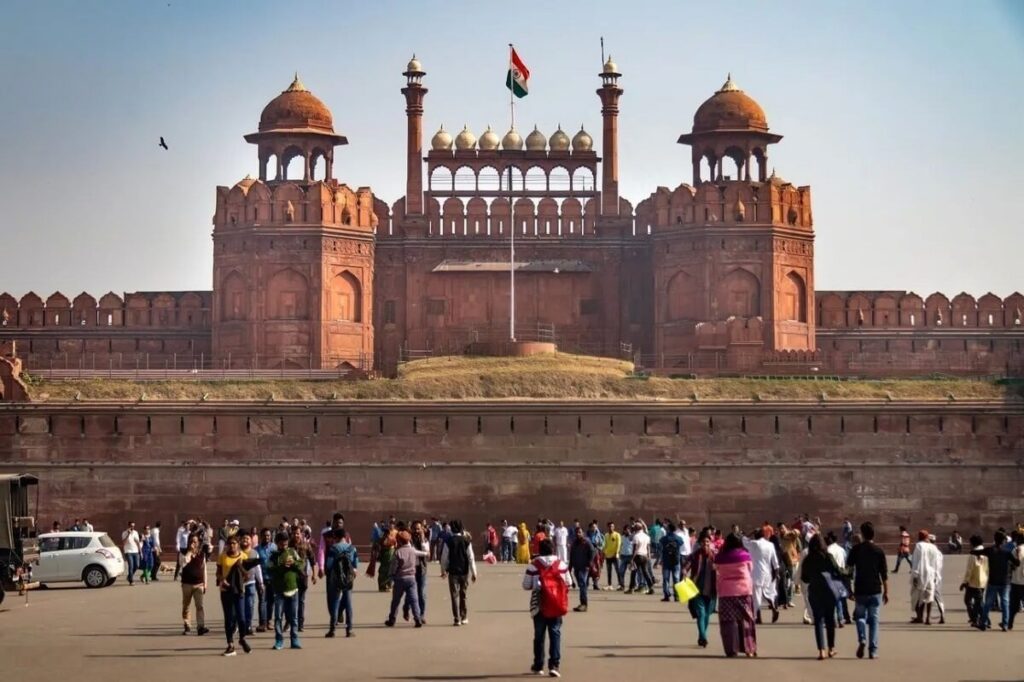
The Red Fort is one of Delhi’s most recognisable landmarks and a UNESCO World Heritage Site. Built during the reign of Mughal Emperor Shah Jahan, the massive red sandstone complex once formed the political and ceremonial centre of the Mughal capital.
A visit helps put the surrounding Old Delhi neighbourhood into historical context.
Rather than rushing through the fort and leaving, combine it with Jama Masjid and Chandni Chowk to experience both monumental and everyday Delhi.
2. Jama Masjid
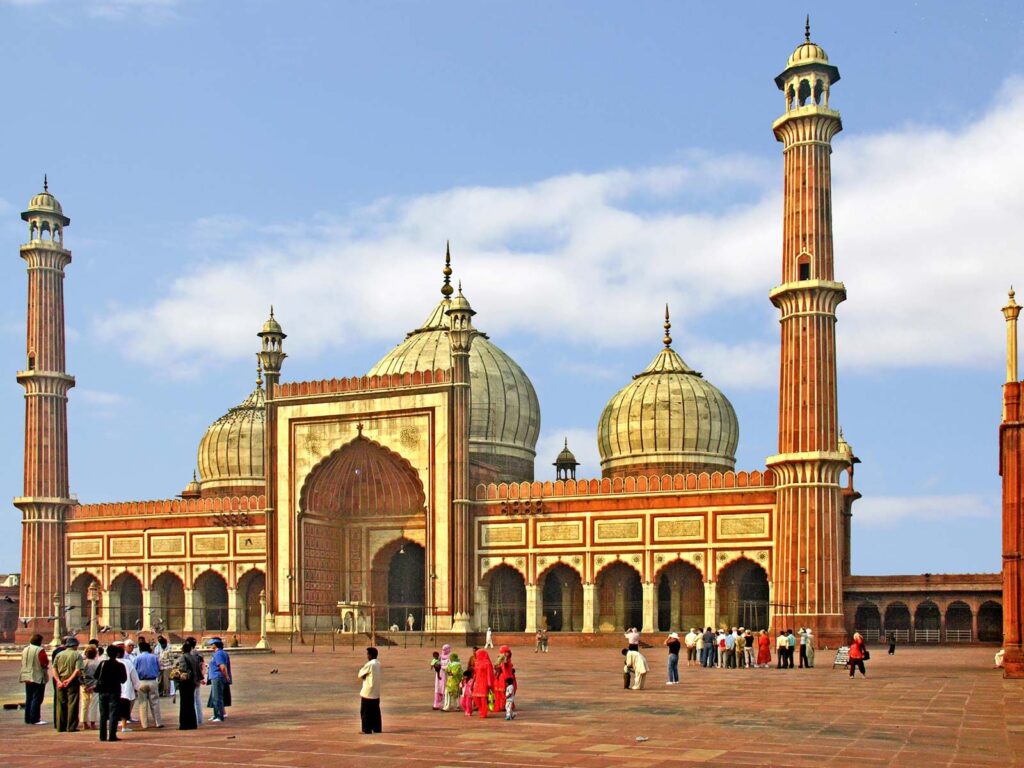
A short distance away stands Jama Masjid, one of India’s best-known mosques.
Its grand courtyard, minarets and red sandstone construction offer another glimpse into Mughal Delhi. The streets surrounding the mosque are equally interesting, particularly for travellers interested in food and photography.
Visitors should dress respectfully and follow the rules of the religious site.
3. Chandni Chowk
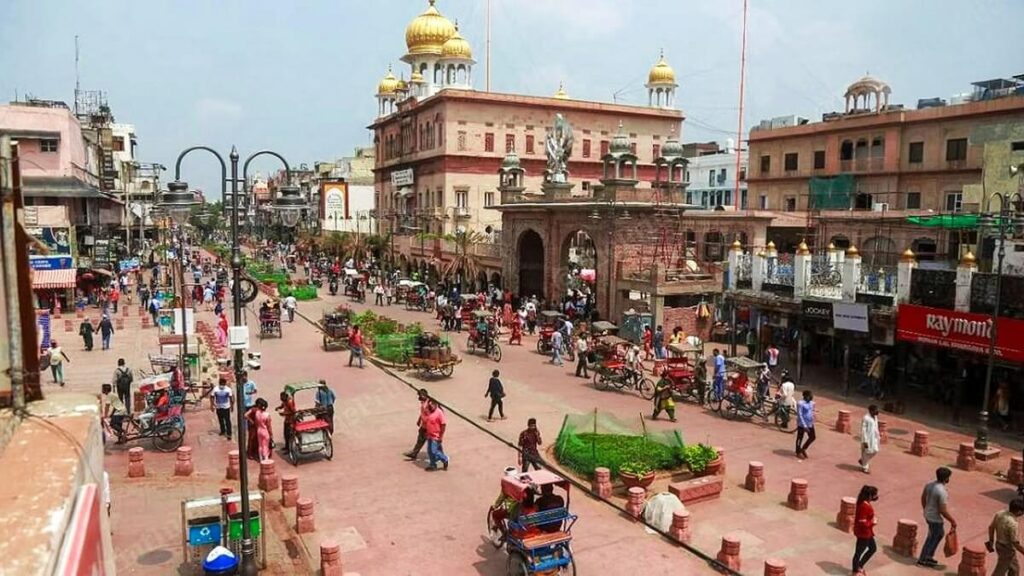
Chandni Chowk is completely different from the carefully landscaped monuments elsewhere in Delhi.
Rickshaws move through narrow lanes while shoppers negotiate for fabrics, spices, jewellery, wedding clothing and household goods. Aromas from sweets, kebabs, breads and spices drift between shops.
A cycle-rickshaw ride can be an enjoyable way to get an initial sense of the district, particularly when accompanied by a knowledgeable local guide.
Food lovers can read Tusk Travel’s complete Chandni Chowk guide before visiting.
Discover Delhi’s UNESCO and Mughal Heritage
Delhi’s history extends far beyond the Red Fort.
Travelling south through the city introduces you to archaeological remains, medieval complexes and elaborate Mughal garden tombs.
1. Humayun’s Tomb
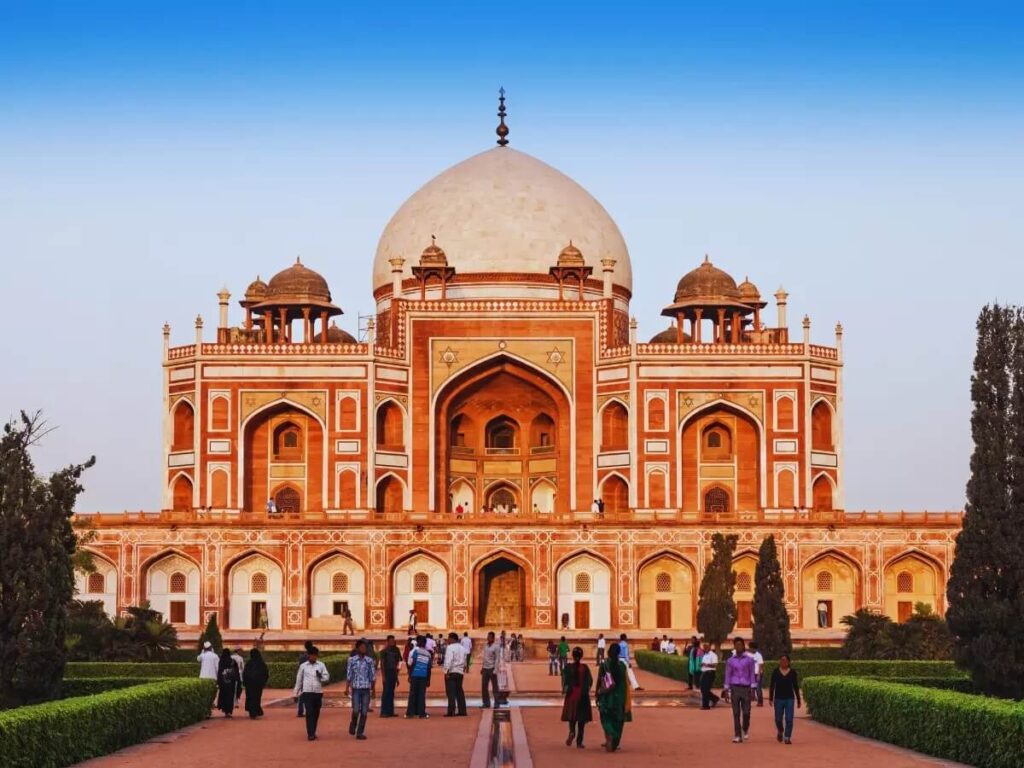
Humayun’s Tomb is one of Delhi’s most elegant historical sites.
Completed in the 16th century, the monument’s symmetrical architecture, gardens and red sandstone construction represent an important stage in the development of Mughal architecture.
It is often particularly enjoyable early in the day, when the gardens feel quieter.
Allow enough time to walk around the wider complex instead of viewing only the central tomb.
2. Qutub Minar
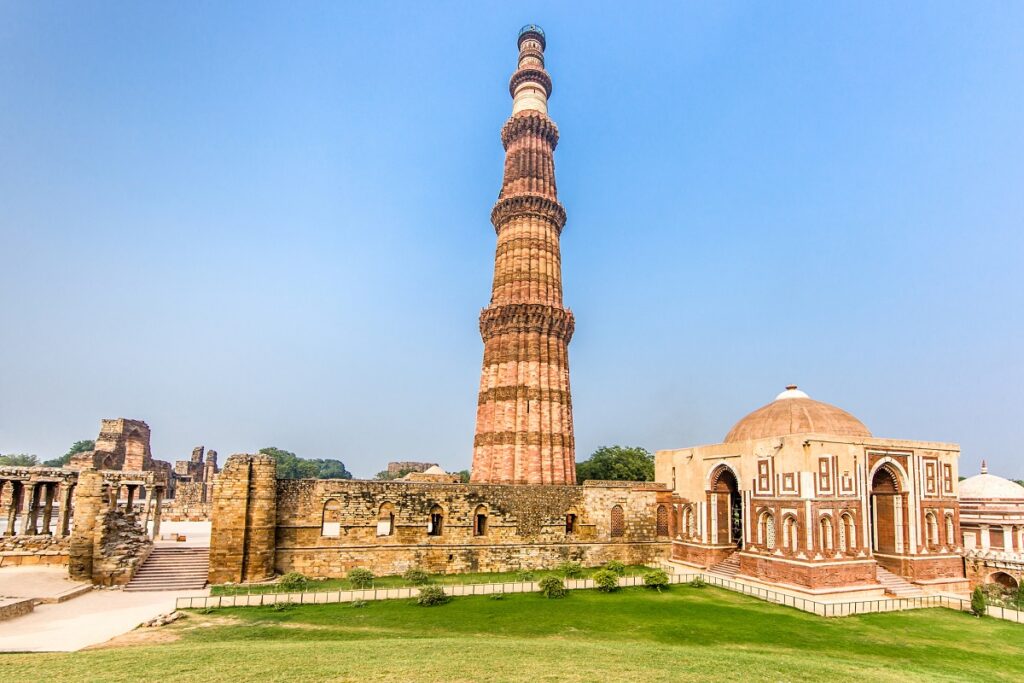
The Qutub Minar complex tells the story of an earlier period in Delhi’s history.
Its soaring minaret dominates an archaeological area containing gateways, mosque remains, tombs and other historic structures. Look beyond the tower itself and pay attention to the carvings, architectural details and changing building styles found throughout the complex.
Qutub Minar, Humayun’s Tomb and the Red Fort are among the major heritage highlights commonly incorporated into private Delhi sightseeing itineraries.
3. See the Grand Side of New Delhi
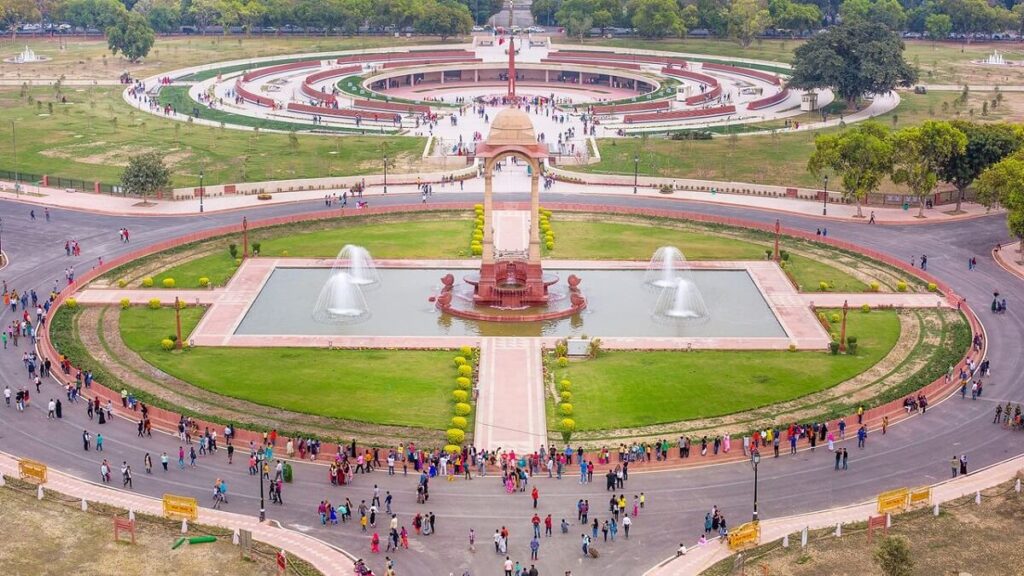
After the dense streets of Old Delhi, New Delhi can feel remarkably spacious.
Wide roads, landscaped roundabouts, institutional buildings and green spaces represent another chapter of the capital’s history.
4. India Gate and Central Delhi
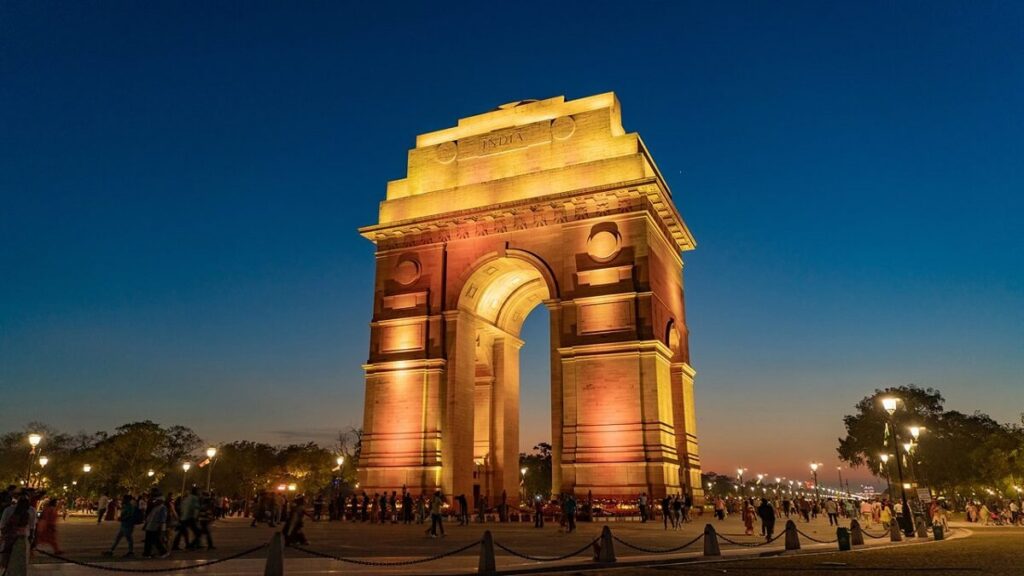
India Gate is among the city’s most recognisable landmarks. The surrounding ceremonial district provides a dramatic contrast with the lanes of Shahjahanabad.
A private drive through central New Delhi can be combined with nearby museums, gardens or Humayun’s Tomb rather than treated as a separate sightseeing day.
5. Lodhi Garden
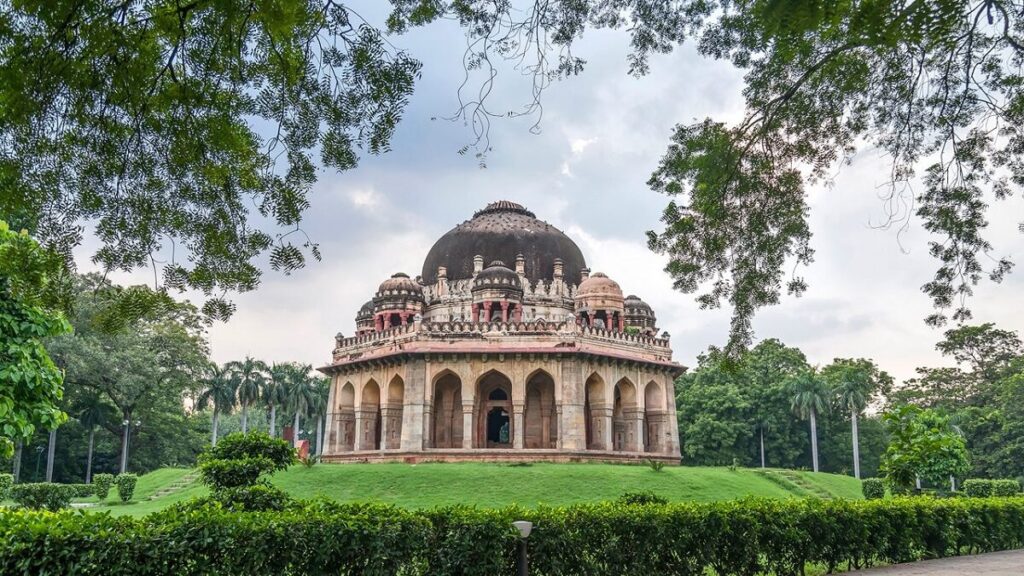
Travellers who want a quieter hour should make time for Lodhi Garden.
The landscaped grounds contain historic tombs surrounded by trees, lawns and walking paths. Early mornings are particularly atmospheric, when local residents come for walks and exercise.
It is a good reminder that Delhi is not only monuments and markets. Large areas of the capital are surprisingly green.
Experience Delhi Through Its Culture
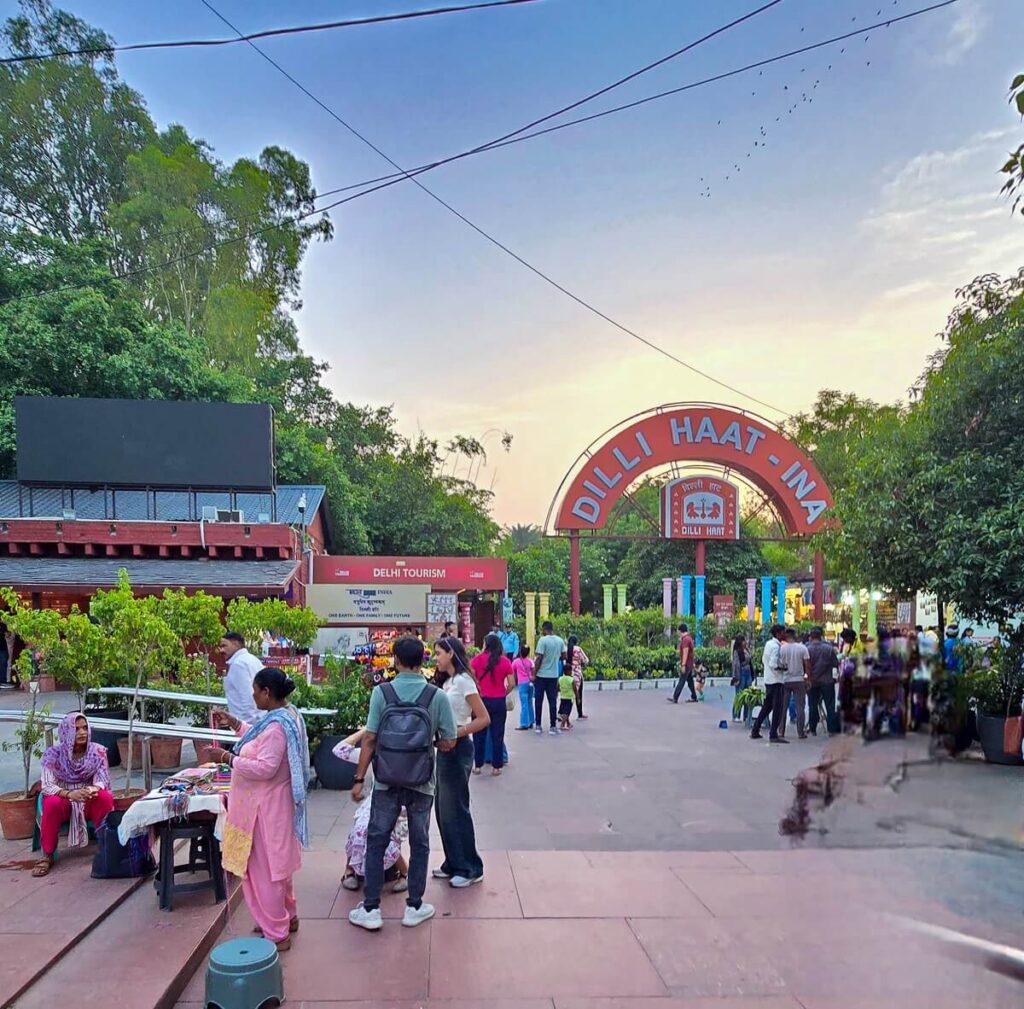
Delhi’s culture is not confined to museums.
You experience it while walking through a neighbourhood market, watching artisans work, visiting a place of worship, listening to devotional music or sharing a meal.
One of the most rewarding approaches is to explore contrasting communities.
Spend part of your day in Old Delhi, then visit a Sikh gurdwara, a contemporary neighbourhood, an art district or a traditional craft market.
Dilli Haat is a useful stop for travellers who want to see handicrafts, textiles and regional foods from different parts of India in one convenient setting.
For a deeper experience, consider arranging a guided heritage walk or curated food tour rather than simply moving between monuments by car.
Delhi for Food Lovers
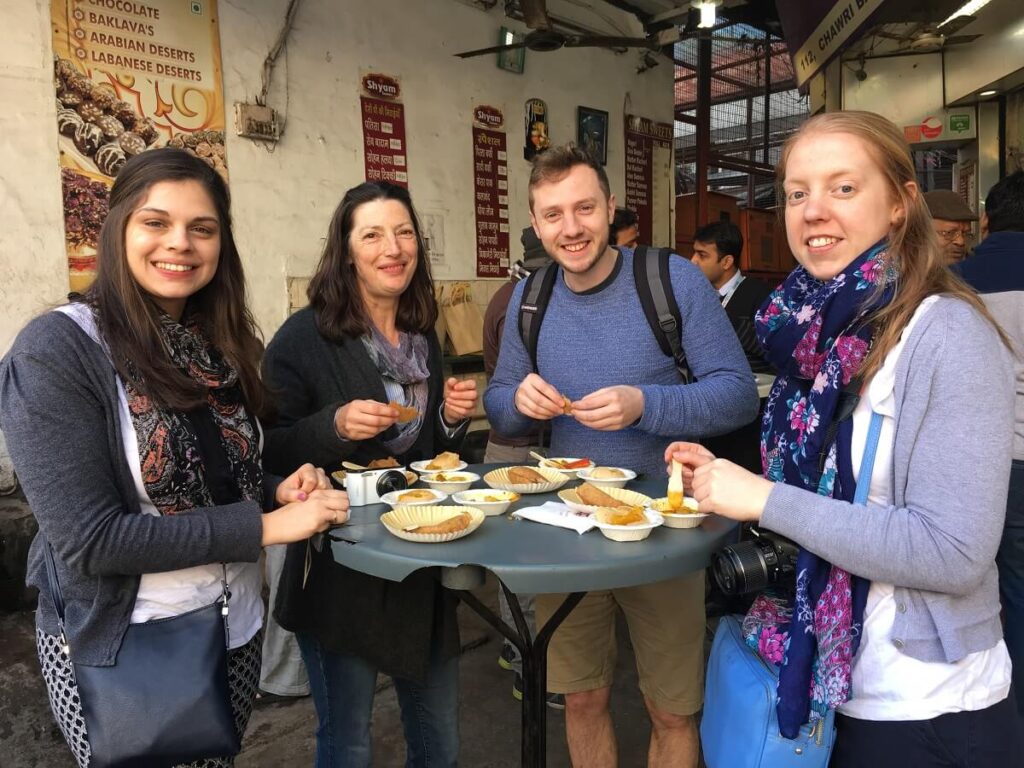
Food is one of the best reasons to leave some unscheduled time in Delhi.
Old Delhi is famous for traditional snacks, sweets, breads, kebabs and Mughlai flavours, while other parts of the capital offer everything from regional Indian cooking to polished fine dining.
In Chandni Chowk, the attraction is as much about atmosphere as the individual dishes. Historic food establishments sit alongside tiny stalls, spice shops and crowded market lanes.
Travellers with sensitive stomachs do not need to avoid local cuisine entirely. A guided culinary experience can make it easier to choose reputable establishments while learning about the stories behind the dishes.
New Delhi and South Delhi, meanwhile, offer stylish restaurants presenting regional Indian food in more contemporary surroundings.
For a well-balanced trip, experience both sides.
Shopping in Delhi: From Bazaars to Boutiques
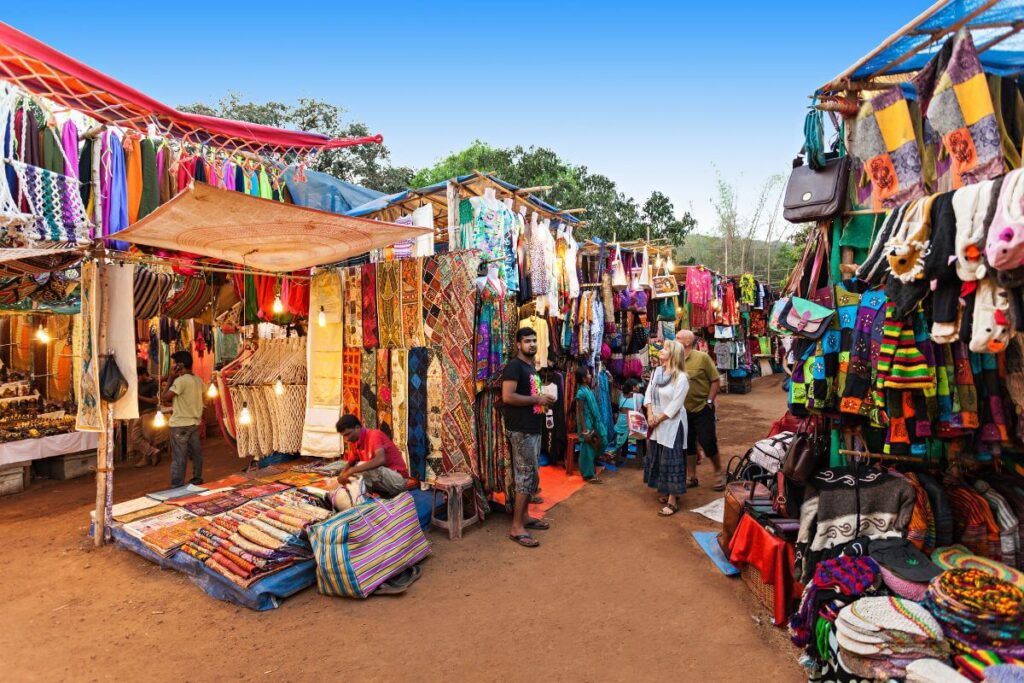
Shopping in Delhi ranges from hectic wholesale markets to elegant designer stores.
Chandni Chowk is particularly known for textiles, wedding clothing, jewellery, spices and traditional market shopping. Dilli Haat is convenient for handicrafts and regional products, while newer shopping districts feature contemporary Indian designers and international brands.
Connaught Place remains one of the city’s best-known commercial districts and can easily be included during sightseeing.
For higher-quality crafts, textiles or jewellery, consider shopping with a guide who understands reputable suppliers rather than relying solely on commission-driven stops.
Good purchases from Delhi can include handwoven fabrics, shawls, jewellery, tea, spices, miniature art and handcrafted home décor.
The Luxury Side of Delhi

Delhi works particularly well for travellers who want history without sacrificing comfort.
The city has some of India’s leading luxury hotels, sophisticated dining, private guided experiences, spas and chauffeured transport.
A luxury Delhi itinerary does not necessarily mean filling every hour with premium activities. Often, the real luxury is having enough time.
Instead of visiting eight attractions in one day, you might spend a relaxed morning exploring Old Delhi with a private guide, return to your hotel for lunch and rest, and visit Humayun’s Tomb later when the light is softer.
Private vehicles are especially useful because Delhi’s attractions are spread across a large area.
Travellers interested in combining the city with India’s classic heritage circuit can consider an 8-day Luxury Golden Triangle Tour, which links Delhi with Agra and Jaipur.
For a longer premium journey, the Luxury Golden Triangle and Udaipur itinerary adds Rajasthan’s romantic lake city.
These luxury itineraries emphasise private transportation, expert local guides and carefully selected accommodation rather than rushed group sightseeing.
Best Time to Visit Delhi
For most travellers, the cooler months provide the most comfortable conditions for exploring Delhi.
October to March is generally the preferred period for outdoor sightseeing, particularly if your itinerary includes extensive walking through forts, archaeological complexes and markets.
Winter mornings and evenings can be cool, while afternoons are often pleasant.
Summer becomes very hot, especially from April into June. Sightseeing is still possible, but early starts, air-conditioned transportation and breaks during the hottest part of the day become important.
The monsoon period brings higher humidity and occasional heavy rain.
Because weather can significantly affect how much you comfortably cover in a day, check Tusk Travel’s detailed guide on the best time to visit Delhi when choosing your dates.
How Many Days Do You Need in Delhi?
Two full sightseeing days are ideal for most first-time visitors.
Day 1: Old Delhi and Central Delhi
Begin around Jama Masjid and explore the lanes of Chandni Chowk, preferably with a guided walk or short rickshaw ride. Continue towards the Red Fort area before moving into New Delhi.
Later, see India Gate and central Delhi before enjoying a relaxed evening.
Day 2: South Delhi Heritage
Start with Qutub Minar before crowds and temperatures increase.
Continue towards Humayun’s Tomb, then take a break for lunch. Spend the afternoon at Lodhi Garden, a museum, shopping district or another attraction matching your interests.
Travellers with three days can slow the pace further and devote extra time to food, museums, markets, contemporary Delhi or simply enjoying their hotel.
Delhi as the Starting Point for the Golden Triangle
One major advantage of Delhi is its connection with other North Indian destinations.
For first-time visitors, the classic route continues from Delhi to Agra and Jaipur, forming India’s Golden Triangle.
Delhi brings Mughal and modern Indian history, Agra contributes the Taj Mahal and other Mughal monuments, while Jaipur introduces Rajasthan’s forts, palaces and colourful bazaars.
Tusk Travel’s 7 Days Golden Triangle Tour is a useful starting itinerary for travellers who want sufficient time to explore all three cities privately.
For travellers comparing different lengths and extensions, the main Golden Triangle tour collection includes shorter trips as well as combinations with Rajasthan, Ranthambore, Varanasi, Goa and other destinations.
Practical Delhi Travel Tips
Delhi becomes much easier to enjoy when you avoid trying to see everything at once.
Group attractions geographically so you are not repeatedly crossing the city. Start outdoor sightseeing earlier in the day, particularly during warmer months.
Wear comfortable shoes because heritage complexes can involve substantial walking. Carry drinking water and dress respectfully when visiting mosques, temples and other religious sites.
For first-time international travellers, a private car and knowledgeable local guide can be particularly valuable in Old Delhi, where navigating the lanes independently can take considerable time.
Most importantly, leave room for experiences that were not on your original checklist.
Delhi’s greatest appeal often appears between the major monuments: an unexpected market, a cup of chai, an old doorway, a neighbourhood temple or a conversation with someone who knows the city.
Final Thoughts
Delhi is sometimes treated as somewhere travellers pass through on their way to the Taj Mahal or Rajasthan. That approach misses much of what makes India’s capital remarkable.
This is a city where medieval ruins, Mughal monuments, colonial planning, religious traditions, street markets, contemporary art, luxury hotels and modern Indian life exist side by side.
Come for the Red Fort, Qutub Minar and Humayun’s Tomb, but also give yourself time for Chandni Chowk, local food, gardens and quieter neighbourhoods.
Whether you travel independently or choose a private Delhi tour, the best itinerary balances major heritage sites with genuine cultural encounters and enough free time to absorb the city.
Delhi does not need to be conquered in a day.
Give it time, and India’s capital becomes far more than the beginning of your journey. It becomes one of its most memorable chapters.
