
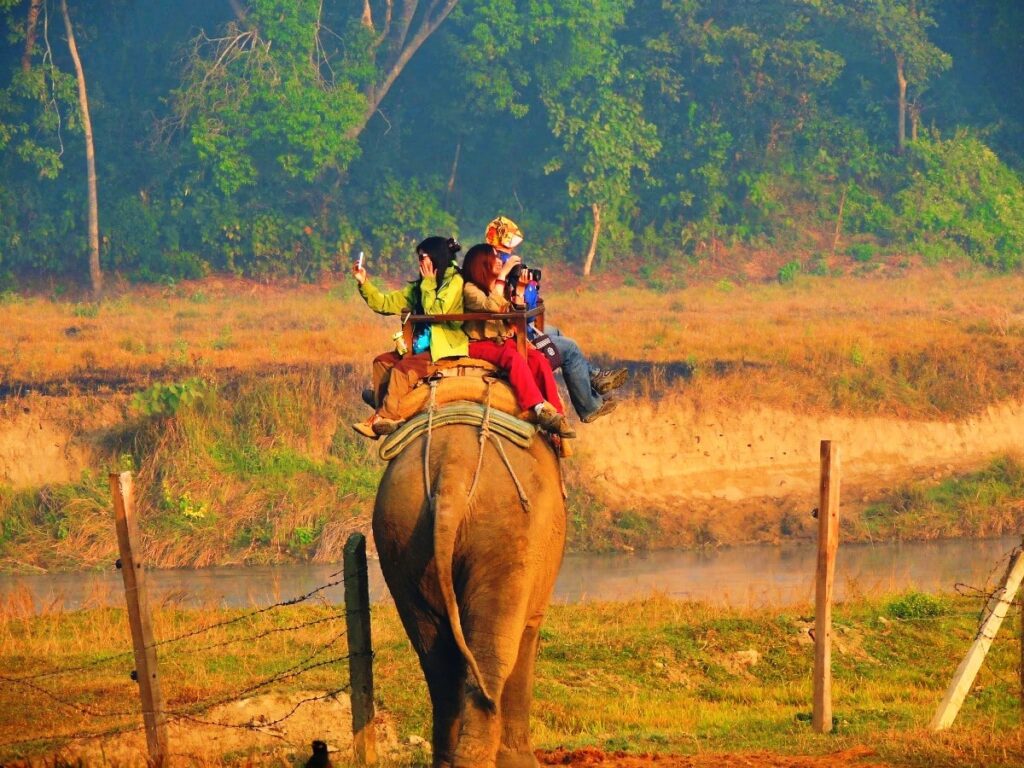
Chitwan is one of Nepal’s best destinations for wildlife, river landscapes and Tharu culture, but it is important to understand that Chitwan is more than Chitwan National Park. The district also includes Sauraha, Bharatpur, Narayanghat, Meghauli, Patihani, sacred Devghat, wetlands and hill areas such as Siraichuli.
For most first-time visitors, the main reason to come is the UNESCO-listed Chitwan National Park, Nepal’s first national park and one of South Asia’s important habitats for the greater one-horned rhinoceros, Bengal tiger, gharial and hundreds of bird species. Sauraha is the best-known tourism base, while Meghauli and Patihani offer quieter alternatives along the park’s western and northern edges.
This guide focuses specifically on the best places to visit in Chitwan. If you are looking for activities such as jeep safaris, canoe trips, birdwatching and village walks, see our separate things to do in Chitwan guide. For detailed park planning, wildlife and safari information, use our Chitwan National Park visitor guide.
Chitwan at a Glance
| Best for first-time visitors | Sauraha and Chitwan National Park |
| Quieter wildlife base | Meghauli |
| Best for transport connections | Bharatpur / Narayanghat |
| Ideal stay | 2 nights / 3 days |
| Best general season | October to March |
| Good family choices | Sauraha, Beeshazar Lakes, Devghat and selected guided park experiences |
10 Best Places to Visit in Chitwan, Nepal
1. Chitwan National Park
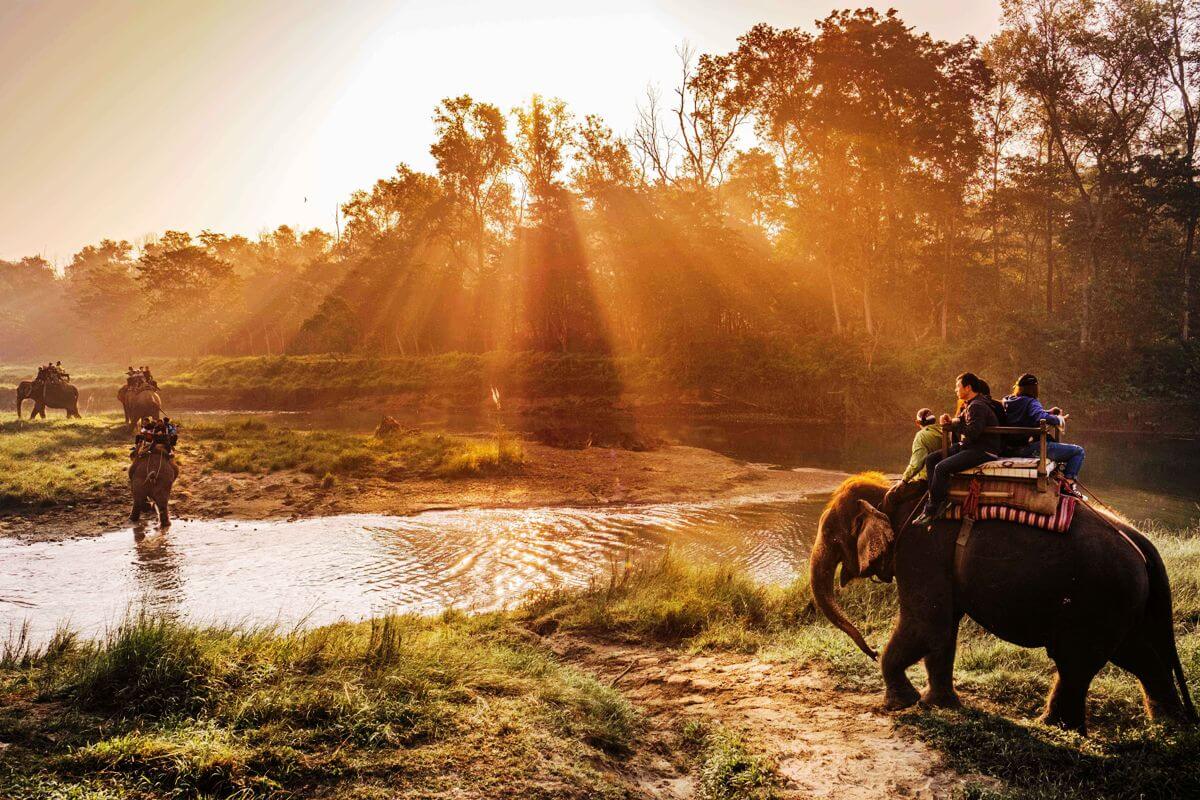
Chitwan National Park is the main reason most international travellers visit the district. Established in 1973 as Nepal’s first national park, it was inscribed as a UNESCO World Heritage Site in 1984.
The protected landscape covers approximately 932 sq km of subtropical lowland forest, grassland, riverine habitat and wetlands. Wildlife includes greater one-horned rhinoceros, Bengal tiger, leopard, sloth bear, gaur, deer, gharial and mugger crocodiles, along with a remarkably rich bird population.
Rather than trying to see the park independently, plan wildlife activities with an authorized guide or lodge. Jeep drives, guided nature walks, canoe trips and birdwatching each offer a different way to understand the landscape.
Wildlife sightings are never guaranteed. That uncertainty is part of visiting a genuine protected ecosystem, so choose a good naturalist and allow enough time rather than expecting a checklist of animals in a few hours.
2. Sauraha
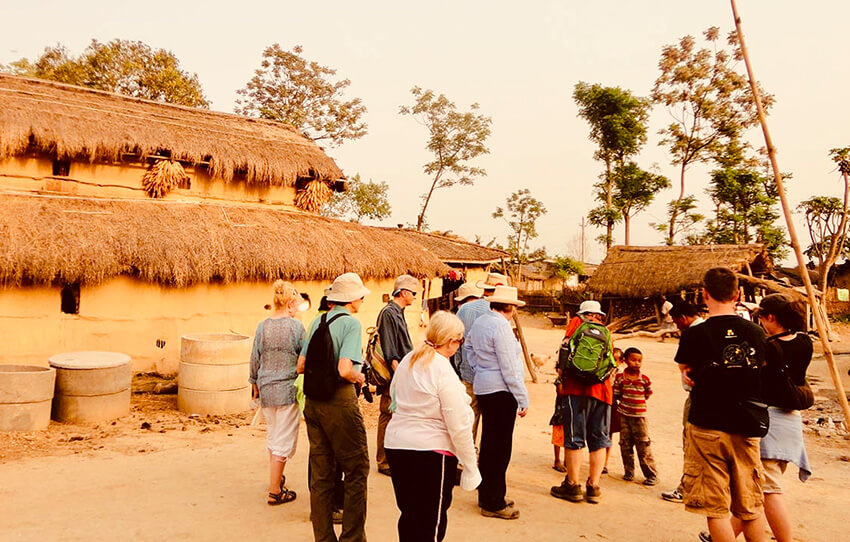
Sauraha is Chitwan’s best-known tourism base and the easiest choice for most first-time visitors. The town sits close to the Rapti River and the national park, with a wide selection of lodges, restaurants, guides and wildlife activities.
Its location makes it practical for early safari departures, canoe excursions and evening walks along the river. The Nepal Tourism Board also highlights Sauraha for indigenous culture, local food, visitor services and access to the nearby Elephant Breeding Center.
Stay here if you want convenience and plenty of accommodation choices. Travellers looking for a quieter lodge experience may prefer Meghauli or Patihani instead.
Do not spend all of your time moving from one scheduled activity to another. A slow evening beside the Rapti River can be one of the simplest and most enjoyable parts of a Chitwan stay.
3. Beeshazar and Associated Lakes
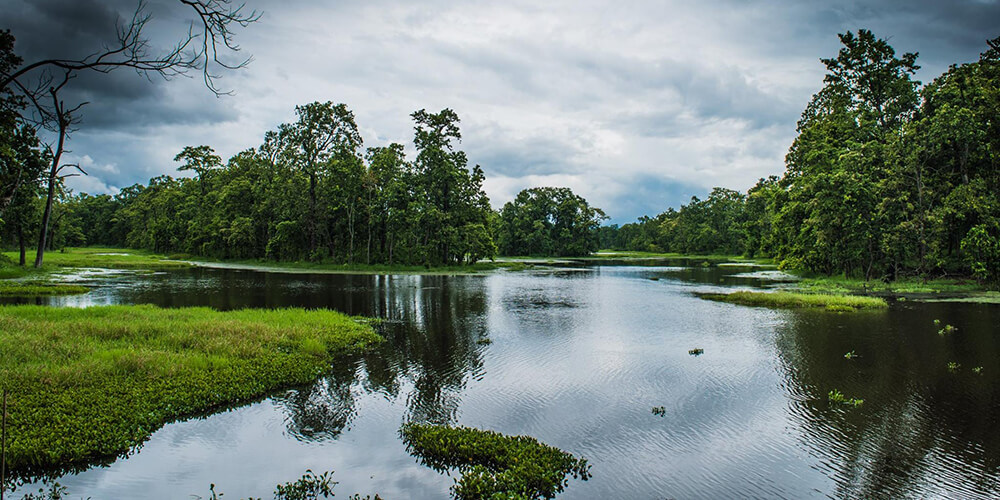
Beeshazar and Associated Lakes, often written as Bishazari Tal or 20,000 Lakes, form an important wetland system inside the Chitwan National Park buffer zone.
The wetland is internationally recognized under the Ramsar Convention and covers about 3,200 hectares. Its lakes, marshes and surrounding forest provide habitat and movement corridors for birds and wildlife, including rhinoceros and other threatened species.
This is a particularly good choice for travellers who enjoy birdwatching, wetlands and quieter natural settings. Go with realistic expectations: Beeshazar is an ecological area, not a landscaped city lake with guaranteed recreational facilities.
Access conditions can vary with season and conservation requirements, so check locally before travelling and respect any restrictions around sensitive wetland areas.
4. Devghat
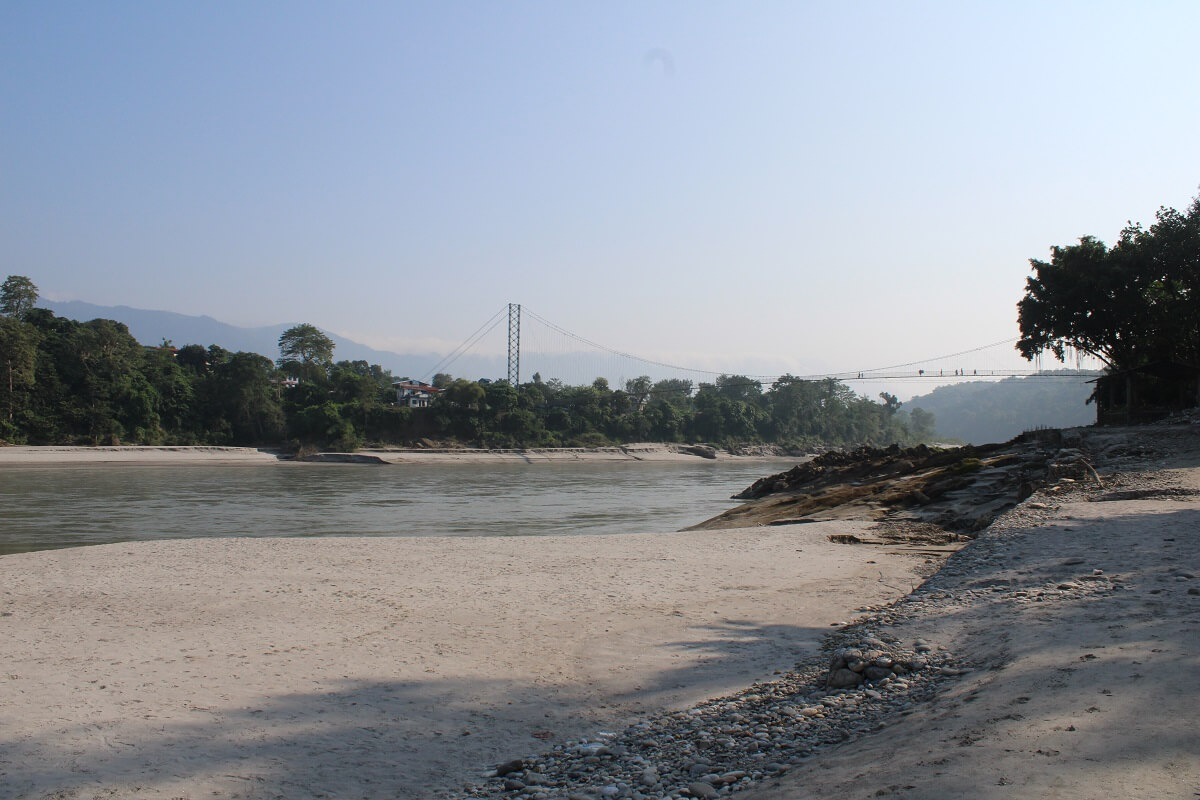
Devghat shows a completely different side of Chitwan. This important Hindu pilgrimage centre lies near the confluence of the Kali Gandaki and Trishuli rivers, whose combined flow continues as the Narayani.
The area contains temples, shrines and ashrams and becomes especially busy around Makar Sankranti in January, when pilgrims gather for ritual bathing.
Devghat is close enough to Bharatpur and Narayanghat to work well as a half-day cultural excursion. It is particularly worthwhile for travellers interested in spirituality, pilgrimage traditions or the religious geography of Nepal.
Dress modestly, behave respectfully around worship areas and remember that Devghat is a living pilgrimage centre rather than simply a sightseeing attraction.
5. Meghauli
Meghauli lies on the western side of Chitwan National Park near the Rapti and Narayani rivers. It is one of the best alternatives to busy Sauraha for travellers who prefer a quieter wildlife base.
The Nepal Tourism Board identifies Meghauli as a western entrance to the national park and highlights its community forests, birdwatching, wildlife experiences, Tharu culture and sunset views around Golghat.
Meghauli works especially well for couples, photographers and repeat visitors who would rather stay in a more peaceful riverside environment than in Chitwan’s busiest tourism town.
If your itinerary includes only two nights, choose either Sauraha or Meghauli as your main base rather than changing hotels inside Chitwan.
6. Patihani and the Rapti River
Patihani, south of Bharatpur, has developed as another riverside tourism area close to Chitwan National Park. It is a useful option for travellers who want access to wildlife activities while staying away from central Sauraha.
The Rapti River landscape is the main attraction. Late afternoon is especially pleasant for river views, birdlife and the changing light over the park-side grasslands.
Patihani can be combined with Bharatpur-area sightseeing or used as a quieter lodge base. It is also suitable for families who want a relaxed riverside setting between organized wildlife activities.
7. Jalbire Waterfall
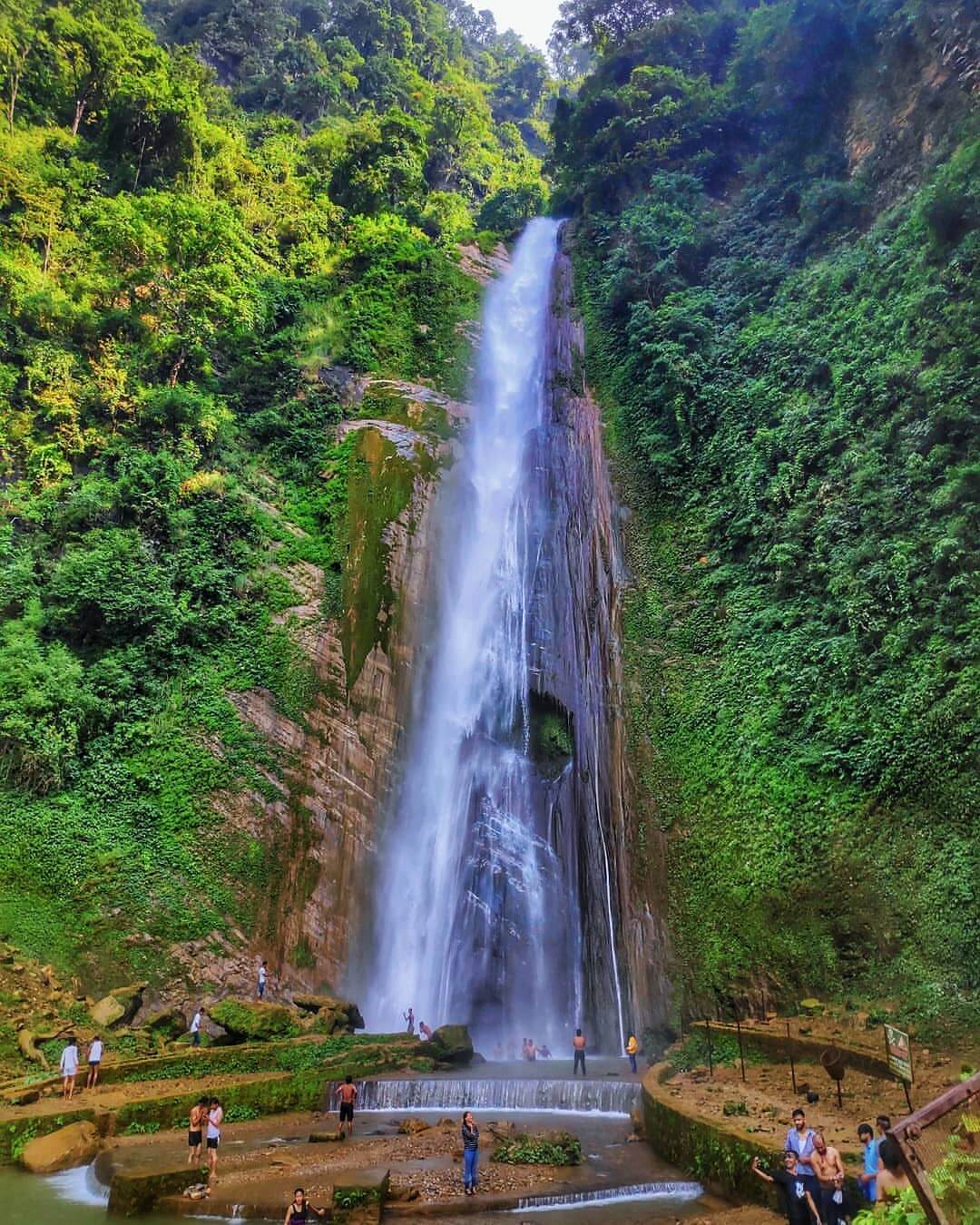
Jalbire Waterfall, also known as Lamo Jharana, is a natural stop in the hillier northern part of Chitwan and offers a very different landscape from the national park’s Terai grasslands.
The waterfall is popular with local visitors, particularly during warmer weather. Its forested surroundings make it a useful stop if your route through Chitwan takes you toward the Mugling side rather than directly between Sauraha and Bharatpur.
Water flow and access can vary seasonally. During periods of heavy rain, rocks and paths may become slippery, so check local conditions before making a special trip.
This is a better choice for travellers with extra time than for someone trying to fit Chitwan into a rushed one-night stay.
8. Siraichuli and the Chepang Hill Area
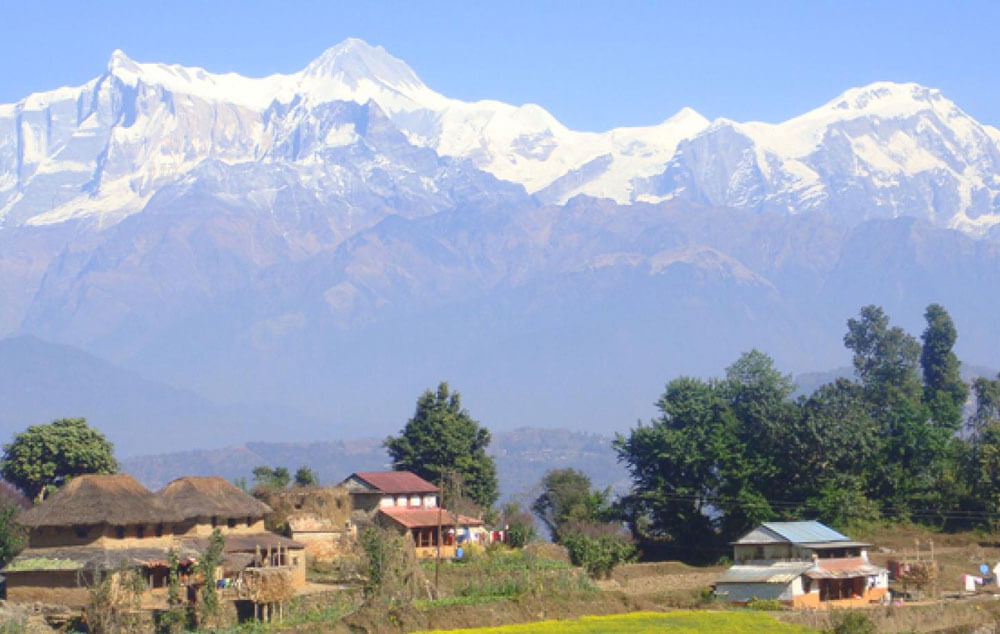
Siraichuli and the wider Chepang hill area reveal another side of Chitwan beyond the lowland jungle. The region is associated with hill walking, rural settlements, birdlife and, in clear conditions, broad views toward the Himalayan ranges.
The Nepal Tourism Board promotes the Chepang Hill Trail as a way to experience indigenous Chepang communities, hill scenery and village landscapes.
This is not something to squeeze into a standard two-night safari itinerary. Consider it if you have additional days and want hiking and community-based travel alongside wildlife.
9. Bharatpur and Narayanghat
Bharatpur and Narayanghat form Chitwan’s main urban and transport centre. Many travellers pass through on the way to Sauraha without realizing that this area can also be useful for a short stop.
Narayanghat sits beside the Narayani River and is convenient for reaching Devghat, while Bharatpur provides the district’s main airport, hotels, hospitals and road connections.
If you are specifically searching for places to visit in Bharatpur, the strongest nearby choices are Devghat, the Narayani river area, Beeshazar Lakes, Patihani and Ranipokhari rather than trying to treat the city itself like a monument-heavy sightseeing destination.
Bharatpur is therefore best used as a practical base or gateway, particularly if you arrive by air or have an early onward connection.
10. Ranipokhari, Bharatpur
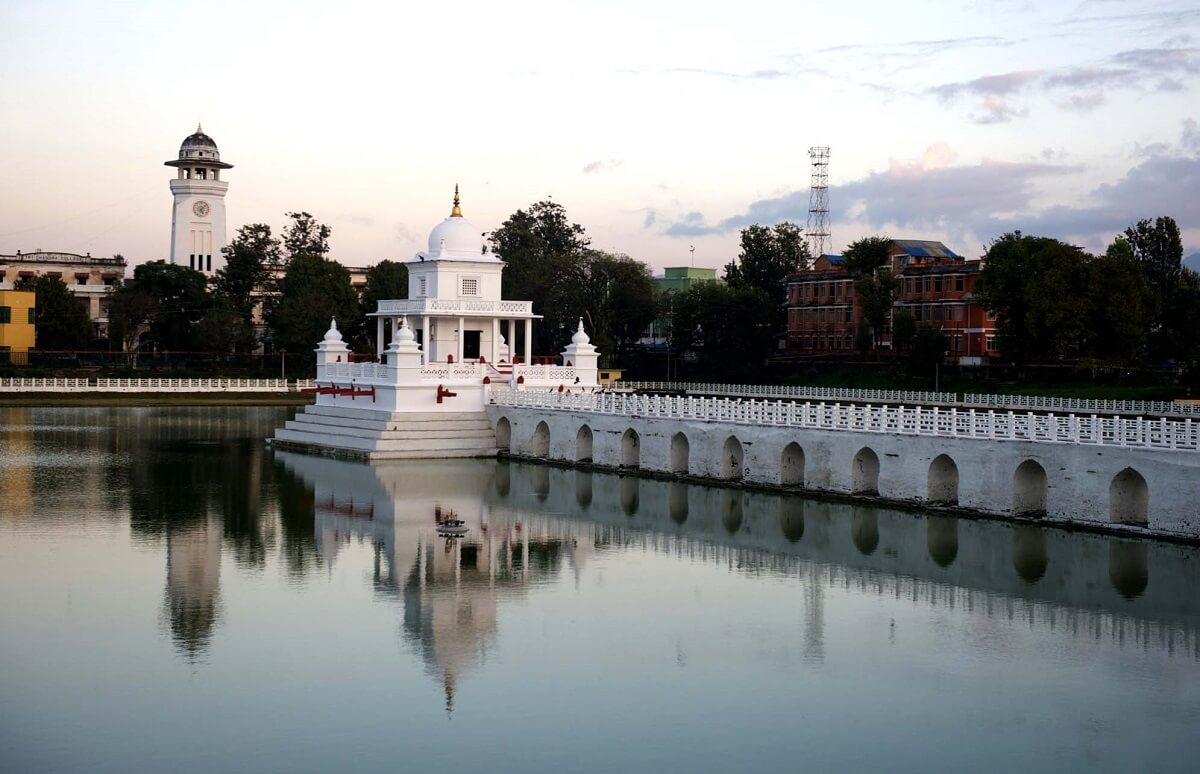
Ranipokhari in the Bharatpur area is a local recreation spot centred around a freshwater lake. It is more suitable for a relaxed family outing than for travellers whose only priority is wildlife.
The area offers open space, water views and an easy change of pace from safari activities. It can be useful if you are staying in Bharatpur or have children who need a lighter sightseeing day.
For a short first visit to Chitwan, however, place the national park, Sauraha or Meghauli, Devghat and Beeshazar ahead of Ranipokhari.
Best Places to Visit in Chitwan with Family
For a family trip, the best choice depends on the ages of the children and how much wildlife activity everyone is comfortable with.
- Sauraha: easiest overall base, with plenty of hotels, restaurants and organized excursions.
- Chitwan National Park: excellent for older children who enjoy wildlife, especially when activities are paced well and led by experienced guides.
- Beeshazar Lakes: suitable for families interested in birds and nature, subject to current access conditions.
- Devghat: a useful cultural and spiritual excursion that does not require a safari.
- Patihani: good for a quieter riverside stay.
- Ranipokhari: a simple local recreational stop if you are based in Bharatpur.
With younger children, avoid scheduling an early safari, long road transfer and evening cultural program all on the same day. Chitwan is more enjoyable when you leave time to rest between activities.
What Is Chitwan Famous For?
Chitwan is most famous for Chitwan National Park, greater one-horned rhinoceros, Bengal tiger habitat, jungle landscapes, Rapti and Narayani river systems, Tharu culture and wildlife tourism.
The national park is a UNESCO World Heritage Site and Nepal’s first national park. Beyond wildlife, the wider district is also known for pilgrimage at Devghat, the wetlands of Beeshazar, Tharu communities, the riverside tourism centres of Sauraha and Meghauli, and the urban gateway of Bharatpur-Narayanghat.
Where Should You Stay in Chitwan?
Sauraha
Choose Sauraha for your first visit if you want the widest choice of accommodation and easy access to organized park activities.
Meghauli
Choose Meghauli if you want a quieter wildlife-focused stay with a more peaceful riverside atmosphere.
Patihani
Choose Patihani for a quieter resort-style stay closer to Bharatpur while still being near the park landscape.
Bharatpur / Narayanghat
Choose Bharatpur mainly for transport convenience, airport access, business travel or an overnight stop before moving to a park-side lodge.
How Many Days Do You Need in Chitwan?
For most international travellers, 2 nights and 3 days is the most practical introduction to Chitwan.
- 1 night: too short for most visitors unless Chitwan is simply a stopover.
- 2 nights / 3 days: enough for a wildlife activity, canoe or nature experience, Tharu culture and relaxed river time.
- 3 nights: better for serious birdwatchers, photographers, families travelling slowly or visitors adding Meghauli, Devghat or Beeshazar.
- 4+ nights: useful if you want to include Chepang hill areas, village stays or specialist wildlife interests.
For a detailed activity-by-activity plan, see our Chitwan things to do guide.
Best Time to Visit Chitwan
October to March is generally the most comfortable period for sightseeing and wildlife activities. Nepal Tourism Board describes these months as the park’s best season, with milder temperatures than the hot pre-monsoon months.
April to June can be very hot, but some wildlife enthusiasts still visit during the dry period. Heat can become intense during the day, so early starts and appropriate hydration are important.
July to September is the main rainy period. The landscape becomes lush, but heavy rain can disrupt roads, trails and some park activities.
If you are travelling during Nepal’s autumn season, our Nepal in October guide explains how Chitwan fits with Kathmandu, Pokhara and other destinations.
How to Reach Chitwan
From Kathmandu
Chitwan can be reached from Kathmandu by road or by a short domestic flight to Bharatpur. Road journey times vary with traffic, construction and conditions on Nepal’s highways, so avoid planning a tightly timed safari immediately after a long transfer.
From Pokhara
Pokhara and Chitwan are commonly combined in the same Nepal itinerary. Travelling by private car gives the most flexibility, while tourist buses are another common option.
From Lumbini
Chitwan also fits naturally after Lumbini for travellers making an overland journey across southern Nepal.
By Air
Bharatpur Airport is the main air gateway for Chitwan. Flight schedules in Nepal can change, so confirm your operating flight before finalizing a same-day connection or park activity.
A Practical 3-Day Chitwan Itinerary
Day 1: Arrive and Settle into Sauraha or Meghauli
Arrive in Chitwan, check into your lodge and leave the first afternoon relatively light. Walk near the river, learn about the surrounding area and, where appropriate, include a respectful Tharu cultural experience in the evening.
Day 2: Chitwan National Park
Dedicate the main day to the park. Depending on your interests and current park conditions, combine a guided jeep drive, canoe excursion, birdwatching or nature walk rather than trying to fit every available activity into a single day.
Your guide and lodge should confirm which activities are operating and which access points make sense for the season.
Day 3: Choose One Additional Chitwan Experience
Before continuing your Nepal journey, choose one experience that adds variety: Beeshazar Lakes for wetlands and birdlife, Devghat for pilgrimage and culture, or a slower morning around the river.
This creates a much better trip than spending every available hour inside a vehicle.
Where Does Chitwan Fit Into a Nepal Itinerary?
Chitwan is one of the easiest wildlife destinations to combine with Nepal’s main cultural and mountain stops.
A well-balanced first-time route is:
Kathmandu → Pokhara → Lumbini → Chitwan → Kathmandu / Nagarkot
Tusk Travel’s 10 Days Nepal Tour follows a route through Kathmandu, Pokhara, Lumbini, Chitwan and Nagarkot, making Chitwan a natural wildlife chapter within a broader Nepal holiday.
For a private tour, Chitwan can be adjusted around your preferred lodge style, wildlife interests, travel pace and the number of nights available.
Frequently Asked Questions About Places to Visit in Chitwan
What are the best places to visit in Chitwan?
For a first trip, prioritize Chitwan National Park, Sauraha, Beeshazar Lakes, Devghat and either Meghauli or Patihani. Travellers with more time can add Jalbire Waterfall, the Chepang hill area and local Bharatpur attractions.
What is Chitwan famous for?
Chitwan is famous for its UNESCO-listed national park, one-horned rhinoceros, Bengal tiger habitat, jungle safaris, birdlife, Tharu culture and the Rapti and Narayani river landscapes.
Which are the best places to visit in Chitwan with family?
Sauraha is the easiest family base. Depending on children’s ages, families can combine selected national park activities with Beeshazar Lakes, Devghat, Patihani or a relaxed riverside evening.
What are the best places to visit in Bharatpur, Nepal?
Near Bharatpur, consider Devghat, the Narayani river area, Beeshazar and Associated Lakes, Patihani and Ranipokhari. Bharatpur itself is especially useful as Chitwan’s transport and airport gateway.
Is Sauraha the same as Chitwan?
No. Chitwan is the wider district and national-park destination. Sauraha is a tourism town beside the Rapti River that serves as one of the main bases for visiting Chitwan National Park.
How many days are enough for Chitwan?
Two nights and three days work well for most first-time visitors. Three nights are better for wildlife photographers, birdwatchers, families travelling slowly or travellers who want to explore places beyond the standard Sauraha circuit.
When is the best time to visit Chitwan?
October to March generally offers the most comfortable conditions. April to June becomes much hotter, while July to September is the main rainy season.
Is Chitwan worth visiting on a first trip to Nepal?
Yes, particularly if wildlife is important to you. Chitwan provides a lowland jungle experience that contrasts strongly with Kathmandu’s heritage and Pokhara’s mountain-and-lake scenery.
Final Thoughts
Chitwan deserves more than being treated as a single safari stop. The national park is the headline attraction, but the wider district also offers riverside towns, internationally important wetlands, pilgrimage at Devghat, Tharu culture and quieter wildlife bases such as Meghauli.
For most first-time travellers, the simplest plan is to stay two or three nights in Sauraha or Meghauli, dedicate one full day to the national park and use the remaining time for one contrasting experience such as Beeshazar Lakes, Devghat or a riverside cultural visit.
If you are building a longer Nepal itinerary, browse our Chitwan tour packages or Nepal tour packages and customize the route around the destinations you genuinely want to experience.
