

November is an excellent month to explore Vietnam, provided you choose the right part of the country. In the north, Hanoi enjoys cooler weather, Halong Bay is attractive for cruising, and the mountain villages around Sapa are comfortable for walking. Southern Vietnam is also becoming drier, making Ho Chi Minh City, the Mekong Delta and Phu Quoc increasingly appealing.
Central Vietnam is a different story. Hoi An, Da Nang and Hue often experience heavy rainfall in November, with occasional flooding and disrupted sightseeing. They are still worth visiting when conditions permit, but they are not the most reliable destinations for a sunny November holiday.
If you are deciding where to go in Vietnam in November, I recommend focusing on Hanoi, Ninh Binh, Halong Bay and the northern mountains. Add southern Vietnam if you have ten days or more.
Here are 10 worthwhile destinations, realistic weather expectations and travel tips to help you plan your journey.
Is November a Good Time to Visit Vietnam?
Yes, November is a good time to visit Vietnam, particularly its northern and southern regions.
In northern Vietnam, the intense summer heat has passed. Hanoi is more comfortable for walking, while Ninh Binh and Halong Bay offer attractive conditions for sightseeing and boat excursions.
The northern mountains become cooler, especially after sunset. This is a good period for trekking, although the famous golden rice harvest in Sapa has generally finished by November.
Meanwhile, southern Vietnam begins moving towards its drier season. Ho Chi Minh City remains warm, and Phu Quoc becomes increasingly attractive for a beach holiday as the month progresses.
However, Vietnam’s central coast can still experience heavy rain, storms and flooding. It is important to understand these regional differences before choosing your route.
Vietnam Weather in November
Vietnam stretches more than 1,600 kilometres from north to south, so November weather is not the same everywhere.
| Region | Typical daytime temperatures | November conditions |
| Northern Vietnam | 19–26°C | Cooler, generally drier |
| Northern mountains | 10–20°C | Cool days, cold nights |
| Central Vietnam | 22–28°C | Heavy rain and possible flooding |
| Southern Vietnam | 28–32°C | Warm, increasingly dry |
| Phu Quoc | 28–31°C | Improving beach conditions |
These are approximate seasonal ranges. Temperatures, rainfall and sea conditions vary by destination, altitude and year.
Northern Vietnam
November is one of the more comfortable months for Hanoi, Halong Bay and Ninh Binh.
Rainfall generally decreases, humidity becomes more manageable, and daytime sightseeing is enjoyable.
Sapa and Ha Giang are cooler, particularly at night. Mountain fog can sometimes reduce visibility, so clear views are not guaranteed every day.
Central Vietnam
Hoi An, Hue, Da Nang and nearby coastal areas are commonly affected by their rainy season in November.
Heavy rainfall can cause flooding, particularly around rivers and low-lying historic areas. Beach activities and boat excursions may be limited.
If these destinations are important to your trip, choose flexible accommodation and avoid tightly scheduled connections.
Southern Vietnam
Ho Chi Minh City and the Mekong Delta remain warm, but rainfall generally starts decreasing as the dry season approaches.
Phu Quoc is particularly attractive later in November, although occasional showers and unsettled seas remain possible.
For travelers interested in a warm-weather holiday, southern Vietnam becomes a stronger choice as the month progresses.
Best Places to Visit in Vietnam in November
| Destination | November experience | Suggested stay | Best suited for |
| Hanoi | Comfortable city sightseeing | 2–3 nights | First-time visitors, food |
| Halong Bay | Limestone scenery and cruises | 1–2 nights | Couples, nature |
| Ninh Binh | Boat trips and countryside | 2 nights | Photography, relaxed travel |
| Sapa | Cool mountain trekking | 2–3 nights | Walking, culture |
| Ha Giang | Dramatic mountain roads | 3–4 nights | Adventure travelers |
| Ho Chi Minh City | City sights and food | 2–3 nights | History, urban experiences |
| Mekong Delta | River villages and local life | 1–2 nights | Culture, families |
| Phu Quoc | Improving beach weather | 3–4 nights | Couples, relaxation |
| Da Lat | Cool highland atmosphere | 2 nights | Nature, cafés |
| Hoi An | Heritage town, weather permitting | 2–3 nights | Culture, photography |
1. Hanoi

Hanoi is one of the strongest destinations in Vietnam during November. The weather is generally more comfortable than during the humid summer, making it a good month to explore on foot.
Begin around Hoan Kiem Lake, where early mornings are particularly pleasant. From here, walk through the Old Quarter, visit the Temple of Literature and explore the city’s cafés and markets.
Hanoi is also known for its food. A guided walking tour is a useful way to sample pho, bun cha, egg coffee and other local specialties without spending too much time searching for restaurants.
Another worthwhile experience is watching a traditional water puppet performance, especially if you are visiting Vietnam for the first time.
Planning Your Hanoi Stay
Recommended duration: 2–3 nights.
Weather: Generally comfortable days, cooler evenings and less humidity than summer.
Practical tip: Stay in or near the Old Quarter if you prefer walking access to restaurants and attractions. However, choose accommodation away from the busiest streets if you value quiet nights.
Hanoi is also an excellent base for combining Halong Bay, Ninh Binh and Sapa within the same holiday.
2. Halong Bay

November is a good month for exploring Halong Bay’s remarkable limestone islands and sheltered waterways.
An overnight cruise allows more time to enjoy the scenery than a rushed day trip from Hanoi. Depending on the selected cruise, activities may include kayaking, cave visits, a cooking demonstration and a morning excursion.
The cooler weather is generally comfortable for spending time on deck.
However, November does not guarantee cloudless skies. Some mornings can be misty, and occasional poor weather may affect cruise schedules.
Is an Overnight Cruise Worth It?
Recommended duration: 1 night, or 2 nights for a slower trip.
For most first-time visitors, a one-night cruise offers a good balance of sightseeing and relaxation.
Choose a reputable operator and compare the vessel, cabin category, itinerary and included activities before booking.
Cruises can be delayed or canceled when maritime authorities restrict departures due to unsafe conditions.
Travelers with limited time can combine the capital, countryside and bay through Tusk Travel’s 4-day Hanoi, Ninh Binh and Halong Bay tour.
3. Ninh Binh
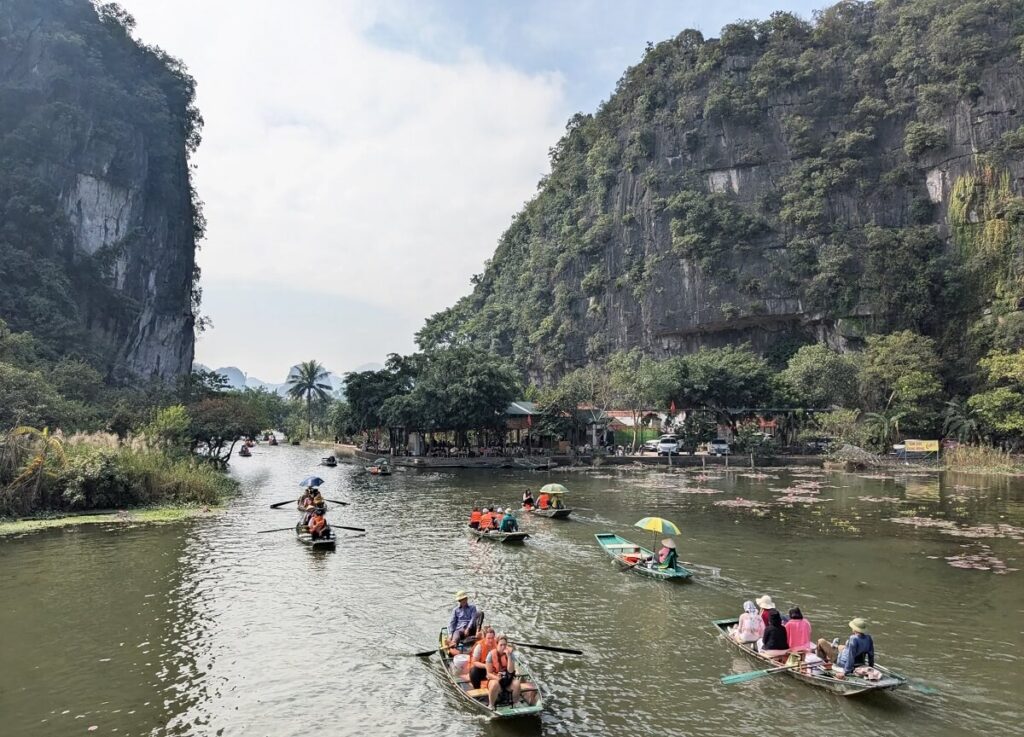
Ninh Binh is one of my strongest recommendations for a November trip to northern Vietnam.
Located south of Hanoi, the region is known for limestone mountains, rivers, caves and peaceful countryside.
A boat journey through Trang An or Tam Coc is the main attraction. Along the way, you pass dramatic rock formations, waterways and rural landscapes.
Another memorable stop is Hang Mua, where a steep climb leads to panoramic views over the surrounding countryside.
November is suitable for walking and cycling because the weather is often more comfortable than in summer.
However, the rice fields may already have been harvested. Visitors expecting the golden fields seen in promotional photographs should consider the actual farming season.
How Long Should You Stay?
Recommended duration: 2 nights, or a long day trip from Hanoi.
An overnight stay is preferable if you want a relaxed boat excursion, time for cycling and an early morning viewpoint visit.
For travelers planning a longer northern Vietnam holiday, the 10-day North Vietnam itinerary includes Hanoi, Halong Bay, Ninh Binh and Sapa.
4. Sapa

Sapa becomes noticeably cooler in November, making it attractive for travelers interested in mountain scenery and walking through villages.
The area is known for terraced hillsides, winding mountain roads and the cultures of local Hmong and Dao communities.
Guided walks around Lao Chai, Ta Van and the Muong Hoa Valley allow visitors to experience the countryside away from the busiest streets of Sapa town.
However, November is not the main golden rice season. In most areas, the rice harvest finishes earlier in autumn, so the terraces may appear brown, green or recently harvested rather than bright yellow.
What to Expect in November
Recommended duration: 2–3 nights.
Days can be cool, while nights may become quite cold. Mist and cloud are also common in the mountains.
Pack a warm jacket, walking shoes and a light rain layer. Trails may be slippery even when the overall weather is relatively dry.
For an easier trip, choose shorter village walks instead of demanding mountain treks.
Sapa can be included in a 6-day northern Vietnam tour along with Hanoi and Halong Bay.
5. Ha Giang
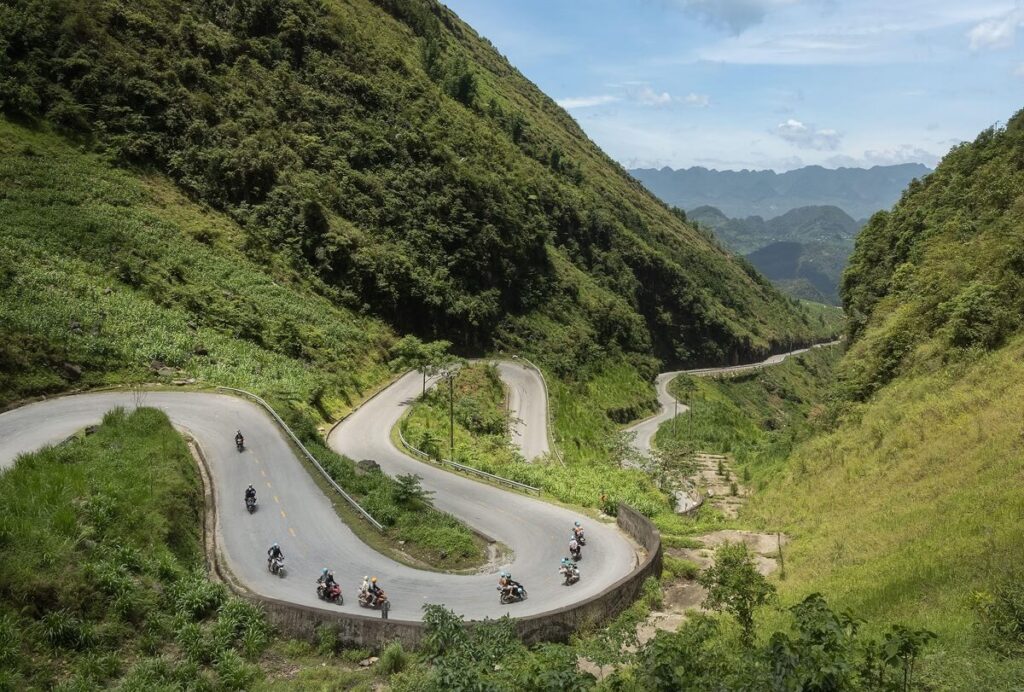
Ha Giang is among Vietnam’s most impressive destinations for adventurous travelers.
The region is known for dramatic mountain passes, limestone formations, remote villages and winding roads through the northern highlands.
November often brings cooler weather and attractive visibility, making it a popular time for exploring the Ha Giang Loop.
However, this is not an ordinary sightseeing excursion. Roads are steep and winding, and weather conditions can change quickly.
For international visitors who are not experienced motorcycle riders, a licensed local driver or properly arranged private vehicle is a safer and more comfortable option.
Is Ha Giang Suitable for Everyone?
Recommended duration: 3–4 nights, excluding travel from Hanoi.
Ha Giang is best for travelers comfortable with long road journeys and basic facilities in some rural areas.
If you prefer shorter transfers, comfortable hotels and a gentler pace, Ninh Binh or Sapa may be better choices.
Check road conditions before departure and avoid scheduling a tight connection immediately after returning from the mountains.
6. Ho Chi Minh City

Ho Chi Minh City remains warm in November, but rainfall usually begins decreasing as the dry season approaches.
The city is a good destination for travelers who enjoy history, markets, food and contemporary urban life.
Visit the War Remnants Museum for an introduction to Vietnam’s modern history, explore the historic central streets and spend time around Ben Thanh Market.
Food is another highlight. From local noodle shops to modern restaurants, Ho Chi Minh City has an impressive range of dining experiences.
If you have additional time, consider a visit to the Cu Chi Tunnels, although the excursion involves extra travel.
A Comfortable City Visit
Recommended duration: 2–3 nights.
Plan outdoor sightseeing in the morning and leave time for breaks during the warmer afternoon hours.
Short showers can still occur, particularly earlier in November. Carry a small umbrella or lightweight rain jacket.
The city also provides convenient connections to the Mekong Delta and Phu Quoc.
7. Mekong Delta

The Mekong Delta offers a different experience from Vietnam’s large cities.
Here, rivers and canals connect towns, orchards, markets and farming communities.
A guided boat excursion can introduce you to local villages, traditional food production and everyday life around the waterways.
November is a transitional month as rainfall decreases across southern Vietnam. Some areas remain wet, but that does not necessarily prevent sightseeing.
The most rewarding visits usually involve smaller waterways and genuine local experiences rather than spending the entire day moving between commercial shopping stops.
Day Trip or Overnight Stay?
Recommended duration: 1–2 nights.
A day trip from Ho Chi Minh City can introduce the region, but an overnight stay allows a more relaxed experience.
If you are interested in floating markets, confirm which ones are active and their operating times. Some markets have changed significantly as road transport and trading patterns have developed.
The Mekong Delta fits particularly well into a southern Vietnam holiday, followed by a flight to Phu Quoc or onward international travel.
8. Phu Quoc

Phu Quoc becomes an increasingly attractive beach destination during November as southern Vietnam approaches its drier season.
The island has sandy beaches, resorts, fishing villages and opportunities for boat excursions.
For couples, it is a pleasant place to finish a Vietnam holiday after several days of sightseeing.
Long Beach offers convenient access to restaurants and accommodation, while other parts of the island appeal to travelers who prefer quieter surroundings.
However, early November can still bring occasional rain, and sea conditions vary between coastal areas.
Is November Good for Swimming?
Recommended duration: 3–4 nights.
Late November often offers improving beach conditions, but swimming, snorkeling and boat excursions depend on the actual weather.
Check marine forecasts and choose authorized boat operators.
For a balanced holiday, I suggest combining two or three nights in Ho Chi Minh City with several nights in Phu Quoc rather than trying to visit too many southern destinations.
9. Da Lat

Da Lat offers a welcome change from the tropical heat of southern Vietnam.
Located in the Central Highlands, the town is surrounded by pine forests, flower gardens, lakes and coffee-growing areas.
November is a transitional period, with rainfall often decreasing compared with the wetter months. Mornings can be cool, and mist sometimes settles over the hills.
Visitors can explore Xuan Huong Lake, enjoy local cafés and visit surrounding countryside attractions.
The region is particularly appealing to couples and travelers who enjoy cooler weather and a relaxed atmosphere.
What Makes Da Lat Worth Visiting?
Recommended duration: 2 nights.
Da Lat is better suited to a highland break than to travelers looking for beaches or major historical monuments.
Choose accommodation carefully, because some properties may feel cold at night.
If you are combining Da Lat with Ho Chi Minh City, account for the substantial overland journey or consider suitable flight connections where available.
10. Hoi An

Hoi An remains one of Vietnam’s most charming historic towns, but November requires careful planning.
Its Ancient Town is known for traditional merchant houses, narrow streets, riverside cafés and colorful lanterns.
On a dry evening, walking through the historic streets can be memorable. Cooking classes, tailor shops and cultural experiences also offer alternatives to beach activities.
However, November is part of central Vietnam’s wetter season. Heavy rain can cause flooding along the Thu Bon River and disrupt activities.
Visitors should not assume that beaches, boat rides or the old streets will always be accessible.
Should You Include Hoi An in November?
Recommended duration: 2–3 nights if visiting central Vietnam.
Include Hoi An if its culture and architecture are important to you and your bookings allow flexibility.
For travelers whose priority is reliable weather, northern Vietnam and the south are usually stronger choices.
If you still want to include Hoi An in a multi-region itinerary, ask for flexible arrangements and avoid scheduling the central coast around an important international connection.
Which Places Should You Avoid in November?
There are few destinations that must be avoided entirely, but some are less reliable during this month.
Da Nang and Hue
Both cities can experience persistent rain and occasional flooding.
Da Nang’s beaches may have rough conditions, while river-based activities and sightseeing in Hue can be affected by heavy rainfall.
If visiting these destinations, check current forecasts and choose flexible bookings.
Nha Trang
November is generally not one of Nha Trang’s strongest months for beach activities.
Rain and rough sea conditions can affect swimming, snorkeling and island excursions.
For a beach-focused November holiday, Phu Quoc is often a more practical choice, especially later in the month.
Phong Nha-Ke Bang
Phong Nha is famous for caves and limestone landscapes. However, high water levels can affect cave tours and boat-based activities during the rainy season.
Some specialist cave expeditions also operate only during defined seasons.
Therefore, check the exact activity and operator’s operating calendar before adding Phong Nha to a November itinerary.
Best Vietnam Itineraries for November:
Vietnam’s distances make route planning important. Trying to cover the north, centre and south in a short holiday often means spending too much time at airports.
7 Days: Northern Vietnam Highlights
- Days 1–2: Hanoi
- Days 3–4: Ninh Binh
- Days 5–6: Halong Bay cruise and return to Hanoi
- Day 7: Departure
This is an excellent choice for first-time visitors who want culture and scenery without unnecessary domestic flights.
10 Days: Hanoi, Ninh Binh, Halong Bay and Sapa
- Days 1–2: Hanoi
- Days 3–4: Ninh Binh
- Days 5–6: Halong Bay
- Days 7–9: Sapa and surrounding villages
- Day 10: Departure from Hanoi
Allow sufficient time for mountain transfers, especially if traveling with family or older companions.
A more extensive 10-day northern Vietnam tour provides additional route ideas.
14 Days: Northern Vietnam and the South
- Days 1–3: Hanoi
- Days 4–5: Ninh Binh
- Days 6–7: Halong Bay
- Days 8–9: Ho Chi Minh City
- Days 10–11: Mekong Delta
- Days 12–13: Phu Quoc
- Day 14: Departure
This route focuses on areas with generally favorable November conditions.
However, it requires a domestic flight from northern to southern Vietnam and another connection to Phu Quoc. For a slower holiday, remove one destination and spend longer in the remaining places.
Browse Tusk Travel’s Vietnam tour packages for private itineraries that can be adjusted to seasonal weather and your preferred travel pace.
What to Pack for Vietnam in November
Because the weather differs significantly by region, packing depends on your route.
For Hanoi and Ninh Binh, light clothing with a sweater or jacket is generally sufficient.
In Sapa and Ha Giang, carry warmer layers, comfortable trekking shoes and a waterproof jacket.
For Ho Chi Minh City, the Mekong Delta and Phu Quoc, lightweight breathable clothing is more comfortable. Sunscreen, insect repellent and rain protection are also useful.
If visiting central Vietnam, pack waterproof footwear and allow for possible changes to sightseeing plans.
Travelers visiting temples and religious sites should bring clothing suitable for local dress expectations.
Practical Travel Tips for November:
Book Cruises Carefully
Halong Bay cruises are popular in November.
Reserve early if you want a particular cabin category or a smaller vessel. However, confirm the operator’s cancellation and rescheduling conditions because sailing depends on weather and official permissions.
Check Central Vietnam Forecasts
Weather forecasts are especially important for Hoi An, Hue and Da Nang.
Do not rely entirely on monthly climate averages. If heavy rainfall or storms are forecast, adjust the route instead of trying to continue with every planned activity.
Plan Mountain Transfers Realistically
The roads around Sapa and Ha Giang can be winding and slow.
Avoid unnecessary overnight journeys if comfort is a priority, and keep some flexibility in your schedule.
Expect Different Temperatures
A traveler wearing shorts comfortably in Ho Chi Minh City may need a jacket in Hanoi and warm clothing in Sapa.
Pack for the coldest destination in your itinerary rather than relying on Vietnam’s reputation as a tropical country.
Allow Enough Time
Seven days is suitable for one region. Ten to fourteen days offers more flexibility for a broader journey.
For a first visit in November, northern Vietnam is often the easiest region around which to build a rewarding itinerary.
Frequently Asked Questions
1. Is November a good month to visit Vietnam?
Yes, November is a good month to visit Vietnam, especially its northern and southern regions. Hanoi, Ninh Binh and Halong Bay generally enjoy more comfortable sightseeing weather, while the south moves towards its drier season. However, central Vietnam can experience heavy rainfall and flooding. The success of a November holiday depends mainly on choosing destinations that suit the season rather than assuming the entire country has similar weather.
2. Where is the best place to visit in Vietnam in November?
Northern Vietnam is generally the strongest choice. Hanoi offers comfortable city sightseeing, Ninh Binh is attractive for countryside excursions, and Halong Bay is a good option for cruising. Sapa and Ha Giang are also worth considering for mountain scenery, although temperatures can be cold. If you prefer warmer weather and beaches, consider Ho Chi Minh City and Phu Quoc, particularly later in November.
3. Is northern Vietnam cold in November?
Northern Vietnam becomes cooler during November, but conditions vary by elevation. Hanoi generally has comfortable daytime temperatures and cooler evenings. In Sapa and Ha Giang, nights can be much colder, and mist is common in mountainous areas. Snow is not a normal November attraction. If you are planning mountain walks, bring warm layers and suitable footwear rather than relying on the temperatures reported for Hanoi.
4. Is Halong Bay worth visiting in November?
Yes, November is generally a good month for a Halong Bay cruise. The weather is often more comfortable than during the humid summer, and rainfall tends to decrease. However, mist can reduce visibility, and occasional poor weather may affect boat operations. An overnight cruise is worthwhile if you have time because it allows you to enjoy the scenery beyond the busiest daytime hours. Always book with a reputable operator.
5. Can I visit Hoi An and Da Nang in November?
You can visit Hoi An and Da Nang in November, but they are less reliable for favorable weather than northern Vietnam. Heavy rainfall, storms and flooding can affect transport, river activities and sightseeing. If these places are essential to your itinerary, make flexible reservations and monitor weather forecasts. For travelers whose main priority is sunny beaches or uninterrupted outdoor sightseeing, November is generally not the ideal month for this part of Vietnam.
6. Is November a good time for Phu Quoc?
November is the beginning of improving beach weather in Phu Quoc as southern Vietnam moves towards the dry season. Later in the month often provides better prospects for beach activities, although rain and rough seas can still occur. The island is suitable for relaxing resorts, sunsets and selected boat excursions. Check local marine conditions before booking snorkeling or island-hopping trips, and avoid assuming that every beach will have calm water.
7. How many days are enough for Vietnam in November?
Seven days is enough for a focused northern Vietnam route covering Hanoi, Ninh Binh and Halong Bay. With ten days, you can add Sapa or another northern destination. For a broader trip that includes northern and southern Vietnam, twelve to fourteen days is more comfortable. Attempting to visit every major region in one week usually results in rushed sightseeing and too much travel time. Choose fewer destinations for a more enjoyable holiday.
8. Is Vietnam crowded in November?
November marks the beginning of a popular international travel period in several parts of Vietnam. Hanoi, Halong Bay and major tourist destinations can become busier, particularly at well-known attractions and cruise departure points. However, crowd levels vary by destination and travel dates. Book popular cruises, boutique hotels and private excursions ahead of time if you have fixed dates. Less-visited areas can still provide quieter experiences.
9. What should I wear in Vietnam in November?
Pack according to the regions you plan to visit. Hanoi usually requires light clothing and an additional layer for cooler evenings. Sapa and Ha Giang need warmer clothing, particularly for early morning excursions and mountain walks. In southern Vietnam, breathable clothing remains useful because temperatures are warm. A compact umbrella, rain jacket and comfortable walking shoes are sensible additions for most routes.
10. Should I visit Vietnam in October or November?
November is generally a stronger choice for northern Vietnam because conditions become cooler and rainfall usually decreases. Southern Vietnam also begins improving as the dry season approaches. However, central Vietnam can remain very wet in both October and November. If your priority is Hanoi, Halong Bay, Ninh Binh or Sapa, November is often a good option. For Hoi An, Da Nang and Hue, consider a different time of year if weather flexibility is limited.
Plan Your Vietnam Trip in November
Vietnam is a rewarding destination in November, but the best itinerary depends on where you travel.
For comfortable weather and memorable scenery, start with Hanoi, Ninh Binh, Halong Bay and Sapa. If you have additional time, continue south to Ho Chi Minh City, the Mekong Delta or Phu Quoc.
Central Vietnam remains an option for travelers interested in its historic towns, but flexible planning is important during the rainy season.
Rather than trying to visit every famous place, choose destinations that fit your travel dates and interests.
Explore Tusk Travel’s private Vietnam tour packages to compare routes and plan a journey with suitable accommodation, sightseeing and travel arrangements.
