

February is a wonderful time to explore South India. The hill stations are generally cool and comfortable, the beaches enjoy plenty of sunshine, and the weather is often ideal for exploring ancient temples, historic towns and beautiful countryside.
Whether you dream of staying among Munnar’s tea plantations, enjoying a houseboat cruise in Kerala, discovering the ruins of Hampi or relaxing beside the sea in Pondicherry, February offers plenty of possibilities.
However, South India is a large region, and not every destination experiences the same weather. Coastal areas can be warm during the day, while the mountains of Kerala, Karnataka and Tamil Nadu are noticeably cooler.
In this guide, we explore 20 of the best places to visit in South India in February 2027, along with their main attractions, typical weather, suggested stays and practical travel advice.
Is February a Good Time to Visit South India?
Yes. February is among the most comfortable months for travelling across much of South India.
The northeast monsoon has usually ended in Tamil Nadu, while Kerala and Karnataka are generally in their drier travel season. As a result, sightseeing, beach holidays, temple visits and outdoor activities become easier to plan.
February is particularly suitable for:
- Hill stations: Munnar, Ooty, Coorg and Kodaikanal.
- Beach holidays: Varkala, Kovalam, Gokarna and Pondicherry.
- Cultural sightseeing: Hampi, Mysore, Madurai and Mahabalipuram.
- Nature and wildlife: Thekkady, Wayanad and Nagarhole.
- Backwaters: Alleppey and Kumarakom.
Another advantage is that February can be less crowded than the Christmas and New Year holiday period. Nevertheless, popular resorts and houseboats may still be busy, especially around weekends.
For inspiration beyond these destinations, explore our South India tour packages.
South India Weather in February
Weather conditions vary considerably between the coastal plains and hill regions.
| Destination | Typical February daytime temperature |
| Munnar | 20–25°C |
| Ooty | 18–24°C |
| Coorg | 23–29°C |
| Alleppey | 29–33°C |
| Kochi | 29–33°C |
| Hampi | 29–34°C |
| Pondicherry | 28–31°C |
| Madurai | 29–33°C |
These are approximate climate-planning ranges, not forecasts. Actual temperatures vary by location, altitude and year.
In general, lightweight clothing is suitable for most coastal and city destinations. However, pack a light jacket if you plan to visit Munnar, Ooty or another hill station, especially for early mornings.
20 Best Tourist Places in South India in February:
1. Munnar, Kerala
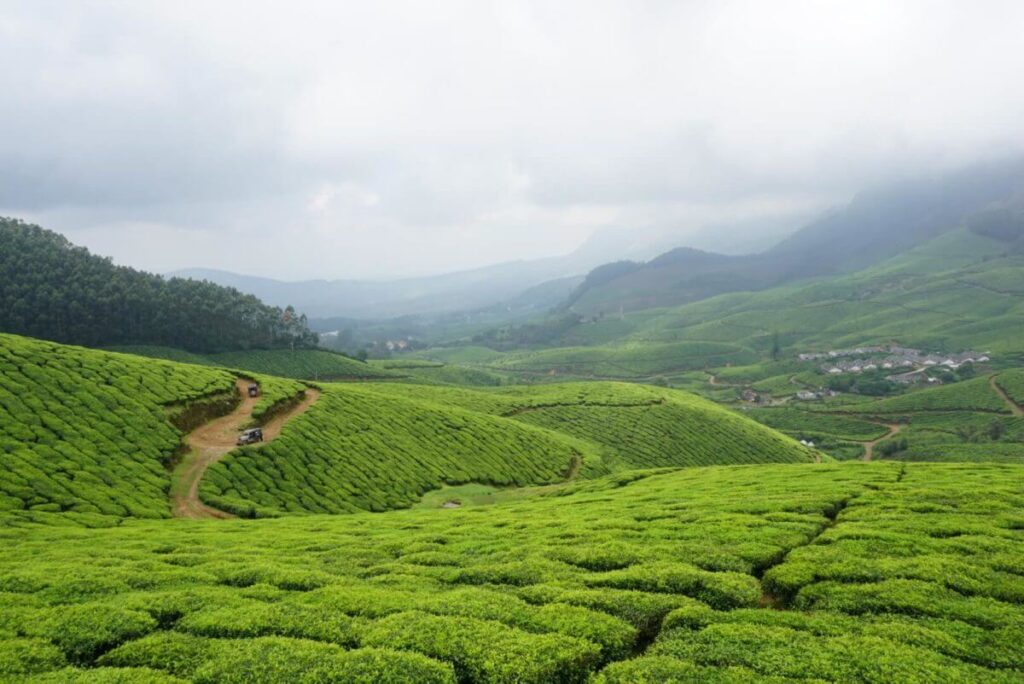
Munnar is one of the finest places to visit in South India in February, particularly for travellers who enjoy green hills, scenic drives and peaceful natural surroundings.
Situated in Kerala’s Western Ghats, this hill station is famous for its tea plantations, winding mountain roads and beautiful viewpoints. February usually brings relatively dry weather and cooler mornings, making outdoor sightseeing more comfortable.
Spend time exploring Mattupetty Dam, Kundala Lake, Top Station and the tea-growing countryside. You can also visit local tea museums to learn about the region’s plantation history.
Travel tip: Eravikulam National Park is normally closed during part of February and March for the Nilgiri tahr calving season. Confirm current opening dates before including it in your itinerary.
Recommended stay: 2–3 nights.
For additional sightseeing ideas, see our Kerala destinations guide for February.
2. Ooty, Tamil Nadu

Ooty, officially Udhagamandalam, is a favourite February destination in the Nilgiri Hills.
Unlike the warmer cities of South India, Ooty offers cooler weather, mountain scenery and a relaxed atmosphere. Consequently, it is an excellent choice for families, couples and travellers who prefer comfortable sightseeing conditions.
The Government Botanical Garden, Ooty Lake, Doddabetta Peak and nearby tea plantations are among its best-known attractions.
However, one of the most memorable experiences is travelling on the Nilgiri Mountain Railway, a UNESCO-listed mountain railway known for its scenic route through the hills.
If your schedule allows, combine Ooty with nearby Coonoor for quieter viewpoints and tea-estate landscapes.
Recommended stay: 2–3 nights.
3. Coorg, Karnataka

Coorg, also known as Kodagu, is among the best places in South India for a relaxing February holiday.
The region is known for coffee plantations, misty valleys, forested hills and traditional Kodava culture. February’s relatively dry conditions make plantation visits and scenic excursions especially enjoyable.
Madikeri is a useful base for exploring Raja’s Seat, Abbey Falls and the surrounding countryside. Meanwhile, visitors interested in nature can enjoy guided plantation walks or explore suitable forest trails.
Coorg is also a rewarding destination for food lovers. Local cuisine includes distinctive preparations featuring rice, spices and regional ingredients.
Rather than rushing through the attractions, consider spending time at a plantation resort or homestay.
Recommended stay: 2–3 nights.
For a longer holiday, Coorg works well with Mysore and selected destinations in Kerala.
4. Alleppey, Kerala

If you are looking for a relaxing South India experience in February, Alleppey should be near the top of your list.
Also known as Alappuzha, the region is famous for backwaters, canals, coconut groves and traditional houseboats.
February is generally a good month for backwater cruising because rainfall is usually lower than during the monsoon. As you travel through the waterways, you can observe village life, waterside homes, fishing activities and lush tropical scenery.
An overnight houseboat stay is popular, although a daytime cruise combined with a comfortable lakeside resort may suit travellers who prefer staying on land.
Recommended stay: 1–2 nights.
Alleppey combines particularly well with Kochi, Munnar and Thekkady. Explore Kerala tour packages for route ideas.
5. Hampi, Karnataka

Hampi is one of the most fascinating heritage destinations in South India, and February is a good time to explore it.
This UNESCO World Heritage Site was once the capital of the Vijayanagara Empire. Today, its extraordinary landscape is filled with temples, stone structures, royal enclosures and enormous granite boulders.
Begin with the Virupaksha Temple and the Vittala Temple complex, famous for its stone chariot. Afterwards, explore the Lotus Mahal, Elephant Stables and other remains of the royal centre.
Because many attractions are spread across an exposed landscape, sightseeing is best arranged early in the morning and later in the afternoon.
Although February is generally more comfortable than the hottest months, midday temperatures can still be high.
Recommended stay: 2–3 nights.
6. Mysore, Karnataka

Mysore, also called Mysuru, is a wonderful choice for visitors interested in architecture, history and traditional South Indian culture.
Its main attraction is Mysore Palace, known for its richly decorated interiors and impressive royal architecture.
However, the city offers much more than its famous palace.
You can explore Chamundi Hill, Devaraja Market, St. Philomena’s Cathedral and the surrounding heritage neighbourhoods.
February’s generally pleasant mornings and evenings make it easier to enjoy walking tours and local sightseeing.
Mysore is also conveniently located for combining with Coorg, Ooty or Bengaluru.
Recommended stay: 1–2 nights.
7. Kodaikanal, Tamil Nadu
Kodaikanal is an excellent February destination for travellers seeking a quiet mountain retreat.
Located in the Palani Hills, it is known for its lake, wooded surroundings, viewpoints and cooler climate.
Start your visit with a walk around Kodaikanal Lake. Afterwards, explore Coaker’s Walk, Bryant Park and the viewpoints overlooking the surrounding valleys.
On clear days, the mountain scenery can be particularly attractive.
February is also a comfortable time for gentle outdoor activities, although mornings and evenings may be chilly.
Couples can enjoy cosy hillside accommodation, while families may prefer leisurely boating, nature walks and sightseeing.
Recommended stay: 2 nights.
8. Varkala, Kerala

Varkala offers one of Kerala’s most distinctive coastal experiences.
Unlike many other beach destinations in the state, Varkala is known for its dramatic laterite cliffs overlooking the Arabian Sea.
February is generally ideal for beach walks, relaxing at cliffside cafés and watching the sunset.
Papanasam Beach is the best-known coastal attraction. Additionally, visitors can explore nearby quieter beaches, local markets and the Janardanaswamy Temple.
Varkala is especially suitable for couples, solo travellers and anyone wanting to finish a cultural journey with a few relaxed days by the sea.
However, swimming should always depend on local sea conditions and safety advice.
Recommended stay: 2–3 nights.
9. Pondicherry

Pondicherry, officially Puducherry, combines colourful colonial-era architecture with Tamil culture and a relaxed coastal atmosphere.
February is a particularly good month for exploring its streets because conditions are generally more comfortable than during the hotter summer months.
Spend the morning walking through the French Quarter, where restored buildings, cafés and tree-lined streets create a distinctive atmosphere.
You can also visit Sri Aurobindo Ashram, the Promenade, local markets and nearby beaches.
Auroville is another popular excursion, although access to specific visitor areas may require advance arrangements.
Pondicherry works particularly well as part of a Chennai, Mahabalipuram and Tamil Nadu heritage route.
Recommended stay: 2 nights.
For a more complete journey, consider the 12-day South India tour.
10. Thekkady, Kerala
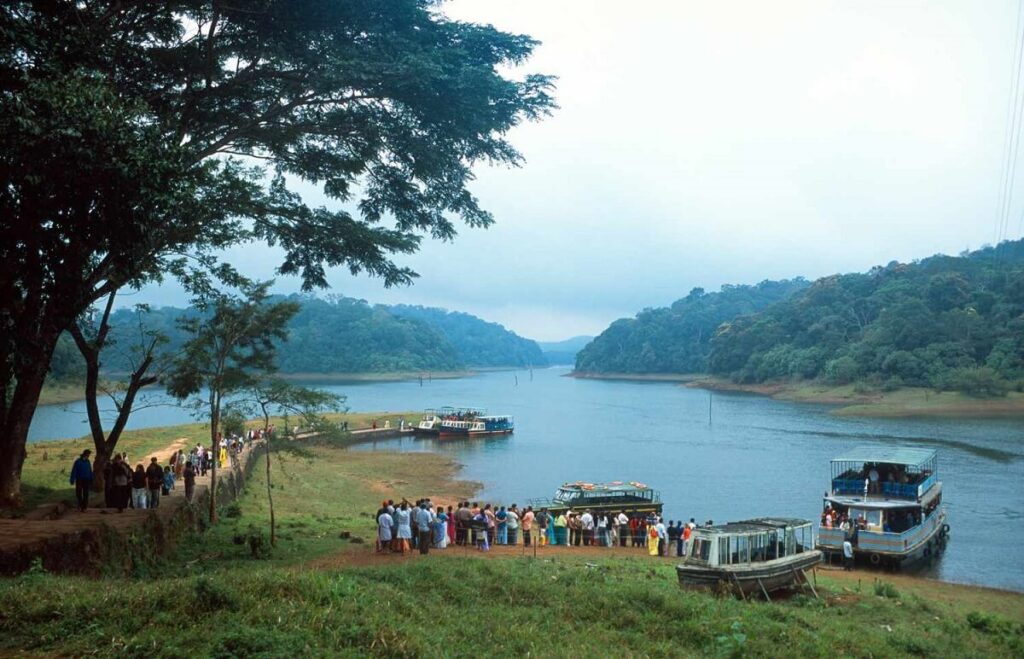
Thekkady is an appealing destination for visitors who want to experience Kerala’s forests, spice-growing countryside and wildlife landscapes.
Located near Periyar Tiger Reserve, the region offers guided nature activities, plantation visits and boat excursions on Periyar Lake.
February’s relatively dry conditions are often favourable for sightseeing and some outdoor activities.
However, wildlife sightings are never guaranteed. The experience is just as much about the forest environment, birds and surrounding scenery.
Beyond the reserve, visitors can discover cardamom, pepper and other spices grown in the Western Ghats.
Thekkady fits naturally between Munnar and Alleppey on a classic Kerala itinerary.
Recommended stay: 1–2 nights.
11. Mahabalipuram, Tamil Nadu
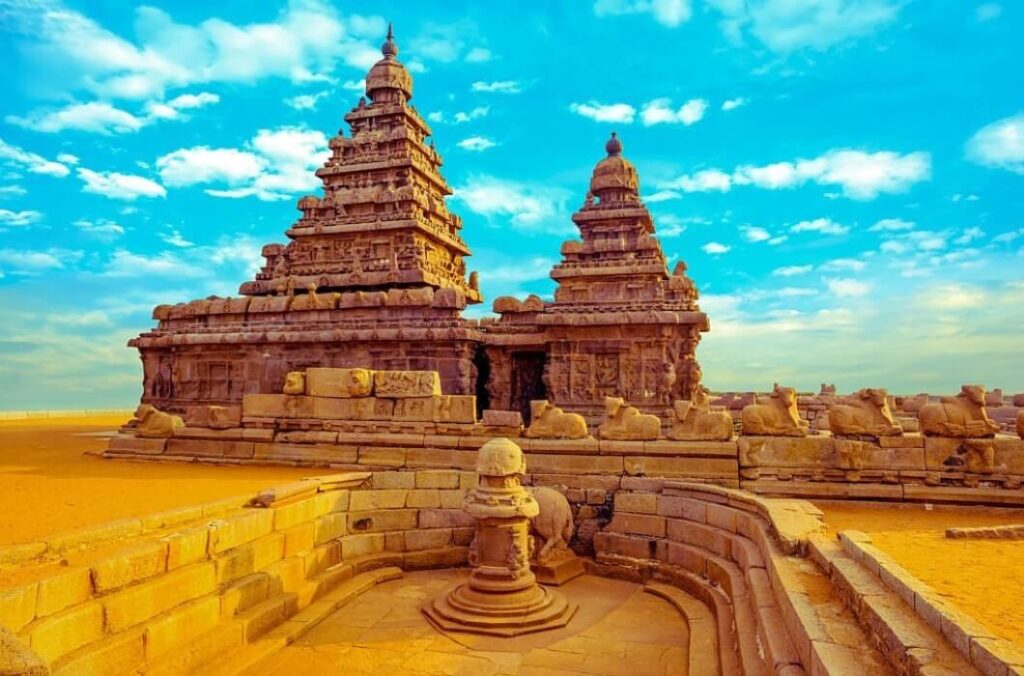
Mahabalipuram, also called Mamallapuram, is one of South India’s most important heritage destinations.
Located south of Chennai, the town is famous for its UNESCO-listed monuments associated with the Pallava dynasty.
The Shore Temple, Five Rathas and Descent of the Ganges relief are among the main highlights.
February is a good time to explore these mostly outdoor monuments because the weather is generally less uncomfortable than during peak summer.
In addition to its historic sites, Mahabalipuram offers coastal scenery, stone-carving traditions and opportunities to learn about Tamil Nadu’s architectural heritage.
Recommended stay: 1–2 nights.
Combine Mahabalipuram with Chennai, Pondicherry and Thanjavur for a broader cultural journey.
12. Wayanad, Kerala

Wayanad is a rewarding destination for nature lovers visiting South India in February.
Located in northern Kerala, the district features forested hills, agricultural landscapes, viewpoints and traditional villages.
February generally offers drier conditions than the monsoon months, making scenic drives and outdoor sightseeing easier to organise.
Popular experiences include visiting plantations, exploring viewpoints and enjoying the region’s natural scenery.
However, Wayanad covers a large geographical area. Therefore, choosing accommodation close to your preferred attractions can save considerable travel time.
Some forest trails, wildlife areas and individual attractions may have access restrictions, so check locally before travelling.
Recommended stay: 2–3 nights.
13. Gokarna, Karnataka

Gokarna is an attractive alternative to busier beach destinations for travellers who prefer a slower coastal holiday.
This Karnataka town combines religious significance with beaches, rocky headlands and laid-back accommodation.
February generally offers good conditions for enjoying the coastline, with warm days and relatively little rainfall.
Om Beach, Kudle Beach and the town’s traditional streets are among its main attractions.
Additionally, visitors may enjoy coastal walks between accessible beaches, subject to weather and trail conditions.
While Gokarna attracts beach travellers, it remains an important pilgrimage town. Respectful clothing and behaviour are appropriate around temples and religious areas.
Recommended stay: 2 nights.
14. Rameswaram, Tamil Nadu
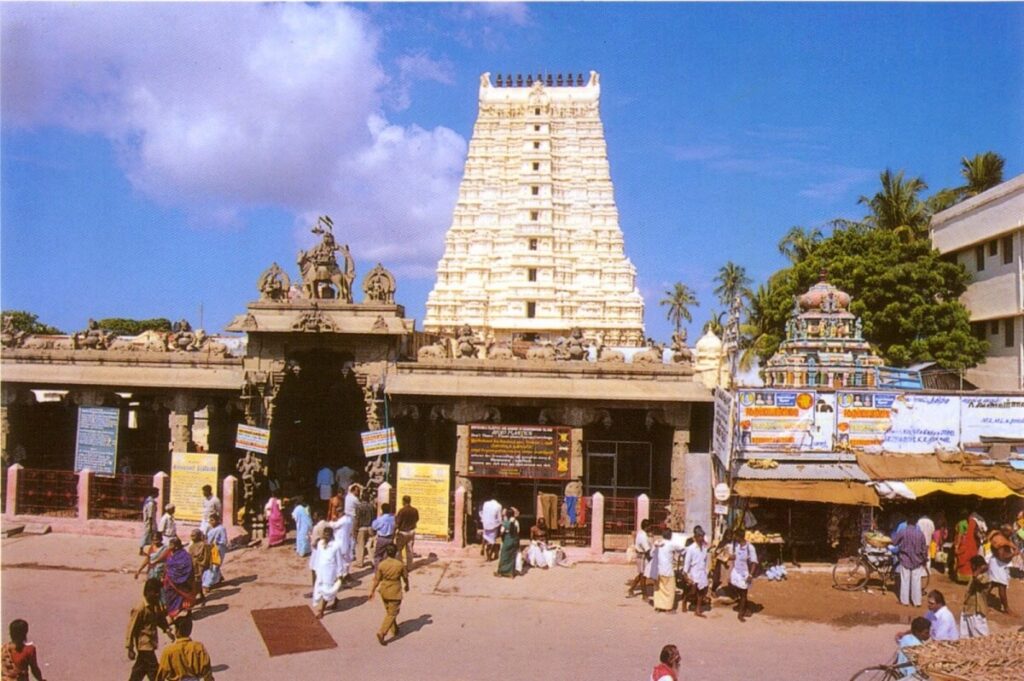
Rameswaram is one of India’s most significant Hindu pilgrimage destinations.
Located on Pamban Island, the town is particularly famous for Ramanathaswamy Temple, known for its long pillared corridors and religious importance.
February is generally a good month for exploring the region before the more intense summer heat.
Besides visiting the temple, travellers can enjoy views around Pamban Bridge and explore the coastal landscape towards Dhanushkodi, subject to local access conditions.
Rameswaram works particularly well for travellers interested in temple architecture, spirituality and Tamil Nadu’s cultural heritage.
Recommended stay: 1–2 nights.
15. Madurai, Tamil Nadu

Madurai is one of South India’s most rewarding destinations for cultural travellers.
The city’s heart is the magnificent Meenakshi Amman Temple, an active place of worship known for its towering gateways and elaborate sculptures.
Beyond the temple, Madurai’s markets, food traditions and historic streets give visitors a lively introduction to Tamil culture.
February is usually more comfortable for sightseeing than the hottest months of the year. Nevertheless, temple visits are best planned around opening hours, religious activities and local dress requirements.
Madurai also makes an excellent connection between Tamil Nadu’s temple circuit and Kerala’s hill stations.
Recommended stay: 1–2 nights.
See our 10-day South India tour for a route combining Tamil Nadu and Kerala.
16. Kumarakom, Kerala

Kumarakom is a peaceful backwater destination on the shores of Vembanad Lake.
Compared with Alleppey, it is especially appealing to travellers who prefer relaxing lakeside resorts and shorter boating excursions.
February typically brings favourable conditions for enjoying the waterways, observing local life and spending quiet mornings beside the lake.
The area is also known for its birdlife, although sightings depend on the season, weather and individual species.
For couples or visitors looking for a slower pace, Kumarakom offers an appealing combination of comfortable accommodation and natural scenery.
Recommended stay: 1–2 nights.
You generally do not need overnight stays in both Alleppey and Kumarakom on a short Kerala itinerary. Choose according to your preferred style of accommodation and cruising.
17. Coonoor, Tamil Nadu
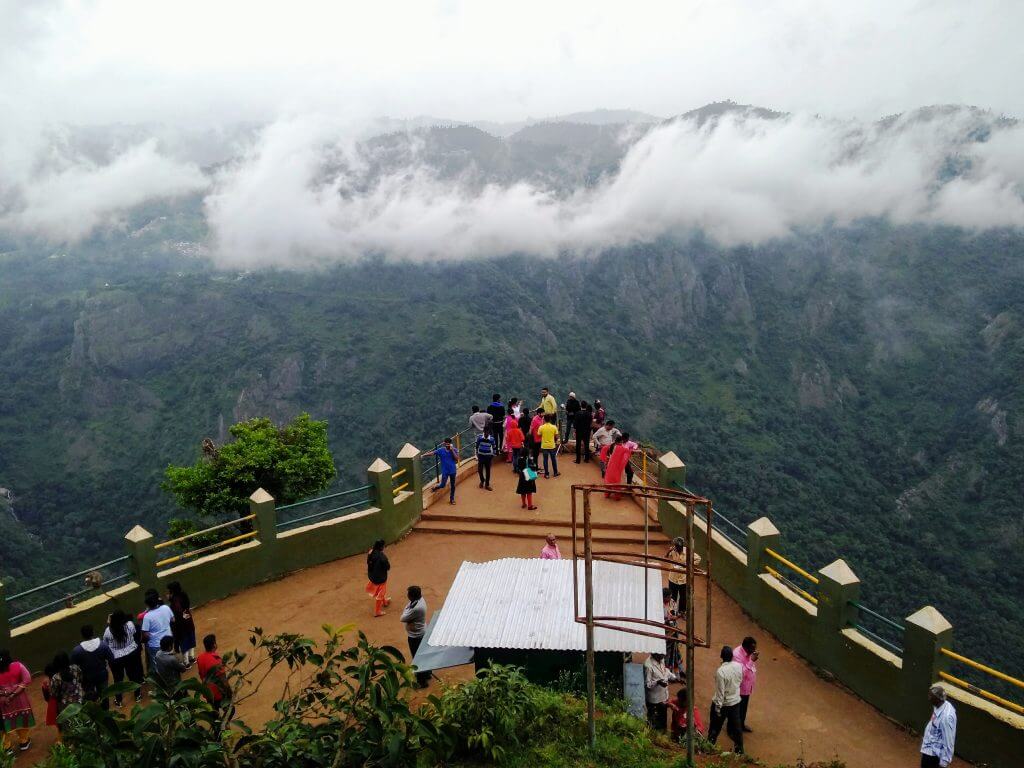
Coonoor is a lovely alternative to the more visited hill station of Ooty.
Located in the Nilgiri Hills, it is known for tea plantations, gardens and viewpoints overlooking the surrounding valleys.
February usually offers pleasant daytime conditions, although mornings can be cool.
Popular attractions include Sim’s Park, Dolphin’s Nose and the surrounding tea-growing areas.
One enjoyable way to experience the region is to travel on a suitable section of the Nilgiri Mountain Railway, subject to ticket availability and operating schedules.
Coonoor is ideal for travellers who want a quieter hill-station experience without completely separating themselves from established tourist facilities.
Recommended stay: 1–2 nights.
18. Kanyakumari, Tamil Nadu
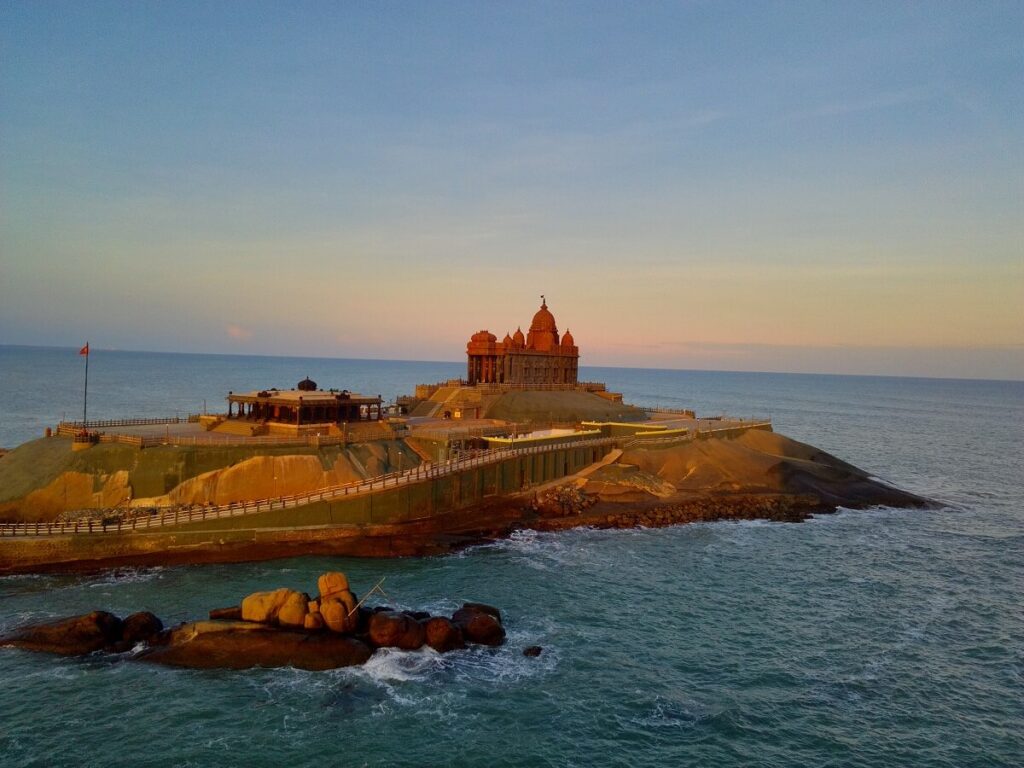
Kanyakumari lies near the southernmost tip of mainland India, where the Arabian Sea, Bay of Bengal and Indian Ocean meet.
The town is known for its coastal views, religious importance and historic monuments.
Visitors can explore the Vivekananda Rock Memorial, Thiruvalluvar Statue, Kumari Amman Temple and the seafront.
February is generally a suitable time for sightseeing, although coastal afternoons can still be warm.
Sunrise and sunset views are popular highlights, subject to weather and visibility.
Kanyakumari combines well with Thiruvananthapuram, Kovalam and southern Tamil Nadu.
Recommended stay: 1 night.
19. Araku Valley, Andhra Pradesh

Araku Valley offers a different side of South India, with forested hills, coffee cultivation and distinctive regional culture.
Located in the Eastern Ghats of Andhra Pradesh, it is a popular nature escape from Visakhapatnam.
February’s relatively dry weather makes the area suitable for scenic drives and visits to local attractions.
Borrah Caves, coffee-growing landscapes and viewpoints are among the highlights of a trip to the region.
Visitors interested in local communities should choose respectful, community-supported experiences rather than treating villages as sightseeing attractions.
Recommended stay: 1–2 nights.
20. Lakshadweep

Lakshadweep offers one of India’s most beautiful tropical island experiences.
Its coral islands, turquoise lagoons and beaches are especially appealing to travellers interested in snorkelling, diving and relaxing beside the sea.
February is generally part of the favourable travel season, although individual water activities depend on conditions and operator schedules.
Unlike mainland destinations, Lakshadweep requires more advance planning.
Visitors need to check applicable entry-permit requirements, island access, accommodation availability and transport arrangements before confirming their trip.
For this reason, Lakshadweep is usually best planned as a dedicated island holiday rather than a quick addition to a busy South India sightseeing itinerary.
Recommended stay: 4–6 nights.
Which South India Destination Is Best in February?
The best destination depends on what you want from your holiday.
| Travel interest | Recommended destinations |
| Honeymoon | Munnar, Kumarakom, Coorg, Varkala |
| Family holiday | Ooty, Mysore, Kodaikanal, Alleppey |
| Hill stations | Munnar, Ooty, Coorg, Coonoor |
| Beaches | Varkala, Gokarna, Pondicherry |
| Temples and heritage | Madurai, Hampi, Mahabalipuram |
| Nature and wildlife | Thekkady, Wayanad, Coorg |
| Relaxing luxury trip | Kumarakom, Munnar, Coorg |
| First-time South India visit | Kochi, Munnar, Alleppey, Madurai |
For first-time international visitors, a combination of Kerala and Tamil Nadu is often more practical than trying to visit destinations spread across several states.
Best South India Itineraries for February:
7 Days: Kerala Highlights
Route: Kochi → Munnar → Thekkady → Alleppey → Kochi
This route combines heritage, mountain scenery, spice-growing countryside and a backwater experience.
Spend two nights in Munnar, one night in Thekkady and one night in Alleppey, with the remaining time allocated to Kochi and travel.
It is a good introduction to Kerala for travellers who have approximately one week.
10 Days: Tamil Nadu and Kerala
Route: Chennai → Mahabalipuram → Pondicherry → Madurai → Munnar → Alleppey → Kochi
This itinerary offers a balanced introduction to South Indian culture and scenery.
Start with the historic temples and coastal towns of Tamil Nadu. Afterwards, travel west towards Kerala’s tea plantations and backwaters.
Because the route involves several driving days, private transport can make the journey more comfortable.
Explore our 10-day South India itinerary.
12–14 Days: South India Culture and Nature
For a longer holiday, consider spending additional time in the temple cities of Tamil Nadu before exploring Munnar, Thekkady, Alleppey and Kochi.
A relaxed itinerary also allows you to include a free day for nature walks, a plantation visit or a traditional cultural performance.
See the 12-day South India tour package for inspiration.
What to Pack for South India in February
Packing for South India depends on whether you are visiting the hills, coastline or heritage cities.
Light cotton clothes are practical for most destinations. However, a light sweater or jacket is useful for cooler evenings in Munnar, Ooty and Kodaikanal.
Bring comfortable walking shoes for temple complexes and historic sites. Additionally, carry sunglasses, sunscreen, a reusable water bottle and a hat for daytime sightseeing.
Modest clothing is recommended when visiting temples and other religious places. Some temples also have specific entry rules for clothing and photography.
If you are planning a houseboat or beach holiday, pack suitable sun protection and any personal essentials you may not easily find during the journey.
Important Travel Tips for February:
Book Popular Stays in Advance
February is a popular month for travel across South India. Therefore, it is worth booking houseboats, boutique hotels and well-known hill-station resorts in advance.
Plan Routes by Region
South India is much larger than many first-time visitors expect. Travelling between Hampi, Munnar and Pondicherry, for example, requires considerable time.
Instead, focus on one or two neighbouring regions unless you have at least two weeks.
Start Outdoor Sightseeing Early
Although February is generally pleasant, cities such as Hampi, Madurai and Kochi can become warm during the afternoon.
Early starts are especially useful for outdoor monuments and temple visits.
Check Local Operating Conditions
Wildlife parks, forest trails, boat services and island transport may operate according to seasonal rules.
Always verify current schedules, permits and closures before travelling.
Frequently Asked Questions About South India in February:
1. Which is the best place to visit in South India in February?
Munnar is an excellent overall choice for February because of its cooler hill climate, tea gardens and scenic landscapes. However, Ooty is ideal for a hill-station holiday, Hampi for heritage and Alleppey for backwaters.
2. Is February a good month to visit South India?
Yes. February generally offers comfortable weather across many South Indian destinations. It is especially suitable for cultural sightseeing, backwater cruises, hill stations and coastal holidays.
3. Which hill station is best in South India in February?
Munnar, Ooty, Coorg and Kodaikanal are among the best choices. Munnar is particularly suitable for tea plantations, while Ooty and Coonoor offer classic Nilgiri mountain scenery.
4. Is South India hot in February?
Coastal destinations and lowland cities can be warm, with daytime temperatures often approaching or exceeding 30°C. Hill stations are cooler, especially in the morning and evening.
5. Is February a good time to visit Kerala?
Yes. February is one of the better months to visit Kerala for houseboat cruises, beaches, sightseeing and plantation destinations.
For more details, read our guide to Kerala in February.
6. Which South Indian beaches are best in February?
Varkala, Kovalam, Gokarna and the beaches around Pondicherry are popular February choices. Lakshadweep also offers beautiful island beaches, subject to access and permit requirements.
7. How many days are enough for a South India trip?
Seven days is suitable for a focused Kerala holiday. However, 10–14 days is generally better for combining Kerala with Tamil Nadu. For a wider journey across Karnataka, Kerala and Tamil Nadu, allow at least two to three weeks.
8. Can I visit South India with family in February?
Yes. February is a good month for family travel. Destinations such as Ooty, Mysore, Munnar, Kochi and Alleppey offer a variety of sightseeing and relaxation options.
9. Is February suitable for a South India honeymoon?
Absolutely. Munnar, Coorg, Kumarakom and Varkala are particularly appealing for couples. A combination of hills, backwaters and beaches creates a varied and relaxing honeymoon itinerary.
10. Is February better than March for South India?
February is often more comfortable for sightseeing in the plains and coastal areas. March can be noticeably hotter, although hill stations remain appealing in both months.
Final Thoughts
South India in February offers an excellent balance of pleasant weather, beautiful landscapes, cultural experiences and memorable journeys.
For mountain scenery, choose Munnar, Ooty or Coorg. If ancient architecture interests you, visit Hampi, Mysore, Madurai and Mahabalipuram. Meanwhile, Alleppey, Kumarakom and Varkala offer a more relaxing side of South India.
The most rewarding itinerary is not necessarily the one with the most destinations. Instead, choose a route that gives you enough time to experience each place.
If you are planning a February holiday, explore Tusk Travel’s private South India tour packages to create a journey based on your interests, travel dates and preferred pace.
