
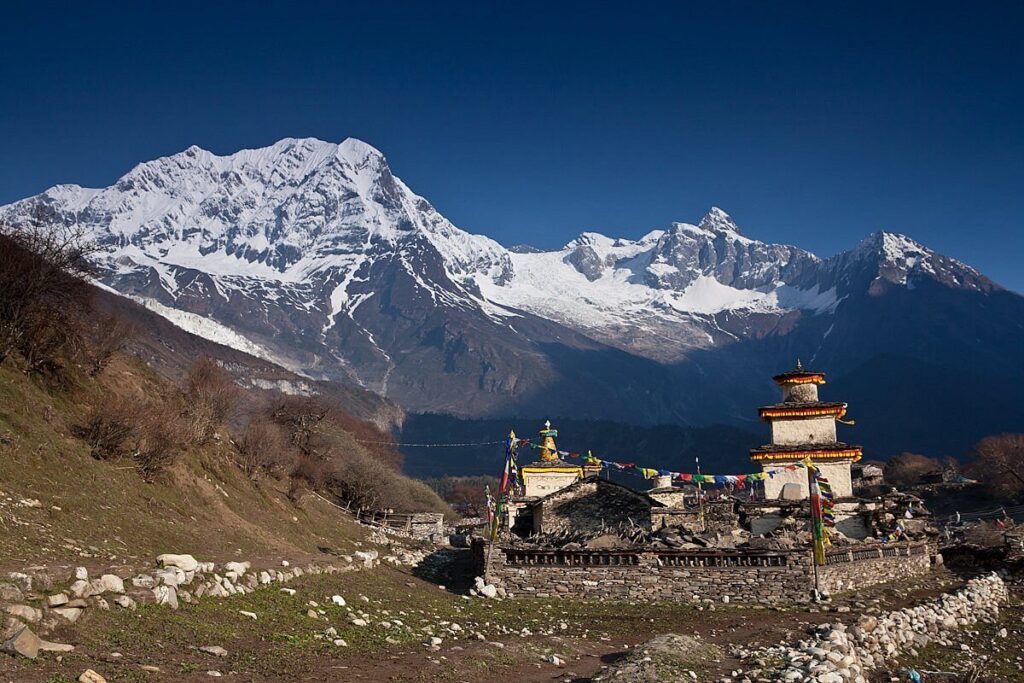
Gorkha is one of Nepal’s most historically important destinations and a rewarding stop for travellers who want to understand how modern Nepal took shape. Located in Gandaki Province between Kathmandu and Pokhara, the district is associated with King Prithvi Narayan Shah, the unification of Nepal, Gorkha Durbar, Manakamana Temple and the mountain landscapes around Manaslu.
For first-time visitors, it helps to distinguish between Gorkha town and the wider Gorkha District. Gorkha Bazaar is the practical base for the historic palace, museum, Gorakhnath Cave and viewpoints, while Manakamana, Ligligkot, Barpak, Laprak and the Manaslu region require separate road journeys or longer excursions.
This guide focuses on the best places to visit in Gorkha, Nepal, while also answering the broader questions people search for: where Gorkha is, what it is famous for, how long to stay, how to reach it from Kathmandu or Pokhara, and which places belong to Gorkha town versus the wider district.
Gorkha at a Glance
| Province | Gandaki Province |
| Distance from Kathmandu | About 141 km by road to Gorkha Municipality |
| Best known for | Gorkha Durbar, Nepal’s unification history, Manakamana Temple and Manaslu |
| Best base | Gorkha Bazaar |
| Ideal stay | 1–2 nights for the town; longer for Barpak, Laprak or Manaslu |
| Best general season | October–November and March–April |
Where Is Gorkha in Nepal?
Gorkha lies in Gandaki Province in central Nepal. Gorkha Municipality states that the town is about 141 km from Kathmandu and around 24 km from Abu Khaireni on the main Kathmandu–Pokhara corridor.
This location makes Gorkha practical for travellers moving between Kathmandu and Pokhara, although it requires leaving the main highway and driving north toward Gorkha Bazaar.
The wider district stretches much farther north into the Himalayas and includes the Manaslu region, while the historic town itself is centred around Gorkha Bazaar, Gorkha Durbar and nearby temples and viewpoints.
What Is Gorkha Famous For?
Gorkha is most famous for its role in the formation of modern Nepal. The historic Gorkha kingdom was ruled by the Shah dynasty, and King Prithvi Narayan Shah began the campaign that eventually unified many smaller kingdoms into modern Nepal.
Today, travellers know Gorkha for Gorkha Durbar, Gorakhkali Temple, Gorakhnath Cave, Gorkha Museum, Manakamana Temple and views toward Manaslu and other Himalayan peaks.
The name Gorkha is also closely associated internationally with the Gurkhas. For this travel guide, however, the focus is the destination itself: the historic town, pilgrimage sites, hill villages and mountain landscapes of Gorkha District.
10 Best Places to Visit in Gorkha, Nepal
1. Gorkha Durbar and Gorakhkali Temple
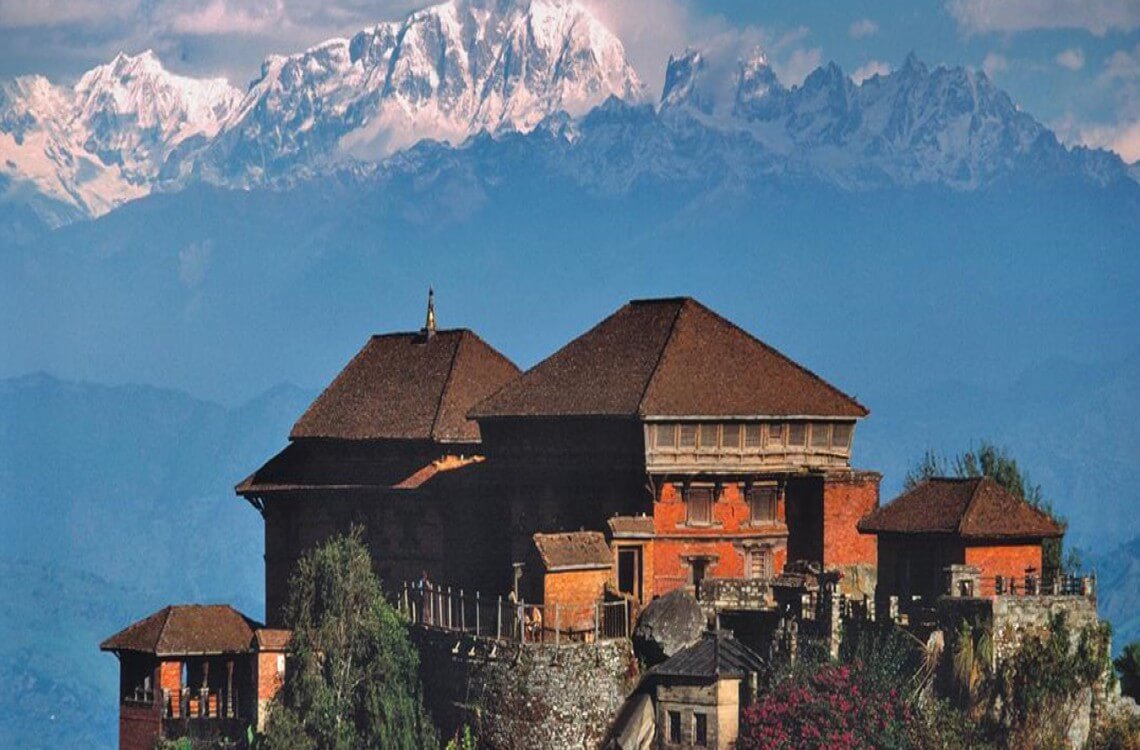
Gorkha Durbar is the most important place to begin a visit. The hilltop palace complex is closely connected with the Shah dynasty and the political history that led to the unification of Nepal.
The complex includes the palace as well as important religious sites such as the Gorakhkali Temple. The Department of Archaeology lists the medieval palace complex of Gorkha on Nepal’s UNESCO World Heritage Tentative List. This means it is nationally recognized as an important heritage site, but it is not currently an inscribed UNESCO World Heritage property.
The climb from the lower town can feel steep, so allow enough time and carry water. In clear weather, the elevated setting also gives wide views across the hills toward the Himalayan ranges.
For history-focused travellers, this is the one place in Gorkha that should not be skipped.
2. Gorkha Museum
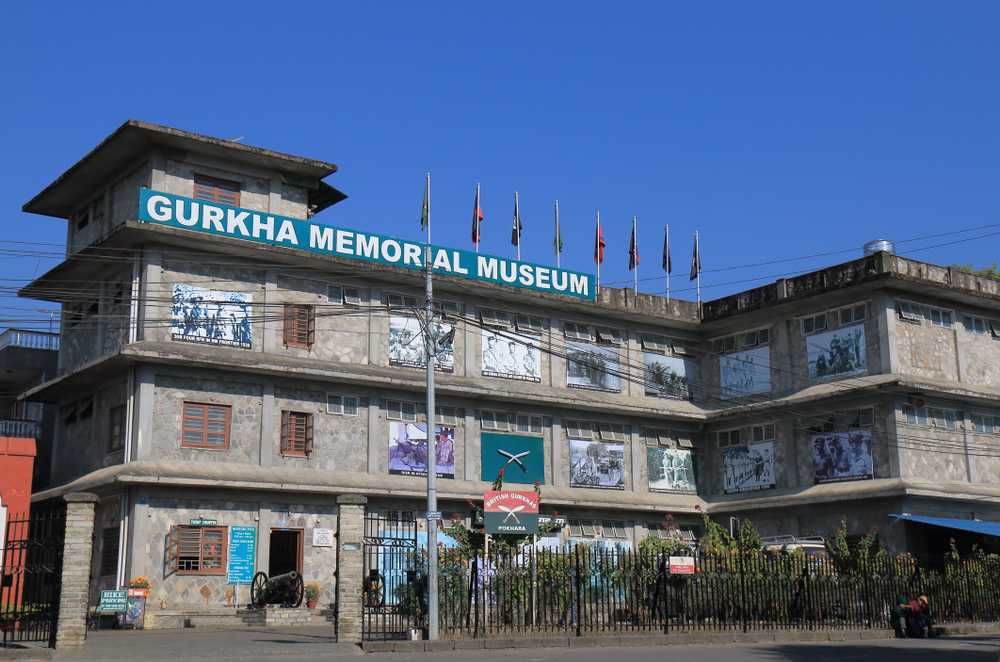
Gorkha Museum, housed in the lower palace area, gives useful context before or after visiting Gorkha Durbar.
The museum focuses on the history of Gorkha and the Shah period, with collections relating to weapons, coins, traditional objects, art and the political history of the region.
Rather than seeing the museum as a separate major destination, use it to understand the historical story behind the palace, Prithvi Narayan Shah and Gorkha’s role in Nepal’s development.
Opening arrangements and photography rules can change, so check locally on the day of your visit.
3. Gorakhnath Cave
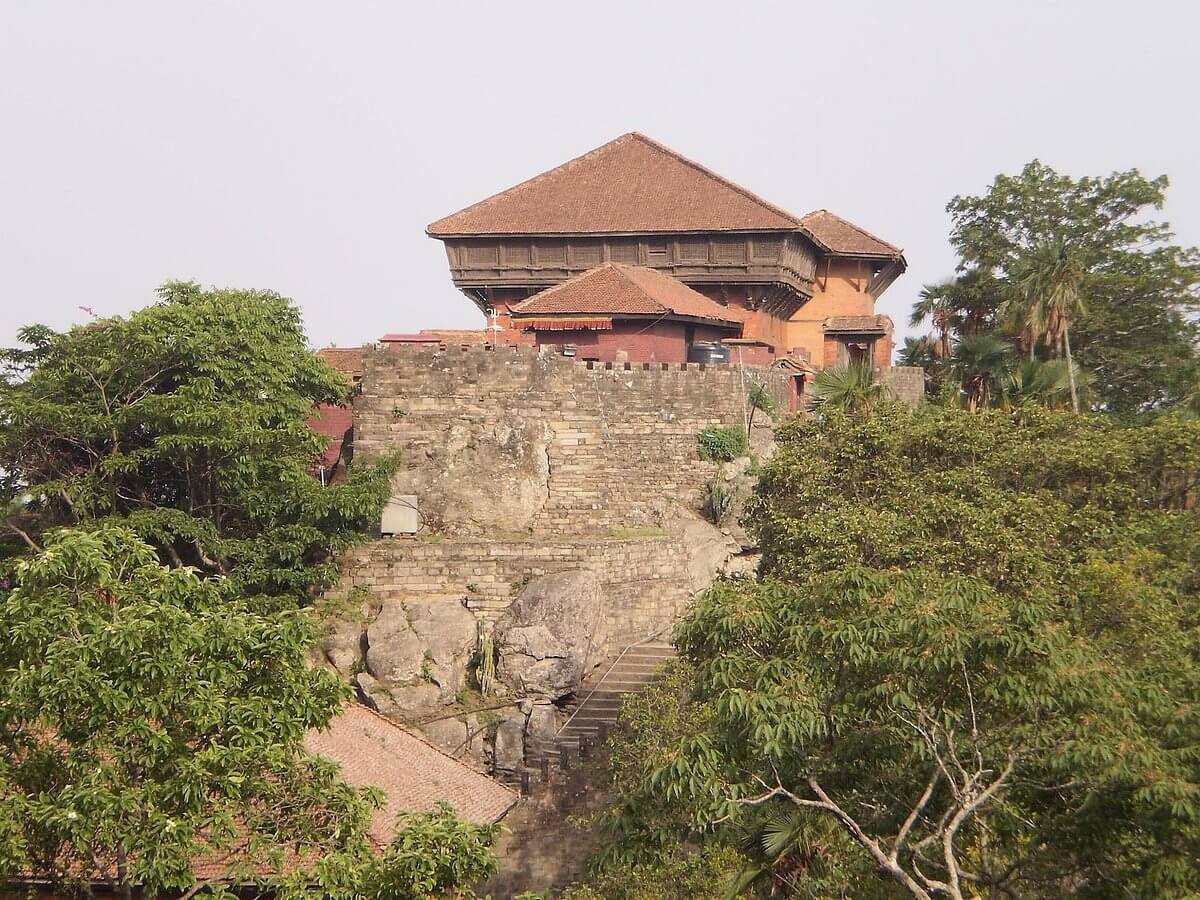
Gorakhnath Cave is one of Gorkha’s important religious sites and is located close to the palace complex.
The cave is associated with the sage Gorakhnath and the Nath tradition. Gorkha Municipality identifies Gorakhnath Cave, Gorakhkali Temple and Gorkha Palace among the town’s important historic and religious attractions.
The cave can be combined naturally with the Durbar visit, making it a better use of time than treating it as a separate excursion.
Visit respectfully because the site remains a place of worship, and festival periods such as Baisakh Purnima can make the area much busier.
4. Upallokot Viewpoint
Upallokot is one of the useful viewpoints around Gorkha town for travellers who want hill scenery in addition to heritage.
Gorkha Municipality specifically lists Upallokot among the places from which visitors can see surrounding Himalayan ranges, including Manaslu and nearby peaks in clear weather.
The viewpoint is best treated as a short scenic extension to the town rather than a major trekking destination. If visibility is important, ask locally about conditions before making the climb because clouds and haze can hide the mountains.
Morning often gives the best chance of clear views.
5. Bhimsen Park and Memorial Area
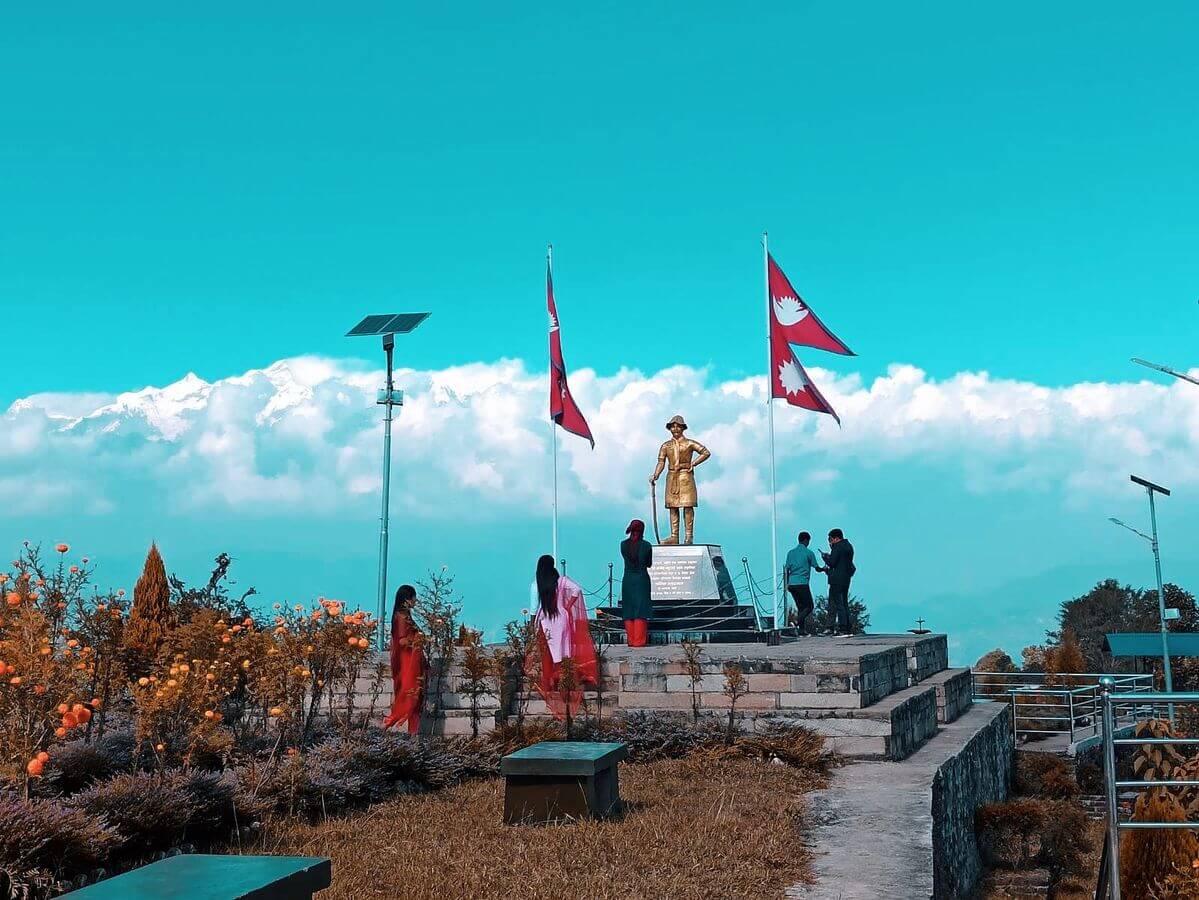
Bhimsen Park provides another elevated stop around Gorkha and is associated with Bhimsen Thapa, one of Nepal’s important historical political figures.
The area is useful for travellers who have more than a few hours in town and want a quieter place away from the main palace complex. It also offers views over surrounding hills and parts of Gorkha Municipality.
If you are visiting Gorkha only as a short day trip, prioritize the Durbar, museum and Gorakhnath Cave first. Add Bhimsen Park when you have a full day or overnight stay.
6. Manakamana Temple
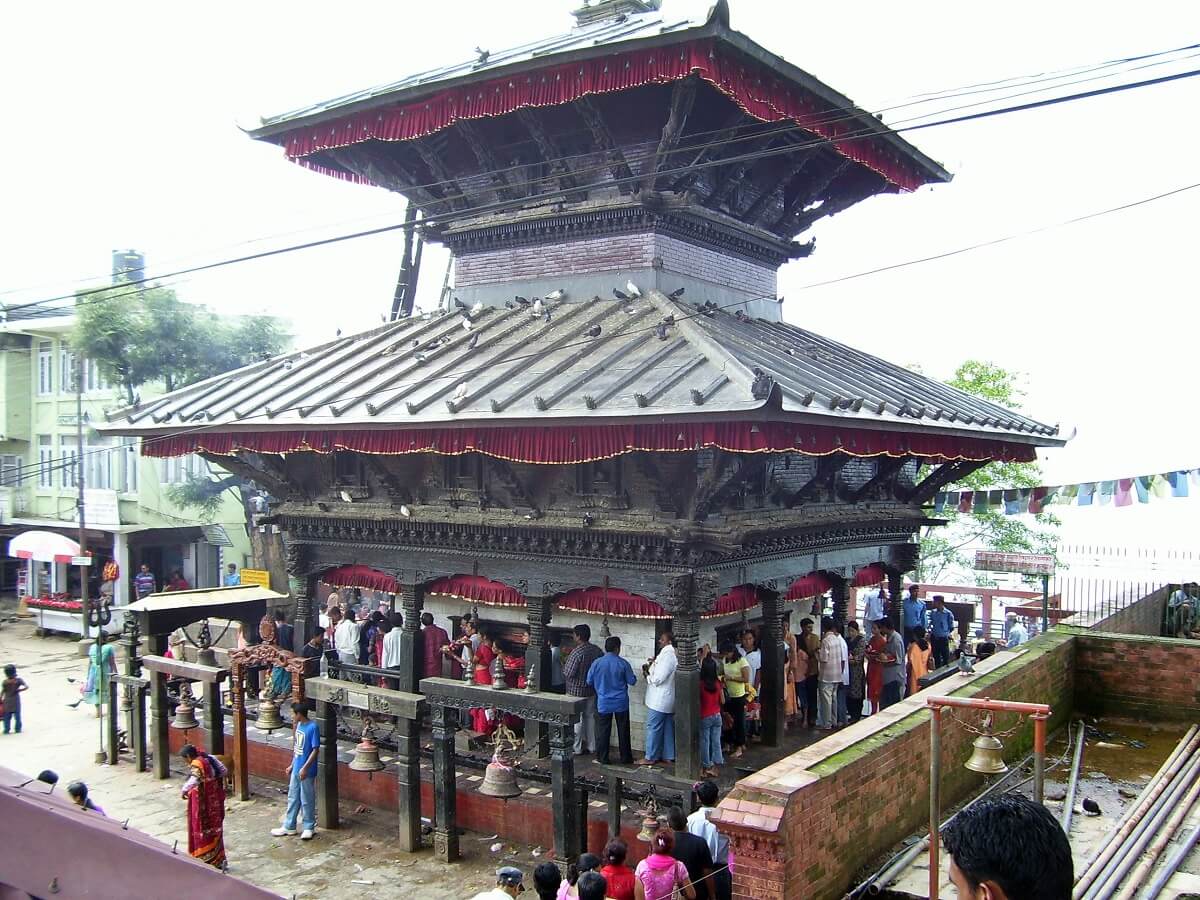
Manakamana Temple is one of Nepal’s best-known pilgrimage sites and lies in Gorkha District. The temple is dedicated to Goddess Manakamana and is traditionally associated with the fulfilment of wishes.
The easiest access is by cable car from Kurintar on the Kathmandu–Pokhara highway. Nepal Tourism Board describes the cable-car journey as taking a little over 10 minutes from the base station to the temple area.
This makes Manakamana easy to combine with a Kathmandu–Gorkha or Kathmandu–Pokhara journey, although queues can be long on busy religious days and weekends.
If you are visiting only Gorkha Bazaar, remember that Manakamana is not in the town centre. It requires a separate stop on the highway.
7. Ligligkot
Ligligkot, in Palungtar Municipality, is one of the most interesting historic places in the wider Gorkha District.
The hilltop fort is connected with the early Shah dynasty and the traditional Liglig race, in which a race to the hilltop was historically linked with the selection of a ruler. Palungtar Municipality identifies Ligligkot as a site of historical, cultural and archaeological importance.
Its elevation also gives broad views across surrounding hills and rural landscapes.
Ligligkot is best for travellers with an extra day, a private vehicle or a strong interest in Nepalese history. It should not be squeezed into a rushed half-day visit to Gorkha Bazaar.
8. Barpak Village
Barpak is a high hill village in northern Gorkha District known for Gurung and Ghale culture, mountain views and its remarkable recovery after the 2015 Gorkha earthquake.
The village sits at roughly 1,900 metres and is much farther from Gorkha Bazaar than the central heritage attractions. A visit therefore requires proper road planning and is better suited to travellers who want rural culture, homestay-style experiences or a slower mountain journey.
Barpak can also serve as a gateway toward walking routes and nearby villages in the northern part of the district.
For travellers interested in local communities rather than only monuments, it is one of the most meaningful additions to a longer Gorkha stay.
9. Laprak Village
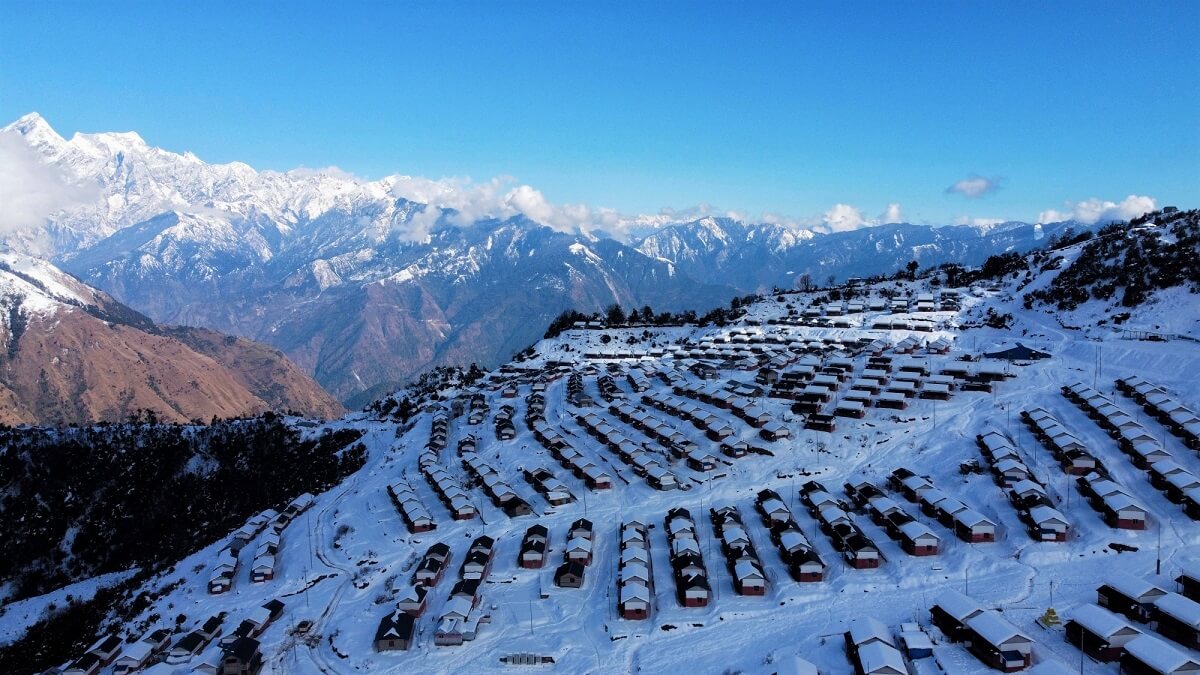
Laprak is another mountain village in Gorkha District associated with Gurung culture, traditional village life and views toward the Manaslu and Ganesh Himal areas.
It is best understood as a rural cultural destination and trekking-area village rather than a quick sightseeing stop from Gorkha town.
Road conditions and travel times in the northern hills can vary considerably, especially in the monsoon, so confirm local access before planning a visit.
Travellers who want to combine Barpak and Laprak should allow multiple days rather than trying to cover both on a day trip.
10. Manaslu Conservation Area
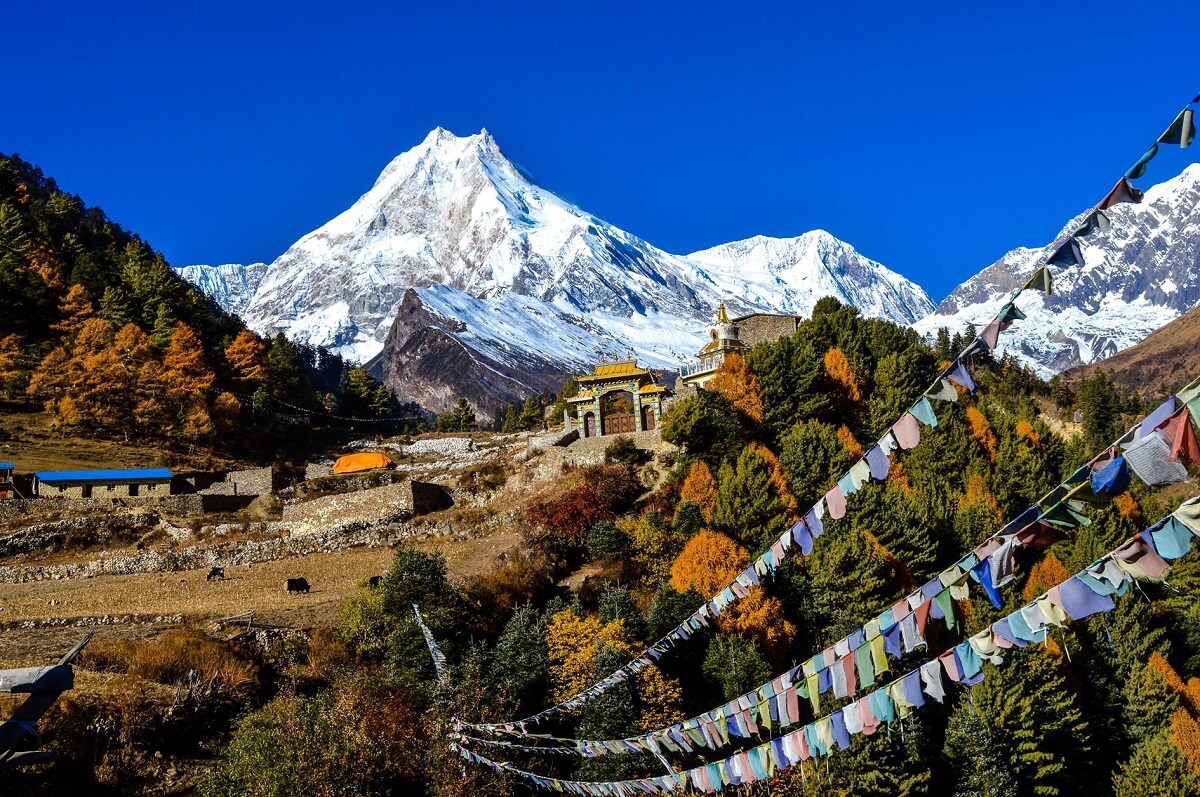
The northern part of Gorkha District contains the Manaslu Conservation Area, home to Mount Manaslu, the world’s eighth-highest mountain at 8,163 metres.
This is not a normal sightseeing excursion from Gorkha Bazaar. Visiting the Manaslu region means planning a multi-day trek or mountain journey with permits, appropriate fitness, accommodation and seasonal considerations.
Nepal Tourism Board lists March to May and September to November as the main seasons for trekking in the conservation area.
If your interest is specifically the Manaslu Circuit, treat it as a separate trekking holiday rather than trying to include it within a one- or two-day Gorkha heritage itinerary.
Best Places to Visit in Gorkha Town
If you are staying only one night in Gorkha Bazaar, focus on the attractions close to town:
- Gorkha Durbar and Gorakhkali Temple
- Gorkha Museum
- Gorakhnath Cave
- Upallokot
- Bhimsen Park / Memorial area
These sites can be combined without spending most of the day driving across the district.
Best Places to Visit in the Wider Gorkha District
With more time, expand beyond Gorkha town to:
- Manakamana Temple for pilgrimage and the cable-car experience.
- Ligligkot for early Shah history and hill views.
- Barpak for rural culture and Himalayan village life.
- Laprak for Gurung culture and mountain landscapes.
- Manaslu Conservation Area for serious trekking and high-altitude travel.
This distinction is important because Gorkha District is large. A list that treats Manaslu, Laprak and Gorkha Durbar as if they are all within walking distance of one another is not useful for real trip planning.
How Many Days Do You Need in Gorkha?
- Half day: Gorkha Durbar, museum and Gorakhnath Cave.
- 1 full day: Add Upallokot and Bhimsen Park.
- 1 night / 2 days: Best pace for Gorkha town without rushing.
- 2–3 days: Add Manakamana or Ligligkot depending on your route.
- 3+ days: Consider Barpak and Laprak.
- Multi-day trek: Required for the Manaslu Conservation Area.
For most international travellers adding Gorkha between Kathmandu and Pokhara, one night is enough for the historic town.
Best Time to Visit Gorkha
October and November are especially good for clear mountain views and comfortable sightseeing after the monsoon.
March and April are also suitable for heritage visits and lower-altitude hill travel, with generally pleasant daytime conditions.
Winter can be cool in the mornings and evenings but remains practical for Gorkha town. During the monsoon, hill roads toward rural villages such as Barpak and Laprak can become slower and less predictable.
If you are planning Nepal in autumn, you can also read our guide to the best places to visit in Nepal in October.
How to Reach Gorkha
Kathmandu to Gorkha
Gorkha Municipality places the town at about 141 km from Kathmandu. Nepal’s Department of Tourism describes the road journey as roughly six hours, while Nepal Tourism Board gives around four hours under suitable conditions.
In practice, travel time can vary considerably with Kathmandu traffic, roadworks and conditions on the Prithvi Highway. For international travellers, it is safer to treat the journey as a flexible half-day transfer rather than planning an exact arrival time.
Pokhara to Gorkha
Nepal’s Department of Tourism lists Gorkha at about four hours from Pokhara by road. The exact time depends on your starting point, traffic and the current road condition.
Gorkha works particularly well between Kathmandu and Pokhara because both journeys use the main highway corridor before the turn toward Gorkha town.
By Air
Gorkha does not have a practical commercial airport for normal tourist access. For most travellers, road transport from Kathmandu or Pokhara is simpler than flying to another airport and then transferring by road.
A Practical 2-Day Gorkha Itinerary
Day 1: Gorkha History and Heritage
Arrive in Gorkha and begin with the museum to understand the historical background. Continue uphill to Gorkha Durbar, Gorakhkali Temple and Gorakhnath Cave.
Allow enough time for the climb and views rather than rushing between sites. In the late afternoon, add Upallokot if visibility is good.
Stay overnight in Gorkha Bazaar.
Day 2: Viewpoints and Onward Travel
Use the morning for Bhimsen Park or another local viewpoint, then continue toward Kathmandu or Pokhara.
If Manakamana is part of your itinerary, arrange it according to the direction of travel and cable-car timing rather than trying to force it into the previous afternoon.
Can You Visit Gorkha Between Kathmandu and Pokhara?
Yes. Gorkha is one of the more practical historical detours from the Kathmandu–Pokhara route.
A good itinerary is:
Kathmandu → Gorkha → Pokhara
Instead of driving straight between Nepal’s two major tourism centres, spend one night in Gorkha to see the palace, museum and religious sites.
Tusk Travel’s 6 Days Kathmandu & Pokhara Tour already travels along the same general corridor and includes an optional Manakamana Temple stop. Gorkha can be added to a private version when your available days allow a slower journey.
For travellers interested in Nepalese history, Gorkha can be added as a private overnight stop instead of treating the Kathmandu–Pokhara journey only as a transfer day.
Is Gorkha Worth Visiting?
Yes, particularly if you are interested in Nepal’s history, architecture, pilgrimage sites and quieter hill towns.
Gorkha is not as polished or tourism-focused as Kathmandu or Pokhara, and that is part of its appeal. The town gives more historical context to Nepal’s formation while remaining manageable enough for a one-night stop.
If this is your first trip and you have only four or five days in Nepal, Kathmandu and Pokhara should usually take priority. With a week or more, Gorkha becomes much easier to add.
Gorkha Travel Tips
- Separate town sightseeing from district sightseeing: Manaslu, Barpak and Laprak are not quick extensions of Gorkha Bazaar.
- Wear comfortable shoes: reaching the Durbar involves uphill walking and steps.
- Keep mountain viewpoints flexible: visibility can change quickly.
- Allow road-time buffers: Nepal highway journeys can take longer than map estimates.
- Check cable-car schedules: if visiting Manakamana, verify current operating hours before travel.
- Respect religious spaces: follow local rules around temples, photography and worship areas.
Frequently Asked Questions About Gorkha, Nepal
Where is Gorkha in Nepal?
Gorkha is in Gandaki Province in central Nepal. Gorkha Municipality is about 141 km by road from Kathmandu and lies north of the main Kathmandu–Pokhara highway corridor.
What is Gorkha famous for?
Gorkha is famous for Gorkha Durbar, King Prithvi Narayan Shah, the history of Nepal’s unification, Manakamana Temple, Gorakhnath Cave and the Manaslu region.
What are the best places to visit in Gorkha?
For a first visit, prioritize Gorkha Durbar, Gorkha Museum, Gorakhnath Cave, Upallokot and Manakamana Temple. With more time, add Ligligkot, Barpak, Laprak and the Manaslu region.
Is Gorkha Durbar a UNESCO World Heritage Site?
No. The medieval palace complex of Gorkha is on Nepal’s UNESCO World Heritage Tentative List. It is also a protected monument zone, but it is not currently an inscribed UNESCO World Heritage Site.
How far is Gorkha from Kathmandu?
Gorkha Municipality gives a distance of about 141 km from Kathmandu. Actual driving time varies with traffic and road conditions.
How far is Gorkha from Pokhara?
The road journey is commonly treated as around four hours under normal conditions, although travel time can vary.
How many days are enough for Gorkha?
One night and two days are enough for the main historical sites in Gorkha town. Rural villages and the Manaslu area need additional days.
Can I visit Manakamana Temple on the way to Gorkha?
Yes. The cable-car base at Kurintar is on the main highway corridor, making Manakamana a practical stop depending on your route and available time.
Is Mount Manaslu in Gorkha?
Mount Manaslu lies in the northern Gorkha region near the Gorkha–Manang area. Visiting the Manaslu Conservation Area requires a separate trekking itinerary rather than a normal day trip from Gorkha Bazaar.
Final Thoughts
Gorkha is one of Nepal’s best places for travellers who want to connect the country’s landscape with its history.
The most rewarding first visit is simple: spend time at Gorkha Museum, climb to Gorkha Durbar, visit Gorakhnath Cave and use the hilltop viewpoints to understand the geography around the former kingdom.
With more time, the wider district adds a completely different layer through Manakamana, Ligligkot, Barpak, Laprak and the Manaslu region.
If you are travelling privately between Kathmandu and Pokhara, Gorkha can be added as an overnight heritage stop. Explore our Nepal tour packages and customize the route around your preferred pace and interests.
