Yuksom Tours
Yuksom – The Birthplace of Sikkim’s Kingdom and Gateway to Kanchenjunga
Yuksom, nestled in the lush forests of West Sikkim, is not just a picturesque Himalayan village but also the first capital of Sikkim. It holds immense historical and spiritual importance as the place where Sikkim’s first Chogyal (king) was crowned in 1642. Today, Yuksom stands as a serene destination, perfect for trekkers, history enthusiasts, and those seeking solitude in nature.
Surrounded by thick forests, monasteries, and glacial streams, a Yuksom tour introduces you to Sikkim’s cultural roots and natural treasures. It also serves as the starting point for the famous Dzongri and Goecha La treks in the Kanchenjunga National Park — a UNESCO World Heritage Site.
Why Visit Yuksom?
Yuksom offers an offbeat, tranquil escape with a deep spiritual legacy. It’s where nature, history, and adventure blend effortlessly. From exploring centuries-old monasteries to hiking through pristine forests and experiencing rural Sikkimese life, Yuksom provides an authentic Himalayan experience far from commercial crowds.
Top Places to Visit in Yuksom
- Dubdi Monastery: Built in 1701, this is Sikkim’s oldest monastery, located atop a peaceful hill surrounded by pine forests.
- Norbugang Chorten: The coronation site of Sikkim’s first king, marked by a historic chorten, prayer flags, and an ancient pine tree.
- Khecheopalri Lake: A sacred lake located 27 km from Yuksom, believed to fulfill wishes. It’s a place of meditation and birdwatching.
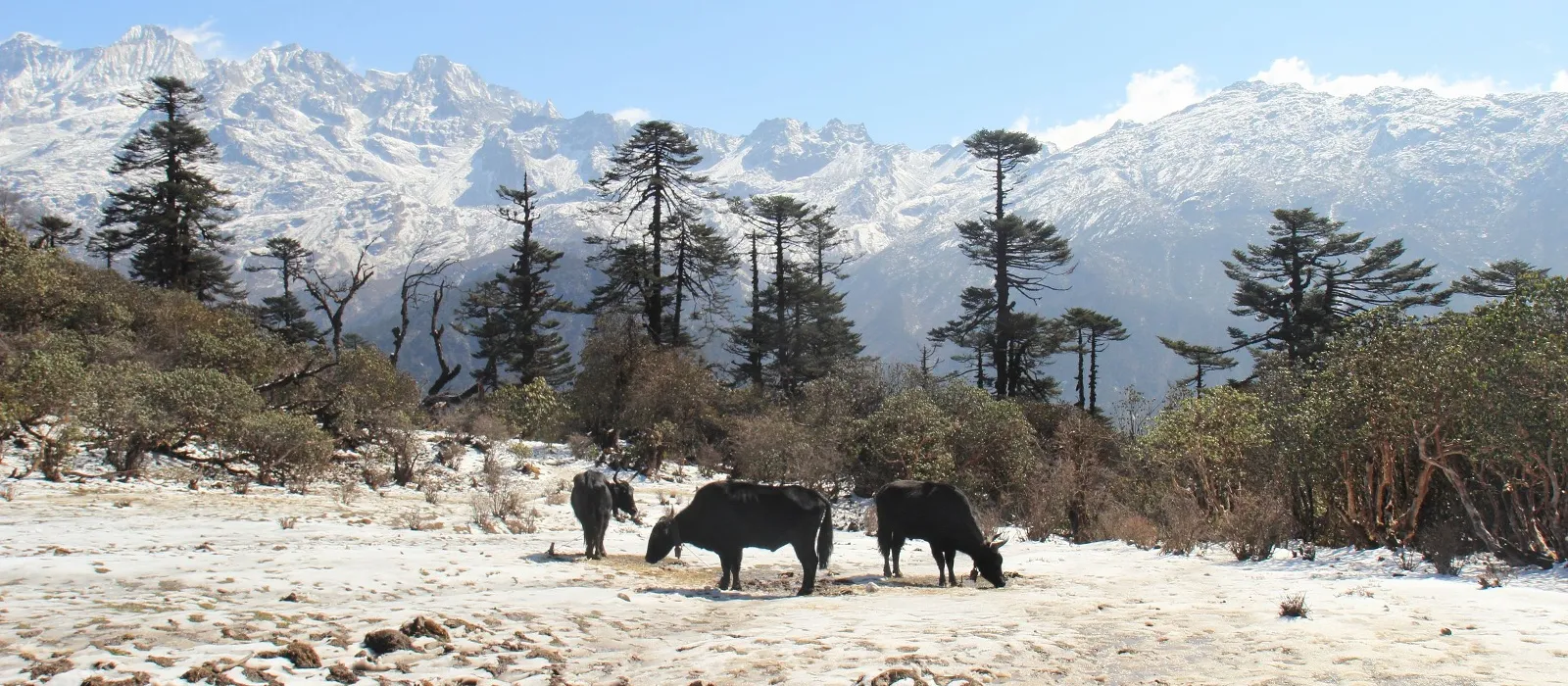
- Kanchenjunga National Park: A UNESCO-listed park that begins near Yuksom — home to red pandas, snow leopards, and alpine flora.
- Coronation Throne: A spiritual monument symbolizing Yuksom’s role as the birthplace of Sikkim’s monarchy.
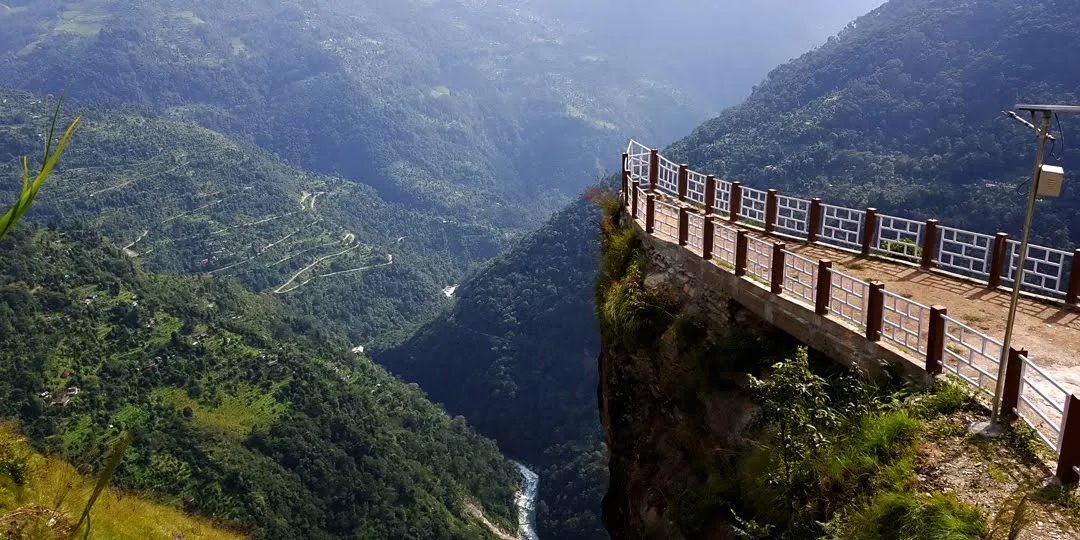
- Yuksom Helipad Viewpoint: Offers stunning panoramic views of the surrounding valleys and Himalayan ranges.
Best Things to Do in Yuksom
- Take a heritage walk through Dubdi Monastery, Norbugang, and nearby villages.
- Start the Dzongri or Goecha La trek — one of India’s most scenic Himalayan trails.
- Visit Khecheopalri Lake and feed the fish as a symbolic act of offering.
- Enjoy birdwatching — Yuksom’s forests are home to Himalayan magpies, thrushes, and flycatchers.
- Try local Sikkimese food such as thenthuk, momos, and fermented bamboo dishes at homestay kitchens.
Best Time to Visit Yuksom
- March – June: Ideal for clear weather, lush greenery, and trekking.
- September – November: Perfect for photography and cultural exploration post-monsoon.
- December – February: Cold and quiet; light snow possible at higher altitudes.
- July – August: Rainy season, best avoided for long treks but great for solitude seekers.
How to Reach Yuksom
- By Air: The nearest airport is Pakyong (145 km) or Bagdogra (170 km). Cabs from either airport take 6–7 hours via Pelling or Legship.
- By Train: New Jalpaiguri (NJP) is the nearest railhead (165 km). Taxis are available to reach Yuksom via Geyzing.
- By Road: Yuksom is well connected with Pelling (40 km) and Gangtok (130 km) by scenic mountain routes.
Where to Stay
Yuksom has charming eco-lodges and traditional homestays. Popular choices include Demazong Heritage Hotel, Yangsum Heritage Farm, and Hotel Red Palace. Homestays offer cultural immersion and organic local meals.
Travel Tips
- Carry warm clothing even in summer — nights can get chilly.
- ATMs are limited; carry sufficient cash for local expenses.
- Travel with local guides for treks; they help with permits and trails.
- Respect monastery customs and avoid littering near religious sites.
Why Travel with Tusk Travel?
Tusk Travel’s Yuksom tour packages bring together culture, nature, and adventure. Enjoy guided monastery visits, nature trails, local experiences, and trekking assistance — all designed for an authentic and seamless Sikkim journey.
Popular Yuksom Tour Packages & West Sikkim Itineraries

6 Days Pelling, Yuksom & Ravangla Tour
6 Days Ravangla, Borong, Yuksom & Pelling