
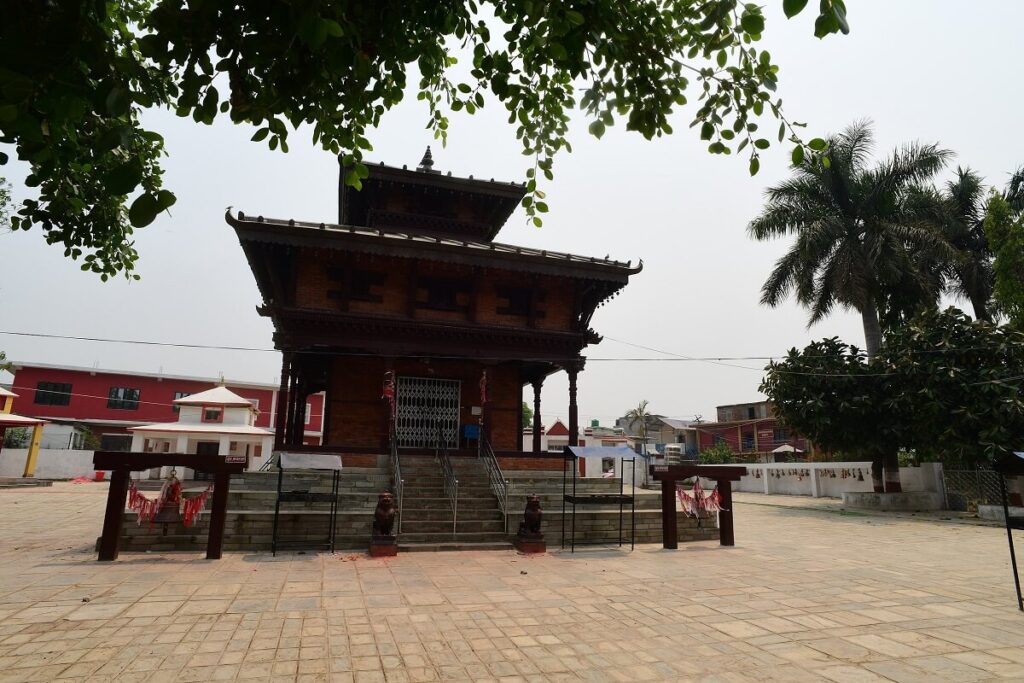
Dang is a large district in Nepal’s Lumbini Province, known for its broad Inner Terai valleys, Tharu culture, pilgrimage sites, lakes, forested hills and the twin urban centres of Ghorahi and Tulsipur. It is not one of Nepal’s standard first-time tourist stops, which is exactly why it can appeal to travellers looking for a less-commercial side of the country.
Most visitors use Ghorahi or Tulsipur as a base and then explore cultural and natural attractions across the district. The strongest experiences include the Tharu Cultural Museum at Chakhaura, Pandaveshwar Mahadev Temple at Dharapani, Barahkune Daha, Ambikeshwari Temple, Jakhera Lake and Purandhara Waterfall.
Dang works best for travellers who have extra time in western Nepal or who are travelling overland beyond Lumbini. This guide explains where Dang is, what it is famous for, the best places to visit, what to see around Ghorahi and Tulsipur, how to reach the district and how much time you need.
Where Is Dang in Nepal?
Dang District lies in Lumbini Province in southwestern Nepal. Much of the district is shaped by the Dang and Deukhuri valleys, which form part of Nepal’s Inner Terai landscape between the Chure (Siwalik) and Mahabharat hill systems.
Ghorahi is the district headquarters and one of the main urban centres, while Tulsipur is another important city and transport base. Lamahi lies farther south in the Deukhuri area along Nepal’s main east-west road corridor.
For travellers, it is useful to think of Dang as a district rather than a single town. Attractions are spread across Ghorahi, Tulsipur, Dangisharan, Lamahi, Babai and surrounding rural areas, so private transport or a carefully planned local route makes sightseeing much easier.
What Is Dang Famous For?
Dang is particularly known for its Tharu heritage, broad valleys, pilgrimage sites, lakes and local hill landscapes. The district is strongly associated with the Dangaura Tharu community, and the Tharu Cultural Museum at Chakhaura is one of the best places to understand that cultural connection.
Religious visitors know Dang for sites such as Pandaveshwar Mahadev Temple, Ambikeshwari Temple and Barahkune Daha. Nature-focused visitors are more likely to enjoy Jakhera Lake, Purandhara Waterfall, Chillikot and the forested surroundings of Rapti Peace Park.
Unlike Kathmandu, Pokhara or Chitwan, Dang is not built around international tourism. That means the experience is more local, but facilities, road conditions and sightseeing logistics can also require more flexibility.
10 Best Places to Visit in Dang, Nepal
1. Tharu Cultural Museum, Chakhaura
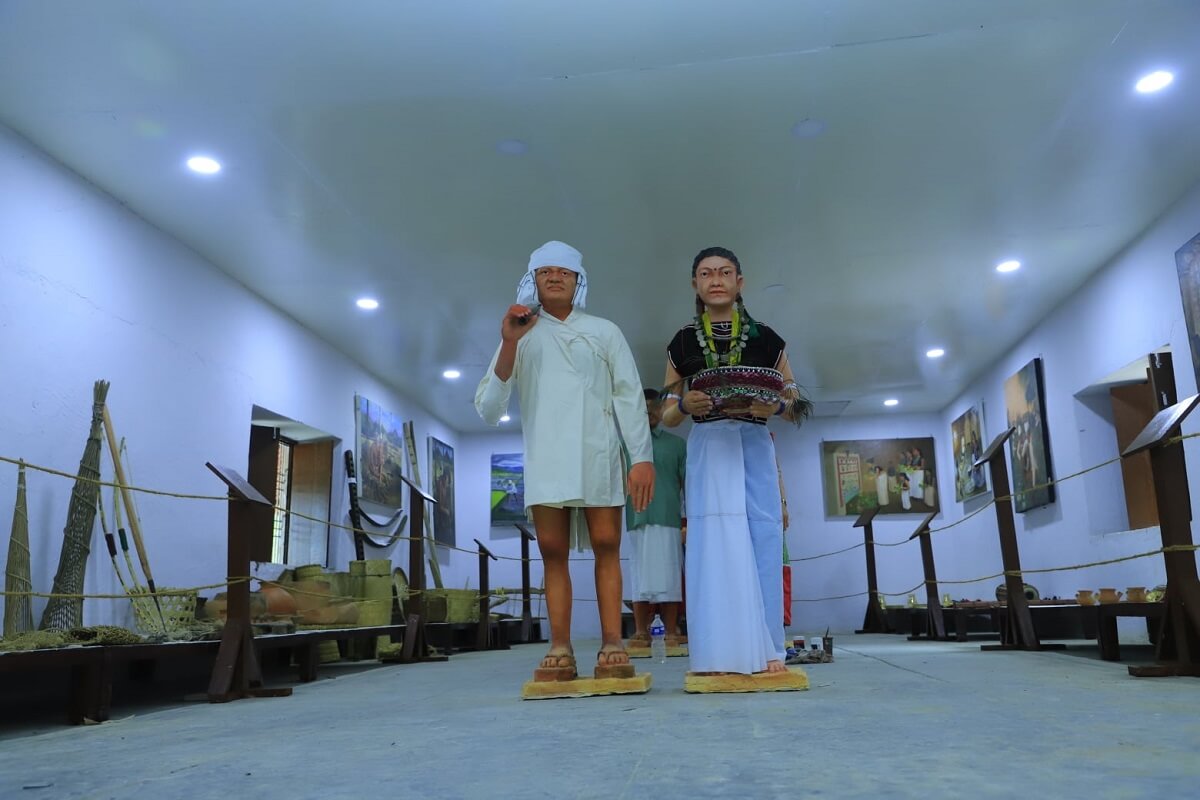
If you want to understand Dang rather than simply photograph its scenery, start with the Tharu Cultural Museum in Chakhaura.
The museum was created to preserve and present Tharu history, daily life, traditional dress, tools, jewellery, farming and fishing equipment, musical instruments, rituals and other aspects of community heritage. It also uses displays and life-size representations to explain cultural traditions from different Tharu communities.
This is one of the strongest cultural attractions in the district and is especially worthwhile for international visitors because it gives context to the villages, food and traditions you may encounter elsewhere in western Nepal.
Chakhaura is in Dangisharan Rural Municipality and is convenient to include from the Tulsipur side of the district. Allow enough time to see the exhibits rather than treating the museum as a quick photo stop.
2. Pandaveshwar Mahadev Temple, Dharapani
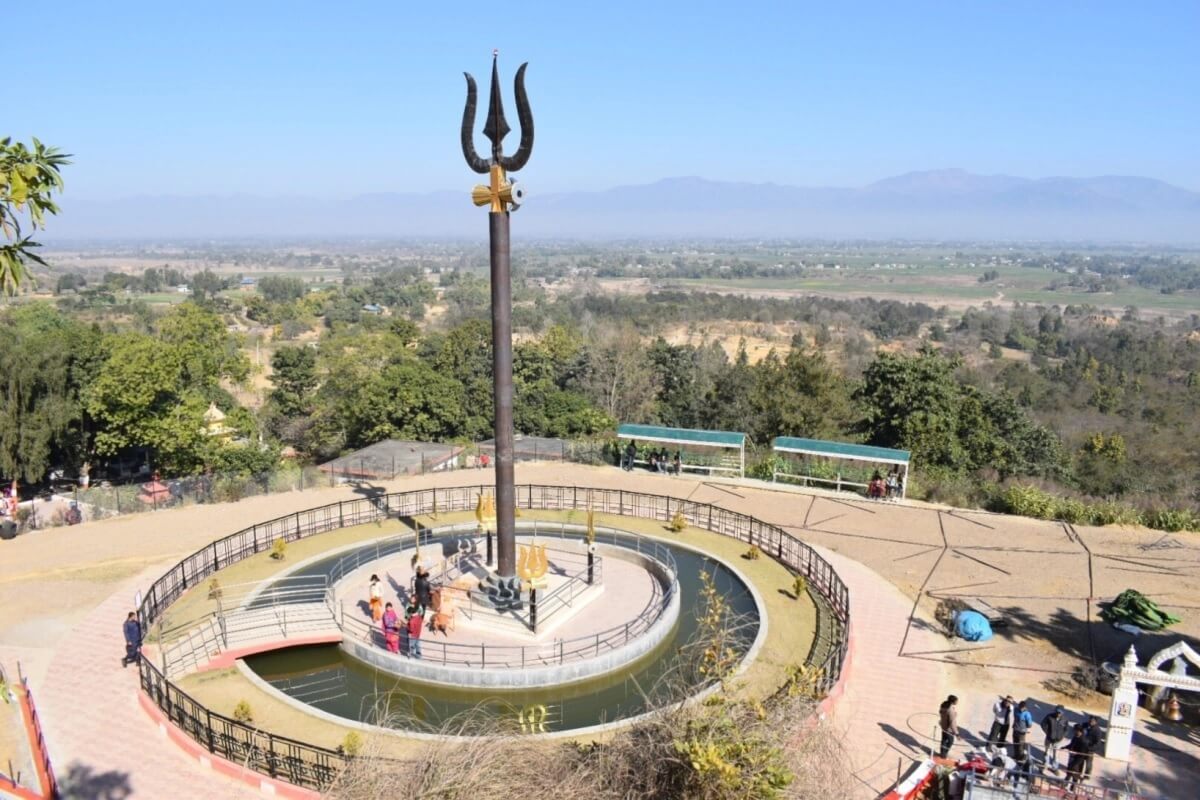
Pandaveshwar Mahadev Temple at Dharapani is one of the best-known Hindu pilgrimage sites around Ghorahi.
The temple complex is closely associated with Shiva worship and is particularly recognizable for its enormous metal trishul, or trident. The site becomes especially busy around Maha Shivaratri, when pilgrims gather for worship and local festivities.
Even if you are not travelling specifically for pilgrimage, Dharapani is useful for understanding the religious traditions of the district. Visitors should dress respectfully and follow local instructions regarding worship areas and photography.
Dharapani can be combined with other Ghorahi-area attractions such as Barahkune Daha and Ambikeshwari Temple.
3. Barahkune Daha
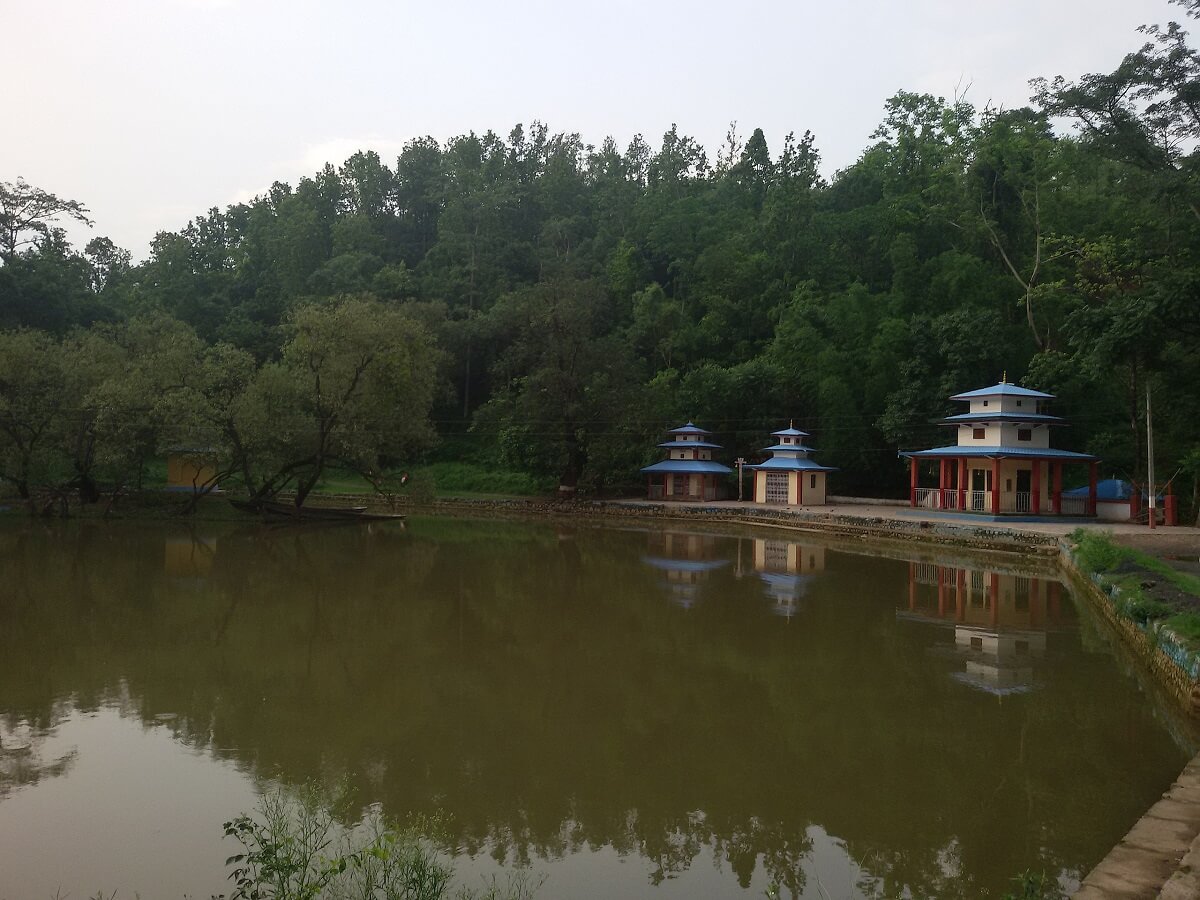
Barahkune Daha is a lake and religious area near Ghorahi. It is connected with local worship of Baraha and becomes particularly active during the Maghe Sankranti period, when a traditional fair draws visitors and devotees.
Outside festival days, the lake offers a calmer setting and can be included as part of a half-day excursion around Ghorahi.
The attraction is more locally significant than internationally famous, so it is best approached as a combination of landscape, community life and religious tradition rather than expecting a highly developed tourist site.
4. Ambikeshwari Temple
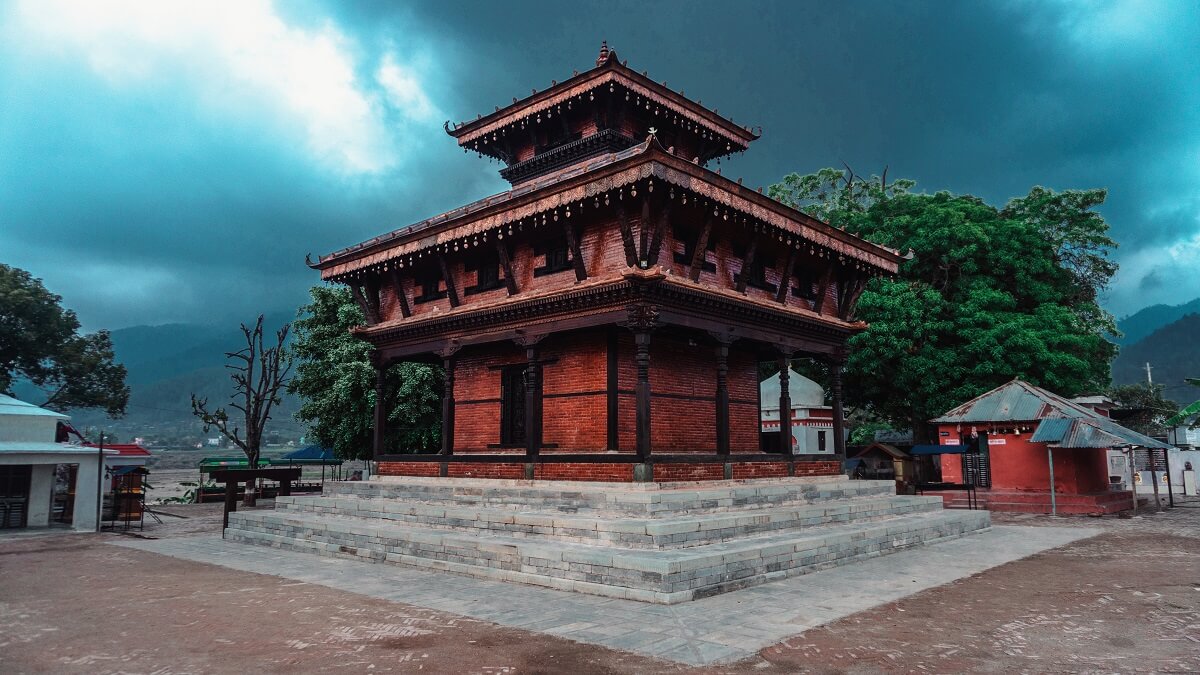
Ambikeshwari Temple is one of the important religious sites in the Ghorahi area. The temple is associated with Shakti worship and attracts devotees during major Hindu observances and festival periods.
For travellers interested in Nepal’s religious traditions, the temple offers a much more local experience than the major pilgrimage complexes of Kathmandu or Janakpur.
Because it remains an active place of worship, visitors should keep noise low, dress modestly and avoid photographing ceremonies without permission.
5. Jakhera Lake
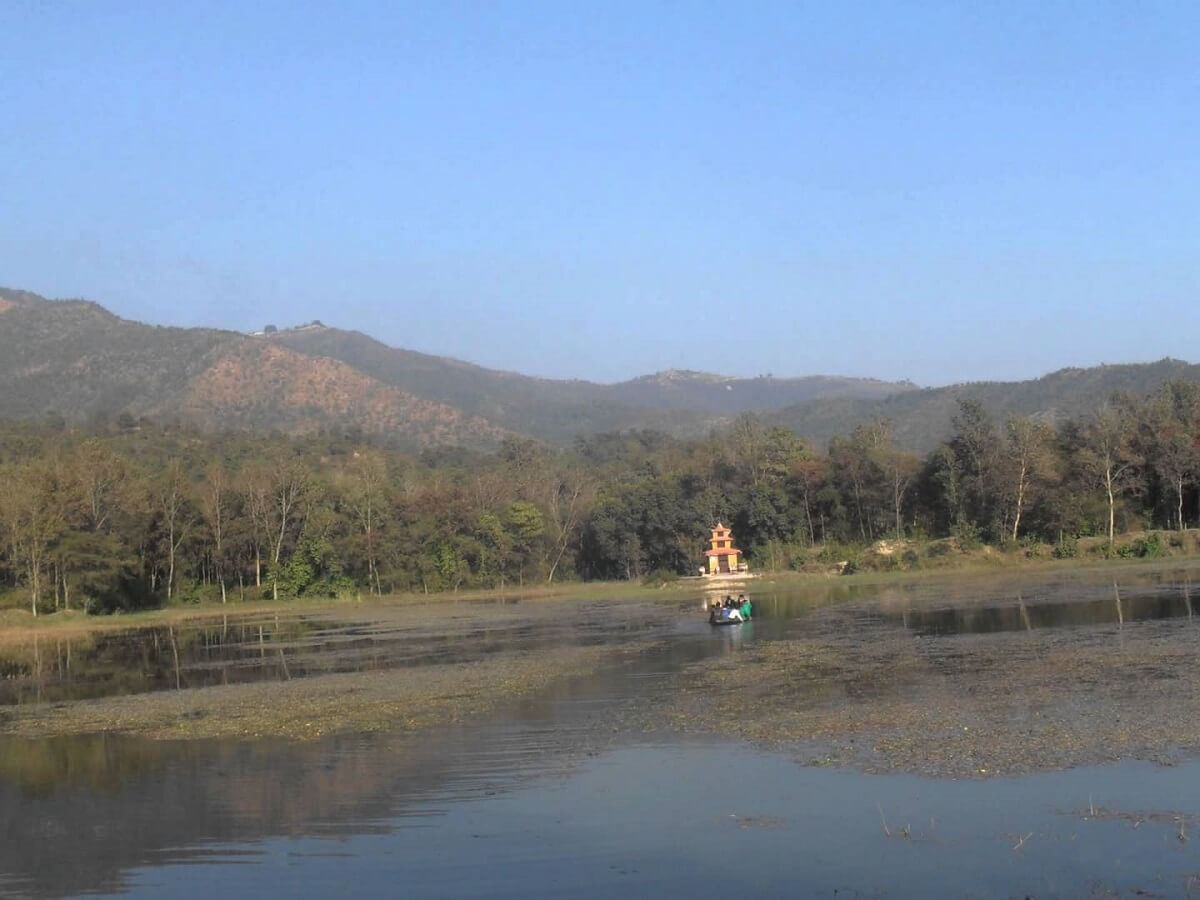
Jakhera Lake lies in the Lamahi area of Dang and is surrounded by greenery near the Chure foothills. It is one of the district’s better-known recreational spots and is visited for picnics, lakeside relaxation and local temple visits.
Temples dedicated to Ganesh and Siddeshwar Mahadev are associated with the lake area, giving the destination both recreational and religious interest.
Jakhera is particularly useful if your route passes through Lamahi or the Deukhuri side of the district. Conditions and available activities can change seasonally, so check locally before planning boating or other water-based activities.
6. Purandhara Waterfall
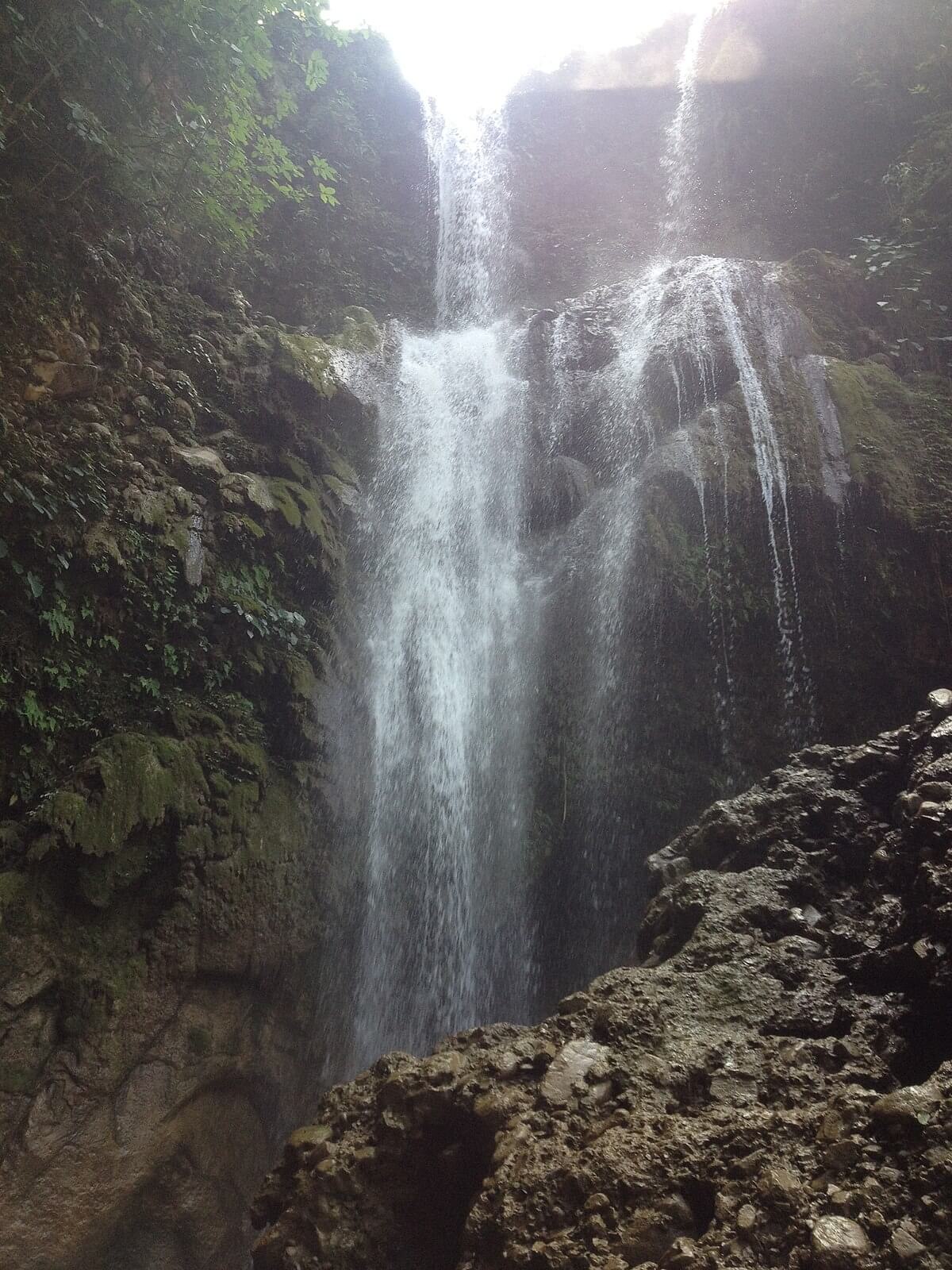
Purandhara Waterfall is one of the notable natural attractions in Babai Rural Municipality in western Dang. The surrounding forest and river landscape make it a popular excursion for visitors looking for a break from the district’s towns and temples.
The waterfall is generally most dramatic during and just after the rainy season, but that is also when rural roads and paths can be less predictable. Do not choose a monsoon visit purely for stronger water flow without first checking local access conditions.
Wear footwear suitable for slippery ground, avoid entering fast-moving water and allow extra travel time if the road has been affected by rain.
7. Chillikot Hill and Kalika Temple
Chillikot, north of the Tulsipur area, combines hill scenery with religious and local heritage. The elevated setting gives broad views across parts of the Dang Valley, and the Kalika temple area becomes livelier during festival periods such as Navaratri.
This is a good choice if you are staying in Tulsipur and want an excursion that feels different from the lower valley. The route also gives you a closer look at the greener hill landscape surrounding the district.
Because Chillikot is outside the main city centre, ask locally about current road conditions before travelling, especially during the monsoon.
8. Rapti Peace Park, Ganeshpur
Rapti Peace Park, also known locally in connection with Ganeshpur, is a landscaped recreational area near Tulsipur. Walking areas, greenery and family facilities make it more of a local leisure stop than a major heritage attraction.
That local character is precisely why it can be enjoyable if you have spare time in Tulsipur. It offers a relaxed break after temples or longer road excursions and gives a glimpse of how residents use the district’s public recreation spaces.
If your time in Dang is limited to one day, prioritize the Tharu Cultural Museum and the stronger cultural or natural sites first.
9. Charinge Daha
Charinge Daha is a smaller lake in the eastern side of the Ghorahi area, surrounded by forest and rural scenery. It is used locally for recreation and has historically supported irrigation and fish farming.
This is not a destination I would place ahead of Dang’s major cultural sites, but it can work well for repeat visitors, photographers or travellers who specifically want a quiet local landscape away from the busier parts of Ghorahi.
Access details can change, so confirm the current route locally before making a special journey.
10. Goraksha Ratna Nath Temple, Chaughera
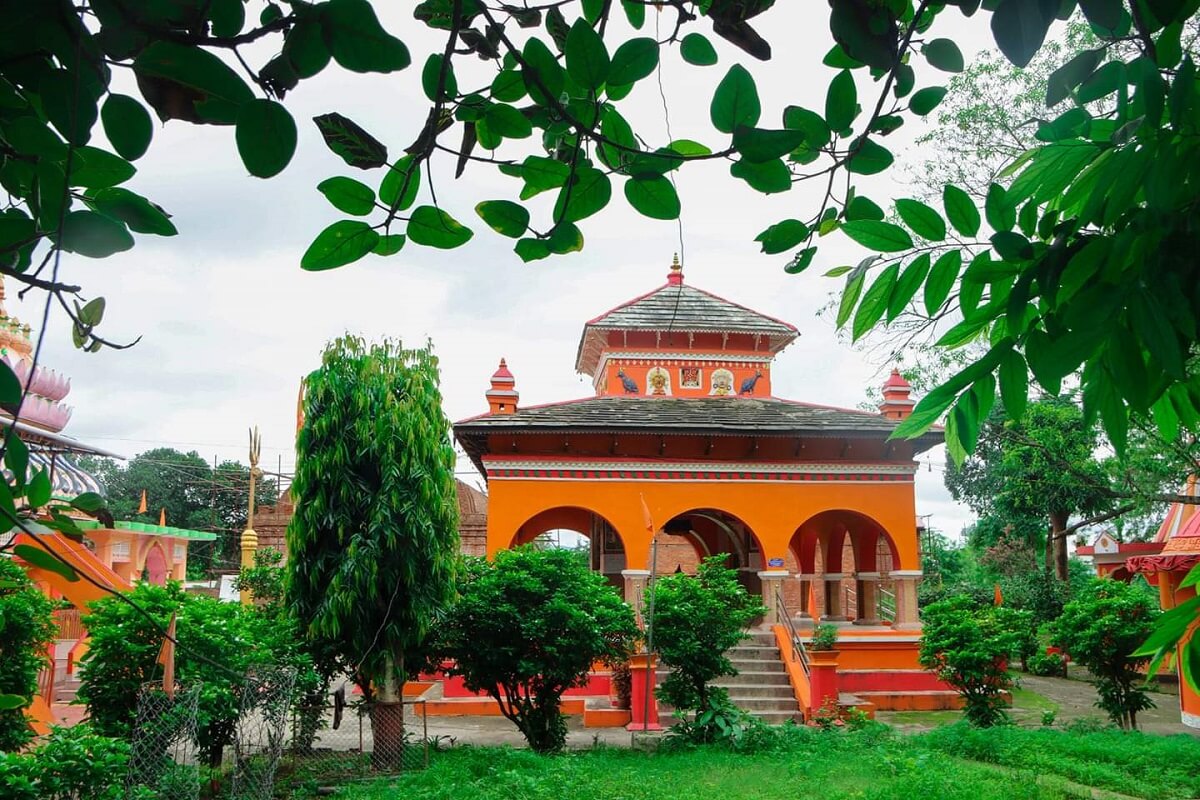
The religious complex at Chaughera in Ghorahi is associated with the Nath tradition and is often referred to locally through the Goraksha or Ratna Nath name.
The peaceful temple setting and mature trees make it a worthwhile cultural stop for travellers interested in religious history. As with the other active temples in Dang, its importance is primarily spiritual and local rather than based on large-scale tourist infrastructure.
This can be combined with other Ghorahi sightseeing rather than treated as a separate full-day excursion.
Things to Do in Tulsipur, Dang
Your historical search intent may bring you to Dang specifically through Tulsipur. If you are staying in or around the city, the most useful experiences are:
- Visit the Tharu Cultural Museum at Chakhaura for the district’s strongest cultural experience.
- Explore Rapti Peace Park for a relaxed local outing.
- Drive toward Chillikot for hill views and the Kalika temple area.
- Use Tulsipur as a base for western Dang attractions such as Purandhara Waterfall, depending on road conditions and available time.
Tulsipur is also close to Dang Airport at Tarigaun, making it the more convenient base if your journey involves a domestic flight.
Places to Visit Around Ghorahi, Dang
Ghorahi is the district headquarters and works well as a base for the central and eastern side of Dang. The most useful combination for first-time visitors is:
- Pandaveshwar Mahadev Temple at Dharapani
- Barahkune Daha
- Ambikeshwari Temple
- Goraksha Ratna Nath Temple at Chaughera
- Charinge Daha if you have additional time
If you have only one day in Ghorahi, focus on two or three attractions instead of trying to drive across the whole district.
How Many Days Do You Need in Dang?
Dang is geographically spread out, so the right amount of time depends on why you are visiting.
- 1 day: Choose either the Ghorahi area or the Tulsipur/Chakhaura area.
- 2 days: Enough for Ghorahi’s main temples plus the Tharu Cultural Museum and Tulsipur-side attractions.
- 3 days: Better if you want to add Jakhera Lake, Purandhara Waterfall or a slower cultural experience.
For most international travellers adding Dang to a larger Nepal journey, two nights is a practical starting point.
Best Time to Visit Dang
October to March is generally the easiest period for sightseeing in Dang. The weather is usually more comfortable for temples, lakes and road excursions than during the hottest pre-monsoon period.
January can be particularly interesting if you want to experience Tharu cultural traditions around Maghi, although festival dates and local events should always be checked in advance.
The monsoon months bring greener scenery and stronger waterfalls, but rural roads can become muddy, slippery or temporarily difficult. Purandhara Waterfall may look more dramatic in the rainy season, but access and safety should come first.
If you are planning a wider autumn holiday, see our guide to the best places to visit in Nepal in October.
How to Reach Dang, Nepal
By Road from Kathmandu
Dang is a long road journey from Kathmandu. The exact distance depends on whether you are travelling to Ghorahi, Tulsipur, Lamahi or another part of the district, but you should treat the journey as a full travel day rather than planning sightseeing immediately after arrival.
Road times in Nepal can change significantly because of traffic, construction, weather and landslides. For a private journey, build in flexibility instead of relying on an exact bus departure or a fixed hour-by-hour schedule.
By Air from Kathmandu
Dang Airport, also called Tarigaun Airport, is near Tulsipur. Nepal Airlines has operated limited scheduled Kathmandu-Dang services, but the frequency is much lower than routes such as Kathmandu-Pokhara.
Because domestic schedules in Nepal are seasonal and can change, confirm the current operating days directly with the airline before designing your itinerary around the flight.
From Lumbini and the Southern Nepal Route
Dang can be combined with an overland journey through western Lumbini Province. For travellers already visiting Lumbini, continuing west toward Dang can make more sense than travelling from Kathmandu solely to see the district.
Lamahi and the Deukhuri area connect with Nepal’s major east-west road corridor, making the district more practical for travellers exploring western Nepal by road.
A Practical 2-Day Dang Itinerary
Day 1: Ghorahi and Central Dang
Start with Pandaveshwar Mahadev Temple at Dharapani, then continue to Barahkune Daha and Ambikeshwari Temple. Depending on your pace, add Chaughera or spend time in Ghorahi itself.
Keep the day flexible because temple visits and local road conditions can affect timing.
Day 2: Tulsipur and Tharu Culture
Use the second day for the Tulsipur side of the district. Make the Tharu Cultural Museum at Chakhaura your main stop, then add Rapti Peace Park or Chillikot according to your interests and the weather.
If Purandhara Waterfall is a priority, it deserves more time and may be better treated as a separate excursion rather than squeezed into the same day.
Is Dang Worth Visiting?
Dang is worth visiting for travellers who are interested in Tharu culture, Hindu pilgrimage, local landscapes and destinations outside Nepal’s main tourist circuit.
It is not an essential stop for a short first-time itinerary. If you have only a week in Nepal, Kathmandu, Pokhara, Chitwan and Lumbini will usually be easier to combine and offer more developed visitor infrastructure.
Dang becomes more appealing when you have additional time, family or cultural connections to the region, a specific pilgrimage interest, or a longer overland route through western Nepal.
Where Does Dang Fit Into a Nepal Itinerary?
Dang is best treated as a specialist addition rather than a standard stop on every Nepal tour.
A possible western Nepal route is:
Kathmandu → Lumbini → Dang → onward through western Nepal
If your priority is the classic first-time experience, explore the main Nepal tour packages first and add Dang only when your available days and interests justify the extra travel.
Tusk Travel can customize a private Nepal itinerary around the destinations that genuinely fit your travel time instead of forcing every stop into a fixed route.
Dang Travel Tips
- Choose your base first: Ghorahi is practical for central Dang, while Tulsipur works better for Chakhaura, Chillikot and the airport.
- Do not try to cover the whole district in one day: attractions are spread out and travel times can be longer than expected.
- Check roads during the monsoon: rural attractions and waterfalls may be harder to access after heavy rain.
- Confirm flights before booking hotels around them: Dang Airport has limited services compared with Nepal’s major domestic routes.
- Respect religious sites: many of Dang’s attractions are active temples rather than sightseeing monuments.
- Give cultural sites time: the Tharu Cultural Museum is more rewarding when you actually read the displays and understand the community history.
Frequently Asked Questions About Dang, Nepal
Where is Dang in Nepal?
Dang is a district in Lumbini Province in southwestern Nepal. It includes the Dang and Deukhuri valley areas and major urban centres such as Ghorahi, Tulsipur and Lamahi.
Which city is the headquarters of Dang District?
Ghorahi is the headquarters of Dang District.
What is Dang famous for?
Dang is known for Tharu culture, its Inner Terai valleys, pilgrimage sites, lakes, local hill scenery and attractions such as the Tharu Cultural Museum, Pandaveshwar Mahadev Temple, Barahkune Daha and Purandhara Waterfall.
What are the best places to visit in Dang?
For a first visit, prioritize the Tharu Cultural Museum, Pandaveshwar Mahadev Temple, Barahkune Daha, Ambikeshwari Temple, Jakhera Lake, Purandhara Waterfall and the Chillikot area.
What are the best things to do in Tulsipur, Dang?
From Tulsipur, visit the Tharu Cultural Museum at Chakhaura, Rapti Peace Park and Chillikot. Tulsipur also works as a transport base for western parts of the district.
How many days are enough for Dang?
Two days are enough for a useful introduction, with one day focused on Ghorahi and another on Tulsipur and Tharu culture. Three days are better if you want to add waterfalls or more distant lakes.
Can I fly from Kathmandu to Dang?
Dang Airport near Tulsipur has had scheduled Kathmandu services, but flights are limited and schedules can change seasonally. Check directly with the airline before relying on a flight for your travel dates.
Is Dang good for first-time visitors to Nepal?
Dang is better for travellers with extra time or a specific interest in Tharu culture, pilgrimage or western Nepal. On a short first trip, Kathmandu, Pokhara, Chitwan and Lumbini are usually easier priorities.
Final Thoughts
Dang offers a different kind of Nepal experience. There are no headline Himalayan trekking routes or heavily developed international tourist districts. Instead, the appeal lies in Tharu heritage, local temples, broad valleys, lakes, waterfalls and everyday life around Ghorahi and Tulsipur.
The key is not to rush. Choose the side of the district that best matches your interests, allow realistic road time and use cultural attractions such as the Tharu Cultural Museum to understand the region rather than simply passing through it.
If Dang fits naturally into a longer western Nepal route, it can add cultural depth that you will not get from the country’s more familiar sightseeing circuit. For a customized journey, browse our Nepal tour packages and plan the route around the number of days you actually have.
