
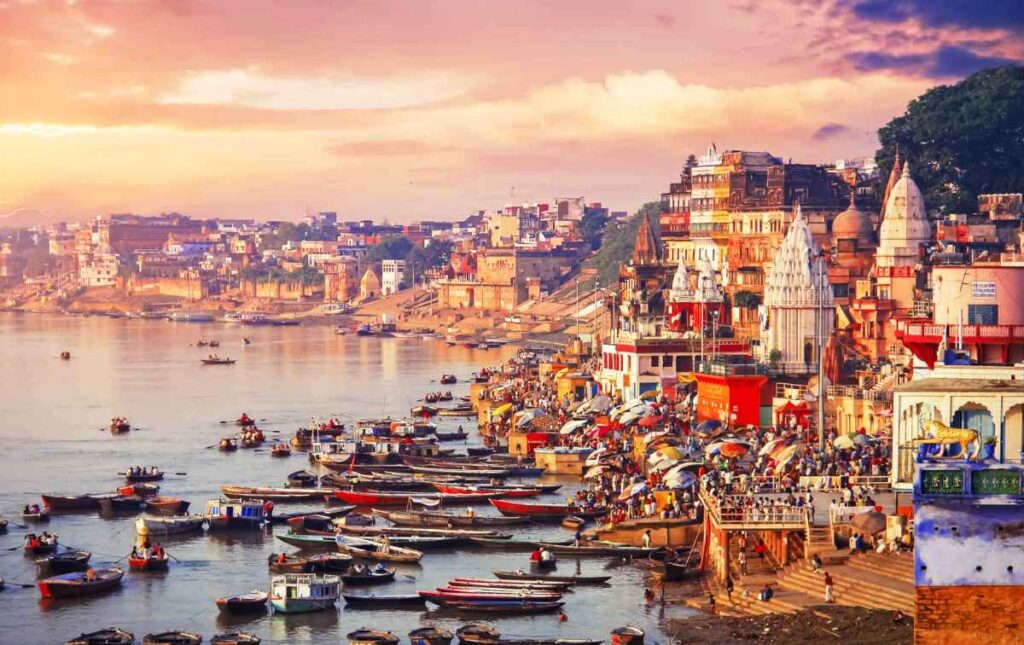
If you want one simple answer, choose the Golden Triangle for a first North India trip, Kashmir for autumn scenery, Rishikesh for a short active break, and Varanasi for culture and spirituality. October is a transition month: the plains become more comfortable after the monsoon, the Himalayan foothills are usually clear, and the high-altitude season begins to wind down.
That variety is exactly why planning a North India trip in October can be confusing. Delhi may still feel warm in the afternoon while Ladakh is already below freezing at night. Festival dates can raise hotel prices, and a route that works in the first week of October may become risky by the final week. This guide helps you choose a destination that suits your time, interests and tolerance for cold rather than simply giving you a long list of names.
- Best first trip: Delhi, Agra and Jaipur
- Best autumn scenery: Kashmir
- Best short hill break: Nainital
- Best for spirituality: Varanasi, Haridwar or Rishikesh
- Best for families: Jaipur, Amritsar or Nainital
- Best for adventure: Rishikesh, Manali or Kasol
- High-risk, weather-dependent choices: Ladakh and Spiti
Is October a good time to visit North India?
For most travellers, yes. By October, the main monsoon has usually withdrawn from much of North India. Road journeys become easier, heritage cities are more comfortable than in summer, and the skies over the hills are often clearer. It is also the start of the busy season, so popular hotels, trains and festival dates are not necessarily quiet or cheap.
The month is not uniform. Early October is generally better for Ladakh and Spiti, while the second half is more comfortable in Delhi, Agra, Jaipur and Varanasi. Snow is possible at high elevations, but it is never something to promise in advance. If seeing reliable snow is the main purpose of your holiday, later winter is a better choice.
Which North India destination should you choose?
| Destination | Best for | Ideal stay | October reality |
|---|---|---|---|
| Delhi | History, food, first-time visitors | 2 days | Warm days, easier evenings |
| Agra | Taj Mahal, short breaks | 1–2 days | Good for early starts and outdoor sightseeing |
| Jaipur | Forts, markets, families | 2–3 days | Mostly dry; afternoons can still be warm |
| Varanasi | Spirituality, photography, culture | 2–3 days | Humidity eases as the month progresses |
| Mathura–Vrindavan | Temple visits, pilgrimage | 1–2 days | Comfortable outside midday; busy on holy days |
| Amritsar | Food, Sikh heritage, families | 2 days | Pleasant mornings and evenings |
| Haridwar | Pilgrimage, Ganga Aarti | 1–2 days | Good weather; festival crowds possible |
| Rishikesh | Yoga, rafting, short active trips | 2–3 days | One of the most balanced October choices |
| Nainital | Lakes, couples, easy family break | 2–3 days | Clearer views and cool nights |
| Jim Corbett | Wildlife, families, nature | 2–3 days | Safari access depends on zone and date |
| Manali | Mountain scenery, cafes, adventure | 3–4 days | Cold nights; high roads are weather-dependent |
| Kasol | Slow travel, friends, short hikes | 2–3 days | Quiet and crisp, with colder evenings |
| Kashmir | Autumn colour, couples, scenery | 5–7 days | Cool, photogenic and increasingly cold |
| Ladakh | Dramatic landscapes, experienced travellers | 7–9 days | Best early in the month; services reduce later |
| Spiti Valley | Remote road trips, monasteries | 8–10 days | Only for flexible, cold-ready travellers |
15 best places to visit in North India in October
1. Delhi: the easiest starting point
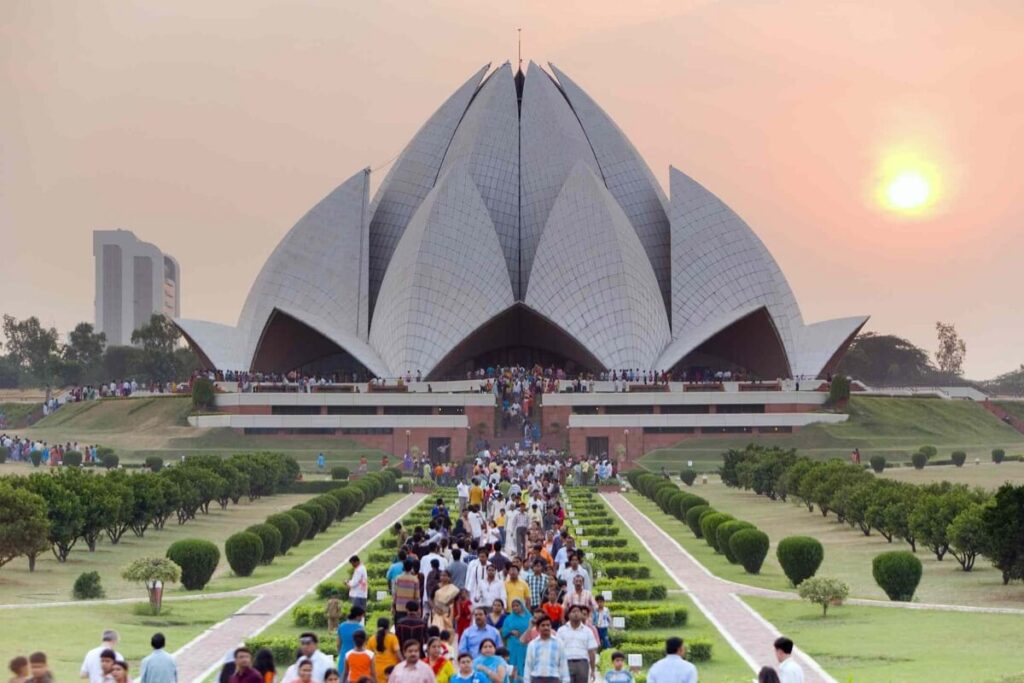
Delhi works best when you treat it as two cities rather than a checklist. Spend one day in Old Delhi around Jama Masjid, Chandni Chowk and the Red Fort area. Use the second for Humayun’s Tomb, Qutub Minar, Lodhi Garden and the broad avenues of New Delhi.
October afternoons can still be warm, so begin with outdoor monuments and save museums, lunch or shopping for the middle of the day. The Metro is useful for longer hops, but a car with a driver is easier if you are combining several monuments. Air quality can deteriorate in autumn, especially later in the month, so travellers with respiratory sensitivity should check the daily forecast and carry prescribed medication.
Plan it: Allow two full days. Stay near Connaught Place for central access, Aerocity for a flight connection, or South Delhi for quieter evenings. Delhi combines naturally with Agra, Jaipur, Amritsar, Haridwar and Rishikesh.
2. Agra: more than a rushed Taj Mahal stop
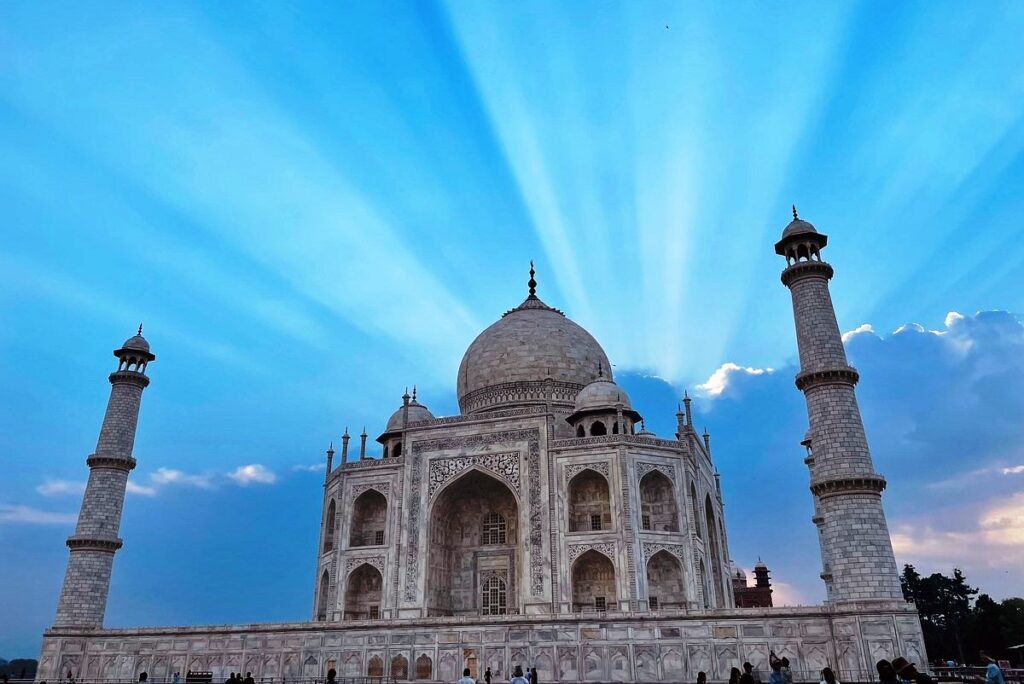
Agra deserves at least one night. Visit the Taj Mahal when the gates open, return to the hotel for breakfast, and explore Agra Fort later in the morning. In the afternoon, choose Itmad-ud-Daulah and Mehtab Bagh or slow down with a craft workshop and Mughlai meal.
The practical detail many hurried itineraries miss is that the Taj Mahal is closed to general visitors on Fridays. Check the monument calendar before locking in train tickets. October is popular, and sunrise entry can still involve queues. Buy official tickets ahead of time and carry only a small bag to make the security check easier.
Plan it: One night is enough for the essentials; two nights allow a calmer pace and a visit to Fatehpur Sikri. The fast road and rail connections from Delhi make Agra easy to add to a Golden Triangle tour.
3. Jaipur: the best all-round family choice

Jaipur combines major sights with comfortable hotels, good road access and plenty to do between monuments. Start at Amer Fort before tour groups build, then stop at Panna Meena ka Kund or Jal Mahal viewpoint. Keep City Palace, Jantar Mantar and the Hawa Mahal area for a separate half-day so the trip does not become a race.
October is cooler than summer but not cold. A shaded vehicle, drinking water and a midday pause still matter. Johari Bazaar is best for jewellery, while Bapu Bazaar is easier for textiles, footwear and souvenirs. Families may enjoy a block-printing workshop more than adding another fort.
Plan it: Two nights cover the highlights; three give you time for markets and a slower morning. Delhi–Agra–Jaipur is the most efficient circuit for a first visit and can be done in four to six days.
4. Varanasi: for an experience, not just sightseeing

Varanasi is intense, crowded and memorable. The classic rhythm is an evening Ganga Aarti, a sunrise boat ride, a walk through the old lanes and time at Kashi Vishwanath Temple. Sarnath, where the Buddha gave his first sermon, is a worthwhile half-day outside the old city.
Choose your hotel carefully. A riverside stay gives atmosphere but may require walking through narrow lanes with luggage. A hotel near Cantonment is easier for vehicles but less immersive. Boats depend on river and weather conditions, so keep some flexibility. Dress modestly around temples and ghats, and ask before photographing religious ceremonies or cremation areas.
Plan it: Stay two nights at minimum. Three nights work better if you want Sarnath, a food walk or time to absorb the city without moving constantly.
5. Mathura and Vrindavan: a compact pilgrimage circuit
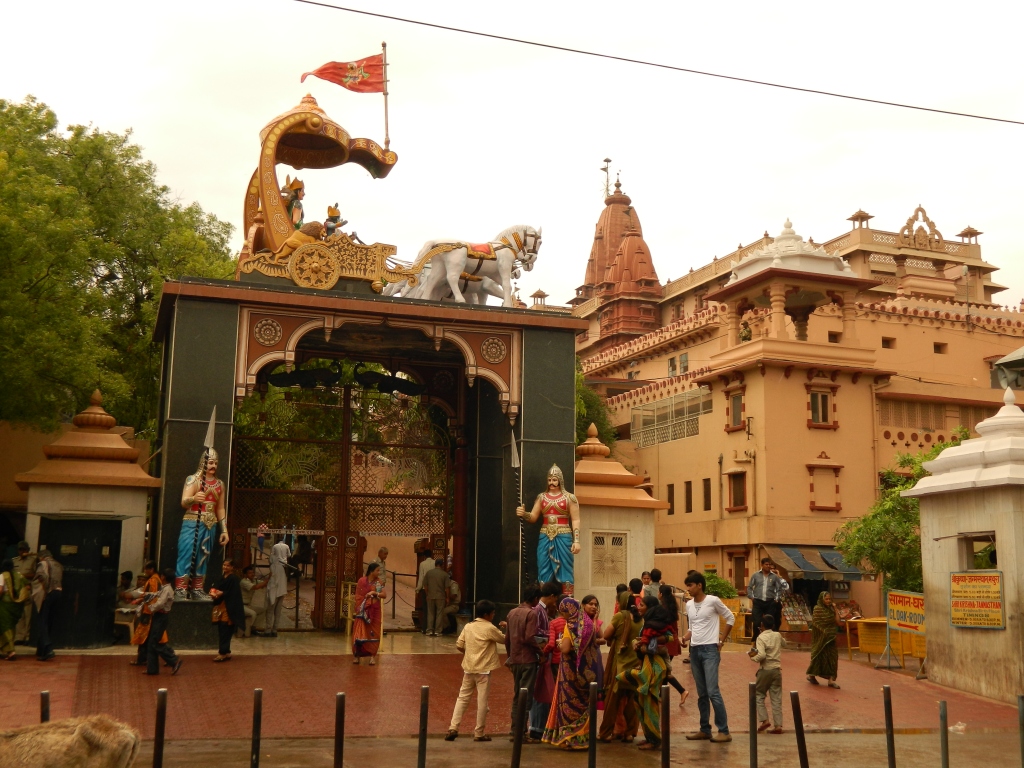
Mathura and Vrindavan sit close together but feel different. Mathura is centred on Krishna Janmabhoomi, Dwarkadhish Temple and the Yamuna ghats. Vrindavan has Banke Bihari Temple, ISKCON, Prem Mandir and dozens of smaller temples.
Temple timings include midday closures, and queues can be long on weekends and festival days. Confirm current opening hours locally, leave phones and large bags where required, and use an e-rickshaw for the congested inner areas. Prem Mandir is especially popular after dark, so expect traffic around the evening illumination.
Plan it: A long day from Delhi or Agra is possible, but one night makes the visit much less hurried. For a devotional trip, use two nights and include Govardhan or Gokul.
6. Amritsar: heritage, hospitality and outstanding food
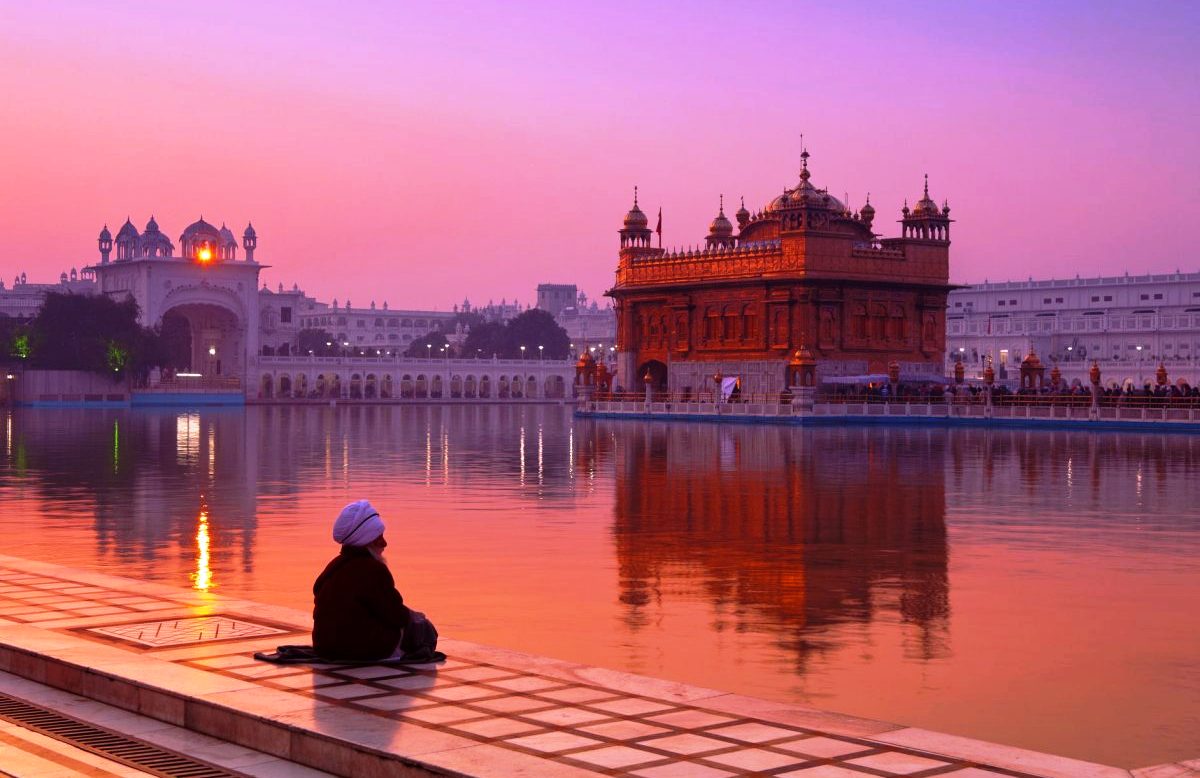
Amritsar is one of the easiest two-night city breaks in North India. Visit the Golden Temple once in daylight and again after dark, when the complex has a completely different mood. Walk to Jallianwala Bagh and the Partition Museum, then make time for a proper Punjabi breakfast or dinner.
If you want to attend the Attari–Wagah border ceremony, leave enough time for traffic and security. Timings change seasonally, and special dates attract larger crowds. Cover your head and remove your shoes before entering the Golden Temple complex; scarves are available at the entrance. Visitors are welcome to eat in the community kitchen, but join respectfully and follow volunteer instructions.
Plan it: Two nights are ideal. Direct flights and trains connect Amritsar with Delhi, and an overnight train can save daytime if your schedule is tight.
7. Haridwar: for a focused spiritual break

Haridwar is best experienced around the river. Arrive in time to walk through Bara Bazaar and find a place at Har Ki Pauri before the evening Ganga Aarti. The next morning, visit Mansa Devi or Chandi Devi, then continue to Rishikesh rather than filling the day with distant attractions.
October weather is generally comfortable, but religious holidays can change the character of the city overnight. Reserve a hotel within walking distance of the ghats if the aarti is your priority. Keep valuables secure in crowded lanes, and enter the river only in designated areas because the current can be stronger than it looks.
Plan it: One night suits most visitors; stay two if pilgrimage is the main purpose. Haridwar is about an hour from Rishikesh by road in normal traffic, making the two easy to combine.
8. Rishikesh: the best mix of activity and downtime

Rishikesh is a strong October choice because you can shape it around very different interests. A relaxed trip might include a yoga class, Beatles Ashram, riverside cafes and the evening aarti at Parmarth Niketan or Triveni Ghat. An active trip can add rafting, a waterfall walk or a sunrise excursion to Kunjapuri.
Choose your base before booking. Tapovan has cafes and easy access to the northern side of town; the ashram areas suit a quieter, more spiritual stay. River rafting operates according to water levels and official permission, so confirm locally rather than treating it as guaranteed. Rishikesh is largely vegetarian and alcohol restrictions apply in the holy city.
Plan it: Two or three nights are enough for a balanced break. Travellers coming from Delhi can use the train to Haridwar or Yog Nagari Rishikesh, fly to Dehradun, or travel by road.
9. Nainital: an easy lake-and-hills holiday

Nainital is a good fit for couples and families who want mountain scenery without a demanding itinerary. Boat on Naini Lake, walk along Mall Road, visit Naina Devi Temple and choose one viewpoint rather than spending the whole day driving from stop to stop. A half-day in Bhimtal or Sattal adds quieter lake scenery.
October weekends can be busy, and parking in central Nainital is limited. Book a hotel based on access, not just the view: a steep hillside property can be inconvenient for older travellers or families with small children. Kathgodam is the nearest major railhead, followed by a winding road transfer.
Plan it: Two nights for Nainital alone, or four nights for Nainital and Corbett. Pack a warm layer for evenings even when the daytime forecast looks mild.
10. Jim Corbett: choose the safari zone before the resort
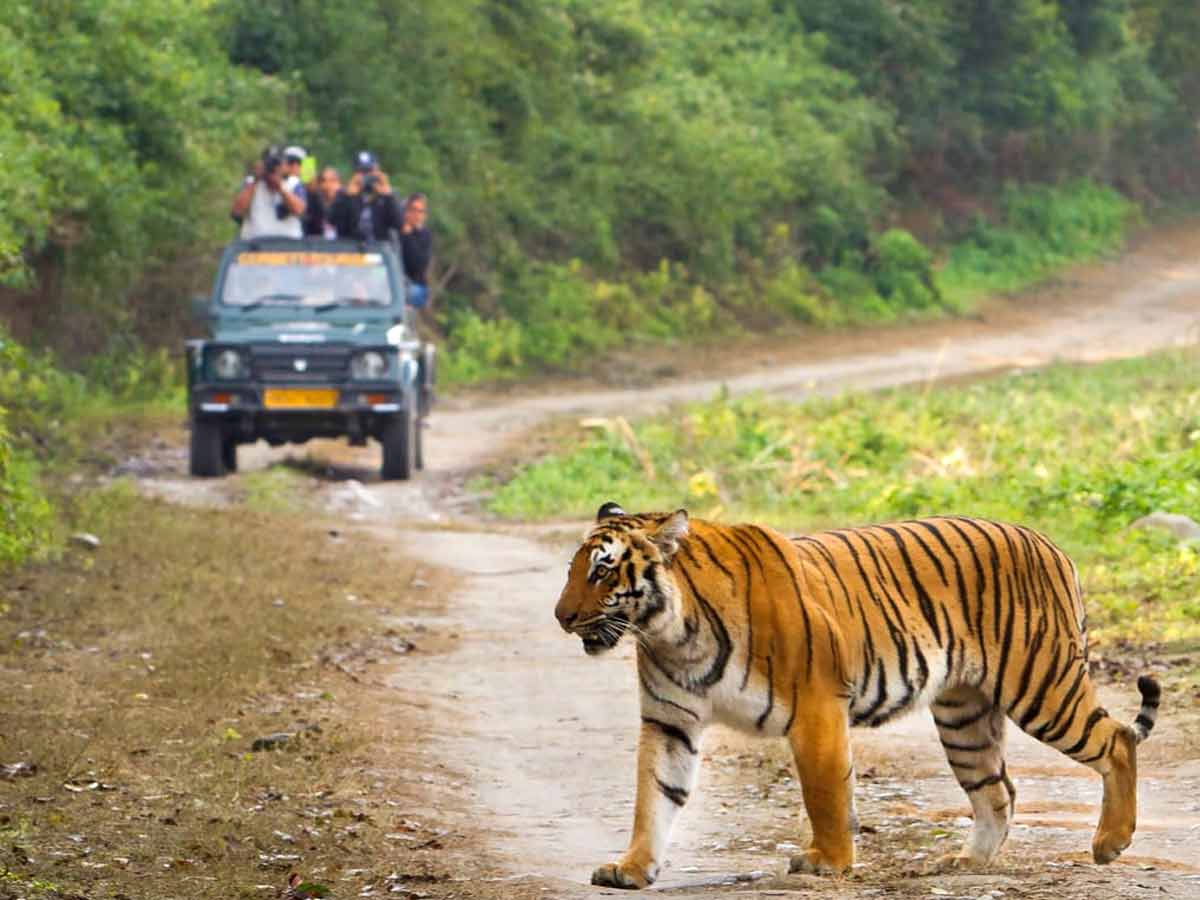
Corbett is often marketed as one park that simply “opens in October,” but access is more nuanced. Jhirna and Dhela are generally available year-round subject to weather. Bijrani normally reopens for day visits around mid-October, while Dhikala’s main season begins later, usually in mid-November. Dates and access can change after the monsoon, so verify the official status before booking a resort.
A safari is never a promise of a tiger. October is valuable for fresh landscapes, birds and a quieter forest experience, especially later in the month. Book permits through authorised channels, make sure the traveller names match identification documents, and choose accommodation with the entry gate in mind. A cheap resort on the wrong side of Ramnagar can mean a very early and unnecessarily long transfer.
Plan it: Two nights allow two safari opportunities. The four-day Nainital and Corbett route is practical for families starting from Delhi.
11. Manali: reliable scenery, uncertain high roads
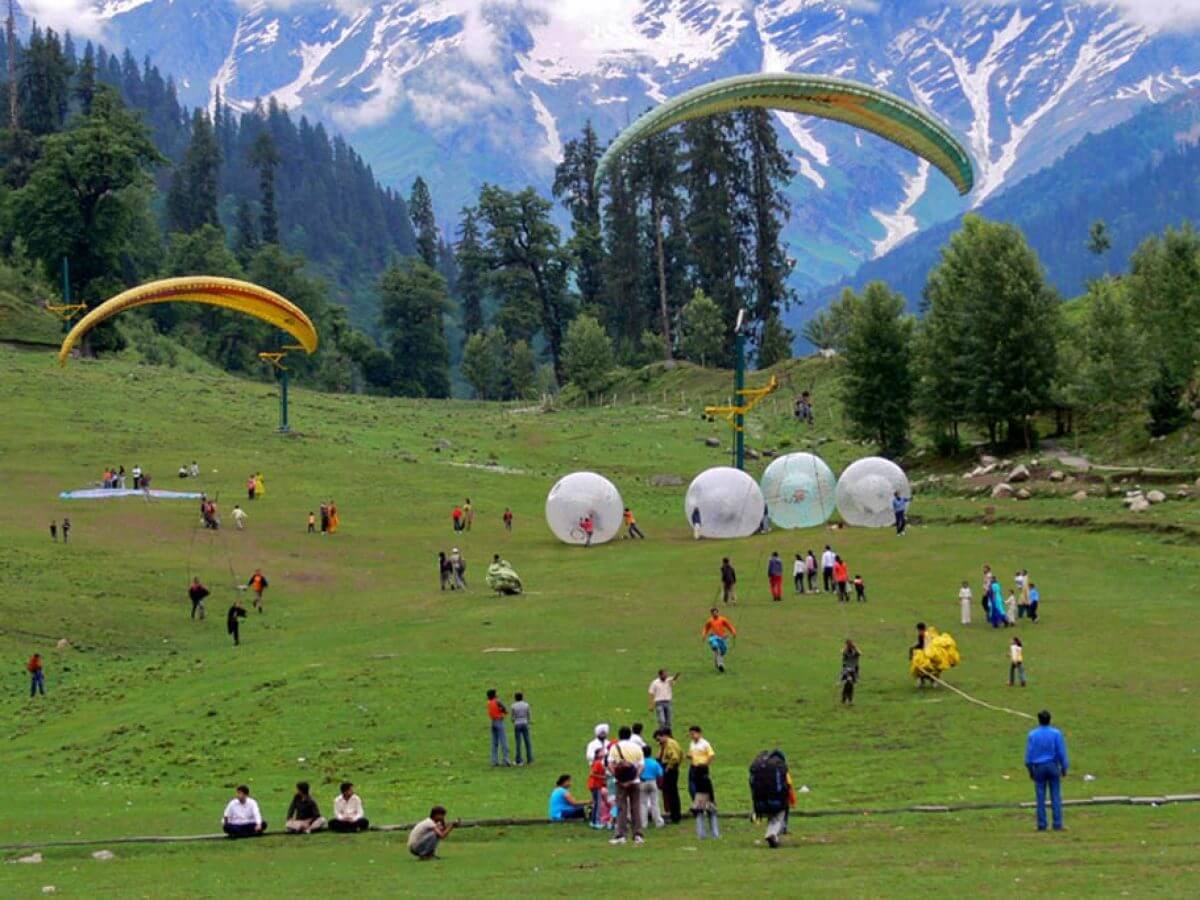
Manali in October has crisp air, orchard colour and fewer monsoon disruptions. Spend one day around Old Manali, Hadimba Temple and the Beas, and another toward Solang Valley and the Atal Tunnel side if conditions allow. Naggar makes a calmer cultural day trip.
Do not build the entire holiday around Rohtang Pass. Access is controlled, permits may apply, and early snow can close high roads without much warning. Adventure activities also depend on weather and operator approval. Old Manali suits cafe-focused travellers; the Mall Road area is more convenient for families and first-time visitors.
Plan it: Stay three or four nights, not including the long road journey from Delhi or Chandigarh. Overnight buses save money but may leave you tired on arrival; flying to Bhuntar reduces road time but schedules can be limited.
12. Kasol: go for the valley, not a long attraction list
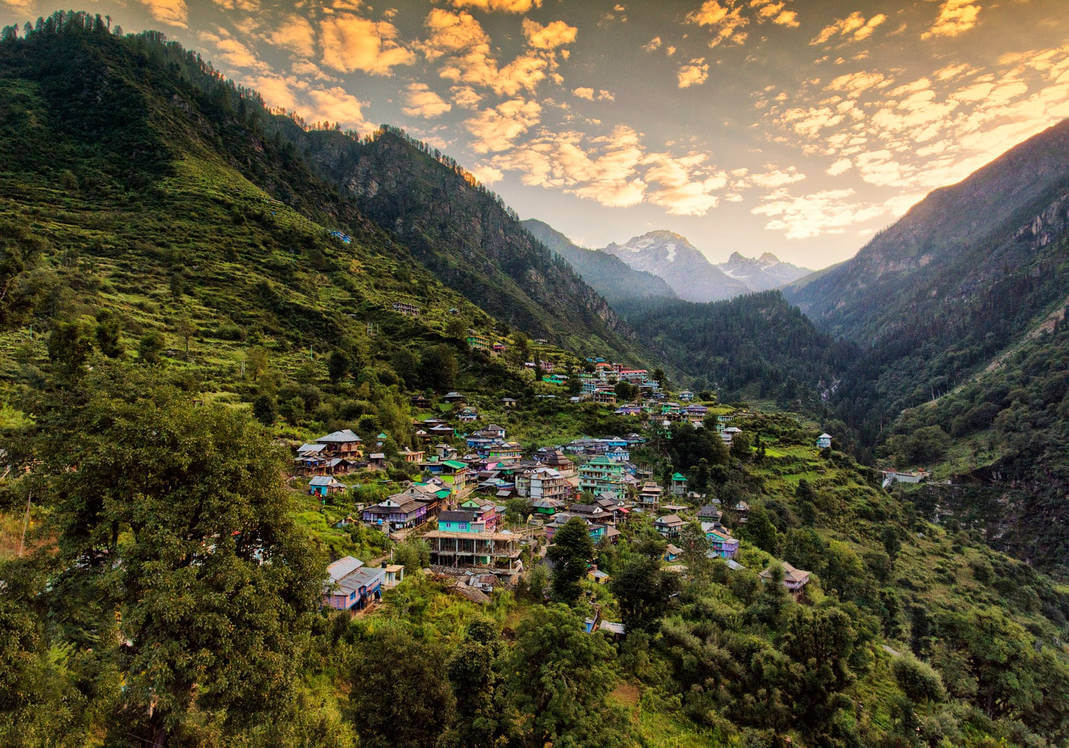
Kasol works when you want unstructured time beside the Parvati River, cafe evenings and short walks. Visit Manikaran, explore Chalal on foot, or use a day for Tosh or another nearby village. Avoid squeezing distant valleys and ambitious treks into a two-day weekend.
October nights are cold, and daylight shortens as the month advances. Trail conditions, accommodation and transport become less predictable at higher elevations. Choose registered accommodation, carry cash for smaller villages and do not hike unfamiliar routes after dark. Travellers planning Kheerganga or another overnight trek should use a reputable local operator and check the latest trail status.
Plan it: Two or three nights for Kasol and Manikaran; add time for any trek. The final road from Bhuntar is slow and can be congested, so keep buffer time before a return flight or train.
13. Kashmir: North India’s standout autumn trip
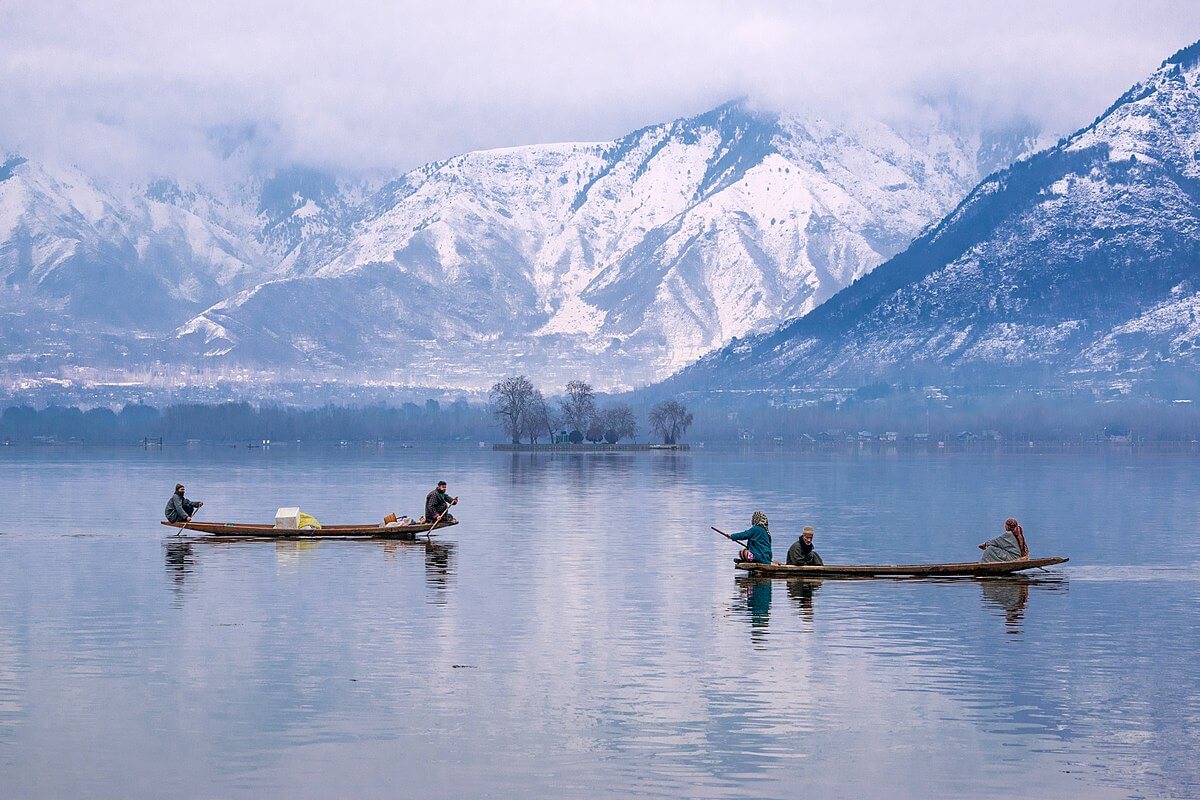
Kashmir is at its most atmospheric in October. Chinar leaves begin turning copper and red, saffron fields around Pampore may be in bloom, and the air becomes noticeably cooler. Base yourself in Srinagar for Dal Lake, the old city and Mughal gardens, then add Gulmarg and Pahalgam.
October is not tulip season; Srinagar’s tulip garden is a spring attraction. It is also unwise to promise snow in Gulmarg. You may see early snowfall on higher slopes, particularly later in the month, but conditions vary each year. Carry proper layers, leave room for weather changes and check local travel advisories before departure.
Plan it: Five nights cover Srinagar, Gulmarg and Pahalgam at a steady pace. Seven nights allow an extra valley or a slower houseboat stay. A five-day Kashmir itinerary is a useful starting framework.
14. Ladakh: rewarding in early October, demanding later
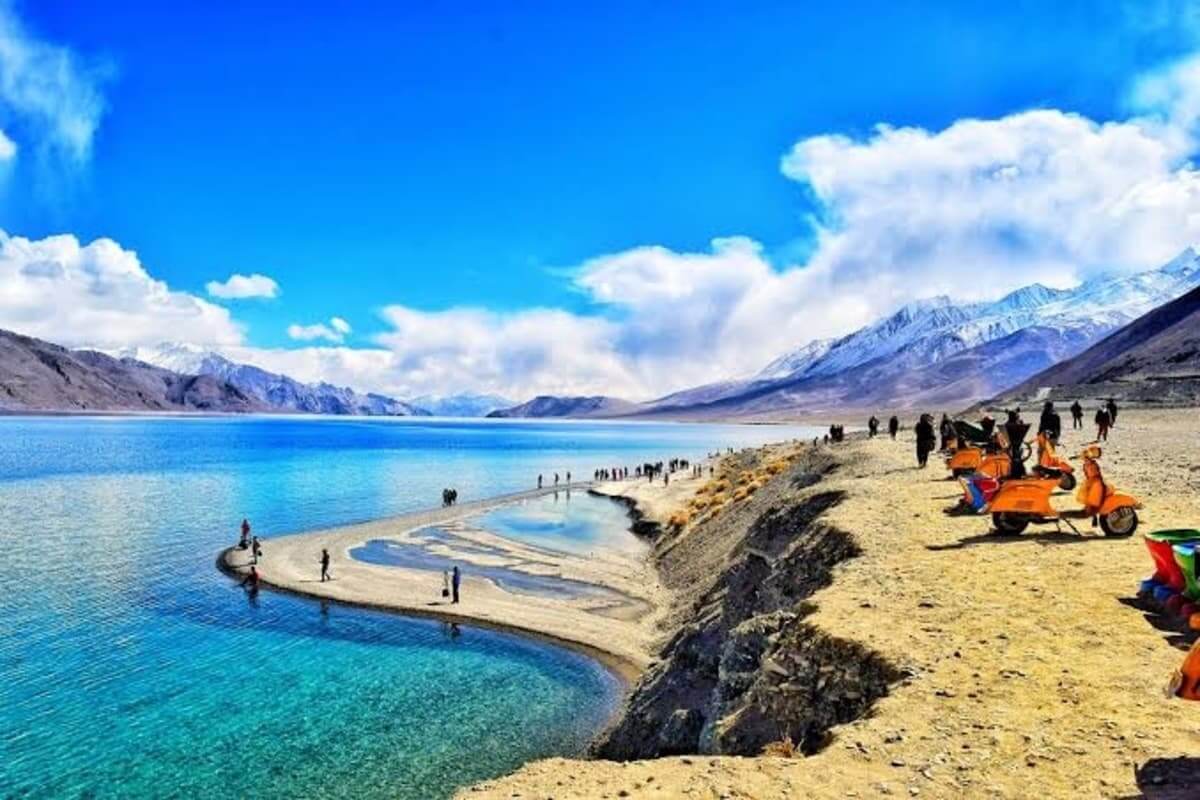
Ladakh can be beautiful in October, with sharp light and fewer visitors, but it is not a casual extension of a Delhi trip. Fly into Leh and keep the first two days light for acclimatisation. Only after that should you move toward Nubra Valley or Pangong Lake.
Nights can fall below freezing, some camps close, and snowfall can interrupt passes or road access. The Manali–Leh and Srinagar–Leh highways should never be assumed open simply because they were open on the same date last year. Use a weather-flexible plan, confirm accommodation and transport, and follow the current permit and travel advice from Ladakh authorities. Anyone with heart, lung or altitude-related medical concerns should seek professional advice before the trip.
Plan it: Allow at least seven days after flying to Leh; eight or nine are better. Early October is preferable. A rushed four- or five-day circuit to Nubra and Pangong does not leave enough margin for acclimatisation or disruption.
15. Spiti Valley: only if flexibility is part of the plan
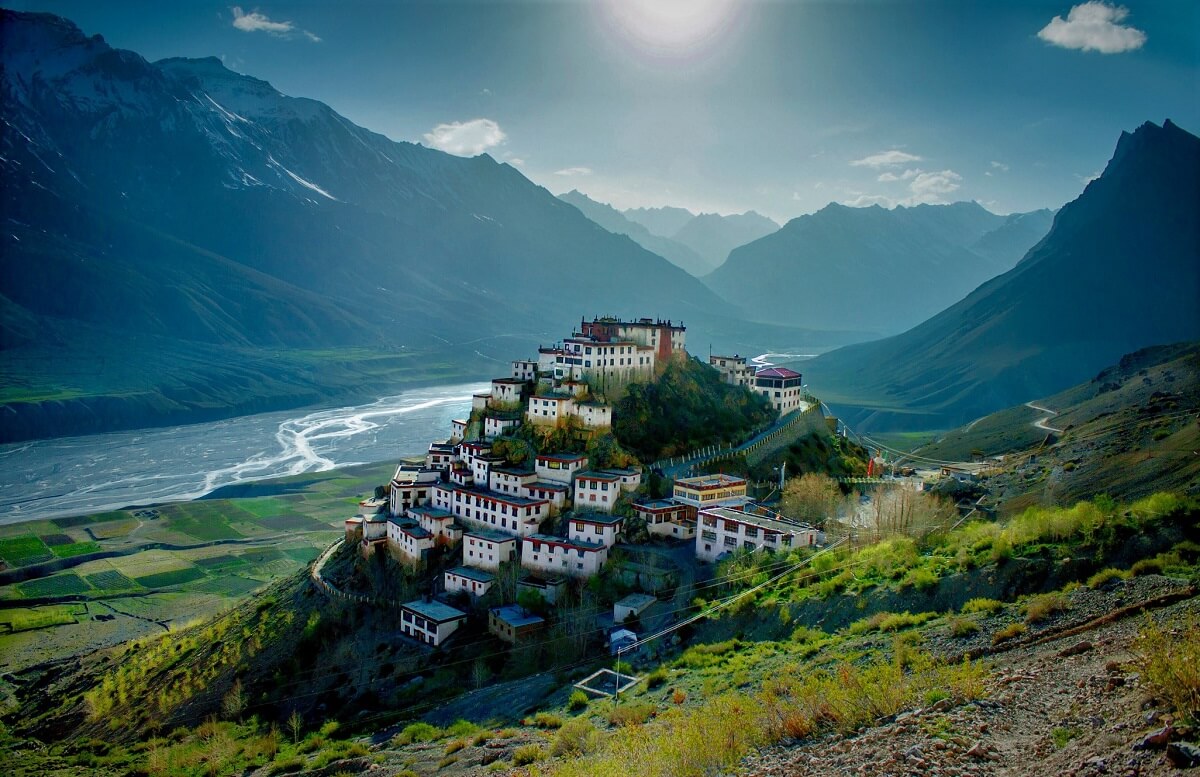
Spiti in October is quiet, stark and very cold. Key Monastery, Tabo, Dhankar, Kaza and high villages can still be visited when roads and services cooperate. However, this is the shoulder between the main touring season and winter, not the ideal month for a first mountain road trip.
The Manali–Kaza route via Kunzum Pass is especially vulnerable to early snow and seasonal closure. The Shimla–Kinnaur approach is generally the more dependable entry, but landslides, ice and local weather can still affect it. Chandratal should not be treated as a guaranteed October stop because camps and access close as winter approaches.
Plan it: Allow eight to ten days from Shimla with at least one buffer day. Travel with an experienced driver, carry warm clothing and essential medication, and confirm each night’s accommodation shortly before arrival. If your dates and return transport are inflexible, choose Manali, Kashmir or Nainital instead.
Practical North India itineraries for October
3 days: Delhi and Agra
- Day 1: Old Delhi, Humayun’s Tomb and India Gate
- Day 2: Qutub Minar and drive or train to Agra
- Day 3: Taj Mahal at opening time, Agra Fort and return to Delhi
This is the most efficient short trip for history. Do not schedule Agra on a Friday if the Taj Mahal is essential.
5 days: Golden Triangle
- Days 1–2: Delhi
- Day 3: Agra
- Days 4–5: Jaipur, departing on the final evening or following morning
Five days is workable, though six feels more humane. See the short Golden Triangle itinerary for route ideas, then add a night if you dislike early starts.
5 days: Haridwar, Rishikesh and Nainital
- Day 1: Travel to Haridwar and attend Ganga Aarti
- Days 2–3: Rishikesh, with yoga, rafting or a nature walk
- Days 4–5: Nainital and one quieter nearby lake
This route mixes spirituality and hills, but it includes a long drive between Rishikesh and Nainital. Travellers who prefer a slower holiday should spend all five days around Haridwar, Rishikesh and Mussoorie instead.
6 days: Kashmir at a comfortable pace
- Days 1–2: Srinagar and Dal Lake
- Day 3: Gulmarg
- Days 4–5: Pahalgam
- Day 6: Srinagar buffer and departure
Keep the final night in Srinagar before a morning flight. That buffer protects the trip from weather or road delays.
8 days: Ladakh in early October
- Days 1–2: Acclimatise in Leh, with only gentle local sightseeing
- Days 3–4: Nubra Valley
- Day 5: Travel toward Pangong, only if the route is open
- Day 6: Return to Leh
- Day 7: Monasteries or buffer day
- Day 8: Fly out
Do not remove the acclimatisation or buffer days to add more places. In October, resilience is more valuable than a longer checklist.
How to plan your October trip
Choose by week, not only by month
Early October gives you the best chance for Ladakh, Spiti and high-road travel, although nothing is guaranteed. Mid-October is a balanced time for Kashmir, Himachal, Uttarakhand and the plains. Late October usually suits Delhi, Agra, Jaipur, Varanasi and Amritsar, while high-altitude options become increasingly uncertain.
Check the festival calendar before paying
Navratri, Dussehra and Diwali do not fall on the same October dates every year, and Diwali sometimes falls in another month. Festivals can add atmosphere, but they also affect traffic, opening hours, train availability and hotel prices. Check the calendar for your travel year rather than copying last year’s itinerary.
Book transport in the right order
- Fix the destination and realistic number of nights.
- Book limited-capacity items first, such as trains, Corbett safaris or internal flights.
- Reserve hotels with sensible transfer locations.
- Add local cars, guides and activities after the route is stable.
- Recheck mountain roads, permits and weather shortly before departure.
Pack for altitude, not for “North India”
For Delhi, Agra, Jaipur and Varanasi, breathable daytime clothing plus a light evening layer is usually enough. For Nainital, Manali and Kashmir, add a warm jacket and closed shoes. Ladakh and Spiti require proper thermal layers, gloves, a warm hat, sun protection and accommodation that is confirmed to be operating. A reusable water bottle, comfortable walking shoes, sunscreen and basic medication are useful on every route.
Common October planning mistakes
- Assuming October means no crowds: weekends, school breaks and festival dates can be extremely busy.
- Planning around guaranteed snow: early snowfall is possible at altitude, not predictable.
- Using one weather forecast for an entire circuit: Delhi, Kashmir and Ladakh can require completely different clothing on the same date.
- Overloading the route: two well-planned cities are better than four rushed check-ins.
- Ignoring closure days: monuments, temples, safari zones and mountain roads follow different schedules.
- Booking a mountain trip without buffer time: one weather delay can affect a fixed flight or train connection.
Frequently asked questions
What are the best places to visit in North India in October?
For most travellers, the strongest choices are Delhi, Agra, Jaipur, Kashmir, Varanasi, Amritsar, Rishikesh, Nainital and Manali. Ladakh and Spiti can work in early October, but they require more flexibility and cold-weather preparation.
Which destination is best for a three-day October trip?
Choose Delhi and Agra for history, Rishikesh for yoga and adventure, Amritsar for culture and food, or Nainital for an easy hill break. Pick one compact area rather than losing most of the trip to transfers.
Where should a family travel in North India in October?
Jaipur, Amritsar, Nainital and the Delhi–Agra circuit are the easiest family options because they have varied attractions, broad hotel choice and relatively straightforward transport. Nainital and Corbett also make a good four- or five-day combination when safari availability suits your dates.
Can I see snow in North India in October?
You may encounter early snow at high elevations in Ladakh, Spiti, Kashmir or around high passes near Manali, especially later in the month. It is not reliable enough to make a promise. If snow is essential, plan for winter and still check current conditions.
Is October a good time for Ladakh?
Early October can suit experienced travellers who are comfortable with freezing nights, reduced services and possible road changes. Fly into Leh, spend at least 48 hours acclimatising, and keep a buffer day. Later October is considerably less predictable.
Is Jim Corbett fully open in October?
No. Access depends on the zone and post-monsoon conditions. Jhirna and Dhela generally operate year-round subject to weather, Bijrani usually reopens around mid-October, and Dhikala generally opens later. Verify the current official schedule before booking.
What should I wear in North India in October?
Use layers. Light clothing works in the plains during the day, with a light jacket for evenings. Hill stations need a warmer outer layer. Ladakh and Spiti require winter clothing, including thermals, gloves and a warm hat.
Should I travel in early or late October?
Early October is better for high-altitude routes. Late October is usually more comfortable for Delhi, Agra, Jaipur, Varanasi and Amritsar. Mid-month offers the broadest range, but festival dates and mountain weather should guide the final decision.
Final recommendation
If this is your first visit, spend five or six days on Delhi, Agra and Jaipur. If you have already seen the classics, choose one focused region: Kashmir for scenery, Amritsar for culture and food, Rishikesh for an active short break, or Varanasi for a deeper cultural journey. Treat Ladakh and Spiti as specialist October trips, not default choices.
For help arranging transport, hotels and a realistic route, explore North India tour ideas. Travelling a month later? Compare the best places in North India in November. For colder winter options, see the guide to North India in December.
