

Trincomalee is one of Sri Lanka’s most rewarding coastal destinations. On the island’s northeast coast, this historic harbour city brings together quiet beaches, ancient Hindu temples, colonial-era landmarks and some of the country’s best-known snorkelling spots.
You can spend a morning exploring Koneswaram Temple above the sea, relax on the sands of Nilaveli Beach in the afternoon, and discover local Tamil culture in the evening. Meanwhile, Pigeon Island National Park offers a chance to explore marine life when sea conditions are suitable.
Unlike some of Sri Lanka’s busier southern beach towns, Trincomalee has a slower, more relaxed atmosphere.
However, choosing the right season matters. The east coast usually enjoys better beach conditions from around April to September, while the northeast monsoon can bring rough seas and heavy rain later in the year.
If you are planning a visit, here are the 10 best places to visit in Trincomalee, Sri Lanka, along with top attractions, things to do, the best travel season and practical sightseeing advice.
What Is Trincomalee Famous For?
Trincomalee, often called Trinco, is famous for its natural harbour, sandy beaches, Hindu temples and marine attractions.
The city has a long history shaped by maritime trade, regional kingdoms, religious traditions and European colonial powers.
Today, visitors come for several different experiences:
- Beaches: Nilaveli, Uppuveli and Marble Beach.
- Snorkelling: Pigeon Island National Park.
- Religious heritage: Koneswaram and Pathirakali Amman temples.
- Colonial history: Fort Frederick.
- Buddhist heritage: Velgam Vehera.
- War history: Trincomalee Commonwealth War Cemetery.
- Local traditions: Kanniya Hot Wells.
Because these attractions are spread across the town and nearby coast, two or three days are ideal for a relaxed visit.
For a longer holiday, explore Tusk Travel’s Sri Lanka tour packages.
10 Best Places to Visit in Trincomalee:
1. Koneswaram Temple
Best for: Religious heritage, architecture and sea views
Recommended visit: 45–90 minutes
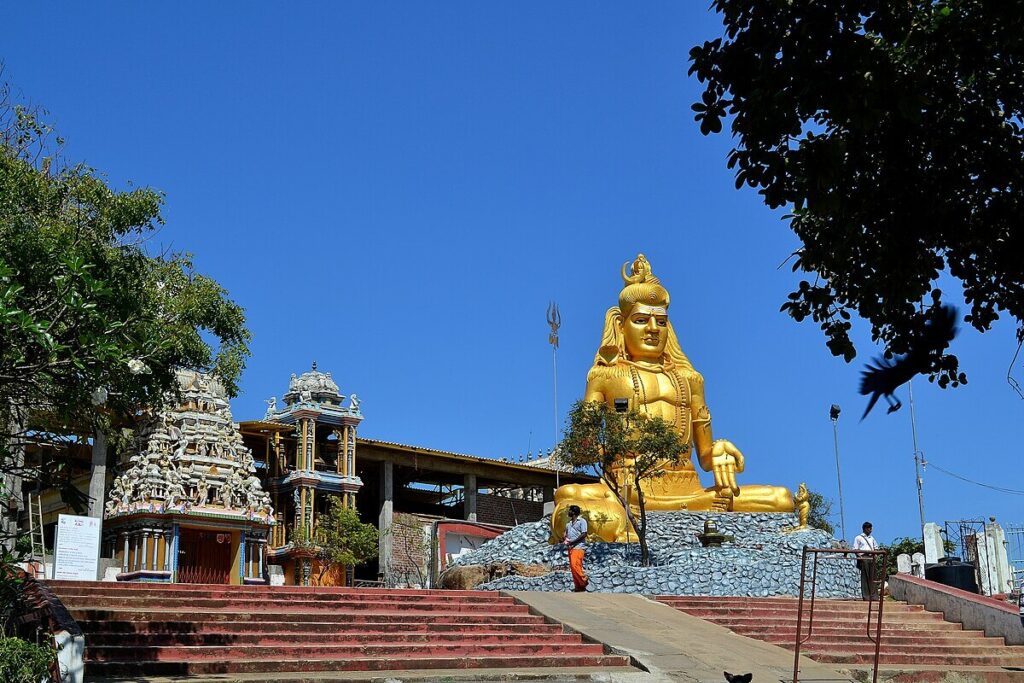
Koneswaram Temple is one of Trincomalee’s most famous landmarks and an excellent place to begin exploring the city.
Dedicated to Lord Shiva, this Hindu temple stands on Swami Rock, a dramatic promontory overlooking the Indian Ocean.
The setting is remarkable. As you approach the temple, you can admire sweeping coastal views while experiencing an important place of worship for Sri Lanka’s Tamil Hindu community.
The temple has a long and complex history, including destruction during the Portuguese colonial period and later reconstruction.
Today, it remains an active religious site rather than simply a historic monument.
What Should You See?
Admire the temple architecture, observe the surrounding coastal landscape and learn about its religious traditions.
Nearby viewpoints around Swami Rock offer beautiful sea views, although visitors should remain within designated safe areas.
Travel tip: Wear modest clothing, remove your shoes where required and avoid photographing worshippers without permission.
If you are interested in Sri Lanka’s spiritual heritage, read our guide to the most famous temples in Sri Lanka.
2. Nilaveli Beach
Best for: Beach holidays, couples and relaxation
Recommended visit: Half day or longer
Location: Around 15 km north of Trincomalee
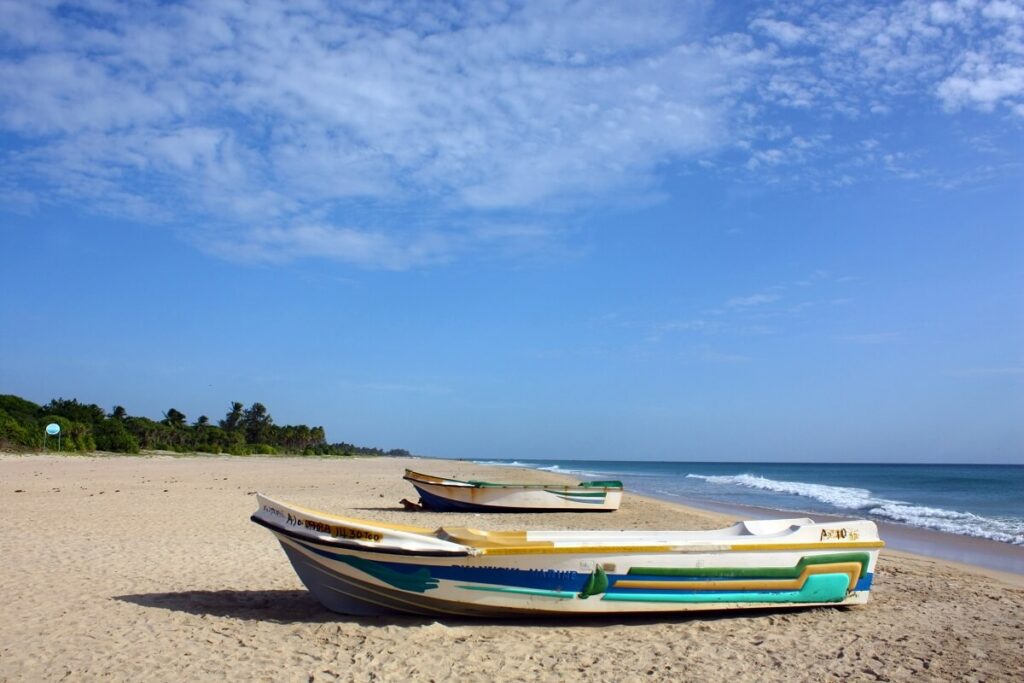
Nilaveli Beach is one of the most beautiful places to visit near Trincomalee.
Known for its long stretch of pale sand and attractive coastal scenery, the beach is particularly appealing to travellers looking for a peaceful seaside holiday.
During the main east-coast season, the sea can be calmer, making Nilaveli suitable for beach relaxation and selected water activities.
However, conditions vary from day to day. Swimming should always depend on local advice, currents and wave conditions.
What Makes Nilaveli Special?
The beach has a relaxed atmosphere and is a convenient base for visiting Pigeon Island National Park.
You can enjoy morning walks, spend time by the sea or relax at a nearby beach resort.
It is especially appealing for couples and families who prefer a less crowded setting.
Travel tip: Consider staying overnight in Nilaveli if beach relaxation is a major part of your holiday.
Explore the 7-day Sri Lanka East Coast Beaches Tour for a journey combining Trincomalee with other eastern coastal destinations.
3. Pigeon Island National Park
Best for: Snorkelling, nature and marine wildlife
Recommended visit: Half day
Access: Boat excursion from Nilaveli
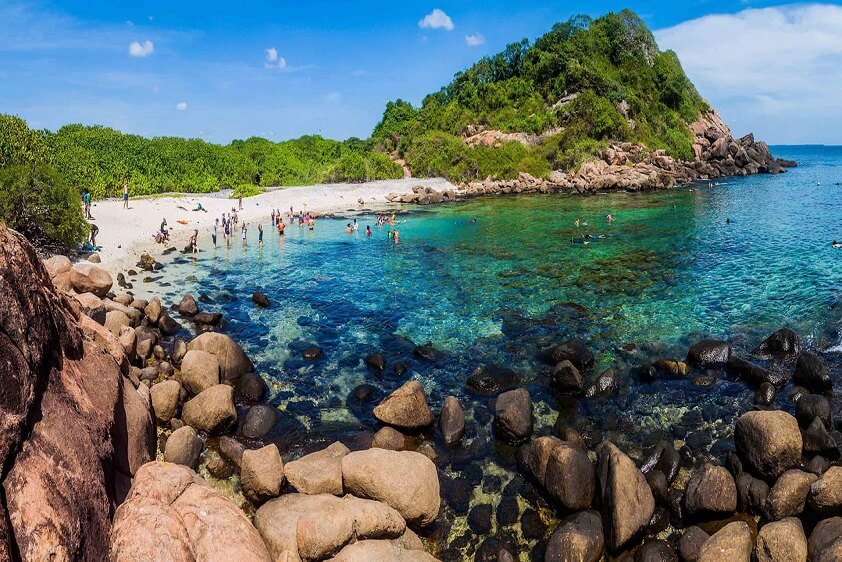
Pigeon Island National Park is one of Trincomalee’s best-known marine attractions.
Located offshore from Nilaveli, the protected park includes shallow reef environments that support a variety of marine species.
When visibility and sea conditions are suitable, visitors may see colourful reef fish, sea turtles and blacktip reef sharks.
However, wildlife encounters are not guaranteed, and parts of the reef have suffered damage from coral bleaching and visitor activity.
For this reason, responsible snorkelling is essential.
What Should You Know Before Visiting?
Pigeon Island requires the appropriate national park arrangements, in addition to a boat transfer.
Because fees and procedures can change, confirm the current requirements with an authorised operator.
Boat trips may also be cancelled during rough seas, particularly outside the main east-coast season.
Travel tip: Never stand on coral, touch marine animals or approach reef sharks. Use a properly fitted life jacket if required and follow your guide’s instructions.
For broader coastal inspiration, explore our guide to the best beaches in Sri Lanka.
4. Fort Frederick
Best for: History, architecture and sightseeing
Recommended visit: 45–90 minutes
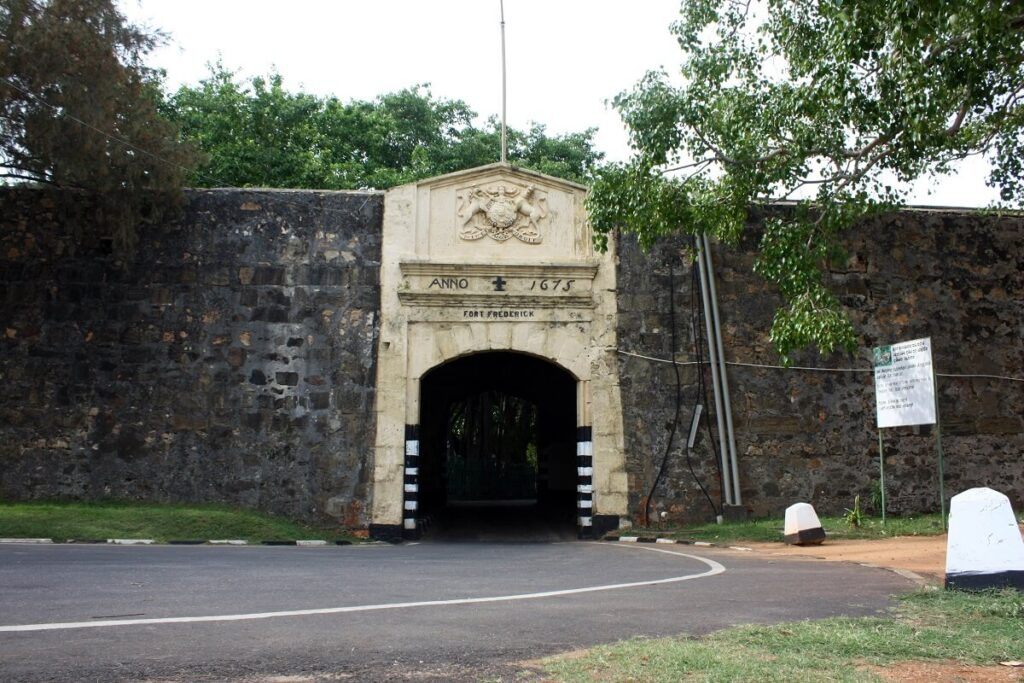
Fort Frederick is an important historic landmark close to the entrance of the Koneswaram Temple area.
The fort was originally established by the Portuguese in the seventeenth century and later occupied and modified by the Dutch and British.
Its location reflects Trincomalee’s longstanding strategic importance as a natural harbour.
Today, the historic fortifications and surrounding grounds provide an opportunity to learn about the city’s colonial past.
The area also forms part of a functioning military zone, so visitor access and photography may be restricted.
Why Visit Fort Frederick?
The fort is conveniently located near Koneswaram Temple, making it easy to include both attractions in the same sightseeing excursion.
Visitors may also encounter deer in the surrounding area.
However, avoid approaching or feeding wildlife.
Travel tip: Follow posted security restrictions and use only areas open to visitors. Do not assume that every historic building within the fort is accessible.
5. Uppuveli Beach

Best for: Beach resorts, cafés and relaxed holidays
Recommended visit: Half day or overnight stay
Uppuveli Beach is one of the most popular coastal areas around Trincomalee.
Located relatively close to the town centre, it is known for its sandy shoreline, beachfront accommodation and casual dining options.
Compared with more secluded beaches, Uppuveli offers a convenient combination of seaside relaxation and access to the city’s main attractions.
During the main east-coast season, visitors can enjoy beach walks, scenic views and selected water activities.
However, swimming conditions vary, and the beach should not be assumed safe during rough weather.
Should You Stay at Uppuveli or Nilaveli?
Uppuveli is a practical choice if you want a good selection of accommodation and restaurants while remaining near town.
Nilaveli is often better suited to travellers who prioritise a quiet beach setting and convenient access to Pigeon Island.
Both can be enjoyable, depending on your preferred travel style.
Travel tip: Book a beach stay around your interests rather than relying on photographs alone. Check the hotel’s actual beach access and current swimming conditions.
For a wider island itinerary, see our 10-day Best of Sri Lanka Tour, which includes Trincomalee.
6. Marble Beach
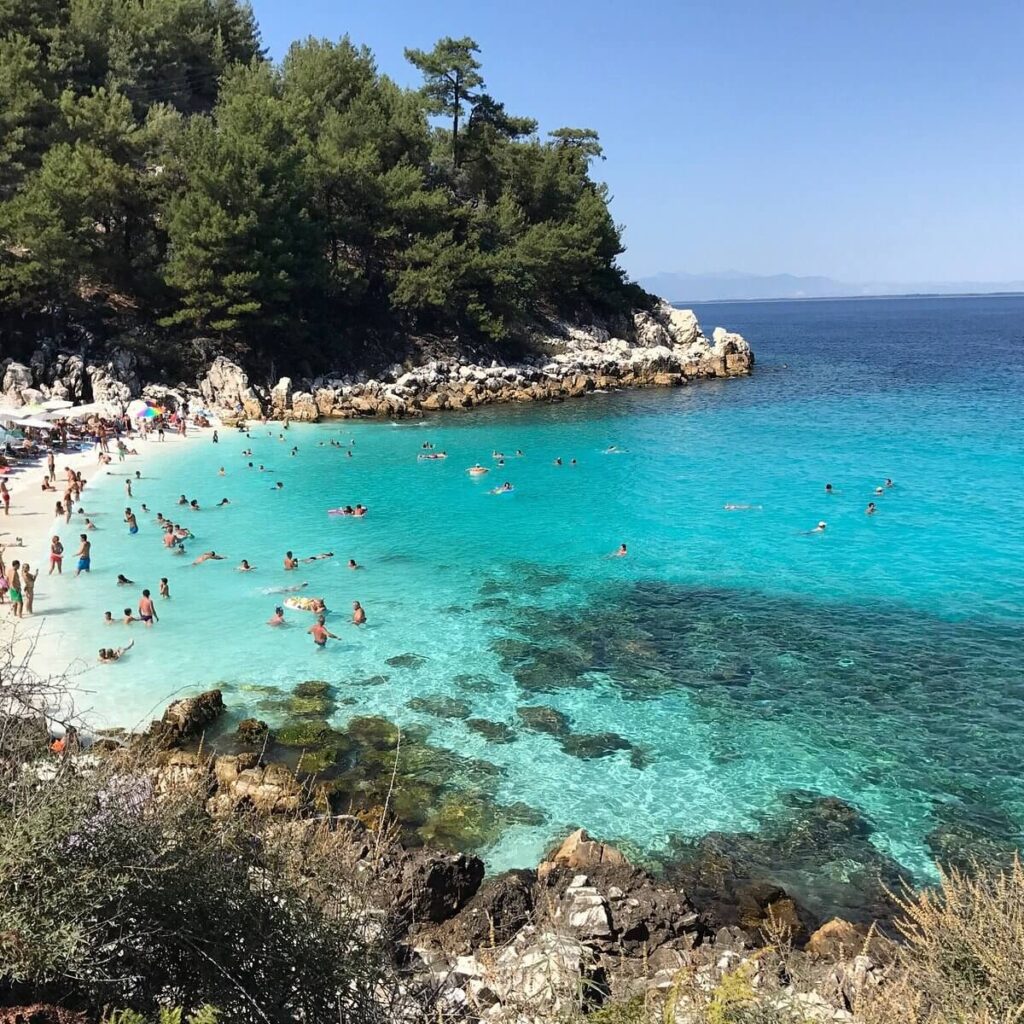
Best for: Coastal scenery, photography and relaxation
Recommended visit: 2–3 hours
Marble Beach is another beautiful coastal attraction in the Trincomalee area.
It is known for its sheltered setting, pale sand and attractive blue-green water during favourable conditions.
Compared with some of the more developed beach areas, Marble Beach can offer a peaceful atmosphere.
However, access arrangements may be influenced by local management and security requirements.
Therefore, travellers should confirm entry procedures before visiting.
What Can You Do at Marble Beach?
Enjoy the coastal scenery, relax on the sand and take photographs of the bay.
When authorised facilities are operating and sea conditions are suitable, swimming or other beach activities may be possible.
Nevertheless, do not assume that the water is always calm or that every section of the beach is open to visitors.
Travel tip: Visit during daylight and confirm opening arrangements before leaving your hotel.
7. Pathirakali Amman Temple
Best for: Religious traditions, temple architecture and culture
Recommended visit: 30–60 minutes
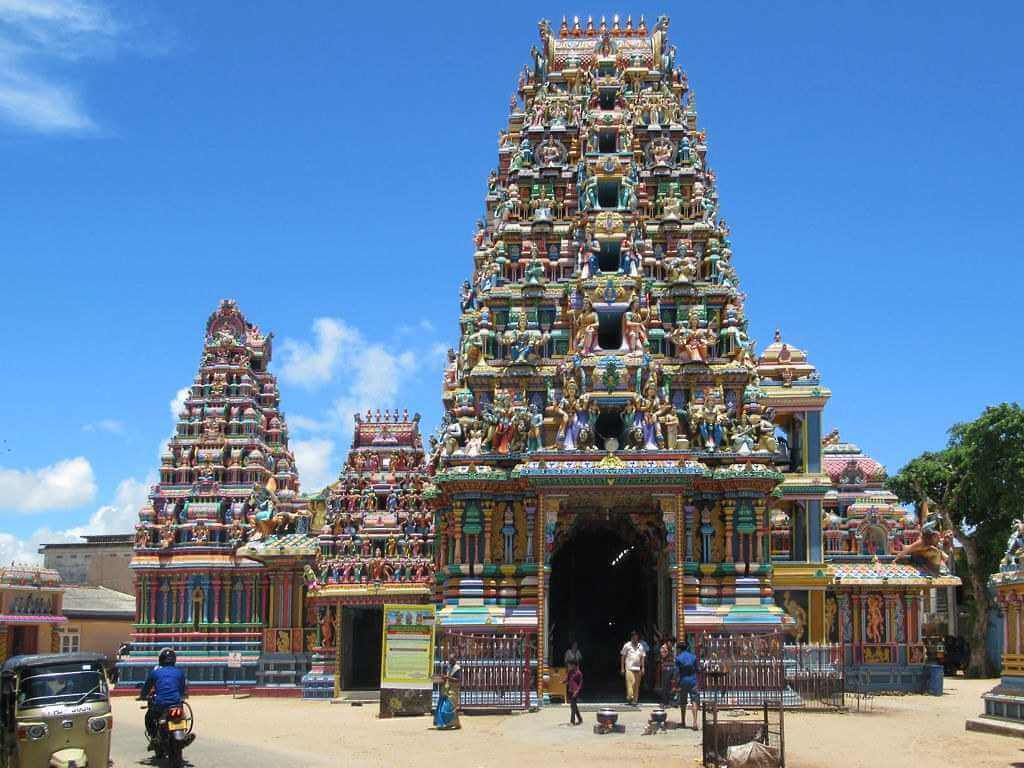
Pathirakali Amman Temple is one of Trincomalee’s most distinctive religious landmarks.
Dedicated to the Hindu goddess Bhadrakali, the temple is known for its colourful architectural details and rich devotional traditions.
Its elaborate sculptures and decorative features reflect the artistic character of Tamil Hindu temple architecture.
Unlike many archaeological attractions, this is an active place of worship.
As a result, visitors can gain a deeper appreciation of the city’s living cultural heritage.
What Makes the Temple Worth Visiting?
The colourful entrance and detailed religious imagery make the temple visually striking.
However, the real significance lies in its role within the local community.
Visitors should approach the experience respectfully and avoid interrupting prayers or ceremonies.
Travel tip: Follow the dress code and ask before photographing the interior.
For more cultural travel ideas, read our Sri Lanka temple guide.
8. Kanniya Hot Wells
Best for: Cultural heritage and local traditions
Recommended visit: 30–45 minutes
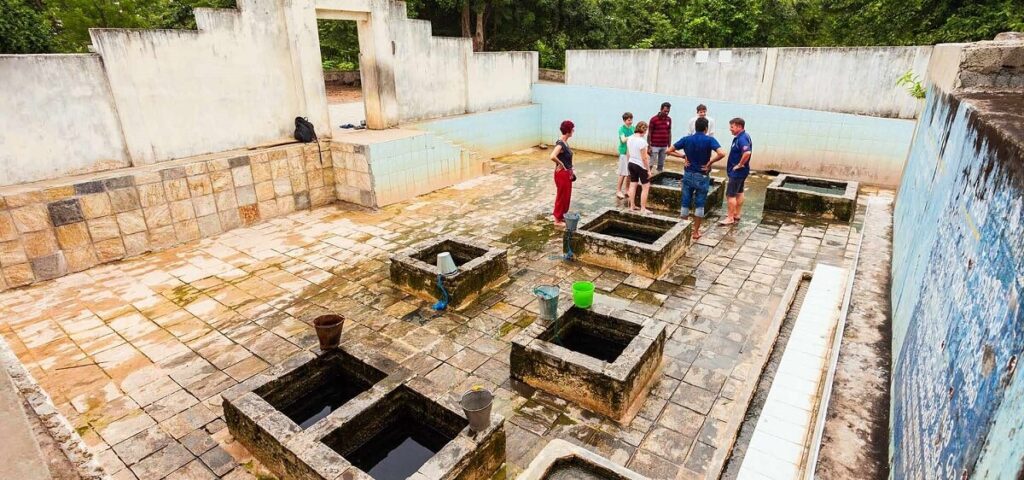
Kanniya Hot Wells, also called Kanniya Hot Springs, is a traditional attraction located outside central Trincomalee.
The site features seven wells containing naturally warm water.
It is associated with religious traditions and stories connected to the Ramayana, giving it cultural significance beyond its geological features.
Visitors come to observe the wells and learn about the local traditions associated with the site.
However, this is not a modern spa or bathing resort.
What Should Visitors Expect?
The wells are situated within a relatively compact historic site.
Access and the permitted use of the water may be regulated, and the temperature can vary.
Therefore, avoid treating the wells as a place for unrestricted swimming or bathing.
Travel tip: Follow local site rules, respect religious practices and confirm current visiting arrangements before arrival.
9. Velgam Vehera
Best for: Archaeology, history and peaceful sightseeing
Recommended visit: 45–60 minutes
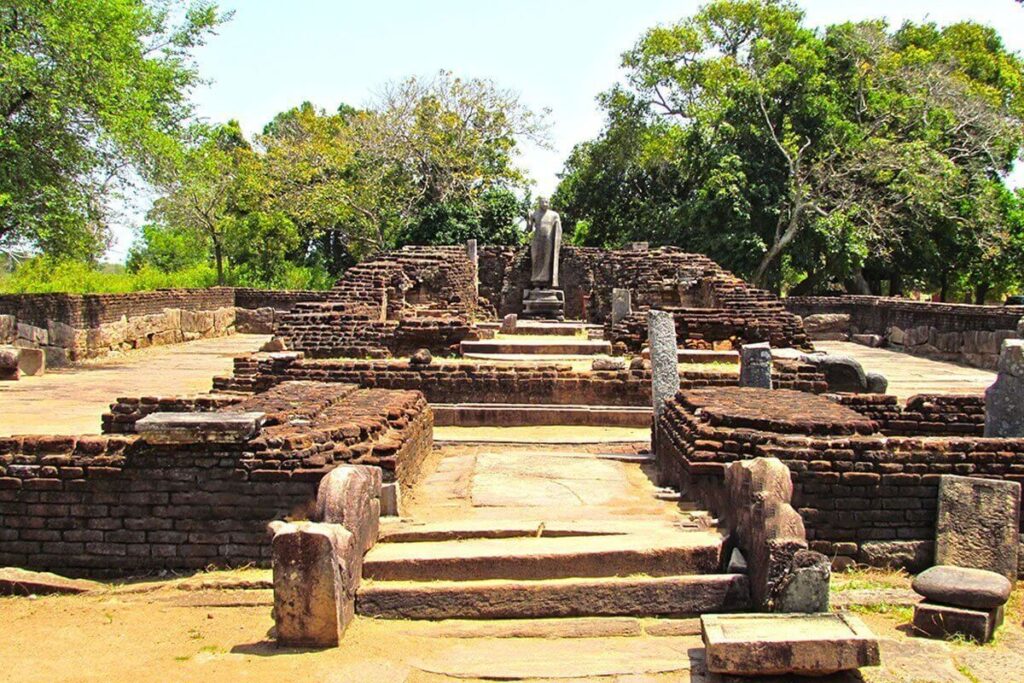
Velgam Vehera, also known as Velgam Vihara, is an important Buddhist archaeological site in the Trincomalee region.
Its remains reflect Sri Lanka’s long Buddhist history and the cultural connections that developed across the island.
The site contains ancient architectural remains and inscriptions associated with the region’s religious heritage.
Unlike Trincomalee’s popular beaches, Velgam Vehera offers a quieter experience.
For travellers interested in archaeology, it provides an opportunity to explore an aspect of the area’s history that is often overlooked.
Why Include Velgam Vehera?
The site adds variety to a trip that might otherwise focus mainly on beaches and water activities.
It is particularly suitable for visitors interested in understanding the different religious and cultural traditions of eastern Sri Lanka.
Travel tip: Visit with a knowledgeable guide if you want more historical context. Dress respectfully and avoid disturbing archaeological remains.
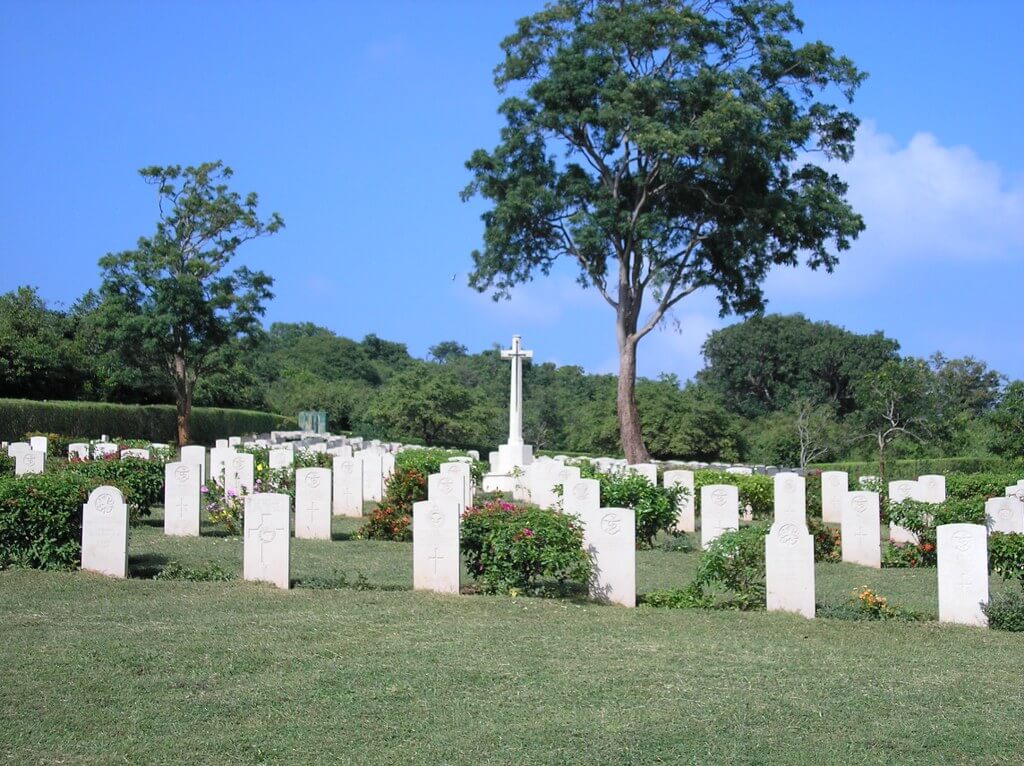
10. Trincomalee Commonwealth War Cemetery
Best for: World War II history and reflection
Recommended visit: 30–45 minutes
Trincomalee Commonwealth War Cemetery is an important historic site commemorating service personnel who died during the Second World War.
Its carefully maintained grounds and memorial records provide a reminder of Sri Lanka’s strategic role during the conflict.
Trincomalee’s harbour was a significant naval location, making the region important in wartime operations.
Today, the cemetery offers a quiet place to reflect on that history.
What Should You Know Before Visiting?
This is a commemorative site rather than a recreational attraction.
Visitors should behave respectfully, avoid disturbing memorials and follow the grounds’ visiting rules.
Those interested in military history may find that a visit adds valuable context to nearby Fort Frederick.
Travel tip: Check current access arrangements and allow time for a quiet, unhurried visit.
Trincomalee Tourist Places: Quick Comparison
| Attraction | Best for | Time needed |
| Koneswaram Temple | Religion and sea views | 1 hour |
| Nilaveli Beach | Relaxation | Half day |
| Pigeon Island | Snorkelling | Half day |
| Fort Frederick | Colonial history | 1 hour |
| Uppuveli Beach | Beach stay and cafés | Half day |
| Marble Beach | Coastal scenery | 2–3 hours |
| Pathirakali Amman Temple | Tamil Hindu heritage | 30–60 minutes |
| Kanniya Hot Wells | Local traditions | 30–45 minutes |
| Velgam Vehera | Buddhist archaeology | 1 hour |
| Commonwealth War Cemetery | World War II history | 30–45 minutes |
For a first visit, I recommend starting with Koneswaram Temple, Fort Frederick, Nilaveli Beach and Pigeon Island.
If you have more time, add the historic and cultural attractions around town.
Best Things to Do in Trincomalee:
Go Snorkelling at Pigeon Island
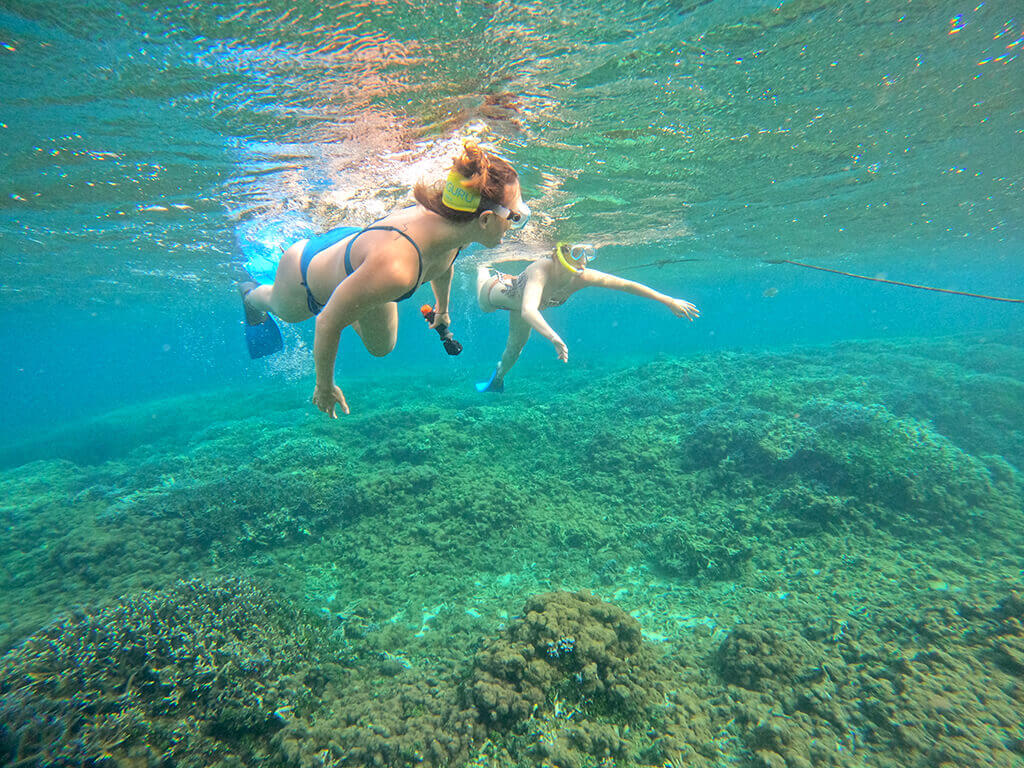
A guided snorkelling excursion is one of the area’s most popular marine experiences.
However, safe conditions, visibility and park access are essential.
Choose an authorised operator and follow reef-protection rules.
Enjoy a Beach Holiday
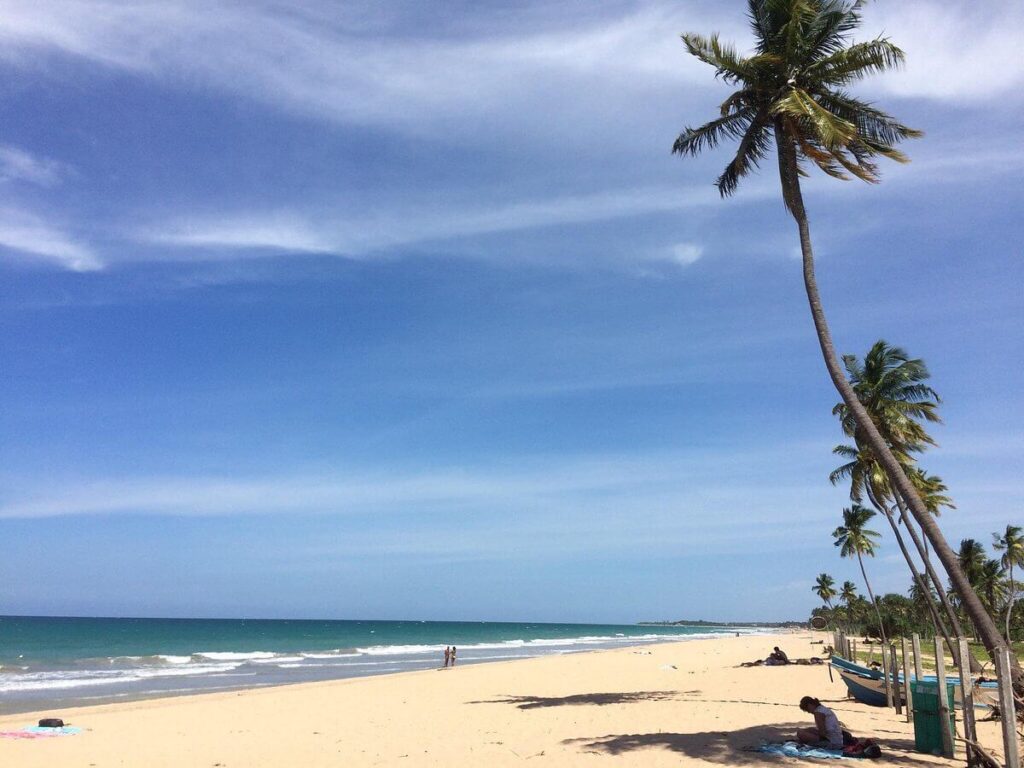
Nilaveli and Uppuveli offer different beach experiences.
Nilaveli is particularly suitable for travellers seeking a quieter atmosphere, while Uppuveli offers convenient access to accommodation and restaurants.
Explore Hindu Temples
Koneswaram and Pathirakali Amman temples provide an introduction to Trincomalee’s Tamil Hindu heritage.
Both are active religious sites, so respectful dress and behaviour are important.
Discover the City’s Colonial History
Fort Frederick and the Commonwealth War Cemetery help explain Trincomalee’s significance during different periods of European colonial and military history.
A local guide can help connect these landmarks to the wider history of the harbour.
Consider a Marine Wildlife Excursion
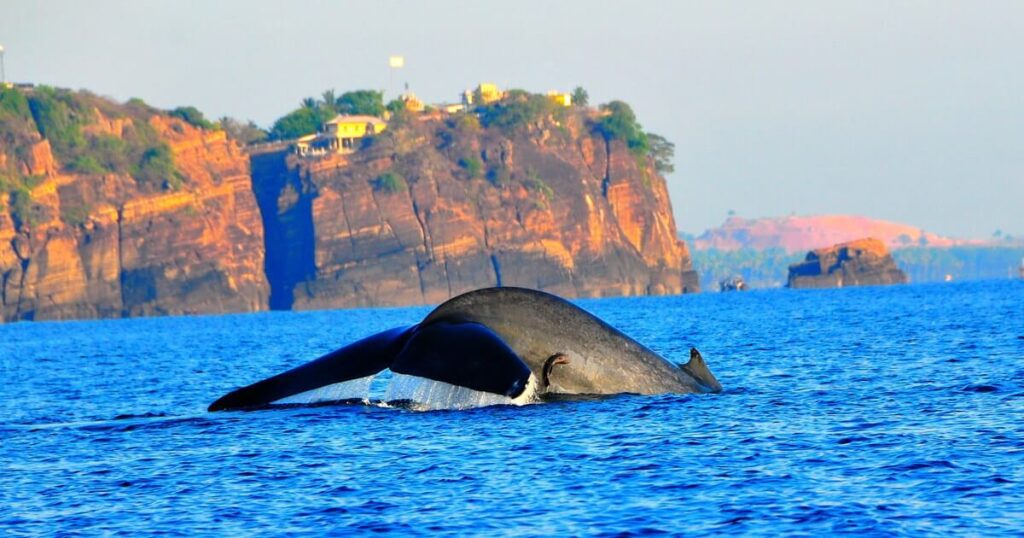
Whale- and dolphin-watching trips are offered in the Trincomalee area during suitable seasons.
However, sightings are never guaranteed, and trips should operate only in appropriate sea conditions.
Choose responsible operators who maintain a safe distance from marine animals.
Best Time to Visit Trincomalee:
The best time to visit Trincomalee depends on whether you want a beach holiday, snorkelling or cultural sightseeing.
The northeast coast has a different seasonal pattern from Sri Lanka’s south and west coasts.
April to September
This is generally the most favourable period for visiting Trincomalee’s beaches.
During suitable weather, Nilaveli and Uppuveli may have calmer sea conditions.
It is also the main season for many snorkelling and marine activities.
However, local conditions can still affect boat operations.
October to January
The northeast monsoon can bring heavy rain and rougher seas to eastern Sri Lanka.
As a result, boat trips and snorkelling may be disrupted or unavailable.
This period is generally less dependable for a beach-focused Trincomalee holiday.
February to March
Conditions may gradually improve as the wetter season ends.
However, sea conditions remain variable, particularly earlier in the period.
For the strongest beach experience, many travellers prefer the later dry-season months.
For a countrywide comparison, read our best time to visit Sri Lanka guide.
How Many Days Do You Need in Trincomalee?
Two days can cover the main city attractions and one beach area.
However, three days is more comfortable if you want to include a marine excursion and time to relax.
One Day in Trincomalee
Start with Koneswaram Temple and the permitted areas around Fort Frederick.
Afterwards, visit Pathirakali Amman Temple and enjoy a relaxed afternoon at Uppuveli Beach.
This route provides a good introduction to the city’s history, culture and coast.
Two Days in Trincomalee
Historic Trincomalee: Explore Koneswaram Temple, Fort Frederick, Pathirakali Amman Temple and the Commonwealth War Cemetery.
Beach and Marine Experiences: Spend time at Nilaveli Beach and consider Pigeon Island if sea conditions and park access permit.
Three Days in Trincomalee
Cultural Sightseeing: Visit the principal temples and historic sites around town.
Beach Exploration: Enjoy Nilaveli and Pigeon Island, depending on weather and boat arrangements.
Relaxed Local Excursions: Choose between Marble Beach, Kanniya Hot Wells, Velgam Vehera or additional time at Uppuveli.
For a longer holiday, explore our 7-day Sri Lanka East Coast Beaches Tour.
How to Reach Trincomalee:
Trincomalee lies on Sri Lanka’s northeast coast and can be reached from Colombo, Sigiriya, Anuradhapura and other major destinations.
From Colombo by Road
The journey generally takes around six to eight hours, depending on your starting point, traffic and route.
A private vehicle provides flexibility for rest stops along the way.
However, travellers should avoid planning too much sightseeing immediately after a long transfer.
By Train
Rail services connect Colombo with Trincomalee, although timetables and service arrangements can change.
Check the official Sri Lanka Railways schedule before planning your journey.
From Sigiriya
Sigiriya and Trincomalee combine well in an eastern Sri Lanka itinerary.
The drive commonly takes approximately two to three hours, depending on the exact starting point and road conditions.
As a result, many travellers explore the Cultural Triangle before continuing to the beach.
From the Airport
Travellers arriving at Bandaranaike International Airport can continue by road or arrange a suitable overnight stop.
For a relaxed holiday, avoid combining a long overnight flight with an exhausting road journey.
Where to Stay in Trincomalee: Nilaveli or Uppuveli?
Both beach areas are popular, but they suit slightly different travel styles.
| Nilaveli | Uppuveli |
| Quieter beach atmosphere | Convenient access to town |
| Popular for resort stays | Good choice of smaller hotels and cafés |
| Closest to Pigeon Island excursions | Convenient for cultural sightseeing |
| Suitable for a relaxed beach holiday | Suitable for shorter visits and mixed sightseeing |
Choose Nilaveli if your priority is beach relaxation and nearby marine excursions.
On the other hand, Uppuveli may be more convenient if you want restaurants, casual accommodation and easy access to Trincomalee town.
In either location, check current sea conditions and the hotel’s actual facilities before booking.
Useful Travel Tips for Trincomalee:
Plan Around the East-Coast Season
Sri Lanka’s different monsoon patterns make timing important.
A holiday that works well on the south coast in January may not be ideal for Trincomalee at the same time.
Confirm Pigeon Island Access
Park entry procedures, boat arrangements and sea conditions can change.
Therefore, check local availability before making the excursion an essential part of your itinerary.
Protect Marine Wildlife
Avoid standing on coral, feeding fish or touching sea turtles and reef sharks.
Responsible behaviour helps protect the marine environment.
Dress Respectfully at Temples
Koneswaram and Pathirakali Amman temples are places of active worship.
Follow local dress requirements and respect religious ceremonies.
Carry Some Sri Lankan Rupees
Cards may be accepted at many hotels, but cash is useful for smaller shops, local transport and miscellaneous expenses.
Avoid Overcrowding Your Itinerary
Trincomalee is best enjoyed at a relaxed pace.
Rather than rushing through ten attractions in one day, allow time for the beach, local food and cultural experiences.
Frequently Asked Questions About Trincomalee:
1. What are the best places to visit in Trincomalee?
The main attractions include Koneswaram Temple, Nilaveli Beach, Pigeon Island National Park, Fort Frederick, Uppuveli Beach, Marble Beach, Pathirakali Amman Temple and Kanniya Hot Wells.
2. What is Trincomalee famous for?
Trincomalee is famous for its natural harbour, historic temples, colonial landmarks, beautiful beaches and marine activities, particularly snorkelling around Pigeon Island.
3. Is Trincomalee worth visiting?
Yes. It is an excellent choice for travellers interested in a combination of beach relaxation, cultural sightseeing and marine activities. However, the season matters for water-based experiences.
4. What is the best time to visit Trincomalee?
April to September is generally the better period for beach holidays and snorkelling, although daily sea conditions can still vary.
5. How many days are enough for Trincomalee?
Two or three days are suitable for the main attractions. A longer stay is worthwhile if you prefer a relaxed beach holiday.
6. Which is better, Nilaveli or Uppuveli Beach?
Nilaveli is often preferred for a quieter resort-style stay and convenient access to Pigeon Island. Uppuveli is useful for travellers who want restaurants, accommodation choices and proximity to town.
7. Can you snorkel at Pigeon Island National Park?
Yes, snorkelling is a popular activity when the park is open and sea conditions are suitable. Entry arrangements and boat transfers must be confirmed locally.
8. Is Pigeon Island safe for beginners?
Conditions vary. Beginners should use qualified operators, appropriate flotation equipment and suitable guidance. Rough seas or currents may make an excursion unsuitable.
9. Can you see whales in Trincomalee?
Marine wildlife excursions may operate during suitable seasons, but whale sightings are not guaranteed. Choose responsible operators who follow wildlife-viewing guidelines.
10. Is Trincomalee good for families?
Yes, particularly for families interested in beach relaxation and cultural sightseeing. However, swimming and marine activities should depend on actual conditions and individual abilities.
11. How far is Trincomalee from Colombo?
Trincomalee is approximately 260 km from Colombo by road, depending on the route. Travel commonly takes around six to eight hours.
12. Can you visit Trincomalee from Sigiriya?
Yes. Sigiriya and Trincomalee combine well in a Sri Lanka itinerary, and the road journey generally takes around two to three hours.
13. Are there temples to visit in Trincomalee?
Yes. Koneswaram Temple and Pathirakali Amman Temple are two of the city’s most important Hindu religious sites.
14. Is Trincomalee suitable for a honeymoon?
Yes. Couples looking for peaceful beaches, resort stays and scenic coastal experiences may enjoy Nilaveli and Uppuveli, particularly during the main east-coast season.
15. Can I combine Trincomalee with other places in Sri Lanka?
Absolutely. Popular combinations include Sigiriya, Polonnaruwa, Pasikuda and Batticaloa.
For itinerary inspiration, explore Tusk Travel’s 12-day Northern and Eastern Sri Lanka tour.
Final Thoughts
Trincomalee offers a refreshing combination of Sri Lanka’s coastal beauty and cultural heritage.
For a first visit, Koneswaram Temple, Fort Frederick and Nilaveli Beach are excellent starting points. Meanwhile, Pigeon Island can be a memorable marine excursion when conditions allow.
However, the city’s quieter attractions deserve attention too. Pathirakali Amman Temple, Velgam Vehera and the Commonwealth War Cemetery reveal different chapters of Trincomalee’s history.
The best way to experience the region is to choose a suitable season, allow two or three days and balance sightseeing with relaxed time by the sea.
If you are planning a private holiday, explore Tusk Travel’s Trincomalee tour packages or Sri Lanka travel itineraries for a journey built around your preferred travel dates and interests.
