Why Choose a Wildlife India Tour?
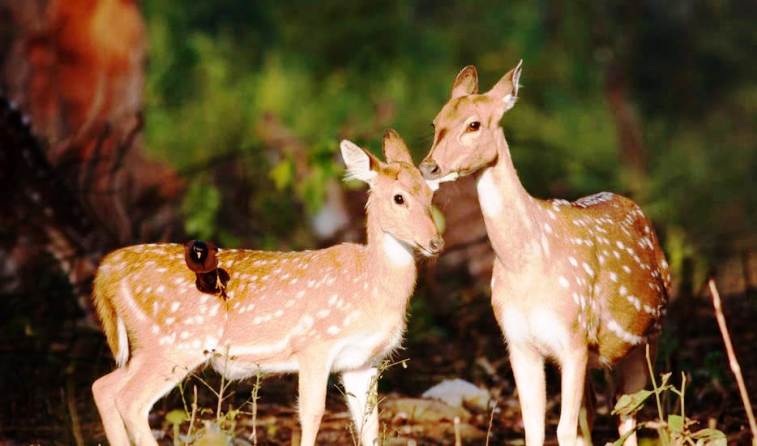
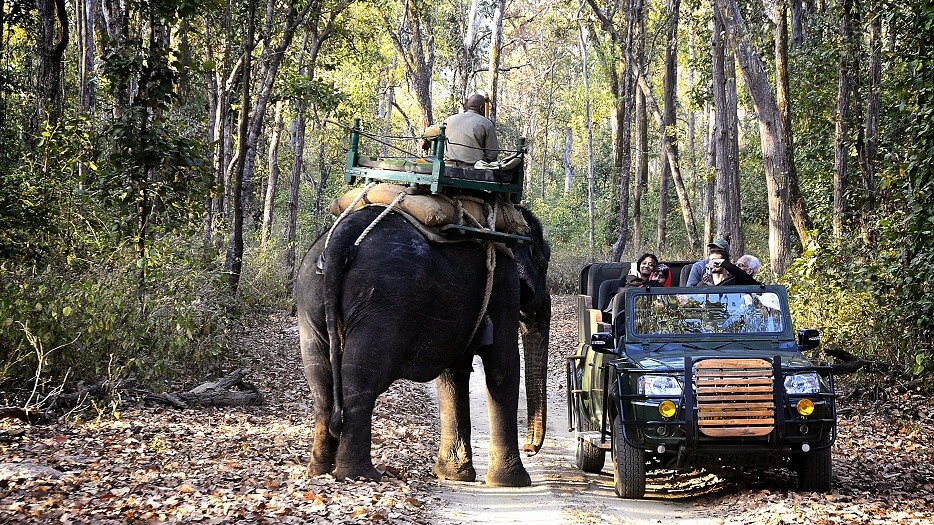
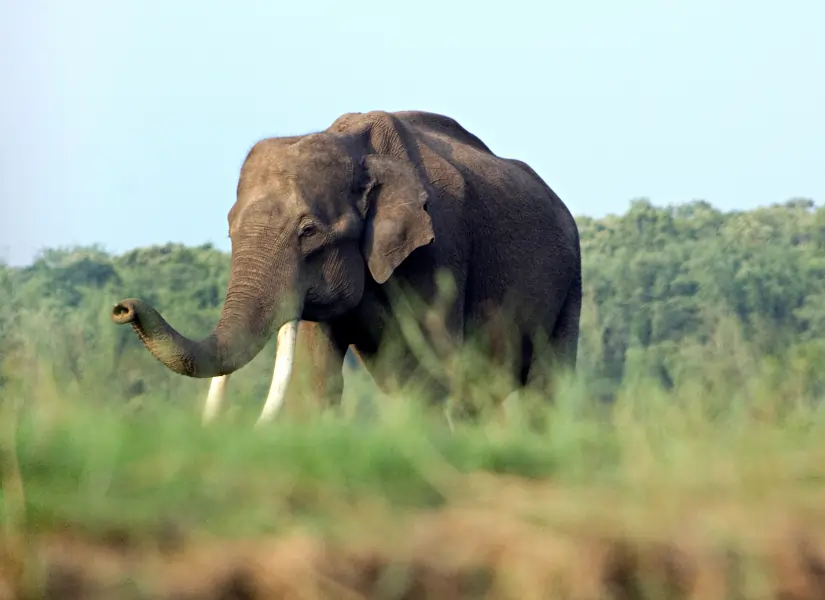
For an international traveler, India offers more than just wildlife spotting. It is about stepping into landscapes shaped by centuries of culture and conservation. You can explore forests once ruled by maharajas, trek through Himalayan valleys, or glide past ancient temples while elephants bathe in the river. Unlike African safaris, which often focus on the Big Five, a wildlife safari in India combines big cat encounters with birds, reptiles, and cultural immersion. It is an experience where natural and human heritage meet.
Types of Wildlife Safaris in India
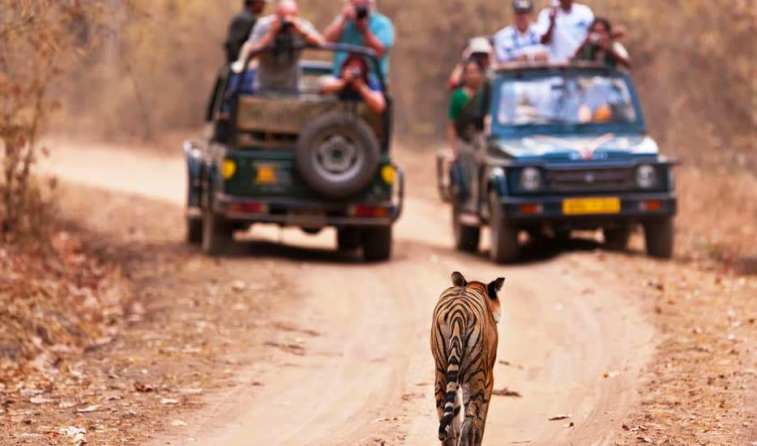
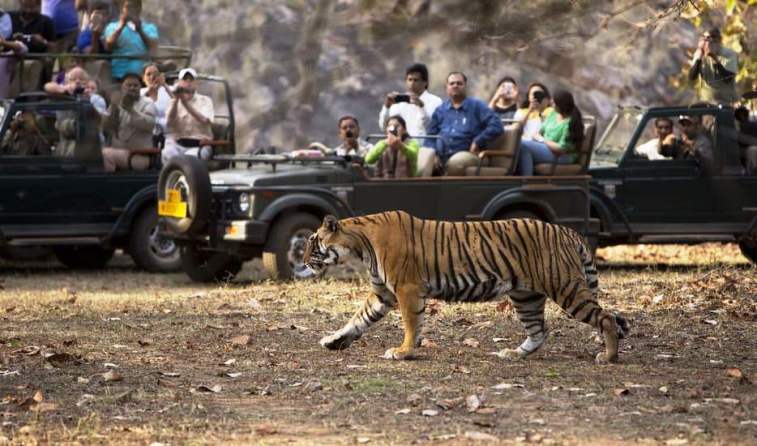
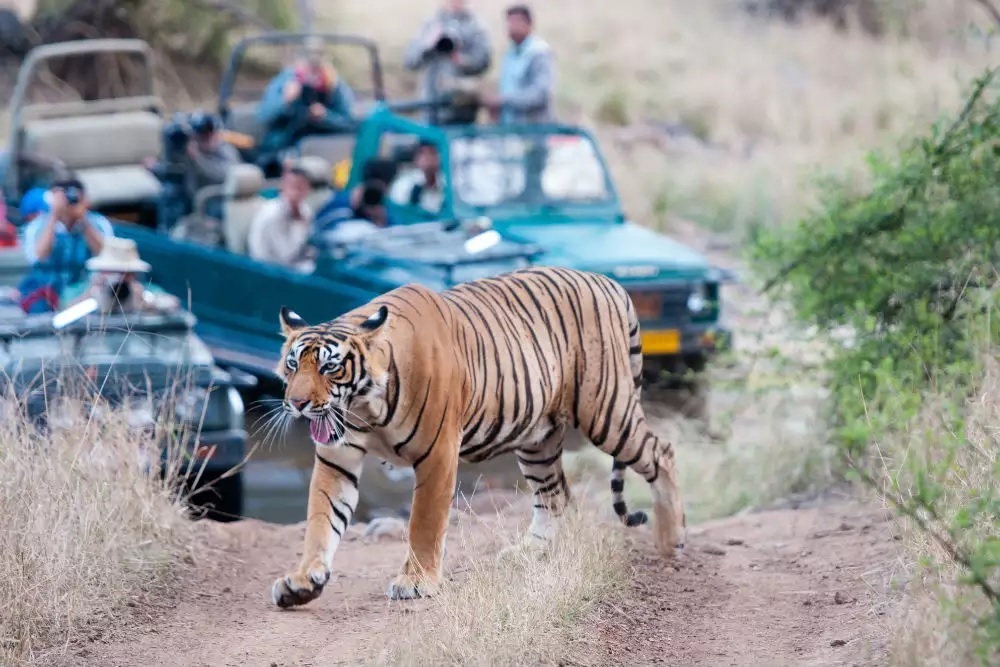
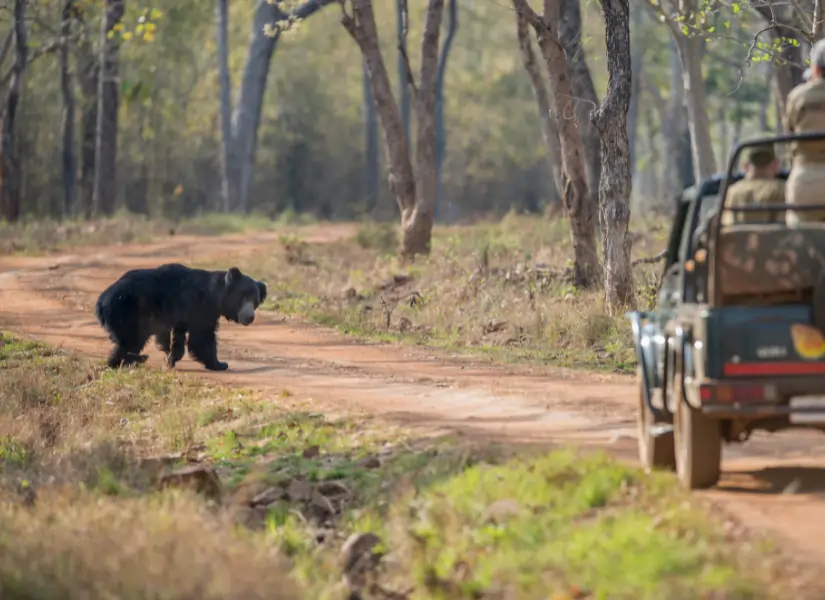
- Jeep Safaris: The most popular and efficient way to explore tiger reserves such as Ranthambore, Bandhavgarh, and Corbett. Ideal for photographers and small groups.
- Canter Safaris: Large open vehicles seating up to 20 people, often used in Ranthambore for those unable to secure jeep permits.
- Boat Safaris: Available in Kerala’s Periyar Wildlife Sanctuary and West Bengal’s Sundarbans, perfect for spotting elephants, crocodiles, and river dolphins.
- Trekking & Walking Safaris: In places like Nanda Devi or Valley of Flowers, you’ll explore on foot with local guides through alpine meadows and rare habitats.
- Hot Air Balloon Safaris: Offered in Ranthambore for a unique bird’s-eye view of the forest and its wildlife.
- Night Safaris: With special permits, parks like Bandhavgarh and Corbett allow night drives to spot nocturnal species.
Top Wildlife Destinations in India
1. Ranthambore National Park, Rajasthan
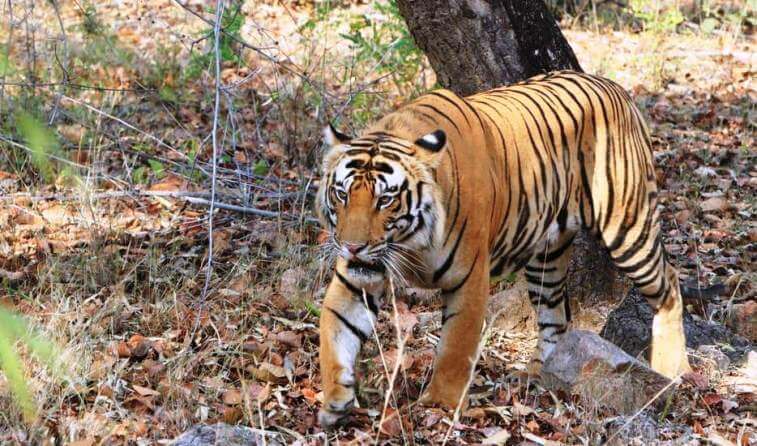
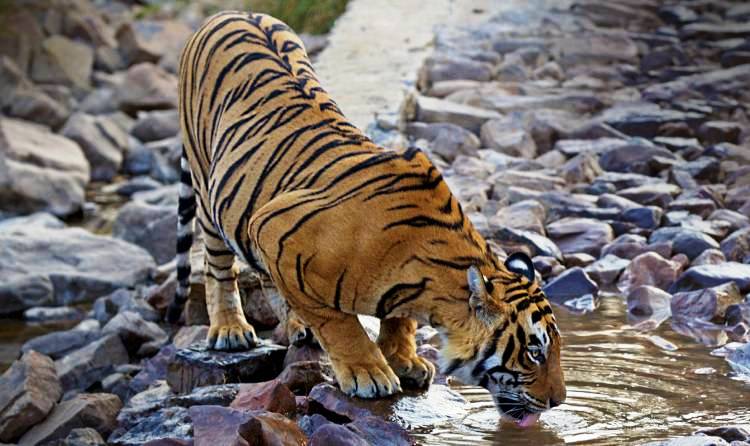
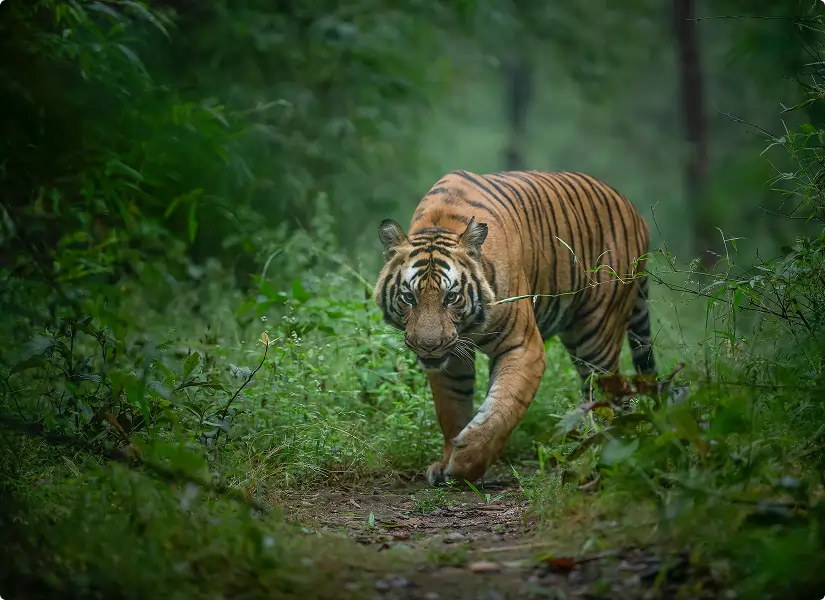
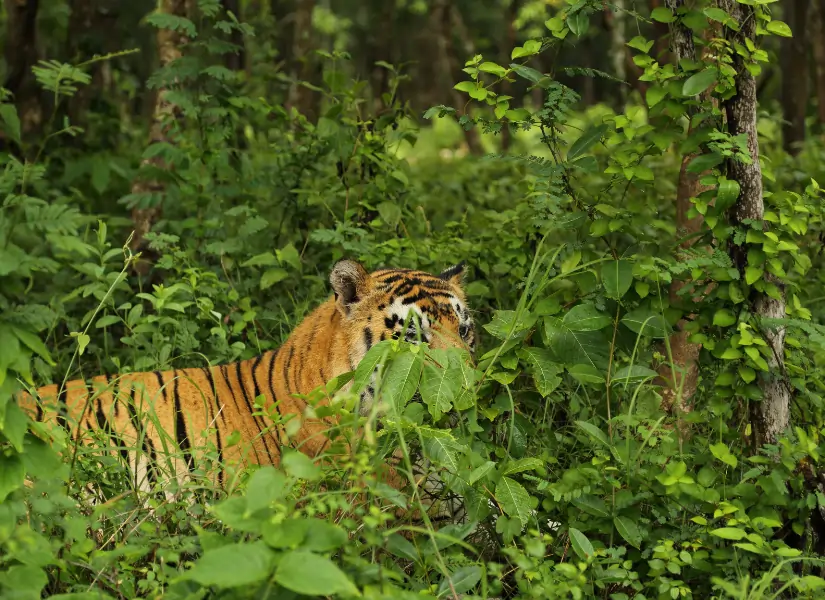
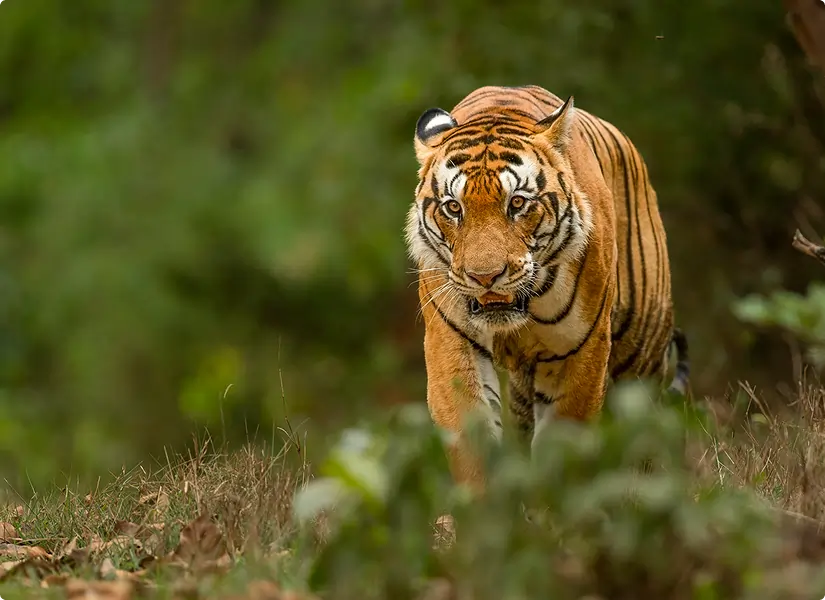
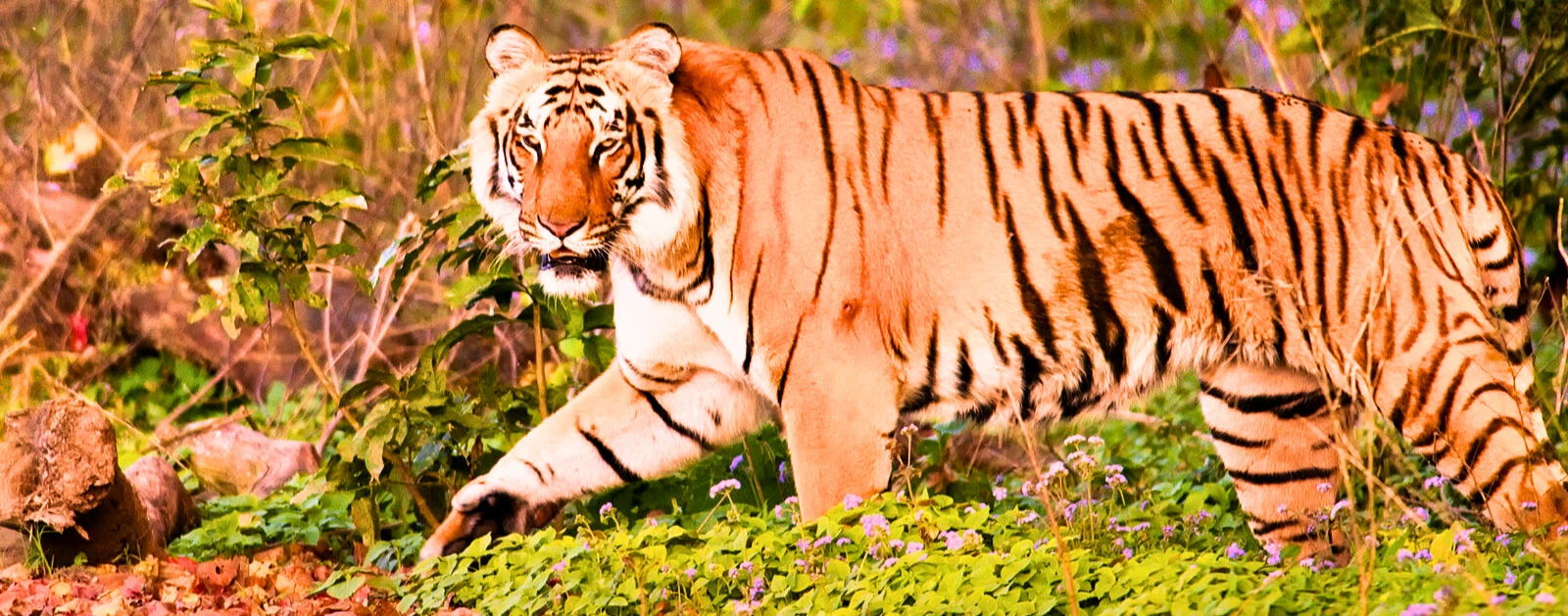
Ranthambore is one of the best places in India to see Bengal tigers in the wild. The park’s dramatic landscape is dotted with lakes, ruins, and the iconic Ranthambore Fort, offering both wildlife and history in one trip.
How to reach: Nearest airport is Jaipur (180 km, 3–4 hours by road). The nearest railway station is Sawai Madhopur (15 km). Best time: October–June, with April–May offering the highest chance of tiger sightings. Safari booking: Permits must be reserved online at Rajasthan Forest Department’s site, ideally 90 days in advance. Cost: Around USD 25–35 per safari for international travelers. Stay: Luxury lodges like Oberoi Vanyavilas, mid-range resorts near Sawai Madhopur, and budget guesthouses outside the park.
2. Jim Corbett National Park, Uttarakhand
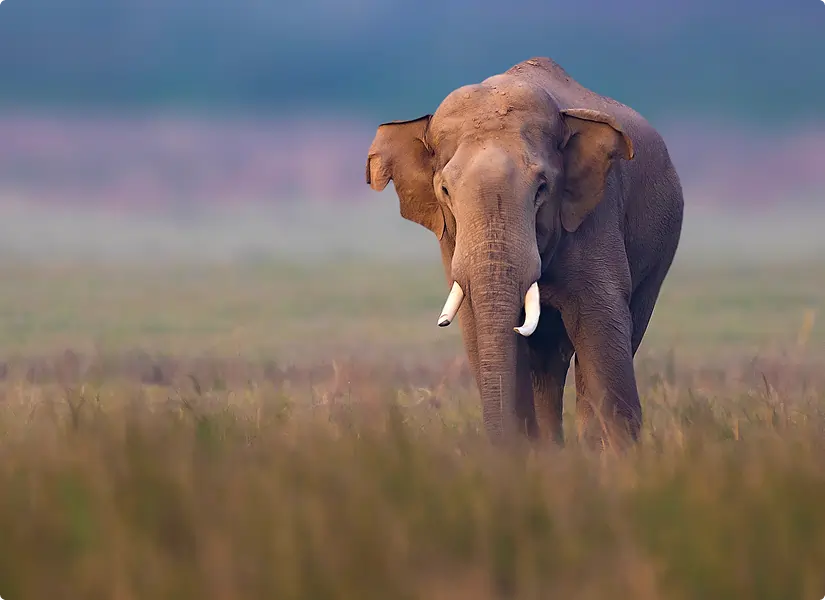
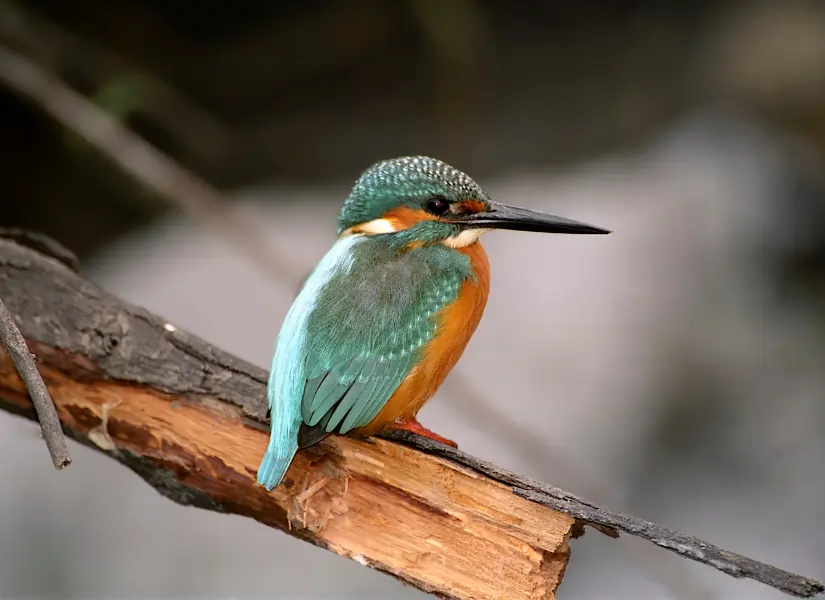
Established in 1936, Jim Corbett is India’s oldest national park and a pioneer in tiger conservation. Its diverse terrain of forests, rivers, and grasslands makes it a favorite among nature enthusiasts. Apart from tigers, Corbett is home to elephants, gharials, and over 600 bird species.
How to reach: Nearest railway station is Ramnagar (12 km). Delhi is about 5 hours away by car. Best time: November–June (Dhikala zone is closed during monsoon). Safari booking: Online permits are issued through the official Uttarakhand Forest website. Cost: USD 20–30 per safari. Stay: Dhikala Forest Rest House (inside the park), The Den Corbett (mid-range), or Taj Corbett Resort & Spa (luxury).
3. Gir National Park, Gujarat
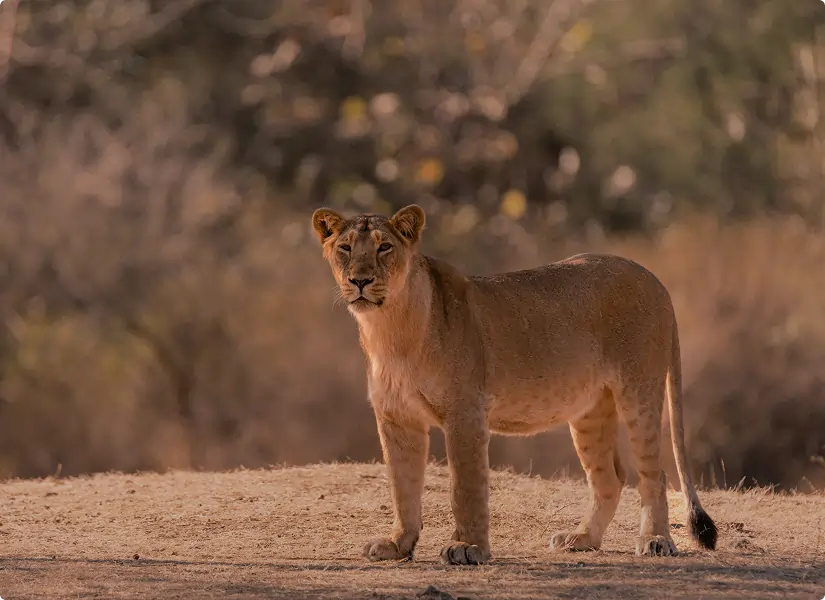
Gir National Park is the only place on Earth where you can see Asiatic lions. The park’s dry forests and rocky hills are also home to leopards, striped hyenas, and a rich birdlife.
How to reach: Nearest airport is Rajkot (160 km, 3–4 hours). Junagadh railway station is 65 km away. Best time: December–April. Avoid monsoon when the park is closed. Safari booking: Online permits available through Gujarat Forest Department. Cost: Approx. USD 20–25 for jeep safari. Stay: Budget hotels in Sasan Gir village, or luxury lodges like The Gateway Hotel Gir Forest.
4. Kaziranga National Park, Assam
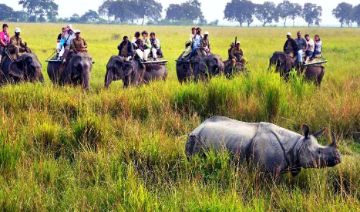
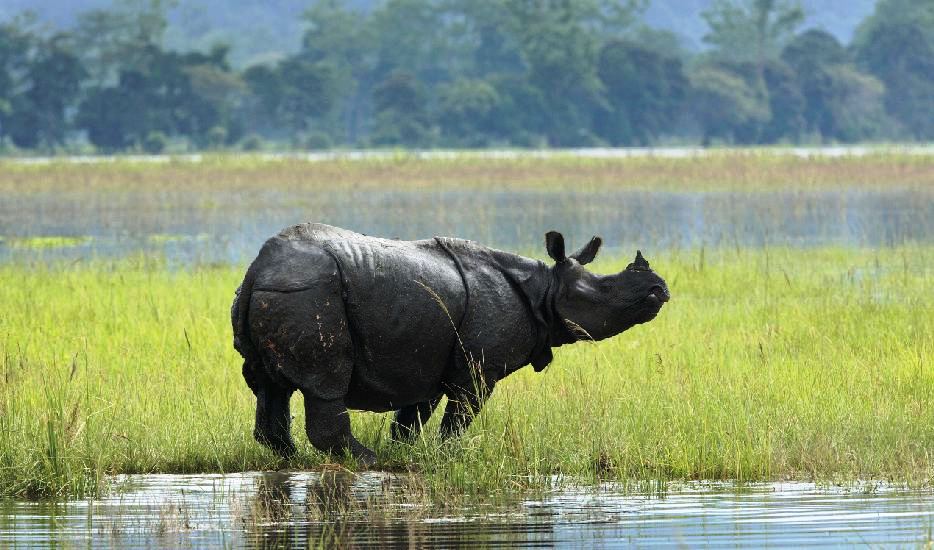
A UNESCO World Heritage Site, Kaziranga is famous for its one-horned rhinoceros. Safaris here take you through tall elephant grass and wetlands, with chances of spotting elephants, swamp deer, wild buffalo, and tigers. River cruises on the Brahmaputra add a unique twist to the experience.
How to reach: Nearest airport is Jorhat (97 km). Guwahati Airport is 217 km (5–6 hours by road). Best time: November–April. Park closes during heavy monsoon. Safari booking: Permits are available online and at park gates. Cost: USD 20–30 per safari. Stay: Diphlu River Lodge (luxury), Wild Grass Lodge (mid-range), and government guesthouses nearby.
5. Nanda Devi National Park, Uttarakhand
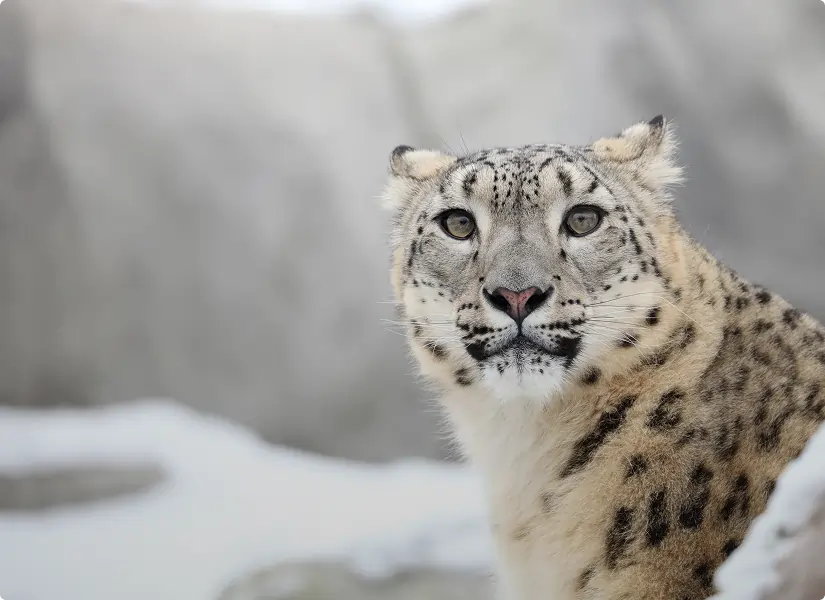
Nanda Devi is not just a wildlife reserve but also a UNESCO-listed biosphere. Known for its alpine meadows, glaciers, and snow leopards, it is best explored on multi-day treks. This park is more suited to adventurous travelers who want to combine trekking with wildlife encounters.
How to reach: Nearest base town is Joshimath, accessible from Rishikesh (280 km). Best time: April–October. Winters are snowbound. Stay: Homestays and eco-lodges in Joshimath or Auli. Note: Entry is restricted, and special permits are required through Uttarakhand authorities.
Other Wildlife Hotspots Worth Visiting
- Bandhavgarh National Park (Madhya Pradesh): Highest density of tigers in India. Ideal for photography.
- Kanha National Park (Madhya Pradesh): Inspiration for "The Jungle Book", known for barasingha (swamp deer).
- Periyar Wildlife Sanctuary (Kerala): Boat safaris on Periyar Lake to spot elephants and wild boar.
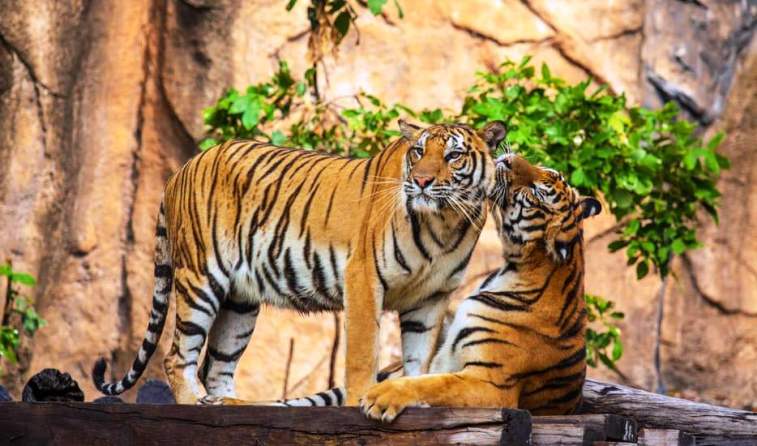
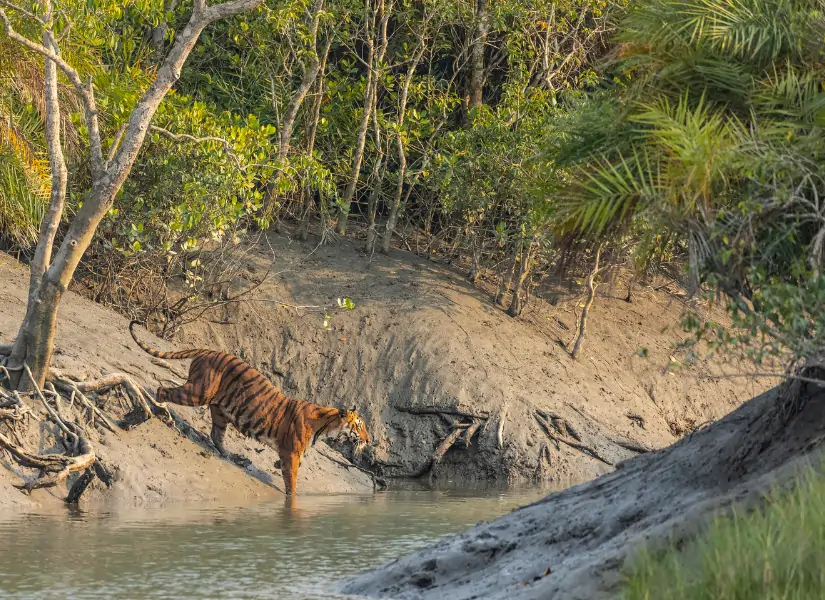
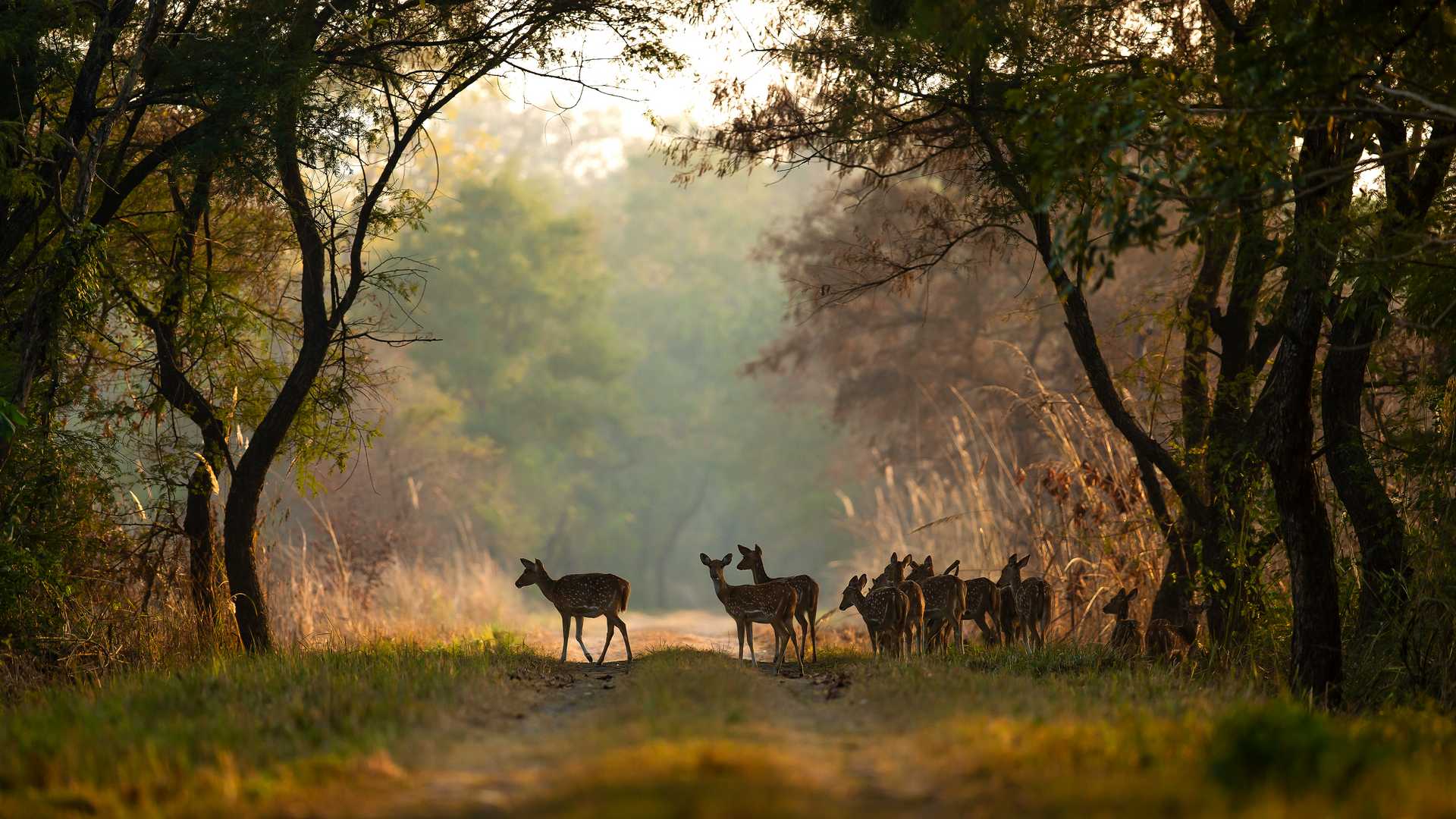
- Sundarbans (West Bengal): Famous for mangrove safaris and the elusive Royal Bengal tiger.
- Valley of Flowers (Uttarakhand): High-altitude meadows that bloom spectacularly during July–August.
Suggested Itineraries for International Travelers
Planning your wildlife safari in India depends on how much time you have:
- 7–8 days: Delhi → Corbett → Ranthambore → Agra (Taj Mahal add-on).
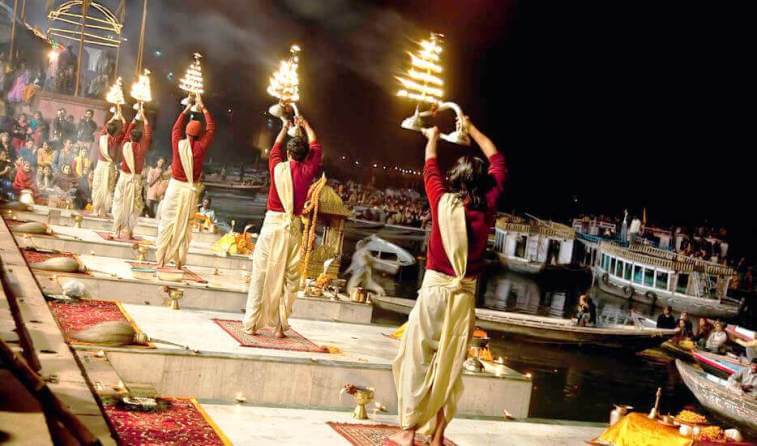
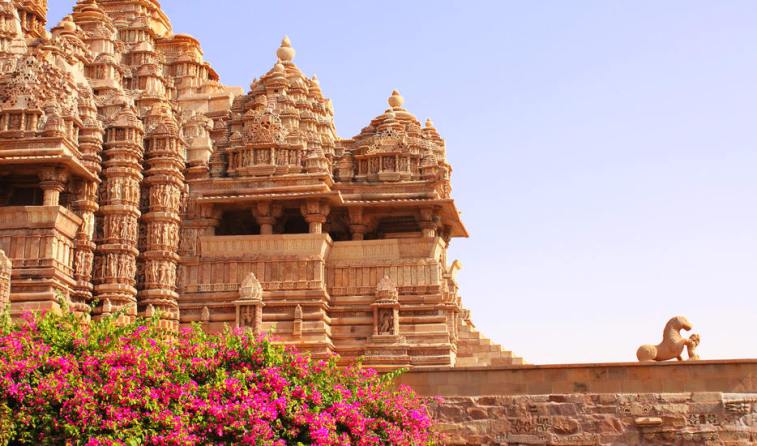
- 12–14 days: Delhi → Bandhavgarh → Kanha → Khajuraho temples → Varanasi.
- 10–12 days (Northeast focus): Guwahati → Kaziranga → Majuli Island → Meghalaya’s Living Root Bridges.
Best Time for a Wildlife India Tour
Most parks are open October–June. Winter (Nov–Feb) offers pleasant weather, ideal for birding and family safaris. Summer (Mar–Jun) is hot but the best season for tiger sightings as animals gather near waterholes. Monsoon (Jul–Sep) sees many parks closed, except for southern destinations like Periyar in Kerala.
Travel Tips for Foreign Visitors
- Health: Carry mosquito repellent, hand sanitizer, and basic medicines. Many parks are in rural areas with limited hospitals.
- Money: Bring Indian rupees in cash for park gates, tips, and small purchases. Card acceptance is limited outside major cities.
- Clothing: Neutral colors (khaki, olive, beige) work best. Avoid bright colors that disturb wildlife.
- Photography: Bring a 200–400mm zoom lens and binoculars. Flash is not allowed during safaris.
- Guides & Naturalists: Hiring them enhances the experience as they can interpret animal behavior and track sightings.
Combine Wildlife with Culture
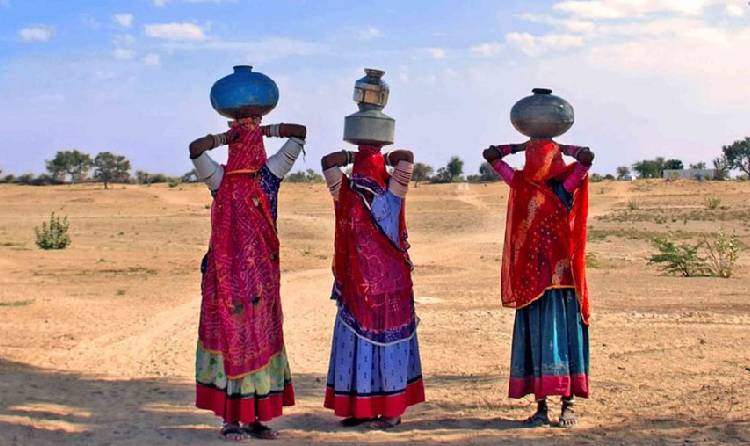
A Wildlife India Tour blends perfectly with cultural sightseeing. You can pair Ranthambore with Jaipur and the Taj Mahal, Gir with Somnath Temple and the Rann of Kutch, or Kaziranga with Meghalaya’s waterfalls and root bridges. This balance of wild nature and cultural heritage makes India unique among safari destinations.
Plan Your Wildlife India Tour
A wildlife safari in India is more than an adventure – it is a chance to support conservation and experience the harmony between people and nature. From tiger tracking in Rajasthan to lion spotting in Gujarat and rhino encounters in Assam, every journey reveals a new side of India’s wilderness. Browse our Wildlife India Tour packages to find safaris tailored for international travelers, complete with expert guides, reliable logistics, and seamless cultural add-ons. Let India’s wild side be the highlight of your next journey.